
n
n
n
A bite is a frustrating way to find bed bugs because it tells you so little. Reactions run from nothing at all to itchy welts in a line or small cluster, and they can take days to show up, so you cannot confirm bed bugs from the marks on your skin alone. The good news is that most of these bites need only simple itch relief and heal on their own, and bed bugs are not known to spread disease. What matters is watching for the two real red flags — a severe allergic reaction, and a skin infection from scratching. This guide covers what a normal reaction looks like, when to get medical care, and how to stop the bites at the source.
The detail on causes that are not insects at all sits in our guide to things on skin you cannot see.
nn
n
Bed bug bites are not proof of bed bugs because reactions vary and can lag for days; most just itch and heal on their own, so watch for the real red flags instead.
n
- n
- Normal: Itchy red welts, often in a line or cluster, that fade over a week with no fever and no spreading.
- See a doctor: Redness that spreads, warmth, pus, red streaks, or a fever, which can signal a skin infection from scratching.
- Get emergency help: Trouble breathing, throat or tongue swelling, dizziness, or hives spreading fast, which can mean a severe allergic reaction.
n
n
n
n
nn
nn
Can bites confirm bed bugs
nn
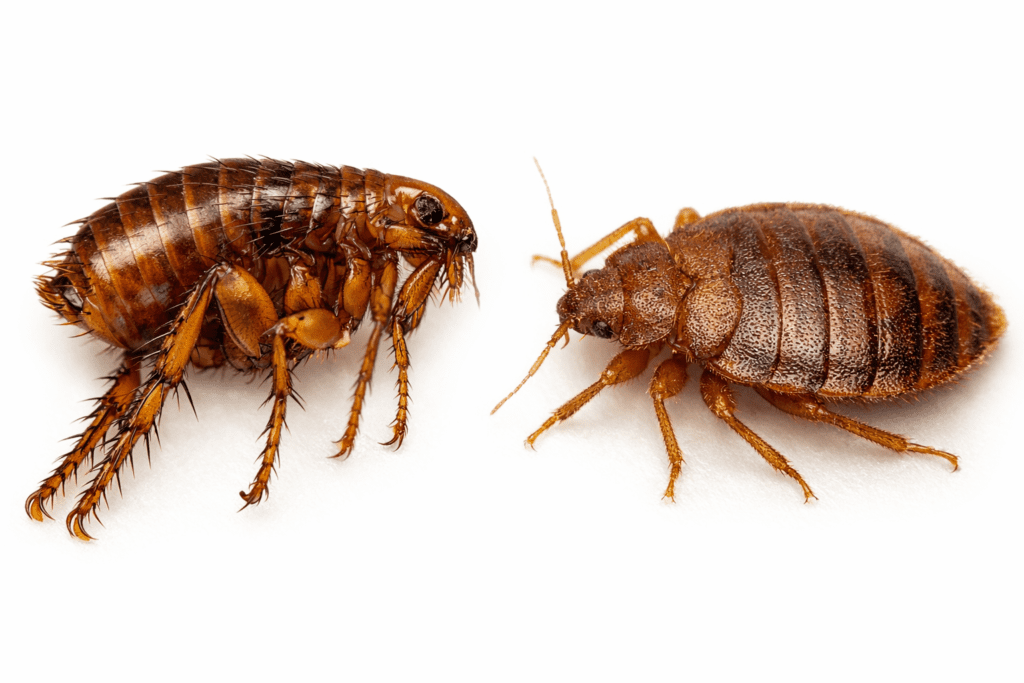
Short answer: not on their own. A bed bug bite is one clue, but it is a weak one, and treating it as proof leads people both to panic and to miss real infestations. The bites themselves look a lot like mosquito or flea bites, and the skin reaction alone cannot name the culprit.
nn
Two things make bites unreliable. First, the timing is slippery. A reaction can appear within a day, or it can take a week or more, so the welt you notice this morning may be from a bite several nights ago. Second, the response is deeply individual. A clinical review of bed bugs notes that reactions to bed bug bites vary widely from person to person, from immediate welts to delayed bumps to no mark at all. If you want certainty, look for the bugs and their signs, not just your skin. Our guide to the signs of a bed bug infestation walks through what to check.
nn
What a normal reaction looks like
nn
Most bed bug bites cause a small, itchy, raised red welt, and that is the whole event. The classic pattern people describe is a few bites in a rough line or loose cluster on skin left uncovered at night, like the arms, shoulders, neck, or legs. The itch is the main symptom, and it usually peaks in the first day or two and then settles over several days to a week.
nn
It is worth saying plainly how common a non-reaction is. The University of Kentucky’s entomology factsheet on bed bugs points out that many people show no visible reaction at all, even when they are being bitten regularly, which is exactly why bites make such a poor detector. The flip side is also true: some people react more strongly, with larger welts. Neither extreme means the bites are dangerous on their own.
nn
The reassuring fact underneath all of this is about disease. The CDC states that bed bugs are not known to spread disease to people. They are a nuisance and a sleep-wrecker, and a bad infestation can wear on your mental health, but the bites are not a route for the illnesses that ticks or mosquitoes can carry.
nn
nn
When to see a doctor
nn
A normal bite stays small and fades. The change that should move you from home care to a doctor is a bite that gets worse instead of better over a day or two. The usual cause is not the bug, it is scratching: broken skin can let in bacteria and turn an itchy welt into a skin infection.
nn
Watch for these concrete signs and treat them as a reason to be seen, not a reason to panic:
nn
| Sign | What it can mean | What to do |
|---|---|---|
| Redness spreading well past the bite | Possible skin infection (cellulitis) | Contact a healthcare provider |
| Warmth, increasing pain, or pus | Possible infected bite | Contact a healthcare provider |
| Red streaks running from the site | Infection spreading | Seek medical care promptly |
| Fever or feeling generally unwell | Body-wide response to infection | Seek medical care promptly |
nn
If you see any of these, stop home care and contact a healthcare provider, because these can point to an infection rather than a normal reaction. MedlinePlus, the NIH consumer health service, covers home care for an insect bite and when to get medical help, and infection signs like spreading redness or fever are on its list. A provider can confirm what is happening and decide whether you need treatment.
nn
Emergency signs
nn
A severe allergic reaction to insect bites is uncommon, but it is the one situation that needs immediate care, so it gets its own section. Get emergency medical help right away for signs of anaphylaxis: trouble breathing, swelling of the throat, tongue, or lips, tightness in the chest or throat, dizziness or fainting, a fast heartbeat, or hives spreading quickly over the body. These signs mean call emergency services, not wait and see. If the affected person has a known severe insect allergy and an epinephrine auto-injector such as an EpiPen has been prescribed, use it as directed and still get emergency care, because symptoms can return.
nn
To keep this in proportion: the overwhelming majority of bed bug bites never come anywhere near this. The point is simply to know the signs so you can act fast in the rare case they appear.
nn
First aid at home
nn
For an ordinary itchy bite, home care is straightforward, and the main job is to resist scratching so the skin stays intact. Wash the area with soap and water, then use a cool compress to take the edge off swelling and itch. Keeping fingernails short helps, and so does covering a bite you keep going after.
nn
For the itch itself, an over-the-counter antihistamine or a hydrocortisone cream can help some people; follow the product label, and ask your pharmacist if you are unsure or if the bites are on a child. There is no special dose or product to chase here, and there is nothing to “cure” beyond easing the itch while the welt fades on its own.
nn
nn
Stop the bites at the source
nn
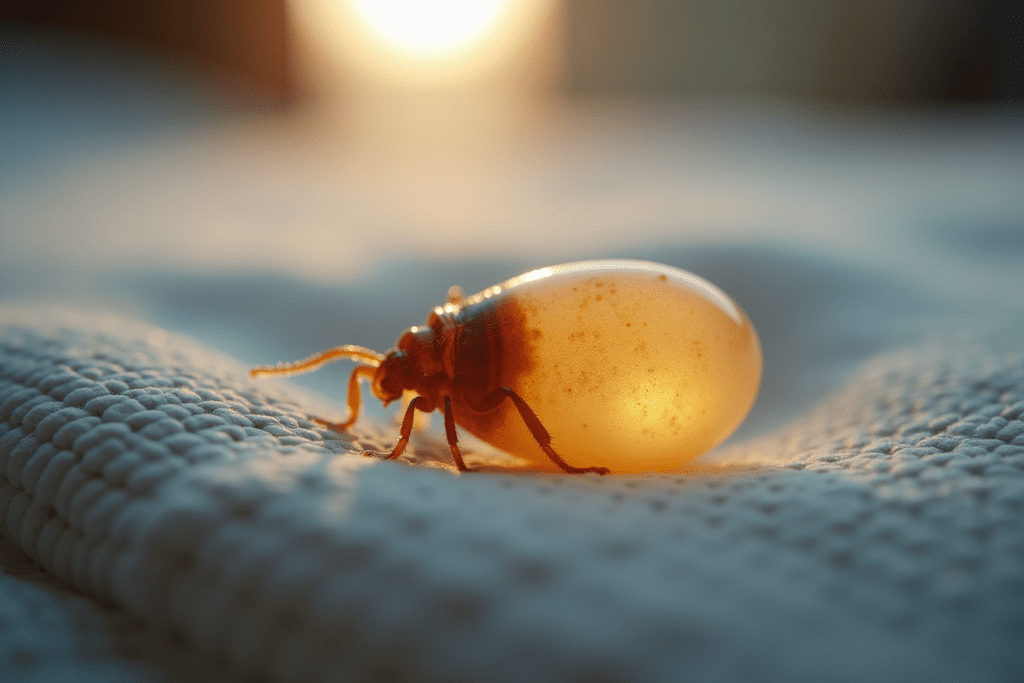
Here is the part that actually ends bed bug bites, and it has nothing to do with your skin: you have to deal with the bugs. No cream stops bites if the infestation keeps going, so prevention and control are where your effort pays off. Bites are a symptom; the infestation is the cause.
nn
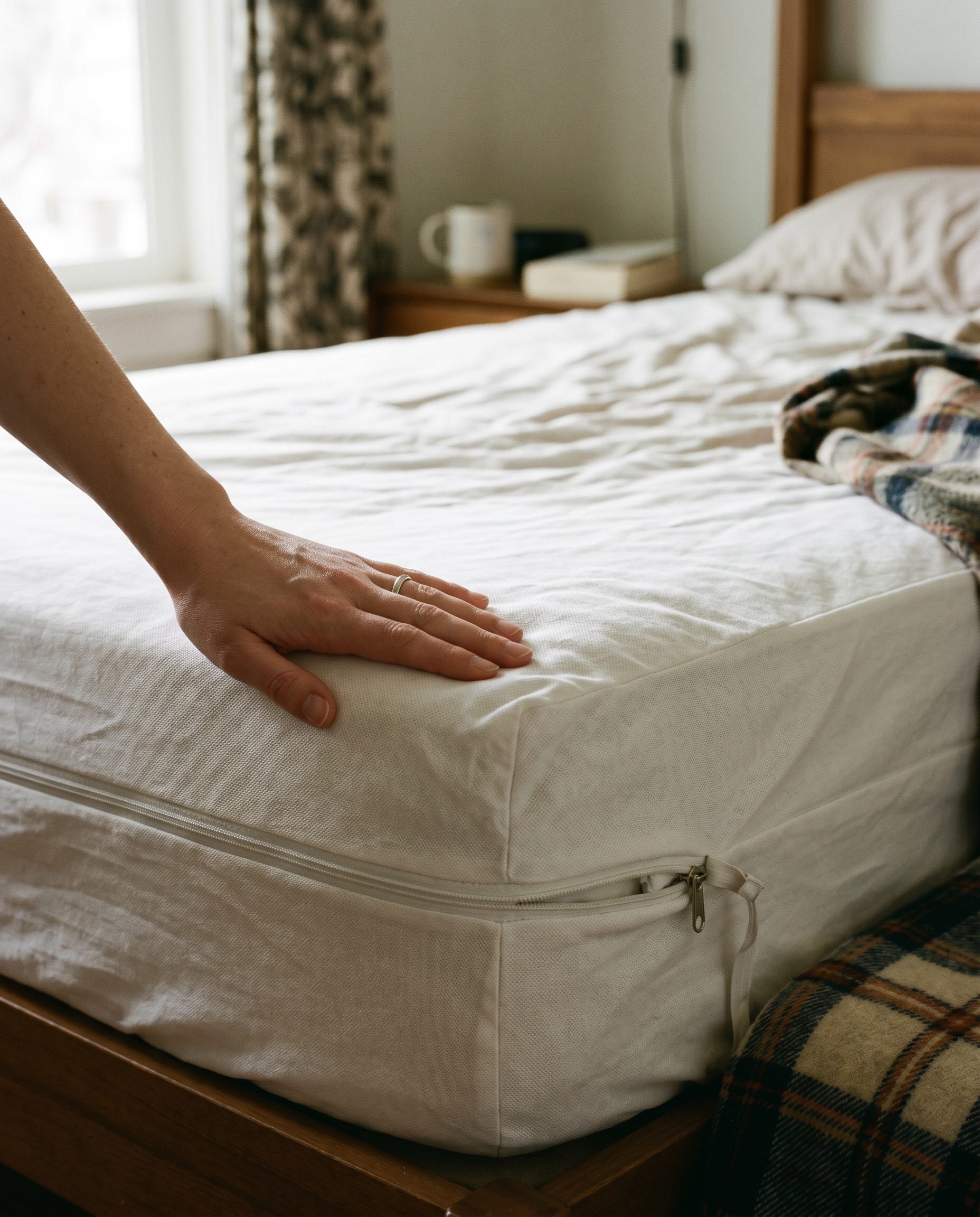
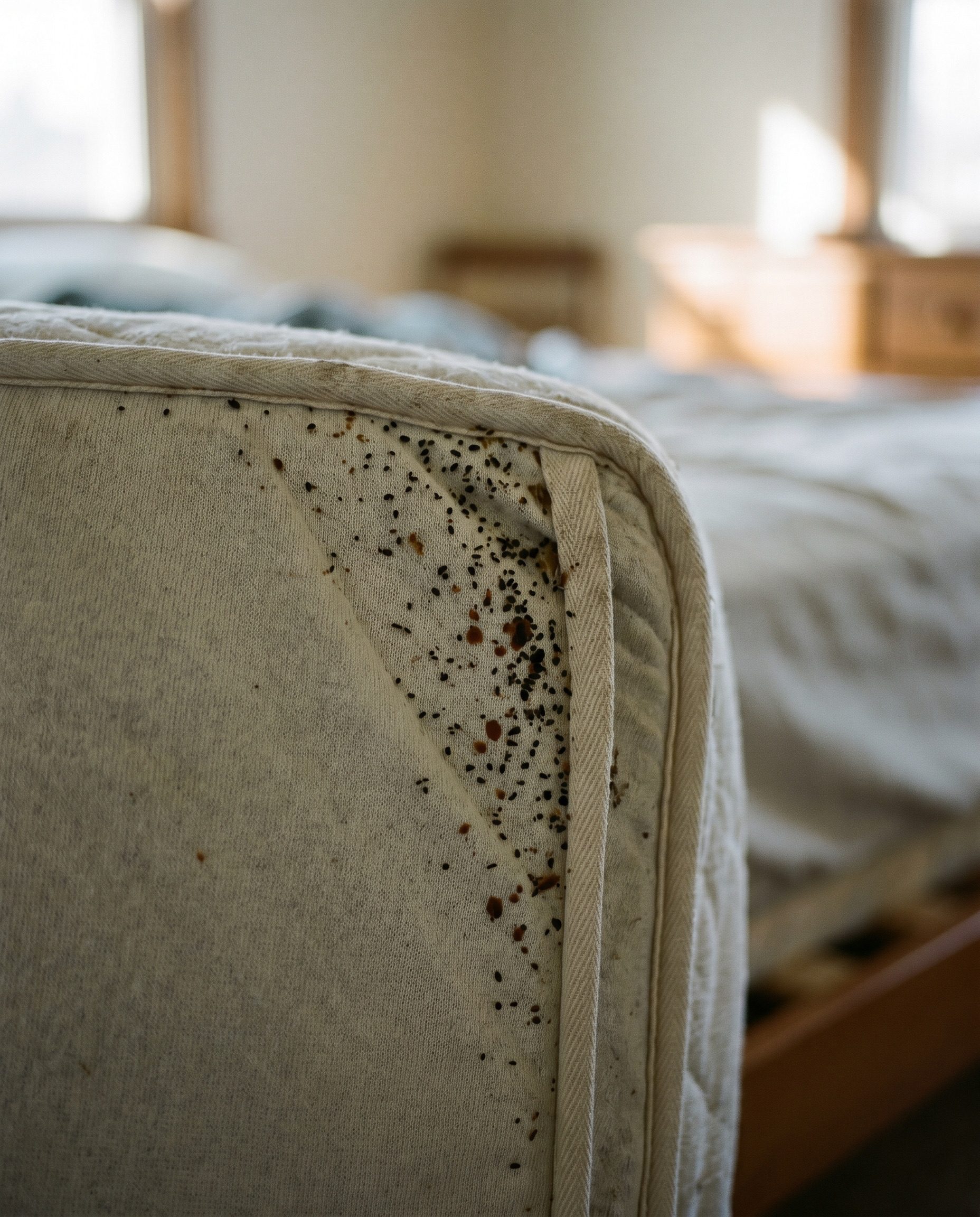
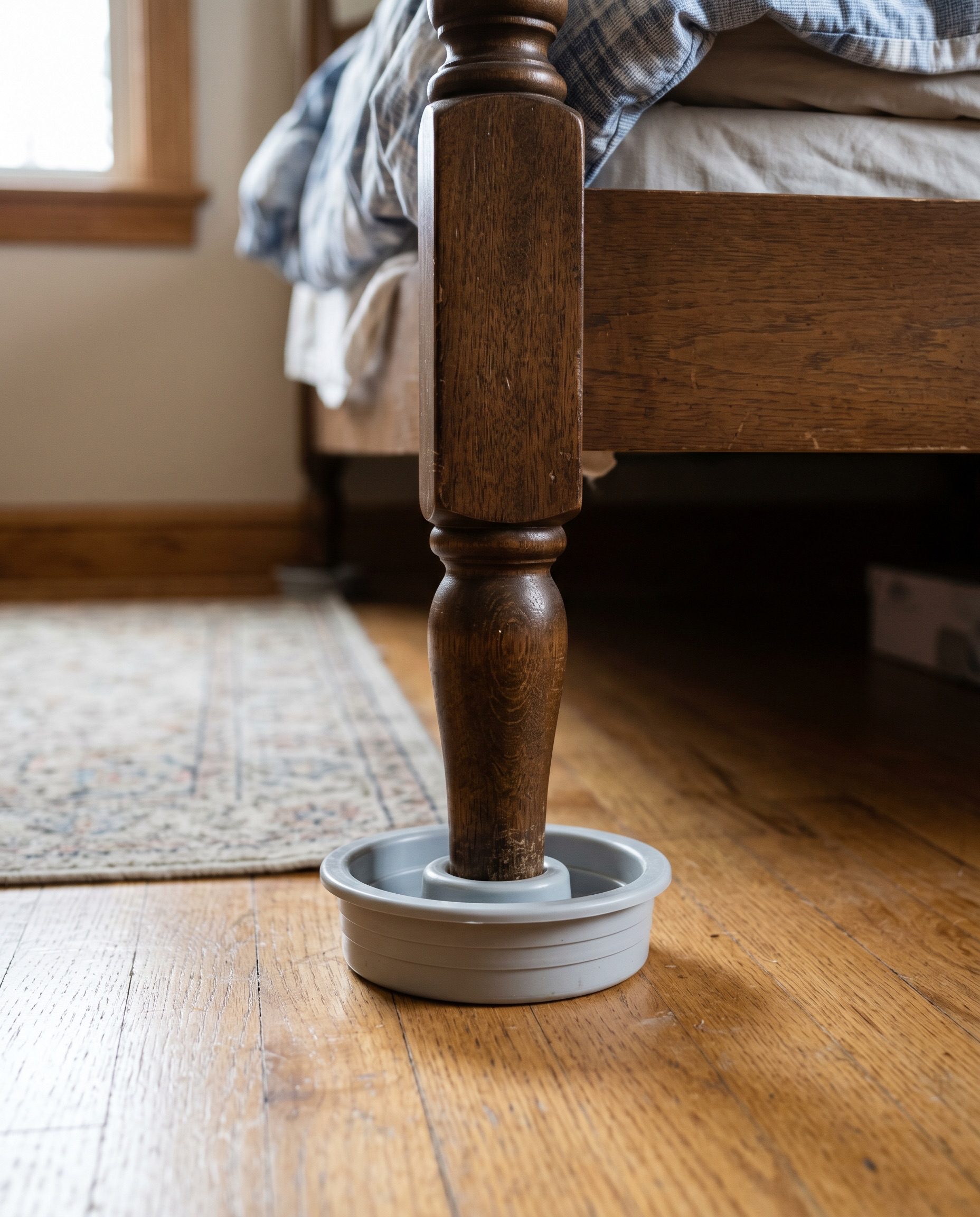
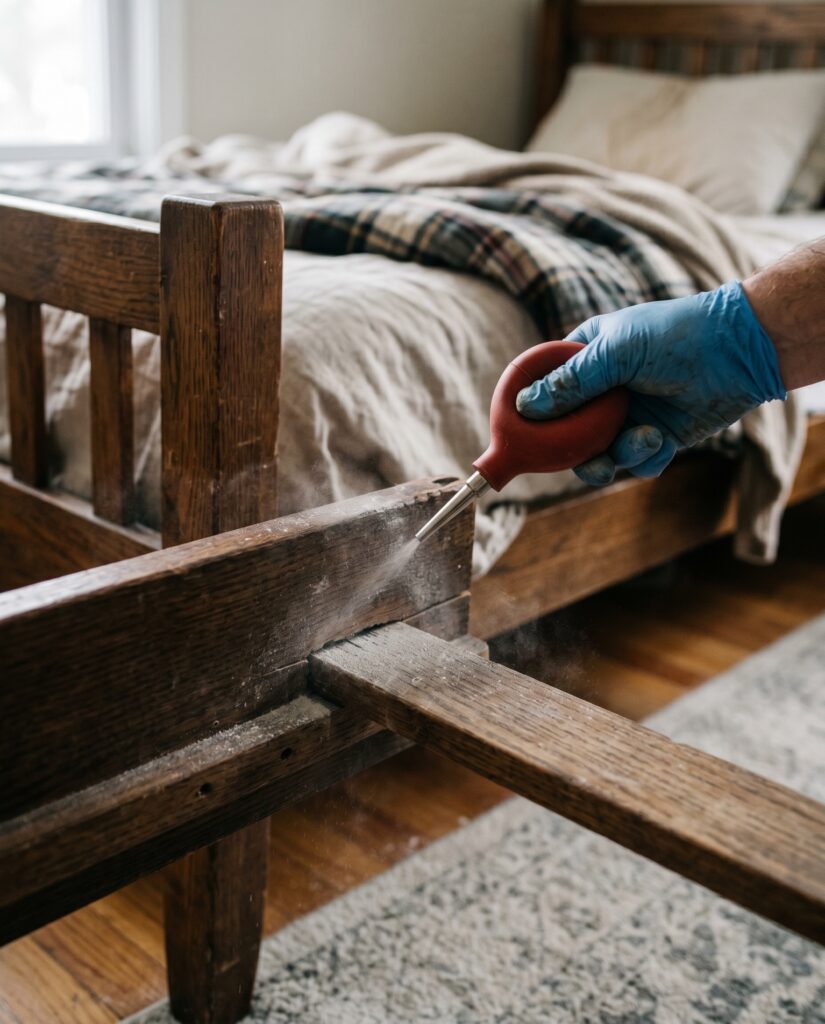
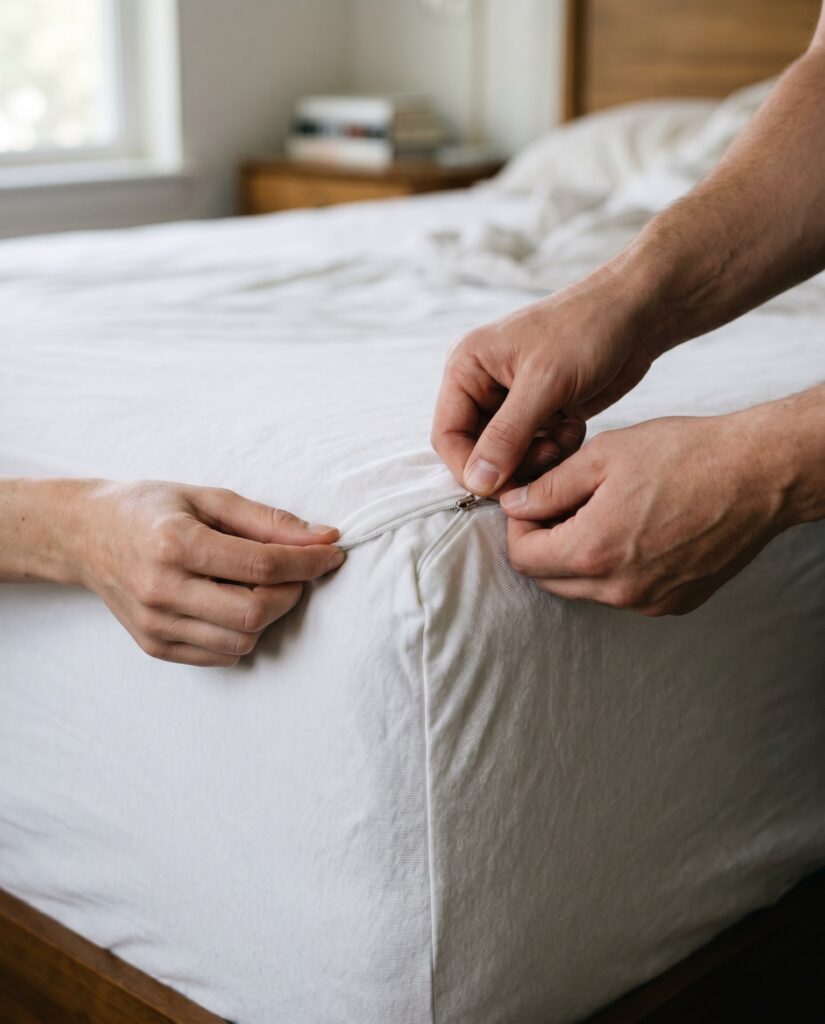
Start by reducing where bugs can hide and feed. A zippered mattress and box-spring encasement traps any bugs inside and removes seams as hiding spots, and small interceptor cups under the bed legs can catch bugs trying to climb up. Pull the bed away from the wall, keep bedding from touching the floor, and check the seams and piping of your mattress for the rust-colored spots that signal bed bugs. The EPA’s homeowner guidance explains how to treat the infestation so the bites stop, using a combination of cleaning, heat, vacuuming, and, where needed, EPA-registered products applied per the label, since under federal law the label is the law.
nn
Bed bug control is genuinely hard to finish on your own, and many cases end up needing a professional. For a full walkthrough of the steps and when to call for help, see our guide to getting rid of bed bugs.
nn
Common questions
nnHow long do bed bug bites last?n
A typical bite fades over about a week as the itch settles. If a bite is getting redder, warmer, or more painful after a day or two instead of better, treat that as a possible infection and contact a healthcare provider.
nnCan you have bed bugs without any bites?n
Yes. Many people do not react to the bites at all, so a lack of welts does not mean a lack of bugs. Look for physical signs like rust-colored spots on the sheets and mattress seams rather than relying on your skin.
nnDo bed bug bites spread disease?n
The CDC reports that bed bugs are not known to transmit disease to people. The real medical risks are a skin infection from scratching an open bite and, rarely, a severe allergic reaction, which is why those are the signs to watch.
nnHow can I tell a bed bug bite from a mosquito or flea bite?n
You often cannot tell them apart from the mark alone, since they look similar and reactions vary. Bed bug bites are sometimes in a line or cluster on skin exposed at night, but confirming bed bugs really means finding the bugs or their droppings, which our bed bug identification guide walks through, not reading the bites.
nnShould I see a doctor for bed bug bites?n
Most bites need only itch relief at home. See a doctor if a bite shows spreading redness, warmth, pus, red streaks, or a fever, and get emergency help for any sign of a severe allergic reaction.
nn
Final verdict
nn
Bed bug bites are a poor diagnostic and an even worse thing to fixate on. The reaction is too variable and too delayed to confirm anything, and most bites simply itch for a few days and heal with basic care, since bed bugs are not known to spread disease. Keep your attention on the two things that genuinely matter: stop scratching so a bite does not turn into a skin infection, watch for the rare emergency signs of a severe allergic reaction, and treat the infestation itself so the bites stop coming. The bite is the symptom; the bugs in the bed are the problem to solve.
nn
This guide is information, not medical advice. Use it to know when home care is fine and when it is not, and defer to your clinician for anything that worries you.
If you are still not sure what you are looking at, our What bit me? wizard works through it in four questions.
nnThis article is for information only and is not medical advice.
Pingback: Insect Bites That Blister: Causes and Treatment
Pingback: Bugs That Look Like Bed Bugs: The Full Comparison