Finding bed bugs on a trip is every traveler’s nightmare, but you can prevent most problems with a simple routine. Bed bugs are expert hitchhikers that move from room to room on luggage, clothing, and personal items, not because a place is “dirty.” This guide shows exactly what to check when you arrive, where to keep your suitcase, and what to do the moment you spot warning signs. You’ll also get a post-trip checklist to keep your home from becoming the next stop.
Quick Answer: How to Prevent Bed Bugs When Traveling
To prevent bed bugs while traveling, inspect the sleeping area before unpacking, keep luggage isolated, and use heat after the trip. Here’s the fast, checklist-style version:
- Before you set anything down: Put bags in the bathtub or on a hard surface.
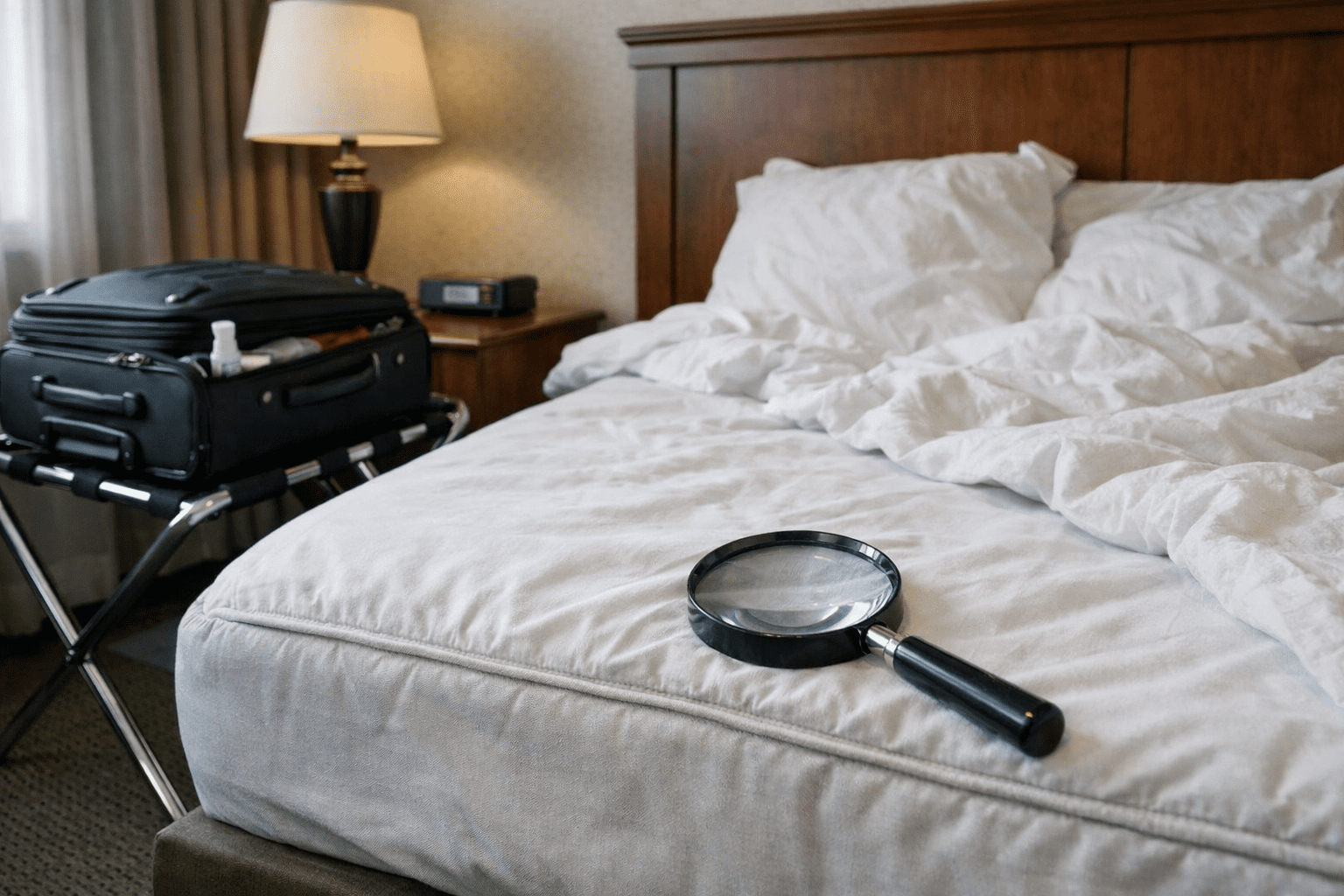
- Inspect the bed first (2 minutes): Check mattress seams, corners, and tags for pepper-like spots, shed skins, or live bugs.
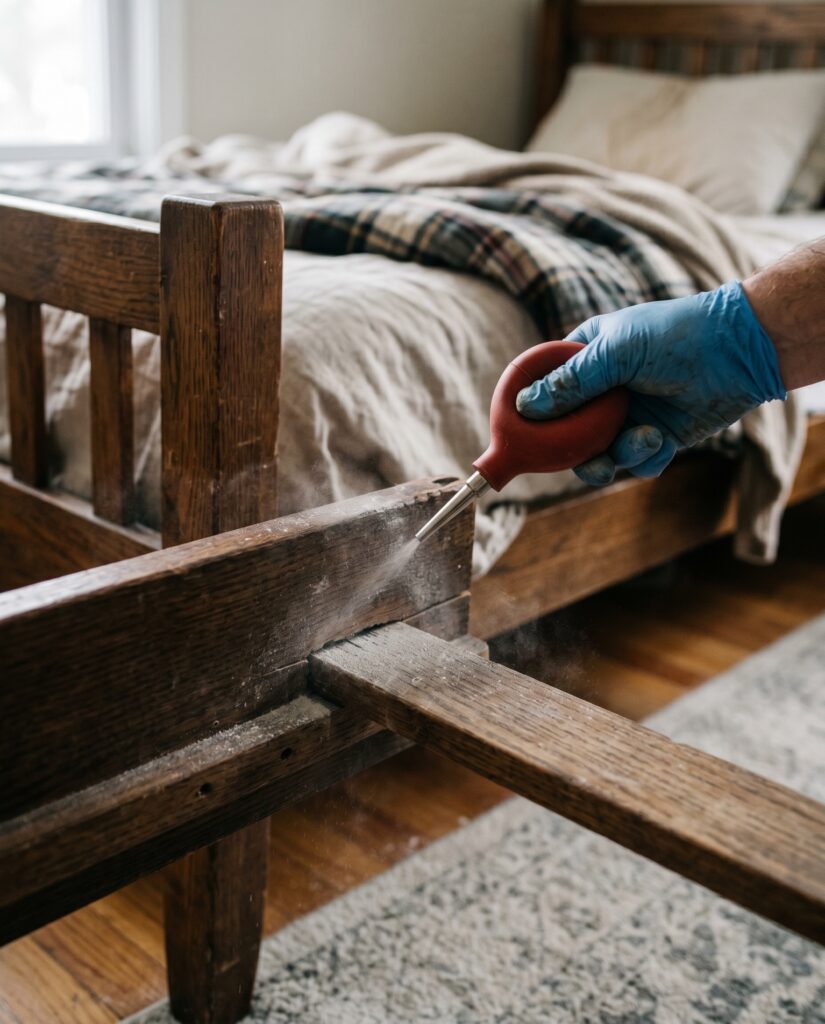
- Check the headboard and nearby furniture: Look behind the headboard, inside nightstands, and along baseboards.
- Keep luggage off soft surfaces: Avoid placing suitcases on beds, couches, or carpet.
- If you see signs: Request a different room not adjacent to the original, or switch hotels.
- After you return home: Run clothing through a hot dryer cycle and inspect and vacuum luggage outdoors.
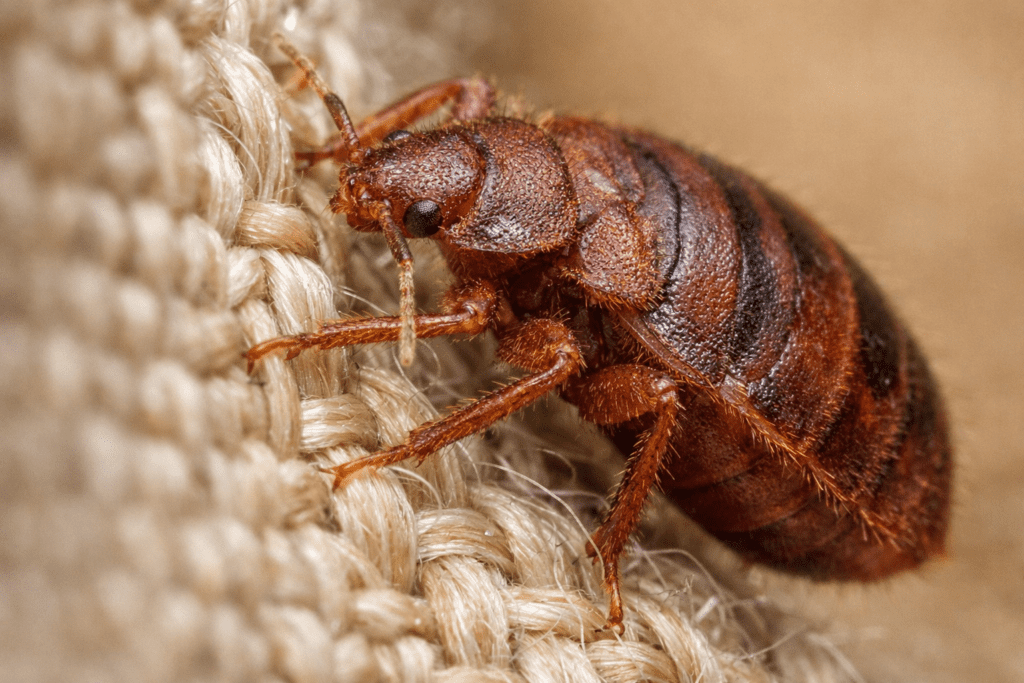
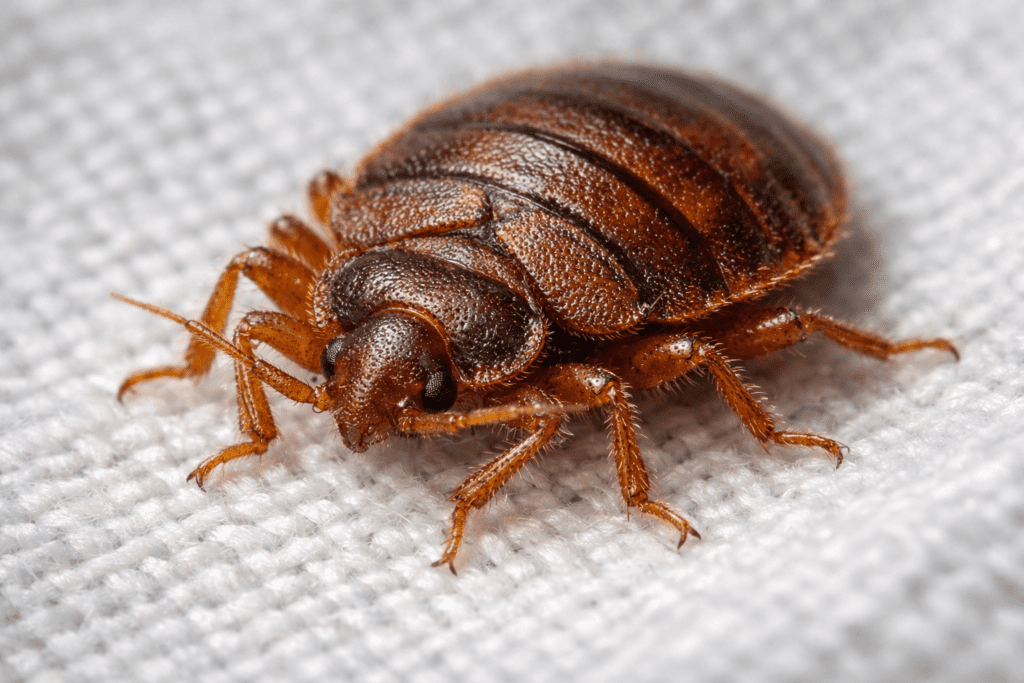
What they look like: adults are flat, oval, and apple-seed sized (about 5-7 mm). Nymphs are smaller and pale. Eggs are tiny and white.
Why Bed Bugs Spread So Easily in Hotels, Airplanes, and Rentals
Bed bugs (Cimex lectularius) are built for stealth. They hide in narrow cracks, come out mostly at night, and feed quickly. The reason they travel so well is simple: they do not need to fly when you carry them for free.
A common misconception is that bed bugs only show up in “unclean” places. In reality, high turnover is the bigger risk. Rooms that host lots of guests, especially during spring and summer travel spikes, give bed bugs more chances to hitchhike in and out on belongings. Industry reporting has noted travel-season increases and the role of frequent guest turnover in lodging settings, including budget accommodations.
Public concern is high, but confidence is not. In a travel-focused warning shared by the National Pest Management Association, many travelers reported worry about bed bugs while away from home, yet far fewer felt confident inspecting or identifying them. That gap is exactly where infestations happen.
Where bed bugs hide (not just beds)
Think of bed bugs like pickpockets that prefer crowded places and dark corners. They concentrate near where people rest, but they can spread out.
Common hiding spots to check:
- Mattress seams, piping, and labels
- Box spring edges and stapled fabric
- Behind headboards and wall-mounted lamps
- Nightstands, dresser joints, and drawer corners
- Upholstered chairs, sofas, and curtain hems
- Baseboards, carpet edges, and outlet plates
Visual: Bed bug “hotspot” map for a typical hotel room
| Area | Risk level | Why it matters |
|---|---|---|
| Mattress seams and corners | High | Closest to a sleeping host |
| Headboard (especially wall-mounted) | High | Tight cracks, rarely cleaned |
| Nightstand and drawers | Medium | Clutter and joints provide cover |
| Luggage rack | Medium | Guests place bags there repeatedly |
| Bathroom tub/tile | Low | Hard, exposed surfaces |
Actionable takeaway: Your goal is not to inspect the whole room. It’s to check the highest-yield hiding spots before you unpack.
If you’re unsure whether bites are from bed bugs or something else, compare patterns and timing using Mosquito Bites vs Bed Bugs, Fleas, Spiders & Ticks. It can help you avoid misdiagnosing the problem and missing the real source.
Step-by-Step Hotel Inspection (Do This Before You Unpack)
PackTite Portable Bed Bug Heater
Do not recommend the PackTite Portable Bed Bug Heater due to a 2013 CPSC voluntary recall of about 9,000 units for fire hazards from overheating and melting; affected black canvas bag models lack text on the heater casing’s up-facing side. Reviews note cheap build and temperature limitations when loaded. Seek safer, updated bed bug treatment alternatives.
Most travelers lose the battle in the first five minutes: they set luggage on the bed, toss clothes on a chair, and only then start looking around. Flip that order. A good inspection is fast, targeted, and repeatable.
Here’s a field-tested routine entomologists and pest professionals recommend, aligned with travel guidance shared by the National Pest Management Association.
What you need (keep it simple)
- Phone flashlight or small flashlight
- A hotel key card or thin plastic card (to run along seams)
- Optional: a few zip-top bags for isolating items
The 7-minute inspection routine
-
Stage your luggage safely first
- Put your suitcase in the bathtub or on a hard tile floor.
- If there’s no tub, use a hard desk surface away from the bed.
-
Check the bed like a pro
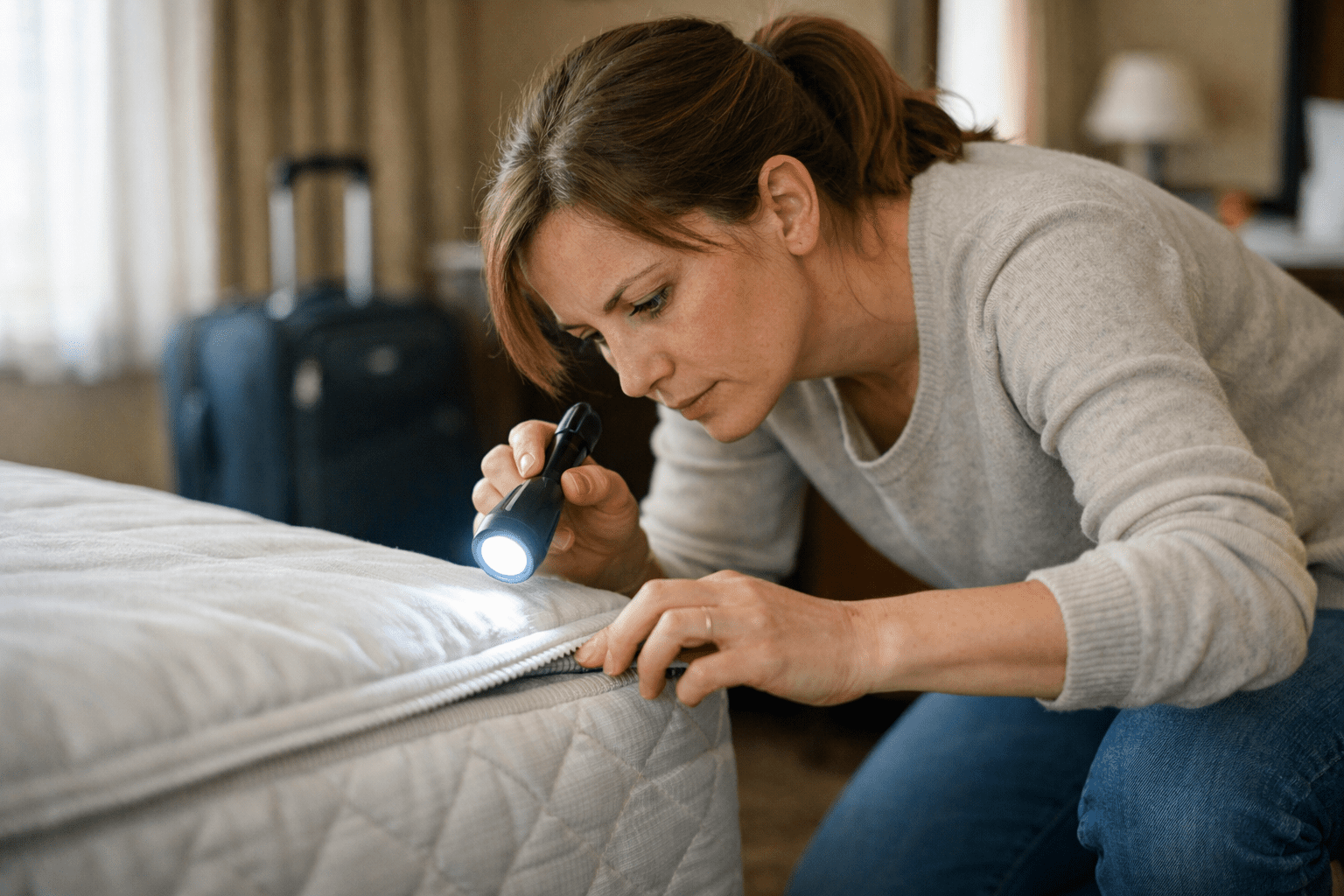
- Pull back sheets and inspect mattress seams, especially near the head.
- Look for:
- Dark dots (fecal spots that can look like ink)
- Rusty stains (crushed bugs or old blood)
- Pale shed skins
- Live bugs (adults are brown and flat)
-
Inspect the headboard zone
- Bed bugs love headboards because they are close to the host and full of cracks.
- Shine light behind it if possible, and check wall seams.
-
Scan nearby furniture
- Open the nightstand and check drawer corners and joints.
- Look at upholstered chairs, especially seams and under cushions.
-
Do a quick perimeter check
- Baseboards near the bed and the carpet edge are worth a glance.
Visual: What to do if you find suspicious signs
- One suspicious spot, no live bugs: Continue inspection, keep luggage isolated, consider requesting a new room.
- Multiple signs (spots + skins): Ask to move rooms farther away, not next door.
- Live bug observed: Change rooms or properties. Do not unpack.
Actionable takeaway: If you change rooms, avoid adjacent rooms. Bed bugs can spread through wall voids and housekeeping carts.
Suggested image alt text: “Traveler inspecting hotel mattress seams for bed bugs with a flashlight”
Luggage, Clothing, and Packing Strategies That Block Hitchhikers
Bed Bug Detector and Trap by EcoSMART
This bed bug detector can help travelers identify bed bugs in hotel rooms, providing peace of mind before unpacking.
If bed bugs are good at one thing, it’s grabbing onto the edges of human routines. Your suitcase is basically public transportation for them. The best travel bed bug prevention plan focuses on two ideas: reduce contact with soft surfaces and make your belongings harder to infiltrate.
Smart luggage placement (what actually works)
Many travelers use the luggage rack, but racks can be risky because countless suitcases have sat there. A safer approach is to choose surfaces bed bugs struggle with.
Best places for luggage:
- Bathtub or shower stall (dry and clean)
- Hard countertop or desk (away from the bed)
- Large plastic bag or luggage cover on tile
Avoid:
- Beds and upholstered chairs
- Carpeted floors
- Closets with extra linens piled inside
Pack like you expect exposure (because you might get it)
You do not need special gear to pack defensively. You need barriers and organization.
Packing checklist:
- Use zippered packing cubes or sealable bags for clothing.
- Keep “clean” and “worn” clothes separate.
- Bring 2-3 gallon-size bags for shoes and laundry.
- Minimize clutter – bed bugs love hiding in folds and piles.
Visual: “Barrier packing” setup
| Item | Purpose | How to use it |
|---|---|---|
| Packing cubes or sealable bags | Limits hiding places | Keep clothes sealed when not worn |
| Laundry bag that closes | Isolates worn items | Seal immediately after changing |
| Hard-sided luggage (if possible) | Fewer seams | Still inspect zippers and lining |
| Small flashlight | Faster inspections | Keep in your carry-on |
What about sprays, essential oils, and repellent products?
Most “bed bug repellent” sprays marketed for travel have mixed results in real-world settings. Bed bugs hide in protected cracks, and contact products often miss them. If you use a product, treat it as a backup, not your main plan.
For bite prevention at night, note that mosquito tools are not bed bug tools. Still, travelers often confuse the two. If you’re camping or staying in open-air lodging, Best Mosquito Nets for Beds, Travel & Camping can help reduce mosquito bites, but it will not solve a bed bug problem in a room.
Actionable takeaway: Your best “repellent” is behavior: isolate luggage, reduce fabric contact, and keep items sealed.
What to Do After Your Trip: Keep Bed Bugs Out of Your Home
Travel Size Bed Bug Spray by Hot Shot
This travel-sized bed bug spray is perfect for treating luggage and personal items while on the go, helping to prevent bed bugs from hitching a ride.
Most home infestations linked to travel start the same way: a suitcase lands on the bed, laundry gets tossed into a hamper, and a few hidden insects quietly relocate. The post-trip routine is where you win.
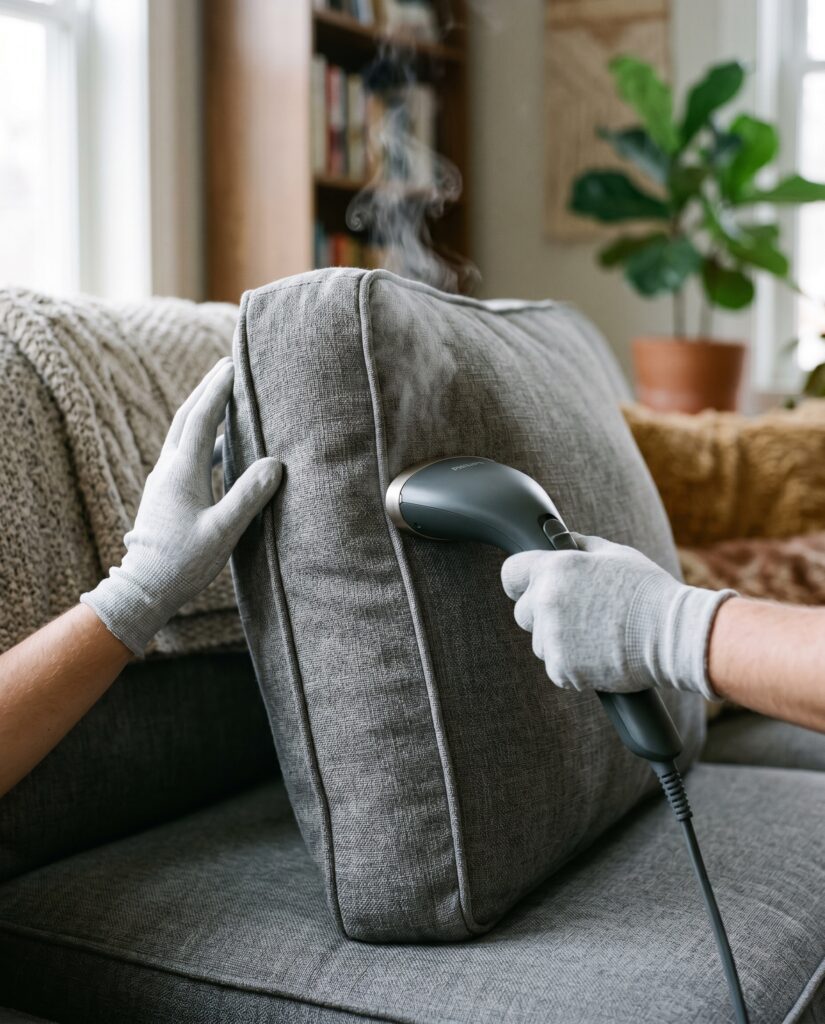
Heat is the most reliable tool for travelers because it works even when you cannot see the insects. Pest professionals routinely emphasize high heat as a kill step because it denatures proteins and kills all life stages when applied correctly.
The post-trip “airlock” routine (15-30 minutes)
Do this before you relax, ideally in a garage, on a patio, or in a laundry room with a hard floor.
-
Keep luggage off beds and carpets
- Place it on tile or in a bathtub.
-
Unload directly into the washer or sealable bags
- Wash if fabrics allow.
- Dry on high heat when safe for the fabric. Drying is often the more important kill step.
-
Dry-clean-only items
- Bag them and take them to a cleaner, telling them you suspect bed bug exposure.
-
Vacuum the suitcase thoroughly
- Focus on seams, zipper tracks, and pockets.
- Empty the vacuum into a sealed bag and discard it outdoors.
-
Heat-treat the empty suitcase when possible
- Some travelers run an empty suitcase in a dryer if it fits and the material allows. If not, use sunlight plus time as a partial measure, but remember sunlight is not a guaranteed kill.
Visual: Dryer heat cheat sheet (practical guidance)
| Item | Best step | Notes |
|---|---|---|
| Everyday clothing | High-heat dryer | Follow fabric care labels |
| Jackets, sweaters | Dryer if safe | If not, bag and monitor |
| Shoes | Inspect + isolate | Some can be dried briefly, many cannot |
| Suitcase | Vacuum + heat if possible | Focus on seams and lining |
When to consider professional help
If you return home and notice:
- New bite clusters after sleeping
- Dark spotting on sheets or mattress seams
- A musty, sweet odor in severe cases
- A live bug or shed skin near the bed
…then act early. Early infestations are cheaper and easier to eliminate. Many pest management companies use integrated approaches (inspection, targeted treatment, and follow-up). For general bed bug biology and public health context, the Centers for Disease Control and Prevention bed bug guidance offers a solid overview, including what bed bugs do and do not do.
Suggested image alt text: “Vacuuming and inspecting luggage after travel to prevent bed bugs at home”
Actionable takeaway: Treat travel laundry like it’s contaminated until heat-treated. That one habit prevents many infestations.
Bed Bug Myths That Make Travelers Less Safe (and What’s True)
Misinformation causes two common mistakes: people either panic and do random treatments, or they dismiss warning signs until the problem spreads. Let’s clear up the myths that lead to bad decisions.
Myth 1: “Bed bugs only happen in dirty hotels”
Reality: Bed bugs are not attracted to grime. They are attracted to hosts and hiding places. A spotless room can still have bed bugs if they arrived in a previous guest’s luggage. Travel and turnover matter more than cleanliness.
What to do instead: Inspect every room the same way, including high-end hotels and vacation rentals.
Myth 2: “If I don’t see one, I’m safe”
Reality: Bed bugs are small and good at staying out of sight. Eggs are about 1 mm and pearly white. Nymphs can be nearly transparent after molting. Many people miss early signs without a flashlight and a seam-focused check.
What to do instead: Look for evidence, not just insects:
- dark fecal spotting
- shed skins
- rusty stains on sheets and mattress edges
Myth 3: “They spread because they jump or fly”
Reality: Bed bugs do not fly, and they do not jump like fleas. They crawl and hitchhike. That’s why luggage handling and unpacking habits are so important.
What to do instead: Use the bathtub or hard surfaces for luggage staging and keep clothing sealed when possible.
Myth 4: “One treatment fixes it”
Reality: Bed bugs can be difficult to eliminate because they hide in protected cracks and may be resistant to some insecticides in certain areas. That’s why professionals stress proactive prevention and early detection.
What to do instead: If you suspect exposure, use heat and isolation immediately. If you suspect an established home infestation, consider professional inspection and a structured plan.
Visual: Myth vs reality snapshot
| Myth | Reality | Best traveler response |
|---|---|---|
| Dirty rooms cause bed bugs | Hitchhiking causes bed bugs | Inspect everywhere |
| You’ll feel bites right away | Reactions vary widely | Look for spots and skins |
| They live only in beds | They hide in furniture and cracks | Check headboards and seams |
| Sprays solve the problem | Behavior + heat works best | Isolate, inspect, heat-treat |
If you’re trying to separate mosquito bites from other bite sources on a trip, Mosquito Bites vs Bed Bugs, Fleas, Spiders & Ticks can help you decide what to investigate first. And if your trip involves evenings outdoors, Best Mosquito Repellent Candles & Coils can reduce mosquito pressure around patios and campsites, which prevents a lot of bite confusion.
Conclusion: A Simple Routine Beats Luck Every Time
Preventing bed bugs during travel comes down to a few repeatable habits: inspect before unpacking, keep luggage off soft surfaces, and use high heat on clothing when you get home. Bed bugs are persistent, but they are not mysterious once you know where they hide and how they move.
Next step: save the 7-minute inspection routine to your phone and use it on every check-in. If you’re dealing with bites and want help narrowing the cause, start with Mosquito Bites vs Bed Bugs, Fleas, Spiders & Ticks and then adjust your prevention plan from there.
As an Amazon Associate, I earn from qualifying purchases. Product recommendations are based on real reviews and independent research.