Finding itchy red marks after a night’s sleep can be unsettling, and bed bug bites are one of the most searched-for culprits. The tricky part is that bite reactions vary widely, and the marks can look like other common insect bites. This guide shows you what bed bug bites typically look and feel like, how long symptoms can take to appear, and what actually helps the itch. You’ll also learn how to confirm an infestation (without guessing) and the prevention steps that stop repeat bites.
Quick identification: what bed bug bites usually look like (and what to do first)
Bed bug bites are skin reactions to saliva injected during feeding, not “poison” or disease. Many people itch for days, while others show no marks at all.
Fast checklist for bed bug bites
- Pattern: often lines, clusters, or zigzags (“breakfast-lunch-dinner” style) on exposed skin
- Common locations: face, neck, arms, hands, shoulders, lower legs
- Size: small red bumps or welts, often under 1/4 inch (about 6 mm)
- Timing: can appear within hours or be delayed up to 14 days
- Feel: usually painless at first, then itchy; swelling or blisters can occur in stronger reactions
- Best “first move”: treat the itch, then confirm the infestation by finding physical signs (bugs, spots, shed skins)
If you’re unsure: use a bite-comparison guide like Mosquito Bites vs Bed Bugs, Fleas, Spiders & Ticks to narrow it down before you start treating your home.
Bed bug bites: symptoms, timelines, and why reactions vary
Two people can sleep in the same bed and have totally different skin results. That’s because bed bug bites trigger an allergic-type response to proteins in the bug’s saliva, and sensitivity varies from person to person. According to the American Academy of Dermatology’s bed bug guidance, many bites can be managed at home, but the appearance can range from faint pink bumps to larger swollen welts.
What bed bug bites typically look like
Bed bugs (common bed bug, Cimex lectularius) feed at night and prefer exposed skin. The classic look is multiple bites rather than a single mark.
Common appearance clues
- Red bumps or raised welts with a darker center
- Several bites close together, sometimes in a line
- Itch that can intensify over 24 to 72 hours
- Occasional blistering in more reactive individuals
How long after a bite do symptoms show up?
Here’s the part that causes the most confusion: a delayed reaction is normal. Some people react quickly; others don’t notice anything until days later.
Typical timeline (what many people experience)
- Night of feeding: usually no pain, no immediate wake-up
- Hours to days later: redness and itching begin
- Days later: itch peaks; scratching can inflame the area
- 1 to 2 weeks: most marks fade, assuming no infection
The Cleveland Clinic’s overview of bedbugs notes that reactions can differ widely, and bite marks alone are not proof of an infestation.
Why bites can look “random”
Bed bugs don’t always bite in neat rows. Feeding can be interrupted by movement, clothing edges, or a bug being disturbed. Think of it like a tiny “sip-and-hide” routine: probe, feed briefly, then retreat to a seam or crack.
Symptoms that are not from the bite itself
- Trouble sleeping due to itching
- Anxiety from repeated overnight biting
- Skin irritation made worse by heat and sweat
Quick visual: bed bug bites vs similar bites
| Bite source | Typical pattern | Common location | Key clue |
|---|---|---|---|
| Bed bugs | Lines/clusters/zigzags | Exposed skin during sleep | Often multiple bites after sleeping |
| Mosquitoes | Scattered single welts | Anywhere exposed | Often noticed soon after bite |
| Fleas | Clusters, smaller bumps | Ankles/lower legs | Often with pets or carpets |
| Spiders | Usually single lesion | Anywhere | Often one bite; may be painful |
If you’re also dealing with strong swelling or widespread hives from any insect bite, the signs and next steps in Mosquito Bite Allergic Reaction: Signs, Treatment & When to Worry are a useful reference for when to escalate care.
How to treat bed bug bites safely (itch relief, healing, and when to see a doctor)
ZAP Bug Bed Bug Killer Spray, 16 oz
This product is relevant as it provides a solution for treating bed bug infestations, which is a key focus of the article.
Most bed bug bites heal on their own, but the itch can be intense. The goal is simple: calm inflammation, reduce scratching, and prevent infection. The Mayo Clinic’s bedbug symptoms and causes resource and guidance from the American Academy of Dermatology both emphasize symptom relief and watching for complications.
Step-by-step treatment you can do at home
1) Clean the skin
- Wash bites with soap and water.
- Pat dry. Avoid harsh scrubbing.
2) Reduce itch and swelling
- Apply a cool compress for 10 minutes, repeat as needed.
- Use 1% hydrocortisone or calamine lotion (follow label directions).
- Consider an oral antihistamine for itch, especially at night.
3) Protect the area
- Keep fingernails short.
- Cover irritated spots with a light bandage if you scratch in your sleep.
4) Let the skin heal
- Most people improve in 1 to 2 weeks.
- Darker marks can linger longer, especially after heavy scratching.
Quick “treatment menu” (choose what fits your symptoms)
| Symptom | What helps | Notes |
|---|---|---|
| Mild itch | Cool compress, calamine | Good first-line options |
| Moderate itch | 1% hydrocortisone | Avoid eyes, follow label |
| Nighttime itching | Oral antihistamine | Can cause drowsiness |
| Painful inflammation | OTC pain reliever | Use as directed |
| Broken skin | Gentle cleaning, bandage | Prevents infection |
For a broader overview of itch-relief products that also apply to many bite types, see Best Mosquito Bite Relief Products. Many of the same anti-itch ingredients are used for bed bug reactions too.
When bed bug bites need medical care
Seek medical advice promptly if you notice:
- Increasing redness, warmth, swelling, or pus/oozing
- Fever or red streaking (possible infection)
- Large blisters or widespread hives
- Facial swelling, trouble breathing, dizziness, or throat tightness (emergency allergic reaction)
A public health overview from the Texas Department of State Health Services bed bug fact sheet highlights that severe allergic reactions are rare but possible, and secondary skin infections can occur after scratching.
Important reality check: bed bugs are not known disease spreaders
It’s a common fear, but major medical references agree: bed bugs are not known to transmit disease to humans. The health impact is mainly itching, sleep disruption, and infection risk from scratching, as summarized by sources like Harvard Health Publishing.
Confirming an infestation: don’t diagnose bed bugs by bites alone
EcoSMART Organic Bed Bug Killer, 14 oz
EcoSMART Organic Bed Bug Killer (14 oz) is a plant-based aerosol spray using peppermint oil, rosemary oil, and 2-Phenethyl Propionate to kill bed bugs, eggs, and dust mites on mattresses and carpets, marketed as safe for children and pets with no harmful residues; however, without Amazon ratings, reviews, or third-party testing data, its real-world performance cannot be confidently recommended over alternatives[1][2][4].
Bites can point you in the right direction, but they can’t confirm bed bugs. The most reliable approach is to treat your skin symptoms while you look for physical evidence. Bed bugs are excellent at hiding in seams and cracks, and they’re built for staying out of sight.
Where bed bugs hide (the highest-yield places to check)
Start close to where you sleep, then expand outward in rings.
Top inspection zones
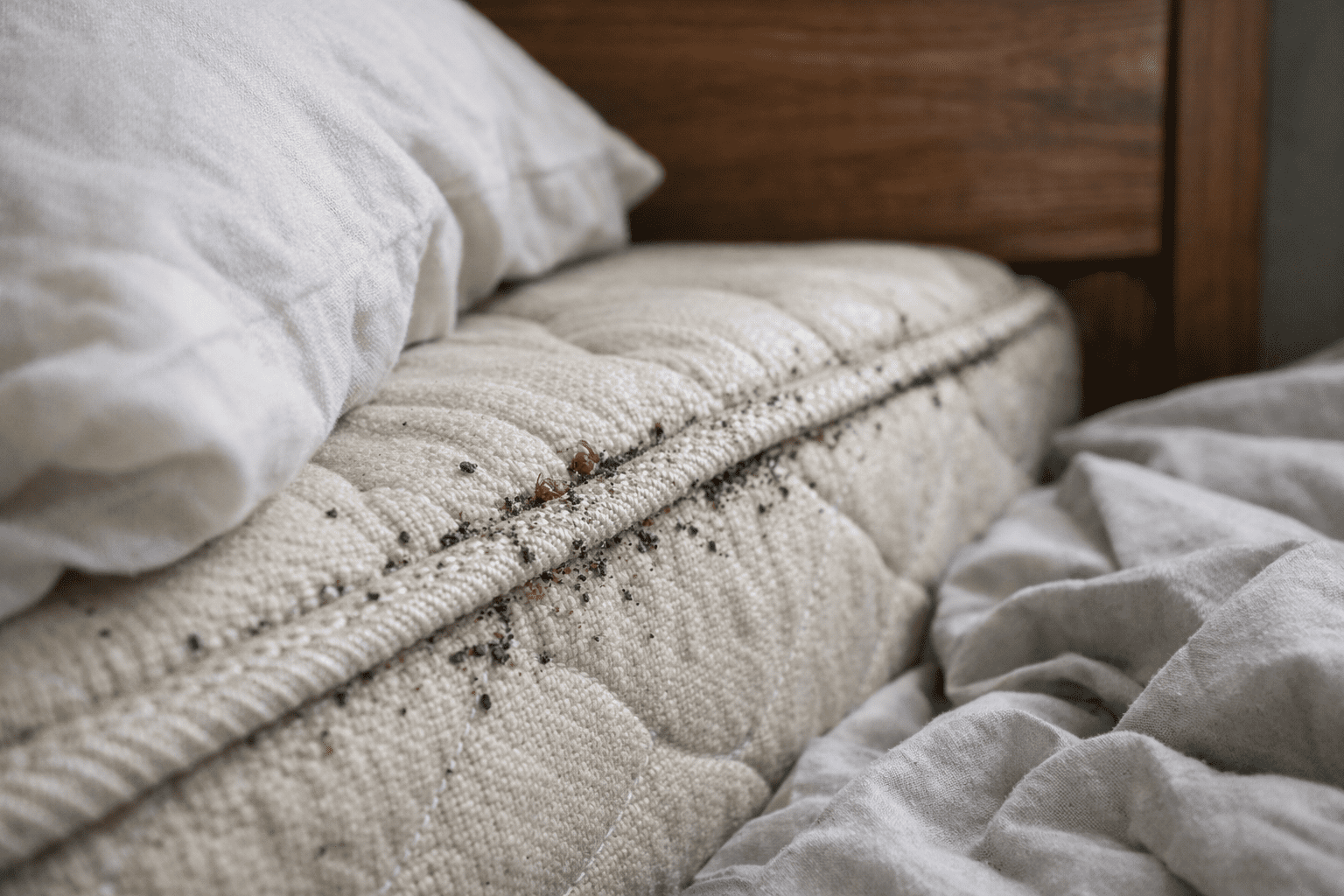
- Mattress piping and seams
- Box spring edges and underside
- Headboard cracks and screw holes
- Bed frame joints
- Nightstand drawer corners and runners
- Upholstered furniture seams (especially if you nap there)
What evidence looks like (and what it means)
Bed bug signs are small but distinctive. According to the Cleveland Clinic’s bedbug identification overview, common clues include spotting and shed skins.
Look for:
- Live bugs: flat, oval, reddish-brown; adults about 1/4 inch (6 mm)
- Shed skins: pale, papery exoskeletons near hiding areas
- Rust-colored stains: digested blood spots on sheets or mattress
- Black specks: fecal spots that may smear like ink
- Musty odor: stronger in heavier infestations
Quick “confirmation” checklist (printable-style)
| If you have… | Confidence level | Next step |
|---|---|---|
| Bites only | Low | Inspect sleeping area carefully |
| Bites + stains on sheets | Medium | Inspect mattress/box spring seams |
| Live bugs or shed skins | High | Begin control plan and contact pros |
| Bugs in multiple rooms | Very high | Professional treatment strongly recommended |
Why DIY confirmation tools can help (but aren’t perfect)
- Interceptor traps under bed legs can show activity over time.
- Flashlight inspections at night may catch bugs moving.
- Sticky traps can catch wanderers but won’t solve the problem.
If you’re comparing patterns and still unsure, revisit Mosquito Bites vs Bed Bugs, Fleas, Spiders & Ticks to avoid misidentifying fleas or mosquitoes as bed bugs.
Bed bug prevention and control: stop bites by eliminating the source
Burt’s Bees Herbal Complexion Stick, 0.5 oz
Insufficient search results to identify the Amazon ASIN or retrieve real customer data, ratings, or pricing for this Burt’s Bees product; official brand site describes it as a 99.9% natural blemish stick with tea tree, juniper, and willow bark, but cannot recommend without verified Amazon metrics.
Treating skin is only half the battle. To stop bed bug bites for good, you need to break the bed bug routine: hide by day, feed at night, lay eggs in protected cracks. Eggs can hatch in about a week under warm indoor conditions, so partial measures often lead to repeat problems.
Prevention during travel (where many infestations start)
Hotels and short-term rentals are common pickup points, even in clean, well-managed places. The goal is to keep bugs out of your luggage and off your clothing.
Travel checklist that actually works
- Inspect the bed area first
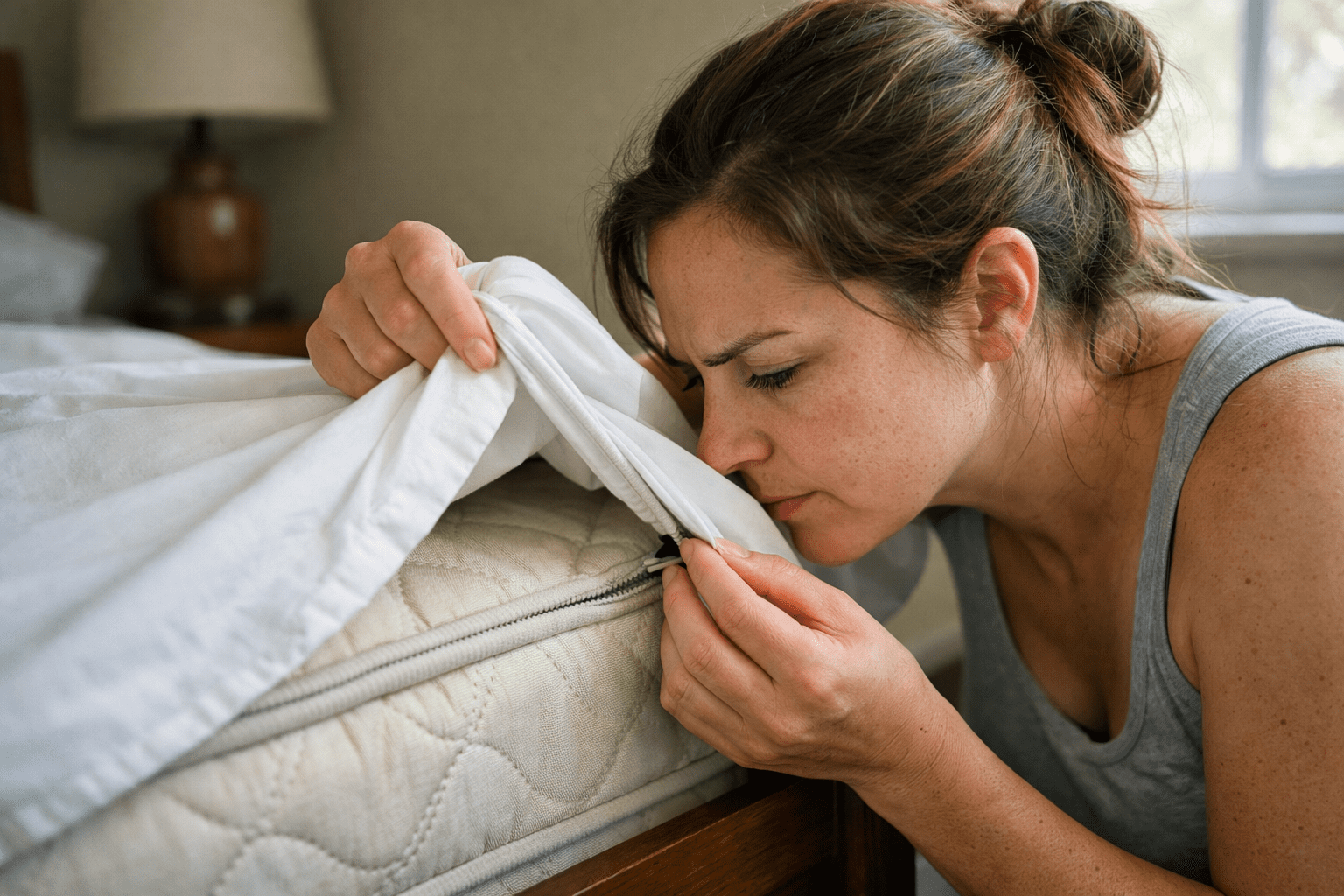
- Pull back sheets and check mattress seams near the head of the bed.
- Look for black specks, shed skins, or small rust stains.
- Keep luggage elevated and away
- Use a luggage rack, and keep it away from the wall.
- Avoid placing bags on beds or upholstered chairs.
- Quarantine when you get home
- Put travel clothes straight into the washer.
- Dry on high heat when fabric allows, since heat is one of the most reliable killers.
Prevention at home (reduce hiding spots and catch problems early)
Bed bugs love tight spaces. Your goal is to remove “safe harbors” and make inspections easy.
Home prevention actions
- Encase mattress and box spring in bed bug-rated covers.
- Reduce clutter near the bed (clutter creates hiding seams).
- Vacuum seams and crevices regularly, then dispose of the bag outside.
- Seal baseboard gaps and cracks where feasible.
- Keep the bed slightly away from the wall, and avoid bedding touching the floor.
DIY control vs professional treatment (what entomologists see in real homes)
DIY steps can reduce numbers, but bed bugs are persistent. Many populations show resistance to common insecticides, and missed hiding spots lead to rebounds.
DIY methods that help (when used carefully)
- Heat laundering: hot wash and high-heat dry for bedding and clothing
- Targeted vacuuming: seams, bed frame joints, baseboards
- Steam treatment: slow passes on seams and cracks (steam must contact the bug)
When to call a professional
- You find bugs in more than one room.
- Bites continue after laundering and encasements.
- You live in multi-unit housing (apartments, condos), where bugs can move between units.
For evidence-based control strategies, the EPA’s bed bug information and control guidance is a solid reference for safe, integrated steps and what to avoid.
Visual: prevention priorities ranked by impact
| Priority | Action | Why it matters |
|---|---|---|
| Highest | Heat-dry linens and clothing | Kills all life stages with proper heat |
| High | Mattress/box spring encasements | Removes major hiding areas |
| High | Reduce clutter + vacuum seams | Cuts harborage and removes bugs |
| Medium | Interceptors under bed legs | Helps monitor activity |
| Medium | Crack sealing | Reduces hiding routes, not a standalone fix |
Conclusion: treat the itch, confirm the bug, then prevent the comeback
Bed bug bites are usually itchy and annoying, but they’re rarely dangerous. The most reliable path is to calm symptoms with simple skin care, avoid scratching, and watch for infection or allergic reactions. Then shift focus to confirmation: bites alone are not proof, so inspect for live bugs, spotting, and shed skins. If you confirm bed bugs, prevention and control steps like heat laundering, encasements, and professional treatment are what actually stop repeat bites.
If you want help telling look-alike bites apart, start with Mosquito Bites vs Bed Bugs, Fleas, Spiders & Ticks. For itch management ideas that work across many bite types, Best Mosquito Bite Relief Products is a practical next read.
As an Amazon Associate, I earn from qualifying purchases. Product recommendations are based on real reviews and independent research.