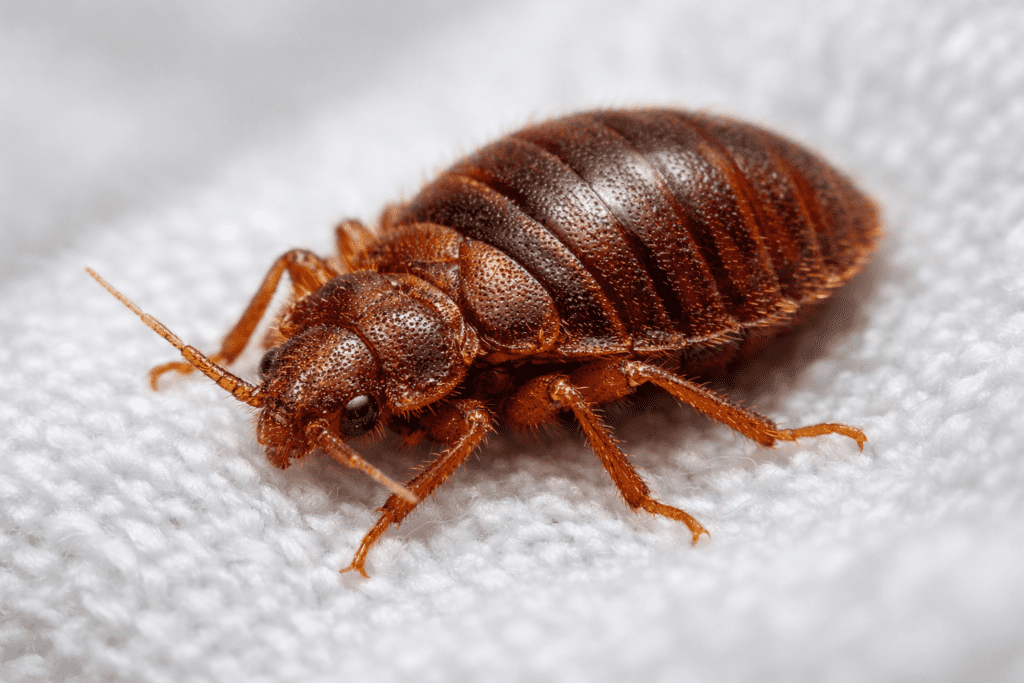
If you have bed bugs, the first thing to understand is that you did not cause them by being messy. Bed bugs are a hitchhiking problem, not a dirty-home problem, and no single product clears them; what works is a sequence. Confirm you actually have them with real evidence, contain and launder everything on high heat, encase the mattress and box spring, put interceptors under every bed leg, then treat the cracks and seams with steam, a residual, and a desiccant on a two-week cycle. Whatever you do, do not set off a fogger first, because it scatters them into the walls and makes the job harder.
No single product gets rid of bed bugs; the sequence does. Confirm with evidence, launder on high heat, encase the mattress, set interceptors under every leg, then treat seams with steam plus a residual and a desiccant, and re-treat every two weeks.
- Do first (free): Confirm it is bed bugs, then strip the bed and wash and hot-dry everything, and pull the bed away from the wall.
- Best for the common case: Encasements on the mattress and box spring, interceptors under every leg, and steam plus a labeled residual and a desiccant in the seams.
- Skip: Total-release foggers; they scatter bugs deeper into walls and rarely reach where bed bugs hide.
Why one product never works
People reach for a single can because they want one move that ends it, and that is exactly the trap with bed bugs. They hide in seams, screw holes, the box spring frame, behind the headboard, and inside the wall void, so a spray on the mattress top misses most of the population. On top of that, pesticide resistance is widespread and sprays alone fail against many of the bed bug populations now common in US homes, which is why the bug you flatten on the sheet is not the problem you have. The eggs are the other half of it.
A female cements her eggs into tight cracks, and those eggs ride out a lot of what kills an adult. Because the egg-to-adult life cycle runs a few weeks and eggs hatch in stages, one treatment cannot catch every life stage at once. That is the whole reason the plan is a sequence on a clock, not a product. You combine physical methods that bed bugs cannot evolve around, like heat and trapping and sealing them out, with targeted chemistry in the right spots, and you repeat it until the count goes to zero.
Confirm it is bed bugs first
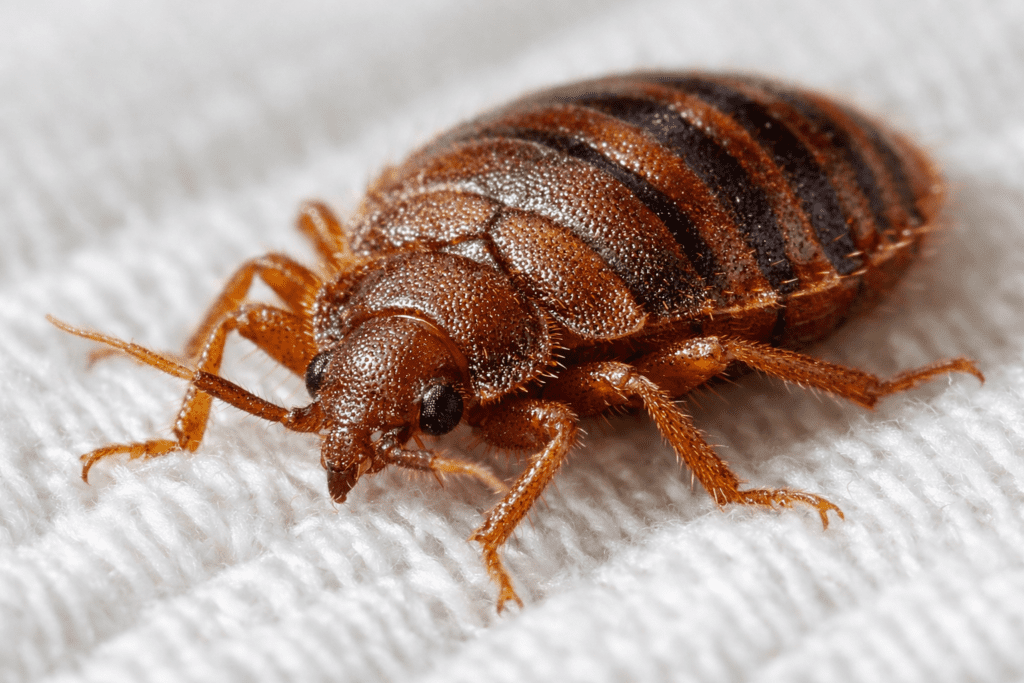
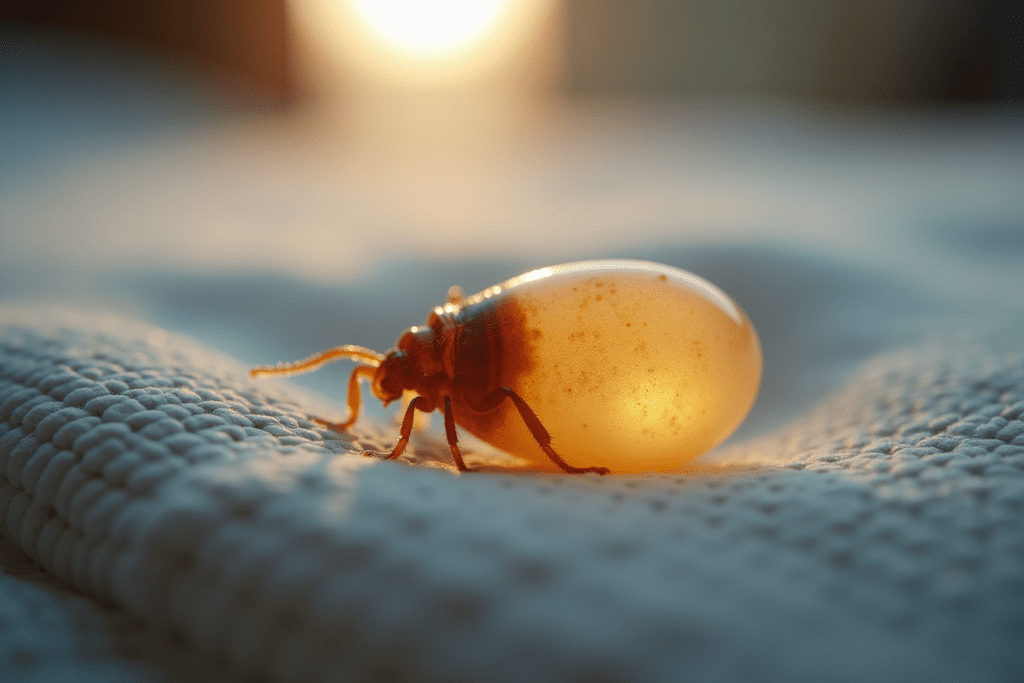
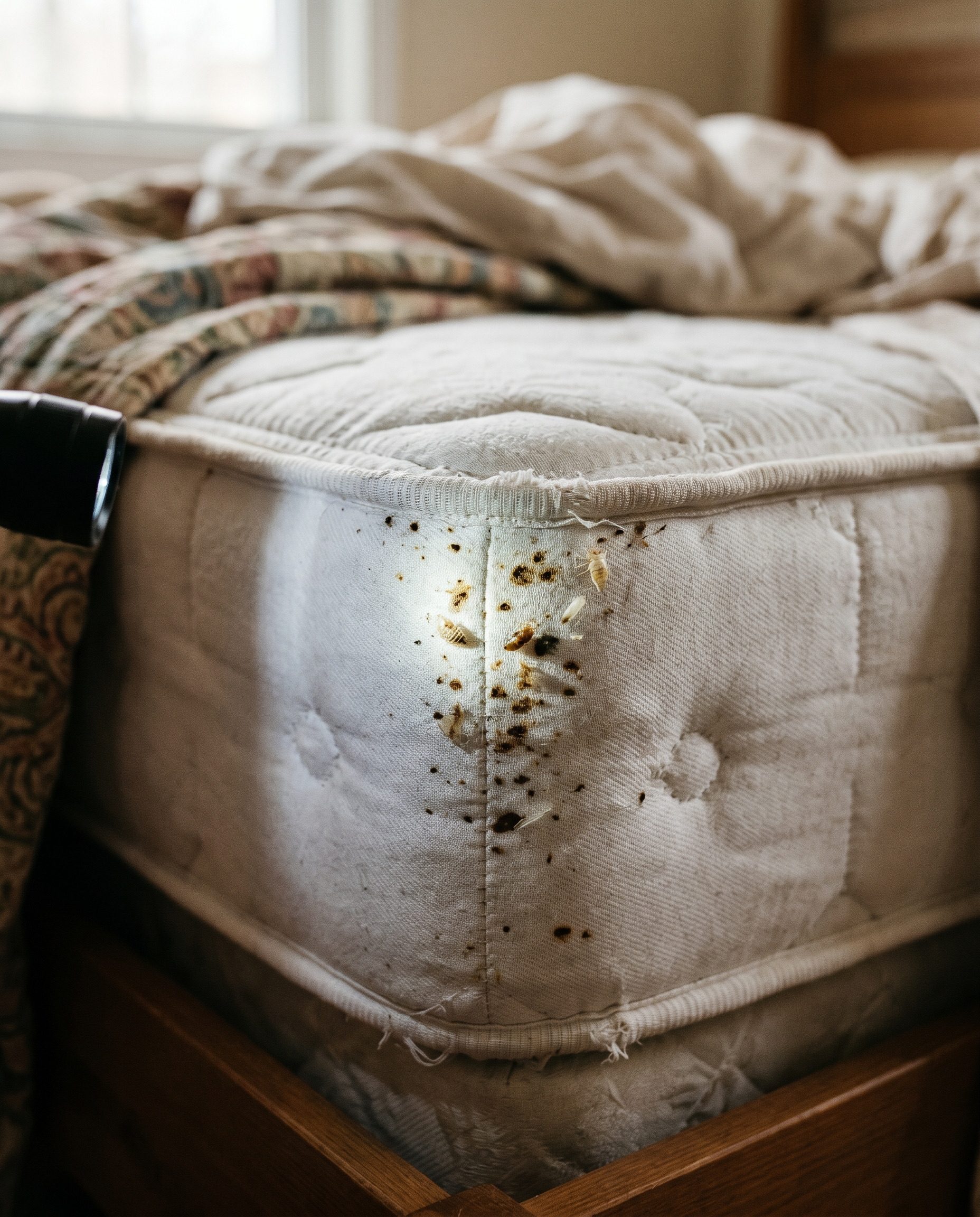
Do not treat a guess. Plenty of people tear a bedroom apart over what turns out to be carpet beetles or bites from something else, so get evidence before you spend a dollar. The clearest tells are along the mattress piping and box spring seams: small rust-colored or dark fecal spots that smear if you wipe them with a damp cloth, pale translucent shed skins, and tiny white eggs wedged into the seam. Live bugs are reddish-brown and about the size of an apple seed when fed.
The EPA’s checklist on where bed bugs hide and the signs to look for walks the same spots in order, and a flashlight raking sideways across the seam shows the spotting far better than overhead light. Check the headboard, the bed frame joints, the edge of the carpet against the baseboard, and the seam of any upholstered chair near the bed. If you are still not sure what you are looking at, our guide to the signs of a bed bug infestation shows the evidence up close so you can match it before committing to a plan.
Contain and launder on high heat
This layer costs almost nothing and it does real damage to the population, so it comes first. Strip the bed and gather everything washable, then run it through the wash and, more importantly, a hot dryer cycle. The dryer heat is what kills bugs and eggs, so a hot run of roughly thirty minutes matters more than the wash itself. Bag the clean items and keep them sealed until the room is clear so you are not re-seeding laundry you already cleaned.
Here is the discipline that people skip: do not haul armloads of infested bedding through the house, or you spread the problem room to room. Carry it in a sealed bag straight to the laundry. The University of Kentucky’s bed bug guidance on heat, steam, and resistance explains why heat is the most reliable weapon a homeowner has, since bed bugs and their eggs cannot develop resistance to a lethal temperature the way they do to chemicals. And do not throw out the mattress on day one. A dumped mattress spreads bugs to neighbors and costs you money you will need for encasements, and most beds can be saved.
Encase, intercept, then treat seams
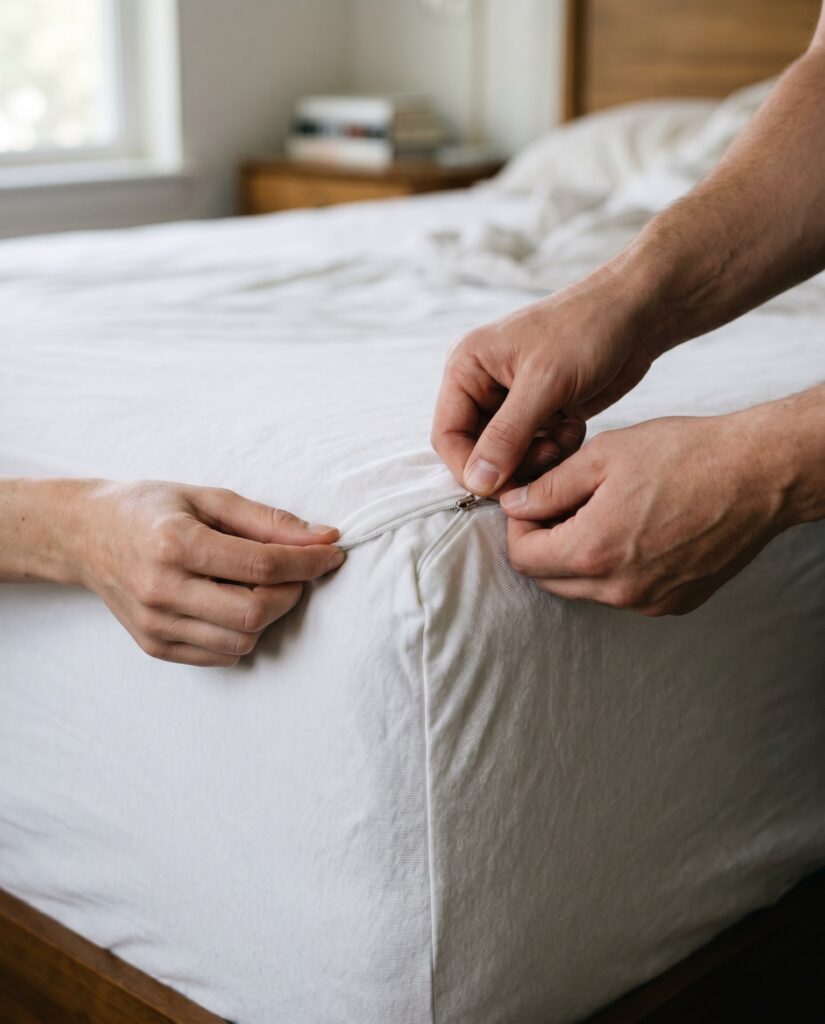
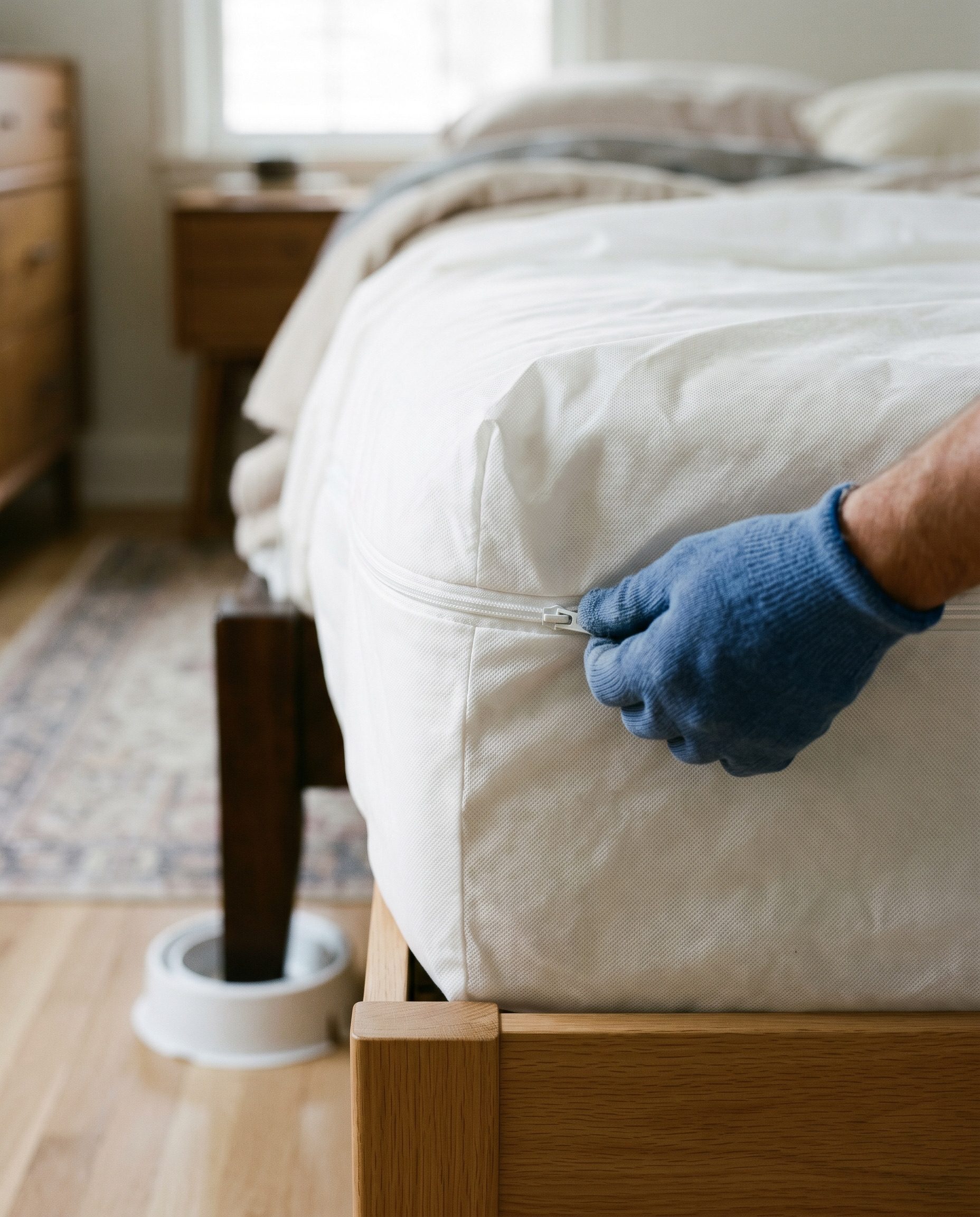
Now the structural part of the plan, in order. First, seal the mattress and box spring in zippered bed bug encasements rated to trap them, and leave them on for at least a year. An encasement does two jobs at once: it traps anything already inside so it starves, and it turns a complicated quilted surface into a smooth one with nowhere left to hide, which makes every later inspection faster. For sizing and the bite-proof zipper detail that actually matters, see our bed bug mattress encasements buyers guide.
Second, put an interceptor cup under every single bed leg, then pull the bed away from the wall and make sure nothing bridges from the floor to the bed but the legs. Now the bed is an island, and the only way up is through a trap. The University of Minnesota Extension on interceptors and realistic treatment notes that interceptors both catch climbing bugs and tell you whether the infestation is shrinking, which is how you know the plan is working without guessing.
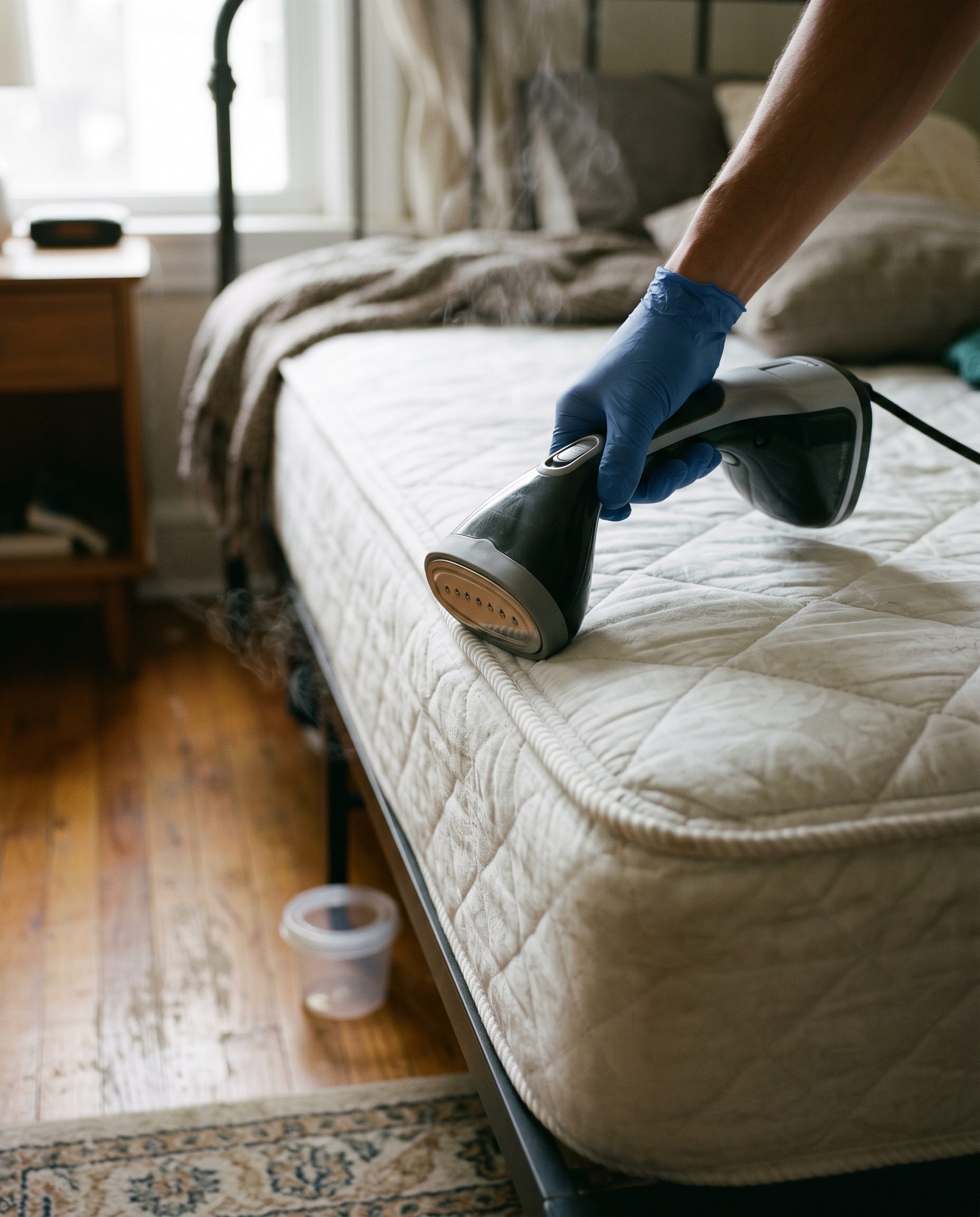
Third, treat the cracks and seams, and this is where the three tools stack. Steam first to kill bugs and eggs on contact along the mattress seams, the headboard, the frame joints, and the baseboard edge; move the steamer head slowly, because speed is what makes steam fail. Then apply a labeled residual product into the cracks and crevices, not broadcast across the mattress top, so bugs pick it up as they travel. Last, work a thin layer of a desiccant dust like diatomaceous earth or a registered silica dust into the voids and under the baseboard, where it keeps working for weeks. The EPA’s full do-it-yourself bed bug control sequence lays out this same physical-first, chemical-second order. For category logic on the chemical layer, our bed bug sprays and killers comparison sorts the contact products from the residuals.
Whenever you use any registered pesticide indoors, treat the label as the rule. Use only products labeled for bed bugs and for the surface you are treating, never put a residual where you sleep against it, and keep children and pets off treated areas until everything is dry. For exposure questions, contact a doctor or your local poison control center, and you can read and follow the product label using the NPIC bed bug resource. Under federal law the label is the law, so do not improvise a stronger mix or a different site than the label allows.
Where each tool belongs
Bed bugs are not all in one spot, so the right move changes with the surface. This is the quick map for the common zones in a bedroom.
| Where they are | Best tool | Watch out for |
|---|---|---|
| Mattress and box spring | Encasement plus a slow steam pass on seams | No residual on the sleep surface |
| Bed legs and floor | Interceptor under every leg, bed pulled off the wall | Nothing else may touch the floor and bed |
| Cracks, frame joints, baseboard | Labeled residual and a desiccant dust in the voids | Thin dust layer only, follow the label |
| Whole-room or heavy spread | Professional heat treatment or a licensed pro | Never a total-release fogger |
That last row is the honest limit of DIY. If the infestation is heavy, has spread to multiple rooms, or survives a correct two-week cycle, a professional has tools you do not, mainly whole-room heat that brings everything to a lethal temperature at once. Our breakdown of bed bug heat treatment cost and effectiveness covers when paying for heat beats grinding it out yourself.
Re-treat on a two-week clock
A single pass does not finish the job, and this is the step most people quit before. Eggs you missed keep hatching for a couple of weeks, so plan to repeat the steam-residual-dust treatment about every two weeks until you go a full cycle with no new bites, no new spotting, and clean interceptors. The EPA’s top tips to prevent or control bed bugs put reducing clutter near the top, and there is a practical reason: every box and pile is another harborage you have to treat and another place a survivor can wait you out.
Keep the encasements on, keep the interceptors under the legs, and check them weekly. A dropping interceptor count is your proof the plan is working; a steady or rising count means a harborage is still feeding bugs and you need to find it. The reassuring part of all this patience is that bed bugs are not known to spread disease, so while the bites and the worry are real, you are not in a medical emergency. You have time to do the sequence right rather than panic-buy a fogger.
Common questions
What kills bed bugs instantly?
Heat and direct steam kill bed bugs and their eggs on contact, and a hot dryer cycle kills everything in the load. The catch is that “instant” only applies to the bugs you actually reach, and most of the population is hidden in seams and cracks you cannot hit directly. That is why the lasting fix is the full sequence on a clock, not one quick zap.
Do bug bombs or foggers work on bed bugs?
No, and they often make it worse. Total-release foggers spread a thin mist across open surfaces, but bed bugs hide deep in cracks the mist never reaches, and the disturbance pushes survivors into wall voids and adjacent rooms. Skip the fogger entirely and put the money toward encasements, interceptors, and steam.
Does throwing out my mattress get rid of them?
Usually not, and it can spread them. Bed bugs live in the frame, the baseboard, and the wall void, not just the mattress, so a new mattress in the same room gets infested fast. A dumped mattress also risks spreading bugs to others. Encase what you have and treat the room instead.
How long does it take to get rid of bed bugs?
For a contained early infestation handled correctly, expect several weeks, often six to eight, because you have to outlast the hatching eggs across a couple of treatment cycles. Heavier or whole-home cases take longer and frequently need a professional. Clean interceptors and no new bites across a full two-week cycle are how you know it is over.
Will they come back?
They come back if they hitchhike back in, since bed bugs travel on luggage, used furniture, and bags, not from a dirty house. Inspect anything secondhand before it crosses your door, stay cautious in travel, and keep the encasements on for a year so a single stray bug cannot restart a colony.
Final verdict
Getting rid of bed bugs is a sequence, not a purchase. Confirm you have them with real evidence on the seams, launder and hot-dry everything to knock the count down for free, then build the structural defense: encase the mattress and box spring, set an interceptor under every leg, and turn the bed into an island. Treat the cracks and seams with steam, a labeled residual, and a desiccant, and repeat that about every two weeks until a full cycle passes clean. Skip the fogger; it scatters bugs deeper and rarely reaches where they hide. Be patient, because the eggs are the reason this takes weeks, and stay consistent, because consistency is what actually clears them.
Next steps:
– Match the evidence on your seams before you treat with our signs of a bed bug infestation guide.
– Lock in the structural layer with the bed bug mattress encasements buyers guide.
– If the case is heavy or spreading, weigh paying for heat in our bed bug heat treatment cost and effectiveness breakdown.