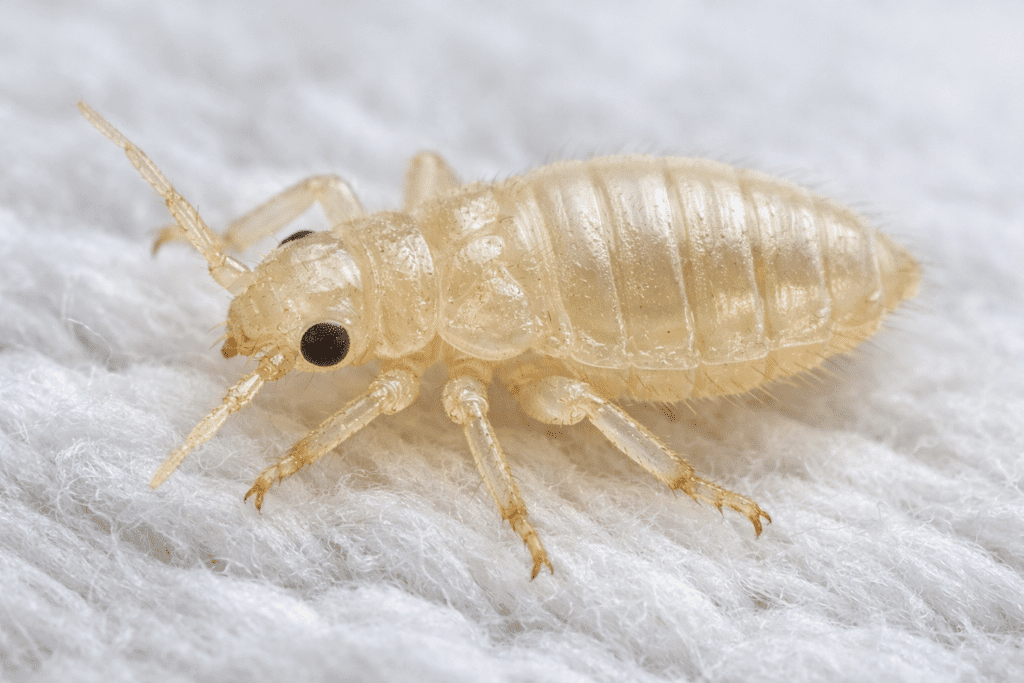
If you are reaching for diatomaceous earth to deal with bed bugs, the powder only does anything as a thin, almost invisible film puffed into the cracks and crevices where they hide. A visible white pile just gets walked around, so the trick is the applicator more than the brand. The short answer: buy food-grade, never pool-grade, puff it into seams and frame joints with a proper duster, and treat it as the slow residual layer underneath heat, encasements, and a vacuum, not as the one thing that fixes the room. In our own bedroom we keep a small bag of food-grade powder and a bulb duster, and that combination earns its place only as part of the plan. Most lists rank a brand as the cure; the real story is how you lay it down.
Diatomaceous earth helps with bed bugs only as a thin food-grade film puffed into cracks and crevices; it works slowly by abrasion and a visible pile does nothing, so use it as a residual layer inside the full plan, not a standalone fix.
- Do first (free): Inspect seams, launder hot, encase the mattress, and vacuum before you dust anything.
- Buy this kind: Food-grade DE plus a real duster; the applicator decides whether the film is thin enough to work.
- Skip: Pool-grade DE and any thick visible pile; one is unsafe to breathe and the other gets walked around.
Find them before you dust
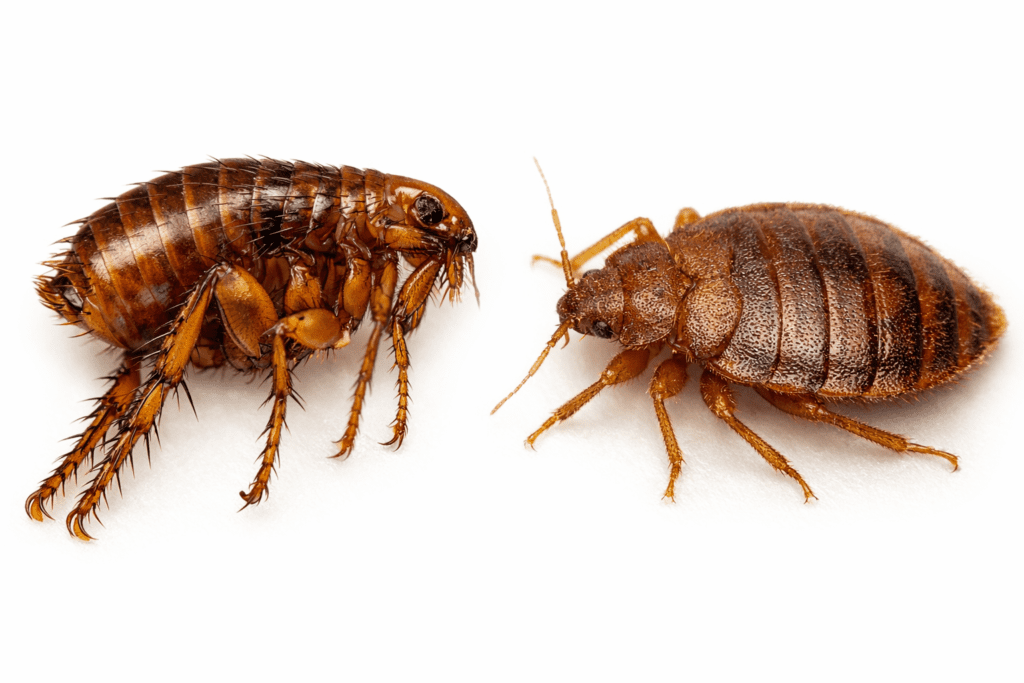
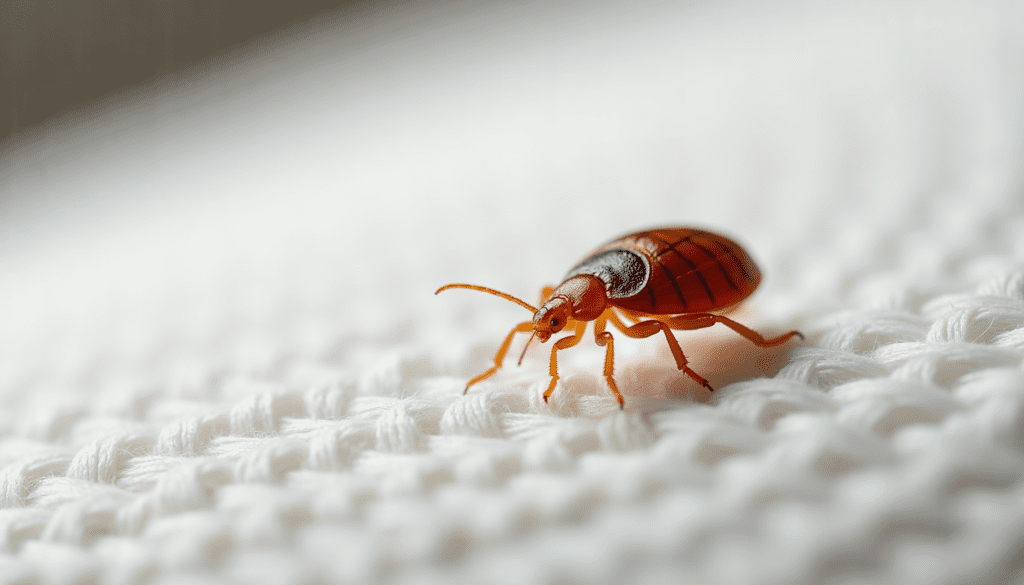
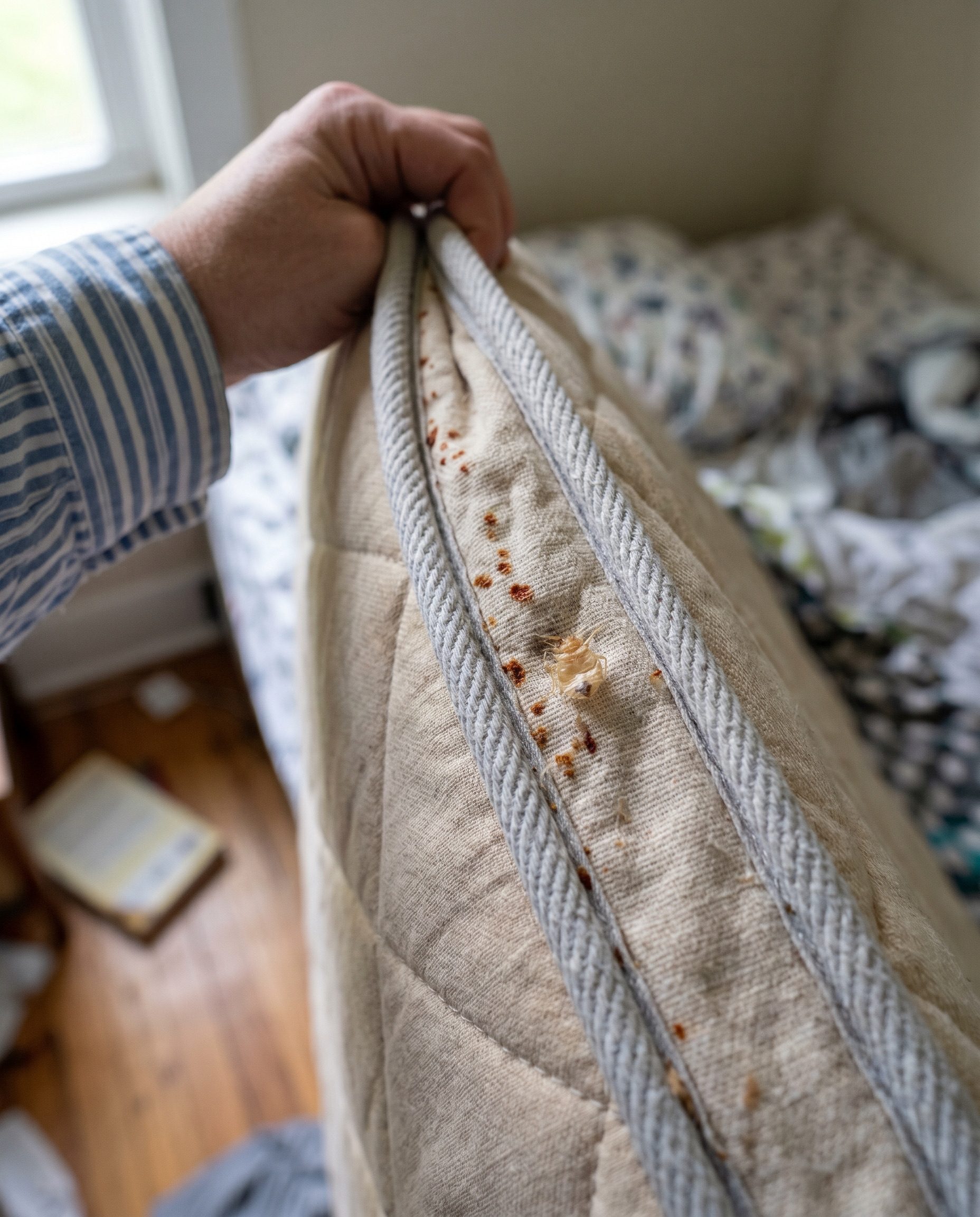
Dust is the last step, not the first. Bed bugs are a hitchhiking problem that you have to track down by sight, so start with a flashlight and a slow inspection of the seams and piping on the mattress, the box spring, the frame joints, the headboard, and the cracks where the carpet meets the baseboard. The EPA’s guide on how to find bed bugs tells you exactly what to look for: live bugs, pale shed skins, tiny pale eggs in the seams, and rust-colored fecal spots that smear if you wipe them. No powder helps if you cannot say where they are hiding.
Once you know the hiding spots, do the free work first. Strip the bed and run the linens and any washable fabric through a hot wash and a hot dryer cycle, because heat is the fastest thing that actually kills bugs and eggs. The University of Kentucky’s bed bug guide walks through the non-chemical core: laundering on high heat, steam on seams and crevices, and a mattress encasement that traps anything left inside. Heat and encasements do the heavy lifting; the dust is what you add underneath to catch stragglers over the following weeks. If you want the full step order, our complete walkthrough on getting rid of bed bugs lays out the sequence room by room.
Why a thin film beats a pile
Here is the part nearly every product page glosses over. Diatomaceous earth does not poison a bed bug; it kills by physically scratching the waxy coating on the insect’s shell so it slowly dries out. That only happens when the bug has to walk across the powder, which means the layer has to be so thin it is almost invisible. A thick white line is something a bed bug detours around, the same way you would step over a puddle, so a heavy pile is worse than a light dusting, not better.
That mechanism also makes DE slow on purpose. Death comes over days by abrasion and dehydration, not on contact, so you will not see a pile of dead bugs the next morning. The University of Minnesota Extension’s bed bug page is blunt about treatment realism: a single tactic rarely clears an infestation, and dusts are a supporting player that works gradually inside a broader plan. Patience is the cost of using a residual dust, which is exactly why it belongs alongside heat and encasements rather than replacing them.
One safety line that is not optional: buy food-grade, never pool-grade. Pool-grade or filter-grade DE is heat-treated into a crystalline form that is hazardous to breathe and is not meant to go where you live and sleep. Food-grade DE is the form sold for crawling-insect control around the home. Either way, keep the airborne dust down, follow the product label because under federal law the label is the law, and you can read the NPIC overview of bed bug control products for plain-language safety guidance. Pool-grade is the one mistake that turns a cheap fix into a health risk.
DE versus the rest of the plan
The honest way to think about DE is to compare it to the other tools by what each one is actually good at, then stack them. No single column below clears a room on its own, and DE only earns its spot once the fast tools have done their work. Keep the comparison to the decision that matters: speed versus how long the protection lasts.
| Method | Best for | Watch-out |
|---|---|---|
| Heat and steam | Fast knockdown of bugs and eggs in fabric and seams | No residual; bugs can return if hiding spots are missed |
| Mattress encasement | Trapping survivors and making future checks easy | Must stay zipped and intact for a year or more |
| Food-grade DE film | Slow residual in cracks and frame joints after the fast work | Only works thin; useless as a visible pile; keep dust down |
Sprays sit in this picture too, but they have a real weakness. Many bed bug populations are now resistant to the common over-the-counter active ingredients, so the EPA’s guidance on pesticides for bed bug control is clear that sprays alone fail and you need several tactics working together. That is the case for a dust: a residual that wears differently than a spray and keeps acting in the cracks for weeks. If you do want a labeled spray for the seams a dust cannot reach, our roundup of bed bug sprays we ranked sorts them by where each one fits. DE is the layer that keeps working after the spray dries.
How to apply it without making a mess
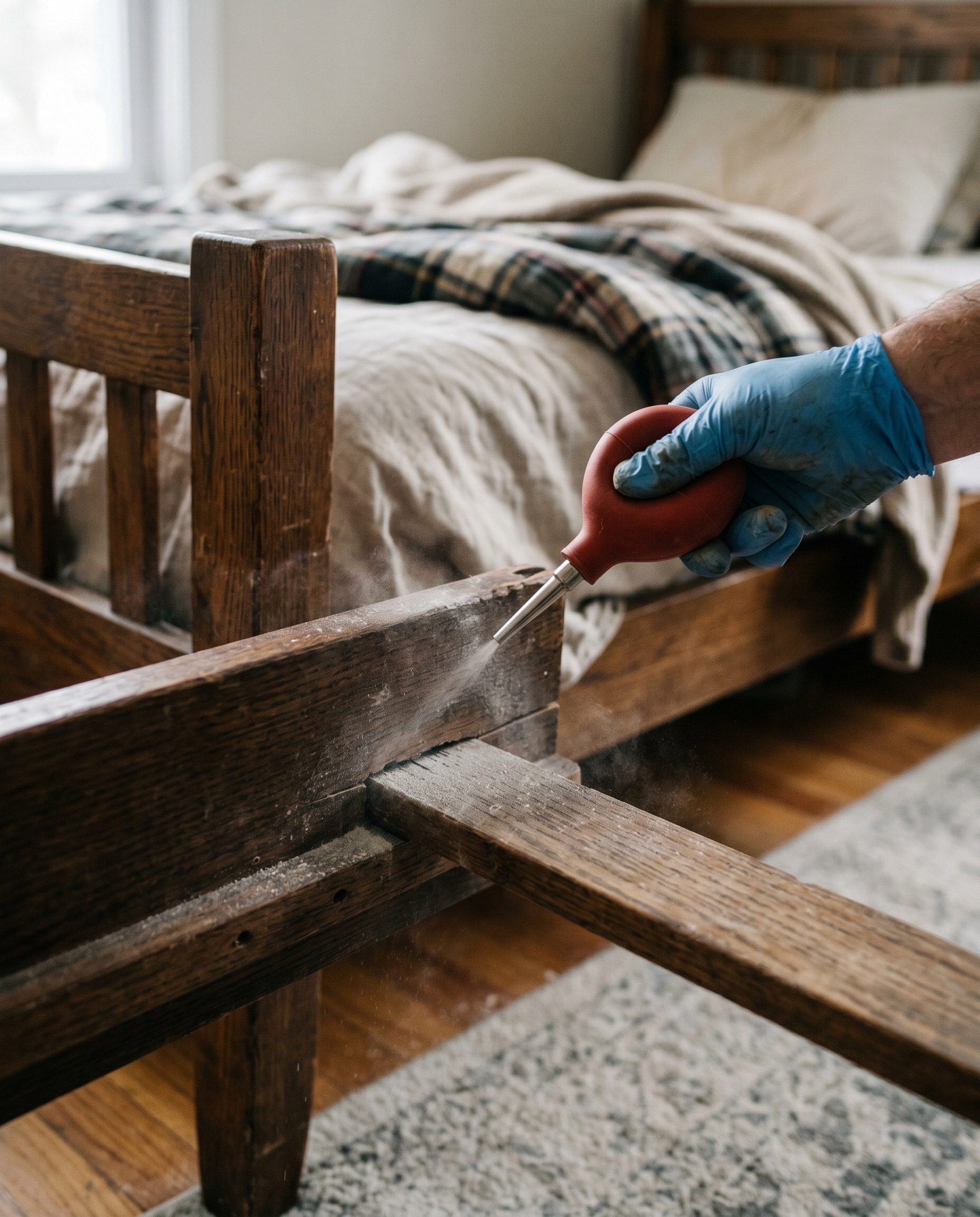
Load a duster, not a spoon. The whole game is laying down a film you can barely see, and a powder duster with a narrow tip is the only practical way to puff that into a crack where bed bugs travel. Aim into the frame joints, the seams of the box spring, the screw holes of a headboard, the gap where carpet meets the baseboard, and inside an outlet cover plate where it is safe to do so. A light puff into the void beats a stripe on the surface every time, because the bug has to walk through the hidden path, not over an open floor.
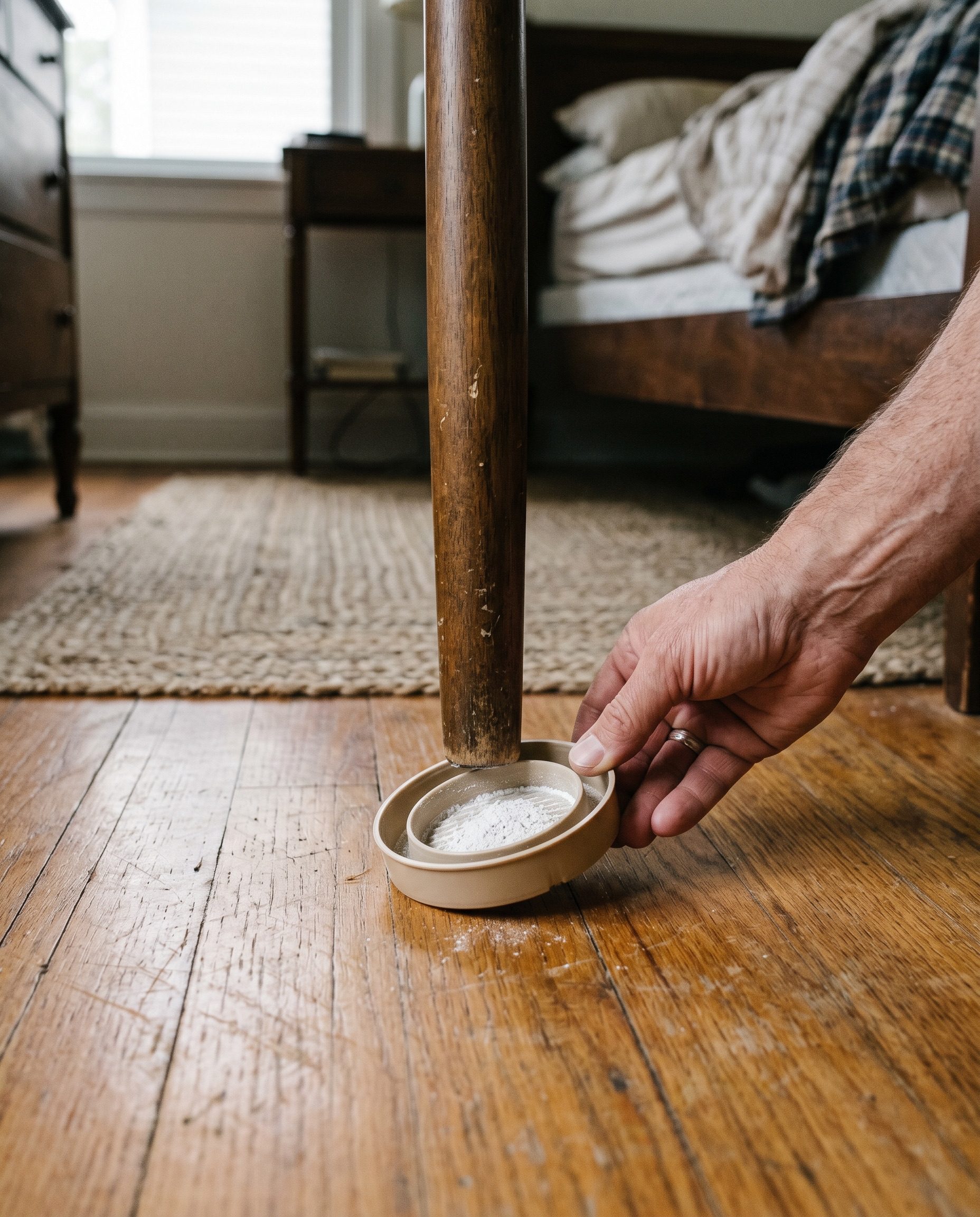
Then leave it and let it work over a couple of weeks. Do not vacuum it straight back up, do not spray a liquid on top of a fresh dust because that clumps it useless, and reapply only if it gets disturbed or wet. Pair the dust with interceptor cups under each bed leg so you can monitor whether anything is still climbing, a trick the EPA’s do-it-yourself bed bug control page recommends as part of a non-chemical-first approach. Keep the bed pulled away from the wall so the bugs have to cross the interceptors to reach you.
Mind who else is in the room. Keep the airborne powder down while you work, keep it off bedding surfaces that touch skin, and keep children and pets out until the visible dust has settled. Bed bugs are not known to spread disease, but the bites still cost you sleep, so seal the gaps with caulk and keep the encasement on for at least a year. If you are still pulling bugs out of the interceptors after several weeks of doing all of this correctly, that is the point to call a licensed professional rather than dumping more powder, especially in an apartment where the source may be a shared wall. A good bed bug mattress encasement is the single best companion to the dust because it makes every future inspection a thirty-second job.
The picks
Cards come after the analysis on purpose, because the applicator and the grade decide everything before the brand does. These three cover the powder, the duster that lays it down right, and an OMRI organic option, all food-grade and widely available.
InsectoGuide is reader-supported. As an Amazon Associate we earn from qualifying purchases at no extra cost to you.
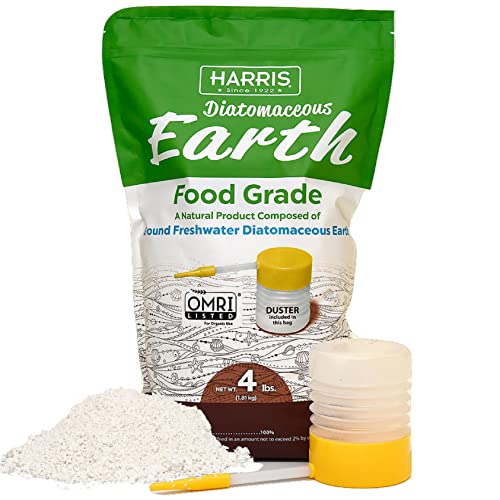
Food-grade powder with a duster in the bag, so you can lay a thin film day one.
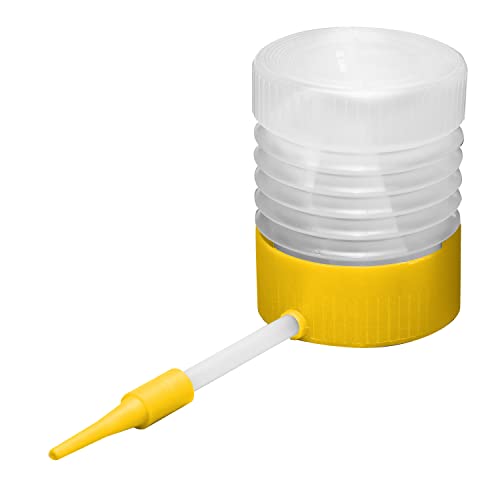
The reach tool that puts a light film deep into seams and frame joints.
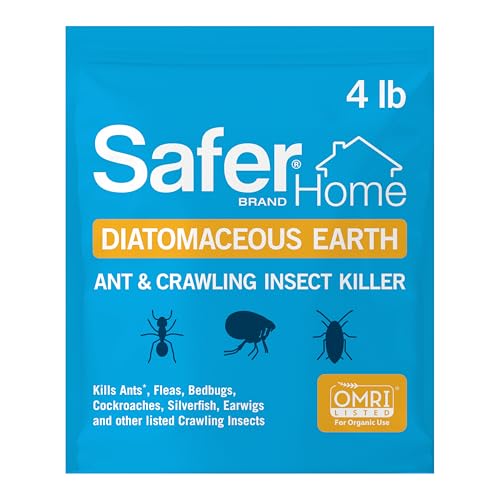
An OMRI-listed organic DE for households that want a certified-organic powder.
Common questions
Does diatomaceous earth actually kill bed bugs?
It can help, slowly, but only when bugs walk across a thin film and it abrades their shell so they dehydrate over days. It is not a contact killer and it will not clear a room alone. University of Minnesota Extension treats dusts as a supporting tactic inside a broader plan, which matches how it should sit in yours.
Food-grade or pool-grade for bed bugs?
Food-grade, always. Pool-grade is heat-treated into a crystalline form that is hazardous to breathe and is not for use where you sleep. The product sold for crawling-insect control around the home is the food-grade type, and you should still keep the airborne dust down and follow the label.
How long does it take to work?
Plan on a couple of weeks, not overnight. Because it works by abrasion and dehydration rather than poison, you will not see fast results, which is why heat and encasements do the quick knockdown while the dust catches stragglers afterward.
Where exactly do I apply it?
Puff a light film into cracks and crevices: frame joints, box spring seams, headboard screw holes, and the gap where carpet meets the baseboard. Per the EPA’s do-it-yourself bed bug control sequence, pair it with interceptor cups under the bed legs and keep the bed off the wall so bugs have to cross your defenses.
Is it safe around kids and pets?
Keep the airborne dust down, keep it off surfaces that touch skin, and keep children and pets out until it settles. It is a registered product, so the label sets the legal terms of use. If you are worried about an exposure, contact a doctor or your vet, or call your local poison control center.
Final verdict
There is no brand of diatomaceous earth that cures bed bugs, and any list that ranks one as the fix is skipping the part that decides everything: how you lay it down. Do the free work first by inspecting, laundering hot, encasing the mattress, and vacuuming, then puff a thin food-grade film into the cracks with a real duster and leave it to work over two patient weeks. Skip pool-grade and skip the visible pile; one is unsafe to breathe and the other gets walked around. Treat the powder as the slow residual layer underneath heat, steam, encasements, and interceptors, not as a standalone answer, and call a licensed professional if interceptors keep filling after you have done all of this right. The applicator and the plan, not the label on the bag, are what get the room back.