The autumn spider surge is mostly not an invasion. Most of the spiders in your house are house-adapted species that live indoors all year, and the fall spike is largely mate-seeking males on the move plus spring-hatched spiders that are now full grown and much easier to notice.
- What is really happening: Mature males wander in late summer and fall looking for females, and resident spiders have reached their largest, most visible size.
- What actually works: Declutter storage areas, vacuum webs and egg sacs, set glue boards flush along baseboards, and seal exterior gaps before the weather turns.
- What to skip: Foggers and routine room spraying, which do little without the cleanup and sealing work.
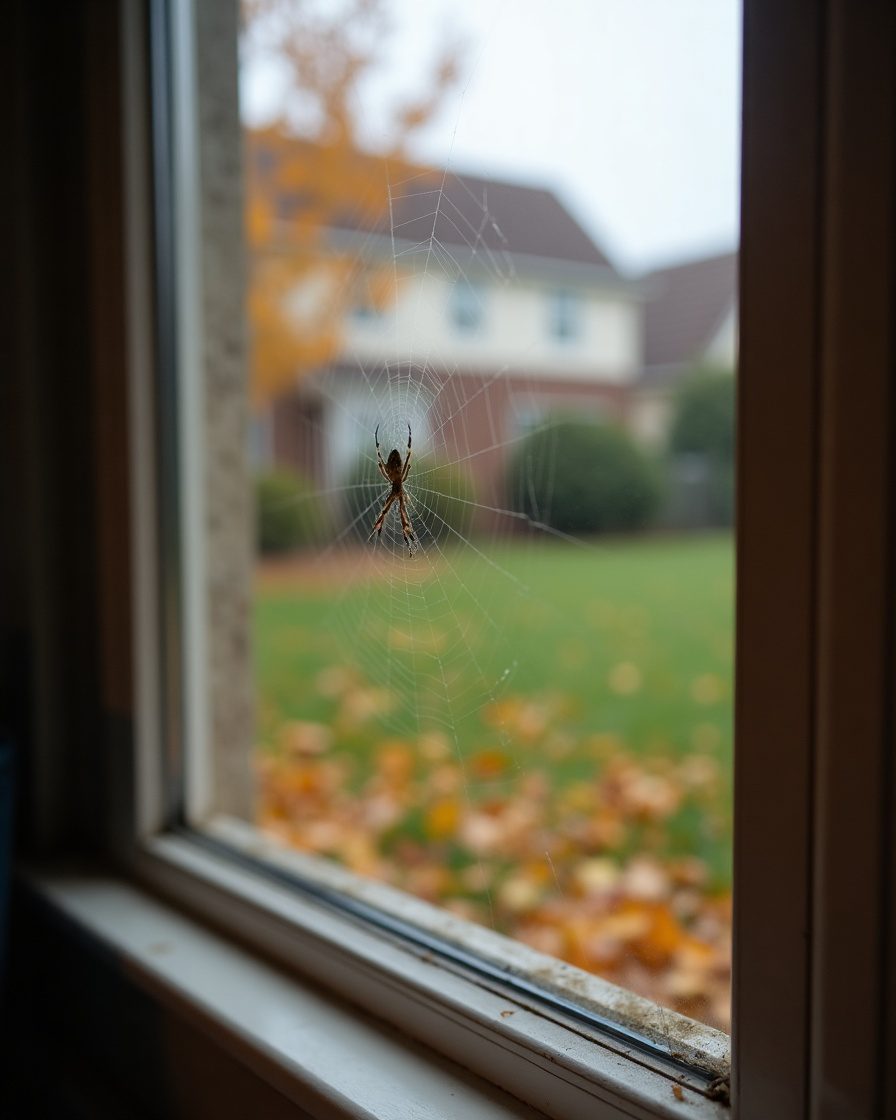
Every September my inbox fills with the same message: the spiders are coming inside to escape the cold. The story feels intuitive, because sightings jump at exactly the moment the nights turn crisp. But the timing is spider biology, not migration, and once you know who those autumn spiders actually are, the fixes that work become obvious.
The cold-escape story, and why it fails
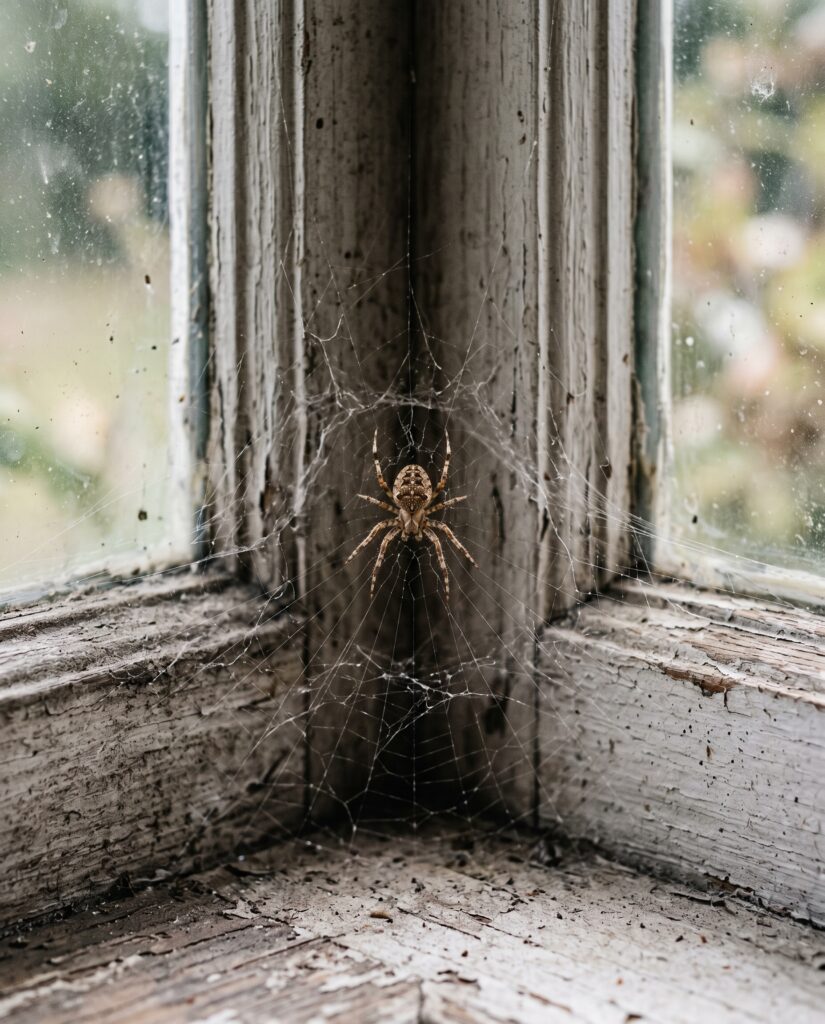
The myth assumes spiders live outdoors all summer, feel the chill, and file in under your door like tiny commuters. The problem is that indoor and outdoor spiders are largely different animals. The University of Kentucky’s guide to spiders around buildings notes that the common house spider “frequently lives in buildings, typically locating its web in the corners of rooms or in the angles of windows,” and it classifies most other species people find inside as accidental wanderers rather than seasonal refugees. In other words, the cobweb spider you notice in October did not walk in from your flowerbed. Its parents, and often its grandparents, lived in your house too. You can read the full lineup in the University of Kentucky’s guide to common spiders found around homes.
Outdoor spiders, meanwhile, are built for outdoor winters. Speaking generally, the big showy orb weavers you see draped across porches in September are at the end of their lives; they mate, secure their egg sacs, and die back with the hard frosts, while other outdoor species ride out the cold in a dormant state tucked under bark, stones, and leaf litter. A house-adapted species can complete its whole life cycle indoors; for a garden orb weaver, the dry air and scarce prey of a heated home are a dead end.
None of this means a spider never walks in through an October gap. Some do, which is why sealing matters, but the bulk of the autumn spike has a different explanation.
What actually spikes in September: males on the move
Late summer and early fall are mating season for many spiders, and that changes behavior dramatically. Males that spent months sitting quietly in a web or a burrow abandon their posts and start walking. The UC IPM Pest Note on spiders describes exactly this pattern, noting that mature male wolf spiders and tarantulas “sometimes wander indoors while searching for mates.” A wandering male does not want to live in your hallway; he is passing through, and your bathtub is simply a slippery trap he cannot climb out of.
The second driver is simple growth. Spiders that hatched in spring have been feeding all summer, and by September they are full-sized adults at the peak of their visibility. A juvenile house spider in June is a speck you never register; the same animal in October is big enough to catch your eye as it crosses the carpet. The population has not exploded. Your ability to notice it has.
Wolf spiders cause a disproportionate share of autumn alarm. They are fast, ground-dwelling hunters that do not build webs at all; the Missouri Department of Conservation’s field guide explains that they “chase down and grab their prey” and notes that one common species, the rabid wolf spider, “sometimes gets into houses.” The same guide is direct about the risk: the bites of North American wolf spiders are harmless. If a large brown spider sprints across your floor this fall, the Missouri Department of Conservation’s wolf spider profile is a good place to put a name to it before you panic.
The fall lineup: who you are likely seeing
Here is a quick field guide to the spiders behind most autumn sightings indoors.
| Spider | Where you notice it | What it means |
|---|---|---|
| Common house spider | Irregular cobwebs in room corners and window angles | A year-round resident, not a new arrival; remove webs and egg sacs |
| Cellar spider | Long-legged, in sheetlike webs in basements and dark corners | Another indoor regular; thrives where clutter and prey collect |
| Wolf spider | Running across floors at night, no web | Usually a wandering male in fall; harmless and easily escorted out |
| Funnel weaver | Flat webs with a retreat hole, in garages and window wells | Mostly an edge-of-house species that follows prey to your walls |
Nearly all of these are harmless, and extension entomologists are consistent on the bigger point: spiders are mostly beneficial because they feed on pest insects. The Kentucky guide is equally clear that “only a few species, such as the black widow and the brown recluse, have venom that is very toxic or harmful to humans.” Any bite that produces spreading redness, an open sore, fever, or worsening pain deserves a clinician’s eyes. Our walkthrough on spider bite identification and when to worry covers the warning signs; for anything that looks severe, seek medical care promptly.
What actually reduces sightings
Because the autumn spike is mostly residents and travelers, the effective playbook is housekeeping and interception, not chemistry. The University of Kentucky’s spider elimination guide states plainly that “routine, thorough house cleaning is the best way to eliminate spiders and discourage their return,” and every item below comes from that document or the UC IPM note.
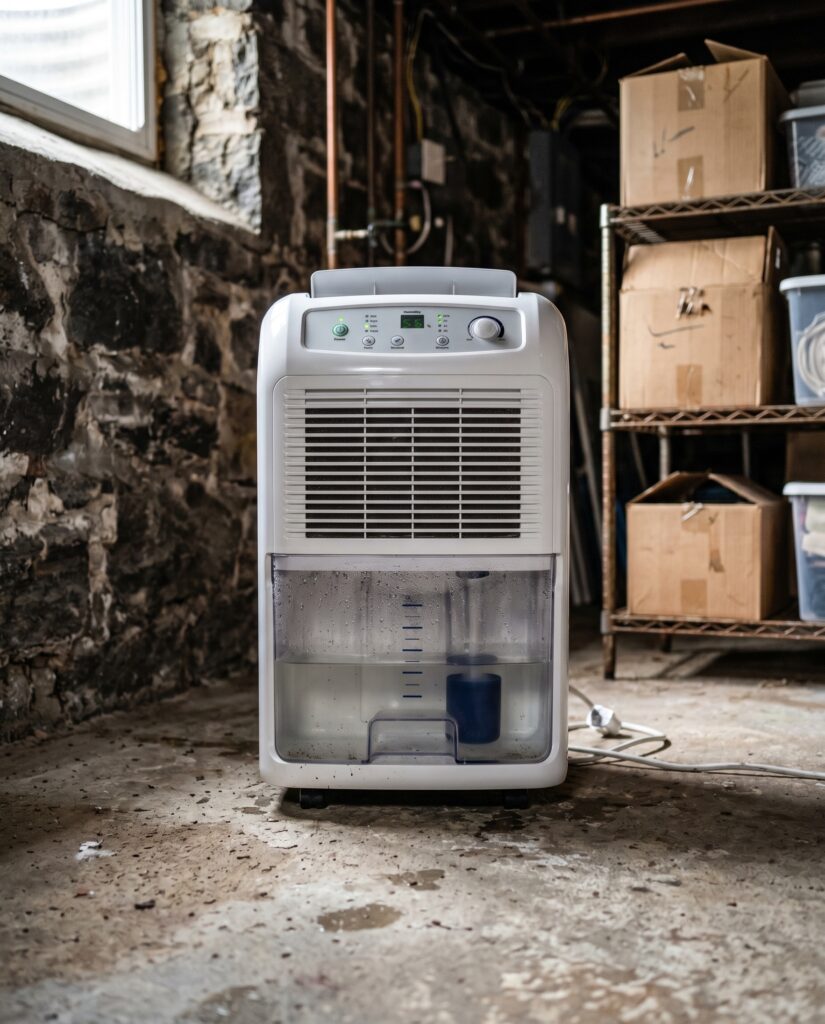
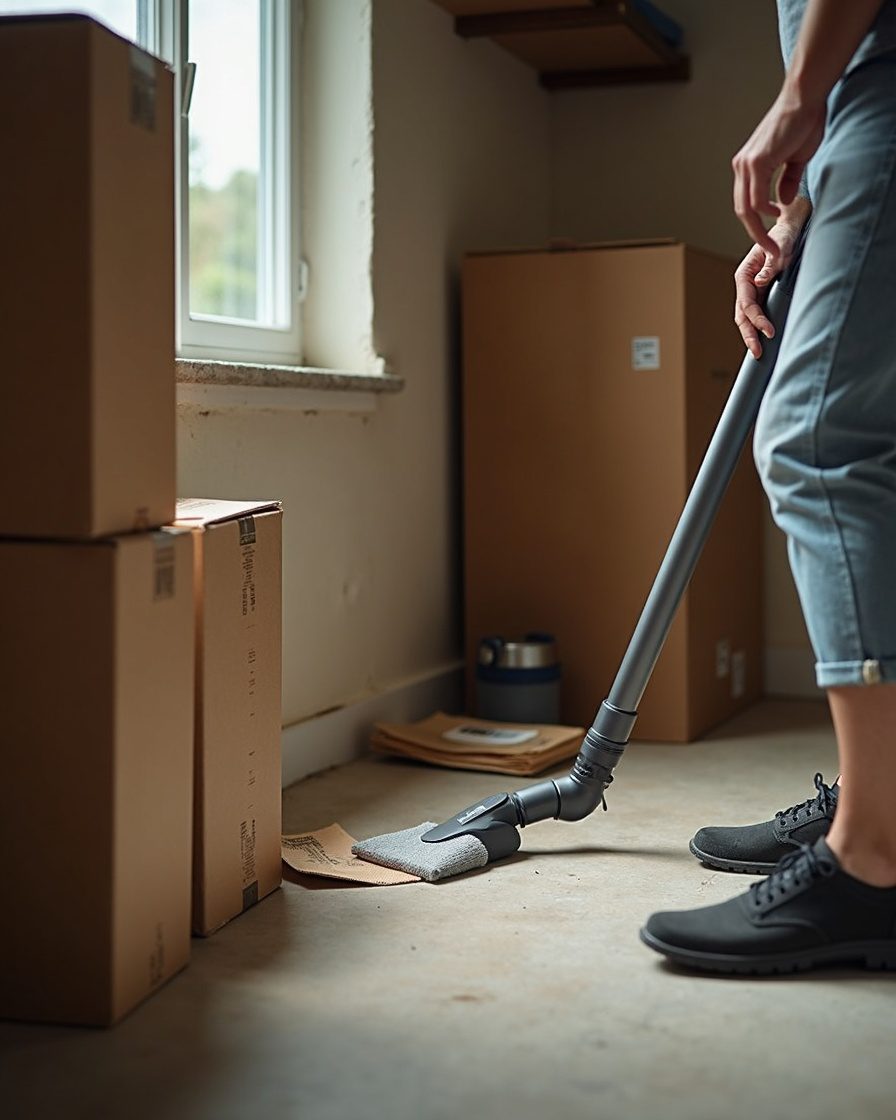
Declutter the quiet zones first. Basements, garages, closets, and storage rooms are spider habitat because they are undisturbed and full of hiding places. Cardboard stacks against a wall are a spider apartment block. Get boxes off the floor, onto shelves, and ideally into sealed plastic bins. While you are down there, our guide to camel crickets covers another basement regular you are likely to disturb, and one that doubles as the prey keeping spiders interested in the space.
Vacuum the spiders, the webs, and especially the egg sacs. The UC IPM note points out that vacuuming works because spiders’ soft bodies “usually do not survive the tumbling process,” and the Kentucky guide adds the detail that matters most: each egg sac can contain hundreds of young spiders, so removing sacs now prevents the spring generation. Full details are in the University of Kentucky’s guide to eliminating spiders around homes.
Set glue boards flush along baseboards. Sticky traps placed flat against the bottom of walls and in room corners intercept exactly the wandering males that drive the autumn spike, and they double as a census: after a week, the boards tell you which rooms have traffic and which walls the traffic follows. They are cheap, silent, and pesticide-free; just place them where children and pets do not reach.
Change the porch lighting. White exterior bulbs pull in the night-flying insects that spiders eat, which is why the Kentucky guide recommends yellow or sodium vapor bulbs at entrances; fewer insects at the door means fewer spiders hunting there.
Seal the house once, solve several problems
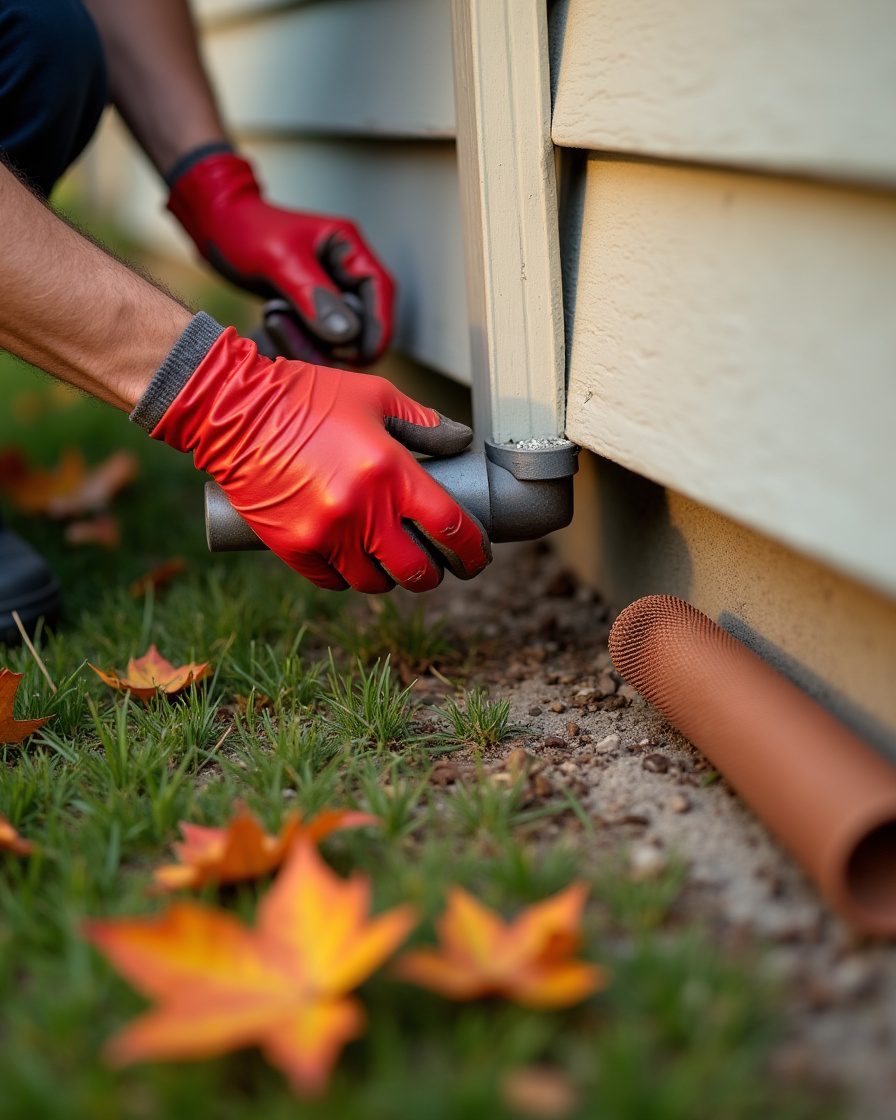
Exclusion pays off across every fall pest at once, and late summer, before cool nights put everything in motion, is the right window to do it. The University of Kentucky’s pest-proofing guide is specific about the physics of the problem: gaps of 1/16 inch or less will permit entry of insects and spiders, while 1/4 inch is enough for mice. That is the gap under most aging garage doors. The full checklist, with materials, lives in the University of Kentucky’s guide to pest-proofing your home: door sweeps on exterior doors, silicone or latex caulk around window and door frames, urethane foam or copper mesh in the openings where pipes and wires pass through the foundation, tight window screens, and 1/4-inch hardware cloth over attic and crawl space vents. Our step-by-step fall pest-proofing walkthrough turns that list into a weekend sequence.
Sealing also intercepts the genuine fall invaders, the species that really do move toward structures in autumn: multicolored Asian lady beetles, stink bugs, cluster flies, and camel crickets. If beetles are gathering on your sunny south wall, start with our guide to identifying lady beetles and their look-alikes, and if the visitors are shield-shaped and smelly, the fix is in how to get rid of stink bugs in your house. Spiders get blamed for a season that mostly belongs to these insects.
Then there are mice, the other tenant that sealing keeps out. The UC IPM Pest Note on house mice calls exclusion “the most successful and permanent form of house mouse control” and sets the bar at eliminating every opening larger than 1/4 inch. If mice are already inside, the same guidance favors snap traps as the first tool, with rodenticide baits reserved for stubborn situations and used only inside tamper-resistant bait stations kept away from children, pets, and wildlife; the EPA’s rodenticide program page covers the product restrictions and bait station requirements, which exist partly because poisoned rodents can pass the toxin on to pets and predators that eat them. Two housekeeping rules matter. Never dry-sweep or vacuum mouse droppings, since the dust is a respiratory hazard; wet the area with a disinfectant solution, let it soak, and wipe with disposable towels while wearing gloves. And if the scratching in your attic turns out to be squirrels, bats, or raccoons rather than mice, stop and bring in a licensed wildlife control operator, since wildlife removal is regulated work. Our companion guide on mouse-proofing your home picks up the rodent side in detail.
Why spraying disappoints
The October instinct is to buy a can and fog the basement, and this is where the extension literature pushes back hardest. The Kentucky elimination guide states that total-release foggers, the “bug bombs,” are “seldom effective against these spiders,” because the mist settles on open surfaces while spiders sit in cracks, behind boxes, and under sills where it never reaches. The UC IPM note frames the broader problem: control by spraying is only temporary unless it is accompanied by housekeeping. A spray that lands on an uncluttered, sealed, web-swept house has almost nothing left to do; a spray that lands on a cluttered, unsealed one changes nothing about why the spiders are there.
A house with a few cobweb spiders in the basement is also a normal house. They quietly remove the gnats and moths you would otherwise meet, and they damage nothing. The goal is fewer surprise encounters, not a sterile building, and the surest route there is fewer hiding places and fewer entry gaps, not a fog of anything.
Common questions
Do spiders come inside in the fall to escape the cold?
Mostly no. Extension guidance from Kentucky and California indicates that the spiders you see indoors are largely house-adapted residents plus mature males wandering in search of mates. Outdoor species generally die back or go dormant outdoors rather than moving in.
Why do the spiders I see in autumn look so big?
Because they are the same spiders you overlooked in June, now fully grown. Spring-hatched spiders reach adult size by late summer, and mating-season wandering puts them in the open where you finally notice them.
Are the fast brown spiders on my floor dangerous?
Almost certainly wolf spiders, and no. The Missouri Department of Conservation notes that North American wolf spider bites are harmless. The black widow and brown recluse are the real medical concerns; see a clinician for any bite that develops spreading redness, an open sore, or fever.
Do glue boards really catch spiders?
Yes, particularly the wandering males that drive autumn sightings. Placed flat against baseboards and in corners, sticky traps both remove spiders and map where they travel, which tells you where to focus vacuuming and sealing.
Should I spray my baseboards every fall as prevention?
The evidence says to put that effort into cleaning and sealing instead. Foggers seldom reach the cracks where spiders sit, and surface sprays are temporary without the housekeeping work. If you do use a pesticide, follow the label exactly.
Final verdict
The October spider surge is real, but the explanation is biology, not weather. Your house spiders were already there, living quietly in corners and storage rooms all year, and autumn simply adds wandering, full-grown males to the traffic and puts everything at its most visible. That is why the cold-escape story leads people to the wrong fixes. Skip the fog and work the actual levers: declutter the quiet rooms, vacuum webs and egg sacs, set glue boards along the walls, and seal the gaps before the first hard frost. You will see fewer spiders this fall, fewer next spring when those egg sacs would have hatched, and the same sealing job locks out the lady beetles, stink bugs, and mice that are the season’s real invaders.
This article is for information only and is not medical advice.