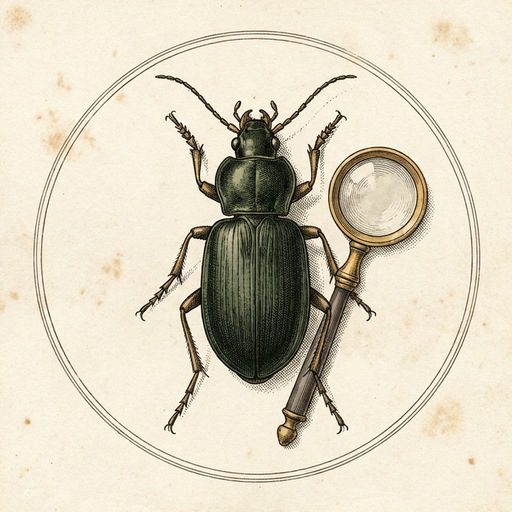
You do not need a species name to get to the right answer. Four things you can already describe will do it: what colour and size it was, where in the house you found it, how it moved, and what it reminded you of. Pick whichever of the four you are most confident about and follow that branch. Location is usually the strongest single clue, because these insects are not wandering at random.
- Most reliable branch: where you found it. Each room narrows the list to three or four candidates.
- Fastest branch: how it moved. Jumping, running and playing dead each rule out most of the field.
- Before anything else: photograph it from the side on white paper, not from above.

Almost every insect identification guide starts from a species you have never heard of and asks you to match a photograph. This one starts from what you can actually report, because that is what you have.
Two pieces of preparation make everything downstream easier.
Photograph it from the side. The overhead shot everyone takes hides the single most useful feature, which is whether the insect is flat or domed. Flatness distinguishes bed bugs from beetles, and it is invisible from above.
Use a white background. Tip it onto a sheet of paper. Scale and outline become obvious, and if it is playing dead rather than dead, it will walk after a minute.
Branch one: where you found it
This narrows faster than anything else, because location reflects what an insect eats and what it needs.
| Where | Usual candidates | Guide |
|---|---|---|
| General, indoors, small and dark | Carpet beetles, fungus gnats, springtails, pantry beetles | Tiny black bugs in the house |
| Small and brown, anywhere | Pantry beetles, roach nymphs, bed bugs, weevils | Small brown bugs in the house |
| Small and white or pale | Springtails, booklice, mould mites, mealybugs | Tiny white bugs in the house |
| In the bed | Carpet beetle larvae, spider beetles, fleas, booklice | Black bugs in bed that are not bed bugs |
| Bathroom | Drain flies, silverfish, springtails, booklice | Tiny bugs in the bathroom |
| Kitchen cupboards | Weevils, grain beetles, meal moths, ants | Tiny bugs in kitchen cabinets |
| Carpet | Carpet beetle larvae, fleas, dust mites | Tiny bugs in carpet |
| Sofa or upholstery | Carpet beetles, fleas, bed bugs, booklice | Tiny bugs in your couch |
| Car | Ants, cockroaches, carpet beetles, spiders | Tiny bugs in your car |
| Houseplant soil | Fungus gnats, springtails, soil mites, root aphids | Bugs in houseplant soil |
Branch two: how it moved
Movement is often better remembered than appearance, and it is surprisingly diagnostic.
It jumped. Only a handful of things do. Fleas, springtails, flea beetles, crickets and jumping spiders, separated by where they were and whether an animal lives in the house. Our guide to bugs that jump works through it.
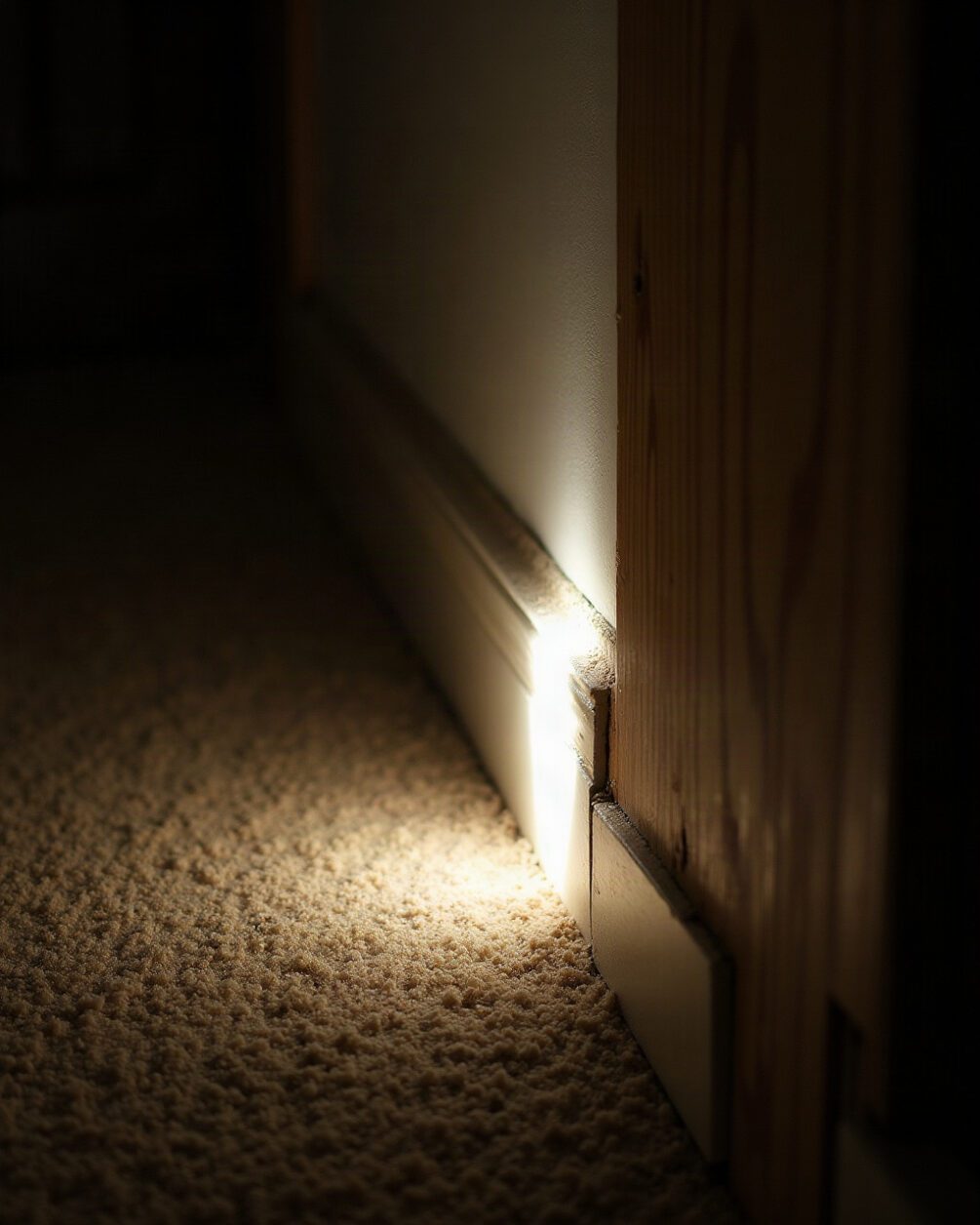
It ran fast. House centipedes flow across walls, cockroach nymphs dash for cover the second a light comes on, silverfish wriggle side to side along a skirting board, ground beetles run the length of a wall. Our guide to fast crawling bugs separates them, and the light-response test is the one that matters.
It curled up. A tight ball means a pill bug. A flat spiral means a millipede. Neither can live indoors. Our guide to bugs that curl into a ball covers the perimeter work that stops them.
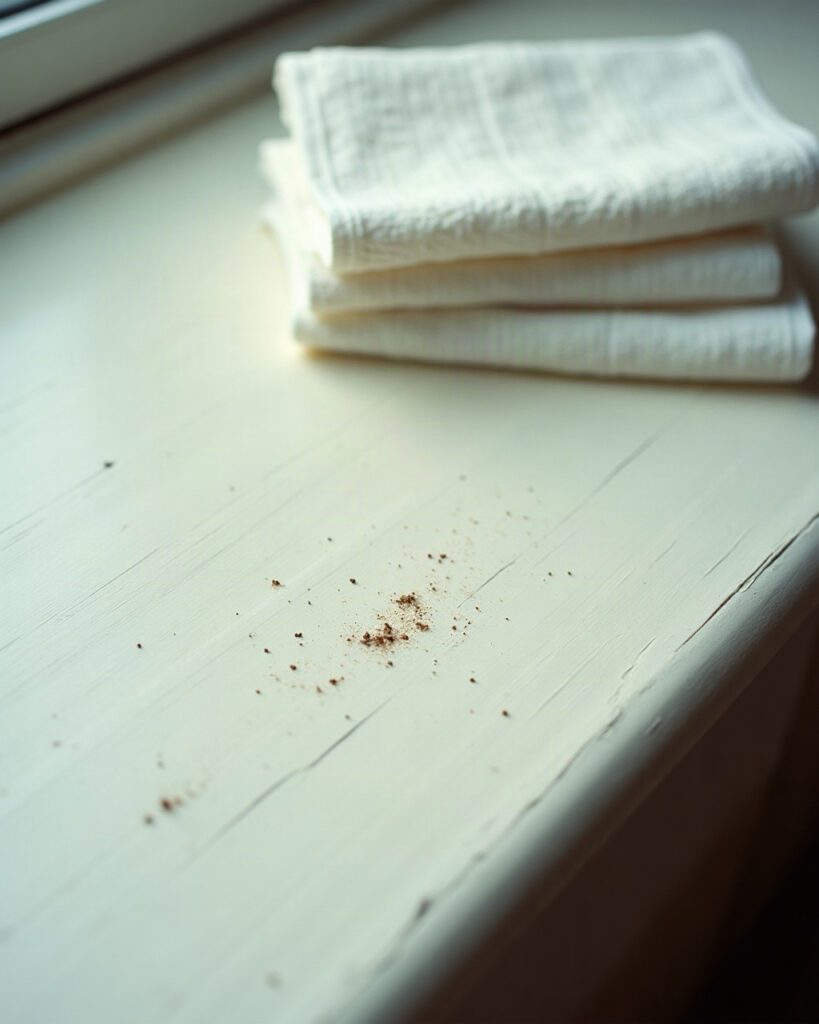
It froze and looked dead. Beetles do this, and the specks on a windowsill are often alive. Our guide to bugs that play dead covers the white paper test that tells you whether something is breeding indoors.
Branch three: what it looked like
If a name is already in your head, start from ruling it out rather than confirming it.
You think bed bug. Check flatness from the side, and check for dark spotting on mattress seams. Kentucky describes bed bugs as brownish, oval and flattened. Our guide to bugs that look like bed bugs covers the six impostors, and the inspection guide covers the evidence that settles it.
You think tick. Count the legs. Eight means arachnid, six means insect. Our guide to bugs that look like ticks covers it, and removal matters more than identification if it is attached.
You think cockroach. Look at the antennae and the back. Our guide to bugs that look like cockroaches separates crickets and ground beetles from the real thing.
You think ant. Check the waist, the antennae and the wings, because the termite version of this mistake is the expensive one. Our guide to bugs that look like ants covers all three checks.
You think lice. Try to slide it along the hair. Our guide to bugs that look like lice covers the test and why a nit is not a diagnosis.
It is on skin and you cannot see it. Some causes are real and invisible, and some are not insects at all. Our guide to tiny bugs on skin you cannot see covers both honestly.
The specific guides, when you have a name
Once a branch above gets you to a family, these go deeper: carpet beetles, which Kentucky notes feed on wool, fur and feathers; cockroach species; ant species; house spiders, alongside Kentucky’s overview of common spiders around homes; flies; gnats and small flies; ticks; and silverfish.
If the problem is a bite rather than an insect, the insect bite identification chart is the better starting point, with the standing caveat that no one can reliably identify a culprit from a welt alone.
Common questions
It is too small to photograph.
Most phone cameras have a macro mode that works from a few centimetres. Put the insect on white paper in bright light, and take several frames. One will usually be sharp enough.
I only find them dead on the windowsill.
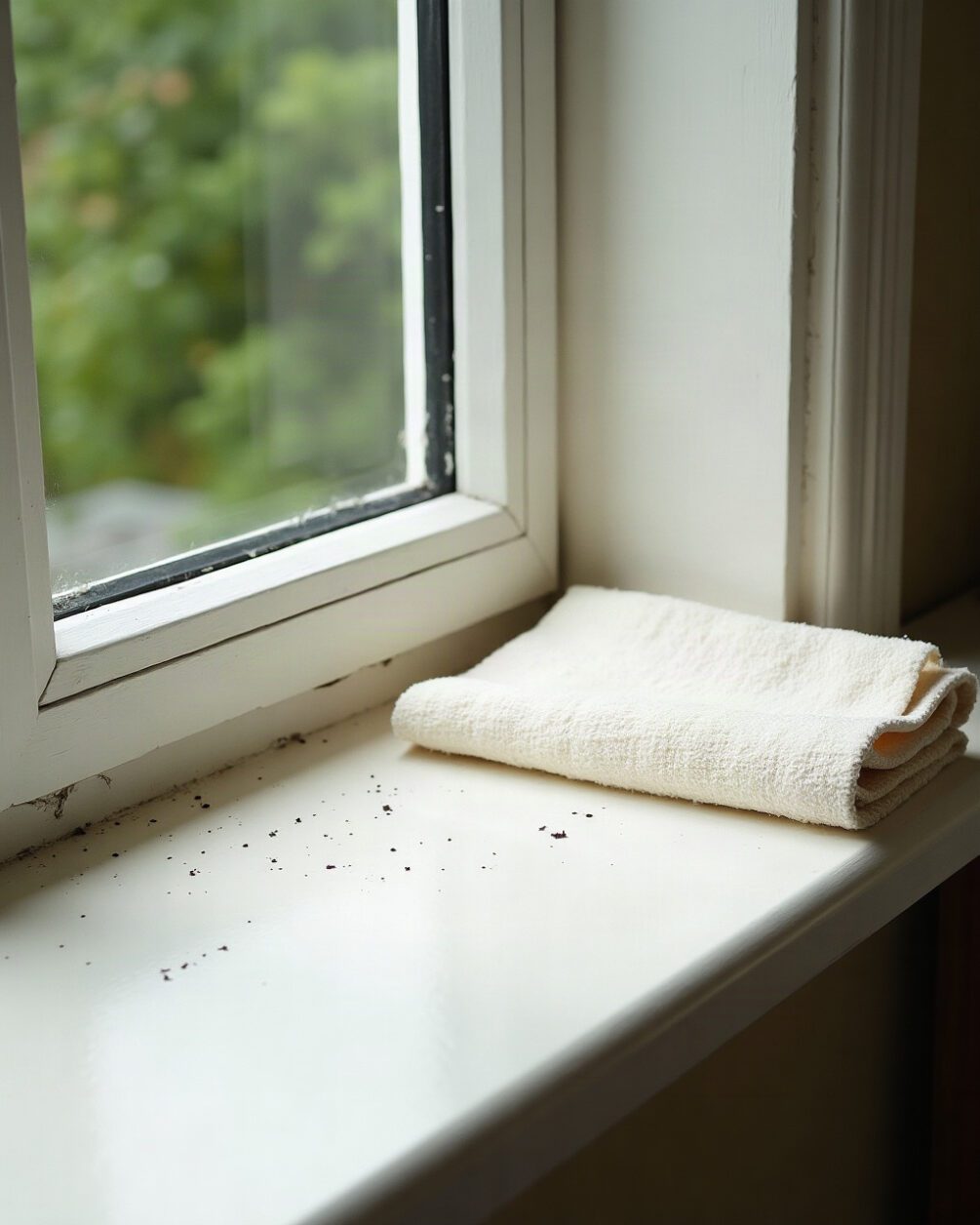
Sills accumulate whatever has been in the room, so they are a good sample. Clear the sill completely and check again in a week. What comes back tells you whether something is breeding indoors.
Does it matter which species it is?
Sometimes a great deal, sometimes not at all. It matters for cockroaches, ants and termites, where the species changes the treatment. It matters much less for springtails, booklice and pill bugs, which all mean the same thing: something is damp.
Final verdict
Pick the branch you are most confident about. Where you found it is the strongest clue, because insects are somewhere for a reason. How it moved is the fastest, because jumping, running and freezing each rule out most of the field. And whatever you do next, photograph it from the side on white paper first, because flatness and leg count carry more information than colour ever will.