Insects navigate by light and get trapped circling an artificial source. What decides how many arrive is not brightness but colour: short wavelengths, meaning cool white, blue and ultraviolet, attract far more than warm amber light does. Changing a porch bulb to a warm one is the single most effective thing most households can do, and it costs the price of a bulb.
- Swap cool white for warm: 2700K or lower, and lower still if the fitting allows it.
- Move the light, not just the bulb: a lamp beside a door brings insects to the door.
- Bug zappers make it worse: they attract far more than they kill, and mostly kill the wrong things.
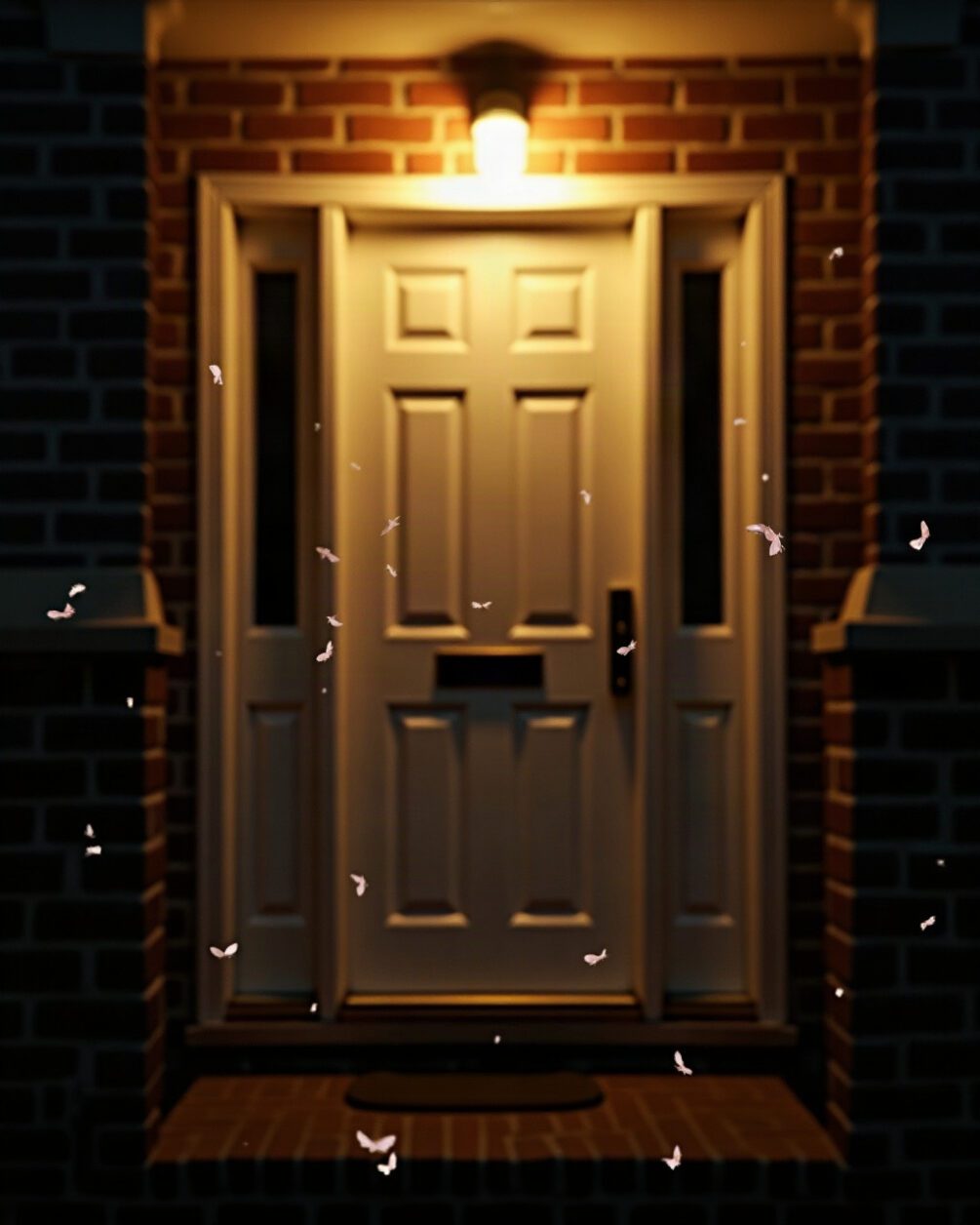
Almost everyone has watched insects circling a porch light and assumed they want the light. The behaviour is stranger than that, and understanding it explains why some lights are covered in insects and others a few metres away are not.
Why they circle
Many night-flying insects navigate by keeping a distant light source, historically the moon, at a constant angle. That works when the source is effectively infinitely far away.
A bulb a few metres off breaks the rule. Holding a constant angle to a nearby light produces a spiral inward, which is the circling everyone recognises. The insect is not attracted to the lamp so much as trapped by it, which is why they persist, exhaust themselves, and pile up beneath.
The practical consequence is that a light is not a lure you can out-compete. It is a navigation error, and the way out is to make the error less likely.
Colour beats brightness
This is the part that changes outcomes and the part most people have never been told.
Insect eyes are most sensitive to short wavelengths: ultraviolet, blue and the cool end of white. Long wavelengths, meaning amber, orange and warm white, are far less visible to most night-flying insects.
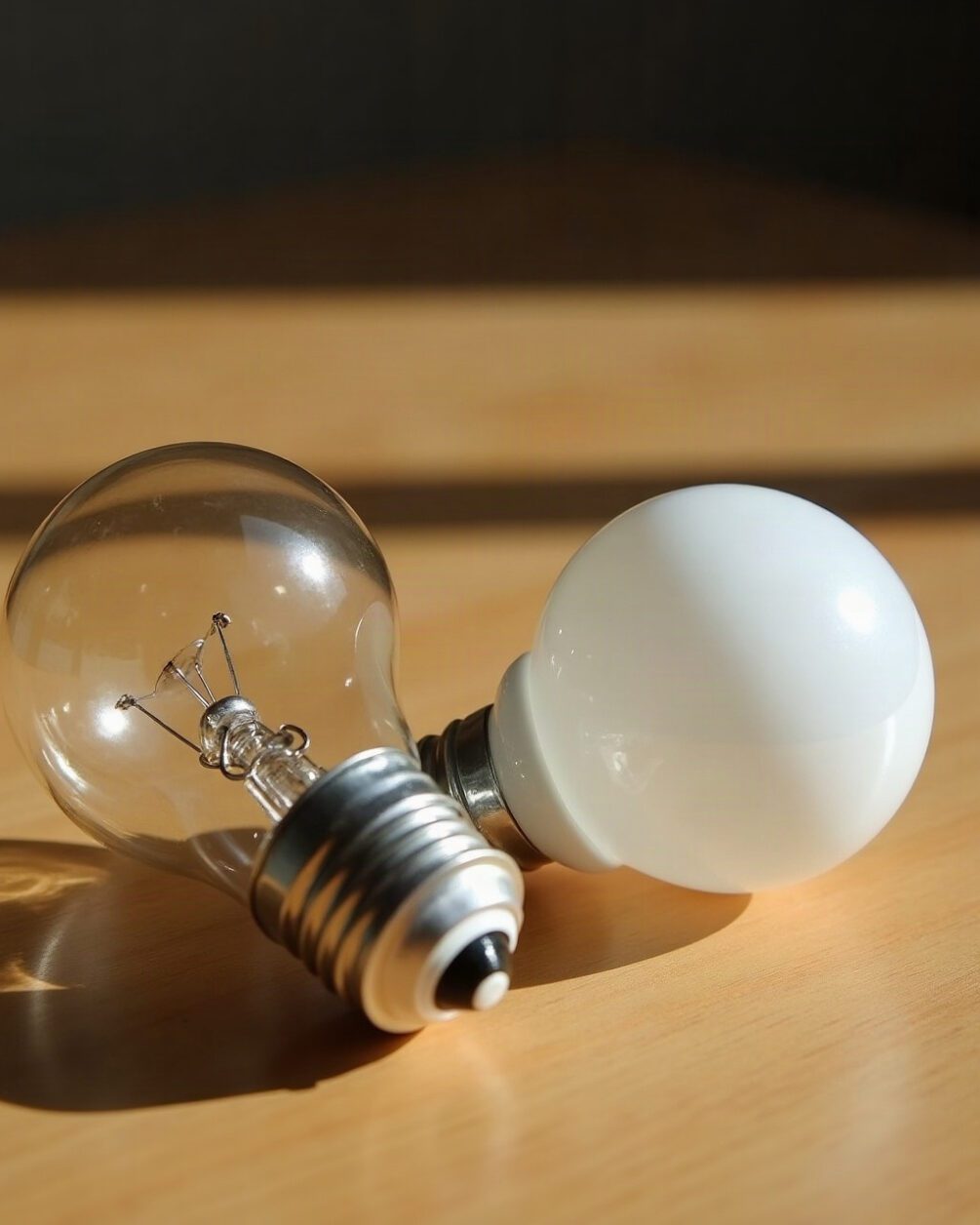
A cool white bulb at 5000K and a warm bulb at 2200K can draw dramatically different numbers of insects at the same brightness. The warm one looks dimmer to us because our eyes are tuned differently, but it is not less useful for seeing a doorstep.
What to do with that:
Use 2700K or lower outdoors. Amber or “bug light” bulbs go lower still, around 1800 to 2200K, and are genuinely effective rather than a gimmick.
Avoid anything marketed as daylight or cool white for exterior fittings.
Older mercury vapour and unfiltered fluorescent fittings emit substantial ultraviolet and are the worst offenders. Replacing one of those changes a wall completely.
Placement matters as much as the bulb
Move the light away from the door. A lamp mounted beside a doorway delivers insects to the exact place you open. A light on a post a few metres away lights the same path and keeps the gathering there.
Light downward. Shielded fittings that throw light onto the ground rather than outward and upward are visible from much less distance, so fewer insects find them.
Turn it off, or put it on a sensor. A light that comes on when someone approaches is dark for the hours when the gathering would build.
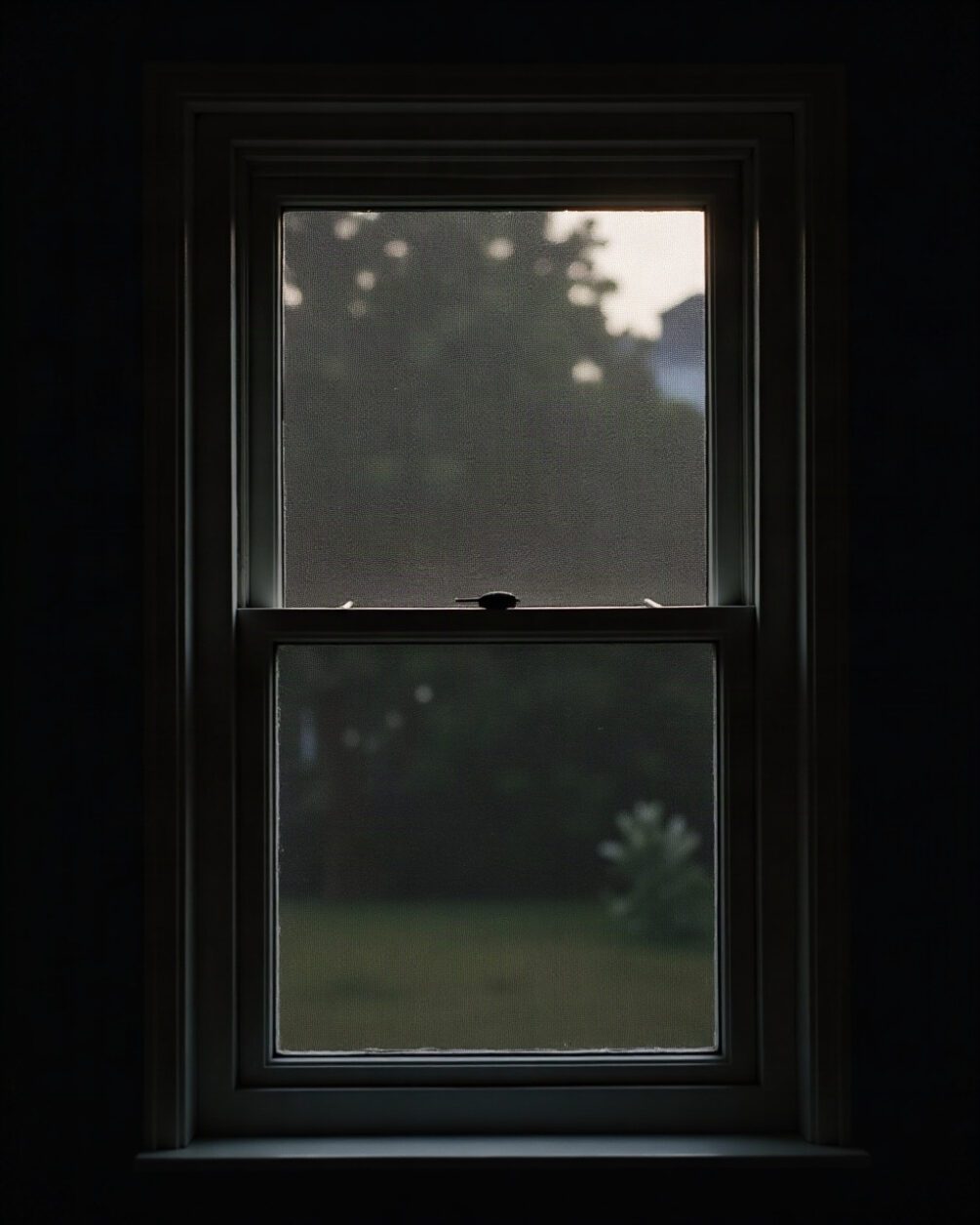
Draw the curtains. Interior light through a window is the reason insects gather on the glass and come in when the door opens.
What arrives, and why it matters
Moths, caddisflies, midges and lacewings make up most of the mass, and none of them damages anything or bites.
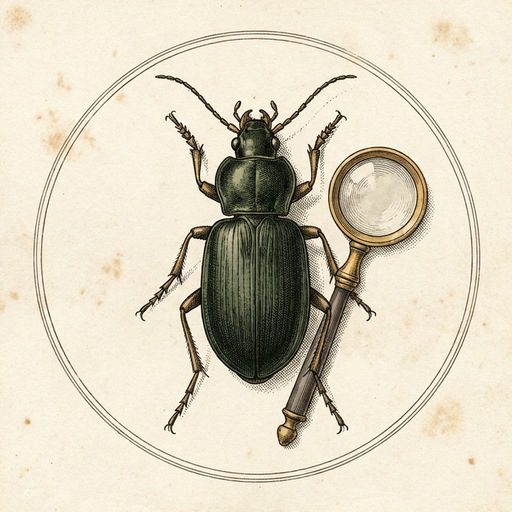
Beetles, including June bugs and ground beetles, arrive and then blunder in under doors. Our guide to fast crawling bugs indoors covers what they do once inside.
Spiders follow the food. A light that gathers insects reliably grows webs above and beside it. Kentucky’s overview of common spiders around homes and buildings covers the species, and its guidance on eliminating spiders makes the same point this article does: reduce the prey and the lighting that draws it. Our guide to what attracts spiders covers it from the spider’s side.
Mosquitoes are the exception. They are drawn by carbon dioxide, body heat and skin odour rather than by light, so changing a bulb does very little for them. That is a repellent and standing water problem instead, and the EPA’s guidance on registered insect repellents covers what works on skin. Our mosquito repellent guide covers the choices.
Why bug zappers are a poor answer
They are satisfying and they are counterproductive, for two reasons.
They attract more than they kill. An ultraviolet lamp pulls insects from a wider area than the grid covers, so a zapper on a patio increases the number of insects near the patio.
They kill the wrong insects. Study after study finds that the overwhelming majority of what a zapper kills is harmless or beneficial: moths, beetles, lacewings and parasitic wasps. Biting insects are a small fraction, because they are not the ones navigating by light.
Our guide to Best Bug Zappers for Mosquitoes (and Why They Barely Help) covers where one is and is not worth having, and the honest answer for a domestic garden is usually not.
If they are getting inside
Fit or repair screens. A torn screen is the commonest route and the cheapest fix.
Check the door sweep. Beetles walk in under doors far more often than they fly in.
Look at the seal around the frame, especially where sealant has perished. Our guide to autumn pest proofing covers the work, which handles this and the seasonal wall gatherings at once.
Vacuum rather than spray. The insects indoors came from outside and are not breeding there, so a residual treatment achieves very little against a supply that renews every night.
Common questions
Do yellow bug lights actually work?
Yes, and better than most people expect. They work by emitting almost nothing in the short wavelengths insects see best, rather than by repelling anything.
Why does one house on the street get them all?
Usually the fitting. A single cool white or ultraviolet-rich lamp on an otherwise dark street becomes the only navigation error available for a long way.
Will leaving the light off overnight solve it?
It stops the gathering at that spot. Insects will still be present in the garden; they simply have no error to spiral into.
Final verdict
The lamp is a navigation trap rather than a lure, so the fix is optical rather than chemical. Change cool white to warm, ideally 2200K or lower on an exterior fitting. Move the light away from the door and shield it downward. Put it on a motion sensor. Repair the screens and the door sweep, because that is how the arrivals become intruders. And leave the zapper alone: it draws more than it removes, and most of what it removes was doing no harm.