
A musty, earthy smell is far more often mould than an insect, and where an insect is involved it almost always arrived because of the moisture rather than causing the smell. So the productive search is for water, not for a species. The exceptions worth knowing: a heavy German cockroach population produces a distinct musty, oily smell, and accumulated rodent urine produces an ammoniacal one. Both come with other evidence.
- Look for the damp before looking for an animal. It is the usual answer.
- Silverfish, booklice and woodlice indoors are moisture indicators, not causes.
- A hygrometer is the cheapest diagnostic here, and above 60 percent explains most of it.
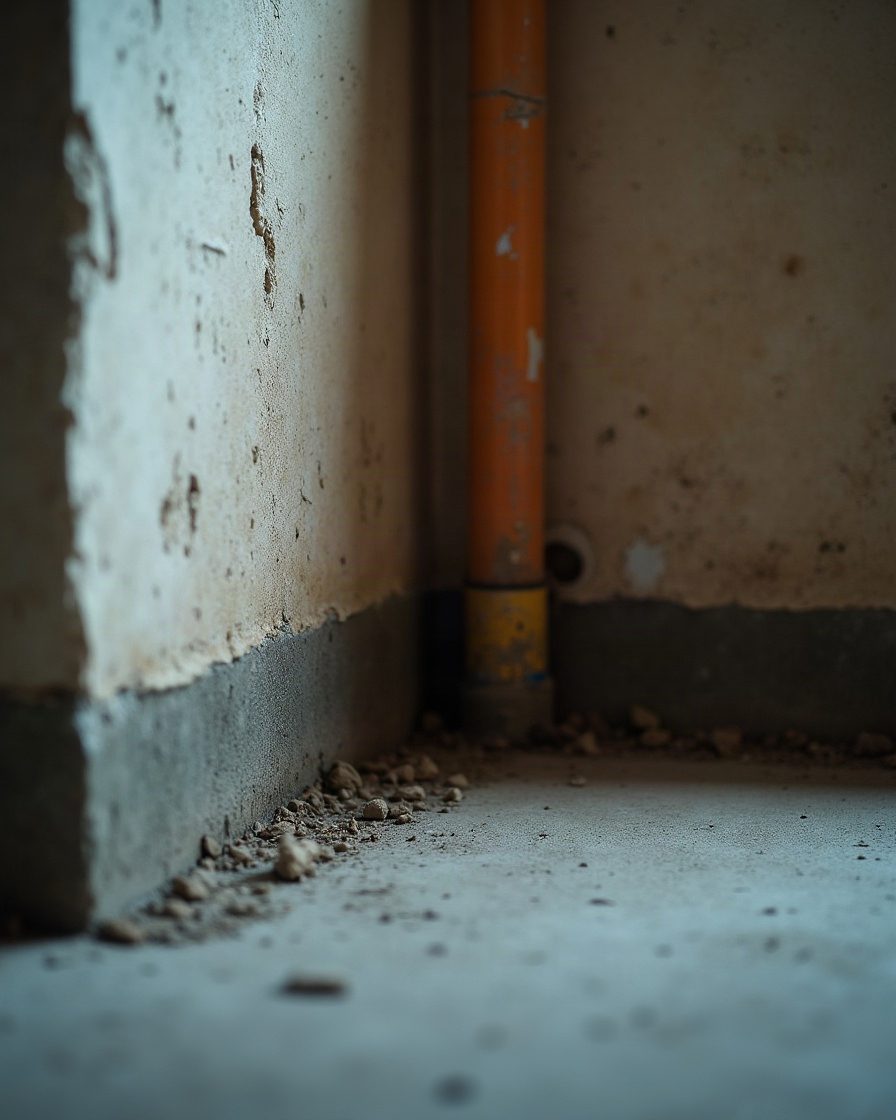
Smell is the only evidence on this site that arrives without being looked for, and the commonest instinct is to assume something is living in the wall. Usually something is growing there instead.
Start with moisture
The musty, earthy smell people describe is characteristically the odour of mould and mildew: microbial growth on damp material. It is produced by the growth itself, not by anything with legs.
The places to look, in order of how often they turn out to be the answer:
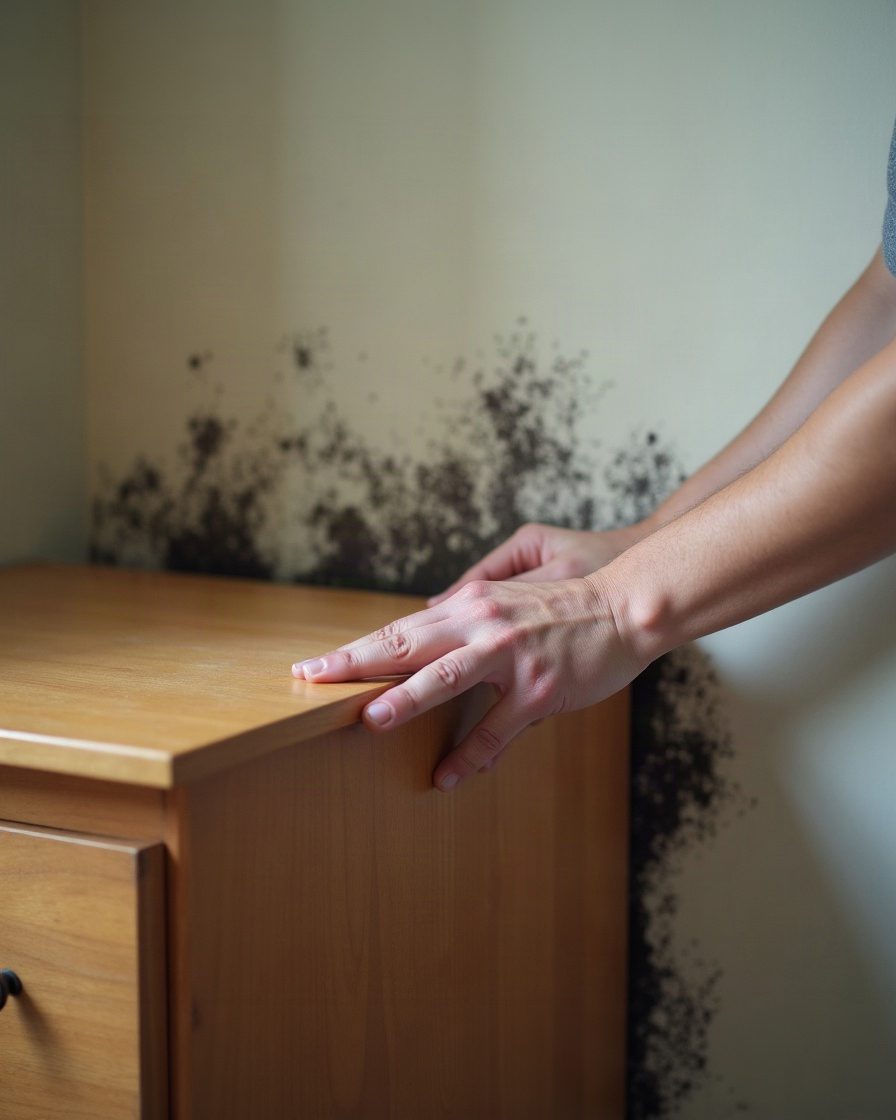
Behind furniture on an external wall. A wardrobe or a chest of drawers pushed against a cold wall stops air moving, the surface drops below dew point, and mould develops on the plaster and the back of the furniture. This is the single commonest source in a bedroom, and it is invisible until the furniture is moved.
Under a sink or a bath. A slow leak at a pipe joint or a failed seal, wetting chipboard that then stays wet. Under the kitchen sink covers what turns up there.
A basement, cellar or crawl space, where ground moisture and poor ventilation combine.
A bathroom with an inadequate extract, or one that runs for thirty seconds after a shower and stops.
Soft furnishings, carpets or stored textiles that got wet and dried slowly.
A blocked or absent vent, which is a surprisingly frequent cause of a musty room because the extract is discharging nowhere. See nests in vents and soffits.
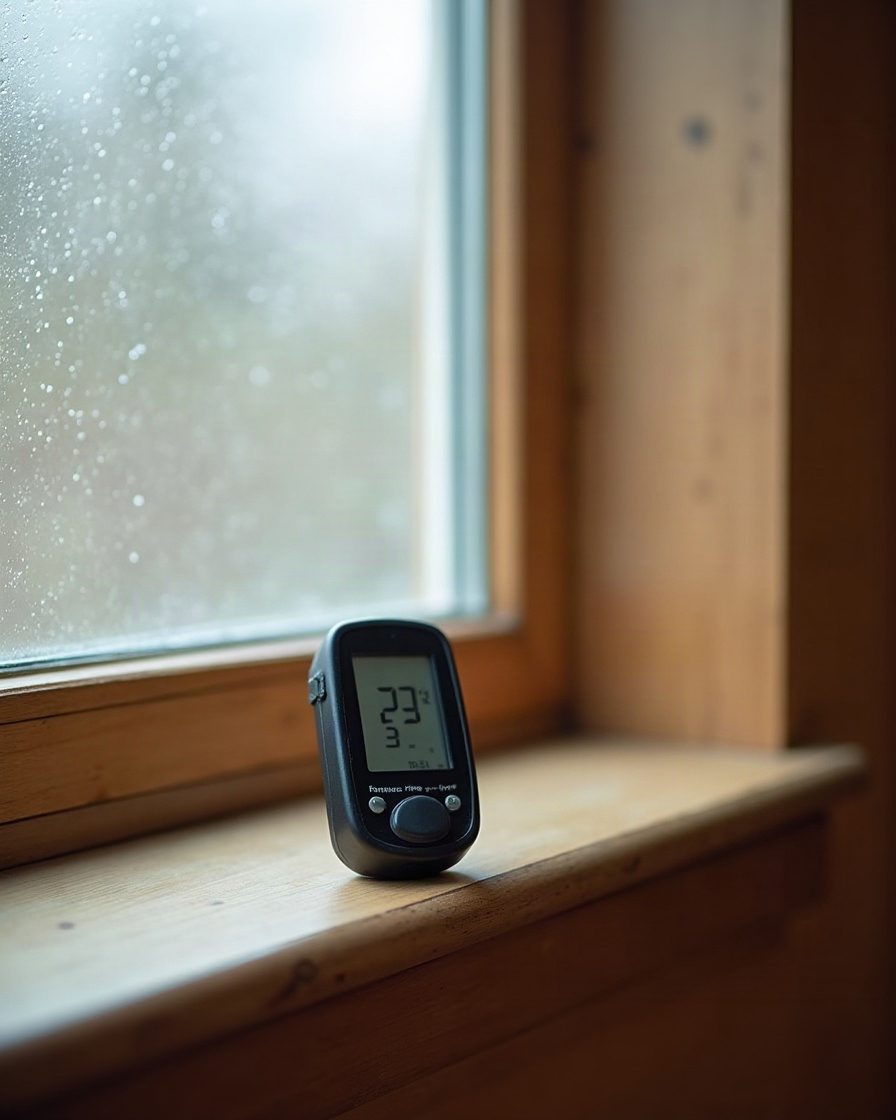
A hygrometer costs very little and settles the question in a day. Sustained relative humidity above roughly 60 percent will support mould growth, and it is also the threshold at which several of the insects below become viable indoors.
The insects that indicate damp
None of these causes a musty smell in any meaningful quantity. All of them are useful indicators that the moisture problem is real.
Silverfish. Need high humidity and eat starches, paper sizing and mould itself. Their presence in a bathroom or around books is a humidity reading. See bugs that look like silverfish.
Booklice. Not lice, do not bite, and feed almost entirely on microscopic mould. A booklice population is essentially a direct measurement of surface dampness, and they disappear when it drops. See tiny grey bugs in the house.
Woodlice. Breathe through gills and cannot survive dry conditions. Indoors they are dying rather than colonising, and their route in is a damp spot at floor level. See bugs that curl into a ball.
Springtails. Same story, in damp bathrooms and overwatered plant pots.
Fungus gnats. Wet compost. See what lives in houseplant soil.
The point is consistent enough to be a rule: treating these insects without drying the room achieves nothing durable, and drying the room removes them without treatment. That is exactly the situation the EPA’s guidance on whether a pesticide is needed at all describes.
The two genuine pest smells
Cockroaches. An established German cockroach population produces a distinctly musty, oily, faintly sweet smell that is noticeable before the insects are, and it is strongest at the harbourage. It comes from aggregation pheromone and cuticular secretions. It is not the earthy smell of mould, but people describe both as musty. If a kitchen smells musty and there are dark specks in the cupboard corners, read the cockroach smell signature and cockroach droppings. UC IPM’s guide to cockroaches covers the biology.
Rodents. Accumulated urine in insulation or a cavity produces a sharp ammoniacal smell rather than an earthy one, along with a mustiness from the nest material. It comes with droppings, gnawing and noise. See the droppings chart.
And one that is neither. A sickly, unmistakable smell that rises over days and fades over weeks is something that has died in a void. Dead mouse smell covers it.
Working out which
Where is it strongest? Walk the house and find the point of maximum intensity. Mould smells are strongest at the growth; pest smells are strongest at the harbourage.
Does it change with weather? Damp smells intensify in wet weather and in unheated periods. Pest smells do not.
Does it change with ventilation? A musty smell that clears when a window is opened and returns when it is closed is a moisture and ventilation problem.
Is there other evidence? Droppings, gnawing, noise or insects alongside the smell point at an animal. Their absence, with a tide mark on a wall, points at damp.
Common questions
A musty smell in a wardrobe. Very often the external wall behind it. Pull it out and look at the plaster and the back panel.
It appeared after a leak was fixed. Material that got wet and was left in place. Drying takes far longer than people expect, and enclosed material may never dry without removal.
Cleaning the mould did not stop it. Because the moisture is still arriving. Surface treatment without addressing the cause returns within weeks.
Could it be dead insects in a cavity? In quantity, occasionally, after a mass invasion of cluster flies or lady beetles. It is uncommon and it comes with obvious insect evidence.
The bottom line
Assume damp until something contradicts it. Move the furniture off the external wall, look under the sink, check that the extract actually discharges, and put a hygrometer in the room for a day. The insects most associated with a musty house are all telling you the same thing, and drying the room is the one action that removes both them and the smell.
Pingback: Dead Mouse Smell: How Long It Lasts and How to Find It