A dead mouse in a cavity smells for roughly two to four weeks in a heated house, building over several days, peaking in the second week and fading as the carcass dries. A rat takes longer. Warmth and humidity shorten and intensify it; cold and dry conditions extend it. If the source can be reached, removing it ends the problem immediately. If it cannot, ventilation does more than any product sold for the purpose.
- Two to four weeks for a mouse, longer for anything larger.
- Find it by working along the wall at floor level, where the gradient is sharpest.
- This is the predictable consequence of poisoning in a cavity, which is why trapping avoids it.
This is a problem that resolves itself, which is the good news and the entire frustration of it. The useful questions are how long, how to find it, and how to avoid repeating it.
The timeline
In a normally heated house, a mouse follows a fairly predictable course.
Days one to three. Little or nothing. Some people notice a faint sweetish smell, which is easily confused with the earthy smell covered on a musty smell in the house.
Days three to seven. Building rapidly, and this is usually when it is first noticed.
Week two. Peak. Strongest and most pervasive.
Weeks three to four. Declining as the carcass dries out.
Beyond four weeks. Usually gone or nearly so, though a residual smell can persist in enclosed material.
Three factors move it. Warmth accelerates everything, so a carcass beside a hot pipe or in a loft in summer runs faster and more intensely. Humidity intensifies it, which is why the smell often seems worse on damp days for weeks afterwards. Size matters a great deal: a rat can take two months or more.
Finding it
Worth trying, because removal ends it at once.
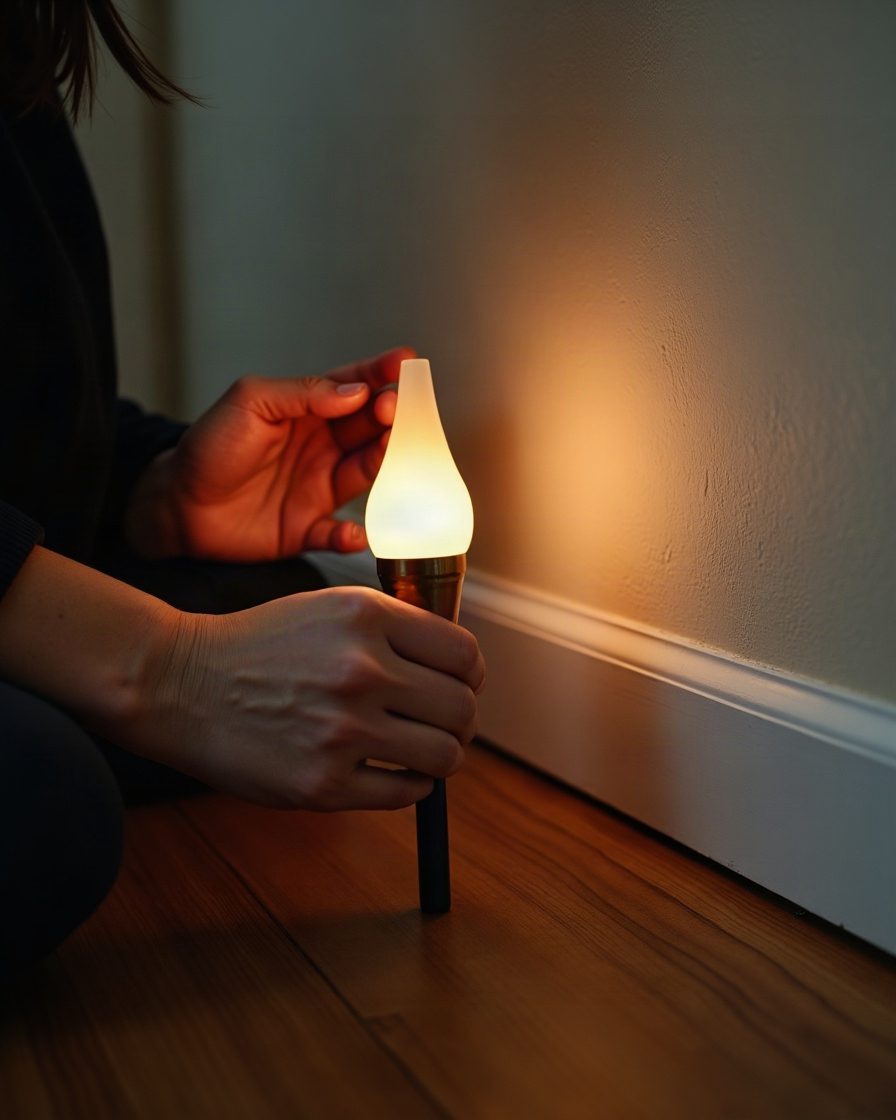
Work along walls at floor level. The gradient is narrower than people expect, and the strongest point is often within a metre. Get low, move slowly, and pay attention to the change rather than the absolute intensity.
Check the accessible places first. Behind and beneath appliances, under kitchen units, in the void behind a kickboard, in an airing cupboard, in a loft over the affected room, in a boxed-in pipe run, in a floor void from below if there is a cellar, and inside anything that was recently in storage.
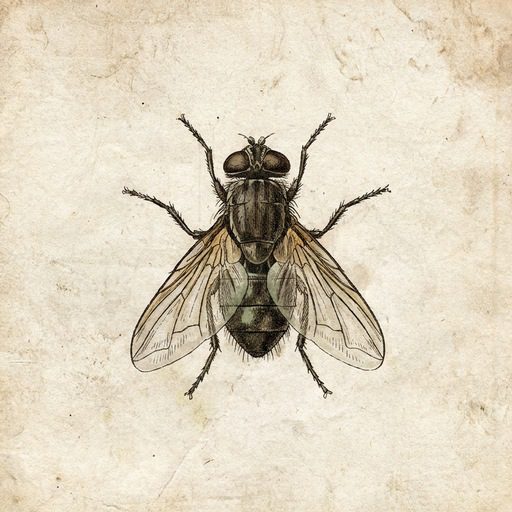
Follow the flies. A cluster of small flies at a window, on a ceiling, or in one particular room is often a better locator than smell. Blowflies and flesh flies find a carcass quickly, and the flies will be near it.
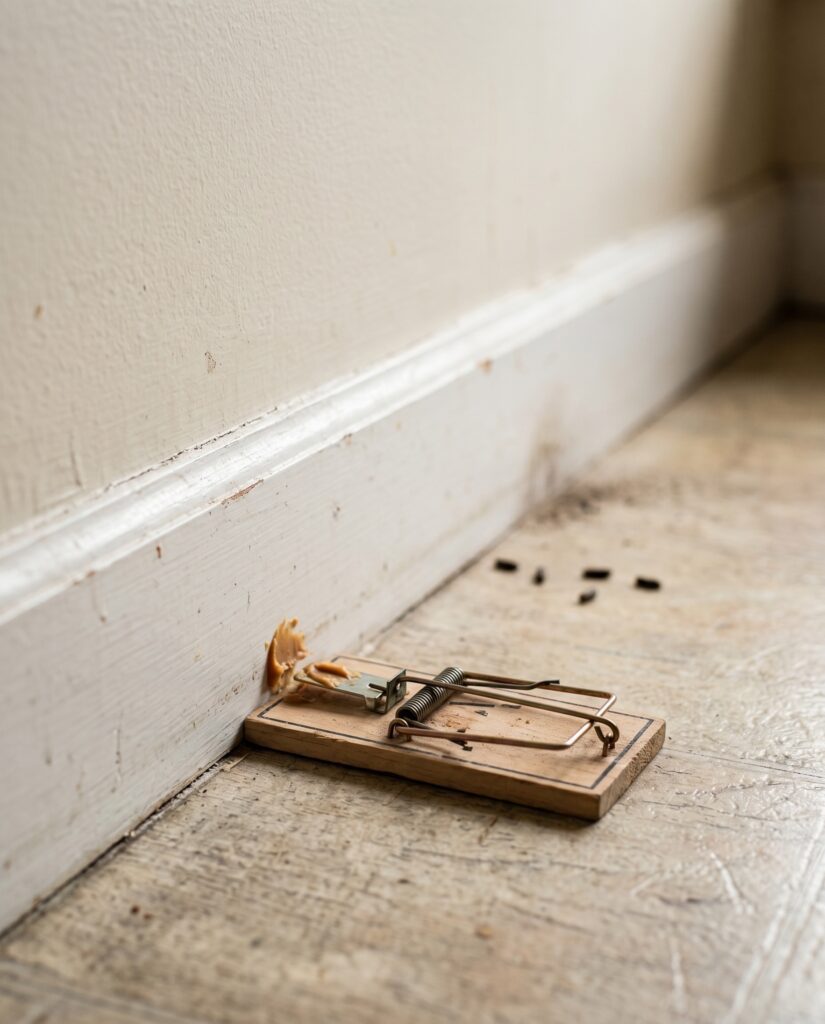
Check the traps. More carcasses are in a trap under a unit than in a cavity, and people search the walls without looking there.
Warm days help. The smell intensifies with temperature, so searching in the afternoon is easier than in the morning.
Getting to it
If the source is in an accessible void, remove it, wearing gloves. Bag it doubled, and disinfect the surface and the surrounding area. The general precautions for rodent material apply: do not dry-sweep the area, dampen anything that needs cleaning, and wash afterwards. The CDC’s guidance on rodents and associated diseases covers why.
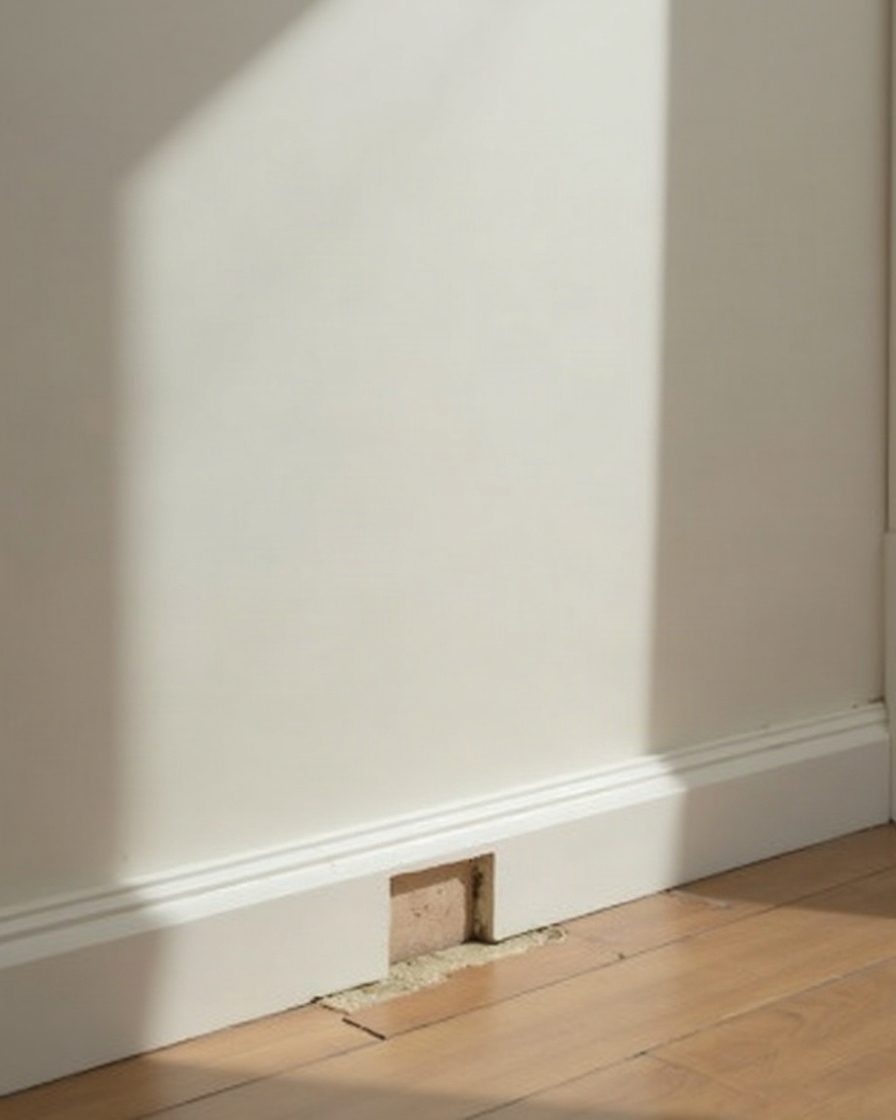
If the droppings nearby are large and capsule shaped rather than small and tapered, read rat droppings, because the timeline is considerably longer. If it is inside a wall, the decision is whether opening the wall is worth it. Usually the least destructive access is removing a short length of skirting board, which frequently gives enough reach at the bottom of a stud bay and is trivially repaired. Cutting plasterboard is a bigger step and worth taking only if the location has been narrowed confidently.
If the location cannot be narrowed, waiting is a legitimate choice, and four weeks is the outside estimate for a mouse.
Making the wait bearable
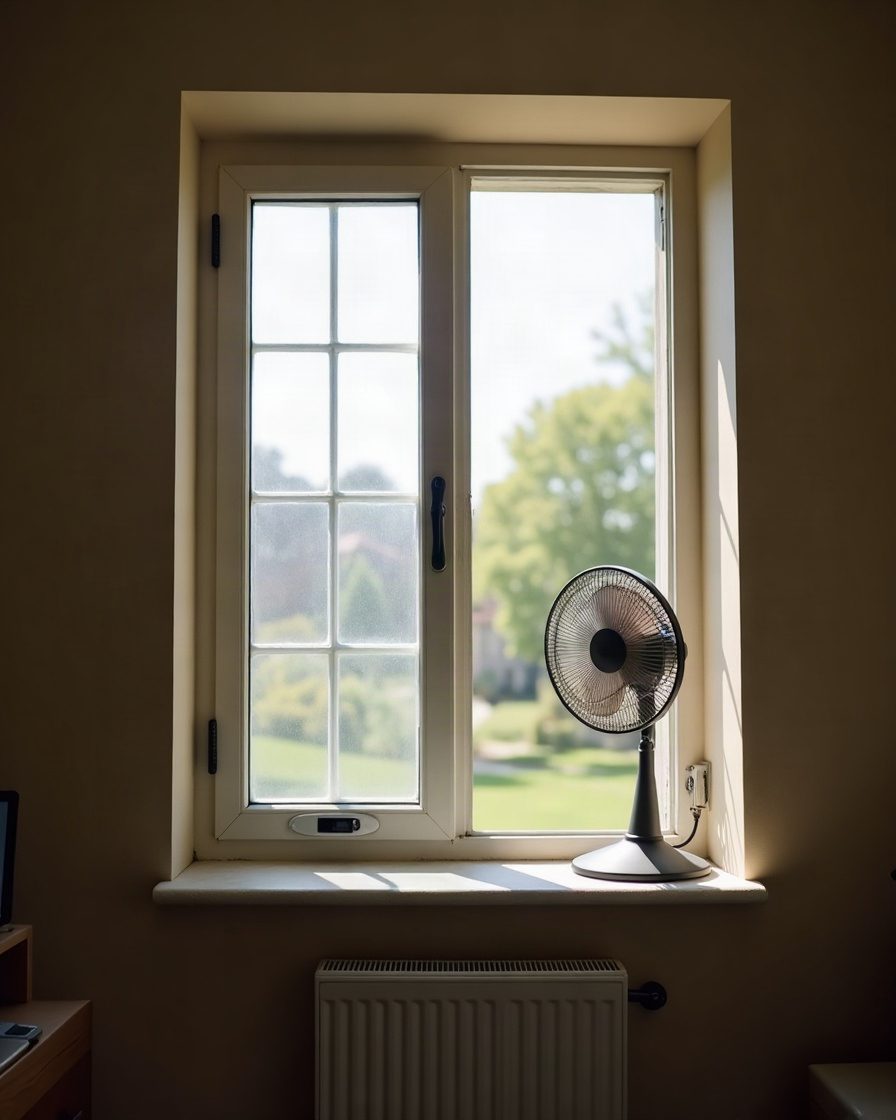
Ventilation is the only thing that reliably works. Open windows in the affected room, and put a fan in a window facing outward to draw air out rather than push it around. Cross-ventilate.
Activated charcoal in shallow trays near the strongest point genuinely adsorbs some of the volatile compounds. It is slow and partial, but it does something.
Odour neutralisers based on enzymes or oxidisers work on surfaces they can reach. They do nothing for a carcass sealed in a cavity, so their value is limited to the room rather than the source.
Air fresheners mask and do not remove. Combining a floral scent with this particular smell is worse than either alone, and most people abandon it within a day.
Do not seal the room. Trapping the air concentrates it and extends the timeline.
Avoiding it next time
This is the part worth acting on, because the smell is usually a consequence of a choice.
Poison in a cavity produces exactly this outcome. A rodenticide takes days to work, and the animal frequently dies where it feels safest, which is inside a wall, under a floor or in insulation. The EPA’s guidance on controlling rodents and regulating rodenticides covers the wider risks including secondary poisoning of pets and wildlife.
Traps put the carcass where you can find it. That is their main practical advantage over bait in a domestic setting, alongside the fact that they confirm what you caught and when.
Exclusion prevents the situation. Sealing entry points with steel wool or mesh, rather than filler, is what stops the cycle. Reading gnaw marks identifies which openings are in use, and the droppings chart identifies the animal.
The flies that follow
A secondary problem worth anticipating. Blowflies lay on a carcass and the larvae complete development in one to two weeks, after which adults emerge, often into the room.
They are a nuisance rather than a hazard, they are self-limiting, and their appearance in numbers at a window is a strong indicator of the source location. If flies keep appearing after a month, something larger than a mouse is involved.
Common questions
It has been six weeks. Then it is probably not a mouse. A rat, a squirrel or a bird in a chimney all run considerably longer.
It comes and goes. Normal. Humidity and temperature move it, and airflow through a building changes with the weather and the heating.
Can I find it with a camera? A cheap borescope through a small drilled hole is worth trying once the location is narrowed to a bay or two.
Is it a health risk? The smell itself is not. The precautions above are about handling the carcass and the material around it.
The bottom line
Two to four weeks for a mouse, peaking in the second, and removal ends it instantly if you can reach it. Work along the wall at floor level, follow any flies, and check the traps before opening anything. Then treat it as information: this is what poisoning in a cavity does, and traps plus sealed entry points are how the next one is avoided.