
Rat droppings are 12 to 19 mm long, capsule shaped and far larger than a mouse’s 3 to 7 mm. Roof rat droppings taper at both ends; Norway rat droppings are blunter and thicker. They collect along walls and runways rather than in open floor. Never sweep or vacuum them dry: dampen thoroughly with disinfectant, leave it to soak, wipe with paper towel, bag it, and ventilate the space first.
- Size settles mouse versus rat. There is no overlap worth worrying about.
- Dry sweeping is the one genuinely avoidable risk here. It aerosolises dried material.
- Cleaning without sealing the entry achieves nothing lasting.
Rat droppings are unambiguous once measured, which is why the ruler comes before everything else. Most of the uncertainty people bring to this subject is not rat versus something exotic. It is rat versus mouse, and that is a question of size rather than of shape.
Size, first and last
A house mouse produces droppings 3 to 7 mm long. A rat produces droppings 12 to 19 mm long. That is a difference of roughly threefold in length and considerably more in bulk, and it is obvious once both are seen. If you have only one, measure it.
Our guide to mouse droppings covers the smaller end, and the droppings chart places both against everything else that turns up in a house.
The two species, and why the difference matters
Norway rat droppings are around 18 to 19 mm, thick, and blunt at both ends, often described as capsule shaped. Norway rats are burrowers. They live low: basements, ground floors, drains, beneath decking, in burrows against foundations.
Roof rat droppings are smaller, around 12 to 13 mm, more slender, and pointed at both ends. Roof rats climb. They live high: lofts, wall voids, false ceilings, roof spaces, and in trees and vines outside.
The species tells you where to search, which is the practical payoff. UC IPM’s guidance on rats around the home covers the behavioural differences in detail.
Fresh droppings are dark, soft and glistening. Within two or three days they harden and dull; over weeks they grey, crumble and lose shape. A deposit containing both fresh and old material means ongoing activity.
Where they collect, and what that tells you
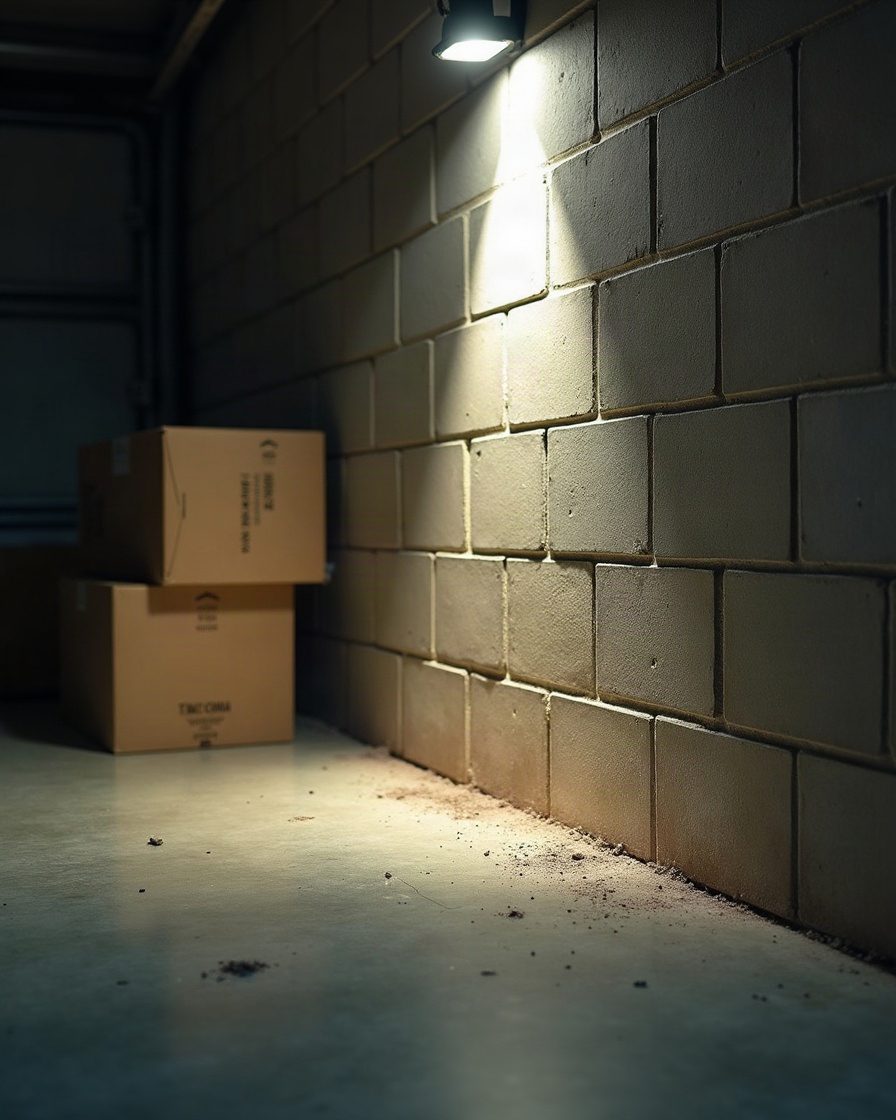
Rats travel with one flank in contact with a surface, which is why droppings accumulate in lines along walls, behind stored goods, on joists, and beside pipe runs, rather than scattered across open floor.
The pattern is worth reading. A concentrated pile usually marks a resting or nesting site. A trail of scattered droppings marks a route. Following the route in both directions generally finds both the entry point and the harbourage, which matters more than the droppings themselves.
Alongside them you will often find the other rat traces: dark greasy rub marks where oil from the coat has transferred to a surface at a pinch point, and gnawing. Reading gnaw marks covers the latter, and it dates activity better than droppings do because fresh gnawing is pale against weathered material.
If the evidence is in a loft and you are also hearing something, scratching in walls at night and attic pests identified by sound narrow it further, because rats are heavier and noisier than mice and squirrels are audible in daylight.
Cleaning up safely
This section is the reason the article exists. Rodent droppings and urine can carry pathogens including Salmonella and Leptospira, and some hantaviruses are associated with rats. The route of concern for the airborne ones is inhalation of dried, disturbed material, which is precisely what a brush or a domestic vacuum produces. The CDC’s guidance on rodents and the diseases associated with them is built around avoiding that.
The sequence:
1. Ventilate first. Open doors and windows to the space and leave it for half an hour before entering.
2. Wear disposable gloves. For a large accumulation in an enclosed space, a fitted respirator rather than a dust mask.
3. Do not sweep. Do not vacuum dry. No exceptions to this step.
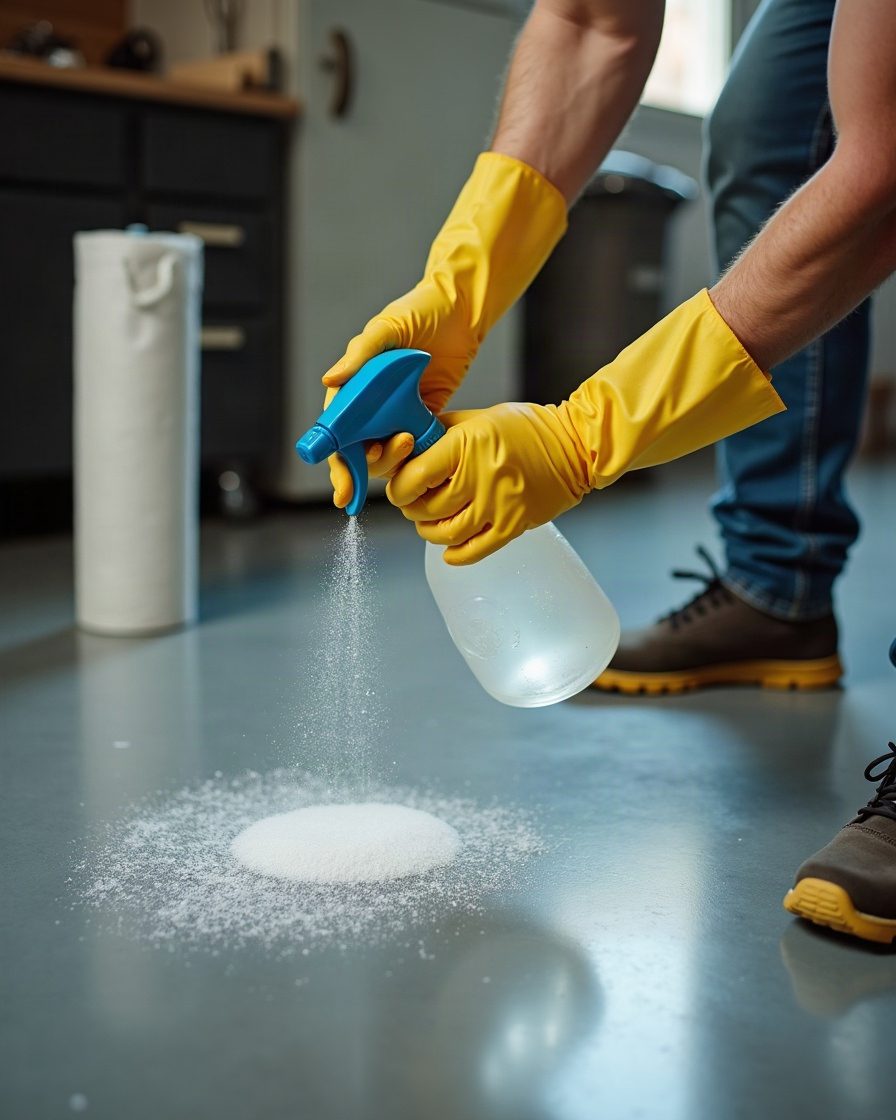
4. Soak the droppings thoroughly with a household disinfectant or a bleach solution, and leave them wet for at least five minutes. Wetting is what stops material becoming airborne.
5. Wipe up with paper towel, place it straight into a bag, seal the bag.
6. Disinfect the surface afterwards, then remove the gloves and wash your hands.
For a heavy accumulation in a loft, crawl space or long-closed building, this stops being a household job and becomes one for someone with the equipment for it.
Sealing, which is the part that lasts
Cleaning removes evidence. It does not remove rats. A rat can pass through a gap around 20 mm across, and a young one through less, so the sealing work is more demanding than it looks.
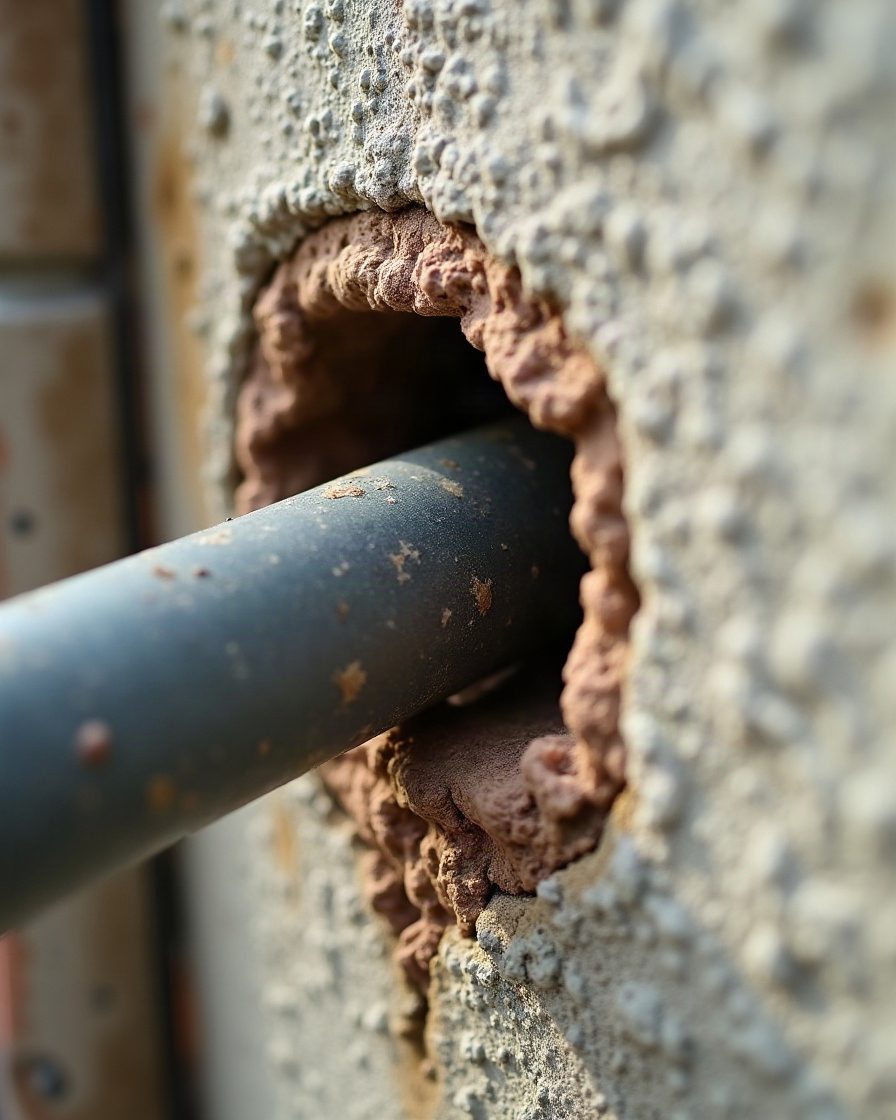
Priorities: gaps where pipes and cables pass through exterior walls, air bricks with damaged mesh, gaps beneath doors, damaged drain covers and disused drain runs, and the junction where an extension meets the original building. Steel wool packed into a gap and sealed over works where filler alone does not, because rats gnaw through filler.
On the question of poison, the EPA’s guidance on controlling rodents and regulating rodenticides is worth reading before buying anything, particularly on secondary poisoning of pets and wildlife. Trapping and exclusion carry none of that risk.
Common questions
How many rats do these droppings represent? A single rat produces something in the order of forty droppings a day, so quantity is a poor guide to numbers. Deposits in several separate locations indicate a spread population better than one large pile does.
They are dry and grey with nothing new. Is it over? Possibly. Clear the area completely, note the date, and check after a week. Nothing new is good evidence that the activity is historic.
Is it safe to be in the room? Undisturbed droppings in a ventilated space are a low risk. The risk is in disturbing dried material in an enclosed one, which is why ventilation comes first in the sequence above.
Do I need to throw out food that was nearby? Anything in packaging that has been gnawed or that shows droppings on or in it, yes. Sealed glass or metal containers can be washed and kept.
The bottom line
Measure it: 12 to 19 mm is rat and there is no ambiguity. Read the ends to get the species, and use that to decide whether to search low or high. Then clean it wet, never dry, and treat the sealing work as the actual job. Droppings are a symptom, and removing a symptom changes nothing on its own.
Pingback: Chewed Wires: Which Pest and What to Do First