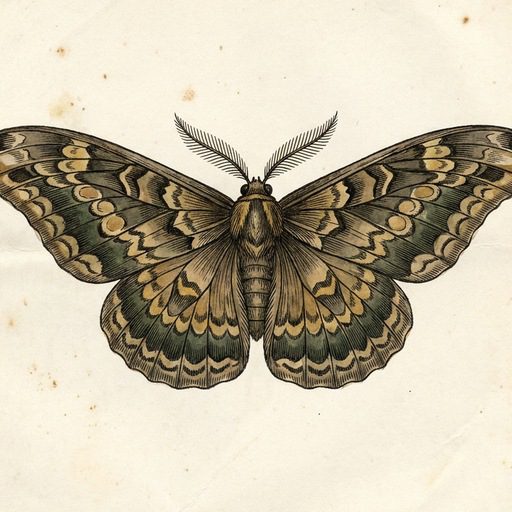
Silk in dry food is a pantry moth larva, most often the Indian meal moth. The webbing binds grains into clumps and forms a fine mat over the surface of the product, and it is spun as the larva feeds. When the larva is ready to pupate it leaves the food and crawls upward and outward, so cocoons turn up on the underside of the shelf above, in cupboard corners and on ceilings, often at a surprising distance from the source packet.
- Clumped grains mean silk, and silk in food means a larva, not damp.
- The cocoon is never at the source. Look up and outward from the packet.
- They chew out of sealed packets, so the infestation usually arrived with the food.
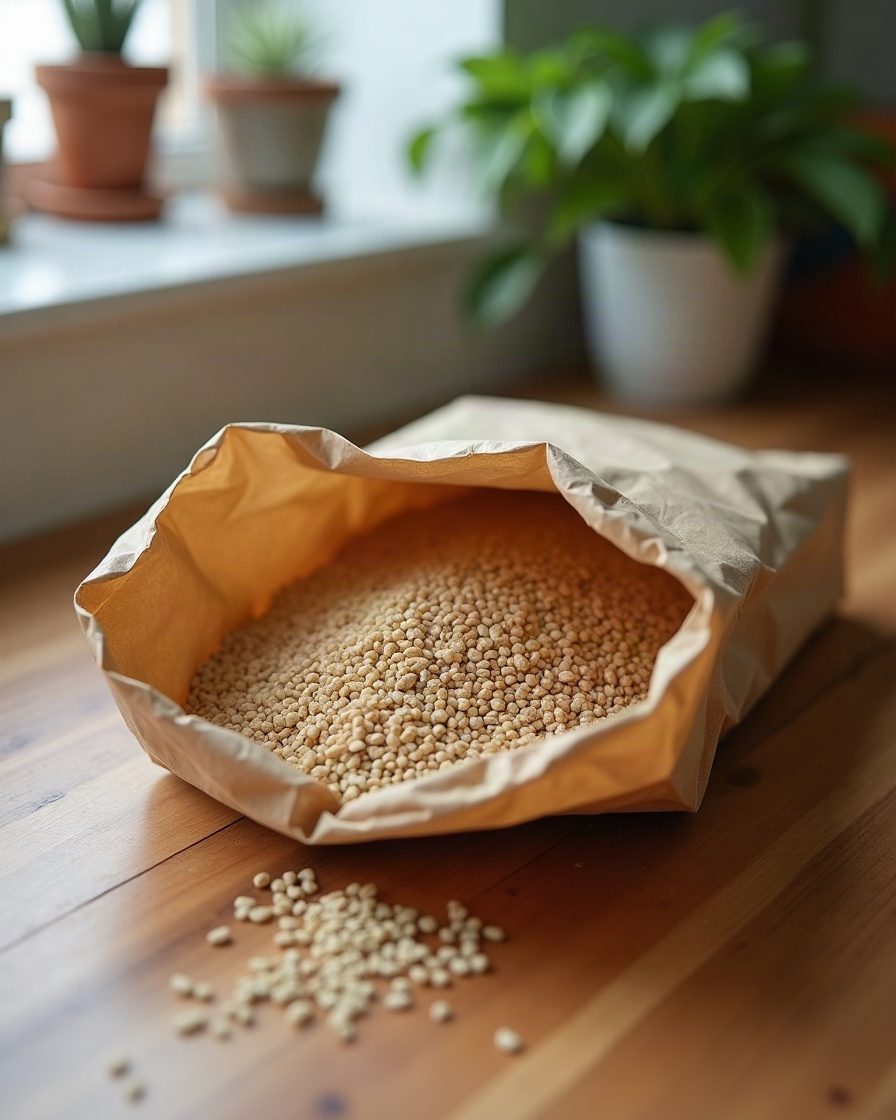
Silk in a food packet is unambiguous. Nothing else in a kitchen produces it, and once you have seen clumped, bound grains you will not mistake anything else for them. The useful part of this page is what happens next, because the search extends well beyond the packet.
What the webbing looks like
Clumping. Grains, flour, cereal or dried fruit stuck together in loose masses. Tipped out, the product does not flow freely.
A surface mat. A fine, gauzy layer over the top of the contents, sometimes only visible when the packet is opened and tilted to the light.
Threads in the folds. Silk at the top of a bag, in the seam, and around the closure.
Frass mixed in. Fine pale granular material bound up in the silk. It is the larva’s droppings, and it is what makes an infested product look slightly dirty as well as clumped.
The larvae themselves. Small, cream to pinkish, up to about 12 mm, with a darker head. Often fewer of them than the damage suggests.
The clothes moths guidance from the University of Kentucky covers the fabric-feeding relatives; the pantry species behave the same way with silk but eat stored food instead.
Where the cocoons end up
This is the part that surprises people and the reason a cleaned cupboard reinfests.
When a larva finishes feeding it leaves the food entirely and crawls upward and away to find somewhere to pupate. In a kitchen that means:
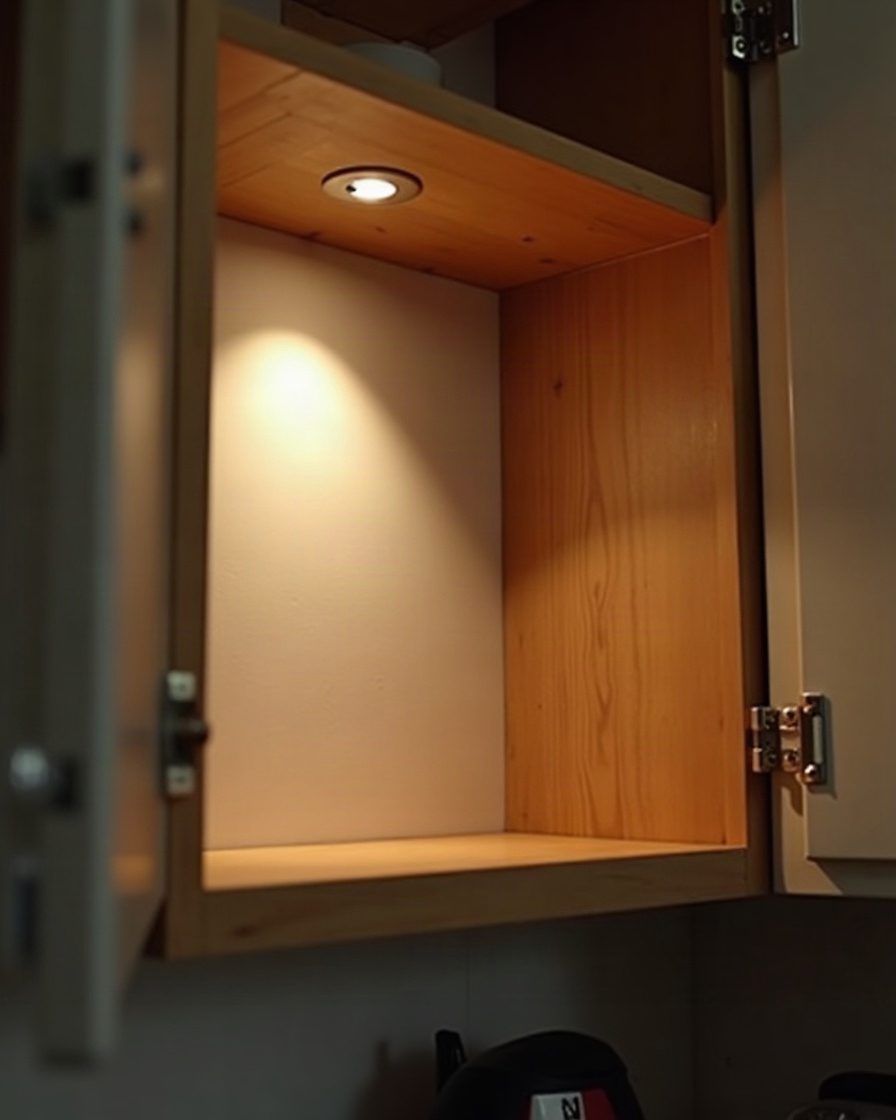
– the underside of the shelf above the packet
– the top corners of the cupboard, where the carcass meets the wall
– shelf-support holes and hinge recesses
– along the ceiling of the cupboard
– out of the cupboard altogether, onto the room ceiling, cornices and the tops of door frames
So finding cocoons a metre or more from any food is normal and does not indicate a second infestation. It also means that discarding the infested packet is not the end of the job: the next generation is already elsewhere in the room. Our page on bugs crawling on the ceiling covers the same behaviour from the other direction.
A cocoon is a small silk case, sometimes incorporating debris, and it is easy to miss against a wooden shelf.
Where it came from
Almost always with the food. Eggs or small larvae are present in the product when it is packed, and the infestation develops in the cupboard afterwards.
The supporting evidence for that is the packaging itself: pantry moth larvae and several stored-product beetles chew out through paper, card and thin plastic film, so pinholes in an otherwise sealed packet mean the insect started inside. Damaged food packaging covers how to read that.
Two consequences worth being clear about. It is not a sign of an unclean kitchen. And cleaning alone will not prevent a recurrence, because the next infested packet will arrive the same way.
The reservoirs most often missed: birdseed, pet food, dried decorative items such as ornamental corn or pot pourri, spices, and anything at the back of a cupboard that has been there more than a year.
What is not moth webbing
Damp clumping. Flour and sugar cake together with moisture, with no threads and no frass. Pull it apart: silk holds, damp clumps crumble.
Spider silk. In a cupboard rather than in the food, and structural rather than matted into the product.
Beetle infestation. Grain and flour beetles produce fine dust and live insects but no webbing. That distinction separates the two main pantry groups at a glance. Tiny bugs in kitchen cabinets covers both.
Silk tubes and tunnels indoors covers the other silk-producing larvae found in a house.
Clearing it out
There is no useful chemical shortcut here, and the EPA’s point about whether a pesticide is needed at all applies squarely: this is a search and a storage problem.
Empty the cupboard completely onto the worktop. Every packet, jar and tin.
Check each item over a white surface. Open anything previously opened. Look for clumping, silk, pinholes and live larvae.
Discard what is infested, bagged, into an outside bin. Freeze anything you want to keep and are unsure about for a fortnight, which kills all stages.
Vacuum the empty cupboard, and specifically the shelf-support holes, hinge recesses, the joint between shelf and carcass, and the top corners. This is where the pupae are and it is the step that gets skipped.
Check outside the cupboard: the ceiling above, the cornice, the tops of door frames in the room.
Wipe with detergent, then decant everything dry into glass or rigid plastic with a real seal.
Pheromone traps are worth adding afterwards, not as a control but as a monitor: they catch adult males and tell you whether anything is still emerging. Continuing catches after a thorough clearance mean a packet was missed.

Common questions
Is the food safe if I sieve it? Not harmful in the way people fear, but the product also contains frass, cast skins and silk. Most people discard it, which is reasonable.
I see moths flying in the living room. Pantry moths fly well away from the kitchen. Check the kitchen anyway, because that is where they came from. Bugs that look like moths covers telling them from clothes moths.
It came back after six weeks. A missed packet, or pupae left in a crevice. Both are common, and the trap catch will tell you which.
How long has this been going on? A generation takes roughly a month to two months depending on temperature, so cocoons on the ceiling suggest at least one completed cycle.
The bottom line
Clumped grains bound with silk means a pantry moth larva, and it very probably came in with the packet. Empty the cupboard, check every item over white paper, and vacuum the crevices, then look upward and outward for the cocoons, because the larvae have already left the food and the next generation is not where you are looking.