A larva looks nothing like the adult it becomes, which is why people search a description and find nothing. Five cover almost every indoor case: carpet beetle larvae in fibre, clothes moth larvae in wool, meal moth larvae in food, fly larvae in something wet, and fungus gnat larvae in compost. Where it was found does the identification.
- Bristly and slow at a carpet edge: carpet beetle larva, and the shed skins outnumber them.
- Pale with silk webbing in a cupboard or on a ceiling: meal moth larva, travelling to pupate.
- Legless and wet: fly larvae, which are a location problem rather than a pest one.
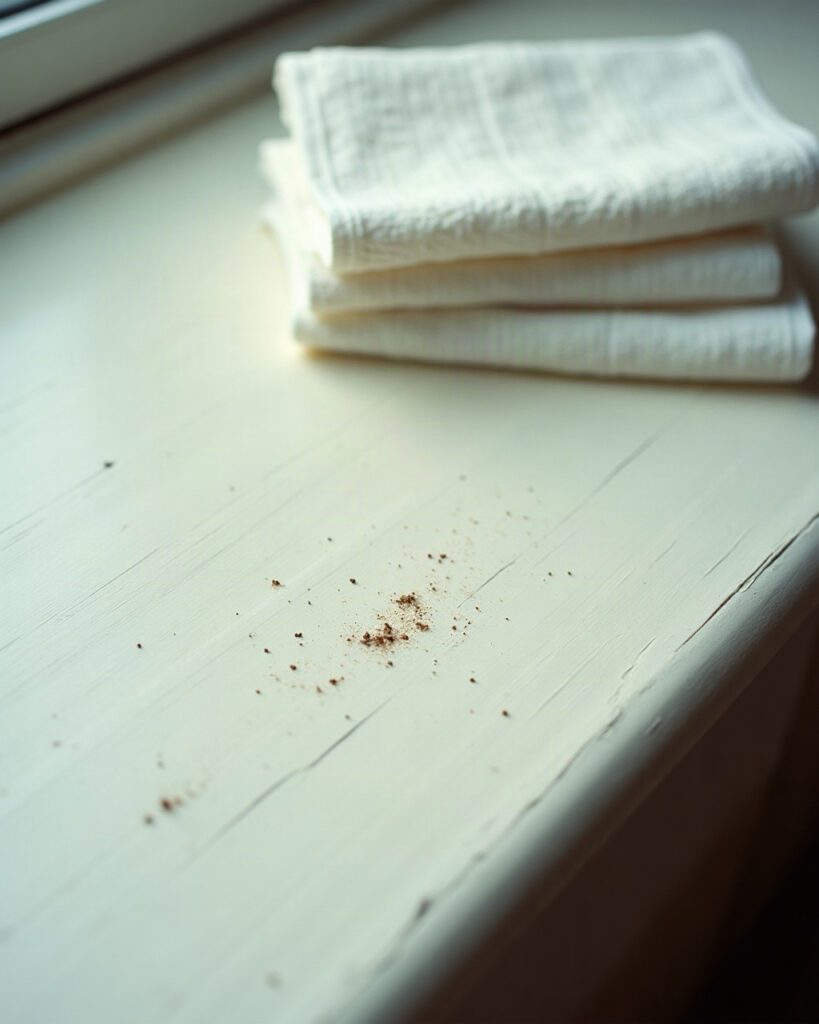
The reason larvae are so hard to look up is structural. Complete metamorphosis means the feeding stage and the breeding stage are built for different jobs and look it. A carpet beetle larva is a bristly creeping thing; the adult is a small round beetle on a windowsill. Searching for one will never find the other.
So the question that works is not what it looks like. It is where it was.
Sorted by where you found it
| Where | What it is | The tell |
|---|---|---|
| Carpet edges, wardrobes, under furniture | Carpet beetle larva | Bristly, tapered, curls when touched |
| Wool, stored clothing, folds | Clothes moth larva | Builds silk webbing as it feeds |
| Dry food, or crawling up a wall or ceiling | Meal moth larva | Silk trail; travels far to pupate |
| A bin, a drain, something wet | Fly larvae | Legless, pale, no distinct head |
| Houseplant compost | Fungus gnat larva | Translucent with a dark head |
| Damp timber, fine dust below | Wood-boring beetle larva | Round exit holes in the wood |
| Soil or lawn, C-shaped and white | Chafer or beetle grub | Three pairs of legs at the front |
Carpet beetle larvae, the most common indoors
Three to five millimetres, tapered, covered in short stiff bristles that give a banded or fuzzy look, and slow. They curl when disturbed.
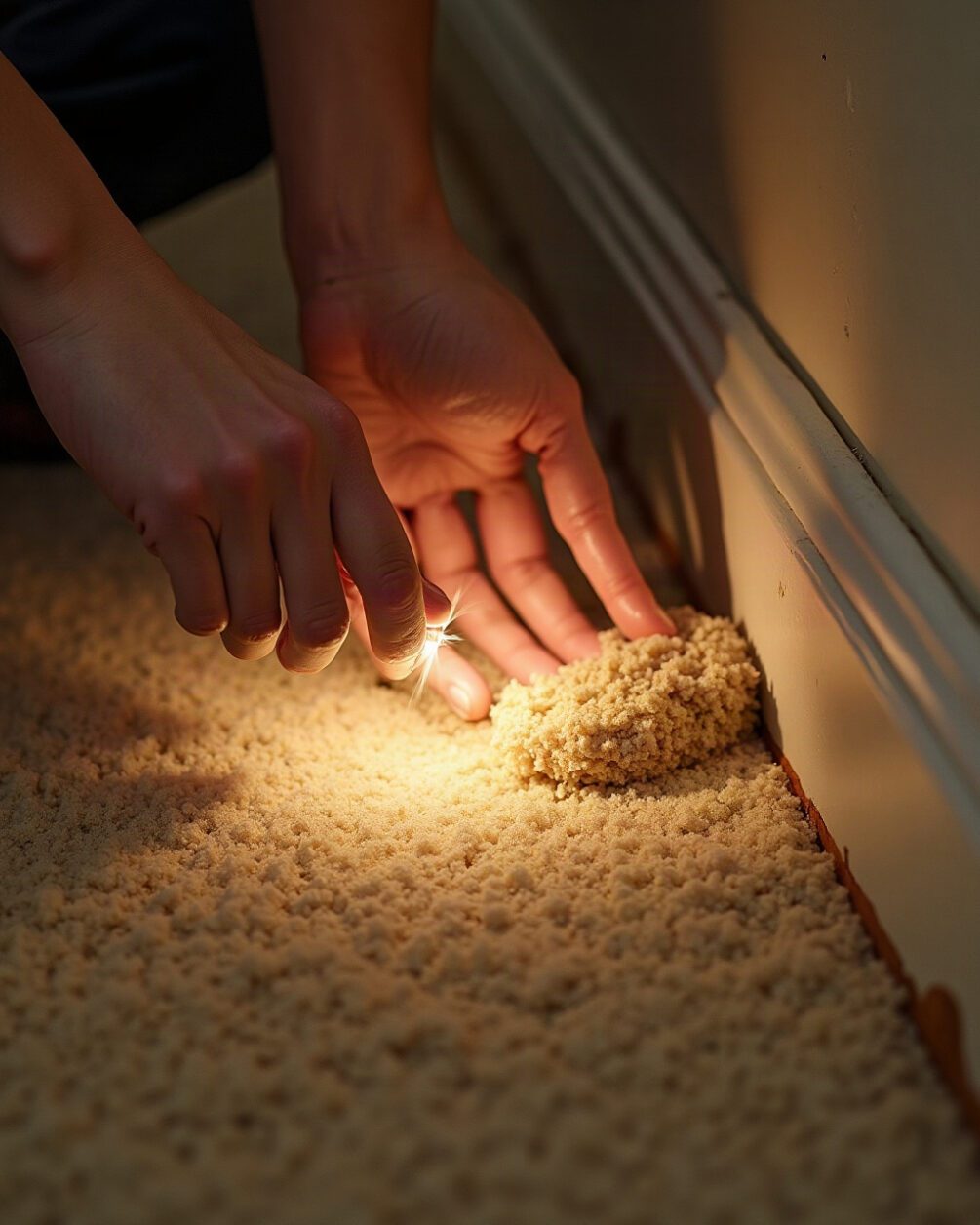
Kentucky notes that carpet beetle larvae feed on wool, felt, fur, feathers and other animal products. They concentrate where nobody cleans: carpet edges at the skirting, under heavy furniture, wardrobe floors, and inside stored textiles.
The most useful sign is not the larva. It is the shed skins, bristly empty husks that hold the shape of the animal and usually outnumber the live population several times over. Our dedicated larvae guide covers what to look for and the carpet guide covers the other two things that live down there.
They do not bite. The bristles irritate skin on contact, which produces bumps read as bites for months, covered in carpet beetle rashes explained.

Meal moth larvae, the ones on the ceiling
If small pale caterpillars are inching along a wall or ceiling, this is almost always an Indian meal moth larva and it is not lost. When they finish feeding they leave the food and travel a long way to pupate, favouring the junction where a wall meets a ceiling.
That is why people find them in rooms containing no food and search the wrong place. Kentucky’s guidance that stored product infestations trace to a single contaminated item still applies: the search is the kitchen, however far away the sighting was. Our meal moth guide covers the life cycle and the ceiling guide covers reading the sighting as a direction.
Fly larvae, which point at a location
Maggots are legless, pale, tapered, and have no distinct head capsule, which distinguishes them from beetle larvae immediately.
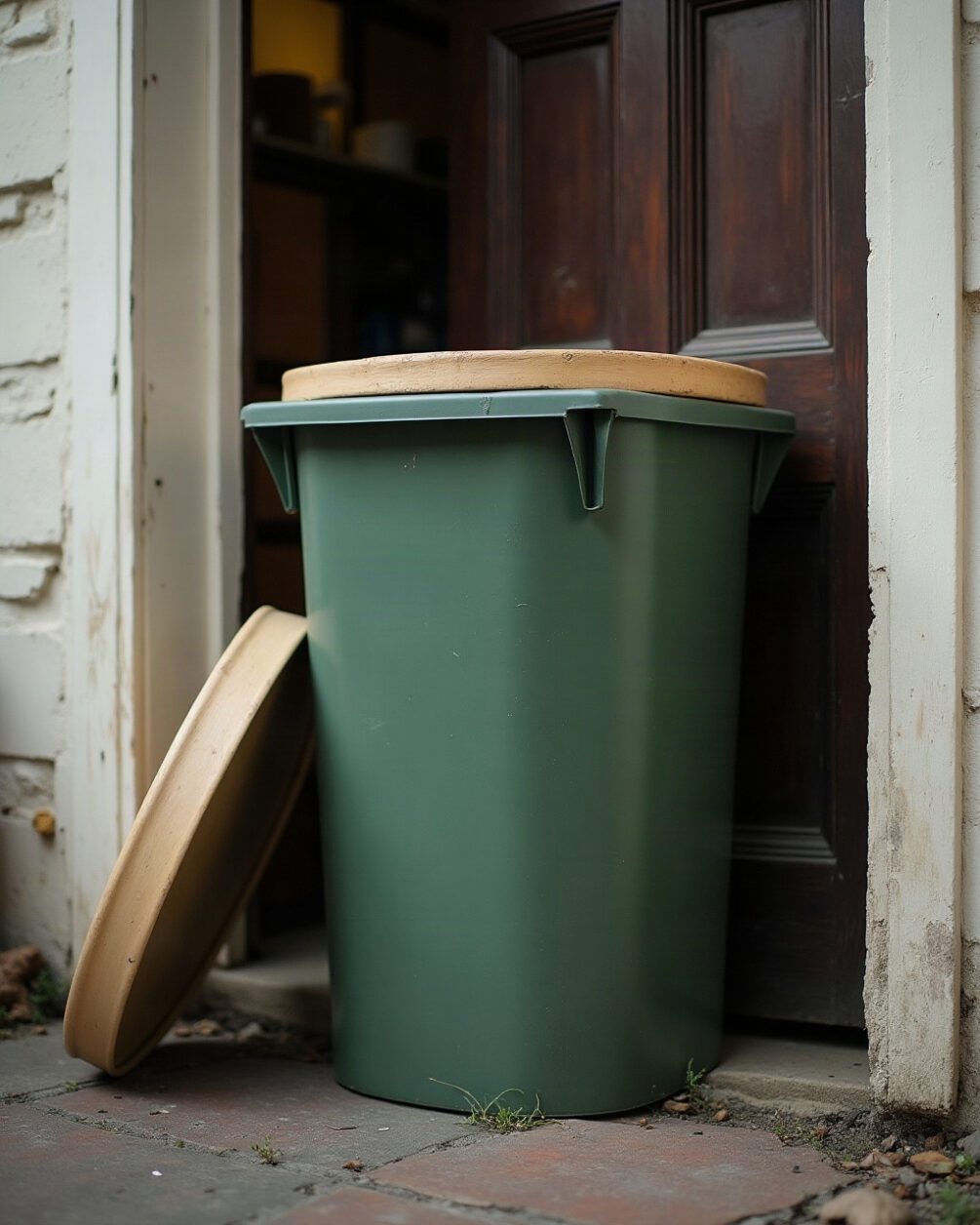
They are always a location problem. A bin, a drain, a wall cavity, a forgotten piece of food, or something dead. The species points somewhere specific, and our maggot guide covers which fly means which place. Finding the source ends it; killing the larvae you can see does not.
Fungus gnat larvae, which are a watering habit
Small, translucent, with a visible dark head, living in the top few centimetres of wet potting compost. They feed mainly on fungi and decaying matter, and in numbers they will graze fine root hairs, which shows up as a seedling that fails for no visible reason.
The fix is not a treatment. Larvae cannot survive in dry compost, so letting the surface dry between waterings collapses the population. Penn State’s note that moisture-loving organisms feed on mould and decaying material describes the same dependency that makes drying work. Our houseplant soil guide separates the harmless decomposers from the two that do harm.
The two that are building questions
Wood-boring beetle larvae live inside timber and are almost never seen. What you find is fine flour-like dust and small round exit holes. Our powderpost beetle versus termite guide covers the distinction, which matters because the treatments differ.
Lawn grubs are C-shaped, white, with three pairs of legs at the front, found under turf. They are a garden problem rather than a household one, and our grub guide covers which beetle they become.
Common questions
It has legs. Does that narrow it?
Considerably. Three pairs of true legs at the front means beetle or moth larva. No legs at all means fly. Many fleshy prolegs along the body means a caterpillar, and our caterpillar guide covers those.
I found one and nothing else.
Meal moth and carpet beetle larvae both travel to pupate, so a single larva far from any food is normal and still means a source exists somewhere.
Do any of them bite?
None of the indoor larvae on this page bites. Carpet beetle bristles irritate skin, which is contact rather than feeding.
Final verdict
Do not try to match a larva to a photograph of an adult; they were never going to look alike. Bristly and slow at a carpet edge is a carpet beetle. Silk webbing in wool is a clothes moth. A pale caterpillar on a ceiling is a meal moth that left the cupboard to pupate. Legless and wet is a fly, and the finding is the wet thing rather than the larva. Translucent in compost is a fungus gnat, and the answer is to water less.