Ant eggs are tiny, under half a millimetre, sticky and usually invisible. The white rice-like grains people find and photograph, and see workers carrying when a nest is disturbed, are almost always pupae or late larvae. That matters because it changes the meaning: eggs and brood are only ever inside a nest, so finding a pile means the nest is right there rather than nearby.
- Rice-sized white grains being carried: pupae, not eggs.
- Brood is never outside a nest voluntarily. Finding it means you have opened one.
- Discarded wings on a sill in spring is a different event, and worth checking against termites.
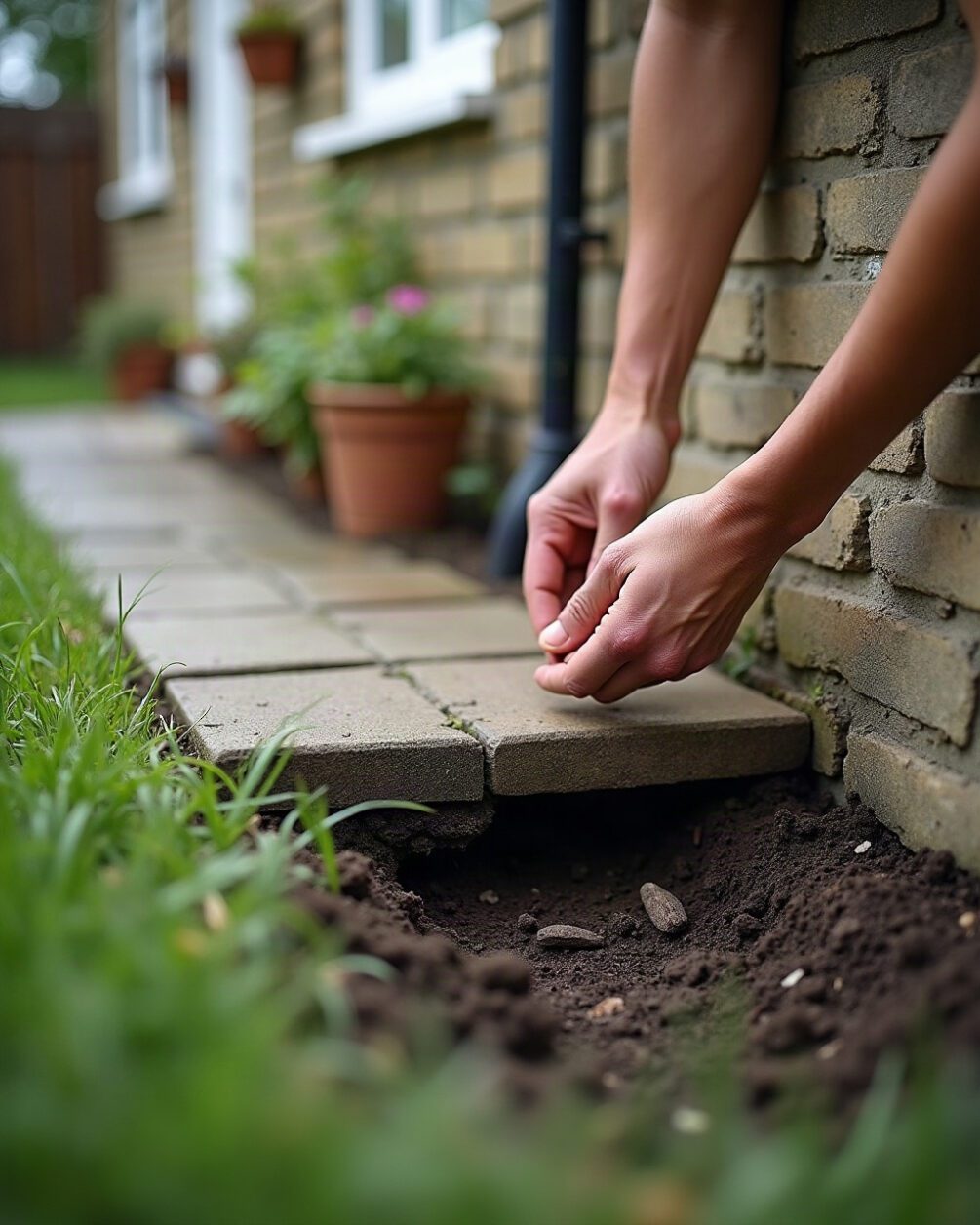
Almost everyone searching this has seen the same thing: a paving slab lifted, or a pot moved, and a mass of white grains with ants frantically carrying them away. Those grains are the reason the search happens, and they are not eggs.
The four stages, and what each looks like
Eggs are under half a millimetre, oval, white and slightly sticky so they clump together. At that size they read as a smear rather than as individual objects. Almost nobody sees them clearly.
Larvae are legless, white, and curved like a comma, wider at one end. They cannot move meaningfully and are carried and fed by workers.
Pupae are the famous ones: roughly rice-grain sized, white to pale cream, and shaped like an adult ant with the legs folded in. In some species they are wrapped in a papery cocoon, which is what makes them look most like eggs.
Adults emerge pale and darken over a few hours, which is why a freshly emerged ant can look like a different species.
So the rule of thumb: if you can see it clearly and it is the size of a rice grain, it is a pupa.
What finding brood actually tells you
This is the useful part and it is more specific than people realise.
Ant workers forage far from the nest, which is why a trail across a worktop tells you very little about where they live. Brood does not travel. Eggs, larvae and pupae stay in the nest chambers where humidity and temperature are controlled, and workers only move them under two circumstances: the nest is disturbed, or the colony is relocating.
So finding a pile of white grains means you have found the nest itself, or a satellite of it. That is far more actionable than a trail. Our ant identification guide covers the species, which decides what to do next, and how ant colonies work covers why the nest location matters more than the trail.
Where nests are, by species
Under paving, slabs and stepping stones, which is the classic lift-and-discover.
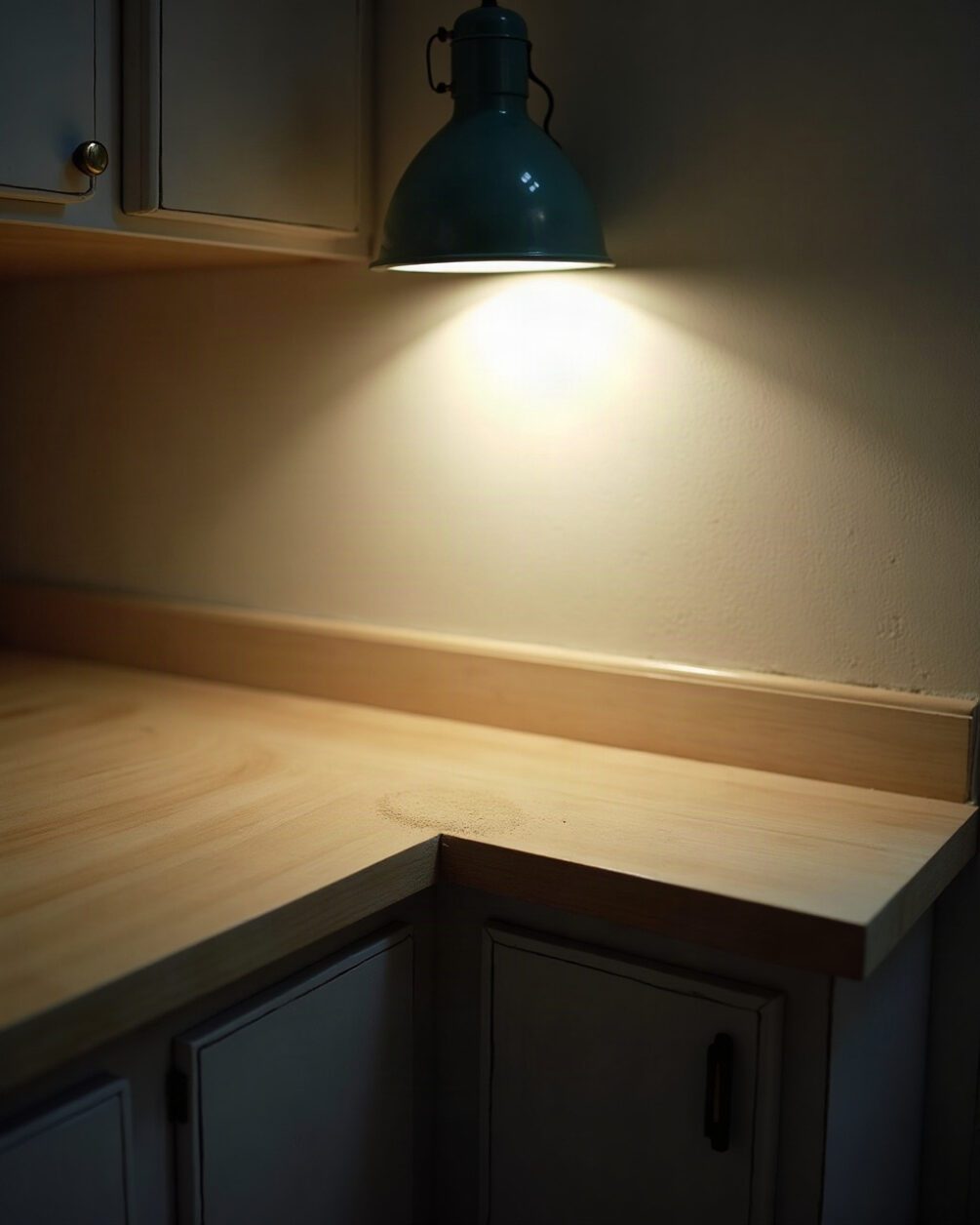
In damp timber, which is carpenter ants. They do not eat wood; they excavate it, and Kentucky notes that carpenter ants are attracted to moist, decaying wood. Coarse shavings like pencil sharpenings below a beam are the sign, and the finding is really a moisture problem.
In wall voids and behind kitchen units, particularly pharaoh ants, which are the species where getting the treatment wrong causes real harm: sprays make colonies split and spread rather than die.
Under a pot, a doormat or a log in a garden, which is where most brood sightings happen.
The pharaoh ant warning
Worth stating separately because it is the one case where acting on a brood discovery badly makes things worse.
Pharaoh ants respond to disturbance and to contact insecticide by budding: a colony splits, queens and brood disperse, and one nest becomes several in different parts of the building. A person who finds brood, sprays it and feels satisfied has usually multiplied the problem.
If the ants are small, pale yellow-brown, indoors, and in a building with multiple units, identify before treating. Our identification guide covers the check, and baiting rather than spraying is the approach.
Wings on a windowsill, which is a different thing
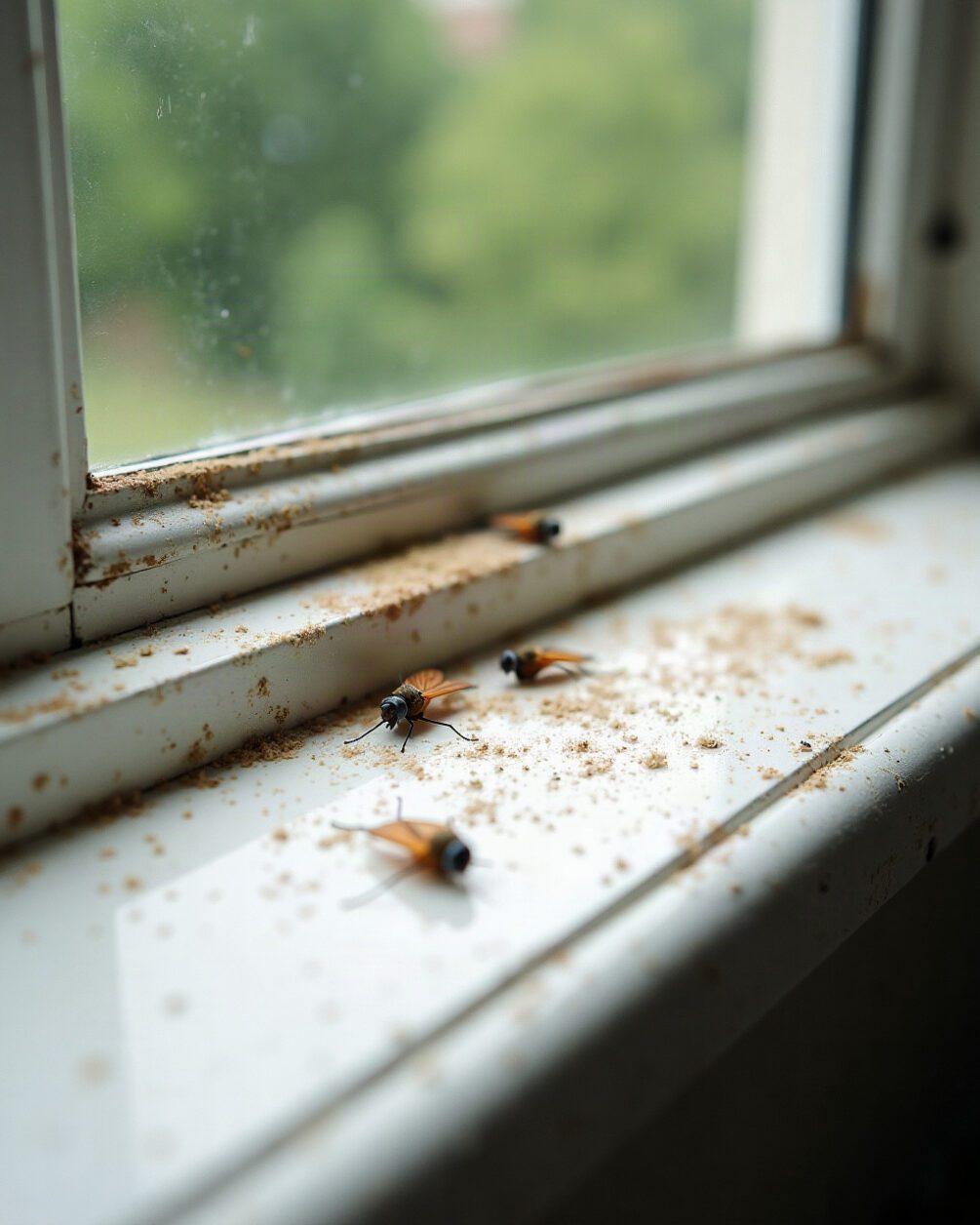
Around the same time of year people find discarded wings and search the same terms. That is a swarm rather than brood, and it is worth checking carefully because of what it might be.
Winged ants and winged termites both swarm, shed their wings and die. Three features separate them and any one is enough:
Waist: pinched on an ant, broad and straight on a termite. Antennae: elbowed on an ant, straight and beaded on a termite. Wings: front pair longer than the back on an ant, four equal-length wings on a termite.
Kentucky’s homeowner guidance on termite control is clear that a swarm indoors means a mature colony present rather than nearby. Our flying ants versus termites guide covers the checks, what swarmers mean covers the implications, and the ant look-alike guide covers the wider group.
What to do when you find brood
Do not spray it, at least not first. Identify the species. For most garden ants a disturbed nest simply relocates. For pharaoh ants, spraying is actively counterproductive.
Note where it was. That is the nest location, which is the piece of information a trail never gives you and the thing any treatment needs.
Check for moisture if the nest is in wood. Carpenter ants choose timber that is already damp, so the ants are reporting a leak. Fixing the water matters more than killing the ants.
Leave outdoor nests alone where you reasonably can. A nest under a slab at the end of a garden is doing no harm, and ants are substantial predators of other insects.
Common questions
The ants carried the white things away. Should I have stopped them?
No, and you could not have. That behaviour confirms it was brood and confirms you found the nest.
Can I identify the species from the pupae?
Not usefully at home. Species identification comes from the adults, and it matters mainly for distinguishing pharaoh and carpenter ants from the rest.
Are ant eggs the white things in my sugar bowl?
No. Those are sugar. Ant brood is never left in food; it stays in nest chambers.
Final verdict
The white rice-shaped grains are pupae, not eggs, and the real eggs are too small to see clearly. What matters is that brood never travels, so finding it means you have found the nest rather than a trail. Note the location, identify the species before treating, and if the nest is in timber, treat the finding as a report about damp. And if what you actually found was a pile of shed wings in spring, check the waist and the antennae before assuming ants.