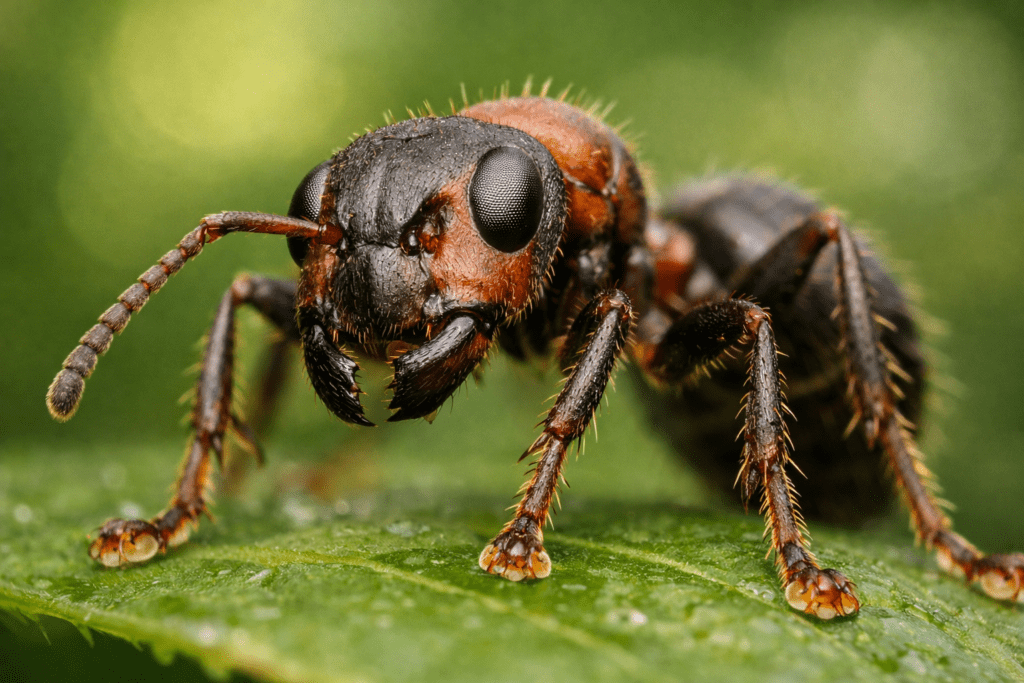
One of these confusions costs money and the rest do not. A swarming termite looks enough like a flying ant to be dismissed, and dismissing it is expensive. Three features tell them apart and any one of the three is enough: the waist, the wings, and the antennae. Ants are pinched at the waist with bent antennae and unequal wings. Termites have a straight body, straight antennae and four wings of equal length.
- Narrow pinched waist: ant. Broad straight body with no waist: termite.
- Elbowed antennae: ant. Straight, slightly beaded antennae: termite.
- Discarded wings on a windowsill in spring: take this seriously and identify it properly.
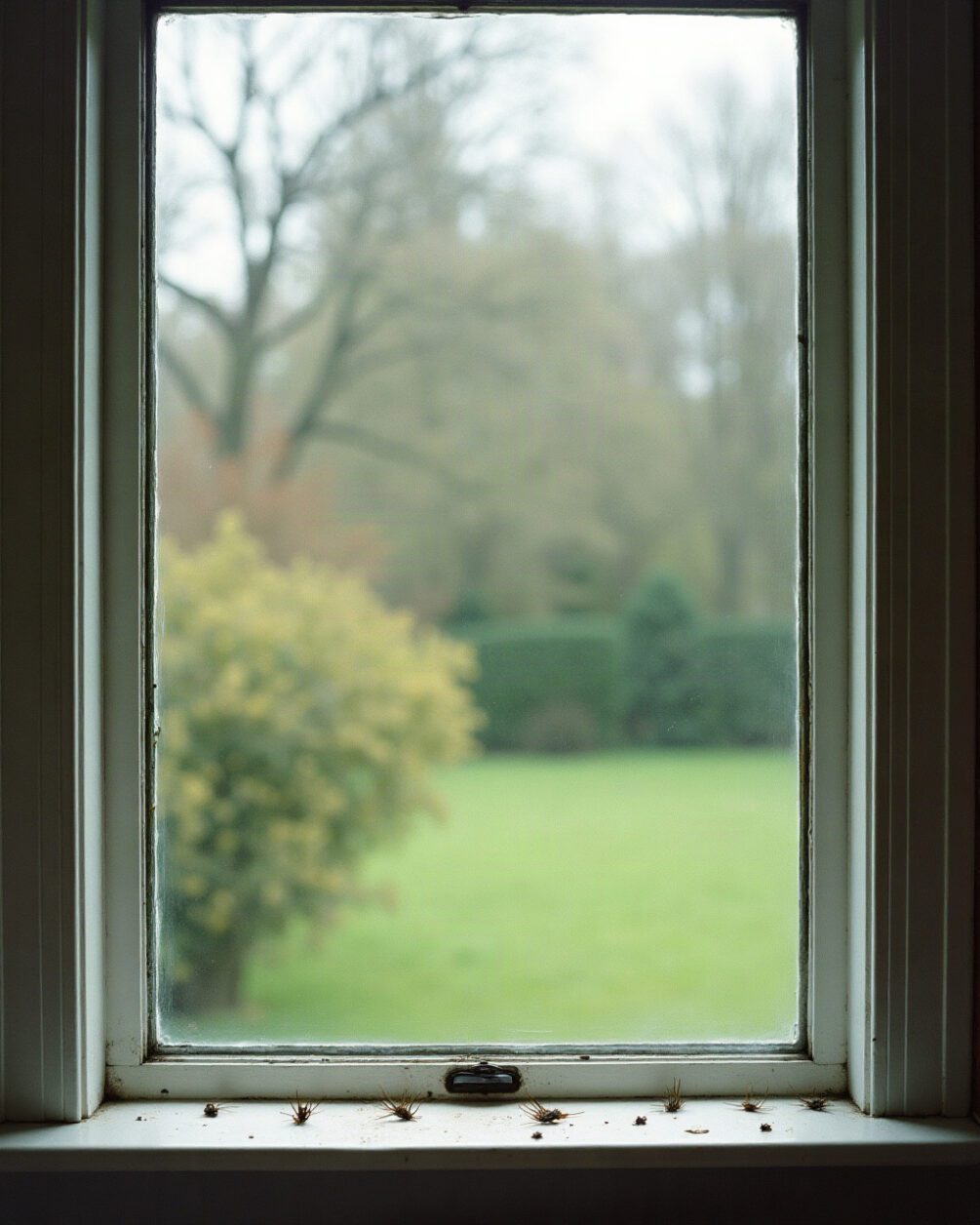
Most identification mistakes cost nothing. This one can cost a great deal, because a termite swarm indoors is often the first visible sign of a colony that has been working inside timber for years, and it is routinely written off as flying ants.
The three checks
Do all three if you can. Any one is usually enough, but together they are conclusive.
| Feature | Ant | Termite |
|---|---|---|
| Waist | Sharply pinched, clearly narrowed | Broad, body sides nearly parallel |
| Antennae | Elbowed, with a clear bend | Straight, like a tiny string of beads |
| Wings | Front pair longer than the back pair | Four wings of equal length, longer than the body |
| Shed wings | Less commonly found in piles | Piles of equal-length wings on sills and floors |
| Colour | Usually black or reddish | Often pale creamy, swarmers darker |
Kentucky’s homeowner guidance on termite control covers what a swarm indoors actually means, which is that a mature colony is present rather than nearby. Our flying ants versus termites guide works through the comparison in detail with the seasonal timing, and what termite swarmers mean covers the implications.
Why the wings on the windowsill matter most
Swarming is brief. Reproductive termites emerge, fly, shed their wings and disperse, often within a single day. So the swarm itself is easily missed and the discarded wings are the evidence that persists.
Look on windowsills, in cobwebs near windows, on floors beside external walls, and in light fittings. Equal-length wings in a small pile, particularly in spring, are worth taking seriously. Our guide to termite signs covers the rest of the evidence: mud tubes on foundations, timber that sounds hollow when tapped, blistered paint, and sagging floors.
If you find it, the next step is a professional inspection rather than a product. Kentucky’s guide to termite baits is honest that this is not a do-it-yourself category, and our guides to subterranean versus drywood termites and treatment cost and whether to do it yourself cover what to expect.
Carpenter ants, which are ants but behave like termites
These deserve their own note because they damage timber, which puts them in the same conversation, and they are frequently confused in both directions.
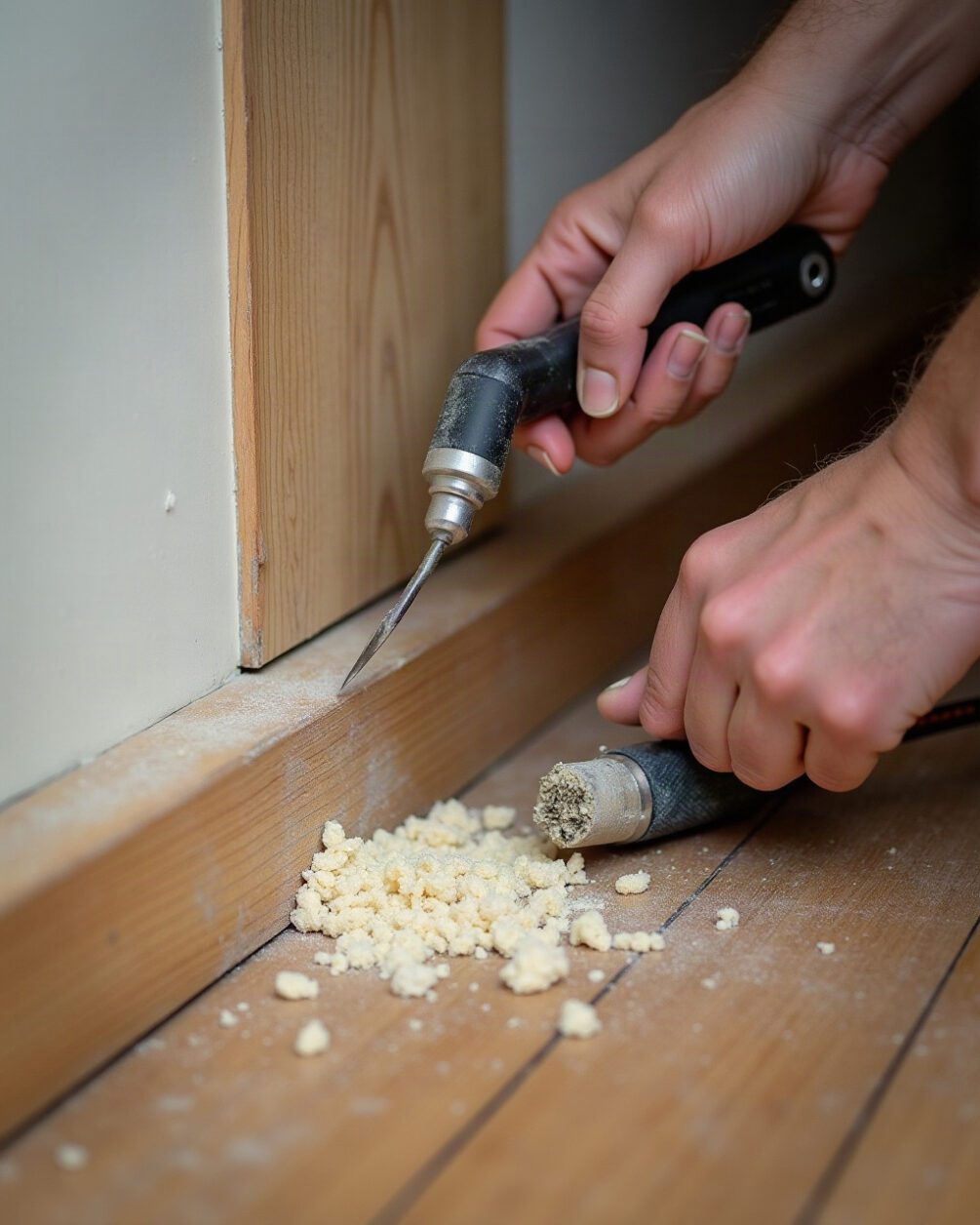
Carpenter ants do not eat wood. They excavate it to nest in, preferring timber that is already damp or decayed. Kentucky notes that carpenter ants are attracted to moist, decaying wood, which makes them a moisture indicator as much as a pest.
The tell is the debris. Carpenter ants push out coarse sawdust-like shavings, often mixed with insect fragments, whereas termites pack their galleries with soil and leave no clean shavings. Finding a small pile of what looks like pencil sharpenings below a beam or a window frame points at carpenter ants. Our ant identification guide covers them and the other species that matter.
There is a third possibility with similar debris, which is a wood-boring beetle. Our powderpost beetle versus termite guide covers that comparison, because the fine flour-like dust of a powderpost beetle looks different from both once you know.
The other ant look-alikes
Velvet ants are not ants at all. They are wingless female wasps, often brightly coloured and densely furry, found outdoors. They are worth knowing about only because the sting is genuinely painful, so they should not be handled.
Ant-mimicking spiders exist and are surprisingly convincing, holding up their front legs to imitate antennae. Count the legs: eight means spider. They are harmless.
Booklice are sometimes described as tiny ants because of their size and colour, but they are soft-bodied, pale, slow and found on damp surfaces. Our guide to tiny white bugs covers them.
Termite workers, as opposed to swarmers, are pale and rarely seen because they avoid light and stay inside timber or mud tubes. Seeing them means a gallery has been opened.
If it really is ants
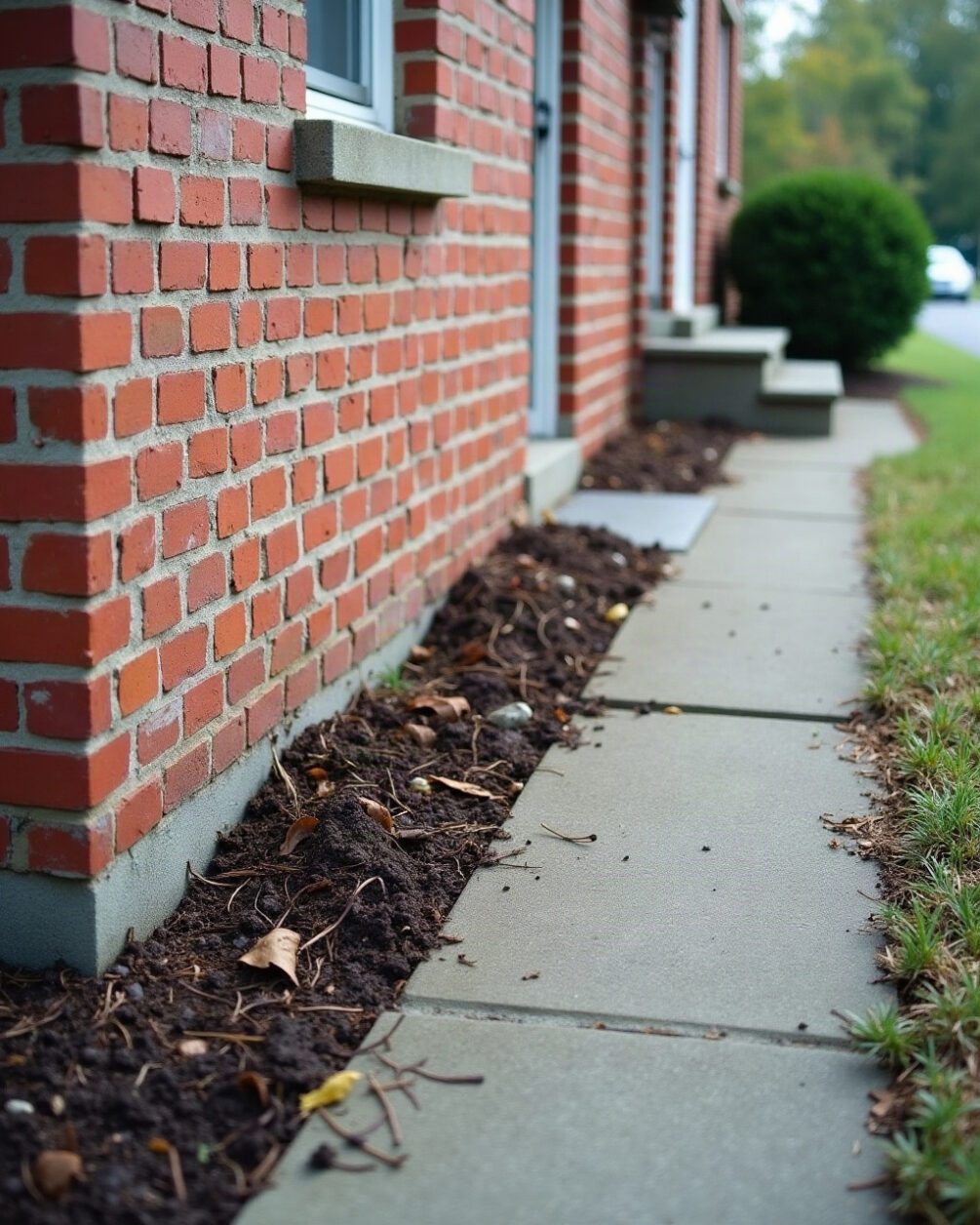
Which species matters more than people expect, because it changes the approach. Pharaoh ants in particular respond badly to the wrong treatment: sprays cause colonies to split and spread rather than die.
Start with our ant identification guide, and if the interest is in why they behave as they do, how ant colonies work covers the structure that makes trails and baiting effective.
The general principle for genuine ants is that the visible ones are the least important part. Erase the trail, find the entry point, remove the food, and use bait rather than contact spray so that workers carry the active ingredient back to the colony.
Common questions
I found wings but no insects.
That is the normal presentation for a termite swarm, and it is a reason to investigate rather than relax. Collect a few wings, look at whether all four are the same length, and check windowsills throughout the property.
Winged ants appeared in my house in summer. Is that termites?
Possibly not. Many ant species swarm too, usually in mid to late summer, and a single warm humid day can produce large numbers. Check the waist and the antennae. Our comparison guide covers seasonal timing.
Can I treat termites myself?
Realistically, no. Subterranean termite treatment involves soil barriers or bait systems that require equipment and access. The value of identifying it correctly is knowing to call someone, and knowing what you are calling about.
Final verdict
Three checks and any one of them is enough. Pinched waist, bent antennae, unequal wings means an ant. Straight body, straight antennae, four equal wings means a termite, and a termite indoors means a mature colony rather than a passing insect. Coarse shavings below a beam means carpenter ants and a damp timber problem. If you find a pile of equal-length wings on a windowsill in spring, that is the one worth acting on today.