\
\
\
If you have ants marching across the counter, the best ant killer is not the can that drops them on contact. It is a slow bait that matches what your ants are eating this week, because foragers carry it home and feed it to the queen. The short answer: spend ten minutes finding out whether your ants want sweet or greasy food, set the matching bait on the trail, and leave it alone for a couple of weeks. In our own kitchen we keep one sweet liquid bait and one grease gel on the shelf, so whatever shows up, we already have the match. Most lists hand you a single “top” bait; the trick is the test below.
\
\
\
The best ant killer is the bait that matches what your ants are eating right now, set on the trail and left alone; a contact spray clears the line you see and leaves the colony intact.
\
- \
- Do first (free): Wipe trails, store food sealed, and fix drips so the only food left is your bait.
- Match the diet: Offer a drop of syrup and a smear of peanut butter; bait whichever one they swarm.
- Skip: Reaching for a contact spray as your main tool; it kills foragers before they can carry anything home.
\
\
\
\
\
\
\
\
A related guide worth having to hand: Why Do Ants Come Inside? Causes and Prevention.
Why baits beat sprays
\
\
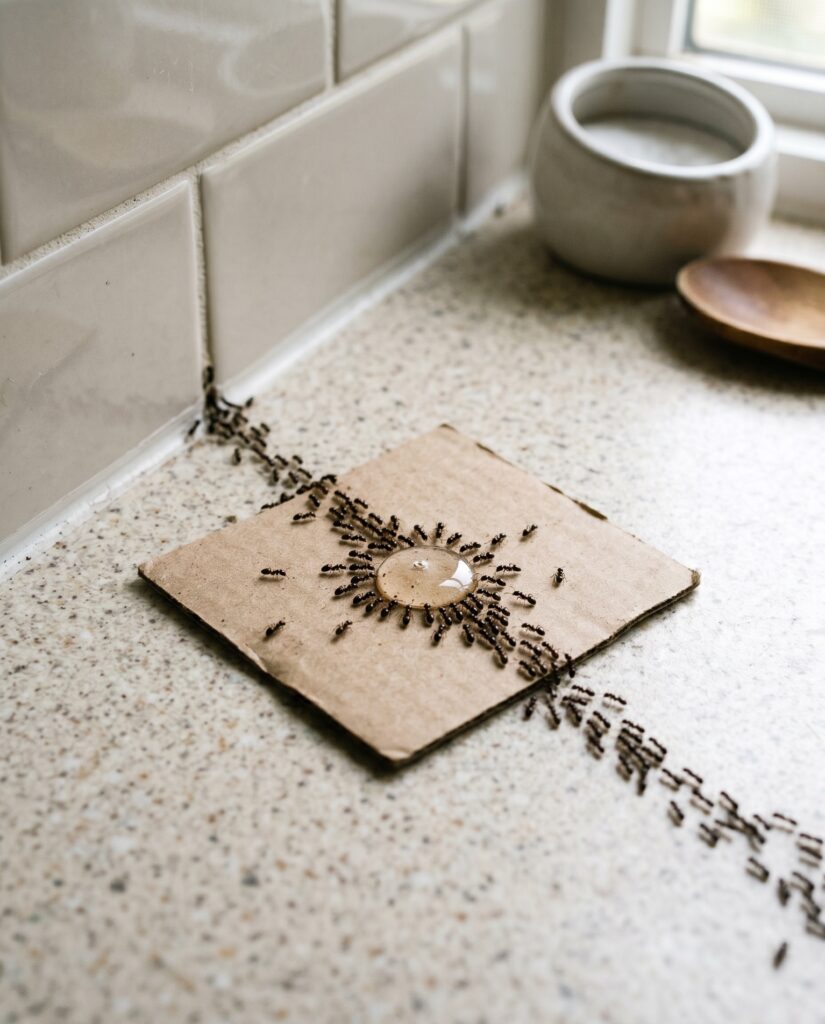
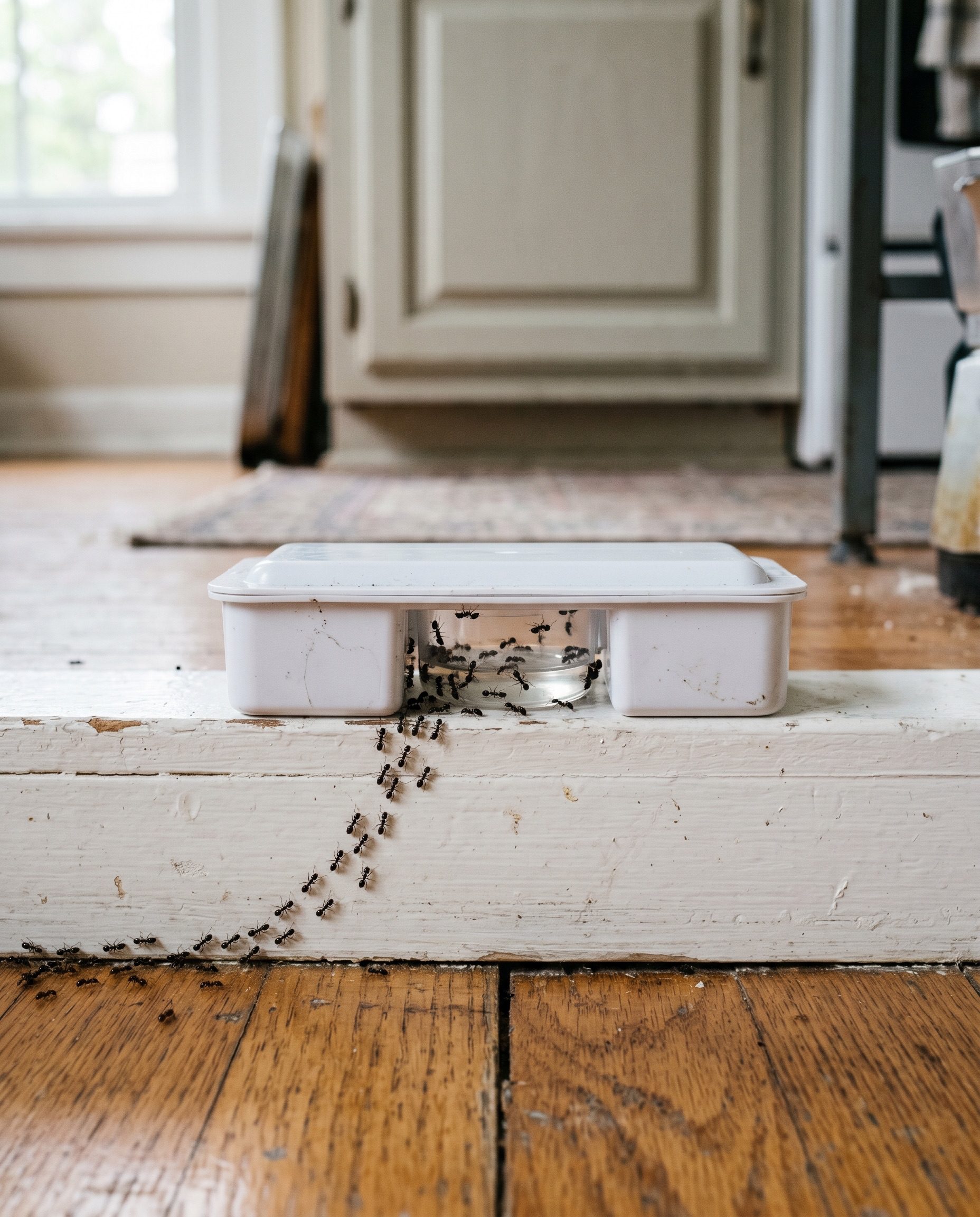
A spray feels like progress because the ants you see stop moving. That is the trap. The ants on your counter are a small fraction of the colony; the workers you can see are only the scouts, and the queen who lays the eggs never leaves the nest. Kill the scouts and the colony keeps producing more. A bait works the opposite way on purpose. Foragers eat it, walk it home, and share it mouth to mouth, so the dose reaches the brood and the queen you will never see. If the trail is already established, our full walkthrough on getting rid of ants in the house covers the cleanup that makes the bait land harder.
\
\
This is why a slow bait is built to be slow. According to UC IPM’s ant management guidance, the toxicant in a bait has to be slow-acting so foragers survive the trip back and pass it around before it works. Slow is the mechanism, not a weakness. If the active ingredient hit too fast, the worker would die on your counter and nothing would reach the nest, which is exactly what a contact spray does.
\
\
So plan for patience. The same UC IPM guidance notes that control with baits can take more than a week, and often longer, but tends to give more complete and longer-lasting control than sprays. Expect the trail to get busier before it goes quiet, because a working bait is supposed to attract more foragers at first. That surge is the bait doing its job, not failing.
\
\
The 10-minute diet test
\
\
Here is the step nearly every roundup skips. Ants do not all eat the same thing, and the wrong bait gets walked past. Texas A&M AgriLife Extension’s guide to managing household ants puts it plainly: some species feed mostly on sugar, others prefer oils and proteins, so you have to find out which you have before you choose a product. The test costs nothing and settles the question.
\
\
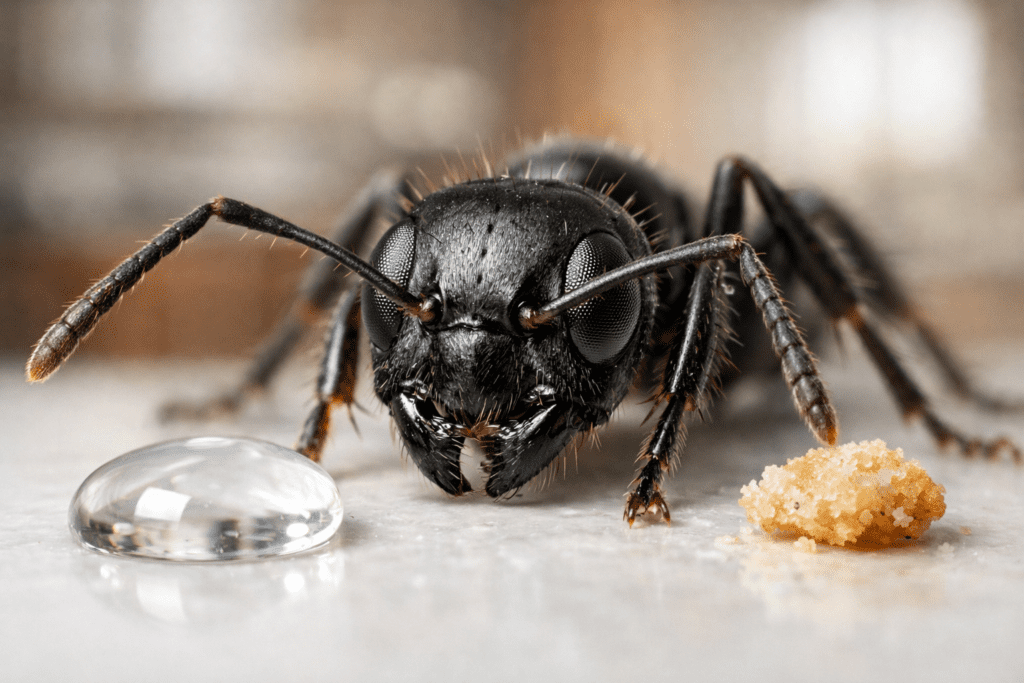
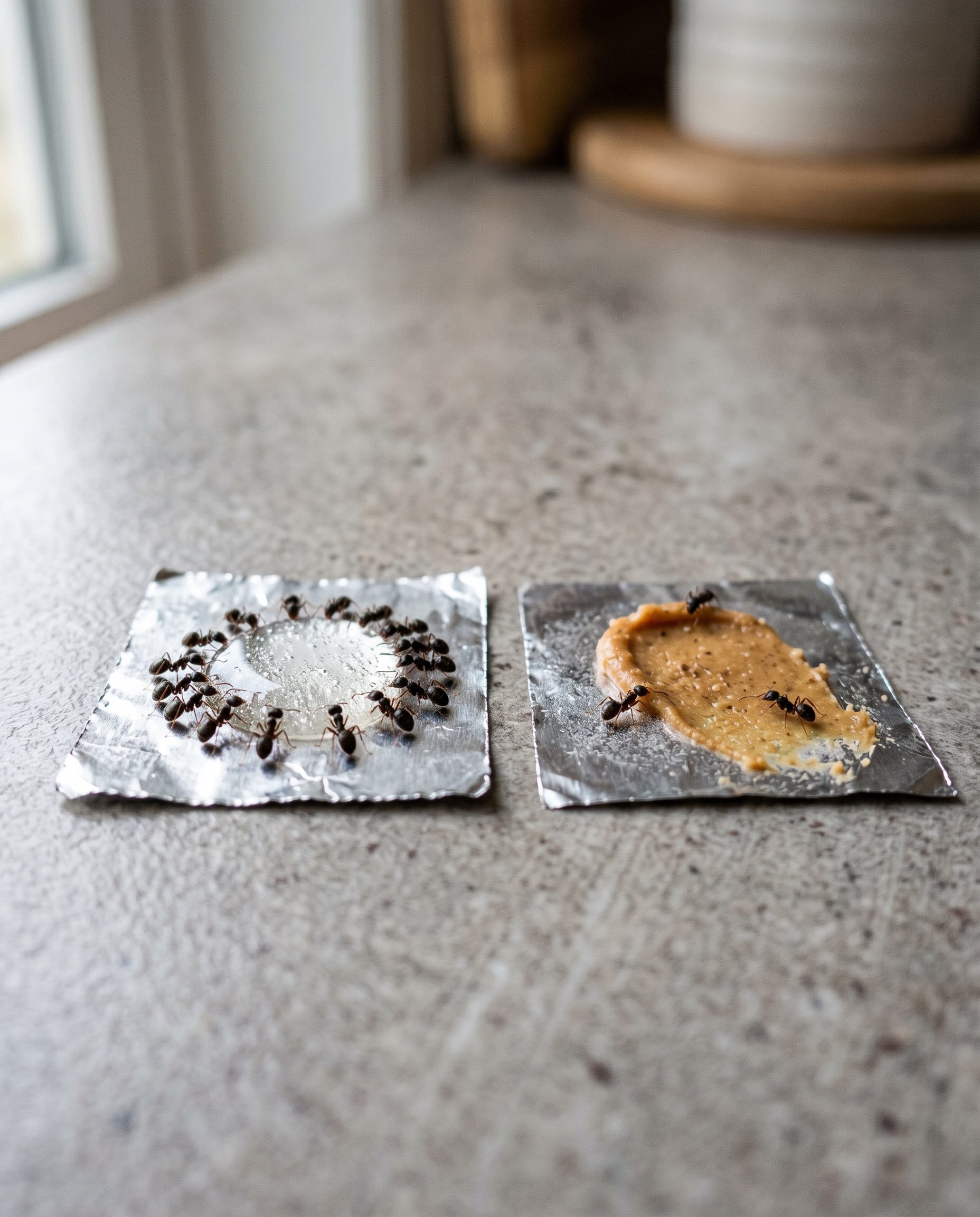
Tear two small squares of foil. Put a drop of sugar water or jelly on one and a dab of peanut butter or bacon grease on the other, and set both right on the trail. Come back in twenty minutes and look. If they pile onto the sweet square, buy a sweet liquid bait; if they crowd the grease, buy a protein or grease gel. If they hit both, keep one of each on hand and run them side by side.
\
\
Diet is not fixed, either. UC IPM notes that ant food preferences shift through the season; a colony rearing young in spring often wants protein, then leans sweet as the year goes on. A bait that worked in May can get ignored in August, so when an old bait suddenly goes untouched, retest before you assume it stopped working. That single habit explains most “this bait quit on me” complaints.
\
\
\
\
Match the bait to the diet
\
\
Once you know the diet, the category choice is short. The point is to pick the form your ants will actually carry home, not the biggest box on the shelf. Keep the comparison to the two questions that matter: what are they eating, and where are they coming in.
\
\
| Bait type | Best for | Watch-out |
|---|---|---|
| Sweet liquid bait | Sugar-feeding ants on counters and along trails | Can dry out; replace when the bait is empty or hardened |
| Protein or grease gel | Ants ignoring sweets and heading for the stove or pantry oils | Place small beads out of reach of kids and pets; follow the label |
| Diet test first | Every case, before you buy anything | Ten minutes of waiting, but it stops you wasting a bait |
\
\
Why not just buy both and skip the test? You can, and for a stubborn trail running both at once is reasonable. But the test tells you which one to refill, where to concentrate it, and whether the diet has flipped on you. The bait that gets eaten is the only one doing anything; the untouched one is decoration. Buying blind, you end up refilling the wrong one.
\
\
A quick honesty note on the products you will see ranked first. The borax in classic sweet liquid baits and the fipronil or indoxacarb in grease gels are all common, well-understood bait actives. None of them is magic, and none “permanently” ends ants by itself; they work when the diet matches and the colony actually feeds. The brand matters far less than the match. If you would rather keep things in a station you can tuck out of sight, our roundup of the best ant traps for the kitchen and bathroom sorts the enclosed options by where you need them.
\
\
Where to place the bait
\
\
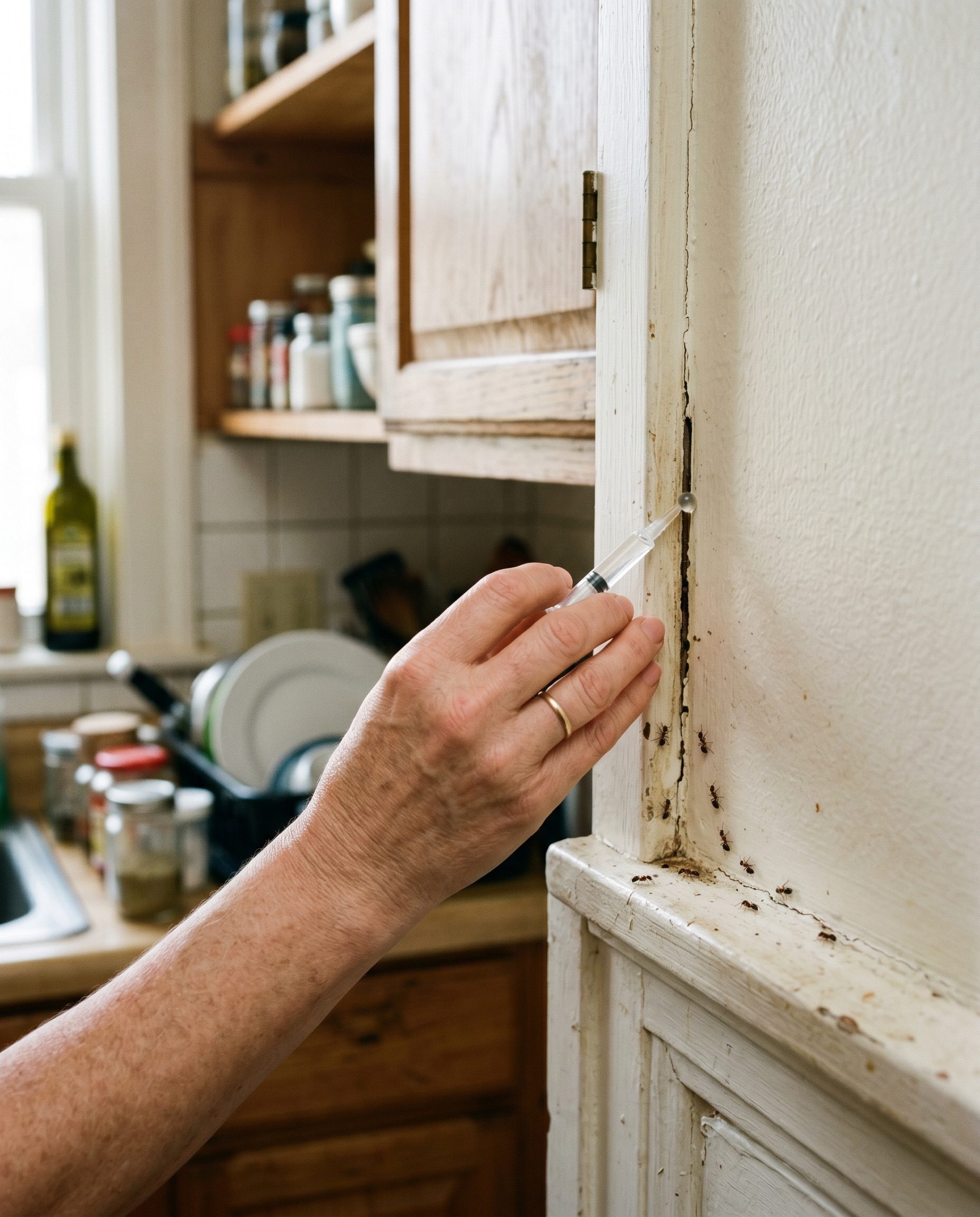
Set the bait on the trail, not where you wish the ants were. Follow a line back toward where they enter, and place the station or gel bead a few inches off the path so workers cross it on the way in and out. For a gel, a couple of small beads in the corner of a cabinet or along the gap where the counter meets the wall does more than one big glob. Placement on the active trail beats volume every time.
\
\
Then leave it alone. Do not wipe the trail once the bait is down, do not spray near it, and do not move it because the ants found it. Cleaning or spraying around an active bait scatters the colony and breaks the supply line you just built. Resist the urge to tidy for about two weeks.
\
\
These are registered pesticides, so the label is the law. Read and follow the product label for where it may be used and how to keep it away from food-prep surfaces, kids, and pets, and lean on the EPA’s safe pest control guidance to starve, dry, and seal first so the bait is the only food left. If you have an outdoor mound or a structural problem like carpenter ants in a wall, that is a different job; bring in a licensed pro rather than emptying gel into the siding. Indoors, keep beads and stations where a toddler or a curious dog cannot reach them.
\
\
\
\
The picks
\
\
Cards come after the analysis on purpose: the diet test decides which one you buy. These three cover the two diets plus a heavier-duty option, and all are common, widely available bait actives.
\
\
InsectoGuide is reader-supported. As an Amazon Associate we earn from qualifying purchases at no extra cost to you.
\
\
\
 \
\
\
\
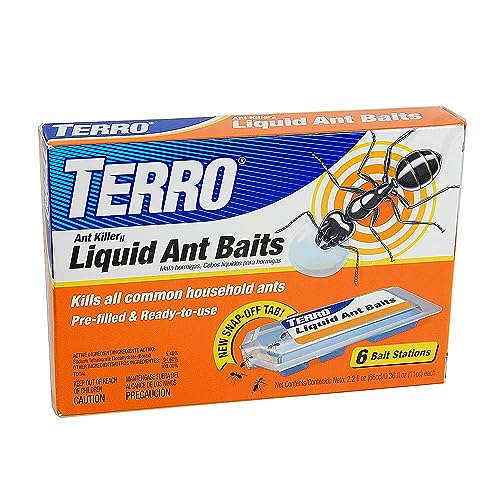
Pre-filled borax liquid stations for the common sugar-feeding kitchen ant.
\
\
\
\
\
 \
\
\
\
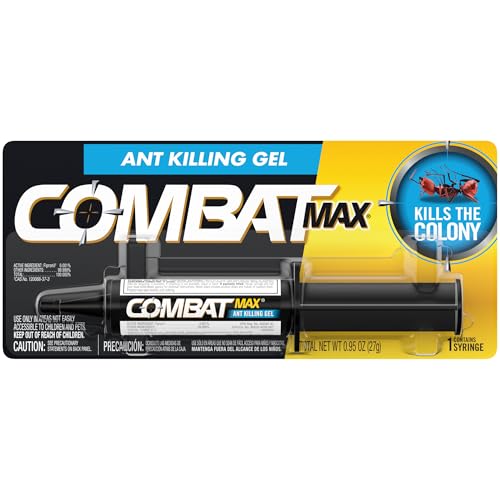
A grease-leaning gel for ants that head for the stove, not the sugar.
\
\
\
\
\
 \
\
\
\
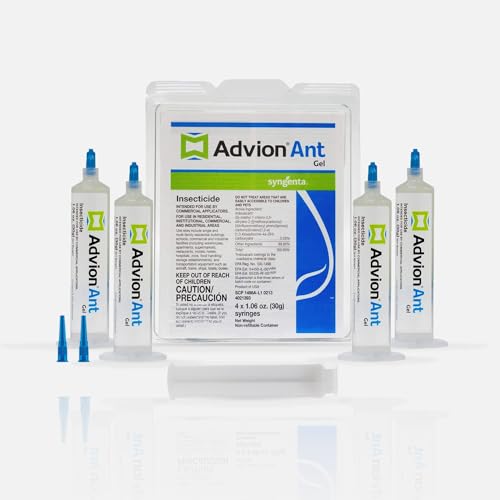
Pro-grade indoxacarb gel that most ant species accept across diets.
\
\
\
\
Common questions
\
\
Why are there more ants after I put down bait?
\
That surge is normal and usually a good sign. A bait that matches the diet recruits more foragers, so the trail looks worse for a few days before it thins. UC IPM’s guidance is to let baits work over a week or more rather than spraying the trail, which would just scatter the colony.
\
\
Do contact sprays ever have a place?
\
For a one-off ant that wandered in, sure, wipe it and move on. As your main tool against a trail, no. As UC IPM explains, baits give more complete control because they reach the nest, while a contact spray only clears the workers you can see. If you want a gentler deterrent for surfaces you cannot bait, our notes on natural ant repellents and sprays cover what actually keeps ants off a counter versus what just smells nice.
\
\
Are bait gels safe around kids and pets?
\
They are pesticides, so treat them like one. Place small beads and stations where children and pets cannot reach, keep them off food-prep surfaces, and follow the label, which sets the legal terms of use. If you are worried about an exposure, contact a doctor or your vet, or call your local poison control center.
\
\
Should I bait indoors, outdoors, or both?
\
Start where the trail is. If they come in from outside, bait the indoor trail first to break the foraging, then look outdoors for the entry point. The EPA’s pest control guidance treats broad outdoor spraying as a last resort, so seal entry points before you reach for anything you broadcast over the yard.
\
\
The bait stopped working. Did the ants build resistance?
\
Almost never. Far more often the colony’s diet shifted with the season, so a sweet bait that worked in spring gets ignored later. Run the foil test again and switch to whichever food they swarm now.
\
\
Final verdict
\
\
There is no single best ant killer, and any list that names one is skipping the only step that matters: the diet test. Start free by cleaning the trail and sealing food, run the ten-minute sweet-versus-grease test, and put the matching bait on the active line. Reach for a sweet liquid bait if they pile onto the syrup and a grease gel if they crowd the peanut butter, and keep both on the shelf so the next invasion already has its match. Skip the contact spray as a main tool; it clears the ants you see and leaves the queen laying. Give the bait two patient weeks, retest if the trail goes cold, and let the colony do the work of poisoning itself.
\
\