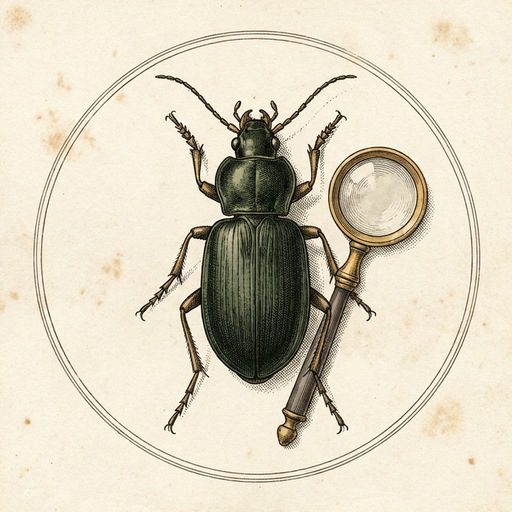
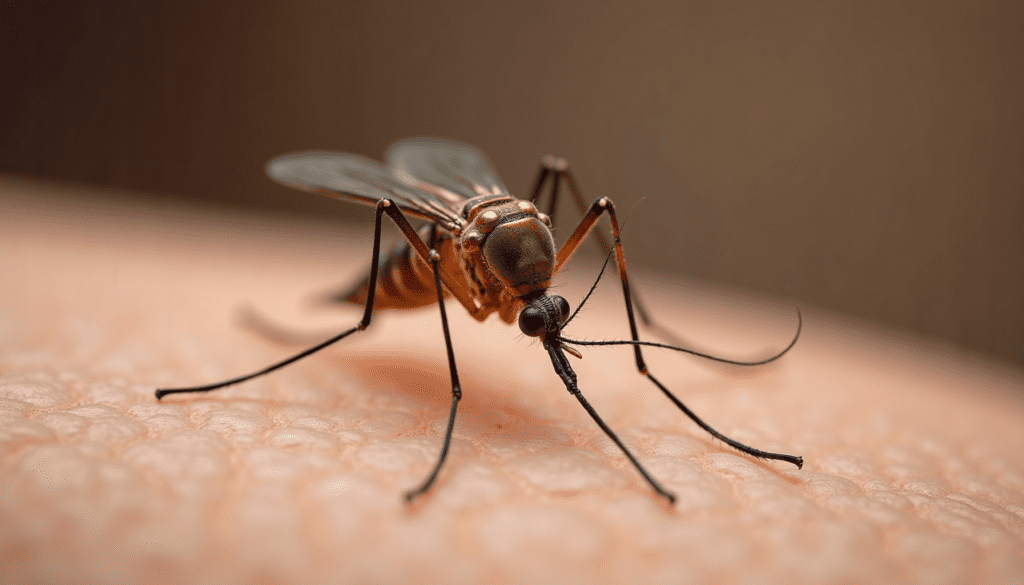
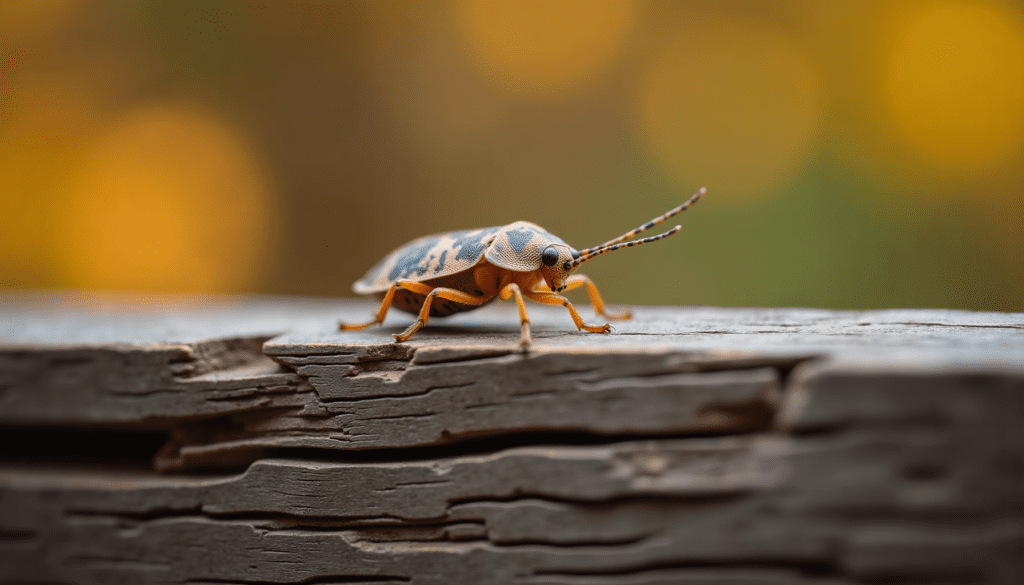
Insects handle winter in one of four ways. Some die off and leave cold-proof eggs behind. Most shut down in a dormant state called diapause, hidden in soil, leaf litter, or under bark. A smaller group moves into wall voids and attics to wait out the cold. And a few pests skip winter entirely by staying active inside heated buildings.
- Gone, but not really: Field crickets and most garden insects die by the first hard freeze, with eggs or pupae already tucked into the soil for spring.
- Sleeping in your walls: Lady beetles, cluster flies, and stink bugs overwinter in wall voids and attics. They do not feed or breed indoors.
- Never stopped: Cockroaches, bed bugs, silverfish, and house mice stay active all winter in heated homes, which is why sealing up in early fall matters more than anything you spray in January.
Strategy one: die off and leave winter-proof eggs
The simplest answer to where the bugs went is that many of them are dead, and that was always the plan. Field crickets, most grasshoppers, and many annual garden insects feed, mate, and lay eggs through late summer, then die with the first hard freezes. The species survives because the eggs are built for cold in a way the adults never were, buried in soil, tucked into plant stems, or glued to twigs where snow actually insulates them.
This is why a brutal winter rarely wipes out next summer’s crickets. The chirping stops in October not because the insects fled, but because that generation has already handed off to the next one.
Strategy two: diapause, the insect version of hibernation
Most insects that survive winter as larvae, pupae, or adults do it through diapause, a programmed shutdown that is deeper than ordinary rest. Triggered mainly by shortening day length rather than by cold itself, diapause drops an insect’s metabolism to a crawl and pauses growth and reproduction until spring conditions return. The calendar, not the thermometer, tells them winter is coming, which is why insects start disappearing while afternoons are still warm.
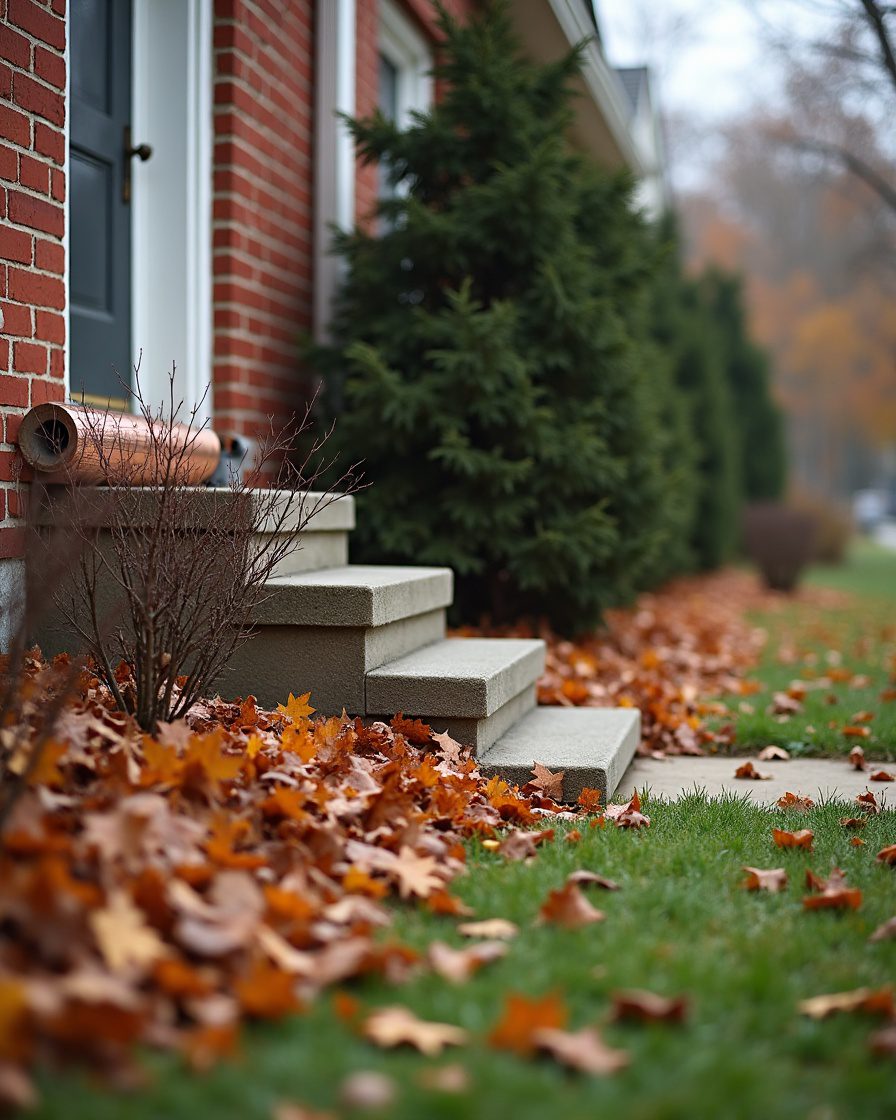
The chemistry that carries them through is quietly impressive. As cold-hardy insects prepare for winter, many reduce the free water in their bodies and accumulate sugars and sugar alcohols such as glycerol, compounds that work much like the antifreeze in a car radiator. In cautious general terms, this lets their tissues chill well below freezing without forming the ice crystals that would otherwise rupture cells. A woolly bear caterpillar under the leaf litter and a mourning cloak butterfly behind loose bark are both running versions of the same trick.
Where does this happen? Almost anywhere sheltered: an inch or two down in the soil, inside hollow stems, under bark, and in the leaf litter you were about to rake to the curb. Some mosquitoes ride out winter as eggs, while other species tuck themselves into sheds and crawl spaces as fertilized females, which is why a warm January day can produce one confused mosquito in the basement.
Strategy three: the wall-void sleepers
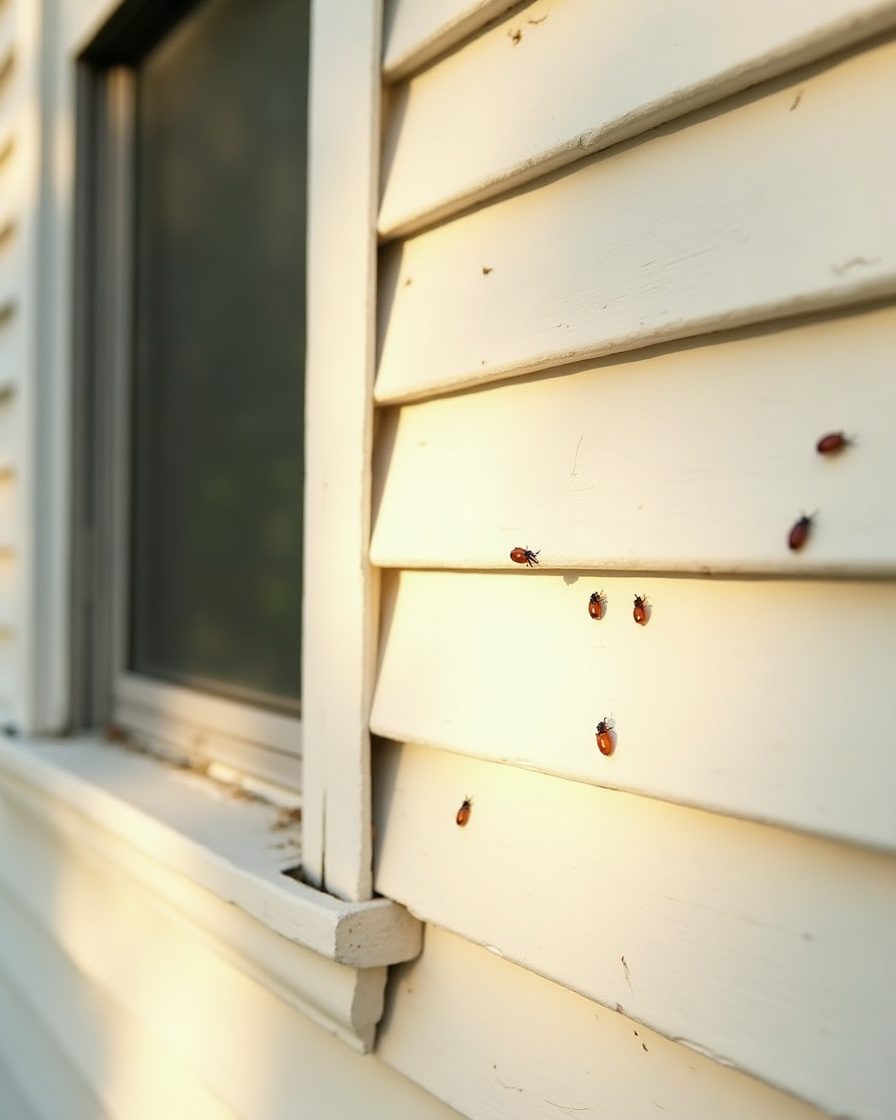
The third group is the one homeowners actually meet, because its members choose buildings as their overwintering shelter. Multicolored Asian lady beetles are the textbook case. The University of Kentucky’s account of Asian lady beetle infestations of structures describes flights to buildings from September through November, peaking on sunny days in the mid 60s that follow a cool spell, with the beetles settling into cracks around window frames, behind siding, and within soffits, attics, and wall voids. Cluster flies and brown marmorated stink bugs follow the same playbook, favoring sunlit south and west walls.
Two facts about these sleepers keep the problem in perspective. First, they do not feed or breed indoors. The beetles wandering across your ceiling during a February thaw are the same individuals that came in last fall, waking early and trying to find the outdoors. Second, the effective responses are mechanical, not chemical: a vacuum for the ones already inside and sealed cracks for the ones still outside. If you are sorting a harmless native lady beetle from the paler, spotty Asian species, our guide to ladybug types, colors, and look-alikes walks through it, and stink bugs get their own playbook in how to get rid of stink bugs in your house.
Strategy four: the pests that never stop
The fourth strategy is the one that matters most for your household, because your furnace cancels winter. German cockroaches evolved for warm, stable indoor conditions and breed straight through the cold months near kitchens and bathrooms. Bed bugs live where their hosts live and a heated bedroom in January suits them exactly as well as one in July. Silverfish keep grazing on starches and paper in warm basements all winter; if you are seeing their teardrop shape and three tail bristles, our silverfish identification guide covers what they are and what they eat.
House mice belong on this list too, even though they are not insects. The UC IPM Pest Note on the house mouse notes that mice are active year-round and frequently enter homes in autumn as nights turn cold. For all of these year-round pests, winter is peak season indoors, because the building is warm and the food is concentrated.
The four strategies at a glance
Here is the whole picture, with the practical takeaway for each group.
| Strategy | Typical species | Where they spend winter | What it means for you |
|---|---|---|---|
| Die off, leave eggs | Field crickets, most grasshoppers | Eggs in soil and plant stems | Nothing to control; they return in spring regardless |
| Diapause outdoors | Most moths, butterflies, beetles, many mosquitoes | Soil, leaf litter, under bark | Leaf litter and mulch are habitat, not neglect |
| Overwinter in structures | Asian lady beetles, cluster flies, stink bugs | Wall voids, attics, soffits | Seal in early fall; vacuum the ones inside |
| Stay active indoors | Cockroaches, bed bugs, silverfish, house mice | Heated living spaces | The real winter pest work: sanitation, traps, exclusion |
Do spiders really come in from the cold?
Every October brings the claim that spiders are streaming indoors to escape the chill. The extension literature does not back the folklore. The species you find in basements and closets are mostly house-adapted spiders that live their whole lives in buildings, and the University of Kentucky’s guide to common spiders around homes and buildings treats most indoor finds as either residents or accidental invaders that wandered in through gaps, not refugees from the weather. The autumn spike in sightings owes a lot to mate-seeking males wandering across floors at night, which makes spiders more visible without making them more numerous.
The comfort here is that UC IPM’s Pest Note on spiders is blunt that most spiders are harmless and beneficial, feeding on exactly the insects you want fewer of. If you want fewer anyway, Kentucky’s advice on eliminating spiders around homes leans on the unglamorous tools: vacuum up spiders, webs, and egg sacs, cut clutter in quiet rooms, use sticky glue boards along baseboards to find hotspots, and seal the gaps, because those steps outperform routine spraying. Anyone with a suspected bite from a black widow or brown recluse should have it looked at by a clinician rather than self-diagnosing from the internet.
Mice, the winter guest to take seriously
Of everything that moves indoors in fall, house mice earn the most attention, because they gnaw wiring, contaminate food, and multiply fast. UC IPM puts the entry bar startlingly low: a mouse can squeeze under a gap about a quarter inch tall, and a female can produce five to ten litters in a year. Seal openings with metal, concrete, or copper mesh rather than foam or plastic, which mice chew through. Our step-by-step guide to mouse-proofing your home covers the sealing order, and if they are already inside, how to get rid of mice walks through trapping that actually works.
Two safety notes belong in every mouse conversation. If you use poison baits, the EPA’s guidance on rodenticides points consumers toward tamper-resistant bait stations and warns about secondary poisoning, the chain where a poisoned mouse is eaten by a pet, an owl, or a hawk. Snap traps avoid that chain entirely, which is one reason extension guidance prefers them for homes. And when you find droppings, never sweep or vacuum them dry. Public health guidance is to ventilate the area, soak droppings with a disinfectant solution, let it sit, and wipe up with paper towels, because dry sweeping can put contaminated dust into the air. One more boundary worth stating plainly: if the scurrying in the attic turns out to be squirrels, bats, or raccoons, that is a job for a licensed wildlife control professional, not for mouse traps or baits.
Firewood, the shortcut past all your sealing
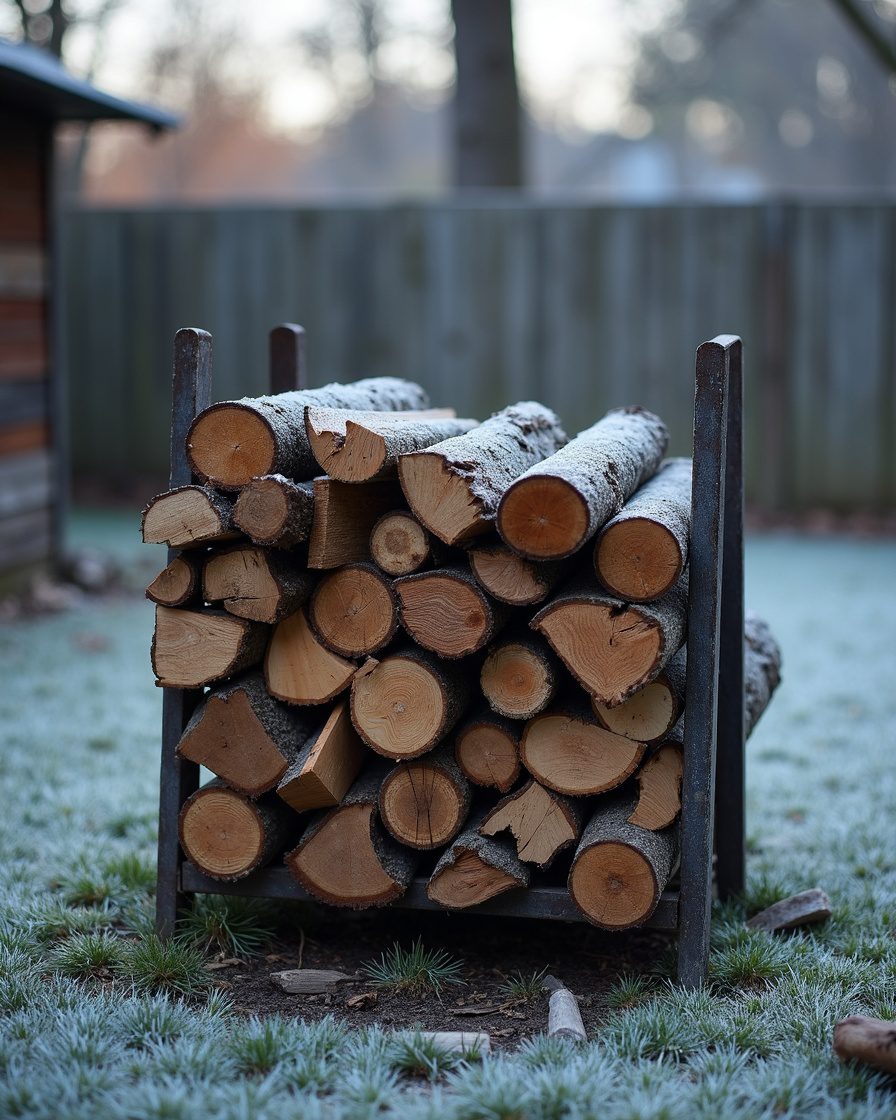
You can seal every gap in the house and still carry winter insects in through the front door, stacked in your own arms. Kentucky’s fact sheet on firewood insects explains that beetles, wood cockroaches, overwintering wasp queens, and moth cocoons shelter under loose bark, and that these hitchhikers become active after warming up indoors, ending up at windows and lamps. The fix is habit, not chemistry: store wood outdoors and off the ground away from the house, bring in only what you will burn within a day or so, and never treat firewood with insecticides, since burning treated wood can release the chemicals into your living room. The reassuring part is that firewood insects do not infest the home or its structure; they are strays, not settlers.
Why fall sealing beats winter spraying
All four strategies point to the same practical conclusion: the winning move happens in September and October, before the overwintering pests commit. The University of Kentucky’s guide to pest-proofing your home is the spine here, and its numbers explain the urgency. A gap of one sixteenth of an inch admits insects, a quarter inch admits mice, and a half inch admits rats. Door sweeps, caulk around frames and utility penetrations, repaired screens, quarter-inch mesh over attic and crawl space vents, and a chimney cap close the routes that matter. Kentucky also notes that if an exterior barrier treatment is used at all, the window is late September to early October, before the fliers arrive, not after.
Once winter sets in, spraying the survivors accomplishes little. The wall-void sleepers are inaccessible, the outdoor insects are dormant, and the EPA’s consumer pest control guidance puts prevention first for good reason: sealing entry points and removing food and water beats reaching for a can, and any pesticide that is used must be applied exactly as its label directs. For the room-by-room version of the autumn routine, our walkthrough on pest-proofing your home against fall invaders covers the full checklist.
Common questions
Do bugs die in the winter or hibernate?
Both, depending on species. Single-season insects like field crickets die after laying cold-hardy eggs. Most others enter diapause, a dormant state similar in spirit to hibernation, and wait out the cold as eggs, larvae, pupae, or adults in soil, leaf litter, or under bark. A minority overwinter inside buildings.
Why am I seeing lady beetles in my house in January?
They came in last fall and have been dormant in your walls or attic since. Warm indoor air or a sunny winter day wakes some early, and they wander toward windows and lights trying to get out. They are not feeding or breeding indoors. Vacuum them up and plan sealing work for next September.
Which pests stay active all winter?
Inside heated buildings: cockroaches, bed bugs, silverfish, and house mice, none of which pause for winter. Your furnace gives them summer conditions year-round, so sanitation, traps, and exclusion matter in January exactly as much as they do in July.
Does a cold winter mean fewer bugs next summer?
Usually less than people hope. The overwintering stages are the cold-adapted ones, insulated by soil, bark, and snow, and many carry antifreeze-like compounds in their tissues. Deep cold with no snow cover can dent some populations, but a normal harsh winter mostly gets shrugged off.
When is it too late to pest-proof for winter?
The best window is early fall, before overwintering flights begin, which in much of the country means finishing by late September. But sealing is never wasted. Mice explore for openings all winter, so a door sweep installed in December still earns its keep, and everything you close now is closed for next fall too.
Final verdict
The bugs did not vanish; they changed state. Most of last summer’s insects are either dead with their eggs banked in the soil or parked in diapause under bark and leaf litter, running on antifreeze chemistry until the days lengthen. The only ones that should concern you are the two indoor groups: the wall-void sleepers like lady beetles and stink bugs, best handled with a vacuum and autumn sealing, and the year-round residents that treat your heated home as a canceled winter. Spend your effort where it pays: seal by early fall, keep firewood outside until the day you burn it, favor traps over poisons for mice, and let the dormant majority sleep out the season where they belong, in the yard.
This article is for general information and is not medical or veterinary advice.