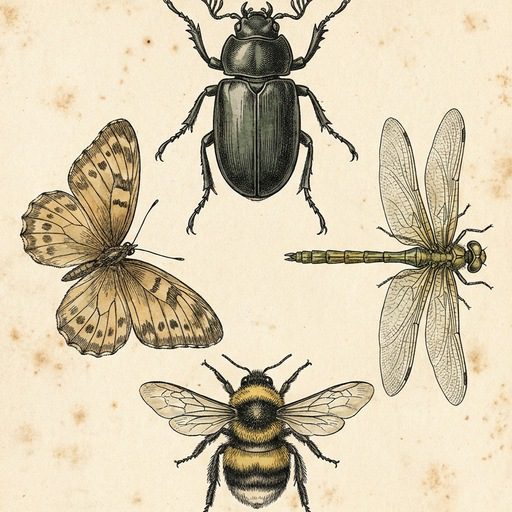
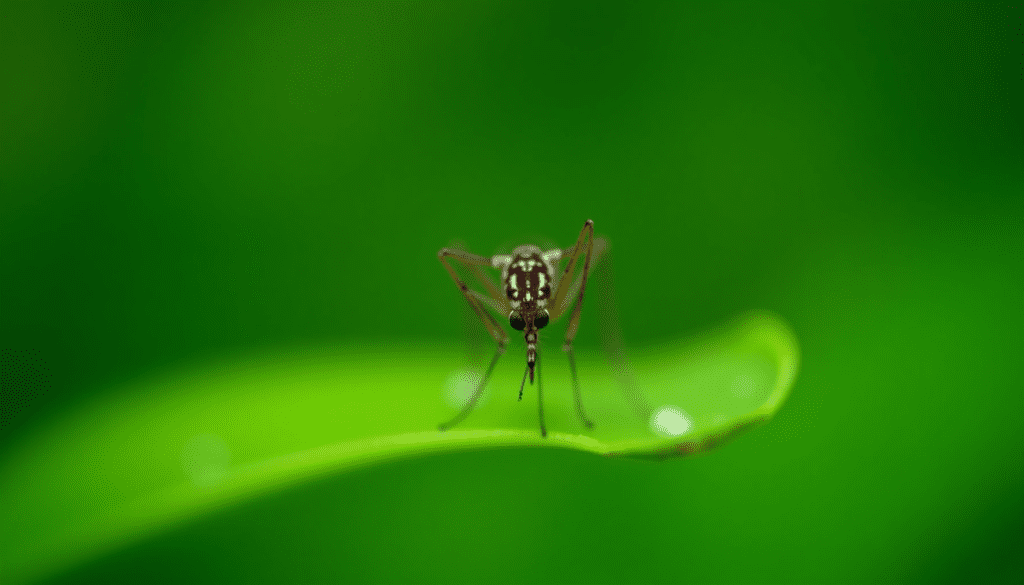
As the days shorten and temperatures drop, many assume that insect problems disappear until spring. However, for a surprising number of pests, winter is prime time to seek refuge indoors, transforming your cozy home into their personal sanctuary. Understanding these cold-weather invaders and implementing effective winter pest control strategies is crucial to prevent unwelcome guests from settling in for the season. This guide will help you identify common culprits and provide actionable steps to keep your home pest-free all year round.
Bottom line:
Winter pest control is essential because many insects and rodents actively seek warm, sheltered indoor spaces as outdoor temperatures fall. Key actions include:
- Seal Entry Points: Caulk cracks, repair screens, and use door sweeps to block access.
- Manage Moisture and Food: Clean up crumbs, store food in sealed containers, and fix leaky pipes.
- Identify Overwintering Pests: Watch for cluster flies, stink bugs, and Asian lady beetles congregating near windows.
- Address Year-Round Pests: Cockroaches, ants, and bed bugs remain active indoors and require consistent management.
- Consider Professional Help: For persistent infestations, a pest control professional can offer targeted solutions.
Why Pests Invade Your Home in Winter
When the frosty grip of winter tightens, the natural world outside becomes a challenging place for many insects and small animals. Their primary instinct shifts from foraging and reproduction to survival, driving them to seek warmth, shelter, and stable conditions. Your home, with its consistent temperatures and abundant resources, becomes an irresistible beacon.
Many insects employ remarkable strategies to survive the cold. Some enter a hibernation-like state called diapause, significantly reducing their metabolism and often accumulating natural antifreezes like glycerol in their bodies, as detailed in entomological research published in journals like the Journal of Comparative Physiology B. Others, like mosquitoes, may survive as eggs or larvae in protected outdoor microhabitats, waiting for spring, as explored in our guide How Mosquitoes Survive Winter: Hibernation, Eggs & Spring Emergence. However, a significant number of species choose a more direct route: moving indoors.
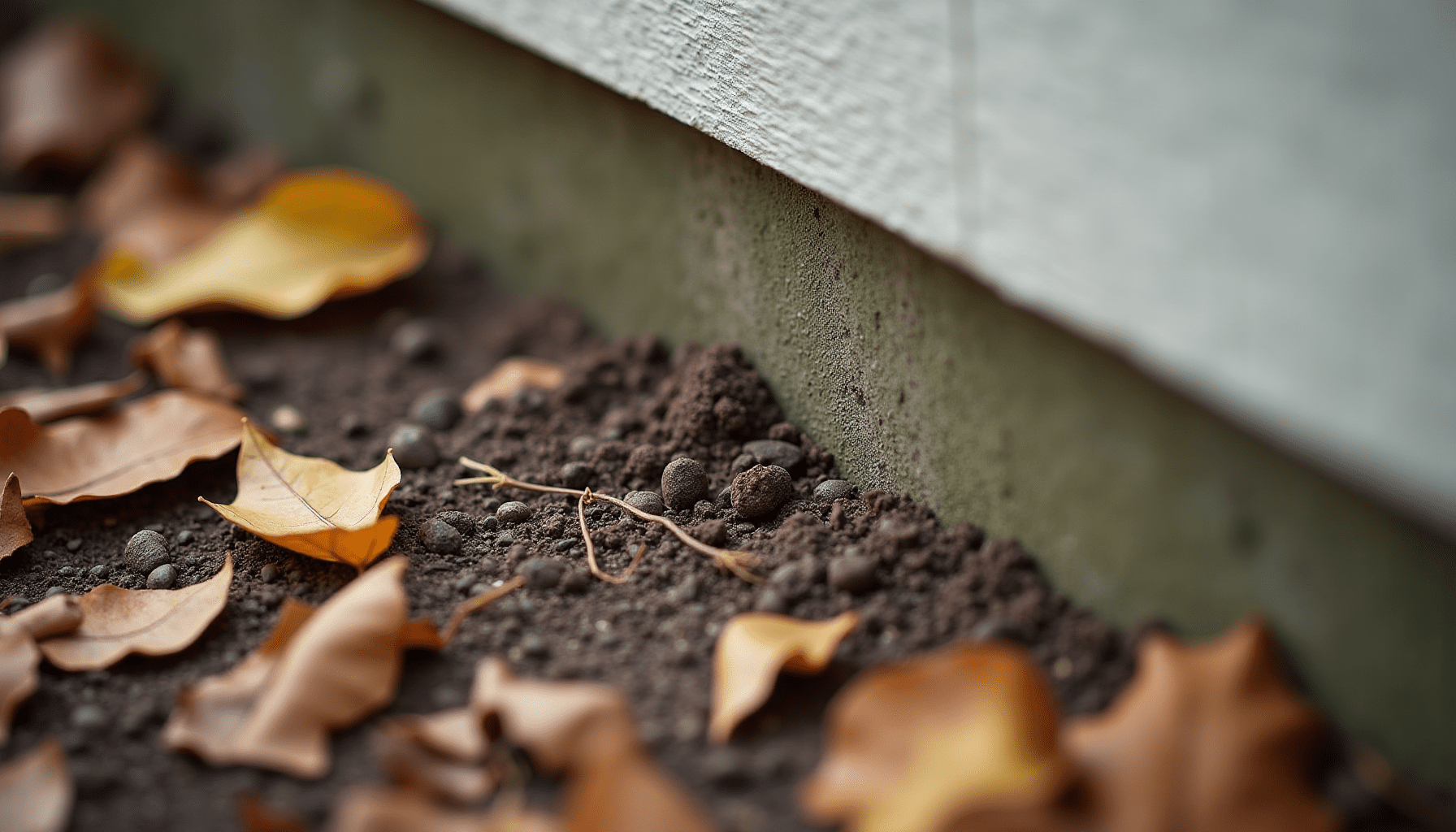
The urban environment itself can contribute to pest survival. The "urban heat island" effect, where cities are warmer than surrounding rural areas, creates microclimates that help pests endure winters that might otherwise be fatal, according to a study in Global Change Biology. Cracks in foundations, leaf litter against the house, and even stacks of firewood provide insulation and humidity, making them attractive staging grounds for invasion. As outdoor food sources diminish, pests like rodents and certain insects are also drawn indoors by the scent of crumbs and stored food, turning kitchens and pantries into prime targets. This seasonal shift highlights why proactive pest management is a year-round necessity.
Common Winter Pests That Invade Homes
While some pests simply vanish with the cold, many others become more prominent indoors during winter. These cold-weather bugs are either seeking shelter to overwinter or are year-round indoor residents whose presence becomes more noticeable when we spend more time inside. Understanding these common culprits is the first step in effective winter pest control.
Here's a closer look at the usual suspects:
Cluster Flies
These large, sluggish flies often appear around windows on sunny winter days. Unlike common house flies, cluster flies (Pollenia spp.) are parasites of earthworms outdoors. They don't breed indoors but rather aggregate in large numbers in attics and wall voids to overwinter, becoming active when indoor temperatures rise. Their presence is primarily a nuisance, though dead flies can attract secondary pests like carpet beetles.
Prevention & Control:
- Seal crevices around windows, doors, soffits, and utility lines.
- Vacuum individual flies; avoid crushing them to prevent stains.
- Professional perimeter sprays in the fall can deter entry.
Brown Marmorated Stink Bugs & Other Stink Bugs
These shield-shaped insects, such as the invasive brown marmorated stink bug (Halyomorpha halys), are notorious for gathering on sunny exterior walls in the fall before squeezing into cracks to overwinter in wall voids and attics. They are a nuisance pest, releasing a foul odor when crushed and potentially causing minor staining.
Prevention & Control:
- Seal cracks and gaps in your home's exterior, repair screens, and install door sweeps.
- Store firewood at least 20 feet from your home and off the ground.
- Vacuum individuals to remove them, discarding the bag promptly.
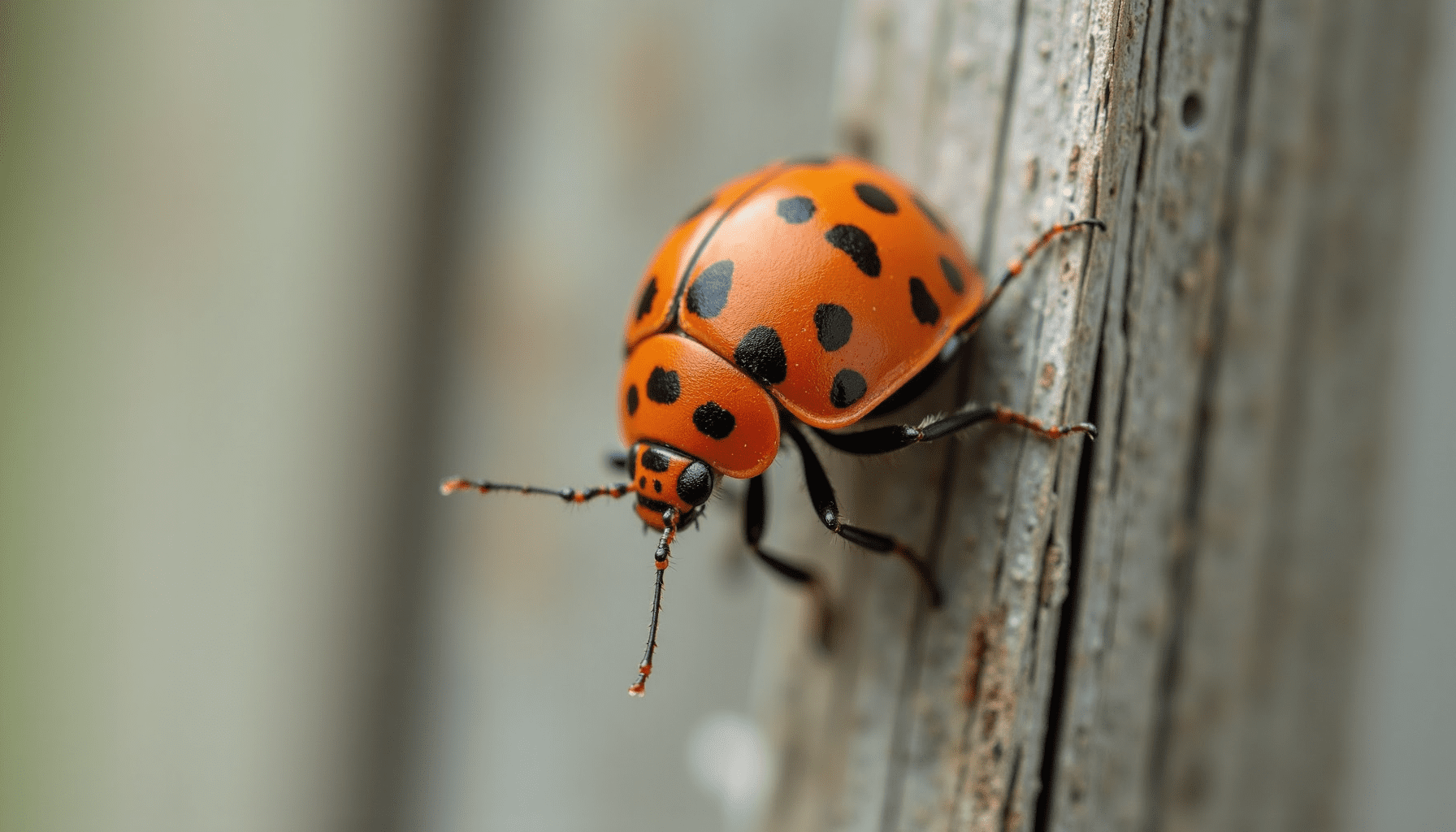
Asian Lady Beetles
Similar to stink bugs, Asian lady beetles (Harmonia axyridis) overwinter in large groups inside homes. These beetles are more likely to bite when disturbed and can release a yellowish, foul-smelling fluid that stains walls and fabrics. Some individuals may experience mild allergic reactions. For more on these common invaders, read our articles How to Identify Ladybugs: Types, Colors & Look-Alikes and How to Identify Ladybugs: Types, Colors & Look-Alikes. If you're dealing with an infestation, our guide How to Identify Ladybugs: Types, Colors & Look-Alikes offers gentle solutions.
Prevention & Control:
- Seal exterior cracks and gaps, repair screens, and caulk around windows and doors.
- Vacuum beetles; avoid crushing to prevent stains.
Cockroaches
Species like the German cockroach (Blattella germanica) thrive in warm, humid indoor areas year-round. While not strictly "winter invaders," cold weather can push outdoor or garage populations further into heated living spaces. Cockroaches are a significant health risk, carrying allergens that can trigger asthma and spreading bacteria like Salmonella.
Prevention & Control:
- Maintain excellent sanitation: wipe counters, don't leave dishes in the sink, store food in sealed containers, and control clutter.
- Seal cracks behind appliances, around plumbing, and along baseboards.
- Use baits and insecticidal dusts in voids. Heavy infestations often require professional help.
Ants
While many outdoor ant colonies become dormant in winter, species like pharaoh ants and some house-infesting ants remain active indoors, nesting in wall voids and warm areas. Pharaoh ants are particularly problematic, known for contaminating food and being notoriously difficult to control due to their tendency to "bud" (split into multiple colonies) if improperly treated. For more insights, refer to our guide Why Do Ants Come Inside? Causes and Prevention.
Prevention & Control:
- Store all food, including pet food, in airtight containers. Clean crumbs and spills promptly.
- Seal entrance points and caulk gaps around baseboards and utility lines.
- Focus on baits rather than sprays, especially for pharaoh ants, and consider professional assistance.
Spiders
Many spiders live year-round indoors, so their increased visibility in winter often correlates with humans spending more time inside and other pests (their food source) also seeking indoor refuge. While most spiders are harmless, some regions have medically significant species like the brown recluse or black widow.
Prevention & Control:
- Reduce indoor insect populations to cut off their food supply.
- Keep firewood and clutter away from walls to eliminate harborage spots.
- Regularly dust and vacuum, paying attention to corners and under furniture.
Bed Bugs
Bed bugs are not seasonal pests; they are strictly indoor hitchhikers. Winter travel, such as holiday visits or college students returning home, can inadvertently spread them. They survive as long as they have access to blood meals and moderate indoor temperatures. Their bites can cause allergic reactions and significant psychological stress.
Prevention & Control:
- Inspect luggage and second-hand furniture thoroughly before bringing them into your home.
- Use mattress encasements to trap bed bugs and prevent new infestations.
- Wash and dry bedding on high heat to kill all life stages.
- Bed bug infestations almost always require professional intervention.
Fruit Flies and Drain Flies
These small flies can persist indoors during winter, thriving around fermenting fruit, trash, or organic buildup in drains. While outdoor populations diminish, indoor microhabitats provide continuous breeding grounds.
Prevention & Control:
- Cover trash bins and remove waste frequently.
- Clean drains thoroughly with enzymatic cleaners or by mechanical scrubbing.
- Store fruit in the refrigerator or sealed containers.
- Remove all breeding sources; sticky traps can help monitor populations.
Essential Winter Pest Prevention Strategies
Proactive measures are the cornerstone of effective winter pest control. By fortifying your home against invaders and eliminating attractive resources, you can significantly reduce the likelihood of an indoor pest problem. Think of it as winterizing your home against bugs, not just the cold.
Seal Entry Points: Exclude Before They Invade
The most critical step in preventing winter pest invasions is to deny them entry. Pests like mice can squeeze through openings as small as ¼ inch, about the size of a dime, according to the CDC. Insects need even less space.
- Windows and Doors: Inspect and replace worn weatherstripping around all windows and doors. Install door sweeps on exterior doors to close gaps at the bottom.
- Cracks and Gaps: Carefully inspect your home's exterior, including siding, foundation, and fascia boards. Repair any rotted wood and seal cracks with high-quality silicone or exterior caulk.
- Utility Penetrations: Pests often use the spaces around pipes, cables, and vents to enter. Seal these gaps with caulk, and for larger openings, back the caulk with copper mesh to create a robust barrier.
- Chimneys: Ensure your chimney has a cap to prevent rodents, birds, and insects from entering. Have it inspected and cleaned regularly.
- Landscaping Management: Store firewood at least 20 feet from your home and off the ground to prevent it from becoming a pest harborage or a bridge to your house. Trim tree branches and shrubs so they do not touch the house, eliminating easy access points for climbing pests and rodents, as recommended by Orkin.
Manage Food, Moisture, and Clutter
Pests are drawn to homes not just for warmth but also for essential resources. Eliminating their access to food, water, and hiding spots makes your home far less appealing.
- Sanitation: Store all human and pet food in sealed, airtight containers. Avoid leaving pet food out overnight. Wipe down counters and clean up crumbs and spills promptly. Regularly vacuum floors and clean under appliances and along baseboards where food debris accumulates.
- Moisture Control: Many pests, including cockroaches and ants, thrive in damp environments. Monitor for leaky pipes, condensation, and slow drains, and fix them immediately. Use dehumidifiers in damp basements or crawlspaces to reduce humidity levels.
- Clutter Reduction: Basements, attics, and utility rooms can become prime hiding and nesting spots for pests if they are cluttered. Declutter these areas, and avoid storing cardboard boxes directly on the floor. Instead, use plastic bins with tight-fitting lids to store items.
Routine Inspections and Seasonal Timing
Being proactive with inspections can catch potential problems before they escalate.
- Fall Pest-Proofing Sweep: Before the first hard freeze of the season, conduct a thorough inspection of your home's exterior and interior for any potential entry points or signs of pest activity. Address any issues immediately.
- Winter Monitoring: Even after pest-proofing, remain vigilant. Watch for unusual signs like insect aggregations near windows, or the sudden appearance of "house flies" that might actually be cluster flies. Early detection allows for targeted, less invasive interventions.
- Professional Service: Many pest control providers recommend quarterly visits to address seasonal pest pressures proactively. A professional can identify vulnerabilities you might miss and apply targeted treatments, especially effective for overwintering insects in the fall, as highlighted by CBS News.
Debunking Winter Pest Myths
Misconceptions about winter pests can lead to ineffective prevention and control efforts. Let's separate fact from fiction to ensure your winter pest control strategy is based on accurate information.
Myth 1: "All bugs die in winter, so I don't need pest control."
Reality: This is perhaps the most common misconception. While many insects do perish, a vast number survive winter in various ways. Some enter diapause (a dormant state) as eggs, larvae, pupae, or adults in protected outdoor locations. Others, like cockroaches, bed bugs, and pharaoh ants, are perfectly adapted to live and thrive indoors year-round, using human structures as their permanent habitat. Furthermore, winter is precisely when many outdoor insects and rodents actively seek entry into your home for warmth and shelter, as confirmed by experts cited by Pestech.
Implication for readers: Preventive measures in the fall and winter are not just about immediate relief; they significantly reduce pest populations that will emerge or become active in spring and summer.
Myth 2: "If I see bugs in winter, they must be breeding in my house."
Reality: For many common winter invaders like cluster flies, stink bugs, and Asian lady beetles, this is often not the case. These "overwintering nuisance pests" are typically just sheltering in your home, not actively feeding or reproducing. They enter a low-activity state in wall voids and attics and may only become active and visible on warmer winter days. They usually leave the structure in spring (if they can find an exit) or die out, as explained in Orkin's winter pest control guide.
Implication for readers: The primary solution for these types of pests is exclusion—sealing entry points—rather than focusing on heavy indoor insecticide use, which might be unnecessary and potentially harmful.
Myth 3: "Spraying the entire house is the best solution for winter pests."
Reality: Modern integrated pest management (IPM) practices emphasize a more targeted and environmentally conscious approach. Blanket spraying indoors is often ineffective, especially for pests like pharaoh ants, which can "bud" or split into multiple colonies if disturbed by broad-spectrum insecticides, making the problem worse. IPM focuses on source reduction, exclusion, sanitation, and only using targeted treatments when necessary, as outlined by NPIC/IPM guidelines.
Implication for readers: Understanding the specific pest and applying targeted solutions, often involving baits or sealing, is more effective and safer than widespread chemical applications. When in doubt, consulting a professional trained in IPM is recommended.
Myth 4: "Seeing spiders means my home is infested with dangerous species."
Reality: Most spiders found indoors are harmless and, in fact, beneficial predators that help control other insect populations. Increased winter sightings often simply reflect that humans are spending more time inside, and the spiders' prey (other insects) are also seeking indoor refuge. While a small number of medically significant species exist depending on your region, the vast majority pose no threat.
Implication for readers: Don't panic at the sight of a spider. Focus on reducing the overall insect population in your home, which is the spiders' food source, and sealing entry points to prevent new ones from coming in.

Key Takeaways for a Pest-Free Winter
Keeping your home free from pests during the colder months is an achievable goal with the right knowledge and proactive steps. Remember that winter pest control is not just about reacting to problems but preventing them from taking hold in the first place.
- Seal it Tight: Your home's exterior is your first line of defense. Thoroughly inspect and seal all cracks, gaps, and openings before winter sets in.
- Clean and Clear: Pests are attracted to food, water, and clutter. Maintaining excellent sanitation and reducing hiding spots will make your home less inviting.
- Know Your Enemy: Understand which pests are common in your area during winter and their specific behaviors. This knowledge allows for targeted and effective solutions.
- Don't Hesitate to Call a Pro: For persistent or severe infestations, professional pest control services offer expertise and advanced treatments that can resolve complex issues safely and efficiently.
By staying vigilant and implementing these strategies, you can ensure your home remains a warm, comfortable sanctuary for your family, not for unwanted insect guests.
For more detailed guides on specific pests, explore our other articles such as Why Do Ants Come Inside? Causes and Prevention and How Mosquitoes Survive Winter: Hibernation, Eggs & Spring Emergence.
Recommended Products
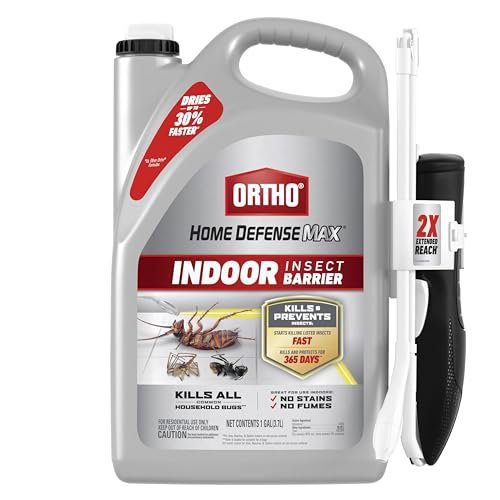
This product provides a long-lasting barrier against many common indoor pests mentioned (ants, cockroaches, spiders, stink bugs, Asian lady beetles) and can be used as a perimeter defense, directly addressing ‘Address Year-Round Pests’ and helping with ‘Identify Overwintering Pests’ by killing them on contact or as they cross the barrier.
- Effectively kills and controls a wide range of common household insects (especially ants, roaches, and spiders)
- Creates a long-lasting barrier that provides extended protection between applications
- Comfort Wand and ready-to-use formula make application easy and convenient without mixing
- Some users report the sprayer/Comfort Wand can malfunction or stop working over time
- A portion of reviewers feel the product’s effectiveness diminishes for heavy infestations or certain pests
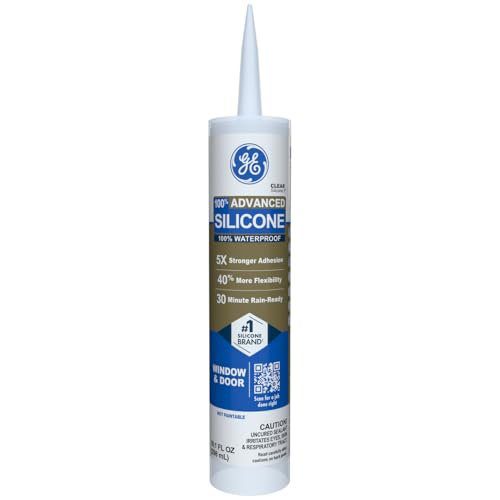
Directly addresses the crucial ‘Seal Entry Points’ strategy by providing a durable, waterproof sealant for cracks and gaps around windows and doors, preventing pests from entering your home during cold weather.
- Provides a durable, long‑lasting waterproof seal that holds up well in outdoor weather conditions around windows and doors
- Cures quickly and is rain‑ready in a short time, allowing projects to be completed faster
- Adheres strongly to a wide variety of surfaces and is easy to apply smoothly for a clean-looking bead
- Cannot be painted, which some users find limiting when trying to match surrounding trim or finishes
- Some users report a noticeable odor during application despite the neutral‑cure, low‑odor claim
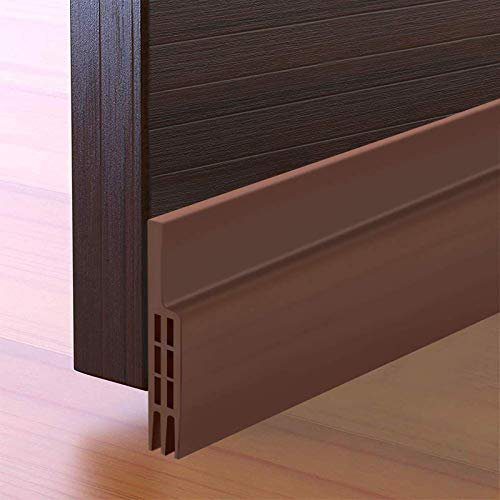
Offers another effective method for ‘Seal Entry Points’ by blocking gaps under doors, preventing crawling insects and small rodents from entering your home in search of warmth and shelter.
- Effectively blocks drafts, light, dust, and insects, making rooms warmer and more comfortable
- Easy to install with peel-and-stick adhesive and can be trimmed to fit most standard doors
- Provides noticeable noise reduction and creates a better sound seal for interior and exterior doors
- Adhesive may not stick well on some door surfaces or can lose grip over time, especially with frequent door use
- Some users report that the seal can drag or interfere with opening/closing if not positioned or trimmed carefully
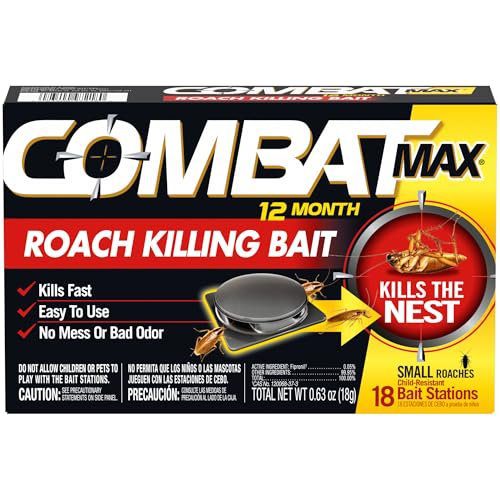
Specifically targets cockroaches, which are explicitly mentioned as ‘Year-Round Pests’ requiring consistent management, providing a discreet and effective solution to eliminate these persistent invaders.
- Very effective at killing small roaches and noticeably reducing or eliminating infestations, often within days
- Long-lasting control for up to 12 months without needing frequent reapplication
- Easy to use child‑resistant bait stations with no mess, odor, fumes, or need for sprays
- Some users see little or no improvement, especially with heavy or resistant infestations
- Bait stations can be small or awkward to position and may be moved or accessed by pets or children despite the child‑resistant design
As an Amazon Associate, I earn from qualifying purchases. Product recommendations are based on real reviews and independent research.