Cleaning after lice is a short checklist, not a whole-house project. Head lice are built to live on a human scalp, and away from it they die within a day or two, so the home is a dead end for them, not a reservoir.
- Do: Hot-wash and hot-dry the bedding, hats, and towels used in the last two days, soak combs and brushes in hot water, and give couches and car seats a quick vacuum.
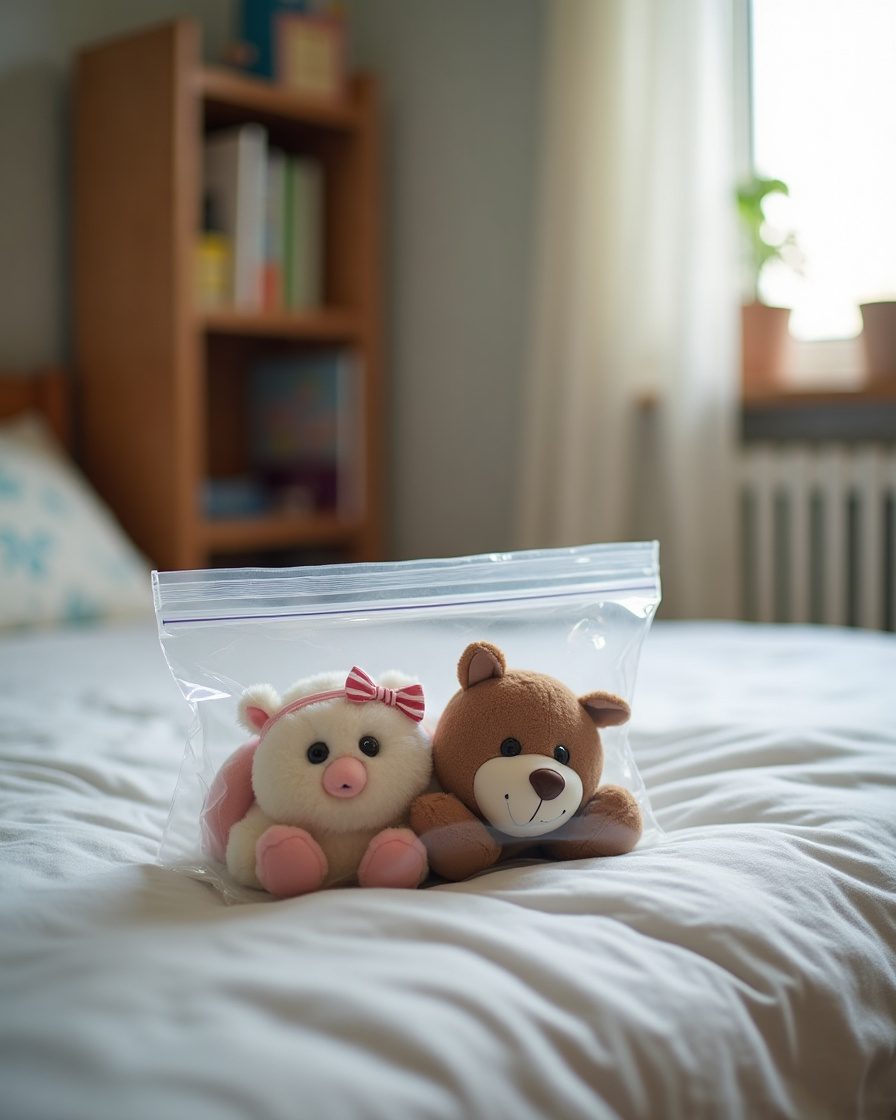
- Optional: Seal unwashable items like stuffed animals in a plastic bag; two weeks is the standard advice, though the lice themselves are dead within days.
- Skip: Pesticide sprays and foggers on furniture, mattresses, or the car. Public health sources do not recommend them, and the real work is treatment and combing on the head itself.
The lice letter comes home, you check your child’s hair, and there they are. Within the hour, most parents are mentally clearing the weekend for a scorched-earth deep clean. The honest truth from the entomology and medical sources is that the house barely matters. This guide walks through what earns a hot cycle, what can sit in a bag, and what you can skip entirely.
Why the house barely matters
A head louse is a specialist. It feeds on blood from the scalp several times a day, and it depends on the warmth and humidity right at the skin to survive. Pull it away from a head and the clock starts immediately: the University of Kentucky’s entomology fact sheet notes that adult lice die within 1 to 2 days without their blood meals, and the same source describes the risk of picking up lice from bedding or upholstered furniture as extremely low. A louse that ends up on a pillowcase is not lying in ambush. It is dying.
Two more facts shrink the job further. Lice cannot jump or fly; they only crawl, which is why almost all spread happens through direct head-to-head contact rather than through rooms and objects. And pets are completely out of the picture, because head lice live only on humans. The family dog or cat cannot catch them, carry them, or reintroduce them, so there is nothing to do at the pet end at all. If you want the full picture of how these insects live and die, our walkthrough of the head lice life cycle from egg to adult explains why the scalp is the whole world to them.
One myth is worth retiring on the spot: lice are not a hygiene problem. Clean hair gets lice exactly as easily as unwashed hair, since the insects feed on blood, not dirt. A case says your child has been near other children, which is what school is for. It says nothing about your home.
The two-day rule for laundry
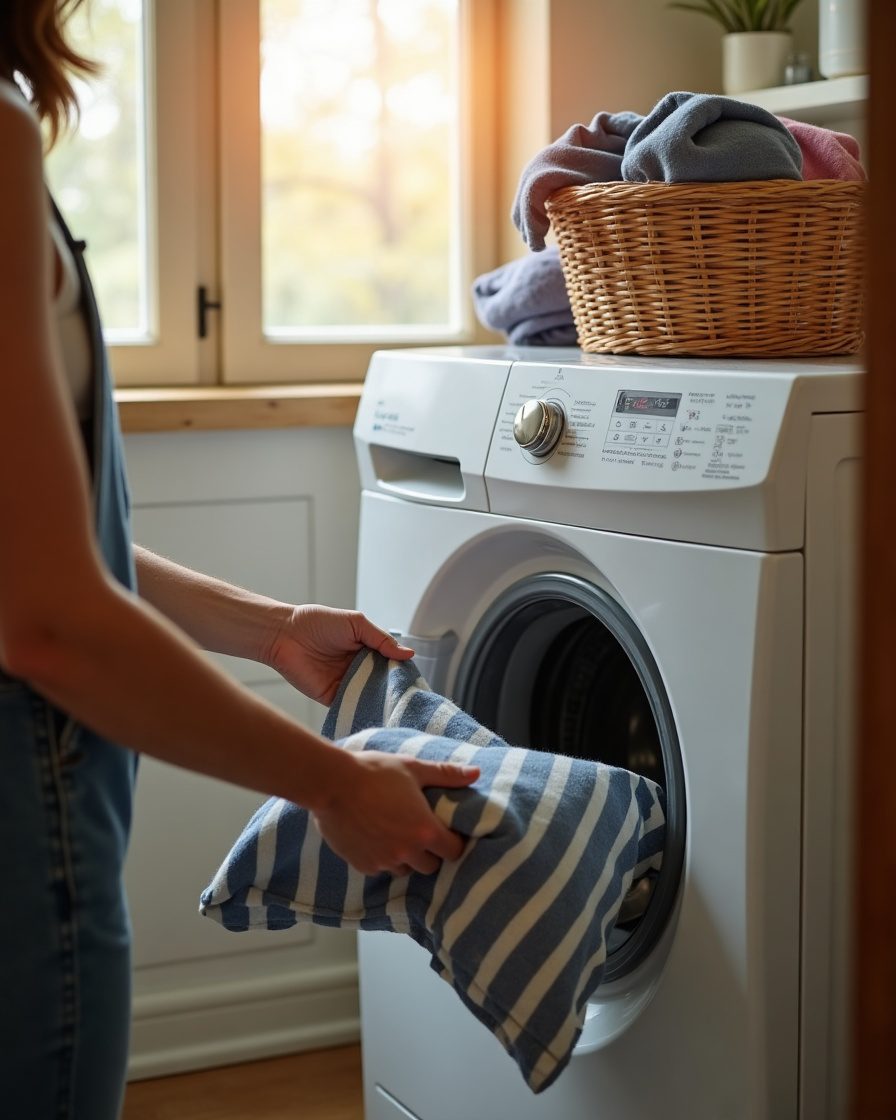
Because off-head lice die so quickly, you only need to think about items that touched the affected person’s head in the day or two before treatment. Anything older than that has had time to become a lice graveyard on its own. In practice, the wash list for most families is one or two loads: pillowcases and sheets, recently worn hats, scarves, and hooded jackets, towels used in the last couple of days, and any fabric headbands or scrunchies in the rotation.
Heat is what does the killing, and the numbers come straight from the sources. The Kentucky fact sheet calls for washing in hot soapy water at around 150°F with a high-heat drying cycle of at least 20 minutes, and MedlinePlus similarly advises washing all recently used clothes and bed linens in hot water with detergent. A practical note: many home water heaters are set well below 150°F for scald safety, and that is fine, because the dryer is the workhorse. Wash hot, then dry hot, and do not shortcut the dryer time.
If other lice advice sounds far more drastic, that advice belongs to a different insect. Body lice genuinely do live in fabric, laying eggs in the seams and folds of clothing and surviving there for weeks, which is why body lice control is fundamentally a laundry problem. Head lice have no such trick. If you are unsure which one you are actually dealing with, our comparison of body lice versus head lice sorts out the differences, but for the head lice that circulate through schools, the clothing is a bystander.
Combs, brushes, and hair accessories
Hair tools sit against the scalp, so they get slightly more respect than the couch, though the fix takes minutes rather than hours. MedlinePlus recommends soaking combs and brushes in hot water for 5 to 10 minutes. Do that for anything used on the affected head in the last two days, and either soak or hot-wash fabric accessories like scrunchies and headbands, or simply drop them in the sealed bag with the stuffed animals.
During treatment, the smart move is separation rather than sterilization. Give the affected person a dedicated nit comb and brush for the two to three weeks of follow-up combing, and keep siblings from sharing hats, brushes, and hair ties for the same stretch. Shared items are a minor route compared to head-to-head contact, but the precaution costs nothing during an active case. Our school-year lice prevention guide for parents covers which sharing habits actually matter and which fears you can let go.
The bagging question: two weeks, or two days?
For things that cannot go through a washer, the standard advice from MedlinePlus is to seal them in a plastic bag for two weeks. That covers stuffed animals, delicate pillows, dress-up costumes, plush headphones covers, and anything else fabric that hugs a head and will not survive a hot cycle.
Why two weeks, when the lice are dead in two days? The two-week figure is the belt-and-suspenders number: it covers not just the adults but the entire egg timeline, so even an egg that somehow hatched inside the bag would starve there. In reality, eggs are cemented to hair shafts close to the scalp because they need that warmth to develop, so viable eggs on a teddy bear are close to a non-event. The bag is mostly for peace of mind, and peace of mind is worth something during lice week. Bag the favorite bear and move on; there is no need to strip the bedroom or quarantine the toy shelf.
What to skip: sprays, foggers, and the deep-clean weekend
Here is where proportion saves you money, time, and unnecessary chemical exposure. Do not use pesticide sprays or foggers on furniture, mattresses, carpets, car interiors, or anywhere else in the home. Extension and public health guidance does not recommend them for head lice, and the reason follows from everything above: the insects on those surfaces are already dying, they cannot reproduce off the head, and spraying adds pesticide residue to the places your family sits and sleeps in exchange for nothing. The environmental step those sources actually list is humble: vacuum the floors, couches, and chairs where the affected person has been, mainly to pick up shed hairs that might carry an egg.
The same proportionality applies to the head end of the problem. MedlinePlus is blunt that home remedies lack clear scientific evidence, and it specifically warns that dangerous substances like kerosene or gasoline must never touch a person for any reason. The gentler kitchen options, mayonnaise, oils, and similar smothering attempts, simply lack solid evidence. We look at what the research shows in our review of natural lice remedies like tea tree and coconut oil, but the laundry science is far more settled than the folk-remedy science.
You can also skip replacing pillows, shampooing carpets, washing clothes that have not been worn in days, and any product marketed as a household lice spray. None of it is supported by the sources.
Car seats, helmets, and headphones
The car yields to the same two-day logic. Vacuum the fabric seats and headrests where the affected child sits, especially a booster with a fabric back, and you are done. There is no need to spray anything or shampoo the upholstery.
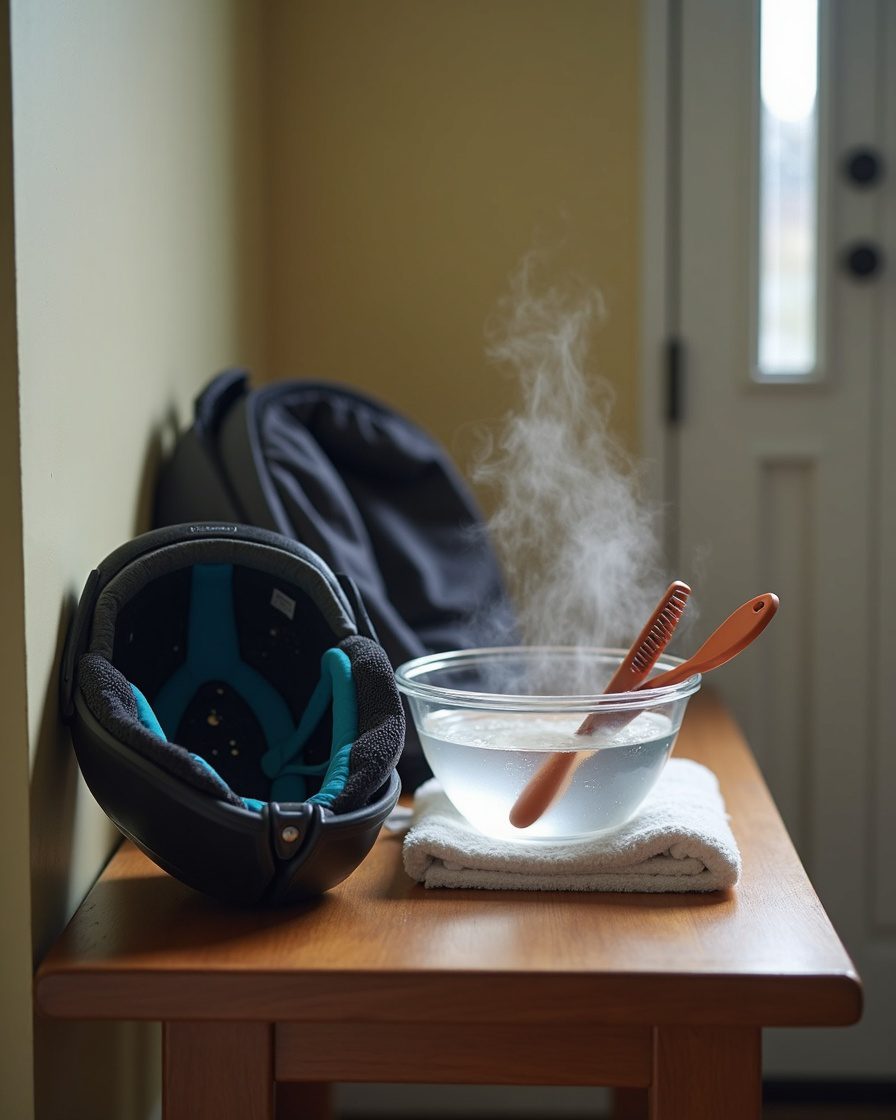
Helmets are easier than they look. Their smooth shells and foam give lice little to grip, and any louse that did transfer is on the same starvation clock. Wipe or hand-wash the lining pads if they detach, or simply set the helmet aside for two days, which outlasts any louse on it. During an active case, treat helmets like hats: personal, not shared, until follow-up combing is over. Headphones follow the same rule, with fabric ear covers the only part worth a wipe or a couple of days in the bag.
The whole checklist in one table
Everything above compresses into one pass through the house, most of it done in an afternoon while the first treatment is working.
| Item | What to do | Why |
|---|---|---|
| Bedding, pillowcases, towels (last 2 days) | Hot wash, then hot dryer at least 20 minutes | Heat kills lice and eggs; older items need nothing |
| Hats, scarves, hoodies, hair accessories | Hot wash and dry, or seal in a bag | Recent head contact is the only risk window |
| Combs and brushes | Soak 5 to 10 minutes in hot water | Direct scalp contact; takes minutes to reset |
| Stuffed animals, unwashables | Seal in a plastic bag, up to two weeks | Covers the full egg timeline; mostly peace of mind |
| Couches, carpets, car seats | Quick vacuum only | Off-head lice die in 1 to 2 days; sprays add risk, not benefit |
| Helmets and headphones | Wipe or rest for 2 days, no sharing during treatment | Smooth surfaces plus the starvation clock |
| Pets and pet bedding | Nothing | Head lice live only on humans |
| Pesticide sprays and foggers | Skip entirely | Not recommended by public health sources for lice |
While the laundry runs, the head is the real job
All of this cleaning is the supporting act. Lice are beaten on the scalp, with an over-the-counter treatment containing permethrin 1% or pyrethrins used exactly as the label directs, followed by the mechanical backbone of the whole effort: thorough combing with a fine-toothed nit comb, repeated every few days for two to three weeks, with a re-comb around 7 to 10 days after treatment to catch newly hatched nymphs. Our step-by-step head lice removal guide covers the full treat-and-comb routine. While the first load dries, check every other head in the household; our parents’ guide to checking for lice shows where to part the hair and what a real nit looks like.
A few situations belong with a professional rather than the laundry room or the pharmacy aisle. Talk to a clinician or pharmacist before treating a child under 2 years old, and before using any pediculicide during pregnancy or while nursing. See a clinician if two properly done rounds of treatment fail, since resistant lice do occur in some areas and a clinician can prescribe alternatives that work through different mechanisms. And get medical advice if the scalp shows signs of infection from scratching, such as spreading redness, warmth, oozing, or fever. None of those situations is solved by more cleaning.
Common questions
Do I need to wash everything in the house?
No. Only items that touched the affected person’s head in the day or two before treatment need a hot wash and dry. Lice away from a scalp die within 1 to 2 days, so clothes in drawers, spare bedding, and last week’s laundry need nothing at all.
How long can lice live on bedding or a couch?
Adult lice die within 1 to 2 days without blood meals, and the University of Kentucky describes the risk of catching lice from bedding or furniture as extremely low. A quick vacuum of the spots where the affected person sat covers it.
Should I spray my couch, mattress, or car for lice?
No. Pesticide sprays and foggers are not recommended for head lice by extension or public health sources. The lice on those surfaces are already dying, and spraying only adds residue. Vacuuming is the listed step.
Do stuffed animals really need two weeks in a bag?
Two weeks is the standard advice because it outlasts the entire egg timeline. The lice themselves starve within days, and eggs need scalp warmth to develop, so the long bag time is mostly extra insurance rather than a hard requirement.
Can our dog or cat catch or carry head lice?
No. Head lice are human-only parasites. Pets cannot catch them, carry them between family members, or reinfest a treated head, so pet bedding and grooming tools need no special attention.
The bottom line
Cleaning after lice comes down to one afternoon: hot-wash and hot-dry what touched the head in the last two days, soak the combs and brushes, bag the unwashables if it helps you sleep, and run the vacuum over the couch and the car seat. Skip the sprays, the foggers, the carpet shampoo, and the guilt, because lice are not a verdict on your housekeeping and the home is a dead end for them. Spend the energy you save on careful treatment, steady combing, and quick head checks for the rest of the family.
This article is for information only and is not medical advice.