Most popular natural lice remedies, including tea tree oil, coconut oil, and mayonnaise, have no solid evidence behind them. The natural method that reliably works is repeated combing with a fine-toothed nit comb, through patience rather than any special ingredient.
- What works: Wet combing with a metal nit comb every 2 to 3 days for 2 to 3 weeks, plus hot-water laundering of bedding and recently worn items.
- What lacks evidence: Suffocation-style remedies such as mayonnaise, olive oil, and coconut oil, and essential oils including tea tree.
- The caution: Essential oils are not tested or regulated as medicines, so do not experiment with them on a child’s scalp. Ask a pharmacist or clinician instead.
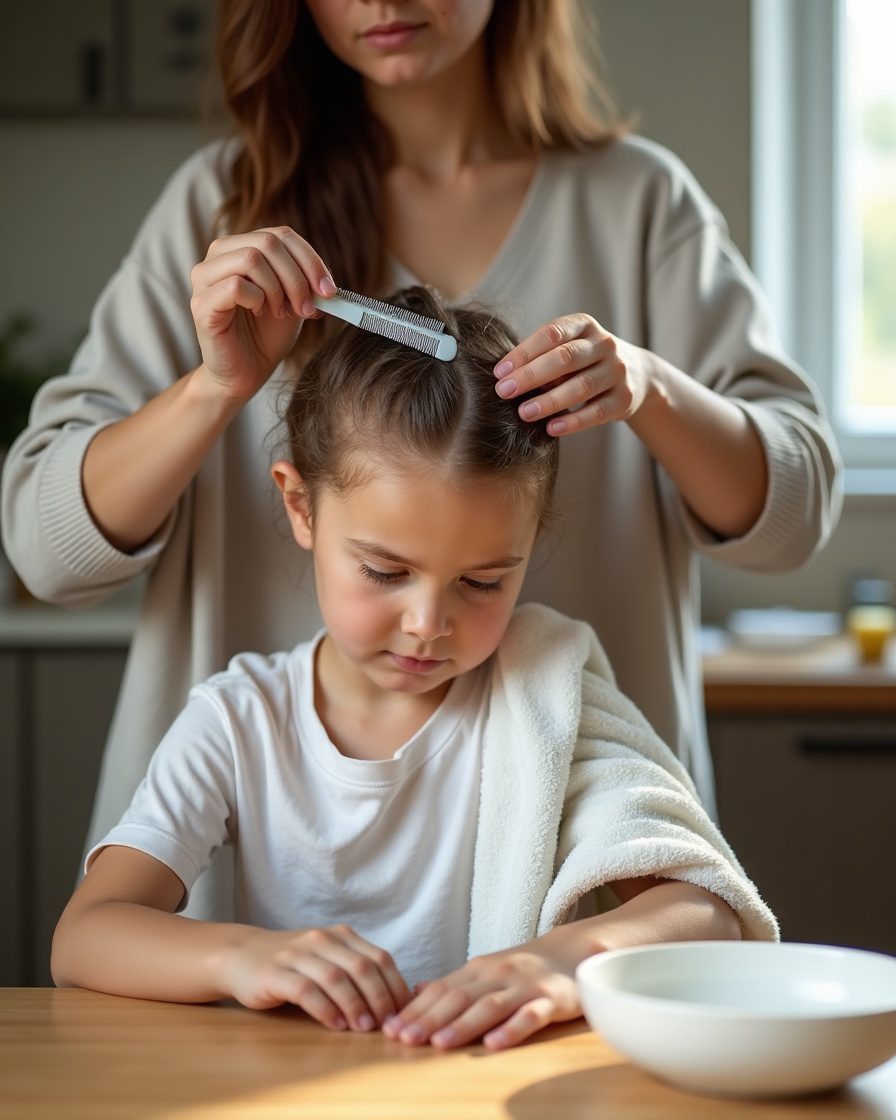
If a lice notice just came home in the school folder, you have probably met the internet’s favorite promise: that something gentle, tea tree oil, coconut oil, a jar of mayonnaise, will clear head lice without “chemicals.” Lined up against what public health and university entomology sources actually say, almost none of these remedies hold up, and the one natural approach with a real track record is the least glamorous: a fine-toothed comb, wet hair, and a repeating calendar reminder.
Why natural remedies are so tempting, and why the bar matters
The pull toward home remedies makes sense. Lice treatments go on a child’s head, the word “pesticide” appears on some labels, and back-to-school season means the problem often arrives more than once. But one fact lowers the temperature: head lice are a nuisance, not a health threat. The University of Kentucky’s entomology fact sheet notes that lice feed on blood but their feeding is not known to transmit any diseases; the main medical risk is skin infection from scratching. So there is no urgency forcing a gamble on an unproven remedy. You have time to judge every option by the same standard: is there evidence it clears an infestation, and is it safe on a child?
Before treating anything, confirm you are actually dealing with lice. Dandruff and shampoo residue are common impostors, and our step-by-step lice check for parents shows how to part the hair in small sections under bright light and tell a nit from a flake.
Tea tree oil: popular, unregulated, unproven
Tea tree oil is the most searched natural lice remedy: it smells medicinal, it appears in “lice prevention” shampoos, and it feels like a plant-based answer to a crawling problem. What it does not have is evidence that it clears infestations on real heads. No major public health reference lists tea tree oil as an effective treatment, and the University of Kentucky’s guidance warns specifically against relying on herbal remedies and “natural” products that lack quality assurance and government oversight.
That oversight point is the practical difference between a bottle of essential oil and an over-the-counter treatment. A regulated pediculicide label tells you the concentration, the contact time, the approved ages, and when to repeat. A bottle of tea tree oil tells you none of that: no standard dilution for a child, no tested contact time, no consistency between brands. Unknown effectiveness plus unknown dosing is a reason to pass.
Coconut oil, olive oil, and mayonnaise: the suffocation theory
These three belong together because they rest on the same idea: coat the hair in something thick, leave it on overnight, and the lice will suffocate. It is the most plausible-sounding of the home remedies, and MedlinePlus, the National Library of Medicine’s consumer health service, states it plainly: there is no clear scientific evidence that lice can be suffocated by home remedies such as mayonnaise or olive oil. The University of Kentucky’s fact sheet reaches the same conclusion about applying oil, mayonnaise, or petroleum jelly to the hair: little scientific evidence exists that it works.
Part of the problem is biology. Lice are small, tough, and adapted to living pressed against a human scalp; a coating that seems airtight to us is not reliably lethal to them. And even a remedy that killed every crawling louse would leave the eggs behind. Nits are glued to the hair shaft and shrug off oils entirely, so a week later a new generation hatches and the infestation appears to “come back.” Families cycle through mayonnaise weekends for a month, when the remedy simply never worked.
One honest footnote: MedlinePlus notes that a little olive oil in the hair can help a fine-toothed nit comb glide and pick up eggs. Oil as a comb lubricant is sensible; oil as a standalone killer is not supported.
Essential oils and kids: the safety question nobody skips
Even if essential oils worked, there would be a second problem: they are concentrated plant chemicals going onto a child’s skin without any pediatric dosing standard. Undiluted or poorly diluted oils can irritate a scalp already inflamed from scratching, and because these products are not regulated as medicines, strength and purity vary wildly from bottle to bottle.
Two absolute rules sit above the rest. First, never use anything flammable: kerosene, gasoline, and similar substances have no place near a child’s head, ever. Second, never reach for pesticides not labeled for use on humans. If you feel drawn to a natural product anyway, bring the bottle to a pharmacist or your child’s clinician and ask whether it is safe at that age and on broken skin.
The natural method that actually works: wet combing
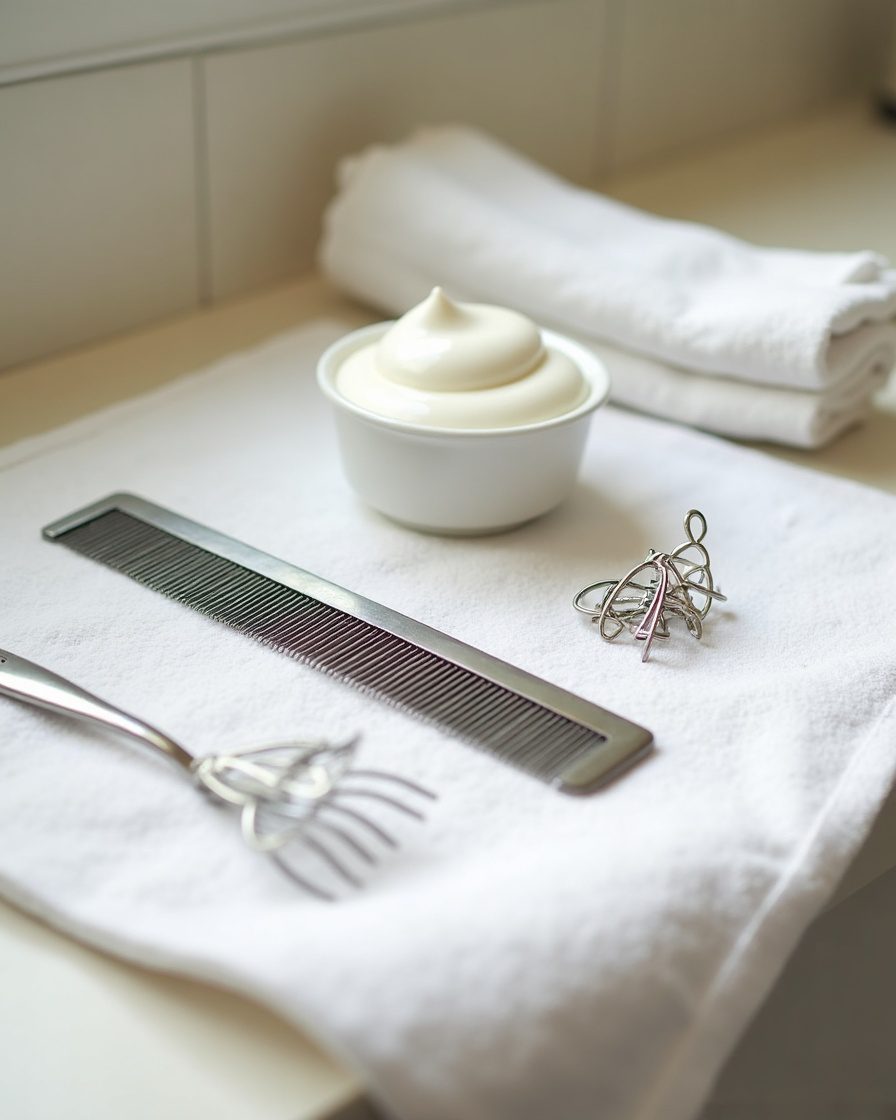
Here is the good news buried in all the debunking: there is a genuinely non-chemical method with real standing, and it is mechanical removal. Head lice cannot jump or fly, they only crawl, and every louse and nit is physically attached to hair you can reach. A fine-toothed comb, used systematically, removes them faster than they can replace themselves.
The method matters more than the tool’s branding. Comb damp hair worked through with ordinary conditioner or a little oil, in small clipped sections, from the scalp outward, wiping the comb on a paper towel after every pass. MedlinePlus notes that metal combs with very fine teeth are stronger and work better than plastic ones. Our guide to choosing a lice comb for nit removal covers what separates a comb that works from a toy.
The part families underestimate is the schedule. One heroic session does not finish the job, because eggs laid before you started keep hatching for days. The MedlinePlus head lice hub recommends repeating the combing every 2 to 3 days for 2 to 3 weeks, which outlasts the egg cycle and catches new nymphs before they mature. For the full session-by-session routine, see our complete head lice removal guide.
How the options compare
| Approach | Evidence it clears lice | The honest note |
|---|---|---|
| Wet combing with a fine-toothed metal comb | Recommended by public health sources | Works only if repeated every 2 to 3 days for 2 to 3 weeks |
| OTC pediculicides (permethrin 1%, pyrethrins) | Standard first-line treatment | Follow the label exactly; combing afterward is still essential |
| Mayonnaise, olive oil, coconut oil | No clear scientific evidence | Oil is fine as a comb lubricant, not as a treatment |
| Tea tree and other essential oils | Unproven; no quality oversight | No pediatric dosing standard; can irritate skin |
| Kerosene, gasoline, non-human pesticides | Never appropriate | Dangerous and flammable; do not use under any circumstances |
Where over-the-counter treatments fit
An honest comparison needs the benchmark. The standard first-line treatments are over-the-counter lotions and shampoos built on two active ingredient classes: permethrin 1% and pyrethrins. MedlinePlus notes that 1% permethrin products often work well when used as directed: applied to the hair and scalp, left on for the labeled contact time, then rinsed, with a repeat application if the label calls for one. The label is the whole instruction set; there are no extra doses or longer soaks worth improvising.
Two caveats keep this honest. First, these products do not reliably kill eggs, which is why every treatment, chemical or not, ends with a nit comb. Second, treatment failures happen: in some areas lice have become harder to kill with the usual over-the-counter ingredients, the phenomenon behind the “super lice” headlines, and our overview of super lice identification and treatment explains what that means for your family. If a correctly used OTC product plus scheduled combing still leaves live lice, stop repeating the same product; a clinician can prescribe a different treatment.
Cleaning the house without fumigating it
The natural-versus-chemical anxiety often peaks at the housekeeping stage, where families feel pressure to spray every couch cushion. The biology says otherwise: the University of Kentucky notes that adult lice deprived of blood meals die within 1 to 2 days, and the odds of picking lice up from pillowcases and bedding are extremely low. Your home is not infested. Your heads are.
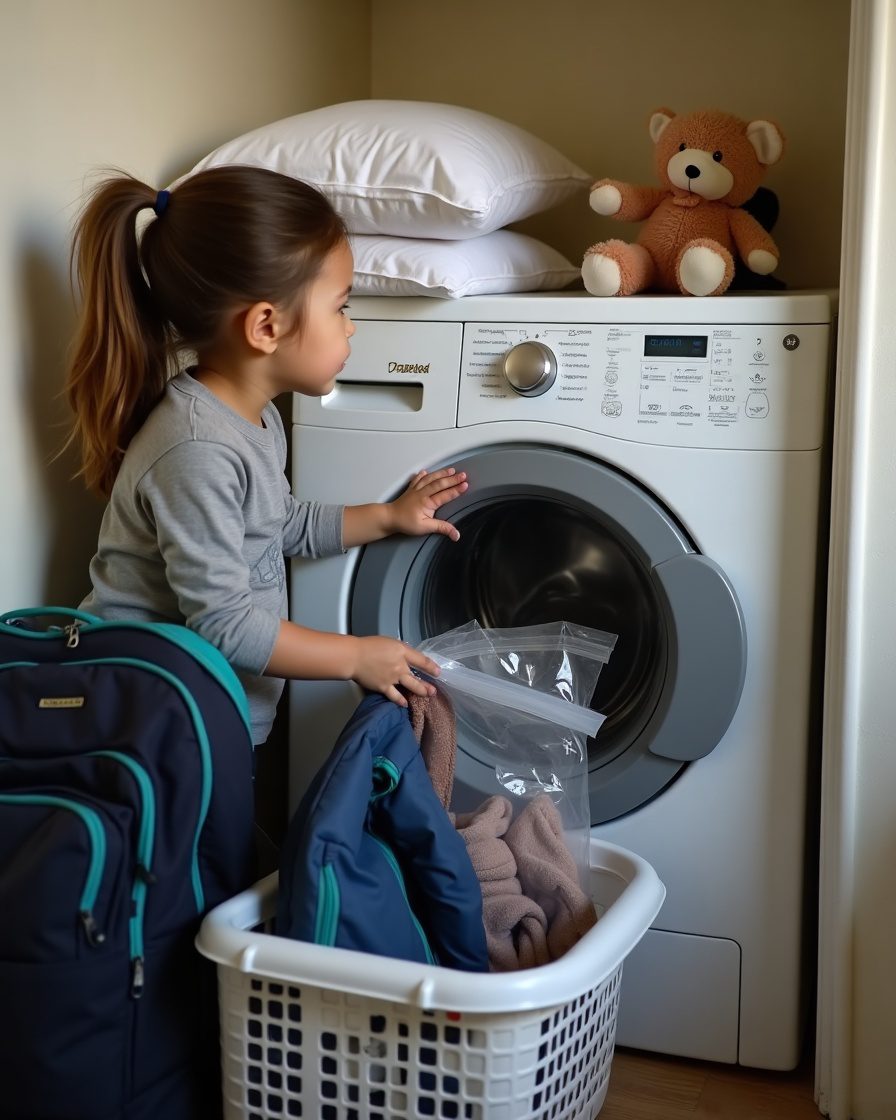
So the cleanup is a focused, one-time pass. Wash bedding, towels, and recently worn clothing in hot water and run them through a hot dryer cycle; anything unwashable, such as plush toys or headphones, goes into a sealed plastic bag for two weeks. Vacuum where heads rest, and skip household pesticide sprays entirely; extension guidance is clear they are not warranted for head lice. The full checklist lives in our guide to cleaning after lice. One clarification that spares panic laundering: lice that live in clothing seams are a different species entirely, body lice, managed mainly through bathing and hot-water laundering, and not what your child brought home from school.
Three myths that make outbreaks scarier than they are
Lice jump from head to head. They cannot jump or fly; crawling is their only gear. Spread requires close head-to-head contact, or, less often, shared hats, brushes, and hair accessories. Huddled play and sleepovers drive transmission; sitting in the same classroom does not.
The dog or cat brought them home. Head lice live only on humans. Animals cannot catch or pass them, so the family pet needs no treatment.
Lice mean a dirty house or dirty hair. Hygiene plays no role in who gets lice; clean hair is just as attractive to a louse as unwashed hair. Dropping the shame makes families faster to check, tell the school, and clear the problem. Our guide to preventing lice at school covers the habits that actually reduce spread.
When to bring in a clinician
Most infestations clear with combing, an over-the-counter product used per its label, or both. A few situations call for professional guidance instead of another home attempt. Talk to a clinician or pharmacist before treating a child under 2 years old, and, if you are pregnant or nursing, before using any pediculicide on yourself. See a clinician if lice persist after correct treatment and diligent combing, since a prescription option may be appropriate. And have any scalp with signs of infection looked at: spreading redness, warmth, pus, or swollen, tender nodes at the neck are a medical issue rather than a lice issue.
Common questions
Does tea tree oil kill head lice?
There is no solid evidence that it clears an infestation, public health guidance cautions against natural products that lack quality oversight, and it has no established safe dilution for children’s scalps. Combing and labeled OTC treatments are the evidence-backed routes.
Can I smother lice with coconut oil or mayonnaise overnight?
MedlinePlus states there is no clear scientific evidence that these remedies suffocate lice, and none of them touch the eggs. Families usually lose weeks to repeat applications while the infestation quietly continues.
What is the most effective natural treatment for lice?
Wet combing with a fine-toothed metal comb, repeated every 2 to 3 days for 2 to 3 weeks. It physically removes lice and nits faster than they can reproduce.
Do home remedies work on the nits?
No. Nits are glued to the hair shaft and are not affected by oils or coatings, and even medicated shampoos do not reliably kill them. Manual removal with a nit comb is what prevents the next hatch.
When should I stop treating at home and call a doctor?
If live lice persist after a correctly used OTC treatment and consistent combing, if the child is under 2, if you are pregnant or nursing, or if the scalp shows spreading redness, warmth, or pus. A clinician can prescribe alternatives and check for infection.
Final verdict
The natural lice remedy aisle is mostly a comfort purchase. Tea tree oil, coconut oil, olive oil, and mayonnaise all lack solid evidence, essential oils add a safety question nobody can answer from the bottle, and every coating-based remedy leaves the eggs untouched. The genuinely natural option that works is mechanical: a metal fine-toothed comb, damp conditioned hair, small sections, repeated every 2 to 3 days for 2 to 3 weeks. If you prefer a treatment product, permethrin 1% and pyrethrin formulas used exactly per their labels are the standard first line, with a clinician as the next step if they fail. Add one round of hot laundry and a two-week bag for the unwashables, skip the household sprays, and let the pets off the hook. Patience and a comb beat everything in the pantry.
This article is for information only and is not medical advice.