
Confirm a live, crawling louse before you treat anything, because nits alone are often leftovers of an infestation that is already gone. Then run two tools together: an over-the-counter treatment applied exactly per its label, and wet combing with a fine-tooth metal comb every two to three days for two to three weeks. The comb is the backbone.
- Confirm first: A moving louse on the comb means treat today; nits alone, especially far from the scalp, mean keep checking before you medicate.
- The schedule wins: Retreat on the label’s timing and comb on a calendar, because eggs the first round missed hatch about a week later.
- Call a clinician when: The child is under 2, you are pregnant or nursing, two correct rounds of treatment have failed, or the scalp shows spreading redness, warmth, pus, or fever.
Step 1: Confirm you are treating live lice, not old nits
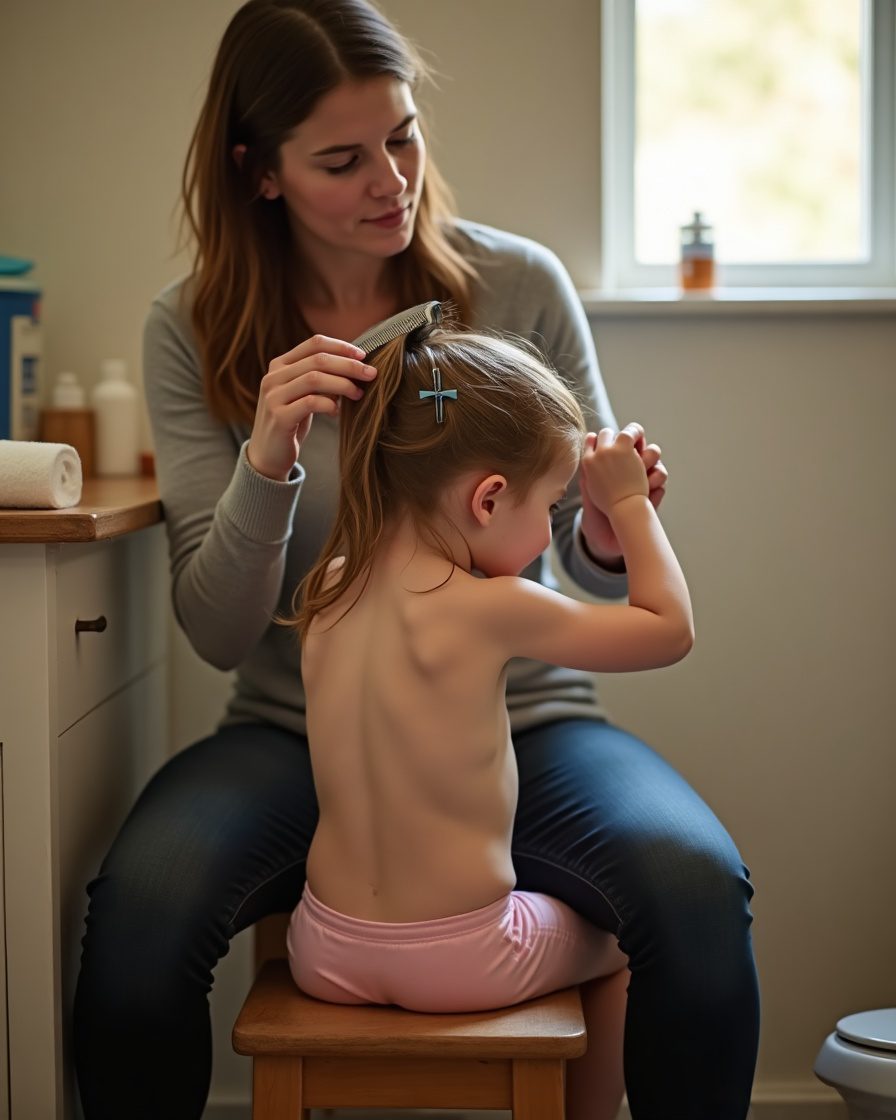
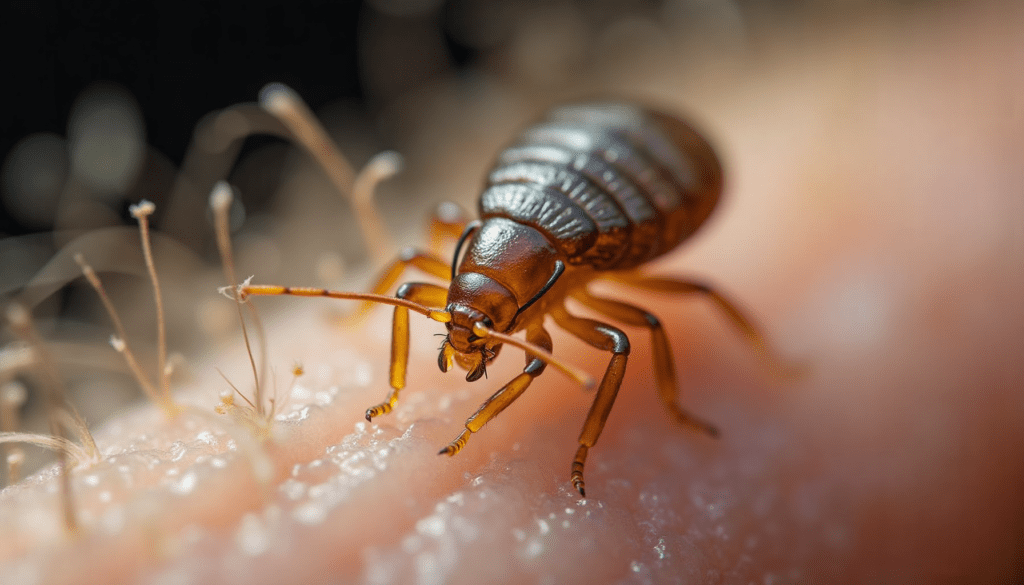
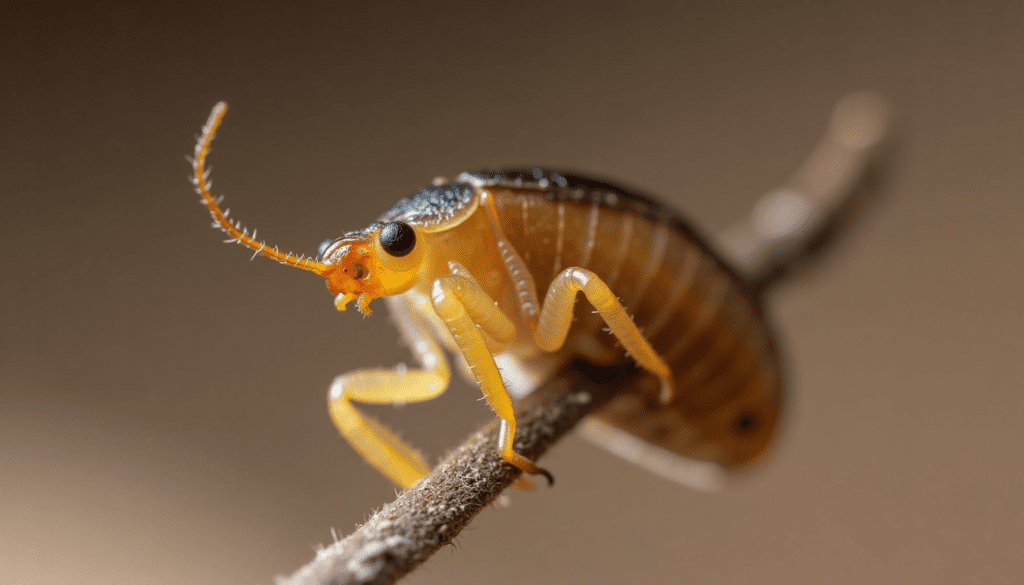
The most common lice mistake is treating a head with nothing alive on it. The proof of an active infestation is a live, moving louse, a sesame-seed-sized insect that crawls quickly away from light. MedlinePlus notes that a diagnosis usually comes from seeing a louse or nit with magnification and a fine-toothed comb, and in practice the comb finds what eyes miss.
Nits are a weaker signal than most parents assume. These are the eggs, glued to individual hair shafts, and the ones that matter sit close to the scalp where warmth incubates them. Nits stranded an inch or more down the shaft are usually old, empty casings carried outward as the hair grew. Plenty of debris masquerades as nits too; the tell is that a nit is glued on and will not flick away, while dandruff slides off at a touch.
The reliable confirmation method is a wet check. Wash the hair, load it with cheap conditioner, and pull a fine-tooth comb from roots to ends in small sections, wiping the comb on a white paper towel after each pass. Anything brown or gray that moves is your answer; our parent’s guide to checking for lice walks through the full technique. And one reassurance up front: clean hair gets lice just as easily as dirty hair. MedlinePlus is blunt that hygiene has nothing to do with getting head lice; this is about head-to-head contact at school, not your household.
The life cycle that sets your calendar
Every date in the protocol below comes from the insect’s biology. The University of Kentucky’s entomology fact sheet on head lice biology and control lays out the arc: the female glues eggs to hair shafts near the scalp, nymphs mature into adults about 7 days after molting, and adults live up to 30 days on a host, feeding on blood several times a day. Off the head, a louse cut off from its blood meals dies within 1 to 2 days, which is why heads, not houses, are the whole battlefield.
Two more facts from the same source clear the big myths. Head lice can only crawl; they cannot jump or fly, so transmission is overwhelmingly direct head-to-head contact, with shared combs, hats, and hair accessories a distant second and pillowcases rated an extremely low risk. And animals cannot spread head lice, so the family dog needs no treatment of any kind.
The practical consequence: treatment applied today kills crawling stages today, but the eggs laid just before it will hatch over the following week. That hatch window is why single-day cures are a myth: the calendar, not the product, clears an infestation.
Step 2: Pick a treatment class and obey the label
Over-the-counter lice treatments come in two main active-ingredient classes. The MedlinePlus encyclopedia entry on head lice describes the standard approach: lotions and shampoos containing 1% permethrin, applied to rinsed and towel-dried hair, left on for the labeled time, then rinsed out. Pyrethrins, the older botanical cousins usually paired with piperonyl butoxide, work similarly. This is deliberately generic: within a class, follow the label of the product in your hand for timing, amount, and age limits, and use one product at a time.
| Class | What it is | The rule that matters |
|---|---|---|
| Permethrin 1% | Synthetic pyrethroid lotion or creme rinse, the standard OTC first choice | Apply to damp, towel-dried hair; leave on only as long as the label says; retreat per label |
| Pyrethrins | Botanical extract shampoo, usually combined with piperonyl butoxide | Avoid with ragweed or chrysanthemum allergy; follow label timing exactly |
| Prescription options | Several exist for resistant or special cases | A clinician can prescribe one when OTC rounds fail; not a starting point |
Whichever class you use, know its limits. The Kentucky fact sheet is direct that louse shampoos typically do not kill nits, so the eggs must come out mechanically, which is why the next section is the backbone of this guide. And hold the line on home remedies: the same entomologists say not to coat hair in oil, mayonnaise, or petroleum jelly, because little scientific evidence supports smothering treatments. Tea tree and coconut oil sit in the same unproven bucket; our honest review of natural lice remedies goes through what the evidence shows.
Some situations skip the OTC aisle and start with a professional. Ask a clinician or pharmacist first for any child under 2, during pregnancy or nursing, and whenever the scalp is broken or infected from scratching.
Step 3: Wet combing, the mechanical backbone
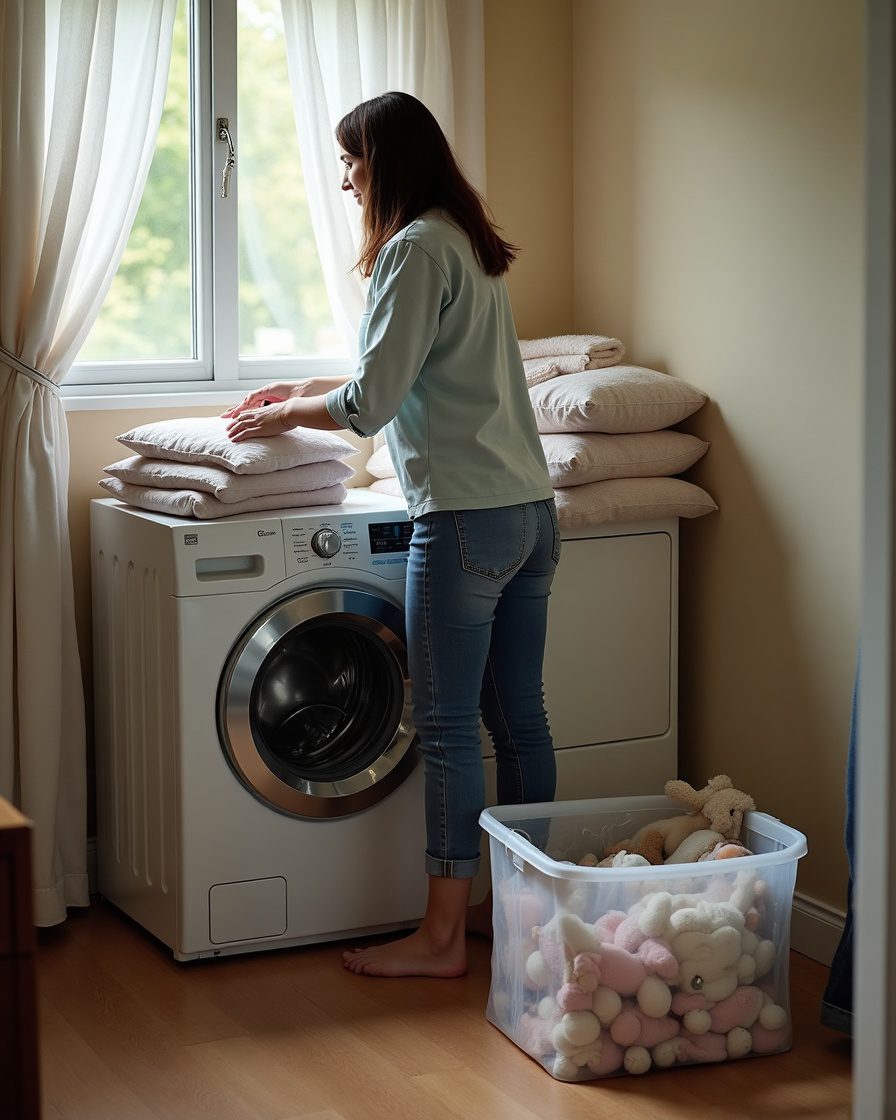
Wet combing physically removes lice and nits that no shampoo touches, works on every life stage, and doubles as your progress report. You need a fine-tooth metal nit comb, which the MedlinePlus encyclopedia recommends over plastic because the teeth are stronger; our roundup of the best lice combs explains what separates one that works from one that bends.
The technique: wash the hair, apply generous conditioner and leave it in, and detangle with a regular comb first. Then divide the hair into small sections and draw the nit comb from scalp to the end of each section, wiping it on a white paper towel between strokes so you can see what came out. Work under bright light, clip finished sections aside, and pay extra attention to the warm zones behind the ears and along the top of the neck, the most common egg sites per the encyclopedia. A thorough pass on shoulder-length hair takes 20 to 30 minutes; put on a show for the child.
The day-by-day schedule
MedlinePlus condenses the rhythm into one line: comb every 2 to 3 days for 2 to 3 weeks. Here it is as a fridge calendar, with day 1 the day you confirmed a live louse.
| Day | What to do |
|---|---|
| Day 1 | Confirm a live louse. Apply the OTC treatment per its label and wet-comb thoroughly. Check the scalp about 8 to 12 hours later; if lice are as active as before, call your clinician before treating again. Start the household steps below. |
| Days 3 to 4 | Wet-comb pass 2. Expect a few stragglers and newly hatched nymphs; that is normal, not failure. |
| Days 5 to 6 | Wet-comb pass 3. Finds should be shrinking noticeably. |
| Days 7 to 10 | Retreat if and when the product label calls for a second application, timed to catch the hatch from surviving eggs. Wet-comb the same day. |
| Days 12 to 17 | Keep combing every 2 to 3 days, hunting any late hatchling before it matures enough to lay. |
| Day 21 | Final check. Two clean sessions in a row with no live lice means you are done. |
The second application is the step families most often skip. Treatments hit crawling lice but spare some eggs, those eggs hatch across the following week, and the hatchlings need roughly another week to mature before they can lay. A correctly timed second round lands in that gap, ending the new generation before it restarts the cycle, which is why the label’s retreatment date is not a suggestion.
When treatment fails
Sometimes you run the protocol correctly and day 10 still turns up lively adults. Before assuming the worst, audit the basics: was the timing right, was the product left on for the full labeled time, and has there been fresh head-to-head contact with an untreated friend? Reinfestation and application errors explain most failures.
Genuine resistance is the remaining possibility. Lice populations in many areas have reduced sensitivity to the common OTC classes, the phenomenon behind the “super lice” headlines, and our guide to identifying and treating super lice covers how to tell resistance from user error. When OTC genuinely fails, the answer is not a third round of the same shampoo: double down on wet combing, which no louse can resist, and call your clinician, who can prescribe an alternative suited to your child’s age. The MedlinePlus encyclopedia gives the same instruction: if active lice persist after treatment, contact your provider before treating again.
One more reason to loop in a clinician: scratched scalps can break and get infected. Spreading redness, warmth, pus, crusting, or fever are signs to have the scalp looked at promptly rather than treated at home. This article is information, not medical advice, and those symptoms are where a professional takes over.

Step 4: Coordinate the household on day one
The day you confirm one infested head, check every head in the house with the same wet-comb method and treat, on the same day, only the people with live lice. Treating proven cases together stops the family from reinfesting each other in relay; treating “just in case” heads adds chemical exposure for nothing.
The cleaning list is shorter than the internet suggests, because away from a scalp a louse starves within a day or two. Focus on items that touched heads in the previous 48 hours. Wash bedding, hats, and recently worn clothing in hot water, the Kentucky entomologists suggest hot soapy water around 150°F, and run a high-heat dryer cycle of at least 20 minutes. Soak combs and brushes in hot water for 5 to 10 minutes. Seal what cannot be washed in a plastic bag for two weeks, and vacuum sofas, car seats, and pillows. That is the entire job; house-wide insecticide sprays are unnecessary. Our checklist for cleaning the house after lice sorts every item into wash, bag, or ignore.
One boundary case: if you find insects in clothing seams rather than on the scalp, it is likely a different pest entirely; MedlinePlus describes how body lice live in the seams and folds of clothing and are handled mainly through laundering. Going forward, the habits that lower repeat risk are behavioral: avoiding head-to-head contact during play and keeping hats, helmets, and brushes personal. Our school-season lice prevention guide turns that into routines that survive a real school week.
Common questions
Can head lice jump from head to head?
No. Head lice can only crawl; they cannot jump or fly. Nearly all transmission is direct head-to-head contact, which is why elementary schoolers get lice most often. Shared combs, hats, and hair ties are a possible but much less common route.
Did our child get lice from the dog or cat?
No. Head lice are strict human parasites, and animals cannot spread them. Pets need no treatment and no special shampoo; every hour spent on the dog is an hour not spent combing the actual host.
Do I need to treat the whole family?
Check everyone, treat only confirmed cases. Wet-comb every household member the day you find lice, and treat all confirmed cases the same day so they cannot pass lice back and forth. Preventive treatment of lice-free heads is not recommended.
Do mayonnaise, tea tree oil, or coconut oil work?
The evidence is not there. University entomologists advise against coating hair with oil, mayonnaise, or petroleum jelly, because little scientific evidence supports smothering, and the same holds for essential oils per independent testing and extension guidance. Wet combing plus a labeled treatment is the proven pairing.
How long after treatment is my child not contagious?
Once a labeled treatment has been correctly applied and wet combing finds no live lice, the practical risk to others is low. Keep combing through the full 2 to 3 weeks, since a missed egg can hatch late, and follow your school’s return policy.
Final verdict
Head lice removal is a three-week calendar, not a one-night product. Confirm a live louse before treating, because nits alone often mark an infestation that is already over. Choose a treatment by its active ingredient class, permethrin 1% or pyrethrins, and follow its label to the letter, including the second application that catches the hatchlings the first round missed. Between treatments, let the comb do the real work every 2 to 3 days until you have had two clean sessions in a row. Check the whole household on day one, wash and bag what touched heads in the last two days, and skip the sprays and kitchen-cabinet remedies. Bring in a clinician for babies under 2, pregnancy, a scalp that looks infected, or lice that shrug off two correct rounds. Calm, combing, and the calendar beat lice every time.
This article is for information only and is not medical advice.
Pingback: Cleaning After Lice: Laundry, Bedding, and What to Skip