Almost all school lice cases spread through direct head-to-head contact, because lice can only crawl. They cannot jump, fly, or survive long off a scalp. Prevention that works targets that one route.
- What helps most: Teaching kids to keep heads apart during play and shared screens, plus tying long hair up on school days.
- What matters less: Hats and helmets are a possible but minor route; bedding is a very unlikely one.
- The habit that catches cases early: A quick weekly comb-check at home, stepped up to every 2 to 3 days during a class outbreak.

The one route that actually matters
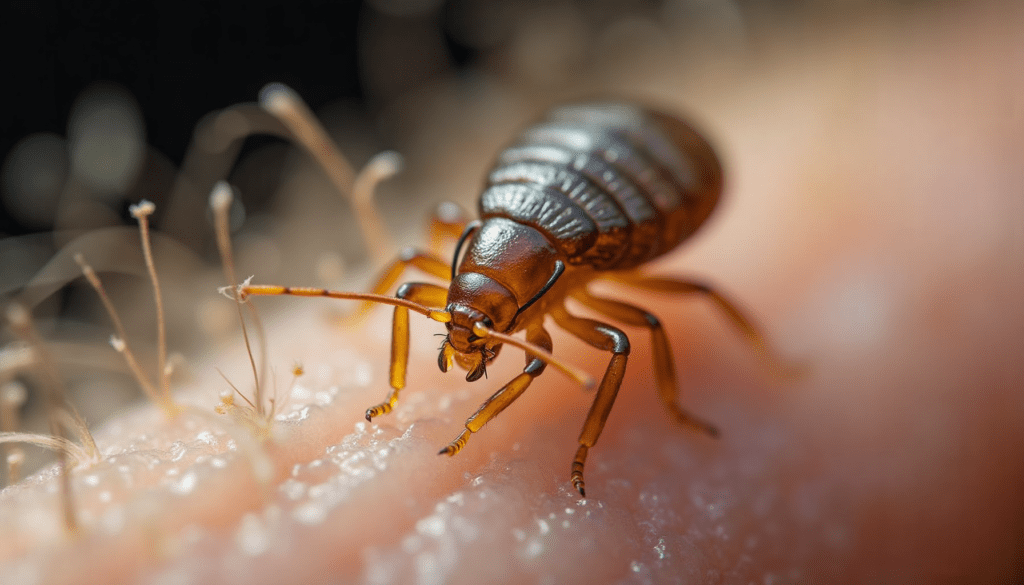
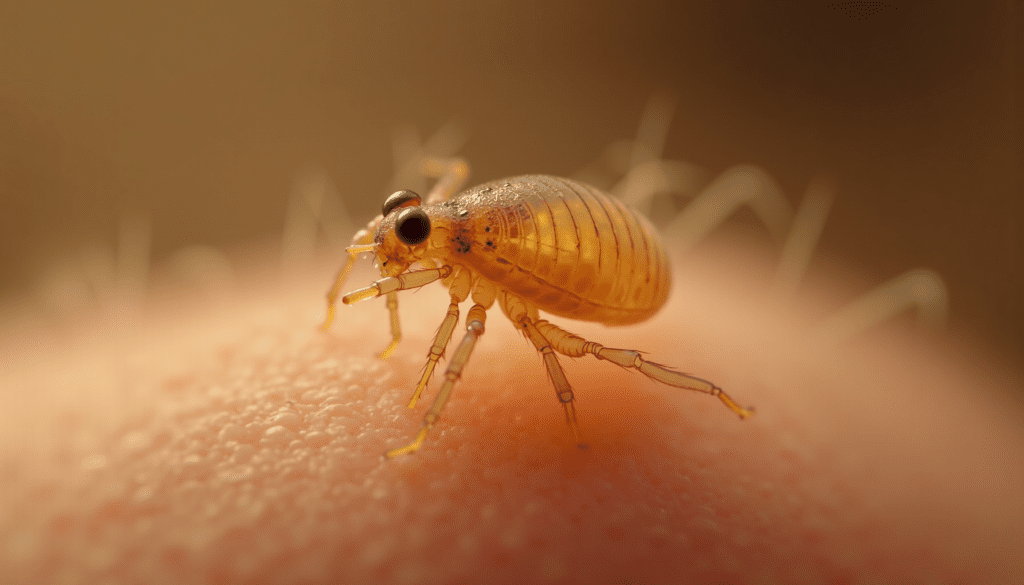
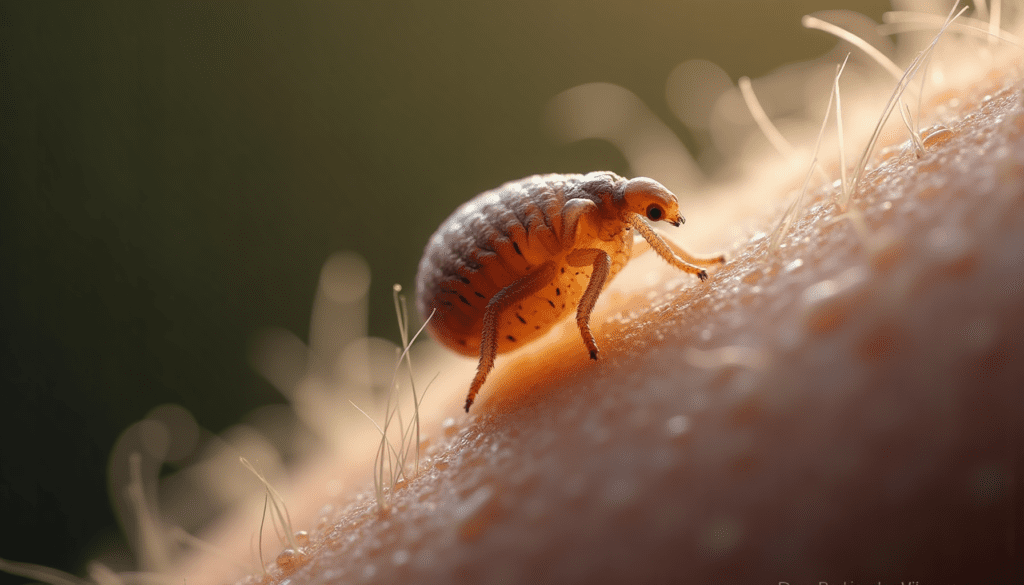
Every September the same email goes out: a case of head lice in your child’s class. Before you strip the beds and boil the hats, it helps to know how lice actually travel, because the biology is far more limited than the panic suggests. A head louse is a wingless insect about the size of a sesame seed that lives its whole life on a human scalp. The University of Kentucky’s entomology fact sheet on head lice biology and transmission is blunt about its limits: lice can only crawl. They cannot jump or fly, and away from a scalp an adult louse dies within about 1 to 2 days because it needs frequent blood meals.
That is why the dominant route, by a wide margin, is direct head-to-head contact. Kids aged roughly 3 to 11 get lice most often for a simple mechanical reason: they play with their heads touching. Huddling over a tablet, whispering at the reading rug, sharing a bunk at a sleepover. A louse walks from one head to the other across touching hair, and that is the whole transmission event. MedlinePlus adds two facts every parent should hold onto: personal hygiene and cleanliness have nothing to do with getting head lice, and pets play no role at all. Clean hair gets lice exactly as easily as unwashed hair, the family dog cannot catch or carry them, and head lice do not transmit disease.
It is also worth separating head lice from their reputation. The louse of hygiene lore is the body louse, a different species that lives in clothing seams rather than on the scalp and genuinely is linked to infrequent washing. MedlinePlus keeps a separate page on body lice and how they differ from head lice, and the distinction matters at school: a child with head lice is not a hygiene problem.
Hats, helmets, and hair ties: the honest risk ranking
Shared objects are where school lice policy and actual lice biology drift apart. Transmission through a shared comb, hat, or hair accessory is possible, and the Kentucky fact sheet lists those items as secondary routes, but the same sources rank them well below head-to-head contact, and MedlinePlus describes spread through shared hats and brushes as rare. The reason is the crawl-only, dies-quickly biology above: a louse on a hat has left its food supply, and most lice found on objects are already weakened or dying. The ranking below reflects what the sources actually support, not what school newsletters imply.
| Route | How likely, per the sources | Sensible response |
|---|---|---|
| Head-to-head contact | The primary route; drives nearly all cases | This is where prevention effort belongs |
| Shared combs and brushes | Possible but secondary; combs carry hair and can carry lice | Each child uses their own; do not share |
| Hats, helmets, hair ties | Possible but uncommon | Own hooks and own helmets; no need for fear |
| Pillowcases and bedding | Described as extremely low probability | Normal laundry during an active case; no ritual cleaning |
| Pets | Zero; animals cannot spread head lice | Leave the dog out of it entirely |
So the honest guidance on gear is proportional: give each child their own brush, hat, and helmet as a low-cost habit, and then stop worrying about the coat rack.
What actually lowers the odds during the school year
Since head-to-head contact is the route, prevention is behavioral, and it is mostly about hair and habits rather than products.
Put long hair up. A braid, bun, or ponytail on school days shrinks the amount of loose hair available to bridge the gap between two touching heads. It is the easiest physical measure for long-haired kids, and it costs nothing.
Teach the head-gap habit without shame. Kids do not need to fear their friends. They need one concrete instruction: keep your head off other people’s heads. That covers selfie huddles, screen sharing, reading-rug pileups, and hug-heavy goodbyes. MedlinePlus frames teaching children to avoid head-to-head play and shared headwear as the core of prevention, and it works because it targets the actual route.
Keep personal items personal. Own comb, own brush, own hat, own helmet, own hair ties. This closes the secondary routes cheaply.
Be realistic about prevention sprays. Shelves fill with “lice defense” sprays every August, yet none of the public health and entomology sources this article draws on list any spray as a proven way to prevent head lice at school. A spray should never replace the two things that demonstrably matter: reducing head-to-head contact and checking regularly. The same honesty applies to home standbys like tea tree oil, coconut oil, and mayonnaise, which lack solid evidence per the medical sources; MedlinePlus specifically warns against home remedies of this kind, and kerosene-type folk treatments are outright dangerous. We break down the evidence in our review of natural lice remedies like tea tree and coconut oil.
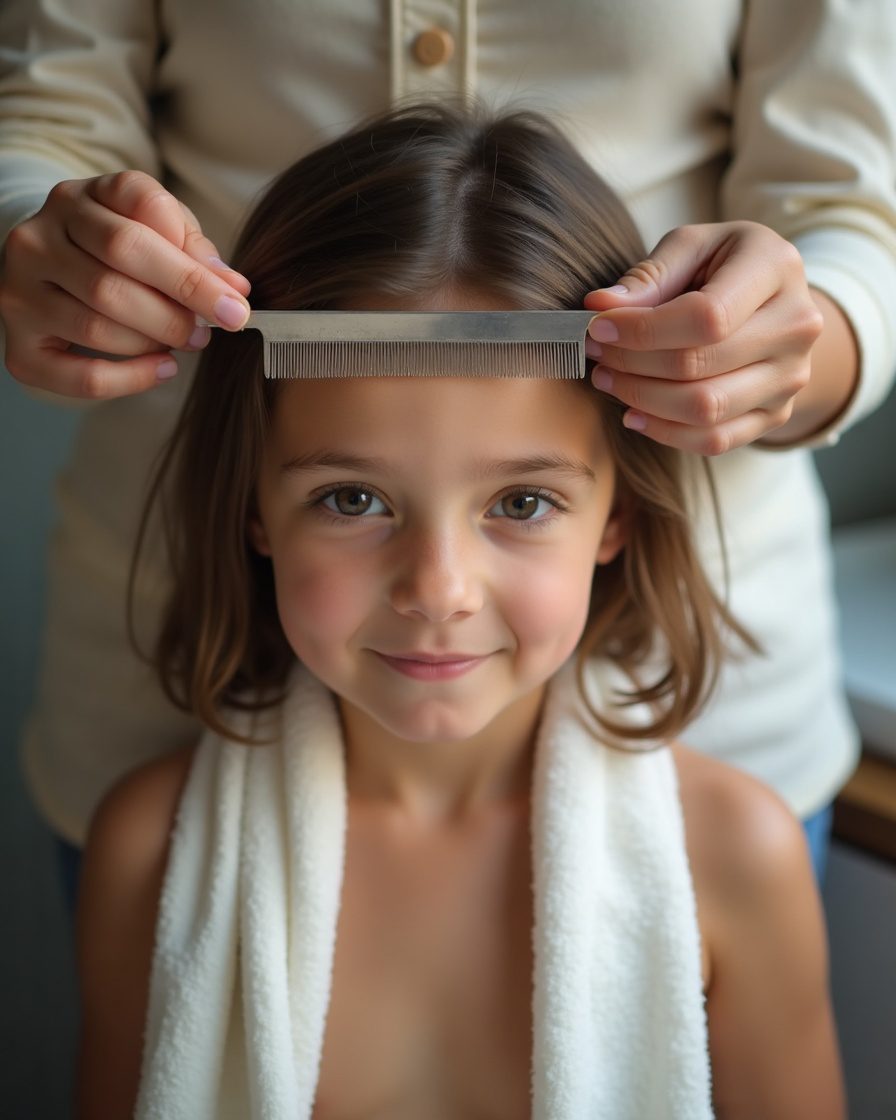
Screening at home: how often, and how to do it fast
The second pillar of prevention is early detection, because a case caught at two lice is a completely different week than a case caught at two hundred. Head lice are one of the few “mystery itch” causes a parent can confirm at home with their own eyes. Kentucky’s guide to working out the cause of unexplained bites and itching makes the broader point that you should confirm a pest before treating for one, and lice are diagnosable by close inspection.
A workable cadence: a quick check once a week during normal school weeks, perhaps on hair-wash night, stepped up to every 2 to 3 days for a couple of weeks when the school reports an active case, the rhythm MedlinePlus recommends when lice are a live concern. The check itself: bright light, hair parted in small sections down to the scalp, and special attention behind the ears and along the top of the neck, which the MedlinePlus encyclopedia identifies as the most common locations for eggs. A fine-toothed metal comb beats fingers and beats plastic. You are looking for moving lice and for nits, the tiny eggs glued firmly to hair shafts near the scalp. Our step-by-step guide on how to check a child for lice walks through the routine in ten minutes.
One caution that saves a lot of false alarms: most white specks in hair are not nits. Dandruff, hair casts, and product residue slide freely along the hair, while a nit is cemented in place and hard to get off. If you can flick it away, it is almost certainly not an egg. Our comparison of lice versus dandruff shows how to tell them apart before you treat anything.
What no-nit policies get wrong
Many schools still enforce some version of a no-nit rule: a child may not return until every last egg casing is gone from their hair. The intent is understandable; the biology, per the sources above, does not support the strictness. Transmission requires a live louse making head-to-head contact, and lice separated from a scalp die within a day or two. Nits are glued to individual hair shafts and do not transfer between children; an empty casing left after treatment is debris, not a threat. A properly treated child whose parents keep combing over the following days poses very little risk to classmates, even with a few casings still visible.
That said, your school’s rule is your school’s rule. The practical move is not to argue biology at the front office but to treat promptly, comb thoroughly, and know your district’s return policy before you need it. Our explainer on the head lice life cycle from egg to adult covers why eggs near the scalp matter more than casings far from it.

If lice show up anyway: the first 48 hours
No prevention routine gets the odds to zero, because you cannot supervise every reading-rug huddle. When a check turns up live lice, the response is calm and mechanical.
Confirm first. A moving louse, or nits cemented close to the scalp, is confirmation. White specks alone are not.
Treat per the label. The over-the-counter options are pediculicide shampoos and lotions built on two active ingredient classes, permethrin 1% and pyrethrins. They kill crawling lice but not eggs, so labels build in a second application, typically 7 to 10 days later, to catch newly hatched nymphs. Use one product at a time, follow the label exactly, and do not improvise stronger or longer applications. This article discusses ingredient classes, not brands; the label on whatever you buy is the instruction that counts.
Comb, comb, comb. Mechanical removal with a fine-toothed metal nit comb is the backbone of getting clear, precisely because the chemicals spare the eggs. Comb damp, sectioned hair every 2 to 3 days for 2 to 3 weeks, and check the whole household, since close contacts commonly share cases. Our full head lice removal guide covers the sequence day by day.
Clean proportionately. Wash recently used bedding, hats, and clothing in hot water with a high-heat dryer cycle, soak combs in hot water, and vacuum where heads rest. Then stop. Lice off the head die fast, so whole-house fumigation and bagging every stuffed animal for weeks are rituals, not requirements.
Know the clinician triggers. Some situations belong with a professional rather than a shelf product: children under 2, treatment during pregnancy or breastfeeding, scalps with open sores or signs of infection such as spreading redness, crusting, warmth, or fever, and any case where two correct label applications have failed. Failure after doing everything right can reflect resistance to pyrethroid products, which extension and public health guidance acknowledge in some areas; the answer is a clinician or pharmacist, who can advise on prescription options, not a third round of the same shampoo. Our guide to so-called super lice and treatment resistance explains what resistance does and does not mean.
Common questions
Can my child get lice from a school coat hook or shared cubby?
Possible in principle, unlikely in practice. Lice crawl and die within a day or two off a scalp, and nearly all cases spread through direct head-to-head contact, so separate hooks and unshared hats are a reasonable habit, not an emergency measure.
Does clean hair protect against lice?
No. Hygiene is irrelevant, and clean hair gets lice just as easily. Long loose hair simply bridges the gap between heads more easily, which is why tying it up on school days helps.
Do lice prevention sprays work?
The public health and entomology sources this article relies on do not list any spray as proven prevention. Treat sprays as optional extras at best, never as a substitute for keeping heads apart and regular comb-checks.
How often should I check my child during a classroom outbreak?
Move from a weekly habit to a check every 2 to 3 days while cases are active, and keep it up for 2 to 3 weeks, using bright light, small hair sections, and a fine metal comb.
My child was treated but still has nits. Are they contagious?
Nits are glued to hair and do not crawl to other children; spread requires a live louse and head contact. Keep combing the casings out every few days, and follow your school’s return policy.
When should I call a doctor instead of using a drugstore product?
For children under 2, during pregnancy, when the scalp shows signs of infection such as spreading redness, crusting, or fever, or when two label-correct treatment rounds have failed. A clinician can prescribe alternatives; do not escalate doses on your own.
Final verdict
Preventing lice at school comes down to one route and two habits. The route is head-to-head contact, because lice can only crawl and die quickly off a scalp; hats and helmets are minor players, bedding barely registers, and pets are irrelevant. The first habit is reducing contact: hair tied up, heads apart during play and screen huddles, personal brushes and helmets for each child. The second is detection: a quick weekly comb-check, tightened to every 2 to 3 days during an outbreak. If lice arrive anyway, treat with a permethrin or pyrethrin product exactly per its label, lean on the nit comb as the real workhorse, wash recent-contact items on high heat, and loop in a clinician for babies, pregnancy, infected scalps, or repeated failures. No shame, no fumigation, no panic. Lice are a nuisance with a very narrow playbook, and a family that knows the playbook stays ahead of it.
This article is for information only and is not medical advice.