nnn
n
The reliable way to check for lice is a wet-comb check: wet the hair, coat it with plain white conditioner, comb from scalp to tip with a fine-tooth lice comb, and wipe the comb on a white paper towel after every stroke. What comes off the comb tells you the answer in about ten minutes.
n
- n
- Where to focus: The nape of the neck and behind the ears, the two spots where lice and their eggs concentrate.
- What counts: A live crawling louse confirms an active case. A tan, sand-grain-sized egg glued firmly near the scalp is a strong sign. Flakes that slide off freely are usually dandruff.
- Keep checking: During a classroom outbreak, re-check every 2 to 3 days. One clean check is a snapshot, not an all-clear for the season.
n
n
n
n
nn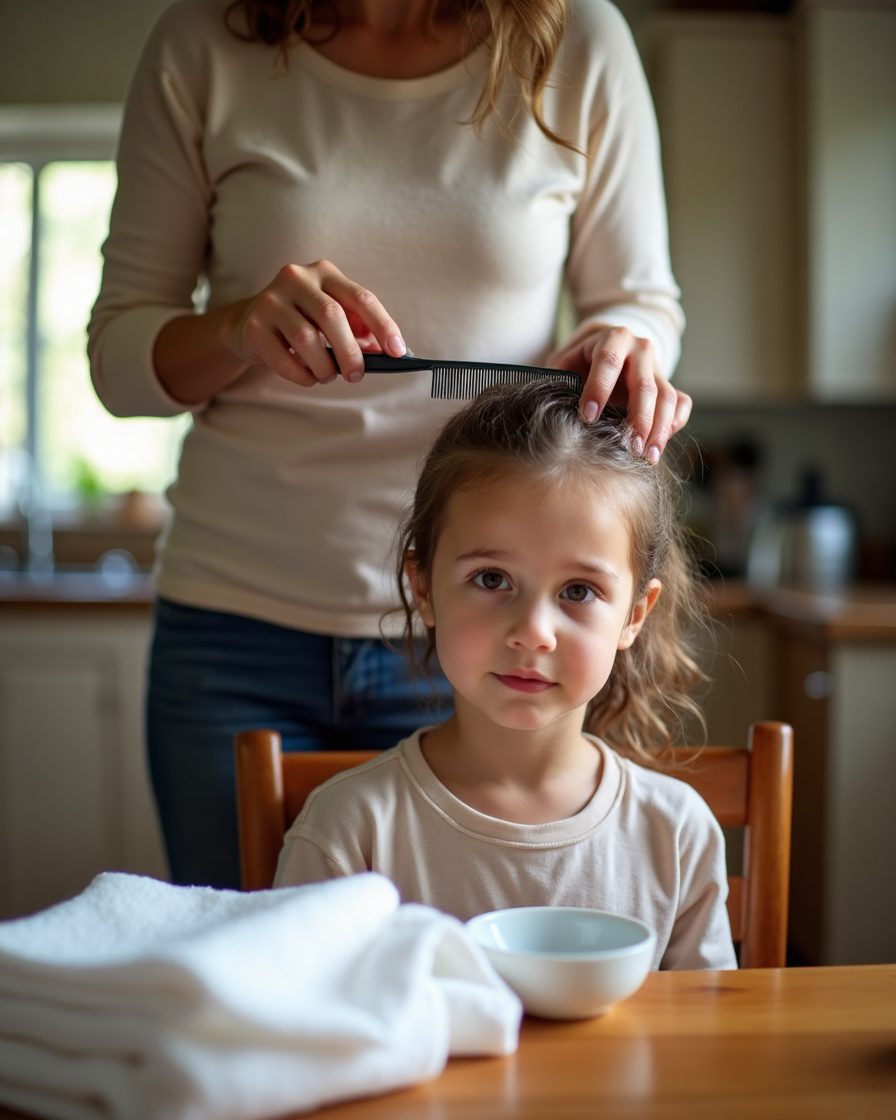 nn
nn
Why the wet-comb check beats staring at the scalp
nn
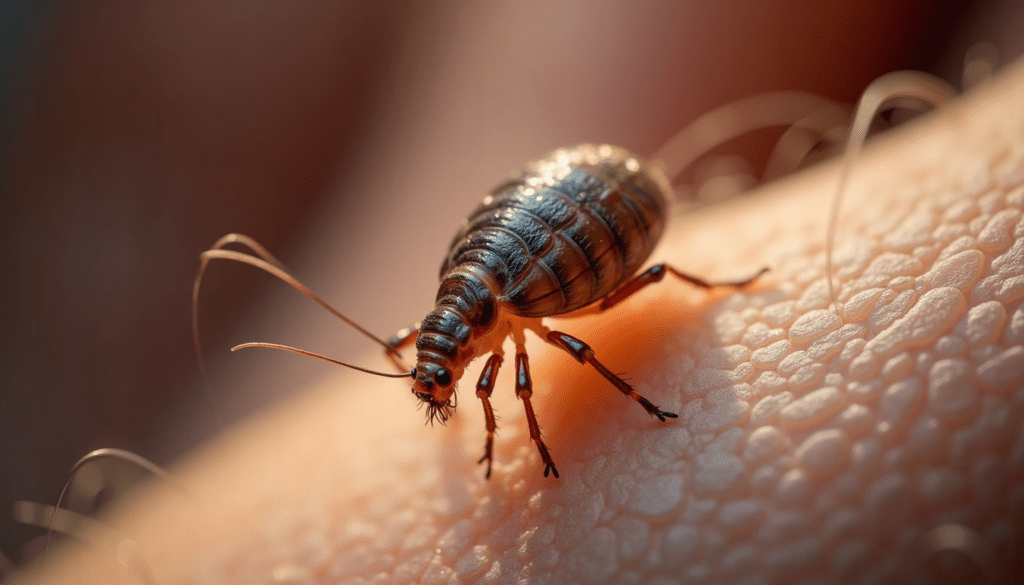
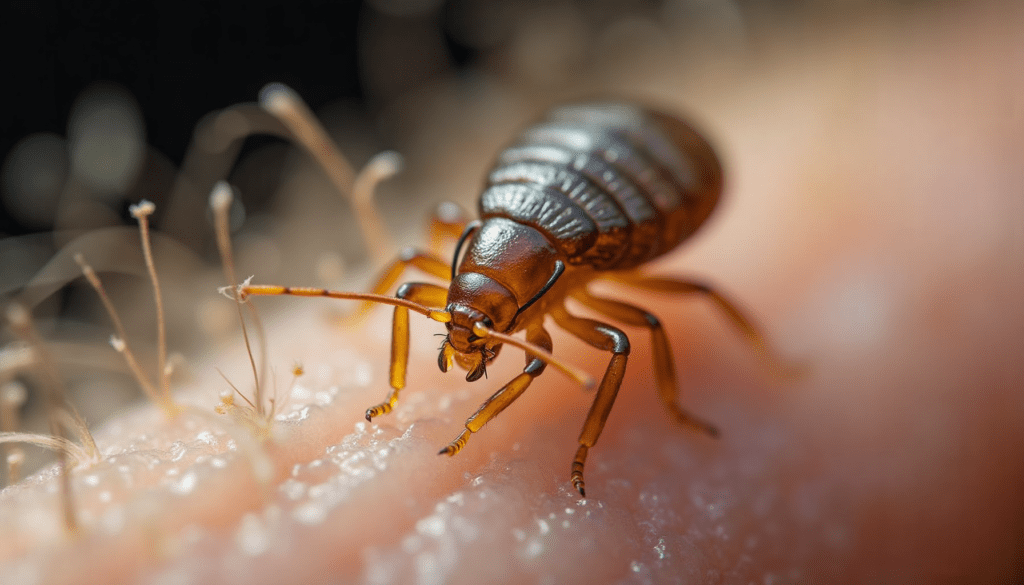
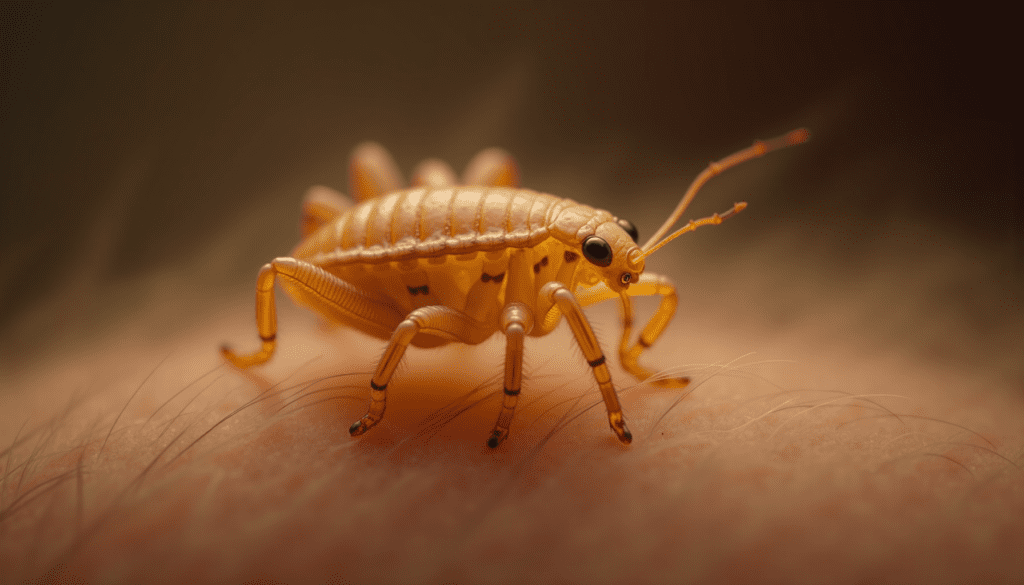
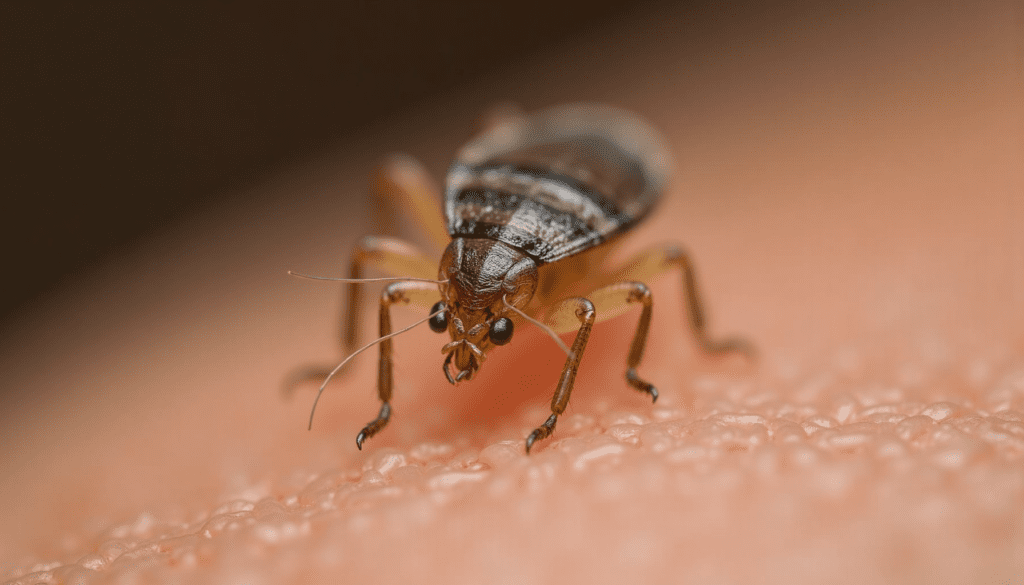
The note from school says lice are going around, and the instinct is to pull your child under a lamp and start hunting. The trouble is that an adult head louse is only about an eighth of an inch long, roughly a sesame seed, tan to grayish, and quick to move away from light and fingers. Dry-scalp inspections miss early cases all the time.
nn
Wet combing changes the odds. Water and a thick coat of conditioner slow the lice down and make the hair easy to comb in smooth strokes, and the fine teeth of a lice comb physically drag out anything sitting on the hair shafts, including insects your eyes would never catch. The MedlinePlus encyclopedia’s checking guidance is to part the hair all the way down to the scalp in very small sections under bright light, and the comb-plus-paper-towel method is simply the most practical way for a parent to do that thoroughly. You are not diagnosing anything by feel or by itch. You are collecting physical evidence on a white background where it is easy to read.
nn
What you need before you start
nn
Everything on the list is cheap, and you probably own most of it already.
nn
You need a fine-tooth lice comb, ideally metal with long, closely spaced teeth, since the gap between ordinary comb teeth is wide enough for lice and eggs to slip through. Our guide to lice combs and nit removal explains what separates a comb that works from a novelty. You also need plain white or light-colored conditioner, a roll of white paper towels, a few hair clips for sectioning, a towel for the shoulders, and the brightest light in the house, daylight by a window is ideal. A magnifying glass helps if your eyes want backup, and MedlinePlus notes that spotting lice may take a magnifying lens and a fine-toothed comb, because the insects are small and quick.
nn
Set your child up with a screen or a book. The check takes about ten minutes on short hair, a few more on long, thick hair, and a bored, wiggling child is the main reason checks get cut short.
nn
The 10-minute method, step by step
nn
Work through it in order and resist the urge to skip the wiping step, because the paper towel is where you actually see the results.
nn
1. Wet the hair thoroughly. Damp is not enough; you want it soaked, since the water is part of what slows lice down.
nn
2. Load the hair with conditioner. Coat it root to tip so the comb glides. White conditioner doubles as a contrast background against tan insects.
nn
3. Detangle with a regular comb first. A lice comb dragged through knots hurts, and a crying child ends the check early.
nn
4. Section the hair with clips. Divide the head into four to six sections so you can work systematically instead of randomly.
nn
5. Comb from the scalp outward. Seat the teeth against the scalp and pull through to the very tip of the hair in one stroke. Lice feed at the scalp, so a stroke that starts mid-shaft misses the zone that matters.
nn
6. Wipe the comb on white paper towel after every stroke. Look at what came off before the next stroke. This is the whole test.
nn
7. Work every section, spending extra time at the nape and behind the ears. Overlap your strokes so no strip of scalp goes uncombed.
nn
8. Rinse and note what you found. If the towel stayed clean through the whole head, that is a genuine negative check for today.
nn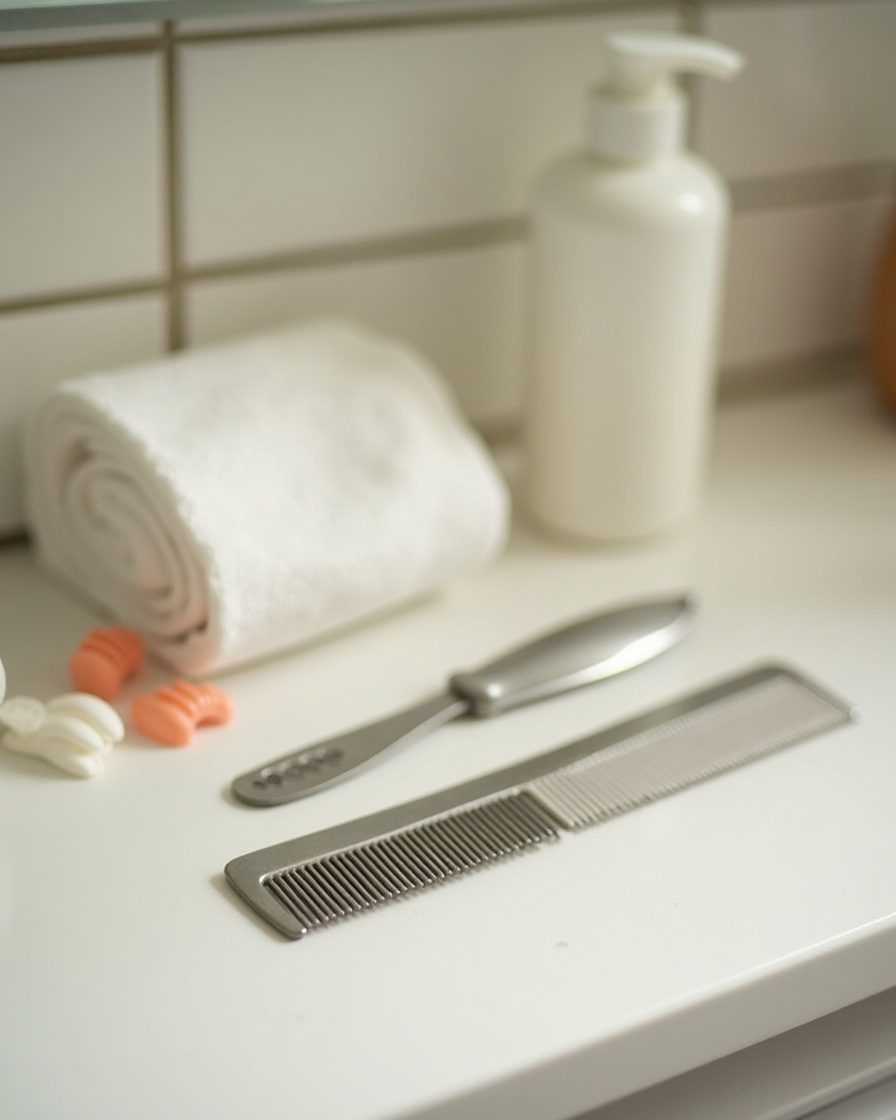 nn
nn
Where lice actually concentrate
nn
Lice are not distributed evenly across the head. They favor the warm, sheltered zones, which is why the nape of the neck and the skin behind the ears deserve double coverage during your check. MedlinePlus flags the top of the neck and around the ears as the most common locations for eggs, and in practice most confirmed cases show themselves there first.
nn
It also helps to know how lice move. The University of Kentucky’s entomology fact sheet is clear that head lice can only crawl and are unable to jump or fly. They pass between children almost entirely through direct head-to-head contact, the kind that happens constantly at recess, during sleepovers, and over shared screens. Shared hats, combs, and hair accessories are a distant second route, and off a human head a louse dies within a day or two. Two more myths can go in the bin: pets do not carry or spread head lice, and clean hair offers zero protection, since MedlinePlus states plainly that personal hygiene and cleanliness have nothing to do with getting head lice. A lice check is not a verdict on your housekeeping.
nn
Live louse, nit, or everyday debris: reading the paper towel
nn
The towel collects conditioner, loose hairs, and specks. Here is how to sort them.
nn
| What you see | What it looks like | What it means |
|---|---|---|
| Live adult louse | Tan to grayish, sesame-seed size, six legs, crawls on the towel | Confirmed active case; plan treatment today |
| Nymph (young louse) | Same shape, much smaller, still moves | Confirmed active case, and a recent one |
| Nit (egg) | Tan, oval, about the size of a grain of sand, was glued firmly to a hair near the scalp | Strong sign of a case; keep combing and checking |
| Dandruff flake | White, flat, irregular, slides or flicks off the hair easily | Not lice |
| Hair cast or product residue | Whitish sleeve or blob that moves along the hair shaft when pushed | Not lice |
nn
The single most useful test is the tug test. Nits are cemented to the hair shaft and stay put when you flick them; MedlinePlus describes them as specks that stay in place and are hard to get off. Dandruff, lint, and shampoo residue slide freely. The University of Kentucky sheet notes nits are routinely mistaken for dandruff or shampoo residue, and if that distinction is the exact thing you are squinting at, our side-by-side guide to telling lice from dandruff goes deeper with the visual differences.
Where why a nit is not a diagnosis is the actual question, our guide to bugs that look like lice answers it.
nn
A live louse outranks everything else on the towel. Eggs alone, especially only a few and none of them close to the scalp, mean it is worth combing carefully again in a day or two rather than declaring an emergency tonight.
nn
How often to re-check, and what a clean check really means
nn
A clean check is good news about today. It is not a force field. If lice are circulating in the classroom, your child can be exposed tomorrow, and a very new case with one or two insects can slip past even a careful comb-through. That is why the working rhythm during an outbreak is a wet-comb check every 2 to 3 days until the classroom notices stop, which matches the combing cadence MedlinePlus recommends after treatment, repeated over 2 to 3 weeks. The University of Kentucky sheet also suggests periodic hair inspections through the back-to-school window of August to November, when cases peak.
nn
The timing logic comes straight from the louse’s biology. Eggs hatch in about a week, and young lice need roughly another week to mature before they can lay eggs of their own. A check every few days lands inside that window, so a case that started yesterday gets caught while it is still a handful of insects instead of an established colony. Our walkthrough of the head lice life cycle lays out the full egg, nymph, and adult timeline if you want the why behind the schedule.
nn
One more boundary worth knowing: an itchy child with a repeatedly clean scalp check is telling you something. Itching can come from dry skin, eczema, or other causes, and a different species, the body louse, lives in the seams and folds of clothing rather than on the scalp, though it is uncommon in children whose clothes are washed regularly. If the scalp keeps coming up clean but the scratching continues for more than a week or two, or you see sores, a clinician can sort out the cause.
nn nn
nn
If the check turns up lice
nn
Take a breath first. Head lice do not spread disease, and finding them means your child played with other children, nothing more. The plan has two arms that work together.
nn
The first arm is an over-the-counter treatment. The standard options are products based on permethrin 1% or pyrethrins, applied to the scalp and hair exactly as the label directs, with timing, rinsing, and any repeat application taken straight from the package rather than from a forum. MedlinePlus describes the typical sequence: apply per the label, re-check the head in 8 to 12 hours, and expect a second application in 7 to 10 days to catch lice that hatch from eggs the first round did not kill.
nn
The second arm is the comb, and it is not optional. Lice shampoos are generally weak against eggs, so combing is the mechanical backbone of getting clear: the same wet-comb method you used to find the lice, repeated every 2 to 3 days for 2 to 3 weeks, physically removes nits and any newly hatched insects. Our full head lice removal guide walks the combined protocol day by day, and a modest cleanup, hot-water washing of bedding and recent clothing plus bagging what cannot be washed, is covered in our guide to cleaning after lice. Skip the kitchen remedies: MedlinePlus notes there is no clear scientific evidence that lice can be suffocated by home remedies like mayonnaise or oils.
nn
Bring in a clinician or pharmacist instead of going it alone in a few specific situations: a child under 2, a parent who is pregnant or nursing, a scalp that looks infected with redness, tenderness, or oozing, or live lice still crawling after two label-correct treatment rounds. That last one can signal resistant lice, the so-called super lice, and our guide to identifying and treating super lice explains what resistance does and does not mean. A clinician can prescribe alternatives when over-the-counter options have genuinely failed.
nn
Common questions
nn
Can lice jump from one head to another?
n
No. Head lice have no wings and cannot jump; they crawl, and they spread almost entirely through direct head-to-head contact. Sleepovers and huddled play move lice around a classroom faster than any hat rack does.
nn
Do I need to check the whole family?
n
Yes. Check every household member with the same wet-comb method, since families commonly share cases, and children ages 3 to 11 are the most frequent starting point. Treat the people with evidence on the comb, and keep re-checking the rest every few days.
nn
My child keeps scratching but every check is clean. Now what?
n
Trust the comb over the itch. Re-check in 2 to 3 days in case the case was too new to catch, and consider other explanations such as dry skin. Persistent scratching with sores or redness is a reason to see a clinician.
nn
Are nits alone proof of an active case?
n
They are strong evidence but not the whole story. Eggs glued near the scalp, especially many of them, usually mean an active case. A live crawling louse settles the question. Either way, the response is the same: start the comb-and-treat protocol and re-check on schedule.
nn
Could the lice have come from our dog or cat?
n
No. Head lice live only on human heads, animals neither catch nor spread them, and a louse separated from a person dies within a day or two. Your pet needs no treatment.
nn
The bottom line
nn
Checking for lice is a skill, and it is a ten-minute one: soak the hair, coat it in white conditioner, comb from the scalp out with a fine-tooth lice comb, and read the paper towel after every stroke, spending extra time at the nape and behind the ears. A live louse means you treat today with a label-directed permethrin 1% or pyrethrins product and lean on the comb as the backbone of removal. A firmly glued nit near the scalp means you comb and re-check. Loose flakes mean dandruff, not drama. And a clean check means today is clear, so during an outbreak you simply run it again in 2 to 3 days. Calm, repeated checking catches cases early, keeps treatment short, and gets everyone back to worrying about ordinary school things.
nnThis article is for information only and is not medical advice.n