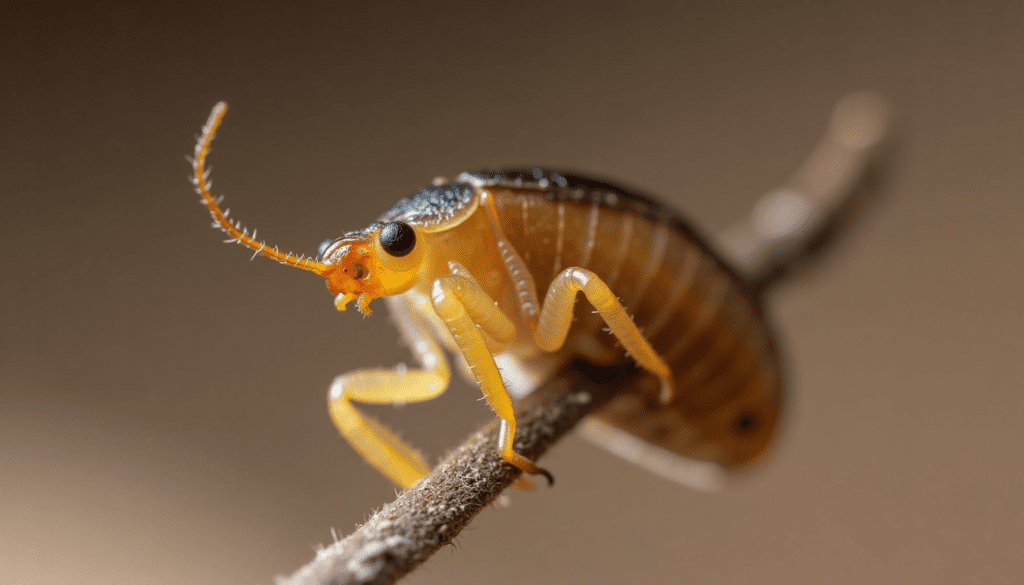
Head lice and body lice are two different insects with two different addresses. Head lice live on the scalp and glue their eggs to hair, so treatment targets the head. Body lice live in the seams of clothing and only visit the skin to feed, so treatment targets the laundry. Confusing the two sends you after the wrong fix.
- Head lice: Treat the scalp with a label-directed over-the-counter pediculicide such as permethrin 1% or a pyrethrin product, and comb out nits with a fine-toothed comb.
- Body lice: Bathe, change into clean clothes, and wash all clothing and bedding in hot water of at least 130°F with a hot dryer cycle; medication is often not needed at all.
- Call a clinician: For children under 2, during pregnancy, when a correctly used treatment fails, or when scratched skin looks infected with spreading redness, warmth, pus, or fever.
Back-to-school season is when most parents meet the word “lice,” usually in a note sent home from a classroom. Almost always, that note means head lice. Body lice are a different insect with a different way of life, and mixing the two up leads to real mistakes: boiling a wardrobe over a scalp problem, or shampooing a scalp when the actual infestation is folded into a shirt seam. As always, this is information, not a diagnosis; a clinician or pharmacist is the right call for anything uncertain.
Two species, two addresses
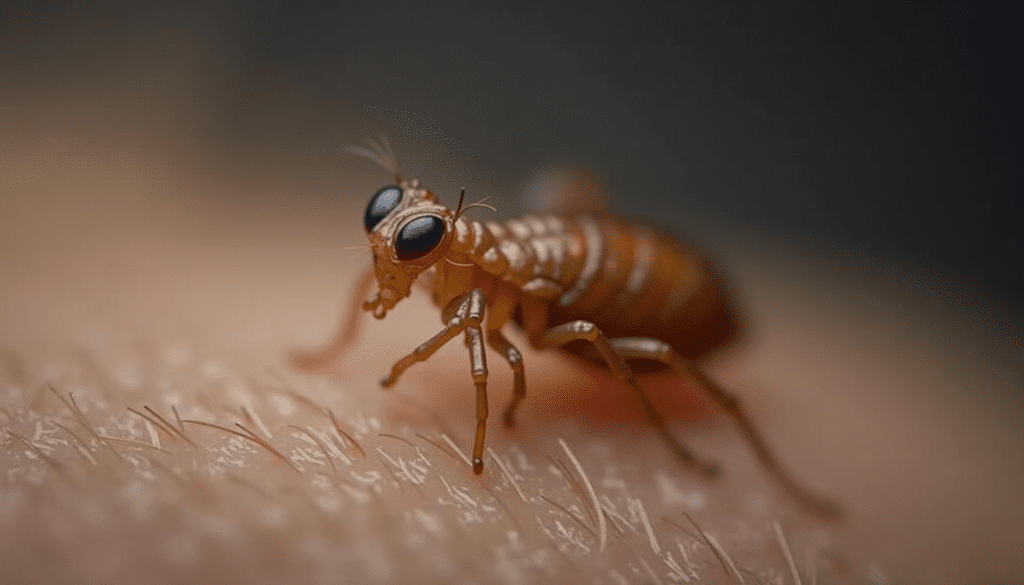
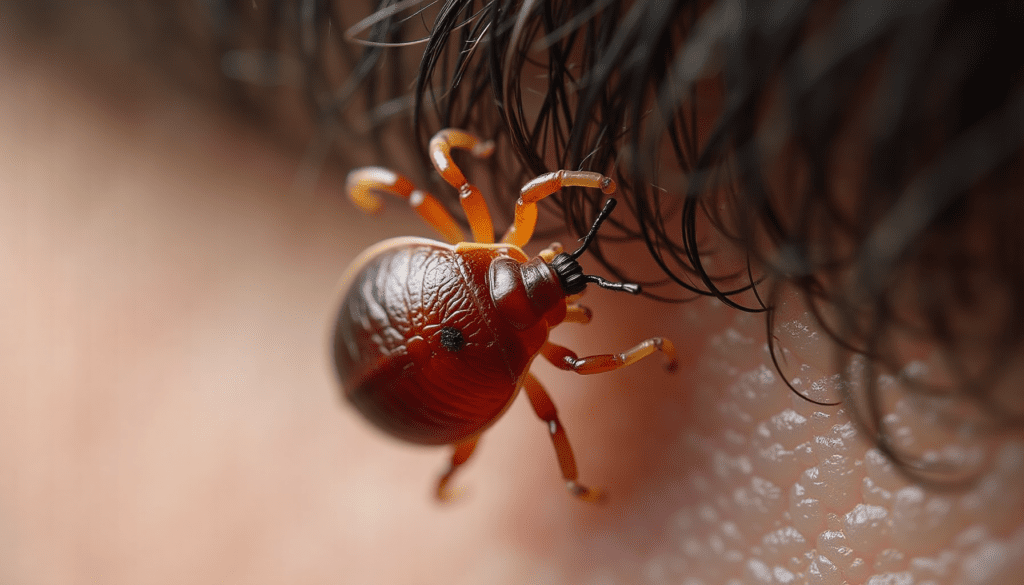
Human lice come in three kinds: head lice, body lice, and pubic lice. All three are small, wingless, bloodsucking insects, and none of them can jump or fly. The University of Kentucky’s entomology fact sheet describes head lice as sesame-seed-sized insects that crawl only and live on the hair of the head and neck. They spend their whole lives on a person, glue their eggs, called nits, to hair shafts close to the scalp, and die within 1 to 2 days if they fall off and cannot feed.
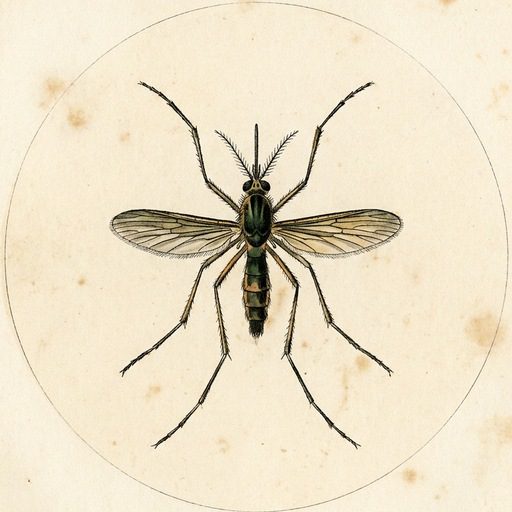
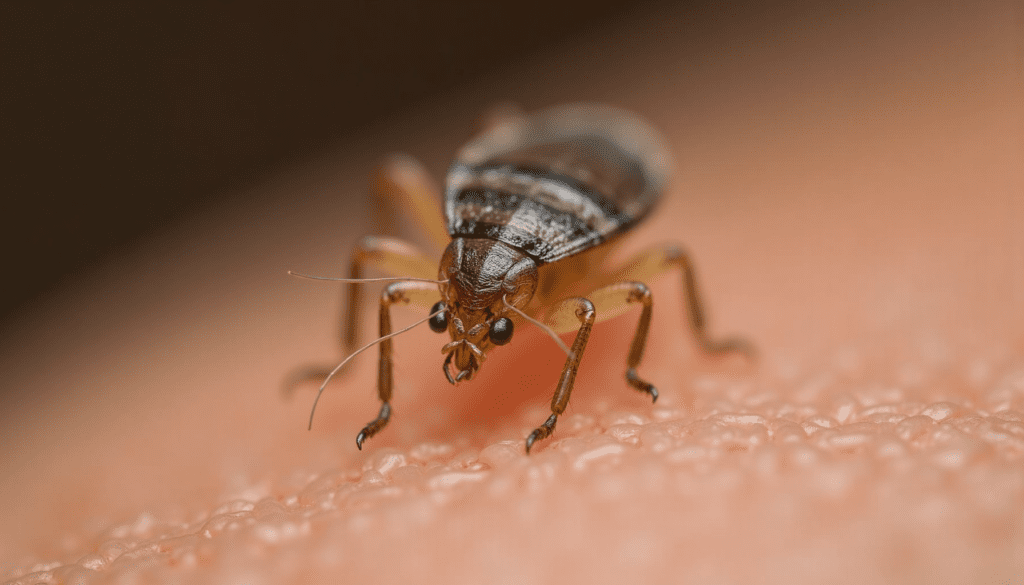
Body lice look nearly identical, tan to grayish white with six legs, but their address is completely different. According to the MedlinePlus encyclopedia, body lice live in the seams and folds of clothing, laying their eggs there rather than on hair, and crawling onto the skin only when they need a blood meal. Tucked into fabric, they can survive up to a month; away from clothing and a host, they die within days.
That single difference in address drives everything else: how each louse spreads, what symptoms look like, and which treatment works. The third species, the pubic louse, is its own topic with its own transmission route; the MedlinePlus overview of pubic lice covers it, and it is not what a school note is about.
How each one spreads
Head lice move by direct head-to-head contact, which is why elementary schoolers are the classic hosts: kids play with their heads together. Sharing combs, brushes, hats, and hair accessories can pass them along too, though far less often, and the odds of picking up head lice from a pillowcase or a couch are very low because a louse off the head is a louse running out of time. Two myths are worth retiring on the spot. First, lice cannot jump from head to head across a classroom; they can only crawl. Second, pets play no role; dogs and cats do not carry or spread human head lice.
One more myth causes needless shame: clean hair gets head lice just as easily as unwashed hair. MedlinePlus states plainly that having head lice says nothing about a family’s hygiene. A louse wants a warm scalp and blood, and freshly shampooed hair supplies both.
Body lice spread differently, through prolonged close contact with an infested person or through shared clothing, towels, and bedding. Because they depend on clothing, body lice show up where people cannot regularly wash their clothes or change into clean ones: crowded shelters, displacement, disaster conditions, or homelessness. That is an access problem, not a character problem. A person with reliable laundry access essentially never sustains a body lice infestation, which is exactly why the fix runs through the washing machine.
The disease question, answered honestly
Here the two species truly part ways. Head lice, for all the misery and lost sleep they cause, are not dangerous. The MedlinePlus head lice hub is unambiguous that head lice do not spread disease. The itching comes from a reaction to louse saliva, and the main medical risk is a skin infection from scratching, not the insect itself.
Body lice carry a heavier history. They are the species behind grim epidemics of past centuries in crowded wartime and refugee conditions, and MedlinePlus notes they can still, rarely, transmit trench fever. For a family dealing with a school note, this history is context, not a personal threat, but it explains why public health takes body lice seriously in shelters and crisis settings, and why the two species should never be casually lumped together.
| Question | Head lice | Body lice |
|---|---|---|
| Where they live | On the scalp and hair of the head and neck | In the seams and folds of clothing |
| Where the eggs are | Glued to hair shafts near the scalp | In clothing seams, sometimes body hair near the waist and armpits |
| How they spread | Head-to-head contact; shared combs, brushes, hats | Prolonged contact; shared clothing, towels, bedding |
| Who gets them | Mostly children 3 to 11 and their families, any hygiene level | People without regular access to laundry and clean clothes |
| Disease risk | None; do not spread disease | Rarely can transmit disease such as trench fever |
| Core treatment | Treat the scalp, comb out nits | Bathe, change clothes, hot-wash and hot-dry everything |
Treating head lice: the scalp is the target
Head lice treatment has two pillars, and both matter. The first is an over-the-counter pediculicide applied to the hair exactly as the label directs. The standard first-line options are lotions and shampoos containing permethrin 1% or pyrethrins, applied to the hair, left on for the time the label specifies, and rinsed out. Follow the label on timing and repeat application; most regimens call for a second treatment about 7 to 10 days after the first, because these products are much better at killing crawling lice than eggs, and the second round catches nymphs that hatched in between.
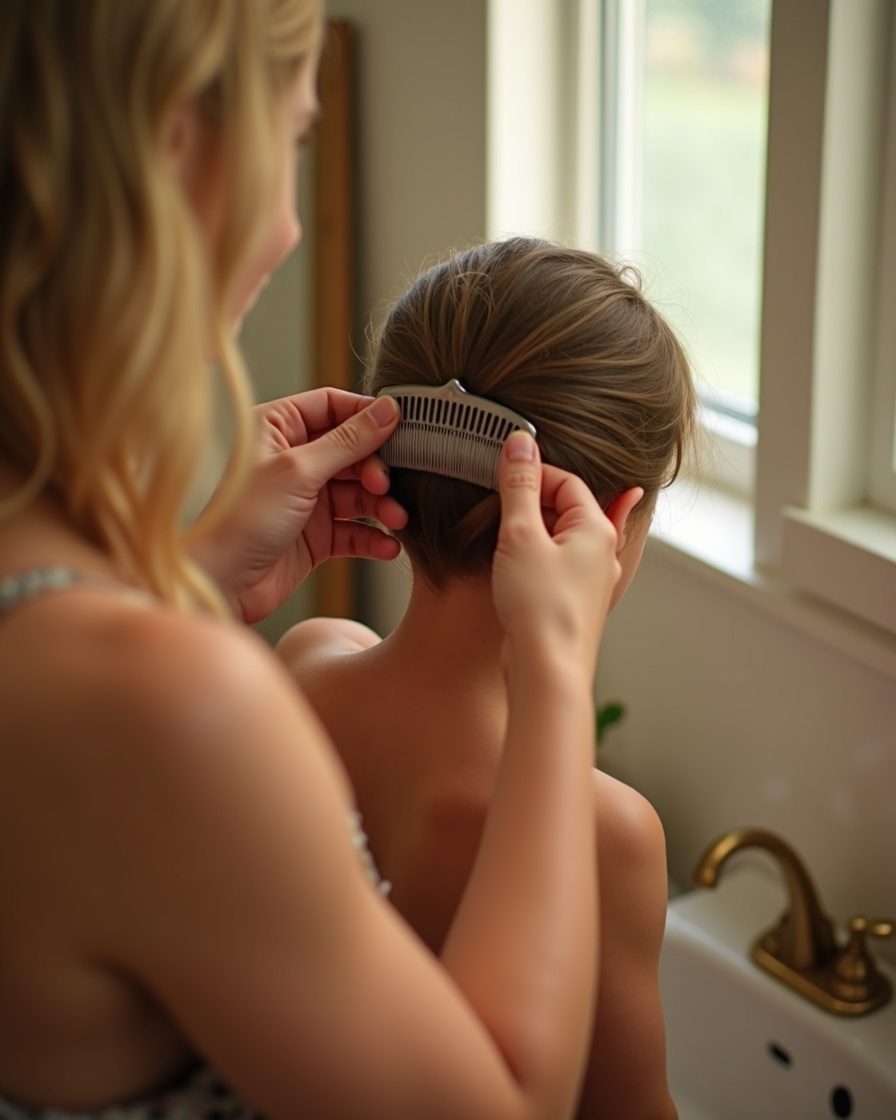
The second pillar is mechanical, and it is the one families skip: combing. Because the shampoo largely spares the nits, a fine-toothed metal lice comb drawn through damp hair, section by small section, is what actually clears the eggs and any survivors. Combing every 2 to 3 days for 2 to 3 weeks after treatment is the unglamorous backbone of getting rid of lice for good. Our step-by-step head lice removal guide walks the full routine, and if you are still at the “is this even lice?” stage, start with our parents’ guide to checking for lice. Nits are commonly mistaken for dandruff; the giveaway is that dandruff flakes off while a nit stays cemented to the hair shaft, a distinction our lice vs dandruff comparison covers in detail.
Two honest cautions. Home remedies, including mayonnaise, olive oil, coconut oil, tea tree oil, and petroleum jelly, lack solid evidence, and the University of Kentucky’s guidance explicitly advises against smothering attempts with oils or mayonnaise. They cost you treatment time while the lice keep feeding. And if a correctly applied, correctly repeated treatment still leaves live lice, do not keep re-dosing the same product. Treatment failures happen, sometimes because of gaps in application, sometimes because some louse populations have grown harder to kill with standard products, the situation behind the “super lice” headlines. Our guide to identifying and handling super lice covers what that does and does not mean. In a genuine failure, a clinician can prescribe alternative treatments; that conversation, along with any treatment decision for a child under 2 or during pregnancy, belongs with a professional rather than a label.
Household cleaning for head lice is real but modest: wash the recent bedding, hats, and hair tools in hot water with a hot dryer cycle, and remember that the head, not the house, is where the battle is won. Our guide on cleaning after lice keeps that effort proportional.
Treating body lice: the washing machine is the medicine
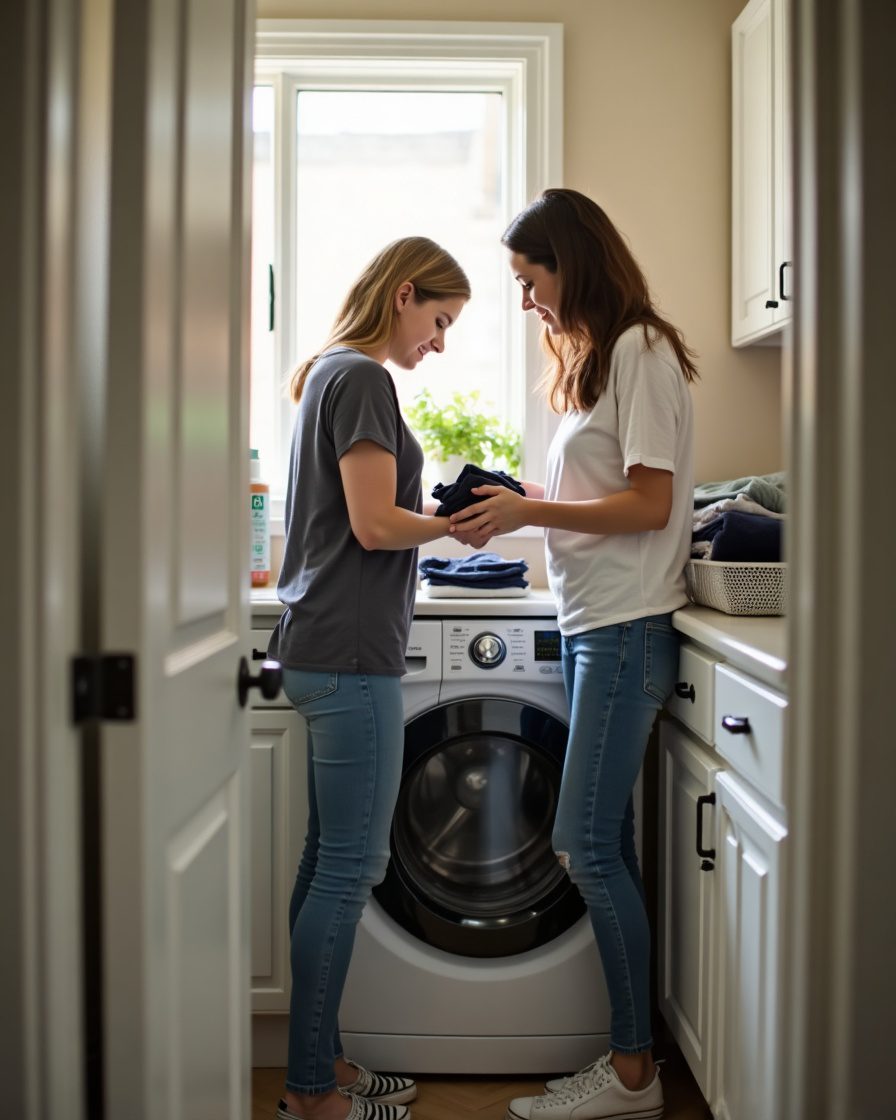
Body lice treatment looks almost nothing like head lice treatment, because the infestation is in the wardrobe, not on the person. The core protocol per MedlinePlus is disarmingly simple: bathe regularly, change into clean clothing, and launder all worn clothing, towels, and bedding in hot water of at least 130°F (54°C), followed by a hot dryer cycle. Kill the lice and eggs in the fabric and the infestation collapses, because the insects have nowhere to live and nowhere to breed. Items that cannot be hot-washed can be dry-cleaned or sealed away long enough for the lice to die off the host.
A pediculicide applied to the body is sometimes added, but it is the supporting act, not the cure, and it is a clinician’s call. For heavier infestations a clinician can prescribe treatment; the same follow-the-label rule applies to any product used. What never works is treating the skin while returning to infested clothing, which simply restocks the problem. If the itching has led to broken skin, watch it the same way you would any scratch: spreading redness, warmth, pus, or fever means a clinician should look at it.
Symptoms sit in different places too. Body lice bites concentrate where seams press against skin, around the waist, under the arms, and wherever clothing fits tightly, and long-standing infestation can leave skin thickened or darkened there. Head lice itching lives on the scalp, the neck, and behind the ears. When in doubt, look for the evidence in the right place: nits on hair shafts near the scalp for head lice, insects and eggs in clothing seams for body lice.
What this means for a school-age family
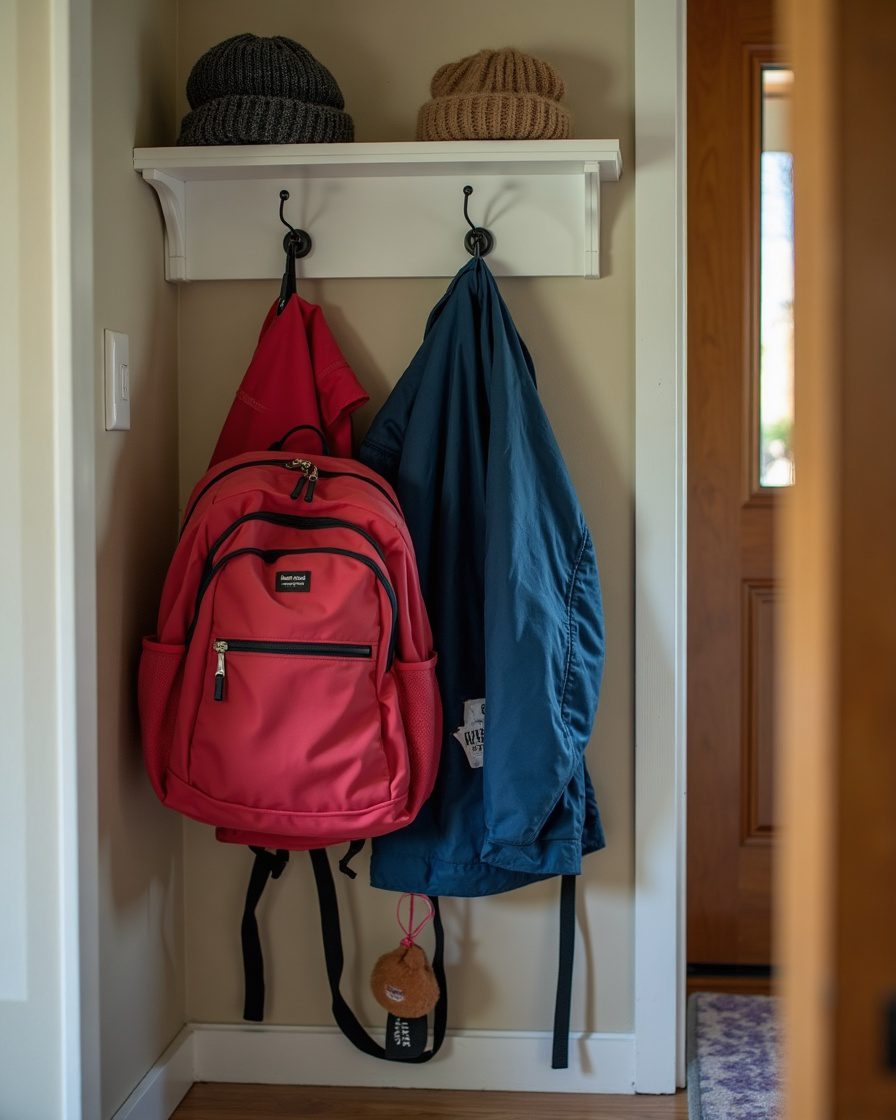
For the worried parent holding a classroom note, the practical summary is reassuring. The lice in question are head lice, they carry no disease, they say nothing about your housekeeping, and they are handled with a drugstore product plus patient combing. Check every household member’s scalp, treat the ones with live lice, and run one focused load of laundry. The highest-value habits are the simple ones: heads apart, hats and brushes not shared, and coats on separate hooks. Our school-year lice prevention guide for parents collects those habits in one place.
Body lice almost never belong in that picture. If you have regular laundry access and a child with an itchy scalp, you are dealing with head lice, and the clothing-boiling marathon some older relatives remember is a fix for a different insect in a different situation.
Common questions
Can head lice turn into body lice?
No. They are separate species with separate habitats, and one does not become the other. Head lice stay on the head and glue eggs to hair; body lice live and lay eggs in clothing. Having one type does not mean you will get another.
Do body lice live on the skin?
No, and this is the defining difference. Body lice live in the seams and folds of clothing and move onto the skin only to feed. That is why laundering clothing and bedding in hot water is the treatment, and why clean clothes end the problem.
Can you get body lice from a washing machine or head lice from a pillow?
Both are unlikely. Hot washing kills lice rather than spreading them, and head lice die within a day or two off the scalp, so bedding is a genuinely minor route. The realistic routes are head-to-head contact for head lice and shared worn clothing or prolonged close contact for body lice.
Does having lice mean our home is dirty?
For head lice, not at all: clean hair gets lice exactly as easily, and infestations run through the tidiest classrooms. Body lice are different only in that they require ongoing lack of access to laundry, which is about circumstances, not character.
When should we see a doctor about lice?
See a clinician for any lice question involving a child under 2 or a pregnancy, when a correctly used and repeated over-the-counter treatment leaves live lice, or when scratched skin shows infection signs such as spreading redness, warmth, pus, or fever.
The bottom line
Body lice and head lice share a name and a family tree and almost nothing else that matters to you. Head lice live on the scalp, spread by heads touching, carry no disease, and yield to a label-directed permethrin or pyrethrin treatment backed by thorough combing. Body lice live in clothing seams, follow lack of laundry access rather than lack of character, and are defeated by hot water, a hot dryer, and clean clothes. Identify the address before you pick the weapon, and route anything uncertain, any under-2 or pregnancy decision, and any treatment failure to a clinician or pharmacist.
This article is for information only and is not medical advice.