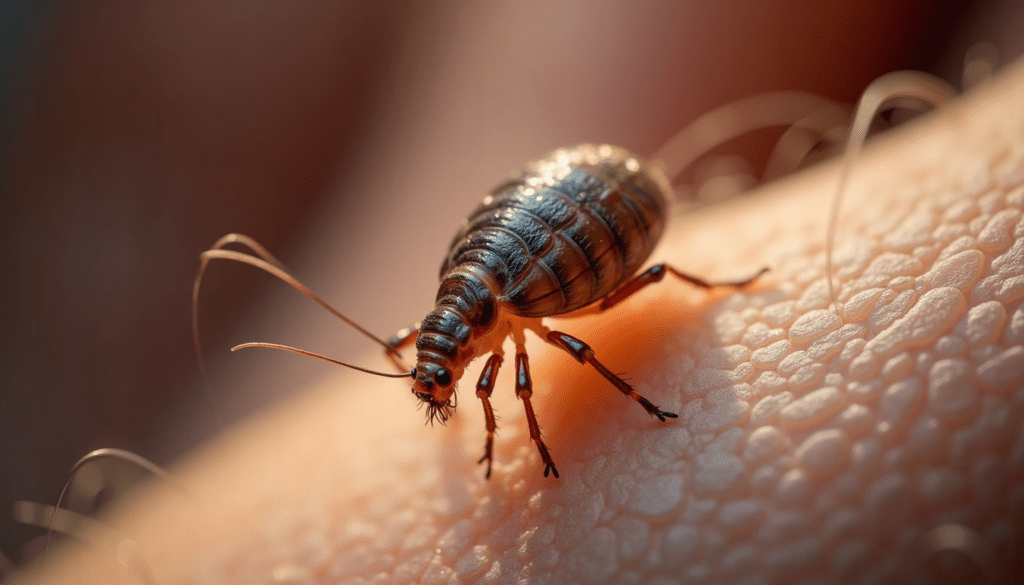
Pubic lice, commonly called crabs, are small crawling insects that spread mainly through close body contact. An over-the-counter treatment containing permethrin 1% or pyrethrins, applied exactly as the label directs, clears most cases, and current sexual partners need treatment at the same time so the lice do not simply pass back.
- What is normal: Itching in coarse-haired areas, sometimes starting 2 to 4 weeks after contact; one labeled treatment, careful combing, and a hot-water wash of bedding and clothing handle a typical case.
- The red flags: Lice or nits on the eyelashes or eyebrows, lice found on a child, treatment that fails despite correct use, pregnancy, or signs of skin infection. All of these mean a clinician, not another trip to the pharmacy aisle.
- Worth knowing: Lice crawl only. They cannot jump or fly, they do not come from animals, and having them says nothing about your hygiene.
What pubic lice are (and what they are not)
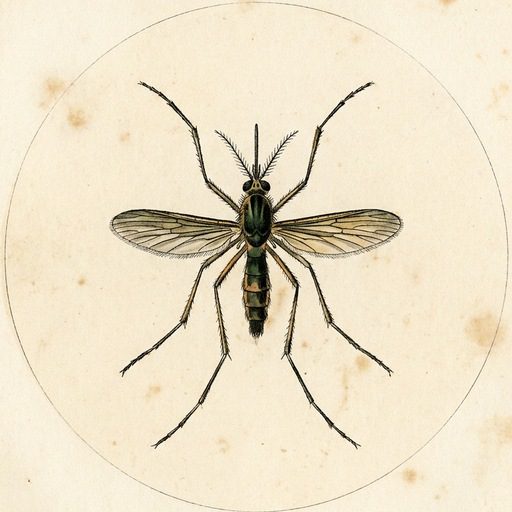
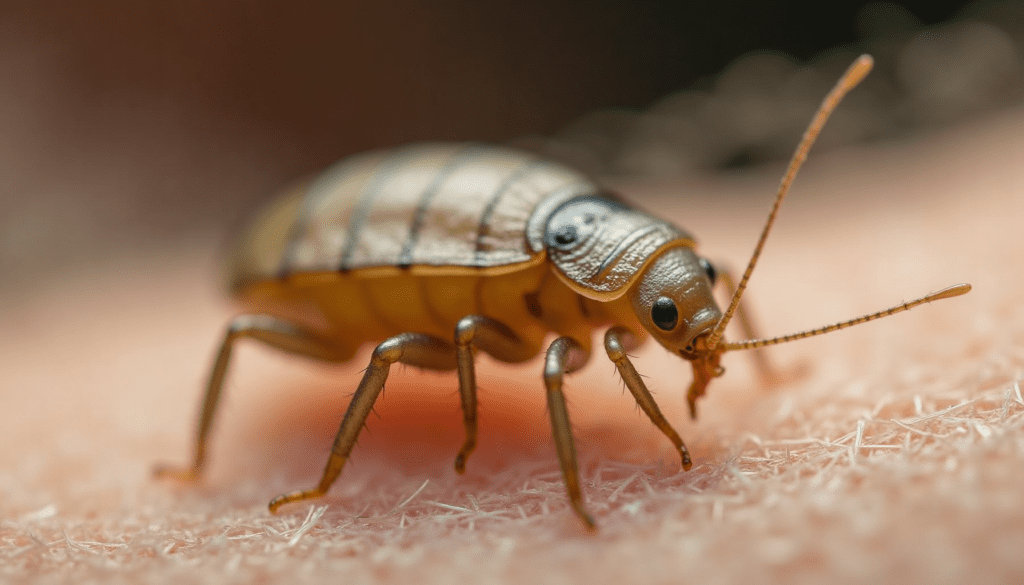
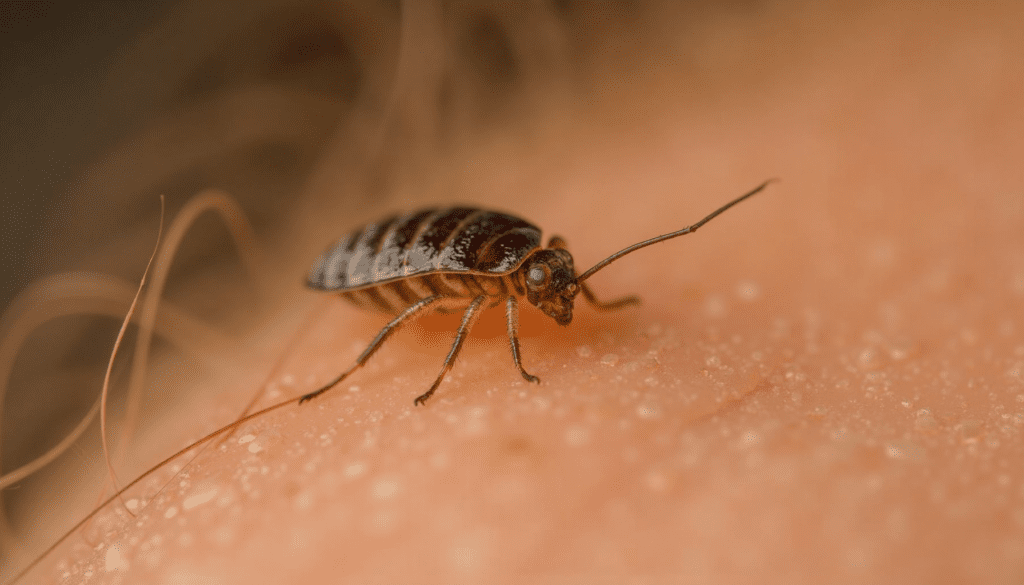
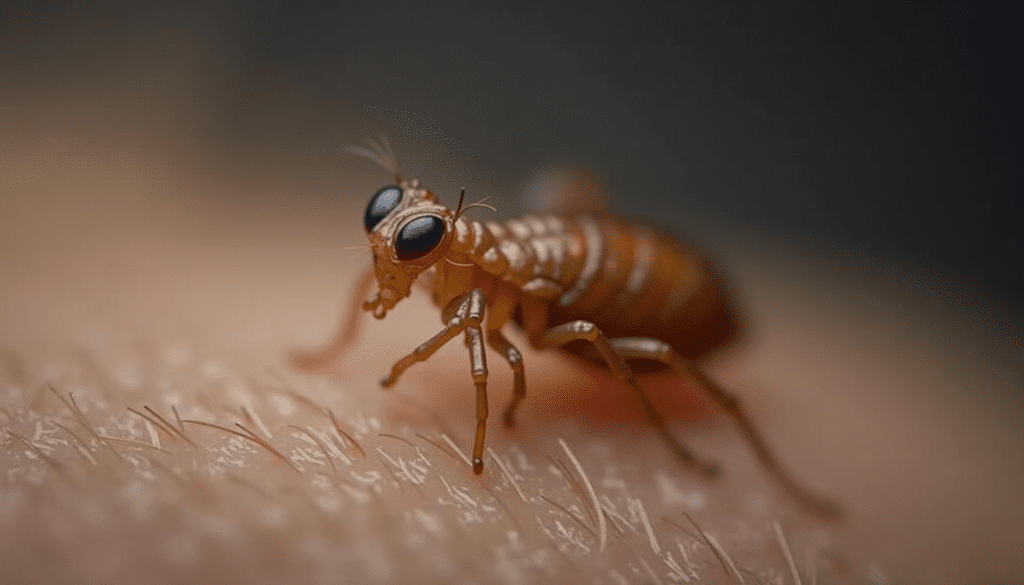
Pubic lice are a distinct species of human louse, built differently from the lice that live on the scalp. Their front claws are broad and crab-like, shaped to grip coarse, widely spaced hair rather than the fine hair on the head, which is where the nickname comes from. They live mainly in pubic hair, but MedlinePlus notes they can also settle in armpit hair, beard and mustache hair, hair around the anus, and even the eyebrows and eyelashes. Like all human lice, they feed on blood several times a day and glue their eggs, called nits, to hair shafts close to the skin.
Two facts are worth stating plainly, because they take most of the shame out of the topic. First, lice have no wings and weak legs for anything except gripping hair. The University of Kentucky’s entomology guidance is clear that lice can only crawl and are unable to jump or fly. Second, they are not a hygiene verdict. MedlinePlus states directly that personal hygiene and cleanliness have nothing to do with getting lice. Clean bodies and clean homes get lice exactly as often as anyone else, because lice care about warmth, blood, and hair, not soap.
It also helps to know which louse you are actually dealing with, since the three human lice live in different places and call for different responses. Body lice, for instance, live in clothing seams rather than on the body itself, which changes the whole approach. Our comparison of body lice versus head lice covers those two in detail.
| Louse | Where it lives | Main response |
|---|---|---|
| Head louse | Scalp hair, eggs glued near the scalp | Labeled pediculicide plus nit combing |
| Body louse | Clothing seams, visits skin to feed | Hot laundering and regular clothing changes |
| Pubic louse | Coarse body hair: pubic area, armpits, beard, brows | Labeled pediculicide, partner treatment, laundry |
How pubic lice actually spread
The honest answer is close body contact, and for pubic lice that overwhelmingly means sexual contact. Skin-to-skin time gives a slow-crawling insect the bridge it needs to walk from one person’s hair to another’s. That is the main route, and no barrier method blocks it, since condoms do not cover the hair the lice live in.
Secondary routes exist but are much less common. MedlinePlus lists shared sheets, blankets, towels, and clothing as occasional sources, which is why the laundry step matters during treatment. Away from a host, a louse loses its blood meals and warmth and dies within about a day or two. A toilet seat is smooth, cold, and hairless, so while object transmission is possible, it is genuinely uncommon.
One more myth can be retired here. Lice are human parasites, and animals do not carry or transmit them. Your dog, your cat, and the family guinea pig are not part of this story in either direction.
If you are trying to work out whether what you are seeing is even lice, the signs are specific: itching concentrated in coarse-haired areas that is often worse at night, tiny gray-white oval nits cemented to hair shafts near the skin, and sometimes small bluish-gray marks on the skin where lice have fed. Itching can start quickly, but MedlinePlus notes it can also take 2 to 4 weeks after contact to appear, so a new itch does not always mean a brand-new exposure. Scratch marks and irritated sores from scratching are common and are the main reason these infestations sometimes need medical attention.
Treating pubic lice with over-the-counter products
Treatment is straightforward, and the boring version is the effective one: an over-the-counter pediculicide from one of two active ingredient classes, used exactly as its label directs.
The two OTC classes are permethrin 1% lotions and creme rinses, and products based on pyrethrins. Both are applied to the affected hair, left in place for the time printed on the label, and rinsed out. The label is the whole instruction set. Do not leave a product on longer than it says, do not reapply sooner than it allows, and do not combine products in the hope of a stronger effect. MedlinePlus notes that most infestations clear with a single correct application, with a repeat treatment 4 days to 1 week later only if lice are still found, and only where the label permits it.
A few boundaries keep this safe. These products are for the pubic area and other coarse body hair, never anywhere near the eyes; eyelash or eyebrow involvement is a clinician’s job, covered below. If you are pregnant or nursing, talk to a clinician or pharmacist before using any pediculicide. And if a correctly applied treatment fails, the answer is not a second can of the same thing at double strength. Some lice populations have developed resistance to these ingredient classes, the same phenomenon behind so-called super lice in head lice, and the appropriate response is a clinician, who can confirm the diagnosis and prescribe an alternative if one is needed.
Home remedies deserve one honest sentence: mayonnaise, oils, tea tree, and similar smothering or “natural” approaches lack solid evidence, and public health guidance discourages relying on them. We walk through the evidence in our review of natural lice remedies like tea tree and coconut oil, and the short version is that the labeled products and a comb do the actual work.
Combing, laundry, and the follow-up check
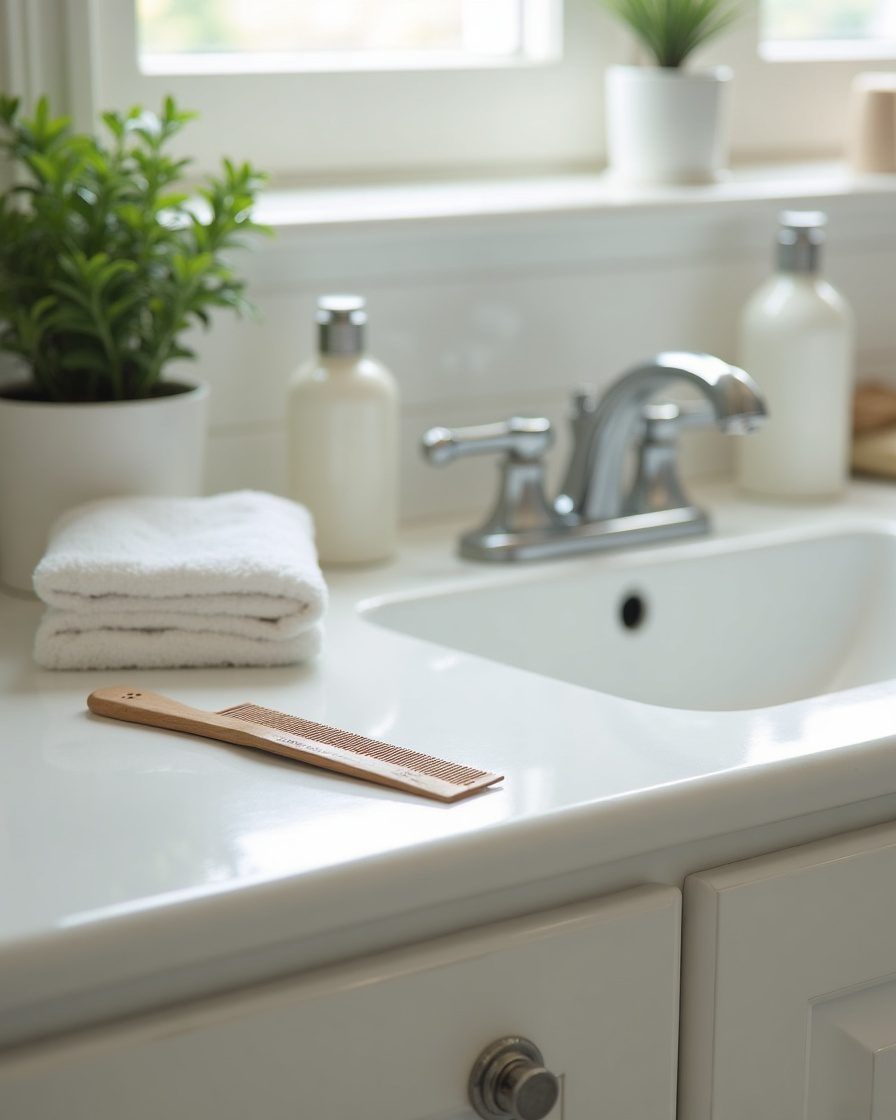
Pediculicides are only half the job, because they are much better at killing crawling lice than at destroying nits. MedlinePlus is direct that lice treatments generally do not kill nits, so manual removal with a fine-toothed comb matters. Combing is the mechanical backbone of any lice treatment: after the product is rinsed out, work a fine-toothed comb slowly through the affected hair to strip nits off the shafts, and repeat every few days until you stop finding anything. A metal comb holds its teeth alignment better than a plastic one; our guide to lice combs and nit removal explains what separates a comb that works from one that skates over the problem.
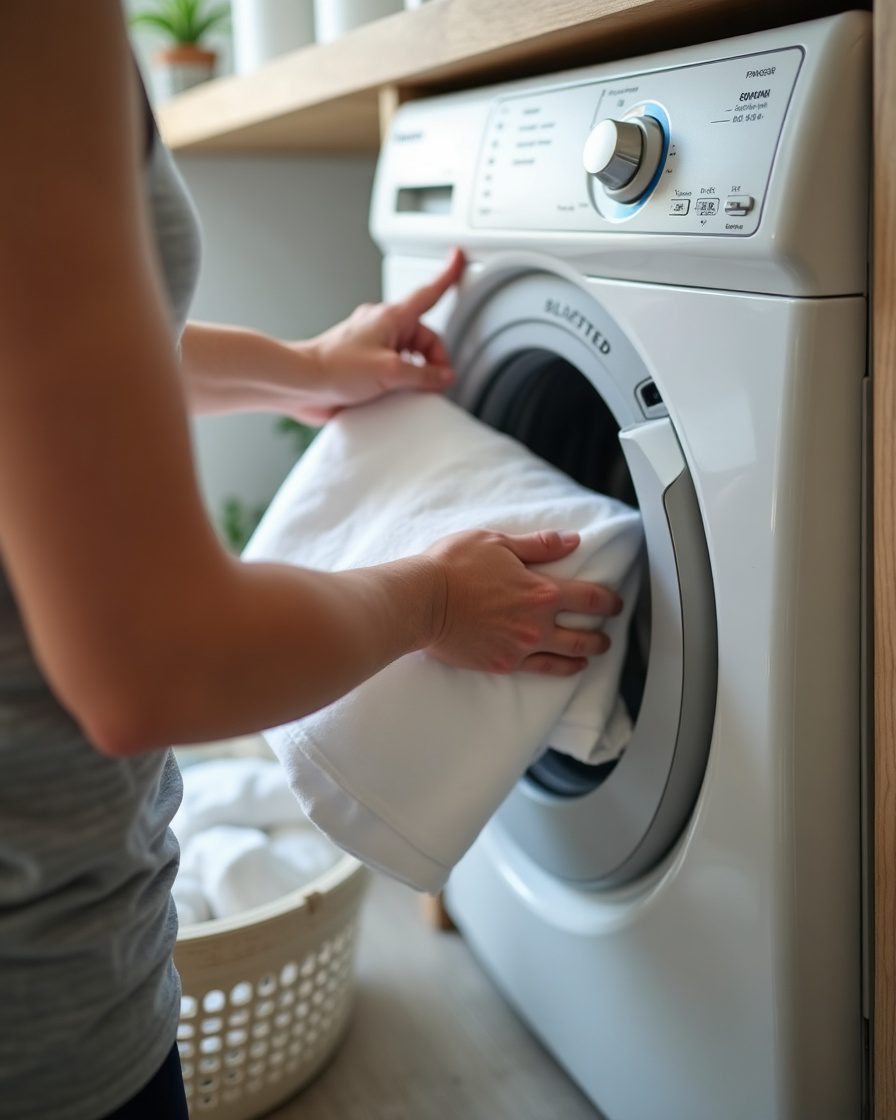
The environment gets one focused cleanup, not a fumigation. Wash bedding, towels, and any clothing worn during the infestation in hot water and dry them on a hot cycle. Items that cannot be washed can be sealed in a plastic bag for about two weeks, which outlasts any louse or hatching nymph, since off the host they starve quickly. There is no need for insecticide sprays on furniture or mattresses, and no need to treat the whole house. Our room-by-room walkthrough of cleaning after lice applies here almost unchanged.
Then check your own results. Recheck the treated areas over the following week. Finding empty nit casings is normal; finding live, moving lice several days after a correct treatment is the signal to involve a clinician rather than to keep re-treating.
Telling partners, without the drama
This is the step people dread, and it is also the step that determines whether treatment actually sticks. Current sexual partners need to be treated at the same time you are, because an untreated partner is a reinfestation waiting on a short timer. Recent partners deserve a heads-up so they can check themselves and treat if needed.
The framing that helps: pubic lice are common, they are curable in a week, and they carry no verdict about anyone’s cleanliness or character. A workable script is one sentence long. “I found out I have pubic lice, it is easily treated with an over-the-counter product, and you should treat at the same time so we do not pass it back and forth.” No blame needs assigning; litigating who had them first changes nothing about the treatment.
Two practical rules finish the job. Avoid sexual contact and shared bedding until both of you have completed treatment, and if you would rather have a professional confirm the diagnosis first, a clinician or sexual health service can do that quickly and can advise whether any further checks make sense.
When to see a clinician instead of the pharmacy aisle
Most cases are handled at home. These situations are different, and each one is a genuine reason to get professional eyes on the problem:
Eyelash or eyebrow involvement. Pediculicides do not belong near the eyes, full stop. MedlinePlus describes lice on the eyelashes as a situation with its own careful management, and a clinician will handle it with an eye-safe approach rather than a drugstore product.
Pubic lice found on a child. This one is immediate and non-negotiable. Pubic lice spread through close body contact, and MedlinePlus states that when they are found on a child, the possibility of sexual contact or abuse should always be considered and evaluated. That evaluation is a clinician’s job, done calmly and professionally. Do not treat at home first and ask questions later; make the appointment.
Pregnancy, nursing, or treatment on anyone very young. Get a clinician’s or pharmacist’s guidance before applying any pediculicide.
Treatment failure. If lice survive a product you applied correctly, stop escalating on your own. A clinician can confirm what you are dealing with and can prescribe an alternative treatment where the OTC classes have failed.
Signs of skin infection. Scratched skin can break and get infected. Spreading redness, warmth, pus, or fever after a lice infestation means the problem has moved past the lice, so have it looked at.

Common questions
Can pubic lice jump from person to person?
No. Lice can only crawl. They cannot jump or fly, which is exactly why close, sustained body contact is the main way they spread and casual proximity is not a realistic risk.
Can you really get crabs from a toilet seat?
It is possible in principle and uncommon in practice. Lice grip hair, not smooth cold plastic, and away from a host they die within a day or two without blood. Shared bedding, towels, and clothing are the more plausible object routes.
Do I need to shave?
No. Shaving removes some habitat, but pubic lice can live in other coarse body hair, including armpits and beard hair, so hair removal is not a substitute for a labeled treatment. Treat per the label, comb, and launder; shave or not as you prefer.
Do home remedies like tea tree oil or mayonnaise work?
The evidence is not there. Public health guidance discourages smothering approaches and essential oils because they have not been shown to reliably kill lice or nits, and every day spent on them is a day the infestation continues. The labeled OTC classes plus combing are the dependable route.
Are pubic lice the same as head lice?
No, they are different species with different body shapes and preferred hair types, though their life cycle of egg, nymph, and adult runs on a similar clock. If you are curious how that cycle works, our explainer on the lice life cycle from egg to adult covers the biology that applies across the family.
How long does treatment take to work?
The application itself takes minutes, per the label. Expect to comb over the following days, recheck within a week, and use the label-permitted repeat treatment 4 days to 1 week later only if live lice persist. Itching can linger briefly after successful treatment as the skin settles, which is not by itself a sign of failure.
The bottom line
Pubic lice are a common, curable nuisance, not a judgment. They spread through close body contact because crawling is all they can do, they show up on clean and unclean people alike, and they clear with an unglamorous routine: an over-the-counter permethrin 1% or pyrethrins product used exactly per its label, patient combing with a fine-toothed comb, one hot-water pass through the laundry, and simultaneous treatment for current partners. Save the clinician visits for the situations that genuinely need them: anything near the eyes, any child with pubic lice, pregnancy, a treatment that fails despite correct use, or skin that looks infected. Handle those five honestly and the rest of this is a one-week problem.
This article is for information only and is not medical advice.