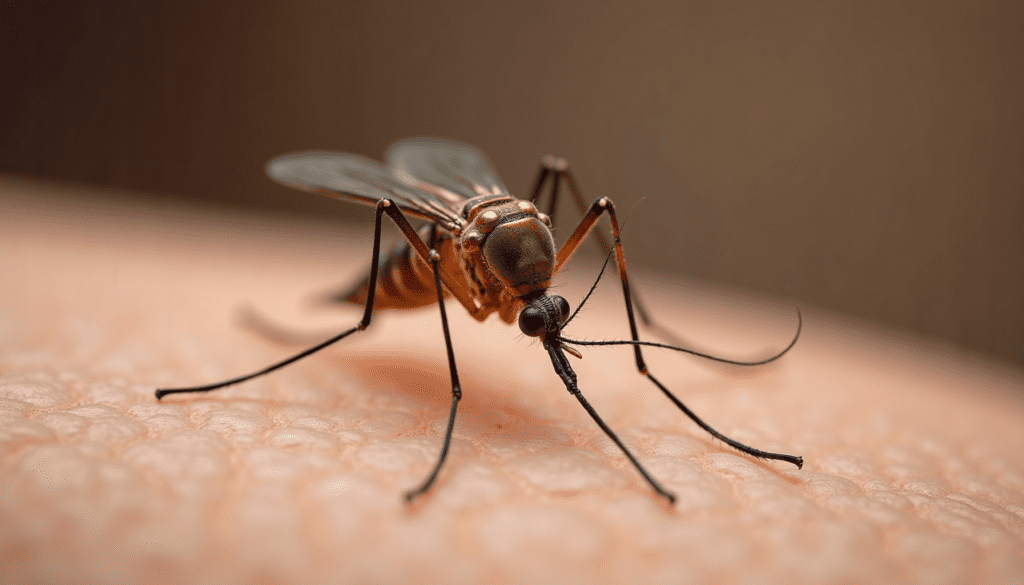
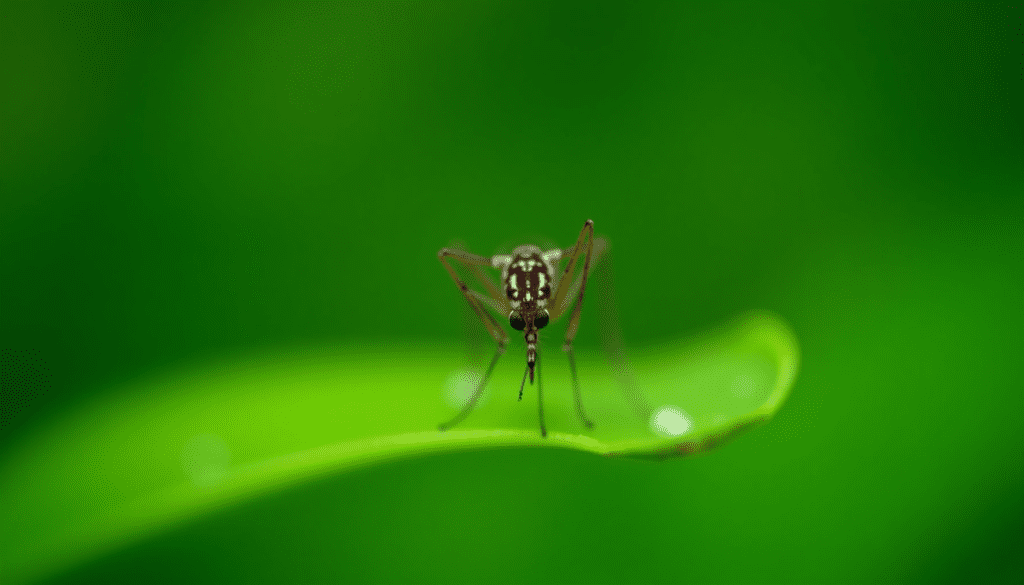
As the days grow longer and temperatures rise, spring ushers in new life—and for many homeowners, a resurgence of insect activity. From ants marching across kitchen counters to mosquitoes emerging from standing water, pests are eager to explore new territories after winter. Proactive spring pest prevention is the most effective way to safeguard your home, turning potential infestations into minor inconveniences. By taking a few strategic steps now, you can create a robust defense against common invaders and enjoy a more comfortable, pest-free season. This comprehensive guide will walk you through essential tasks to pest-proof your home and garden, ensuring you're ready for warmer weather.
Bottom line:
To prepare your home for spring pests, focus on these key prevention areas:
- Seal Entry Points: Caulk cracks, repair screens, and install door sweeps.
- Manage Moisture: Fix leaks, clean gutters, and eliminate standing water.
- Clean & Declutter: Remove food sources and harborage indoors and out.
- Landscape Smart: Trim vegetation, keep mulch away from the foundation.
- Monitor: Use traps to detect early activity and identify pests.
Why Spring is Prime Time for Pests
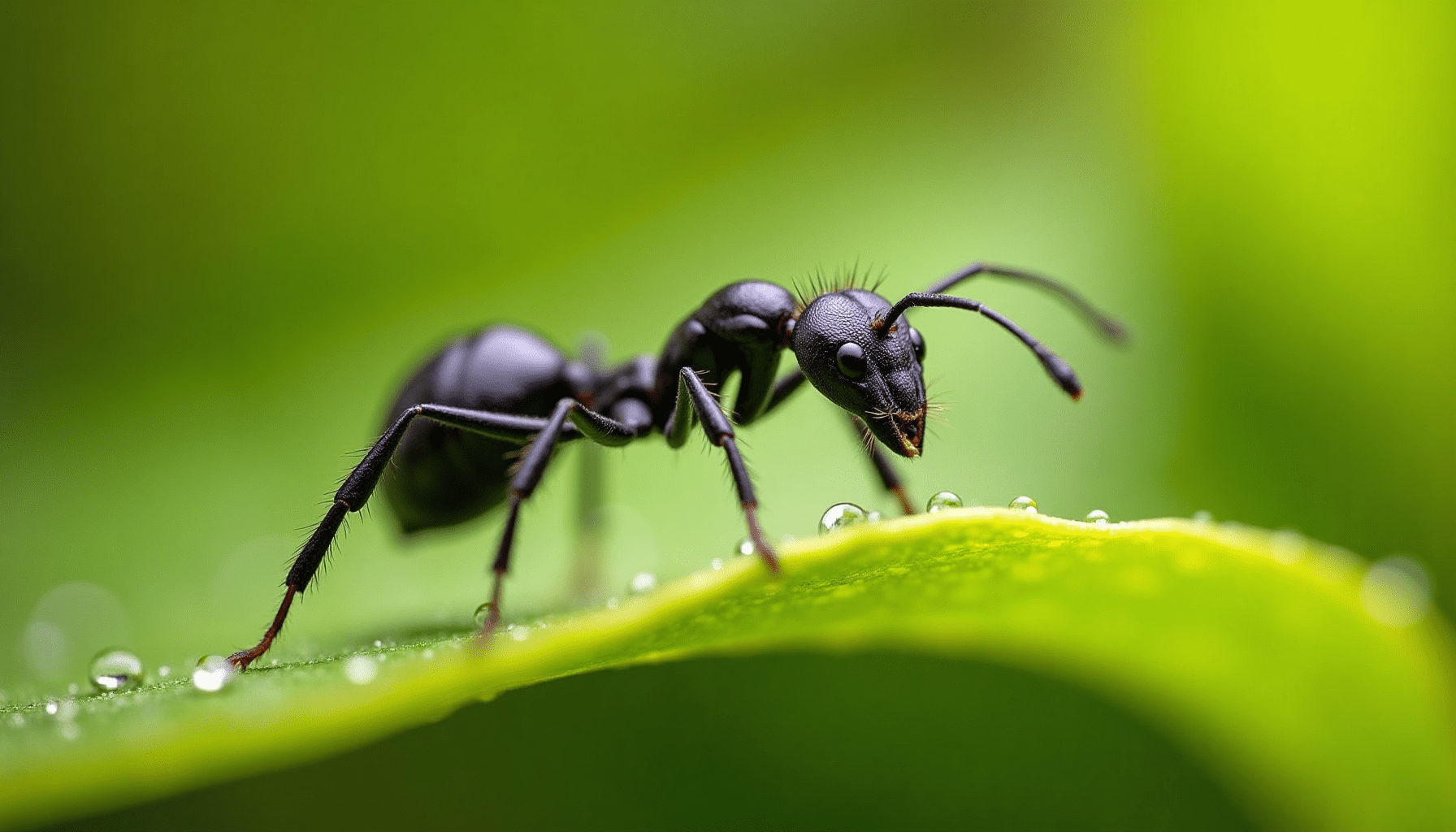
Spring isn't just a season of renewal for plants; it's also when insect populations become highly active. Many pests, having overwintered as adults, larvae, or eggs, emerge from dormancy once temperatures consistently rise above 50°F (10°C). This surge in activity means ants begin foraging aggressively, mosquitoes start their breeding cycles, and overwintering pests like stink bugs and boxelder bugs move out of wall voids and into living spaces.
The National Pest Management Association (NPMA) reports that a significant 84% of U.S. homeowners experienced a pest problem in the past year, highlighting the widespread nature of these issues. Termites alone cause an estimated $5 billion in property damage annually in the U.S., damage often not covered by homeowners insurance. Furthermore, public health concerns from mosquito-borne diseases, such as the 2,647 U.S. cases of West Nile virus disease recorded by the CDC in 2023, underscore the importance of early-season prevention.
Pests exploit structural vulnerabilities that often go unnoticed. Mice can squeeze through openings as small as a dime, and many insects can enter through "paper-thin" cracks. Moisture is a powerful attractant, drawing pests like cockroaches, silverfish, and termites. Eliminating leaks and standing water is one of the most effective home pest control measures. Spring cleaning and structural repairs are crucial seasonal tactics to deter pests before their populations peak, making now the ideal time to implement your spring pest prevention strategy.
Seal Your Home's Defenses
One of the most effective and long-lasting strategies for insect prevention is to deny pests entry into your home. Think of your house as a fortress; any unsealed crack or gap is an open invitation. Spring is the perfect time to conduct a thorough inspection, both inside and out, to identify and seal these potential entry points. This proactive step can significantly reduce pest pressure throughout the year.
Exterior Inspection Checklist:
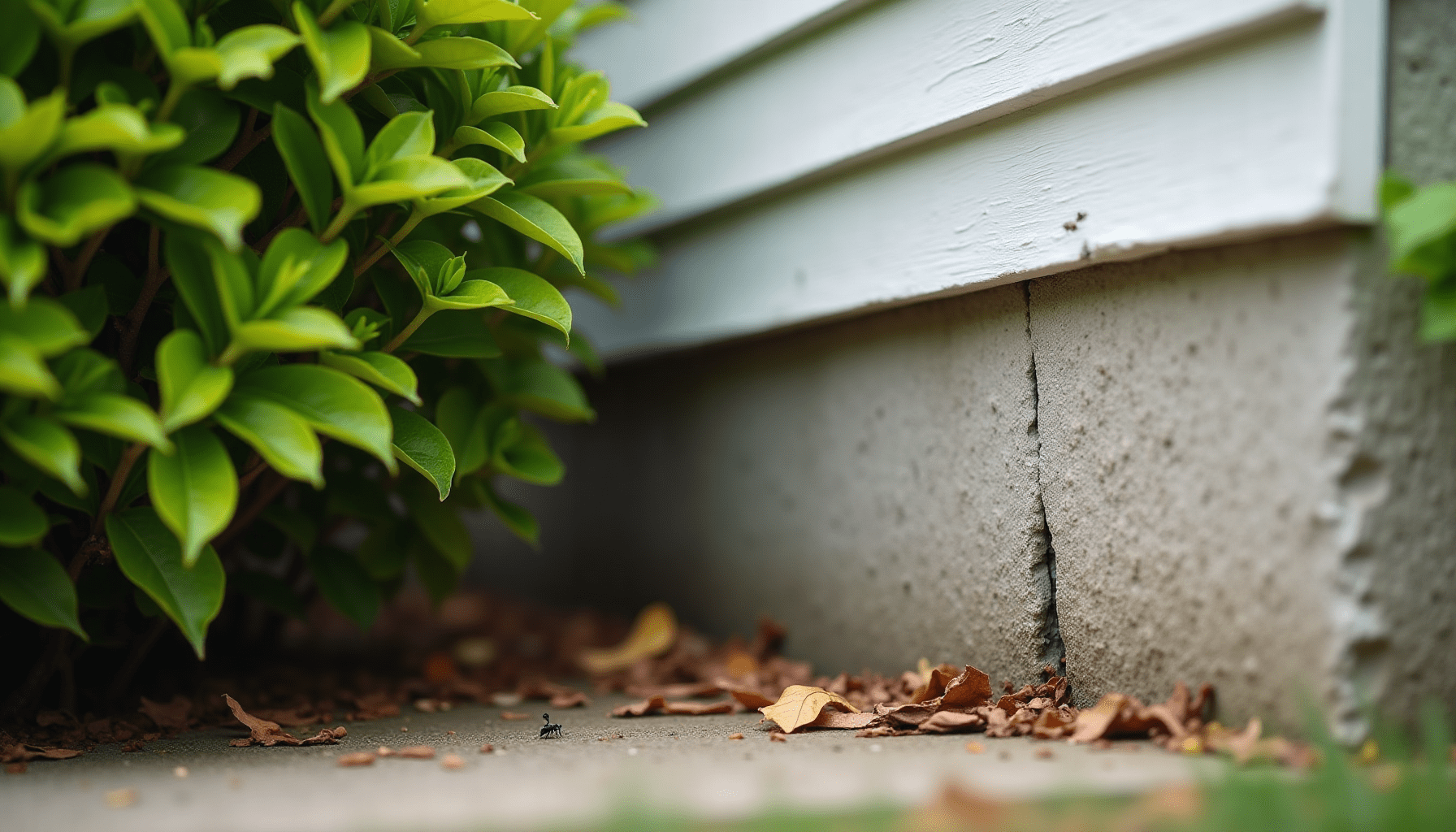
- Foundation Cracks: Walk the entire perimeter of your home, looking for cracks in the foundation, gaps in mortar, and spaces where siding meets the foundation. Even hairline cracks can be entry points for ants and other small insects.
- Windows and Doors: Inspect around all windows, doors, and garage doors. Pay close attention to worn or shrunk weather-stripping and gaps around frames.
- Utility Penetrations: Check where utility lines, cables, hose bibs, and HVAC lines enter your home. These areas often have poorly sealed gaps.
- Screens: Examine window and door screens for any rips, tears, or loose frames. Ensure the mesh is fine enough to block even tiny insects.
Sealing and Repair Actions:
- Caulk and Sealant: For small cracks and gaps, use high-quality silicone or polyurethane caulk. These materials offer flexibility and durability against weather changes.
- Door Sweeps & Weather-Stripping: Install or replace door sweeps on exterior doors and weather-stripping around windows and doors to close gaps.
- Screen Repair: Promptly repair any ripped window and door screens. Fine-mesh screens are particularly important for keeping out small flying insects.
- Mortar Repair: Repair loose or crumbling mortar around brick foundations and window sills.
- Vent Screens: In basements and crawlspaces, ensure all vent screens are intact and properly sealed.
By meticulously sealing these entry points, you create a physical barrier that prevents pests from ever setting foot inside. This foundational spring pest prevention step is key to a truly pest-free home. For more detailed advice on stopping common invaders, learn how to prevent ants from entering your home.
Master Moisture Management
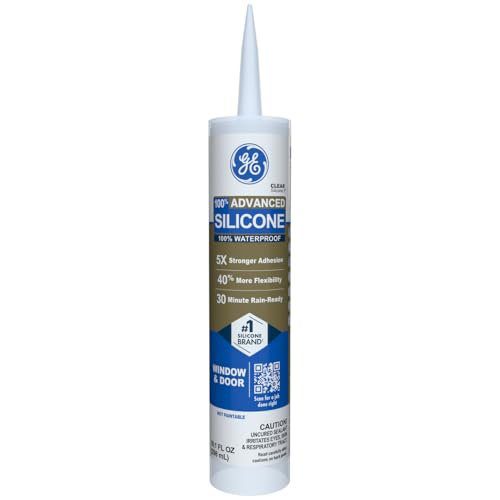
This sealant directly addresses the critical ‘Seal Entry Points: Caulk cracks’ recommendation, preventing pests like ants and spiders from entering through small gaps around windows and doors.
- Strong adhesion and reliable sealing for windows, doors, and other exterior gaps
- Easy to apply with smooth, clean caulk lines and good workability
- Dries clear and holds up well as a waterproof/weatherproof seal
- Some users report tube or nozzle/clogging issues during application
- Can be messy or difficult to tool cleanly for first-time users
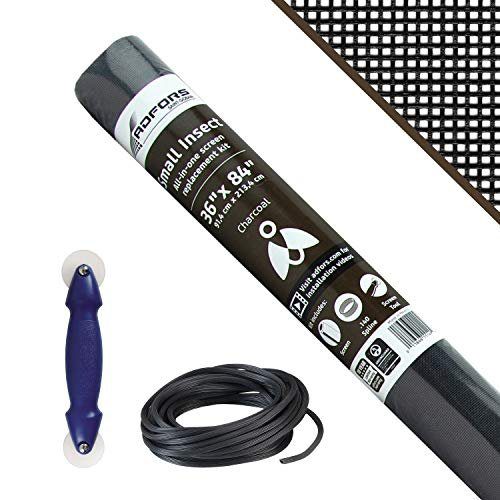
Repairing damaged screens is a key part of sealing entry points. This kit provides an easy solution to fix small holes, keeping mosquitoes and other flying insects out while allowing fresh air in.
- Easy, straightforward installation with included spline and spline tool
- Fine, tight-weave mesh effectively keeps out very small insects like no-see-ums and gnats
- Good overall quality and durability of the fiberglass screen material
- Kit sizing can be limiting for larger or non‑standard windows/doors, sometimes requiring multiple kits
- Spline or tool quality/fit occasionally reported as subpar, leading some users to prefer their own accessories
Moisture is a life source for many pests, making effective moisture management a critical component of seasonal pest tips. Pests like cockroaches, silverfish, termites, and ants are all drawn to damp environments. Eliminating sources of standing water and repairing leaks can drastically reduce their appeal to your home. This strategy applies to both indoor and outdoor spaces, creating an inhospitable environment for moisture-loving insects.
Indoor Moisture Control:
- Check for Leaks: Regularly inspect bathrooms, kitchens, laundry rooms, and basements for leaky faucets, pipes, and P-traps. Even small drips can attract pests.
- Address Humidity: Use exhaust fans in bathrooms and kitchens to vent moisture outside. Consider a dehumidifier in basements or crawlspaces, aiming for a relative humidity below 50-55%.
- Inspect Water-Prone Areas: Look for water stains or soft wood around toilets, tubs, and under sinks, which can indicate hidden leaks and attract pests.
Outdoor Drainage and Water Elimination:
- Clean Gutters: Clogged gutters and downspouts prevent proper water runoff, leading to water accumulation and potential roof leaks. Clean them out regularly, especially in spring, to prevent mosquito breeding and water damage that attracts termites.
- Direct Water Away: Ensure downspouts discharge water at least several feet away from your foundation. Use extensions or splash blocks if necessary.
- Eliminate Standing Water: This is crucial for
mosquito prevention. Empty birdbaths, plant saucers, pet water bowls, toys, and buckets at least weekly. Scrub containers to remove mosquito eggs. Fill low spots in your yard where water collects after rain. For more tips, explore how to prevent mosquito breeding. - Irrigation Systems: Check your irrigation system to ensure it's not overwatering areas near your foundation, which can create constantly damp soil—a major draw for ants and termites.
By diligently managing moisture, you remove a primary attractant for a wide range of pests, making your spring pest prevention efforts significantly more effective.
Optimize Your Yard and Landscape
Your yard and landscaping play a significant role in home pest control. The conditions immediately surrounding your house can either deter pests or provide them with shelter, food, and easy access. Spring is the ideal time to implement landscaping changes that create a buffer zone between your home and potential pest habitats.
Landscaping for Pest Prevention:
- Trim Vegetation: Cut back tree branches, shrubs, and vines so they do not touch your house. These plants act as bridges, allowing ants, rodents, and other pests direct access to your roof and siding.
- Maintain Your Lawn: Mow your lawn regularly and keep grass edges neat. Overgrown grass provides harborage for ticks, spiders, and rodents. For comprehensive guidance, learn how to tick-proof your yard.
- Clear Yard Debris: Remove leaf litter, thatch, and other yard debris, which retain moisture and provide shelter for various insects and rodents.
- Manage Brush Piles and Wood: Clear brush piles, stacked lumber, and other clutter away from your house. These are prime nesting and hiding spots for rodents, termites, and spiders. Store firewood off the ground and at least 20 feet from your home, checking it for pests before bringing it inside.
- Mulch Placement: Keep mulch at least 12-18 inches away from your foundation. Heavy mulch against siding can raise moisture levels and provide cover for termites, ants, and other pests. Consider using stone or bare soil near the foundation in high-risk termite areas.
- Remove Attractants: Promptly pick up fallen fruit under trees and dispose of rotting produce and yard waste. Remove rotted tree stumps, which are magnets for termites and carpenter ants.
By carefully managing your outdoor environment, you create a less appealing habitat for pests, making your spring pest prevention efforts more robust and reducing the likelihood of them entering your home.
Spring Cleaning for a Pest-Free Interior
While exterior measures are crucial, insect prevention also requires attention to your home's interior. Spring cleaning is more than just tidying up; it's an opportunity to eliminate food sources and harborage that attract pests. A thorough indoor cleaning can make a significant difference in preventing infestations.
Kitchen and Pantry Focus:
- Empty and Clean Cabinets: Remove all items from your pantry and kitchen cabinets. Discard stale spices, old flour, grains, and baking mixes, which are common attractants for pantry beetles and Indian meal moths. Wipe down shelves thoroughly and consider replacing shelf paper.
- Clean Under Appliances: Pull out your stove, refrigerator, and dishwasher to vacuum up crumbs, food debris, and grease that attract ants and cockroaches.
- Airtight Food Storage: Store all dry goods, including cereals, pasta, rice, and pet food, in airtight containers made of glass or thick plastic. This prevents pests from accessing food and alerts you to any existing infestations.
- Prompt Spill Cleanup: Immediately clean up any food spills or crumbs on counters and floors.
- Pet Food Management: Avoid leaving pet food out overnight. Store it in sealed containers and wash pet bowls daily.
Bathrooms and Laundry Rooms:
- Clean Drains: Regularly clean shower curtains/liners and clear drains to prevent buildup that can attract drain flies and other moisture-loving pests.
- Check for Leaks: Re-inspect under sinks and around tubs for any new leaks or moisture issues that may have developed over winter.
Basements, Attics, and Storage Areas:
- Declutter: Remove piles of cardboard, newspapers, and unused items that provide excellent harborage for cockroaches, silverfish, and rodents.
- Use Plastic Bins: Replace cardboard boxes with plastic storage bins that have tight-fitting lids. This protects your belongings and prevents pests from nesting inside.
- Regular Cleaning: Vacuum or sweep regularly, even in low-traffic storage areas, to remove dust, debris, and potential food sources.
By making these indoor sanitation practices a part of your spring pest prevention routine, you create an environment that is far less inviting to pests seeking food and shelter.
Debunking Common Pest Prevention Myths
Misconceptions about pests can hinder effective home pest control. Understanding the truth behind common myths is essential for successful spring pest prevention.
- Myth 1: "I only need pest control when I see bugs."
- Reality: By the time pests are visible, underlying populations or structural problems may be well-established. Integrated Pest Management (IPM) emphasizes preventive steps like sealing, sanitation, and habitat modification before infestations occur.
- Myth 2: "Spraying once in spring will solve everything."
- Reality: Blanket pesticide sprays are often unnecessary and may not address the root causes of pest problems, such as moisture issues or structural entry points. Experts prioritize exclusion, sanitation, and targeted treatments over routine broad-spectrum spraying.
- Myth 3: "Clean homes don't get pests."
- Reality: While cleanliness helps immensely, even spotless homes can have structural gaps, moisture problems, or nearby outdoor conditions (like mulch against the foundation) that allow pests to enter.
- Myth 4: "If I don't see termites, I don't have them."
- Reality: Termites are often hidden, causing damage that goes unnoticed for years. The National Pest Management Association and university extension agencies recommend regular professional inspections in termite-prone areas, regardless of visible signs.
- Myth 5: "More mulch is better for the house."
- Reality: Thick mulch against foundations can raise moisture levels and provide excellent cover for termites, ants, and other pests. Experts recommend maintaining a buffer zone of 12-18 inches between mulch and your home's structure.
By understanding these realities, you can approach spring pest prevention with a more informed and effective strategy.

Specific Spring Pest Targets
While general prevention is crucial, some pests are particularly problematic in spring. Focusing on these common invaders can enhance your seasonal pest tips strategy.
Ants
Spring sees a significant increase in ant activity as colonies expand and workers forage for food. They often enter homes through tiny cracks and gaps in foundations or around windows.
- Prevention: Seal all identified entry points with caulk. Keep kitchens meticulously clean, wiping counters and sweeping floors daily. Store all food, including pet food, in sealed containers. Address any indoor moisture issues. If you see ant trails, use targeted ant baits rather than sprays; baits allow workers to carry the active ingredient back to the colony, eliminating the source.
Termites
Termites can cause extensive damage before you even know they're there. Spring is often when winged "swarmers" emerge, signaling a mature colony nearby.
- Prevention: Eliminate wood-to-soil contact around your home. Keep mulch and soil away from siding and wood elements. Repair any rotted roof shingles, fascia, or wood trim, as these attract wood-destroying insects. Ensure gutters and downspouts are functioning correctly to keep foundations dry. In high-risk regions, consider a professional termite inspection every 1-3 years.
Mosquitoes
Mosquitoes begin breeding in earnest as temperatures rise, turning stagnant water into nurseries for their larvae.
- Prevention: The most effective method is to eliminate standing water. Drain or refresh water in birdbaths, buckets, plant saucers, and toys at least weekly. Clean clogged gutters to prevent water from accumulating. Maintain your yard to reduce dense, humid vegetation where adult mosquitoes rest. For more comprehensive strategies, review our guide on how to mosquito-proof your backyard.
Rodents
Mice and rats, having sought shelter indoors during winter, may become more active or seek new food sources in spring.
- Prevention: Seal any openings the size of a dime or larger around your home's exterior. Store all food and pet food securely in sealed containers. Clear clutter, both indoors (basements, attics) and outdoors (garages, sheds), to eliminate nesting sites. Keep trash bins tightly sealed and clean.
By understanding the specific behaviors and vulnerabilities of these common spring pests, you can apply targeted spring pest prevention measures for a more effective defense.
When to Call the Professionals
While a thorough spring pest prevention checklist can significantly reduce pest activity, some situations warrant professional intervention. Early detection and identification are key to effective management.
- Monitoring: Place sticky traps or boards in pest "hot spots" like basements, behind appliances, and utility rooms. These help detect early activity and identify the specific pests present. Educate family members to report any pest sightings promptly, as early intervention is often cheaper and more effective.
- Persistent Activity: If you observe persistent ant activity despite consistent sanitation and the use of baits, it may indicate a larger colony that requires professional treatment.
- Signs of Termites: Any signs of wood damage, mud tubes on foundations, or the presence of winged "swarmers" strongly suggest a termite infestation. These require immediate professional assessment and specialized treatment.
- Widespread Rodent Evidence: While DIY traps can manage minor mouse problems, widespread rodent evidence (droppings in multiple rooms, gnaw marks) often indicates a larger infestation that benefits from professional expertise.
- Overwintering Pests: If you're seeing a large number of overwintering insects like stink bugs or boxelder bugs emerging indoors, a professional can identify entry points and recommend targeted exclusion methods.
Professional pest control services can provide expert identification, assess the scope of an infestation, and implement targeted, often less-toxic, solutions as part of an Integrated Pest Management (IPM) approach. They have access to tools and treatments not available to the average homeowner and can provide long-term solutions for complex pest issues.
Conclusion
As spring unfolds, bringing warmer weather and renewed outdoor activity, it also signals a peak in pest activity. Implementing a robust spring pest prevention strategy is your best defense against unwanted intruders. By meticulously sealing entry points, managing moisture, optimizing your landscape, and maintaining a clean interior, you can significantly reduce the likelihood of pest infestations. Remember, prevention is always more effective and often less costly than dealing with an established pest problem. Take the time this spring to follow these actionable steps, and you'll enjoy a more comfortable, pest-free home throughout the year. For more insights on safeguarding your home, explore our guides on preventing mosquito breeding and how to prevent ants from entering your home.
Recommended Products
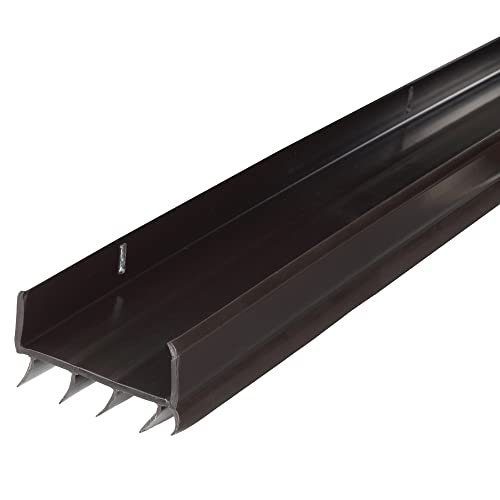
Installing door sweeps is explicitly mentioned as a way to ‘Seal Entry Points.’ This product helps close gaps under exterior doors, blocking access for crawling pests like mice, ants, and cockroaches.
- Effectively seals the gap at the bottom of exterior doors, blocking drafts, odors, dust, and insects
- Sturdy vinyl construction that many users report lasts well and improves energy efficiency by reducing heat/AC loss
- Relatively easy to install and adjust thanks to slotted screw holes, and can be cut to fit with basic tools
- Some reviewers report durability issues with the vinyl fins tearing or wearing out sooner than expected in high-traffic or harsh conditions
- May not fit all door/threshold combinations perfectly, requiring trimming, adjustments, or returning if door thickness or gap size is outside the ideal range
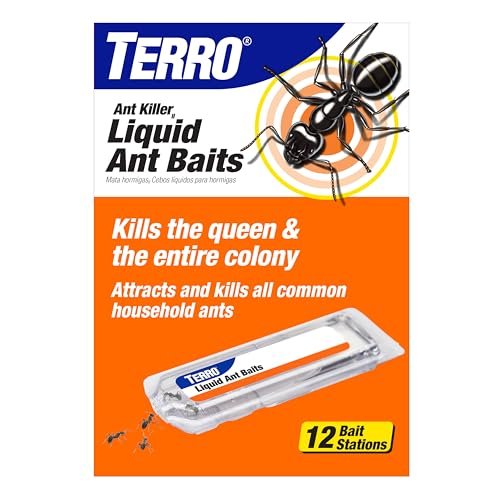
The article highlights ants as a common spring pest. These bait traps are excellent for ‘Monitor: Use traps to detect early activity and identify pests,’ and for effectively eliminating ant colonies once detected.
- Highly effective at eliminating common household ant infestations, often clearing visible ants within a few days
- Very easy to use pre-filled bait stations that are simple to open, place, and dispose of
- Ants are strongly attracted to the liquid bait and carry it back to the nest, helping kill ants at the source rather than only those in view
- Some users report that the newer bait station design with the snap-off tab can restrict access to the liquid or spill, making it less effective for them
- A minority of customers say the product doesn’t work as well as it used to or fails to attract certain ant colonies in their homes
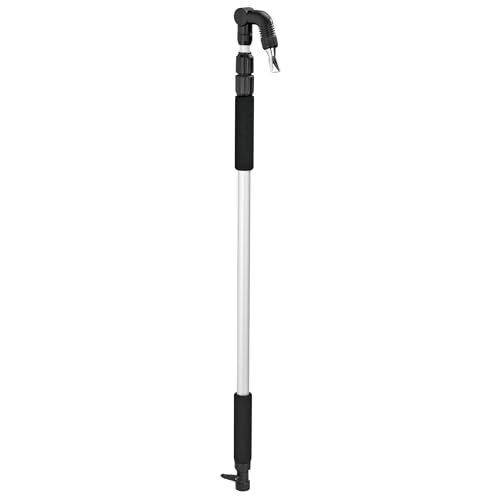
Cleaning gutters is a crucial step in ‘Manage Moisture: clean gutters, and eliminate standing water,’ which prevents mosquito breeding and deters moisture-loving pests like termites and cockroaches.
- Effectively cleans gutters and other hard-to-reach areas using a strong, focused sweeper nozzle
- Telescoping pole provides long reach (around 40–70+ inches) so many users can clean gutters from the ground without a ladder
- Adjustable ratcheting head and rotating nozzle make it easy to direct water flow and clean from different angles
- Some users report that the telescoping sections or adjustment locks can slip or feel less sturdy when fully extended
- A few reviewers mention durability concerns with the head or joints, especially under frequent or high-pressure use
As an Amazon Associate, I earn from qualifying purchases. Product recommendations are based on real reviews and independent research.