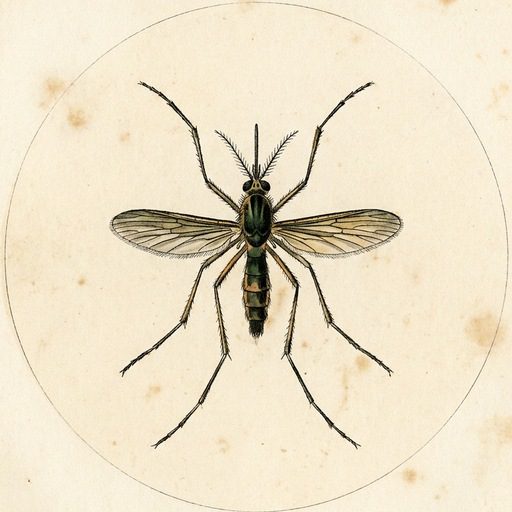
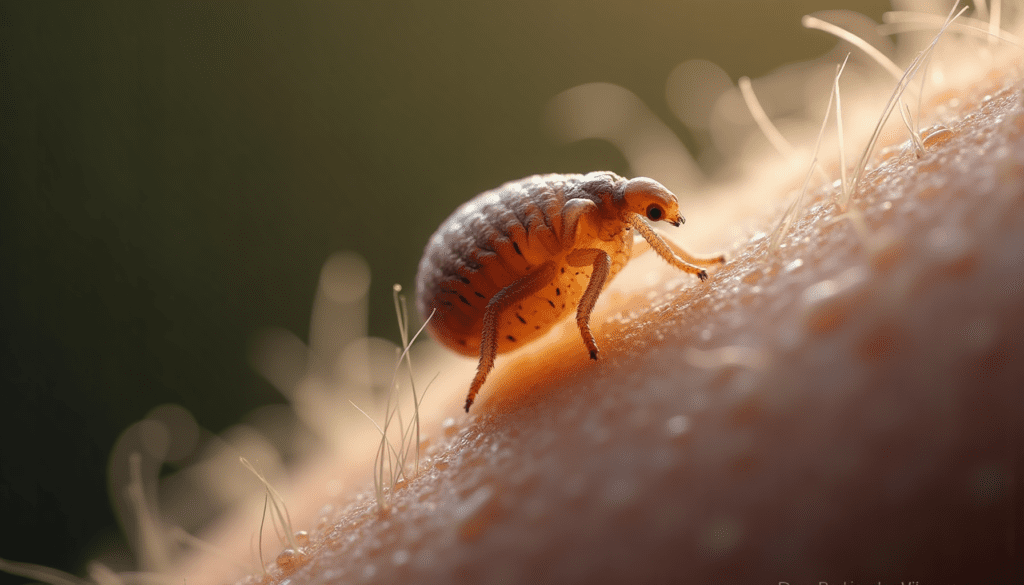
Head lice cannot jump and cannot fly. They have no wings at any stage of life and none of the spring-loaded hind legs that let fleas leap. A louse moves exactly one way: it crawls, gripping hair shafts with claws shaped like hooks. That is why nearly every case spreads through direct head-to-head contact, not across a classroom.
- What is normal: Lice pass between kids whose heads actually touch during play, hugs, selfies, and sleepovers. Clean hair gets lice just as easily as unwashed hair.
- What is not a real risk: Lice leaping off a desk, flying across a room, or arriving via the family dog. None of those things can happen.
- What matters most: Check heads that have been in close contact, treat only confirmed cases, and comb thoroughly. A louse off the head dies within a day or two.
Lice crawl. That is the whole answer
A head louse has six legs, and each one ends in a single curved claw sized to close around a human hair shaft. That claw is a remarkable piece of equipment for one job: holding on and climbing from strand to strand. It is useless for everything else. The MedlinePlus head lice overview states it plainly: lice move by crawling, because they cannot hop or fly.
So when a parent pictures lice launching themselves across a classroom, the picture is wrong on both counts. There is no launch and there is no flight. A louse is a slow, wingless crawler that lives its whole adult life, up to about 30 days, on one warm scalp, feeding on blood several times a day. Getting to a new head requires a bridge, and the bridge is almost always hair touching hair.
Why a louse cannot jump
Jumping is a specialist skill in the insect world, and it demands specialist hardware. Fleas are the famous example. A flea’s oversized hind legs store energy in an elastic pad and release it like a catapult, which is how, per the University of Kentucky’s flea guidance, a flea can jump vertically up to about 6 inches and hitch a ride on a passing pet.
A head louse has nothing like this. All six of its legs are short, stubby grasping tools of roughly equal size. There is no enlarged jumping pair, no energy-storing mechanism, no catapult. Asking a louse to jump is like asking a sloth to sprint; the anatomy simply is not there. If you have ever watched something small ping off a pet or a sock and vanish, you were watching a flea, not a louse. Our guide to flea bites on humans covers how to tell those bites apart.
Why a louse cannot fly
Flight is even further out of reach. Head lice are wingless at every stage of life. The egg (nit) is glued to a hair shaft and does not move at all. The nymph that hatches from it is a smaller copy of the adult, wingless and crawling. The adult never develops wings, ever. There is no life stage, no season, and no circumstance in which a louse becomes airborne under its own power. If you want the full picture of those stages and their timing, see our walkthrough of the head lice life cycle from eggs to adults.
This is worth saying clearly because “flying lice” panic drives real behavior: parents keeping kids home, classrooms deep-cleaned overnight, families bagging every stuffed animal in the house. The insect that would justify that response does not exist.

How lice actually travel between kids
Strip away the jumping and flying myths and transmission becomes almost boring. The University of Kentucky’s ENTfact on head lice is direct: head lice are mainly transferred by direct head-to-head contact with an infested person’s hair. A louse crawls from one head to another while the two heads are touching. That is the route in the overwhelming majority of cases.
This explains the pattern every school nurse knows. Children ages 3 to 11 get lice most often, and it is not because of anything about their hygiene. It is because young children play with their heads together. They huddle over tablets, whisper cheek to cheek, pile onto one beanbag, and nap side by side. Every one of those moments is a bridge.
Shared items are a distant second. A louse can be sitting on a hat, a brush, or a hair tie that goes straight from one head to another, so it is sensible not to share those. But because a louse dries out and starves quickly away from a scalp, objects are a minor route, and surfaces like bedding and furniture carry an extremely low probability of passing lice along. Practical school-season habits, including which sharing rules are worth enforcing and which are theater, are laid out in our parents’ guide to preventing lice at school.
The off-head survival window
Here is the number that should lower the temperature in your house: an adult louse that falls off a head and cannot feed will generally die within 1 to 2 days. It needs frequent blood meals and the warmth of a scalp, and a carpet offers neither. Eggs are glued to hairs close to the scalp because they need that warmth to develop; an egg on a pillow is an egg in the wrong place.
That short window has a direct, practical meaning. You do not need to fumigate your home, shampoo the carpets, or throw anything away. Washing recently used bedding, hats, and clothing in hot water and running them through a high-heat dryer cycle handles the realistic risk, and items that cannot be washed can simply be set aside for a couple of days, which outlasts any stranded louse. The full checklist, including what genuinely needs washing and what does not, is in our guide to cleaning after lice.
Body lice, for the record, are a different insect with a different address. As MedlinePlus explains, body lice live in the seams and folds of clothing rather than on the head, and unlike head lice they are linked to a lack of access to regular bathing and laundry. Head lice on a third grader say nothing about cleanliness at all.
What actually works once lice arrive
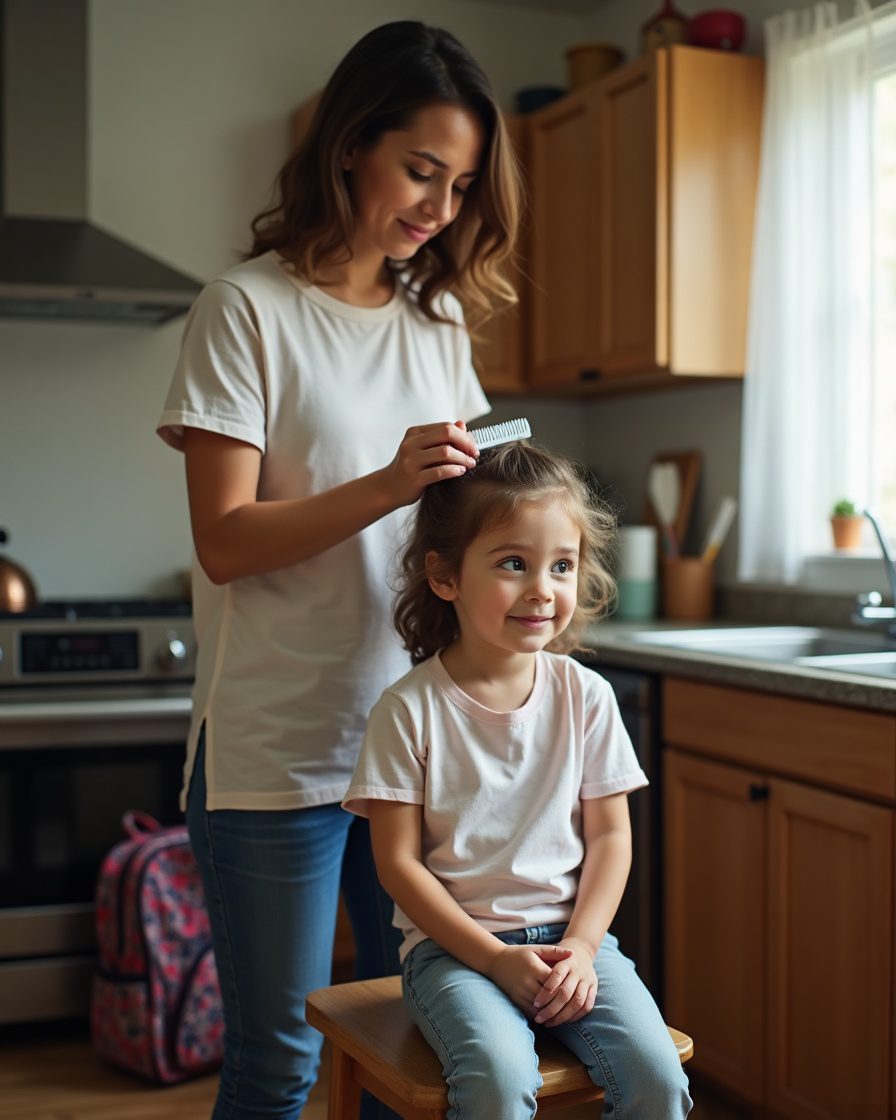
Because lice only crawl, finding them means looking where they crawl: on the scalp and on the first inch of hair, especially behind the ears and at the nape of the neck. Wet the hair, work through it in small sections under good light with a fine-toothed comb, and wipe the comb on a white paper towel after each pass. Our step-by-step lice check guide for parents shows exactly what a live louse and a real nit look like next to the dandruff and lint that cause false alarms.
If you confirm live lice, two things do the work:
Combing is the mechanical backbone. A quality nit comb physically removes lice and eggs regardless of any resistance the local lice may carry. MedlinePlus advises removing eggs with a nit comb and then combing for nits again in 7 to 10 days, then keeping an eye on the head for two to three weeks to confirm the problem is truly gone.
Over-the-counter treatments carry the chemical side. The standard first-line products are lotions and shampoos based on permethrin 1% or on pyrethrins, used exactly as the label directs, including any repeat application the label calls for. In some areas lice have developed resistance to these ingredients, which is what the “super lice” headlines describe. Resistance is a reason to comb diligently and to follow up, not a reason to improvise with stronger doses or off-label mixtures. Our head lice removal guide walks the whole sequence from first confirmed louse to final clear check.
Bring a clinician or pharmacist into the decision before treating a child under 2, before using any product during pregnancy or nursing, and whenever a properly applied OTC treatment has failed. A clinician can prescribe alternatives when first-line products are not working. And see a provider promptly if scratched skin on the scalp or neck turns red, tender, warm, or crusted, since those are signs of infection rather than of the lice themselves.
Myths this one fact puts to rest
Once you accept that lice can only crawl, a whole family of myths collapses on its own.
Pets do not spread head lice. Human head lice live on human heads, full stop. Animals cannot catch them or carry them, so the dog does not need a bath and the cat does not need an inspection.
Clean hair is not protective. Personal hygiene has nothing to do with getting head lice. A louse grips a clean hair shaft exactly as well as an unwashed one. Lice on a child are evidence of head-to-head play, nothing more.
Home remedies do not have the evidence. Tea tree oil, coconut oil, mayonnaise, and similar smothering treatments lack solid support in extension and public-health guidance, and time spent on them is time the infestation keeps growing. Combing plus a labeled product remains the approach the sources stand behind.
Lice vs fleas at a glance
| Question | Head louse | Flea |
|---|---|---|
| Can it jump? | No, all six legs are short claspers | Yes, vertically up to about 6 inches |
| Can it fly? | No, wingless at every life stage | No, but jumping covers the distance |
| Where it lives | On a human scalp only | On pets, with eggs and larvae in carpets and bedding |
| How it reaches you | Crawls across during head-to-head contact | Leaps on from floors, pets, or furniture |
| Survival away from a host | Dies within about 1 to 2 days | Immature stages persist in the home for weeks |
Common questions
Can lice jump from one head to another during a quick hug?
Lice never jump; the question is whether hair touched hair long enough for a louse to crawl across. A brief hug with little hair contact is low risk. Longer contact, like heads together over a phone or sharing a pillow at a sleepover, gives a crawling louse the time and the bridge it needs.
Can lice fly off hats or pillows?
No. Lice cannot fly at all, from any surface. A louse on a hat can only wait, and away from a scalp it weakens fast and dies within a day or two. Hats and pillows are a minor route compared with direct head contact, which is why washing recent bedding is sufficient and fumigating the house is unnecessary.
How far can a louse travel on its own?
Effectively no distance that matters. A louse crawls along hair well and moves poorly on flat surfaces, and it cannot survive long enough off a head to trek across a room. Lice do not migrate down hallways or between classrooms; they ride from head to head during contact.
Can my child get lice from our dog or cat?
No. Head lice are strictly human parasites, and animals cannot catch or spread them. If your pet is scratching, think fleas instead; fleas jump between animals and bite people around the ankles, a completely different pattern from scalp itching.
Does getting lice mean my child’s hair was dirty?
No. Cleanliness has nothing to do with head lice, which grip clean and unwashed hair equally well. Lice indicate close head-to-head contact, which is normal behavior for young children. Treat matter-of-factly, tell close contacts so their families can check, and skip the embarrassment.
The bottom line
Lice do not jump and do not fly. They crawl, and every practical decision follows from that single fact. Real risk lives in head-to-head contact, so that is where checks should focus after a classroom notice or a sleepover. Objects are a minor route and a dead louse’s route within a day or two, so a hot wash of recent bedding and hats covers it. Pets are irrelevant, clean hair is irrelevant, and nothing needs to be fumigated. Confirm live lice before treating, use a permethrin or pyrethrins product exactly as its label directs, make the nit comb do the heavy lifting, and repeat the comb-through in 7 to 10 days. Bring in a clinician for babies under 2, for pregnancy, for treatment failures, or for any sign of infected skin. The insect in your imagination leaps across classrooms. The real one can barely cross a table, and it is beatable with a comb, a label, and two weeks of follow-through.
This article is for information only and is not medical advice.