
n
n
n
That cluster of tiny, fiercely itchy red bumps around your ankles is usually a flea bite, and most of the time it settles on its own with nothing more than itch relief and the discipline not to scratch. Flea bites tend to land low on the body in small groups or short lines, each one a little red bump that often has a faint red halo around it. Here is the catch: the bites alone do not prove fleas, because they look a lot like other insect bites, so you also have to check the pet and the carpet. The two things that matter most are not scratching them into an infection and knowing the rare signs, like a fever or a spreading rash, that mean see a doctor. This guide covers what flea bites look like, how to ease them, and how to stop them at the source.
nn
n
Flea bites are small, intensely itchy red bumps in clusters or lines low on the legs and ankles, often with a red halo, but bites alone do not confirm fleas, so check the pet and carpet too.
n
- n
- Normal: Tiny itchy red bumps, often a halo, clustered low on the legs or ankles, fading over a week with no fever.
- See a doctor: Spreading redness, warmth, pus, red streaks, or a fever or spreading rash that follows the bites.
- Get emergency help: Trouble breathing, throat or tongue swelling, dizziness, or hives spreading fast, which can mean a severe allergic reaction.
n
n
n
n
nn
nn
How flea bites look
nn
Flea bites have a fairly recognizable signature, which is more than you can say for most bites. They are small, raised, red bumps, usually with a tiny puncture point at the center, and many people get a faint red halo ringing each bump. They itch right away and often more intensely than a mosquito bite, and they tend to come in groups of three or four, sometimes in a rough line where the flea moved as it fed.
nn
Location is the other big tell. Fleas are not strong climbers on people, so they tend to feed wherever they can reach first. The CDC notes that fleas bite people most often on the lower legs and ankles, which is why an ankle full of itchy dots is such a classic presentation. If you have been sitting on a carpeted floor or a couch, you might also find them on the backs of the knees or anywhere a pet rests against you.
The detail on separating a flea from a springtail sits in our guide to bugs that jump.
nn
That said, the bites alone cannot close the case. Mosquito, bed bug, mite, and even some allergic reactions can mimic them, and reactions vary a lot from person to person. Treat the bites as a strong hint, not a verdict, and confirm with the rest of the evidence in your home.
nn
Confirm it is fleas
nn
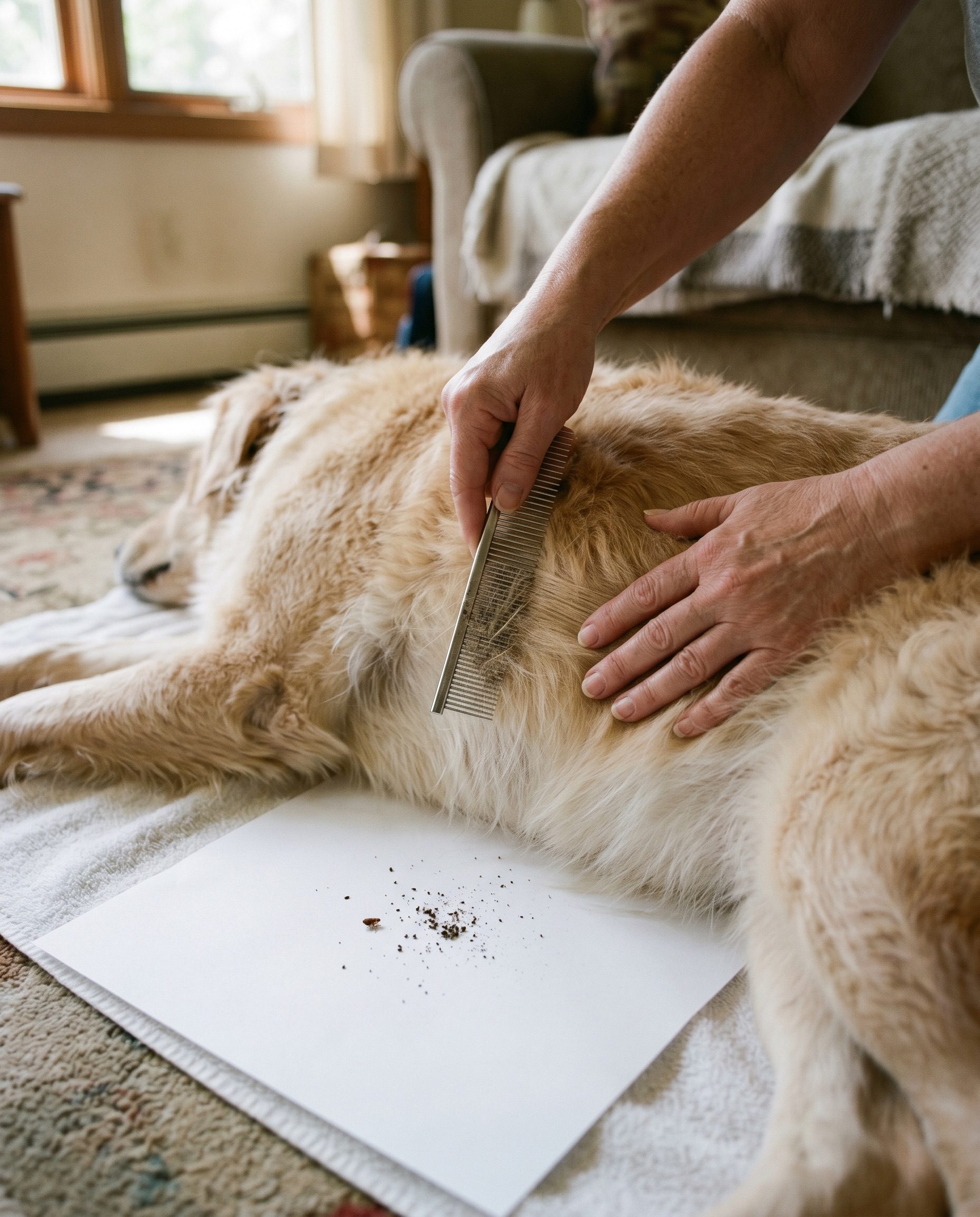
The reliable way to tell is to look past your skin and at the actual fleas and their signs. UC IPM, the University of California’s pest program, advises that you confirm fleas by checking the pet and the home, not the bites alone. The fastest home test is the flea comb. Run a fine-toothed comb through your pet’s coat, especially at the base of the tail and the belly, over a sheet of white paper or a damp white towel.
nn
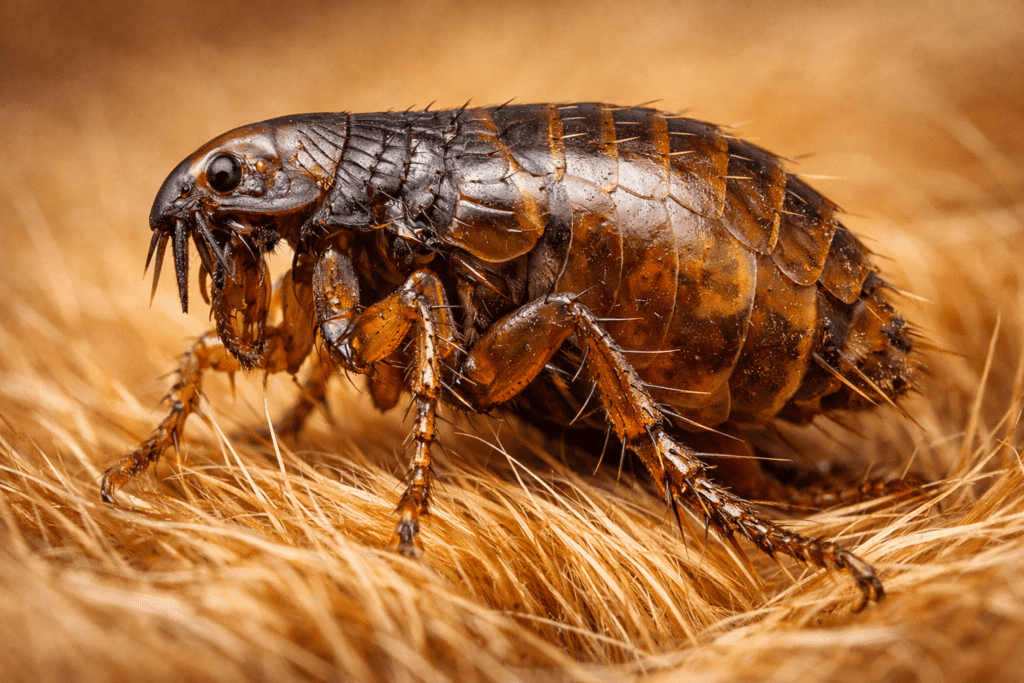
What you are hunting for is flea dirt, which is flea droppings made of digested blood. It looks like specks of black pepper, and the giveaway is that when it lands on something damp and white, it smears reddish-brown, because it is dried blood. Live fleas are fast and reddish-brown themselves, so you may catch a few in the comb teeth. If you find flea dirt or live fleas on the pet, you have your answer.
nn
You can do the same scan of the floor. Pull on white socks and walk slowly across the carpet, or check rugs and pet bedding for the same pepper-like specks. Our guide to the flea life cycle explains why most of the population is hiding in the carpet as eggs and larvae rather than on the pet, which is exactly why the bites keep coming even after you treat the animal.
nn
nn
When to see a doctor
nn
A normal flea bite stays small and fades within a week or so. The change that should move you from home care to a doctor is a bite that gets worse instead of better, and the usual reason is scratching. Fleas itch enough that people scratch them open, and broken skin can let in bacteria and turn an itchy bump into a skin infection.
nn
Watch for these concrete signs and treat them as a reason to be seen, not a reason to panic:
nn
| Sign | What it can mean | What to do |
|---|---|---|
| Redness spreading well past the bites | Possible skin infection (cellulitis) | Contact a healthcare provider |
| Warmth, increasing pain, or pus | Possible infected bite | Contact a healthcare provider |
| Red streaks running from the site | Infection spreading | Seek medical care promptly |
| Fever or a spreading rash after bites | Body-wide response or, rarely, a flea-borne illness | Seek medical care promptly |
nn
There is one more reason fleas earn a doctor’s visit that most bug bites do not. Fleas can occasionally carry illness, and the CDC explains that fleas can rarely carry diseases that affect people. This is uncommon, and it is not a reason to be afraid of every itchy ankle, but it is why a fever or a spreading rash after flea bites deserves attention. MedlinePlus, the NIH consumer health service, also covers home care for an insect bite and the signs that need medical attention. If any of these appear, stop home care and contact a healthcare provider, who can confirm what is happening.
nn
Emergency signs
nn
A severe allergic reaction to insect bites is uncommon, but it is the one situation that needs immediate care, so it gets its own section. Get emergency medical help right away for signs of anaphylaxis: trouble breathing, swelling of the throat, tongue, or lips, tightness in the chest or throat, dizziness or fainting, a fast heartbeat, or hives spreading quickly over the body. These signs mean call emergency services, not wait and see. If the affected person has a known severe insect allergy and an epinephrine auto-injector such as an EpiPen has been prescribed, use it as directed and still get emergency care, because symptoms can return.
nn
To keep this in proportion: the overwhelming majority of flea bites never come anywhere near this. The point is to know the signs so you can act fast in the rare case they show up.
nn
First aid at home
nn
For an ordinary itchy flea bite, home care is simple, and the main job is to resist scratching so the skin stays intact. Wash the area with soap and water, then use a cool compress to take the edge off the swelling and itch. Keeping fingernails short helps, and so does covering a bite you keep going after, especially on a child who cannot leave it alone.
nn
For the itch itself, an over-the-counter antihistamine or a hydrocortisone cream can help some people; follow the product label, and ask your pharmacist if you are unsure or if the bites are on a child. There is no special dose or product to chase here, and there is nothing to cure beyond easing the itch while the bumps fade on their own.
nn

nn
Stop the bites at the source
nn
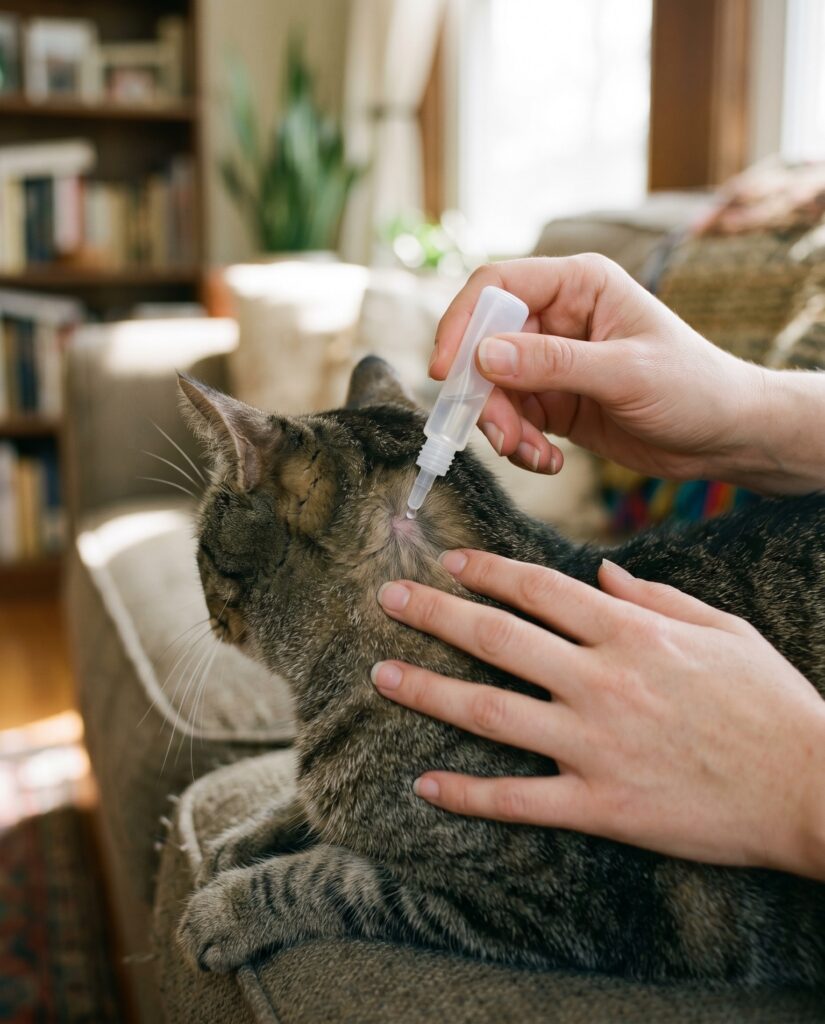
Here is the part that actually ends flea bites, and it has little to do with your skin: you have to break the flea cycle in the pet and the home together. Treating only the bites changes nothing if fleas keep breeding in the carpet. The animal is where adult fleas feed, but the carpet, rugs, and pet bedding are the nursery.
nn
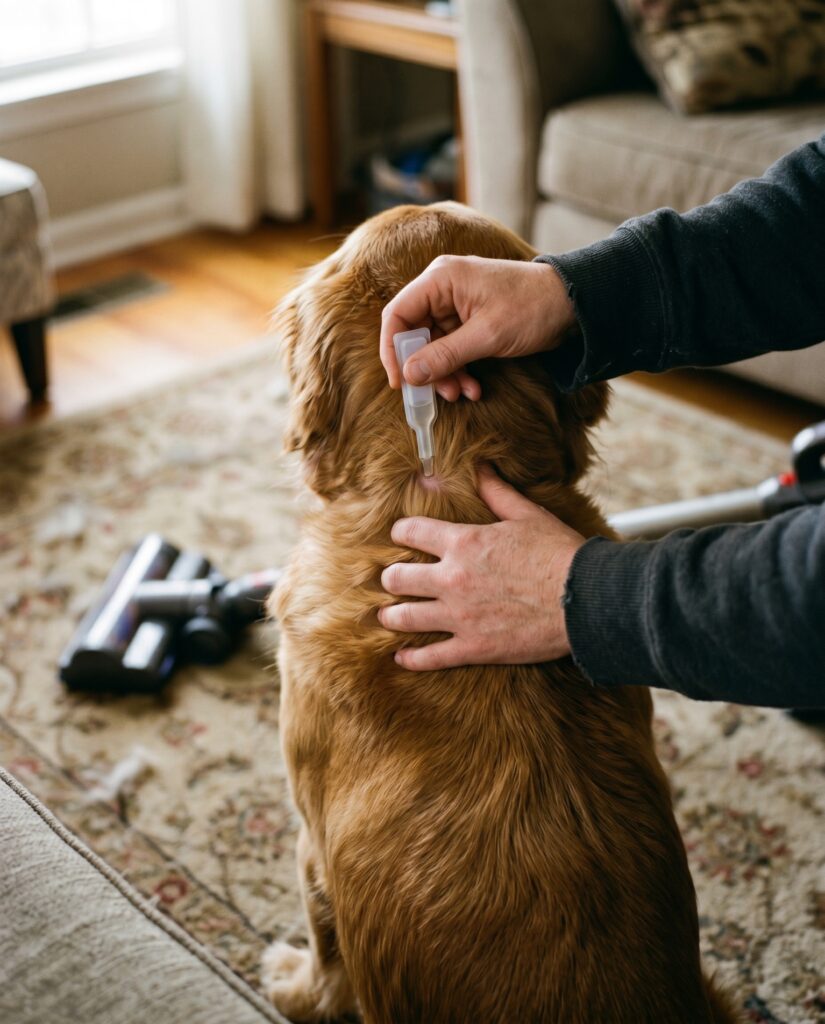
Start with the pet. The AVMA, the veterinary profession’s body, makes the point that treating the pet is what stops the bites at the source, and the right product depends on the animal. This is a place to ask your veterinarian rather than guess, and it matters more than it sounds, because some dog flea products contain permethrin, which is highly toxic to cats. Never put a dog-only product on a cat, keep a freshly treated dog away from cats until it is dry, and let your vet pick the product and the dose for each animal. Our rundown of flea treatments for dogs walks through the categories to discuss with your vet.
nn
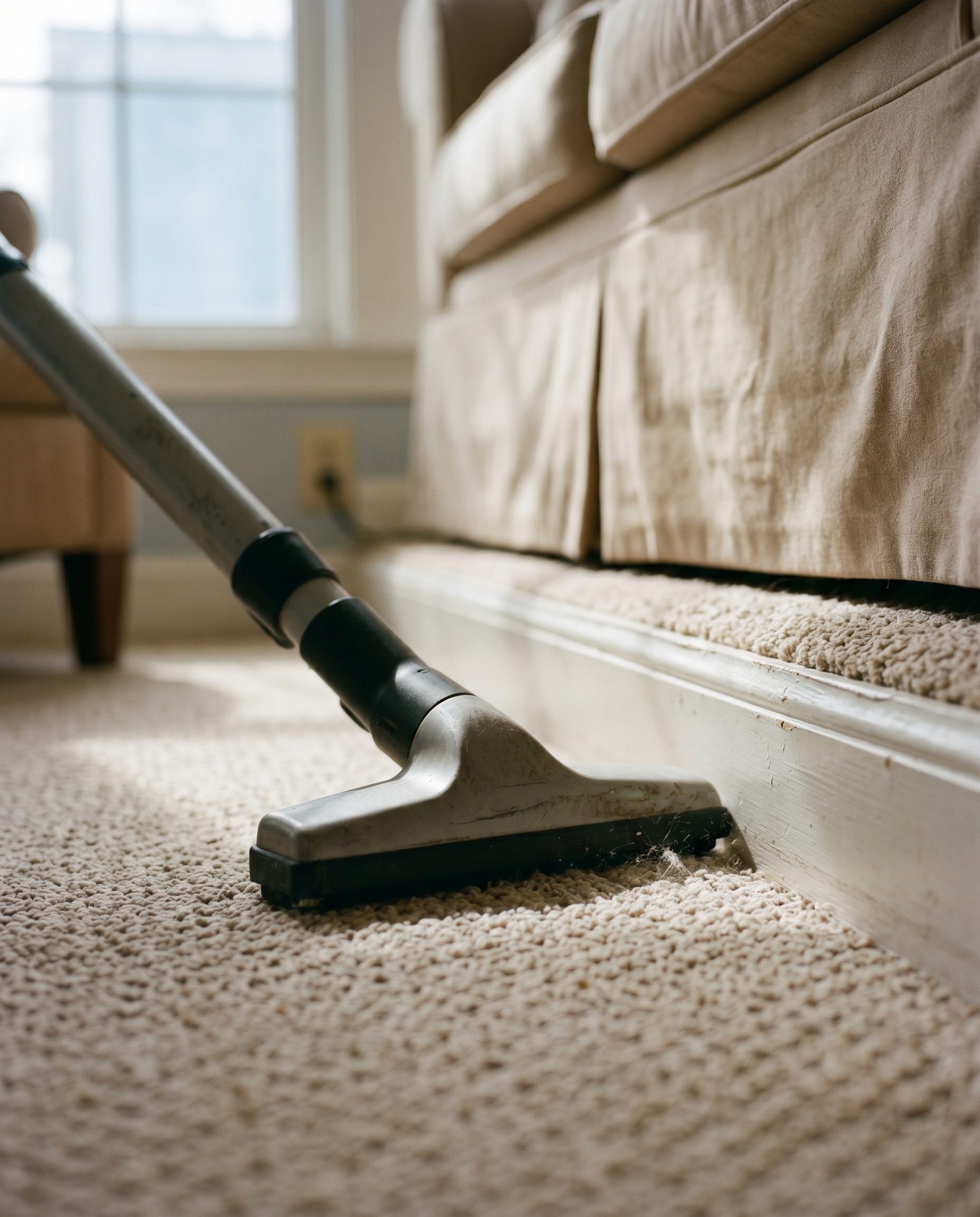
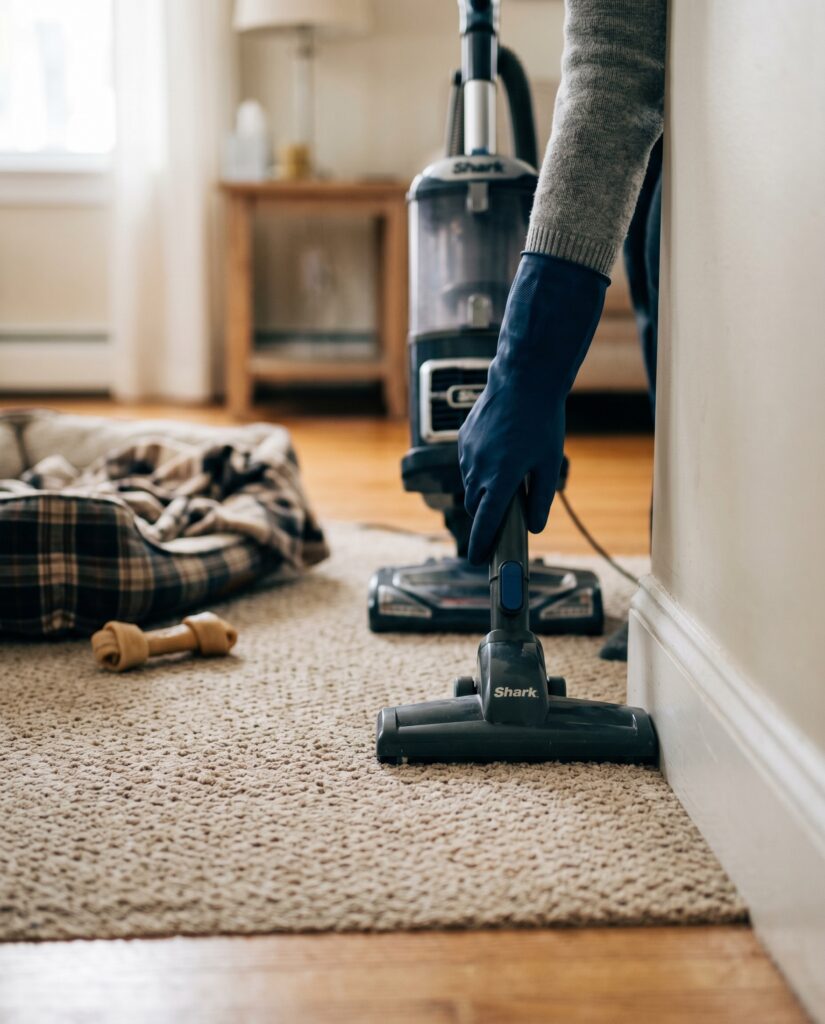
Then hit the environment, because that is where most of the fleas are. Vacuum thoroughly and often, paying attention to carpet edges, under furniture, and wherever the pet sleeps, and empty the canister or bag outside afterward. Wash all pet bedding in hot water and dry it on high heat. For the full step-by-step on treating the house and the yard, see our complete guide to getting rid of fleas, and follow the label on any product you use indoors, since under federal law the label is the law.
nn
Common questions
nnHow long do flea bites last?n
A typical flea bite itches for a few days and fades over about a week. If a bite is getting redder, warmer, or more painful after a day or two instead of better, treat that as a possible infection and contact a healthcare provider.
nnHow do I know if it’s flea bites and not something else?n
The mark alone often cannot tell you, since flea bites resemble mosquito, mite, and bed bug bites. Flea bites lean toward small clusters low on the legs and ankles with a red halo, but confirming fleas really means finding the fleas or their flea dirt on the pet or in the carpet, not reading the bites.
nnDo fleas live on humans?n
Fleas bite people but do not live or breed on us; they prefer furry hosts and the home environment. That is why an answer that ignores the pet and the carpet rarely stops the bites.
nnCan flea bites make you sick?n
Most do not, but the CDC notes fleas can rarely carry diseases that affect people. The everyday risks are a skin infection from scratching and, rarely, a fever or spreading rash, which is why those are the signs to watch.
nnShould I see a doctor for flea bites?n
Most bites need only itch relief at home. See a doctor for spreading redness, warmth, pus, red streaks, or a fever or spreading rash after bites, and get emergency help for any sign of a severe allergic reaction.
nn
Final verdict
nn
Flea bites are easy to recognize and easy to over-worry. They are small, halo-ringed, intensely itchy bumps that cluster low on the legs and ankles, and most simply itch for a few days and heal with basic care. But the bites alone do not confirm fleas, so check the pet with a flea comb and the carpet for flea dirt before you decide. Keep your attention on the things that genuinely matter: do not scratch a bite into a skin infection, watch for the rare emergency signs of a severe allergic reaction and the fever or spreading rash that warrants a doctor, and treat the pet and the home together so the bites stop coming. The bite is the symptom; the fleas in the carpet and on the pet are the problem to solve.
nn
This guide is information, not medical advice. Use it to know when home care is fine and when it is not, and defer to your clinician for anything that worries you, and to your veterinarian for anything involving the pet.
If you are still not sure what you are looking at, our What bit me? wizard works through it in four questions.
nnThis article is for information only and is not medical advice.
Pingback: Bug Bites in a Line vs a Cluster: What Each Means
Pingback: Bug Bites That Itch Worse at Night: Why and What Helps
Pingback: Bugs That Jump: How to Tell Fleas From the Others