
\
\
\
If you keep finding spiders along the baseboards and in the corners, the spray that actually drops the count is a residual perimeter barrier applied where they get in, not a contact can you chase them with one at a time. The short answer: seal the obvious gaps and knock down webs first, then lay a labeled residual barrier along the foundation and around doors and windows, and keep a contact aerosol on hand only for the rare dangerous spider you have to kill on sight. For our own basement and garage we keep one barrier spray, one small contact can in reserve, and a few glue boards, nothing more. Most lists crown a single “killer” aerosol; that is the misread the comparison below corrects.
\
\
\
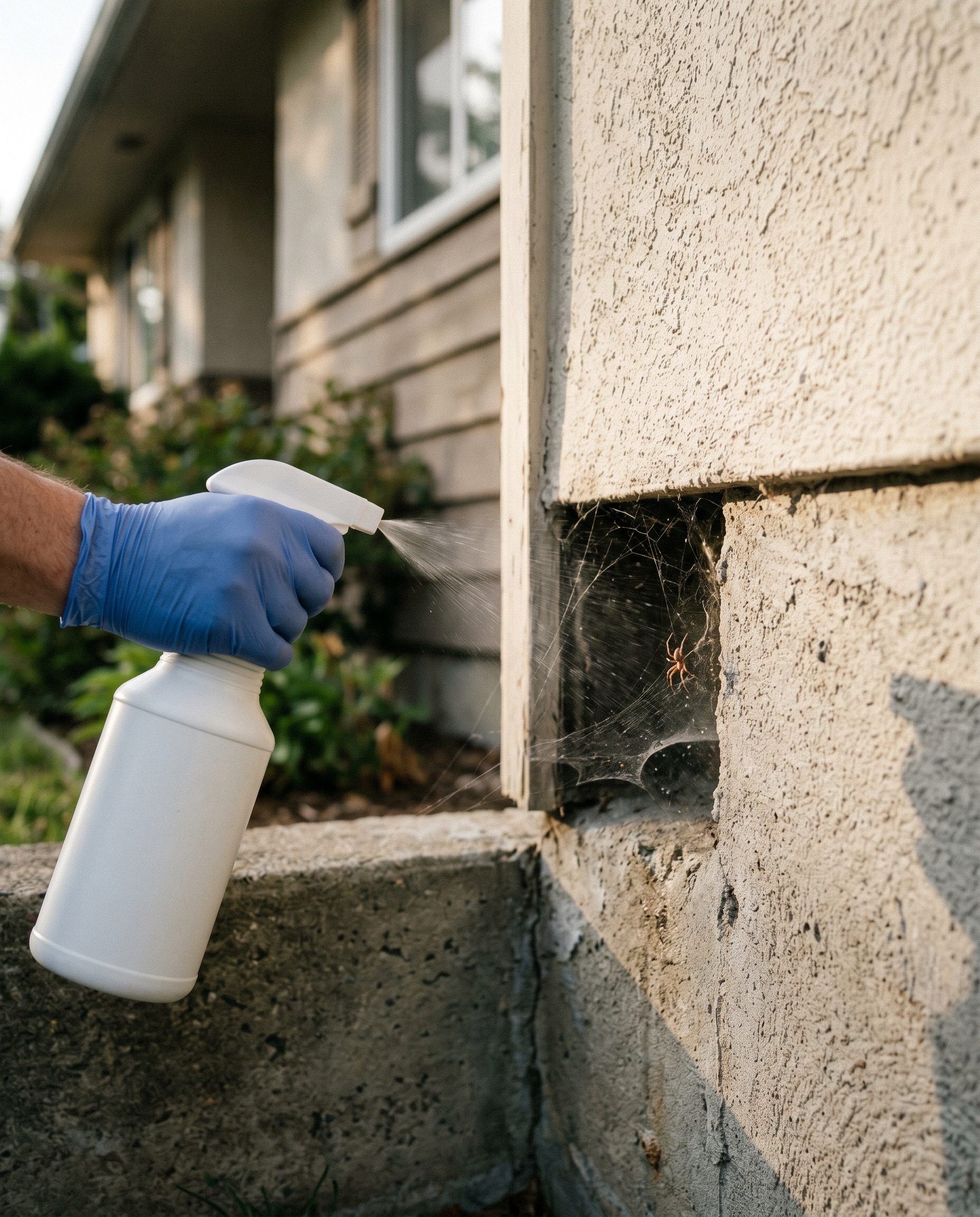
A contact spray kills the spider you hit but does not keep them out, so a residual perimeter barrier at the entry points, paired with sealing gaps and reducing prey, is what actually lowers the count; keep a contact can only for the rare dangerous spider.
\
- \
- Do first (free): Clear webs, vacuum corners, and seal gaps around doors, windows, and pipes so fewer spiders get in.
- Best for the common case: A residual perimeter barrier sprayed along the foundation line and around entry points, not the whole room.
- Skip: Fogging the open room and ultrasonic plug-in repellers; neither reaches the cracks where spiders actually sit.
\
\
\
\
\
\
\
\
A related guide worth having to hand: Spider Egg Sac Identification: What’s in That White Ball.
What to do first
\
\
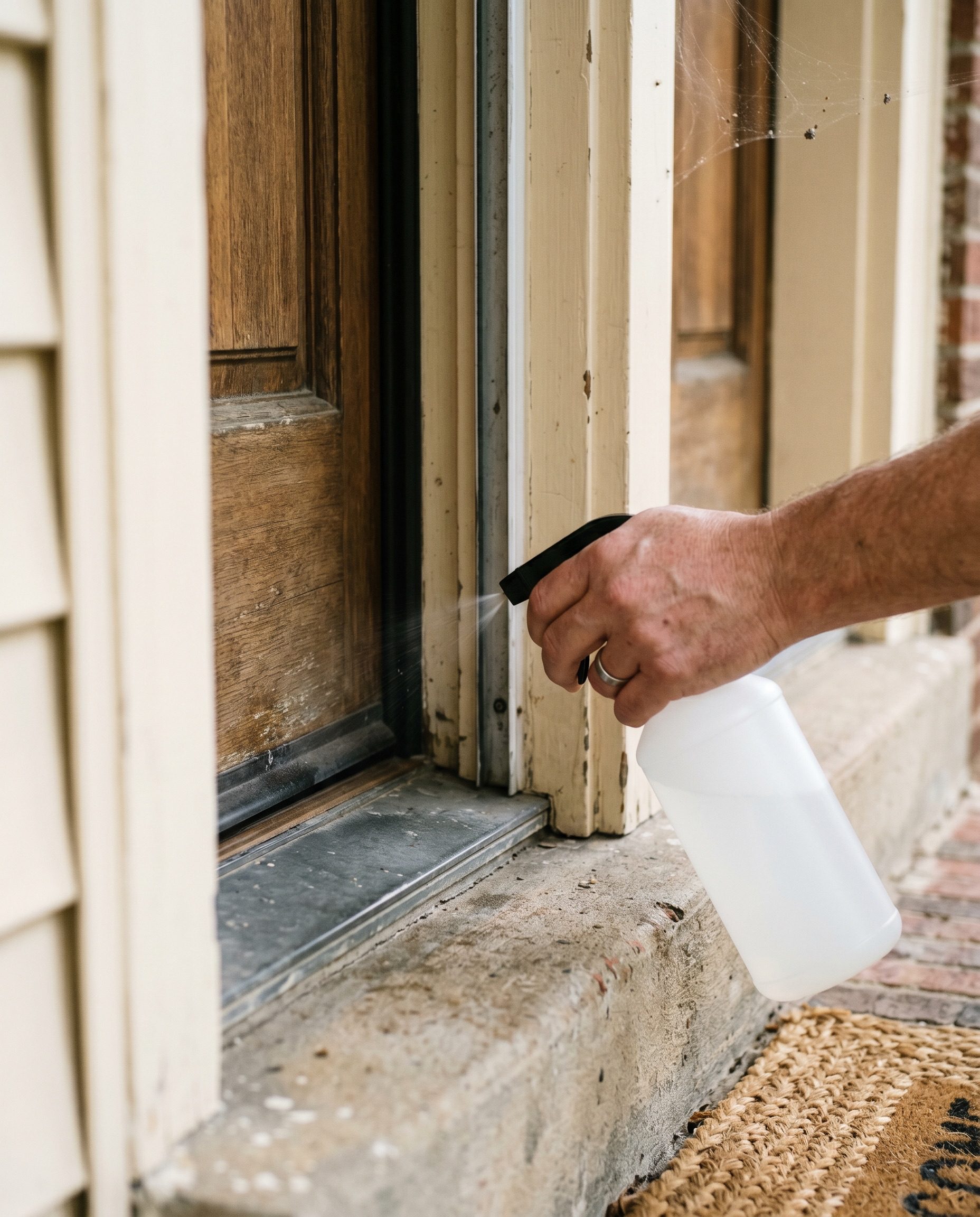
Before any can comes off the shelf, do the free part, because a spray on an unsealed house is a spray you reapply forever. Knock down every web you can reach, vacuum the corners, under furniture, and the window tracks, then caulk the gaps around door frames, window frames, and the spots where pipes and cables pass through the wall. The UC IPM Pest Note on spiders is direct that most spiders are harmless and that exclusion and reducing the insects they feed on beat routine spraying, because a spider with no way in and nothing to eat does not stay. Our walkthrough on how to get rid of spiders in the house lays out the sealing order room by room.
\
\
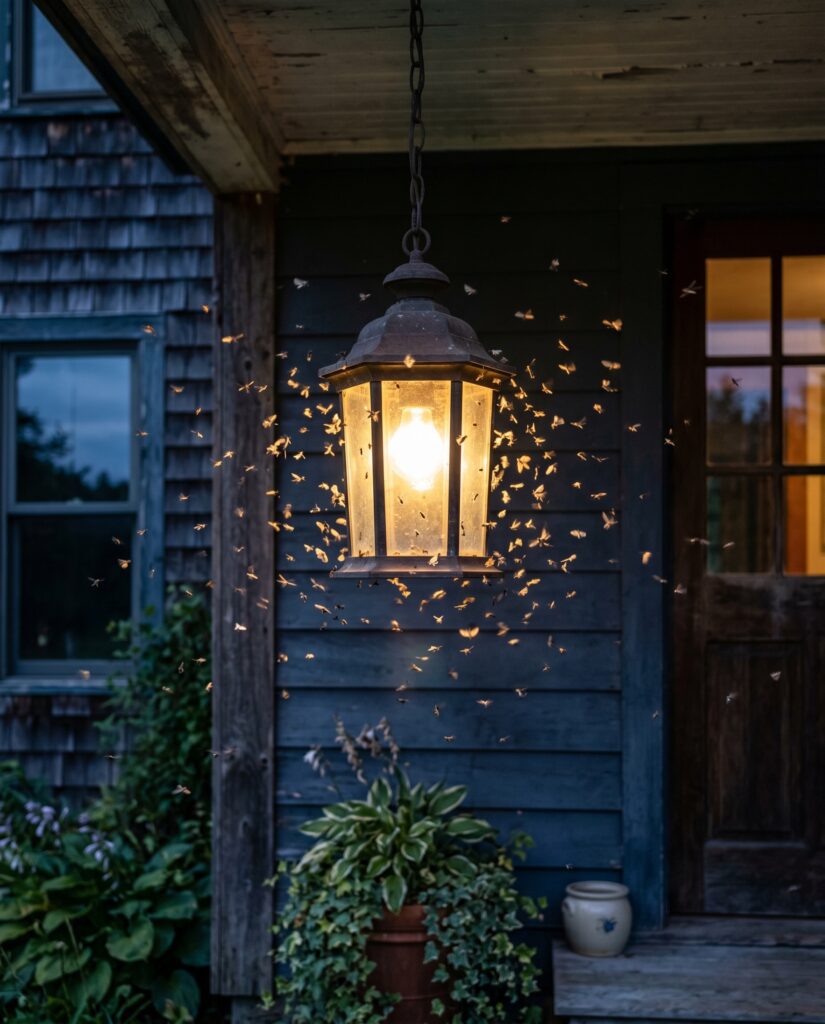
Then cut the food supply, since spiders follow prey. Swap white outdoor bulbs for yellow “bug” lights so the porch stops pulling in the flies and moths spiders hunt, and clear leaf litter and woodpiles back from the foundation. Purdue Extension’s guide to household spiders and their control makes the same point: handle the conditions first, and the chemical step becomes a small finishing move instead of the whole plan. A barrier spray is worth buying once the sealing is done, not as a way to avoid it. Our piece on what attracts spiders to your house covers the moisture and light fixes that matter most.
\
\
Contact vs residual sprays
\
\
Here is where most “best killer” lists go wrong. They rank a fast knockdown aerosol at the top, and a contact aerosol does exactly one thing: it kills the spider you spray directly, right then. The moment it dries, it offers no protection at all, so the next spider walks the same path that night. That is fine for a wolf spider on the wall you want gone now, and useless as a strategy for keeping a house clear.
\
\
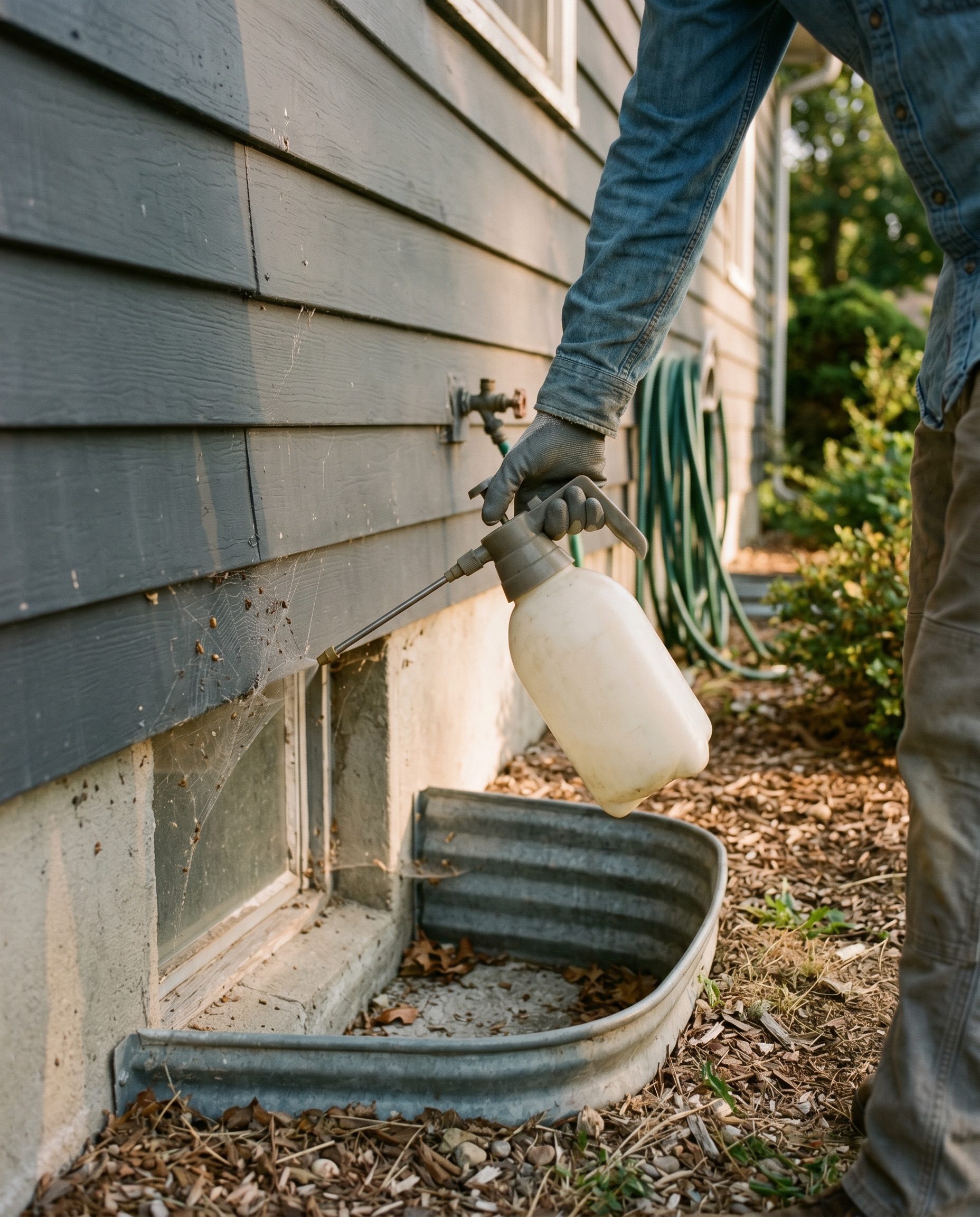
A residual perimeter spray is the opposite tool. You apply it as a band along the foundation, doorways, window frames, and the garage perimeter, and it leaves a treated film that keeps working on surfaces for weeks as spiders cross it. The barrier does the patrolling so you do not have to, which is why it beats chasing individuals with a can. The honest call-out: skip fogging the open room and skip ultrasonic plug-in repellers entirely. Foggers drift over surfaces and never reach the cracks and voids where spiders actually sit, and the repellers have no reliable effect on spiders. The two real tools are a barrier for the everyday case and a contact can held in reserve.
\
\
One situation overrides all of this. If you are dealing with a confirmed black widow or brown recluse, the University of Kentucky’s black widow ENTfact and its brown recluse ENTfact both stress careful identification and caution around their hiding spots, and a heavy recluse problem inside a home is a job to hand to a licensed professional rather than treat blind.
\
\
\
\
Barrier vs contact vs sealing
\
\
Pick by the job in front of you: are you keeping spiders out over time, killing one now, or closing the door they use. The three approaches are not competitors so much as a sequence, and the table sorts them by where each earns its place.
\
\
| Approach | Best for | Watch-out |
|---|---|---|
| Residual perimeter barrier | Keeping the count down at the foundation and entry points | Follow the label; keep kids and pets off until fully dry |
| Contact aerosol | Killing one visible or dangerous spider on the spot | No residual; offers no protection once it dries |
| Sealing plus web removal | Every home, before you spray anything | Labor up front, not a one-time fix |
\
\
Why not just buy the strongest can and be done? Because the strongest aerosol still protects nothing tomorrow, and a light mist of barrier product along the right line outperforms a heavy blast in the open. Match the tool to the goal, not to the loudest label. A barrier is right when you want fewer spiders week to week; a contact can is right for the one on the wall or the dangerous species you must remove now; and neither replaces the sealing that keeps the next wave outside. A glue board is the quiet third piece for monitoring corners, and our roundup of the best spider traps and glue boards covers where to set them.
\
\
How to apply it
\
\
Treat the line, not the air. For a barrier, run a low continuous band where the ground meets the foundation, then around door thresholds, window frames, weep holes, garage edges, and any utility penetration, getting into the crack rather than over it. Coverage of the entry points beats blanketing the wall every time. Reapply on the schedule the label gives, usually every several weeks outdoors where rain and sun break the product down faster, and after heavy rain. Indoors, treat baseboards, closet edges, and the corners of the basement and garage where webs keep reappearing, and pair it with the glue boards for the spots a spray should not go.
\
\
Treat these as the pesticides they are, because under federal law the label is the law. Read and follow the product label, and lean on the EPA’s safe pest control guidance rather than guessing at a stronger mix; over-applying is both illegal and a waste. Keep children and pets off treated surfaces until they are fully dry, do not spray where food is prepared or where pet bowls sit, and do not apply an outdoor-labeled product indoors or the reverse. If someone is exposed, contact a doctor or your local poison control center; you can also check the NPIC pesticide-safety resource for any application or exposure question. Outdoors, avoid spraying flowering plants where bees forage, since a broad barrier product does not sort the good bugs from the bad.
\
\
\
\
The picks
\
\
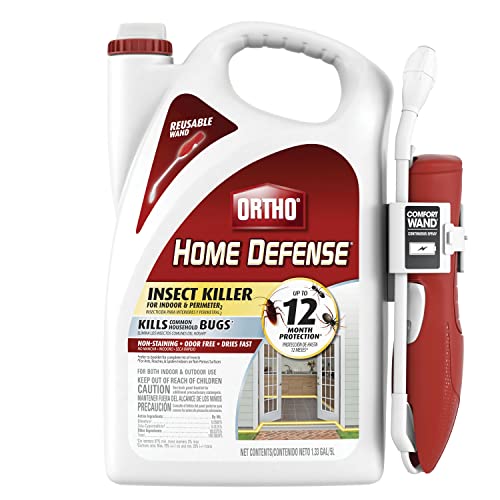
Cards come after the analysis on purpose, because the job decides which one you buy. These three cover the everyday barrier, the contact can for the dangerous few, and a long-lasting barrier for high or hard-to-reach corners, and all are common, widely available products.
\
\
InsectoGuide is reader-supported. As an Amazon Associate we earn from qualifying purchases at no extra cost to you.
\
\
\
 \
\
\
\
A residual barrier you run along entry points and the foundation, not the whole room.
\
\
\
\
\
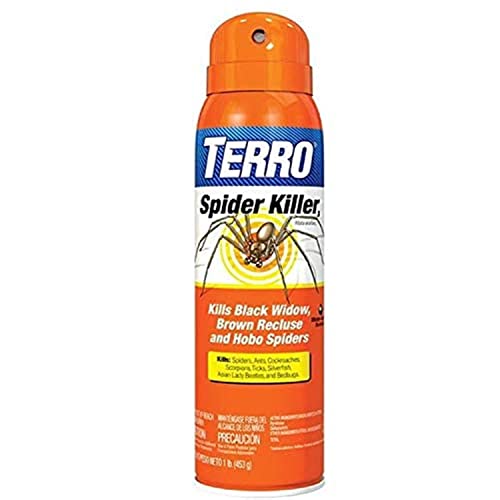 \
\
\
\
A contact can for killing a visible or dangerous spider on the spot.
\
\
\
\
\
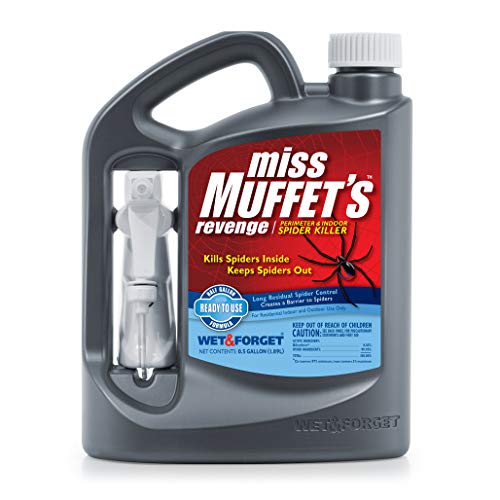 \
\
\
\
A barrier built for high or hard-to-reach corners you cannot easily re-treat.
\
\
\
\
Common questions
\
\
Does a spider killer spray actually keep spiders out?\
A contact spray does not; it only kills the spider you hit. A residual perimeter barrier is what lasts, because it leaves a treated film at the entry points that keeps working for weeks. The UC IPM spider guidance is clear that sealing and reducing prey do more than spraying alone.
\
\
Is spider spray safe to use around pets and kids?\
Only when you follow the label. Keep children and pets off any treated surface until it is fully dry, and never spray where food is prepared or where pet bowls sit. Treat indoor and outdoor products as separate; do not swap them.
\
\
How often do I reapply a barrier spray?\
Follow the label, but outdoors expect to re-treat every several weeks and after heavy rain, since sun and water break the product down. Indoors a treated baseboard lasts longer because it is out of the weather.
\
\
Do ultrasonic plug-in repellers work on spiders?\
No reliable effect. They make a sound claim but do not reach the cracks where spiders sit, and your money does more in caulk and a barrier spray. Sealing the gaps and clearing webs is the part that actually shifts the count.
\
\
When should I call a professional?\
If you confirm a brown recluse problem or a heavy population you cannot trace, bring in a licensed pro. Both the black widow and brown recluse profiles from the University of Kentucky stress caution, and a recluse infestation inside walls is not a blind-spray job.
\
\
What do I do about a possible spider bite?\
Most spider bites are minor, but watch the site and get medical help for severe pain, a spreading wound, or trouble breathing. The MedlinePlus page on spider bites lists the warning signs; get emergency medical help right away for any reaction that looks severe.
\
\
Final verdict
\
\
There is no single best spider killer spray, because the can that kills the one on the wall is not the tool that keeps the house clear. Start free by clearing webs, sealing the gaps, and cutting the porch lights and prey that pull spiders in, then lay a residual perimeter barrier along the foundation and entry points so the count stays down between cleanings. Keep a contact aerosol in reserve for the visible spider you want gone now or the rare dangerous one you must remove on sight, and use a long-lasting barrier for the high corners you cannot easily reach. Skip fogging the open room and skip the ultrasonic repellers; they never touch the cracks where spiders actually live. The barrier plus sealing is what does the work, and the can is the finishing touch.
\
\
Pingback: Best Natural Spider Repellents (Peppermint and More)