If you keep finding spiders along the baseboards, the best spider traps are plain flat glue boards, because they do two jobs no spray can: they tell you what you actually have, and they catch the ones traveling low along the walls. The short answer is to seal the gaps and clear webs first, then set glue boards in the dark corners and runways where spiders walk, especially if you are watching for a recluse. In our own basement we keep a stack of glue boards in the corners and check them weekly, nothing fancier. Most lists push a plug-in repeller as the top pick; that is the one to skip, and the comparison below shows why.
Where how they map a runway is the actual question, rodent rub marks answers it.
Glue boards are the safest no-spray way to both monitor and catch spiders, especially recluses traveling low along walls and baseboards; they show you what you really have and thin the corners, but they are a capture tool, not a cure, so pair them with exclusion.
- Do first (free): Caulk gaps, fix screens, vacuum webs, and declutter so fewer spiders get inside.
- Best for the common case: Flat glue boards set flush along walls and in dark corners for monitoring and capture.
- Skip: Ultrasonic plug-in repellers; Extension trials find no reliable effect on spiders.
What to do first
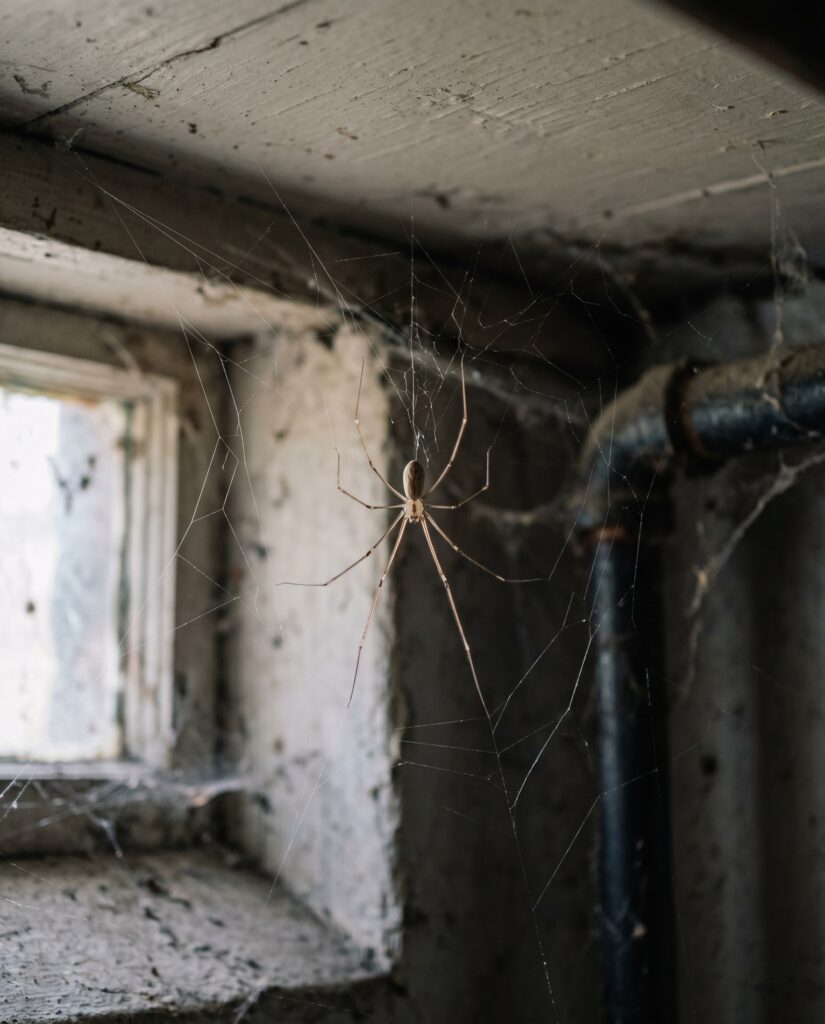
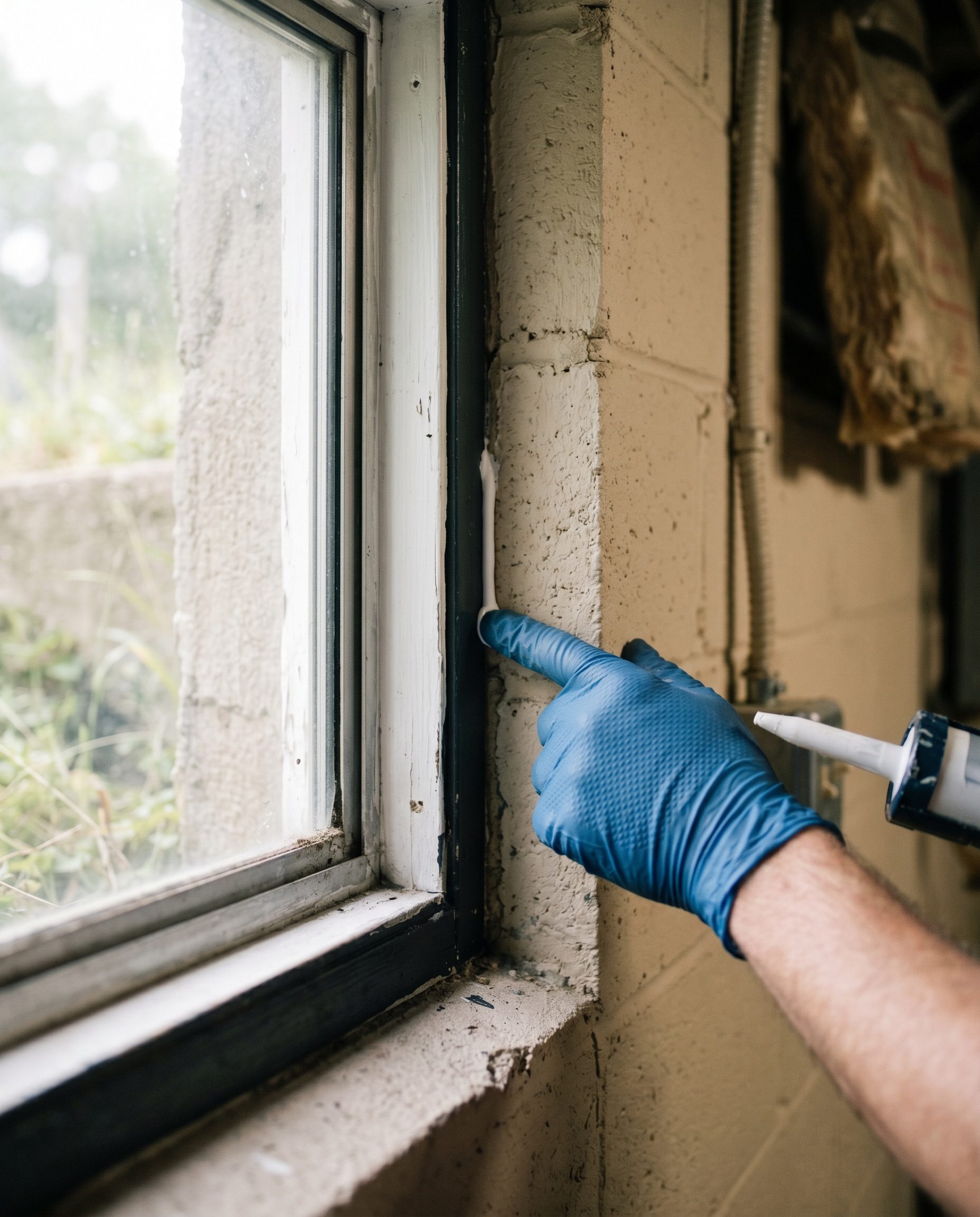
Before any trap goes down, do the free part, because a glue board placed in a sealed, clean room catches far fewer spiders than one placed where they are getting in. Run a bead of caulk along gaps where pipes, wires, and the foundation meet, tighten or replace torn screens, and vacuum down the webs and egg sacs you can reach. The UC IPM Pest Notes on spiders make the case plainly: most house spiders are harmless and even beneficial, and reducing entry points and the insect prey that draws them does more than spraying ever will. Our full walkthrough on getting rid of spiders in the house lays out that exclusion order step by step.
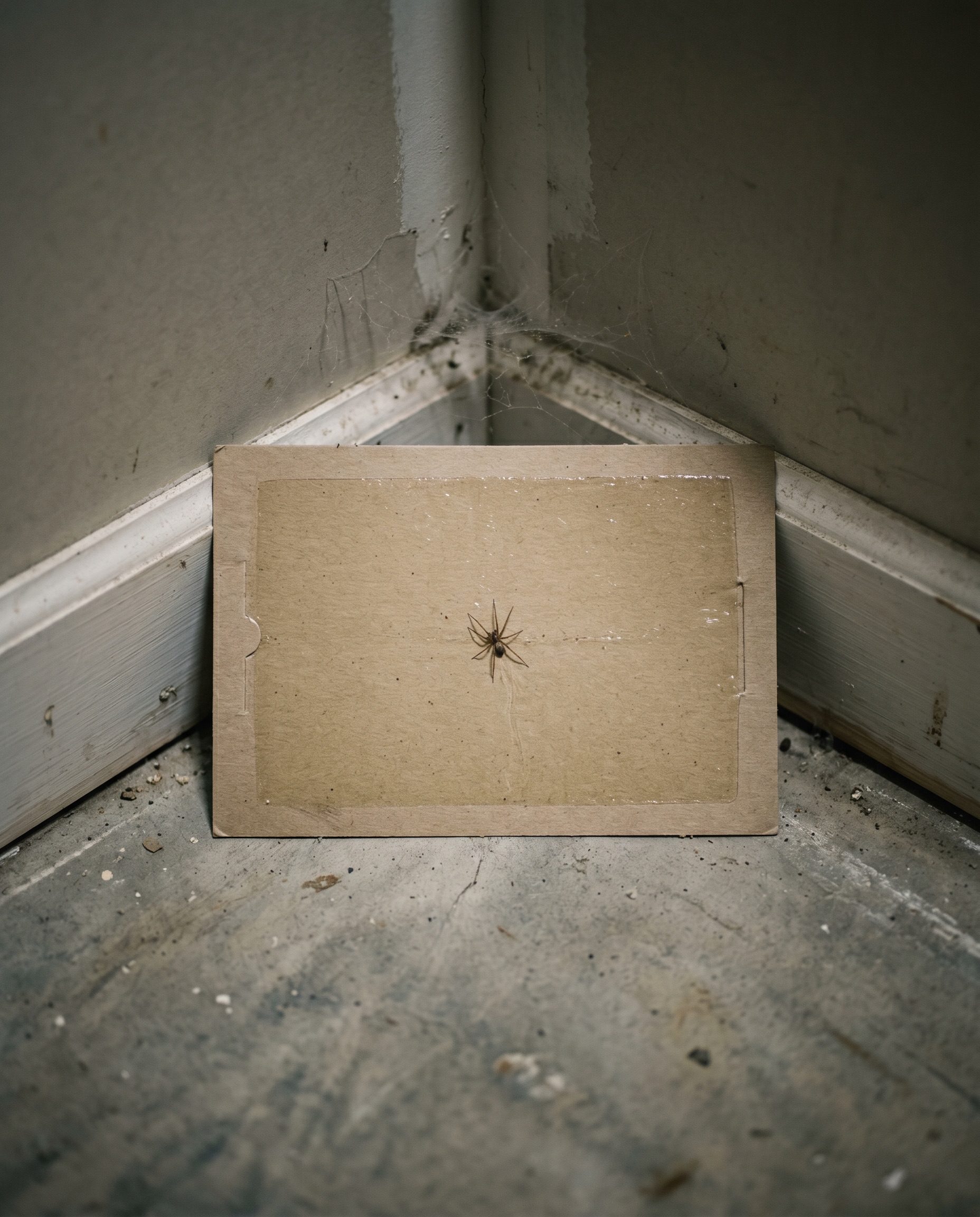
Then set traps where spiders actually walk, not in the middle of the floor. Spiders travel the edges, hugging walls and baseboards in dark, undisturbed runways. Place glue boards flush against the wall in closets, behind furniture, in the garage, and along basement and crawlspace edges. A board is worth buying once the prep is done and you know which corners stay quiet, not as a substitute for sealing the place up.
Why glue boards beat the gadgets
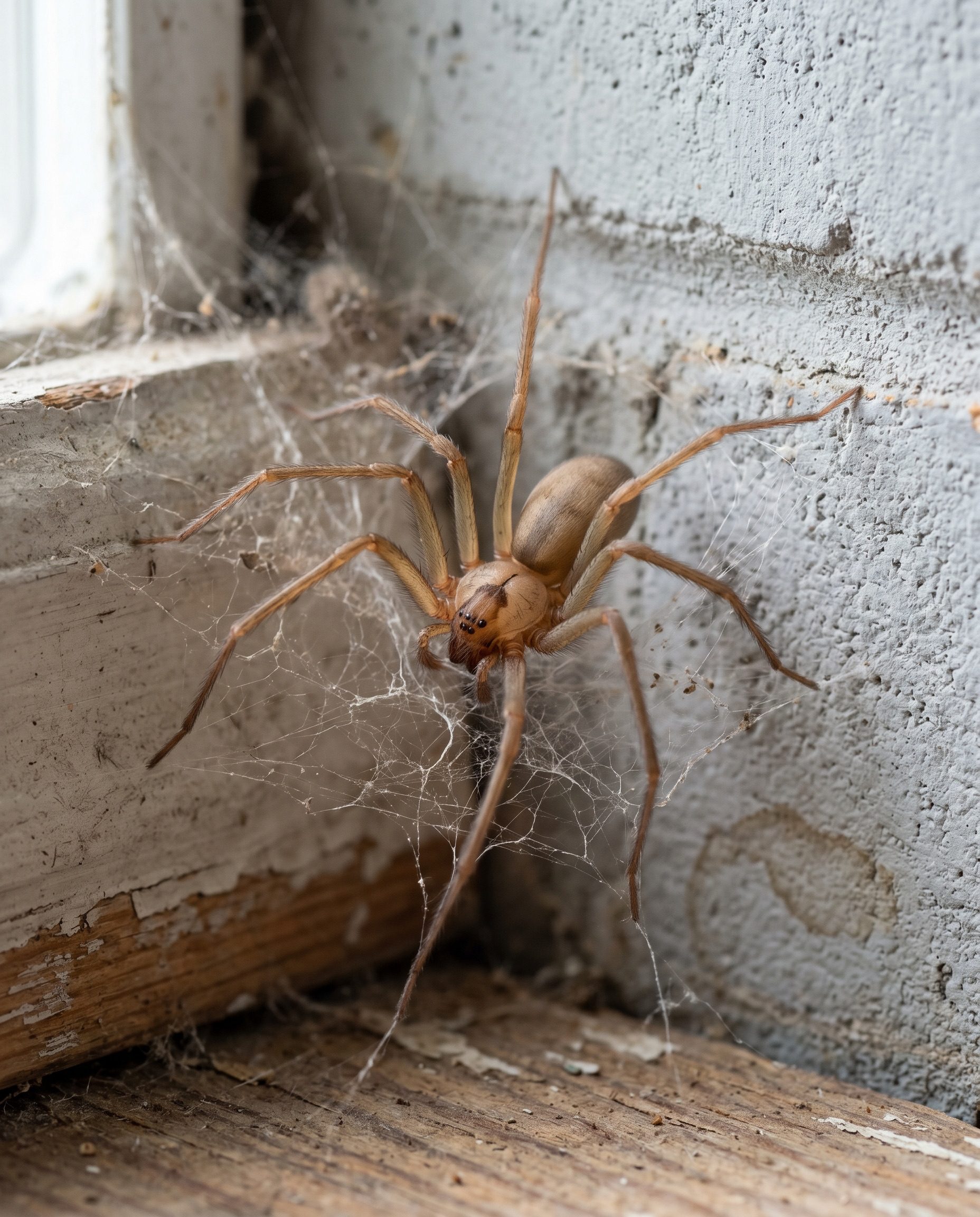
Here is the part most “best trap” lists skip. A glue board does something the loud gadgets cannot: it is a detection tool first. Set a few along the walls and over a week or two they tell you whether you have a handful of harmless cellar spiders or something that warrants a closer look. The University of Kentucky’s brown recluse guidance recommends sticky traps as the standard way to confirm whether recluses are present and how heavy the activity is, since recluses hide by day and you rarely see them. A trap that shows you the problem is worth more than a spray that hides it.
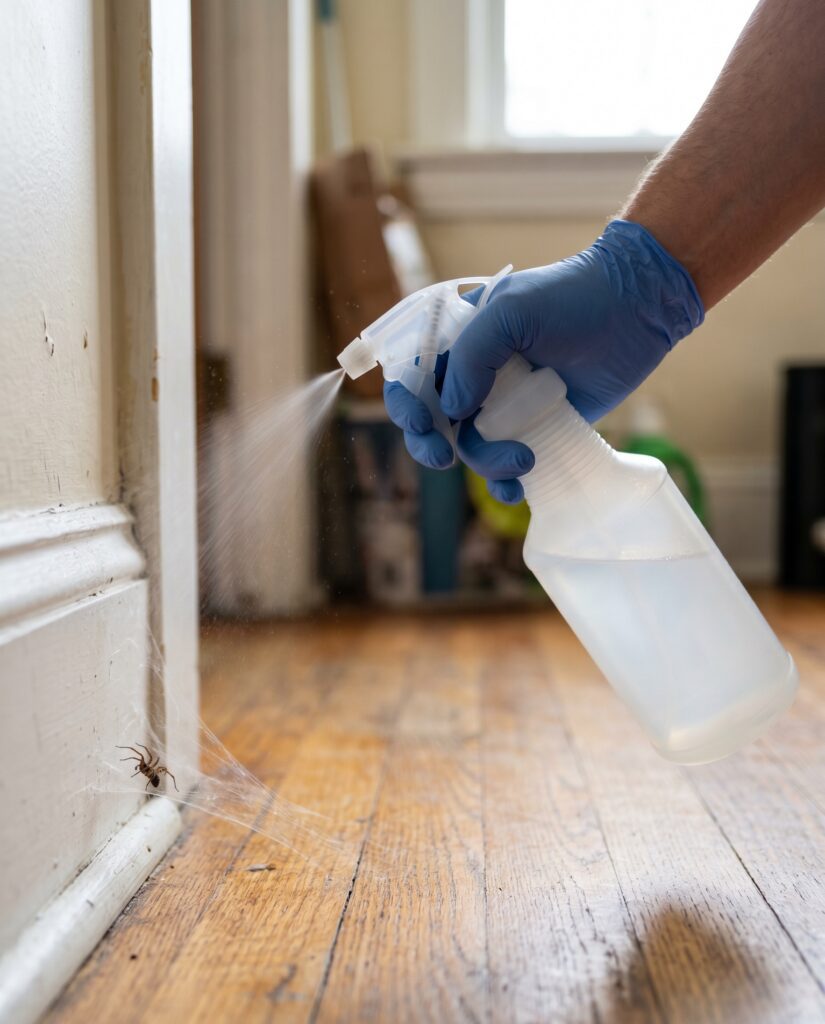
This is why I steer people away from the gadget aisle. Ultrasonic plug-in repellers are the classic waste of money here; the sound does not drive spiders out, and no Extension trial backs the marketing. Spider “foggers” are worse, because they fill the air where spiders are not and miss the cracks where they hide, the same point Purdue Extension’s household spider guidance makes when it leans on exclusion and physical removal over broadcast spraying. Glue boards cost a few dollars and quietly do the monitoring those gadgets only pretend to. They will not solve a heavy infestation alone, but they earn their place every time.
Glue boards vs sprays vs sealing
Once you know that, the category choice is short. Decide by what you need: to find out what you have, to thin the population safely, or to keep more from getting in. The point is to match the tool to the goal, not to grab the biggest box on the shelf.
| Method | Best for | Watch-out |
|---|---|---|
| Glue boards | Monitoring, ID, and catching spiders in corners and runways | No residual; capture only, replace when full or dusty |
| Residual perimeter spray | Knocking back heavy outdoor entry at the foundation line | Follow the label; keep kids and pets off until dry |
| Web removal + caulk | Every situation, before you trap or spray | Labor, not a one-time fix |
Why not just spray and skip the boards? Because a spray tells you nothing about what you have, and indoors it is often overkill for harmless spiders that exclusion would handle. Glue boards are the no-spray option for homes with kids, pets, or food-prep areas, since there is no chemical to keep anyone off and nothing to contaminate a counter. If outdoor pressure is genuinely heavy, a labeled perimeter product has a role, and our roundup of the best spider killer sprays covers that lane; for most indoor problems, though, boards plus sealing do the work without a can.
Where to place glue boards
Placement is the whole game, so set them where spiders walk. Put glue boards flat and flush against the wall, since spiders follow the wall-floor edge rather than crossing open ground. Good spots are closet corners, behind and beside furniture, under sinks, along garage and basement walls, in the crawlspace, and at the back of low cabinets. Run them in pairs along a baseboard so a spider hits one whichever way it travels. For recluse watching, the low, dark, dry, undisturbed areas are exactly where the University of Kentucky’s recluse work says they hide, so weight your placement there.
Check the boards weekly and replace them when they fill with debris, collect dust, or dry out, because a dusty board stops sticking. Keep them out of reach of curious pets and toddlers, and if a pet does get stuck to one, do not pull, a little vegetable oil works the glue loose. Glue boards are not a cure on their own: keep sealing gaps and clearing webs so the population keeps dropping while the boards monitor and catch. If you find a black widow, the University of Kentucky’s black widow guidance and our brown recluse identification guide help you confirm which dangerous species you are dealing with and how seriously to take it.
The picks
Cards come after the analysis on purpose, because the goal decides which board you buy. These three cover general monitoring, recluse-sized runways, and a brand-name option for the dangerous species, and all are common, widely available glue traps.
InsectoGuide is reader-supported. As an Amazon Associate we earn from qualifying purchases at no extra cost to you.
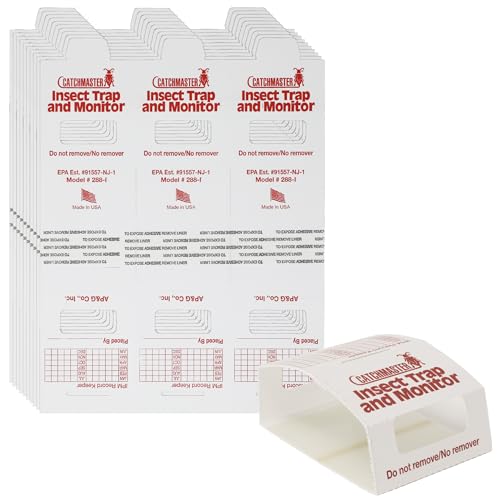
A no-fuss flat board for everyday monitoring and corner capture.
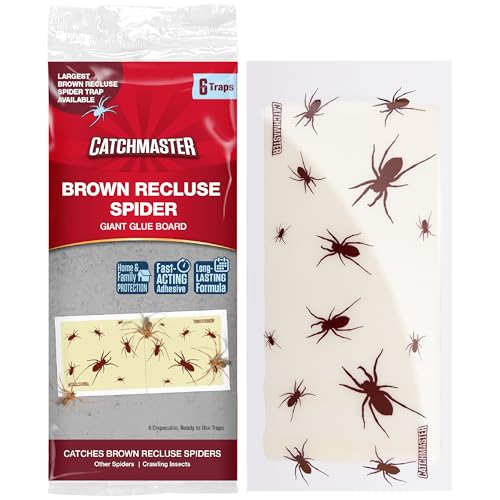
A large board sized for recluse runways and detection.
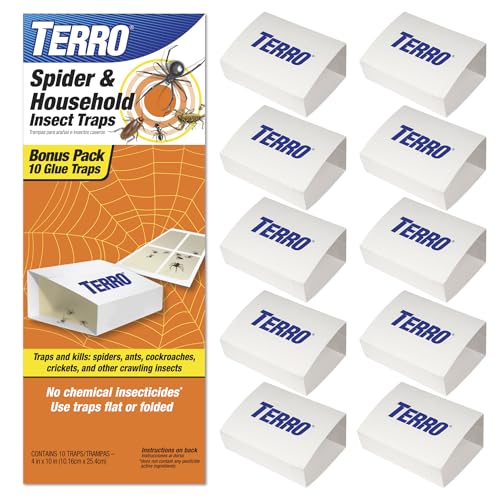
A discreet trap you lay flat or fold into a box.
Common questions
Do glue boards actually work on spiders?
Yes, for what they are built to do. They catch spiders that walk across them along the walls and they show you the level of activity in a room, which is why Extension programs recommend them for monitoring. They will not pull spiders out of webs up high, so treat them as one tool alongside sealing and web removal.
Are glue boards safe around kids and pets?
They carry no pesticide, which is their big advantage in homes with children and animals. The risk is the glue itself, so place boards out of reach behind furniture and in cabinets. If a pet gets stuck, work the glue free with a little vegetable oil instead of pulling.
How often should I replace them?
Check weekly and swap a board out when it fills with insects, collects dust, or dries and stops sticking. In dusty garages and crawlspaces that can be every few weeks. A clean, tacky surface catches; a grimy one is just cardboard.
Will a glue board tell me if I have a brown recluse?
It is the standard way to find out. Recluses hide by day and travel low at night, so a few boards in dark, undisturbed corners will catch them if they are present. Use our brown recluse identification guide to confirm the violin mark and six-eye pattern before you assume the worst.
What if I get bitten by a spider?
Most spider bites are minor, but MedlinePlus notes that some bites need medical attention. Get emergency medical help right away for trouble breathing, spreading pain or swelling, severe cramping, or a wound that worsens, and see a doctor if you suspect a widow or recluse bite. When in doubt, have a clinician look at it.
Final verdict
The best spider traps are plain flat glue boards, and the reason is simple: no other tool both tells you what you have and quietly thins the corners without a drop of spray. Start free by sealing gaps, fixing screens, and vacuuming webs, then set boards flush along the walls and in the dark, low runways where spiders travel, weighting recluse-prone corners. Check them weekly, replace them when they fill, and keep them away from kids and pets. Skip the ultrasonic repellers and spider foggers; they do not move spiders and they miss the cracks that matter. Glue boards are a monitor-and-capture tool, not a cure, so keep excluding alongside them, and that combination clears most indoor spider problems without ever reaching for a can.
Webs in corners and what spun them goes further into telling an occupied web from an abandoned one.