\
\
\
A natural spider repellent like peppermint oil can genuinely keep spiders off a surface you have sprayed, but the effect is short-lived, so the only way it works is weekly reapplication aimed at the spots spiders actually use. The short answer: seal the gaps and knock down the webs first, then treat your peppermint or essential-oil spray as a pleasant, low-toxicity maintenance layer on doorways, window frames, and basement corners, not as the thing that ends an infestation. For our own basement we keep a peppermint spray by the door and a glue board in the corner, and that is about it. Most lists rank these oils as a one-and-done cure; that framing is the part to ignore, and the comparison below shows where they really earn their place.
\
\
\
Peppermint and other essential-oil sprays can keep spiders off a treated surface, but the effect fades fast, so reapply weekly at entry points and lean on exclusion and prey reduction; they are a maintenance layer, never a standalone fix.
\
- \
- Do first (free): Caulk gaps, fix screens, and vacuum down webs so fewer spiders get inside in the first place.
- Best for the common case: A peppermint or essential-oil spray reapplied weekly to doorways, window frames, and corners.
- Skip: Treating any natural repellent as a one-time cure, or trusting a plug-in ultrasonic device to do the same job.
\
\
\
\
\
\
\
\
If you want the wider context, Spider Egg Sac Identification: What’s in That White Ball is the natural next read.
What to do first
\
\
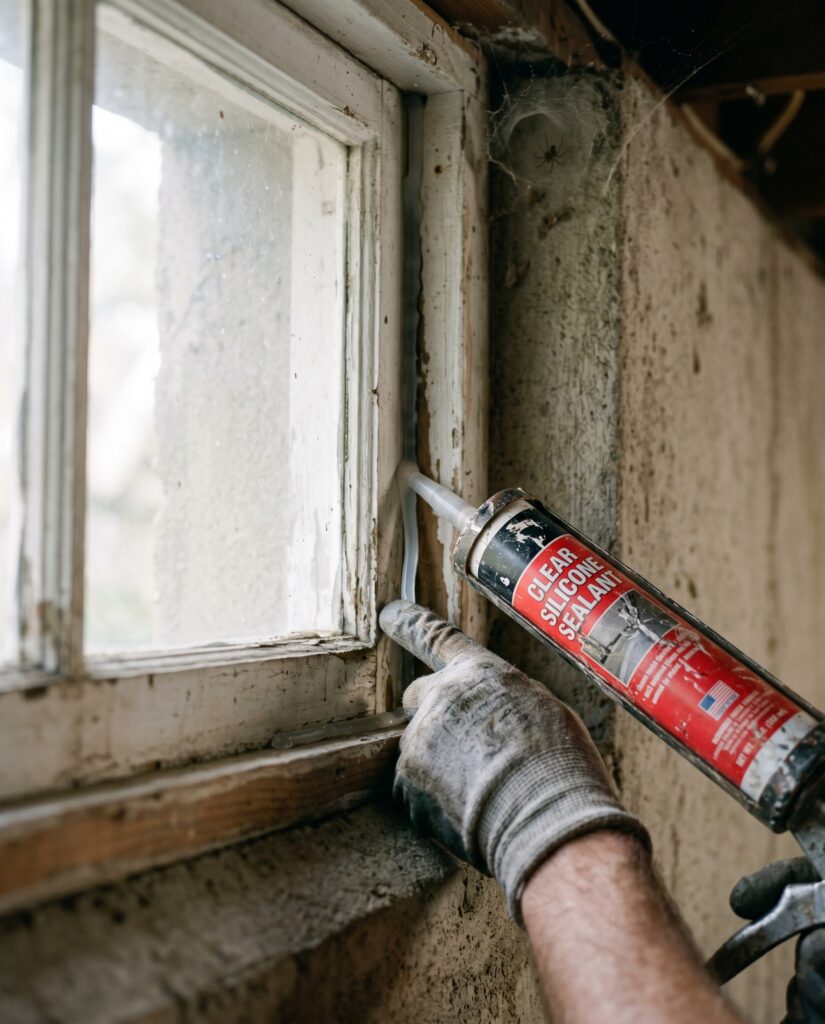
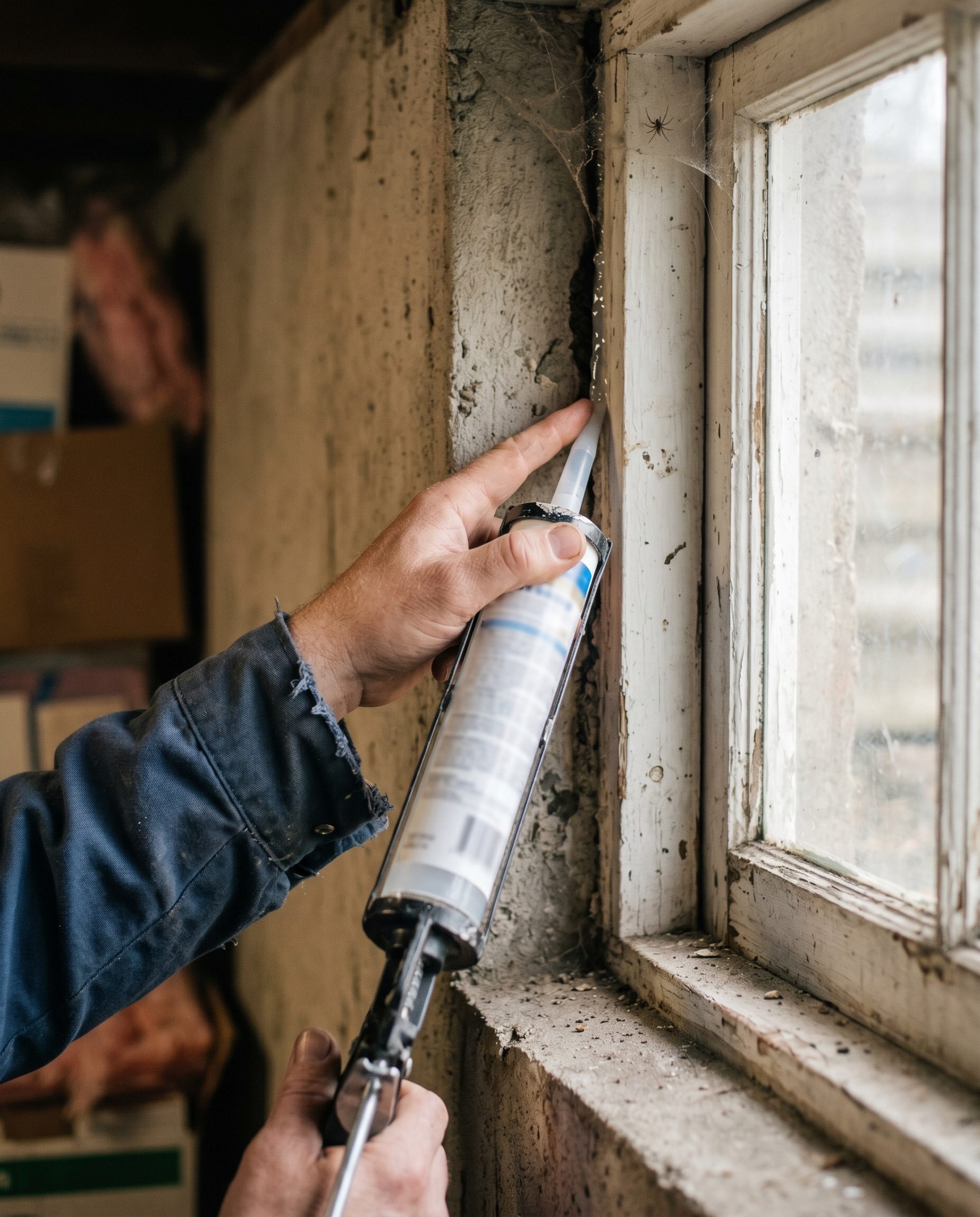
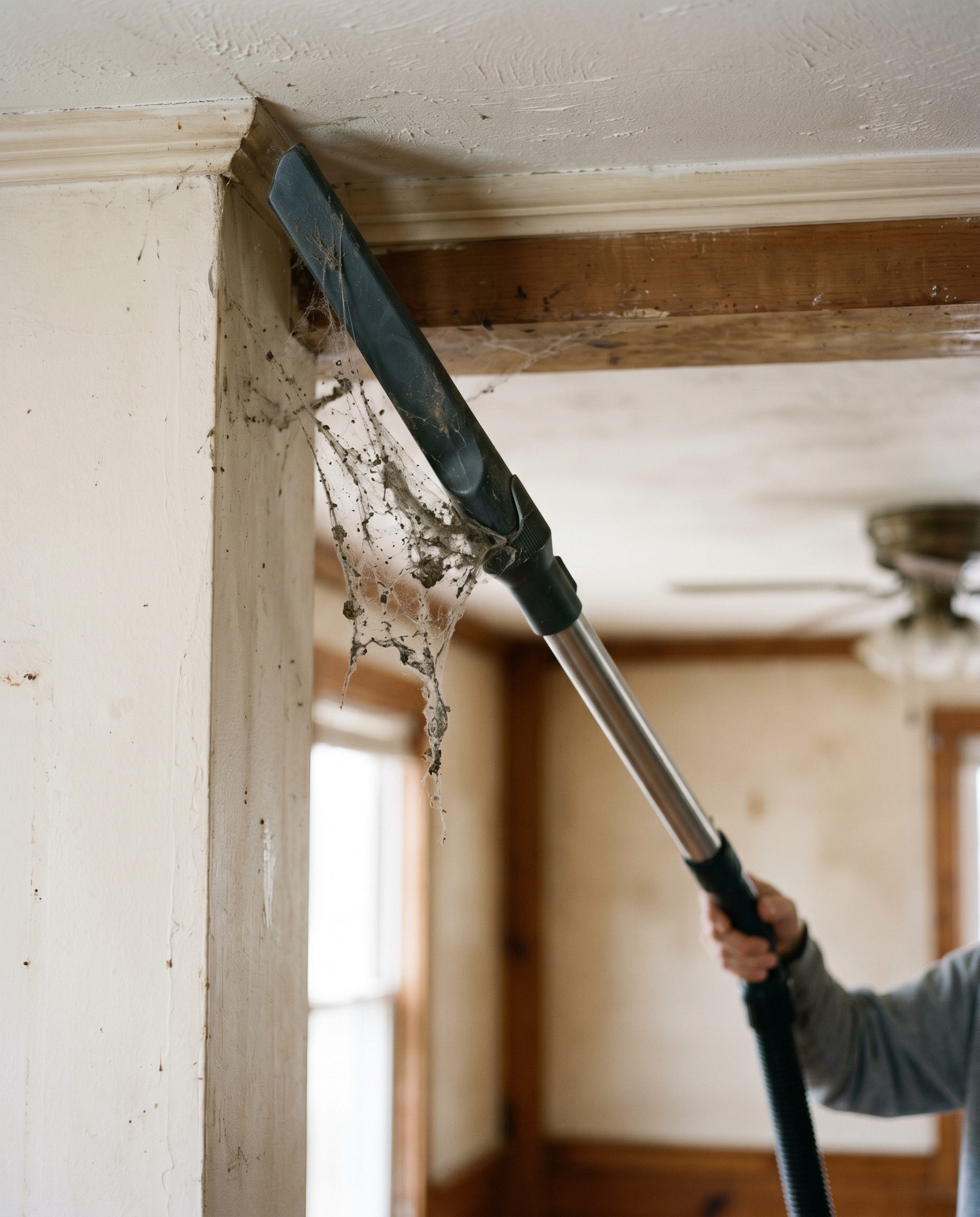
Before you spray anything, do the free part, because no repellent matters if spiders keep finding their way in. Run a bead of caulk along the gaps where pipes and wires enter, fix torn screens, sweep the door sweeps, and vacuum down every web you can reach so the place stops looking like good real estate. The UC IPM guidance on managing spiders puts physical removal and exclusion at the top of the list for a reason: it does work that a scented spray simply cannot. Our walkthrough on how to get rid of spiders in the house lays out that sequence room by room.
\
\
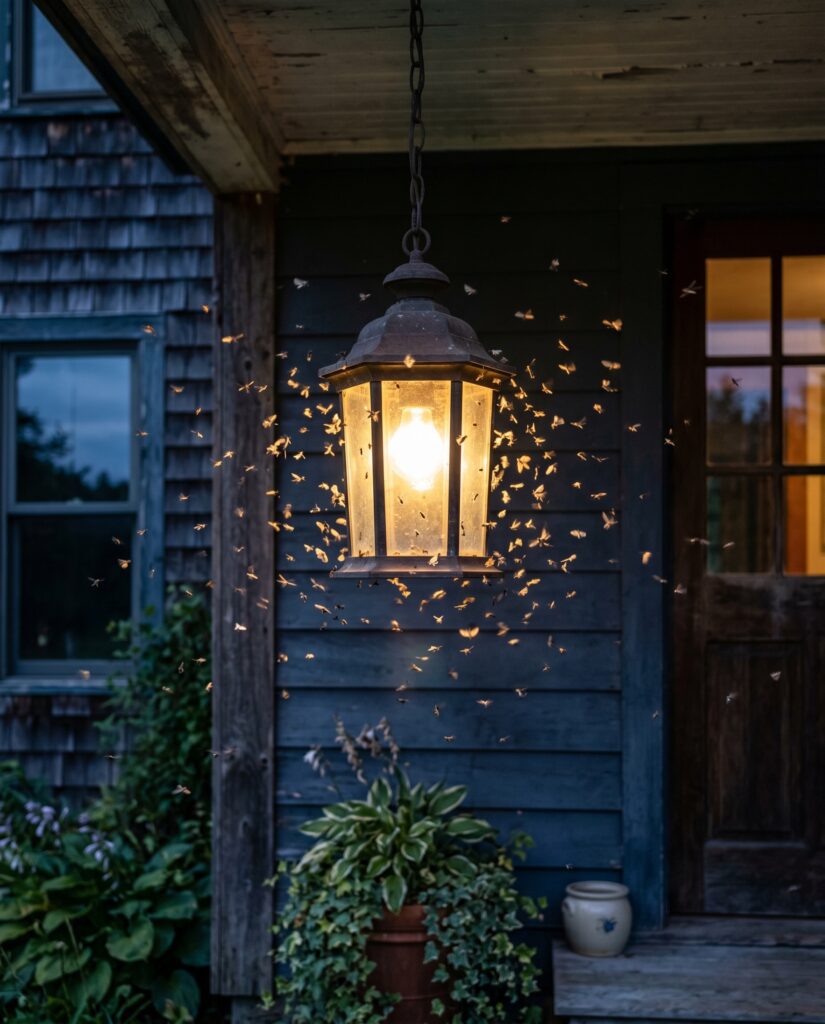
The second free move is to take away the food. Spiders follow their prey, so a house full of gnats and flies is a house full of spiders. Turn off porch lights that pull in insects at night, screen the vents, and deal with the moisture that draws everything else, the same conditions covered in what attracts spiders to your house. A repellent is worth reaching for once the gaps are sealed and the prey is thinned out, not as a substitute for either.
\
\
Why the peppermint effect fades
\
\
Here is the part most “natural cure” posts leave out. Peppermint, and the citrus, tea tree, and eucalyptus oils sold the same way, can repel spiders on contact and keep them off a freshly treated surface, but the active compounds are volatile and evaporate within days. A spray that worked Monday is mostly gone by the weekend. That is why people report it “stops working” a week in: it did not fail, it simply wore off, and nobody told them to reapply.
\
\
This is why the honest framing is maintenance, not magic. Essential-oil repellents discourage spiders from settling on a spot you keep refreshed, which is real and useful, but they do nothing for the egg sacs in the rafters or the spiders already nesting behind the boxes. Purdue Extension’s guidance on household spiders frames serious spider control around sanitation and exclusion rather than any spray, scented or chemical. If you are battling an actual infestation, a repellent is the wrong primary tool; it is the polish you apply after the structural work is done. And it is worth saying plainly that most house spiders are harmless and even useful, eating the very pests you would otherwise fight, so for a stray spider or two the lightest touch is usually the right one.
\
\
\
\
Repellent vs exclusion vs killer
\
\
Once you know a repellent is a maintenance layer, the category choice gets simple. Decide by what you are actually trying to do: keep spiders from settling, stop them getting in, or deal with one in front of you. The point is to match the tool to the job, not to expect one bottle to cover all three.
\
\
| Approach | Best for | Watch-out |
|---|---|---|
| Essential-oil repellent spray | Keeping spiders off treated entry points and corners | Wears off in days; reapply weekly, does not kill nests |
| Exclusion and web removal | Every situation, before you spray anything | Labor, not a one-time fix; gaps reopen over time |
| Contact or residual spray | Knocking down spiders you can see and treating perimeters | Read the label; keep kids and pets off until dry |
\
\
So why pick the gentler repellent at all? Because for a low-traffic spider problem in a home with pets or kids, a low-toxicity spray you can use freely beats reaching for a stronger chemical you have to keep everyone away from. The trade is honest: less staying power for a much wider safety margin. When you genuinely need to drop spiders on contact or hold a perimeter, that is a different tool, and our roundup of the best spider killer sprays covers it. The repellent and the killer are not rivals; the repellent maintains the clean surfaces the heavier work created.
\
\
Where and how often to spray
\
\
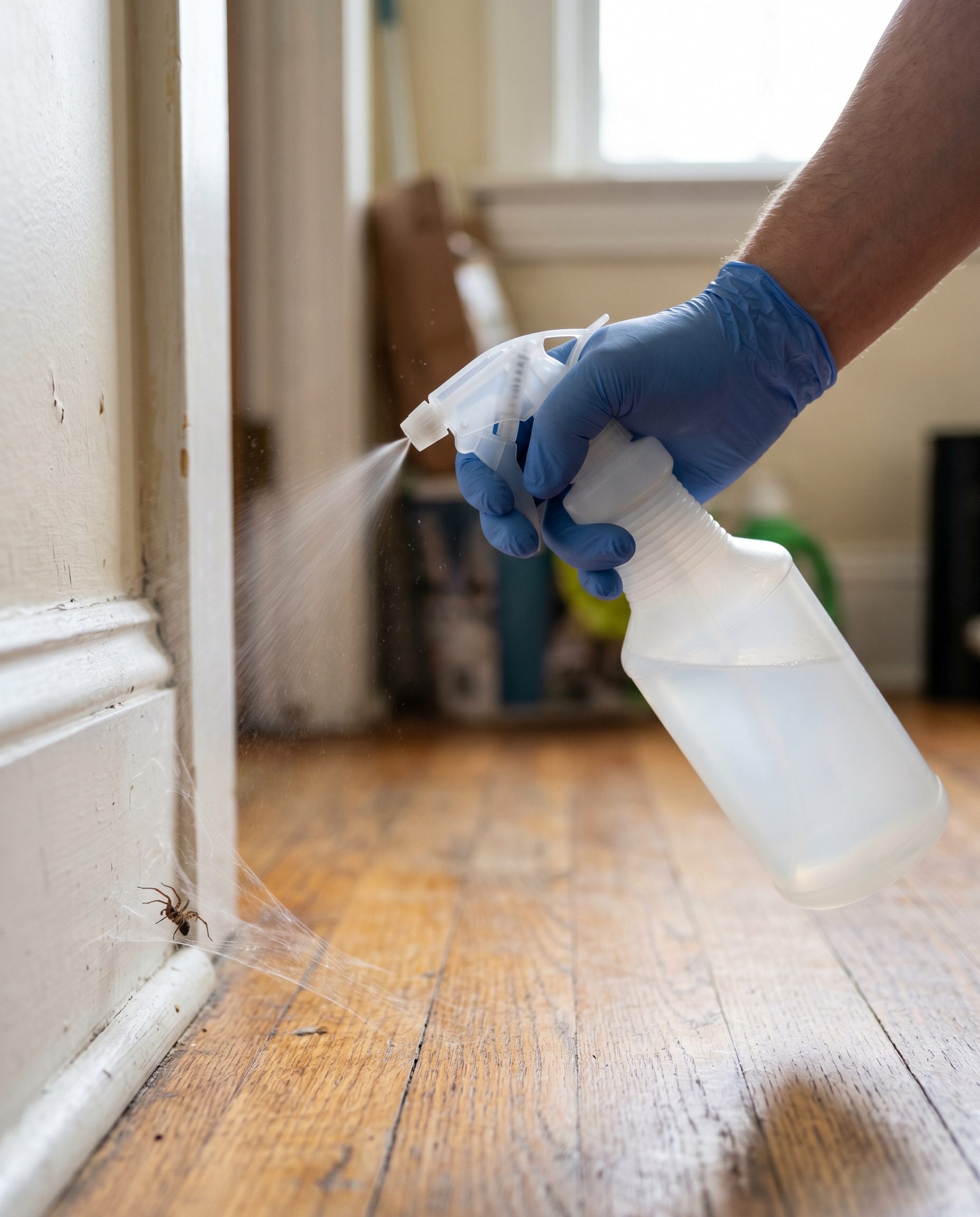
Treat the spots spiders use, not the whole room. Mist the doorway thresholds, the window frames, the corners where the ceiling meets the wall, and the basement and garage perimeters where they come in from outside, getting the spray right into the cracks rather than fogging the air. Coverage of the entry points beats a light pass over everything, and reapplying weekly is the non-negotiable part, since the scent fades within days. After heavy cleaning, rain on an exterior doorway, or any wash-down, treat that surface again.
\
\
Natural does not mean consume-it-carelessly. Concentrated essential oils can irritate skin and eyes and are not harmless to pets, so keep cats in particular away from freshly treated surfaces until dry, do not spray food-prep counters, and store the bottle out of a child’s reach; if a pet or child ingests a concentrate, contact a doctor or your vet promptly. Test a hidden patch first, because the oils can mar finished wood and some painted surfaces. None of this is a knock on the approach, just the same label-reading discipline any spray deserves.
\
\
One last honest call-out: skip the plug-in ultrasonic “spider repellers” entirely. There is no reliable evidence they move spiders, and they are the gadget people most often waste money on when a weekly spray and a tube of caulk would have done the job. Match your effort to where the spiders actually are, not to the most expensive box on the shelf.
\
\
\
\
The picks
\
\
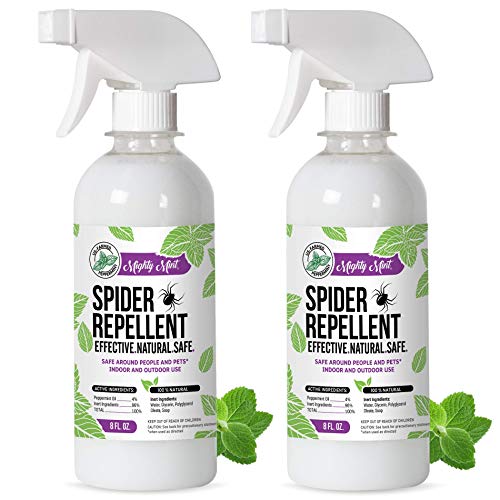
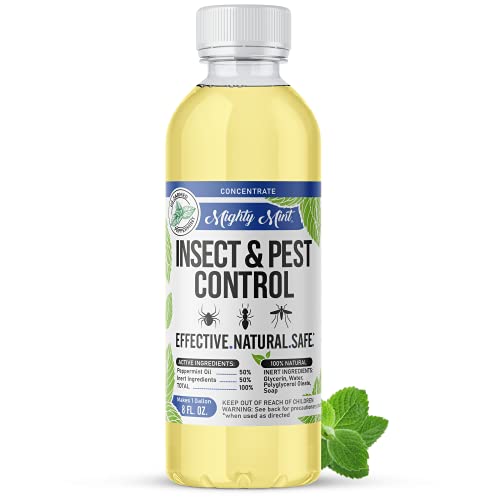
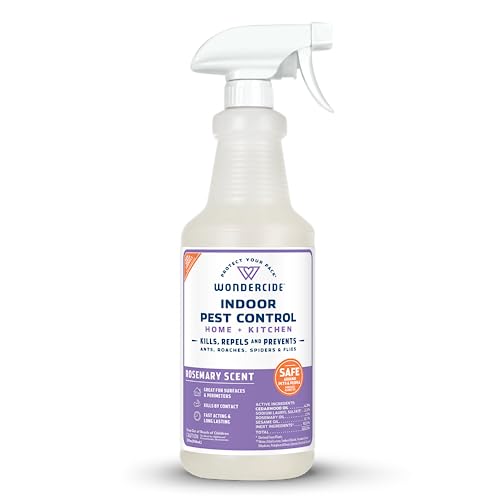
Cards come after the analysis on purpose, because the job decides which one you buy. These three cover a ready-to-use peppermint spray, a value concentrate, and a broader plant-based option, and all are common, widely available products.
\
\
InsectoGuide is reader-supported. As an Amazon Associate we earn from qualifying purchases at no extra cost to you.
\
\
\
 \
\
\
\
A grab-and-spray peppermint option for weekly upkeep on doorways and corners.
\
\
\
\
\
 \
\
\
\
A concentrate for anyone who reapplies often and wants more bottles per dollar.
\
\
\
\
\
 \
\
\
\
A plant-based spray that also hits the prey insects drawing spiders in.
\
\
\
\
Common questions
\
\
Does peppermint oil actually repel spiders?\
On a freshly treated surface, yes, it can keep spiders from settling. The catch is that the scent compounds evaporate within days, so the repelling effect is real but short-lived. Reapply weekly at entry points and pair it with exclusion, and it does useful work; expect it to last and it will disappoint you.
\
\
Will a natural repellent get rid of a spider infestation?\
No, and that is the honest line. A repellent discourages spiders from a surface you keep refreshed, but it does nothing for egg sacs or nests already inside. UC IPM’s spider guidance frames real control around sealing entry points and removing webs, with sprays as a minor supporting role.
\
\
How often do I need to reapply?\
About once a week for most indoor surfaces, and again after any cleaning, rain, or wash-down that strips the treated spot. The weekly rhythm is the whole reason these sprays succeed or fail, so set a reminder rather than waiting to see spiders return.
\
\
Is it safe to use around pets and kids?\
Used as directed it is low-toxicity, which is the main appeal, but concentrated essential oils still irritate skin and eyes and are not harmless to cats. Keep pets off treated surfaces until dry, skip food-prep counters, and store it out of reach; if a child or pet swallows the concentrate, contact a doctor or your vet.
\
\
What about a dangerous spider like a widow or recluse?\
Do not rely on a scented spray for those. Learn to identify a black widow and a brown recluse from a safe distance, and if someone is bitten and develops severe pain, spreading redness, muscle cramps, or trouble breathing, get medical care right away. MedlinePlus has a plain-language overview of spider bites and when to seek care.
\
\
Final verdict
\
\
A natural spider repellent earns its place, as long as you know exactly what that place is. Start free by sealing the gaps, fixing screens, and vacuuming the webs, thin out the gnats and flies spiders feed on, and only then add a peppermint or essential-oil spray as weekly upkeep on the doorways, window frames, and corners spiders use. Reapply every week, because the scent fades within days, and that single habit is what separates a spray that works from one you give up on. Skip the idea that any natural repellent is a one-time cure, and skip the ultrasonic plug-ins entirely; they are the money most people waste while the caulk and the weekly spray do the actual work. For a stray harmless spider, the low-toxicity layer is plenty; for a real infestation or a dangerous species, exclusion and proper identification come first.
\
\