If spiders keep turning up in your house, the honest answer is that they are not interested in your house at all. They are interested in the insects living in it, the clutter they can string a web across, and the gaps they used to walk in. A warm porch light pulling in moths every night, a flower bed or woodpile pressed against the foundation, and an unsealed crack under the door do more to invite spiders than anything about how clean you keep the place. Fix those three things and you cut off the food and the doorway at the same time, which starves the spiders out instead of leaving you chasing them one by one with a shoe.
Spiders follow the bugs, the clutter, and the gaps, not your house itself. Cut the insect food supply, clear hiding spots, and seal entry points, and the spiders leave because the buffet and the doorway are gone.
- Do first (free): Swap exterior white bulbs for warm yellow ones, move the woodpile and dense plantings off the foundation, and knock down webs as you find them.
- Then seal: Caulk cracks and add door sweeps and window screens so the few that get in have nowhere to enter.
- Skip: Fogging the house and chestnut or essential-oil “spider repellents,” which do not address the bugs or the gaps that actually draw spiders.
Spiders chase the bugs
Here is the thing most pages skip: a spider is a predator, and a predator goes where the prey is. Your house is appealing only because it is feeding the flies, moths, mosquitoes, ants, and gnats that spiders eat. According to the UC IPM Pest Notes on spiders, the great majority of spiders you find indoors are harmless hunters that wandered in following that food supply, not a sign of a dirty or failing home. No bugs means no spiders, because there is nothing to eat.
That is also why I want you to slow down before you reach for a spray. A spider on the ceiling is, in a real sense, free pest control. It is quietly eating the mosquitoes and flies you would otherwise be swatting, the same way a garden spider out on its web earns its keep eating the insects chewing your plants. So the first question is never “what do I spray,” it is “what is this spider eating, and how do I take that meal away.” Remove the prey and the predator has no reason to stay.
Your porch light is the buffet
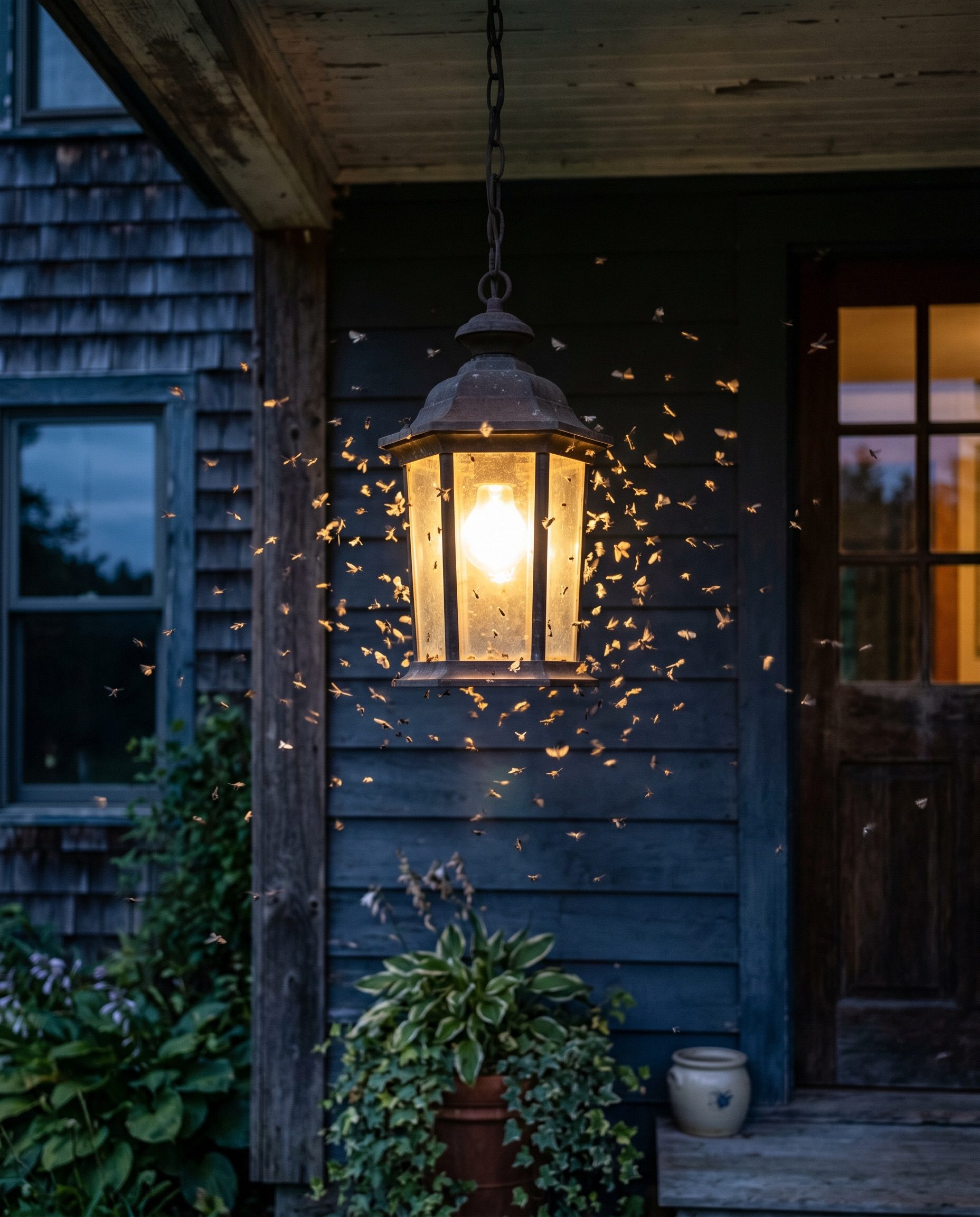
The single biggest indoor-spider magnet is the light right next to your door. A bright white or blue-white bulb on the porch, over the garage, or by the back step pulls in moths, midges, and beetles all night, and the spiders set up shop exactly where that food gathers. You are running a nightly insect buffet and then wondering why webs appear in the same corner every morning.
The fix is almost free. Switch exterior bulbs to warm yellow or “bug light” tones, which draw far fewer insects than cool white, and keep decorative lighting off when you do not need it. Where you can, move the light source away from the door so the bugs that do come are not gathering at your entry. Purdue Extension’s guide to household spiders makes the same point: reducing the insects that spiders feed on is the foundation of keeping spiders out, and lighting is the lever most people never touch. Inside, the same logic applies to lamps near windows at night, so draw the blinds to keep your living room from glowing like a lantern.
The yard against your wall
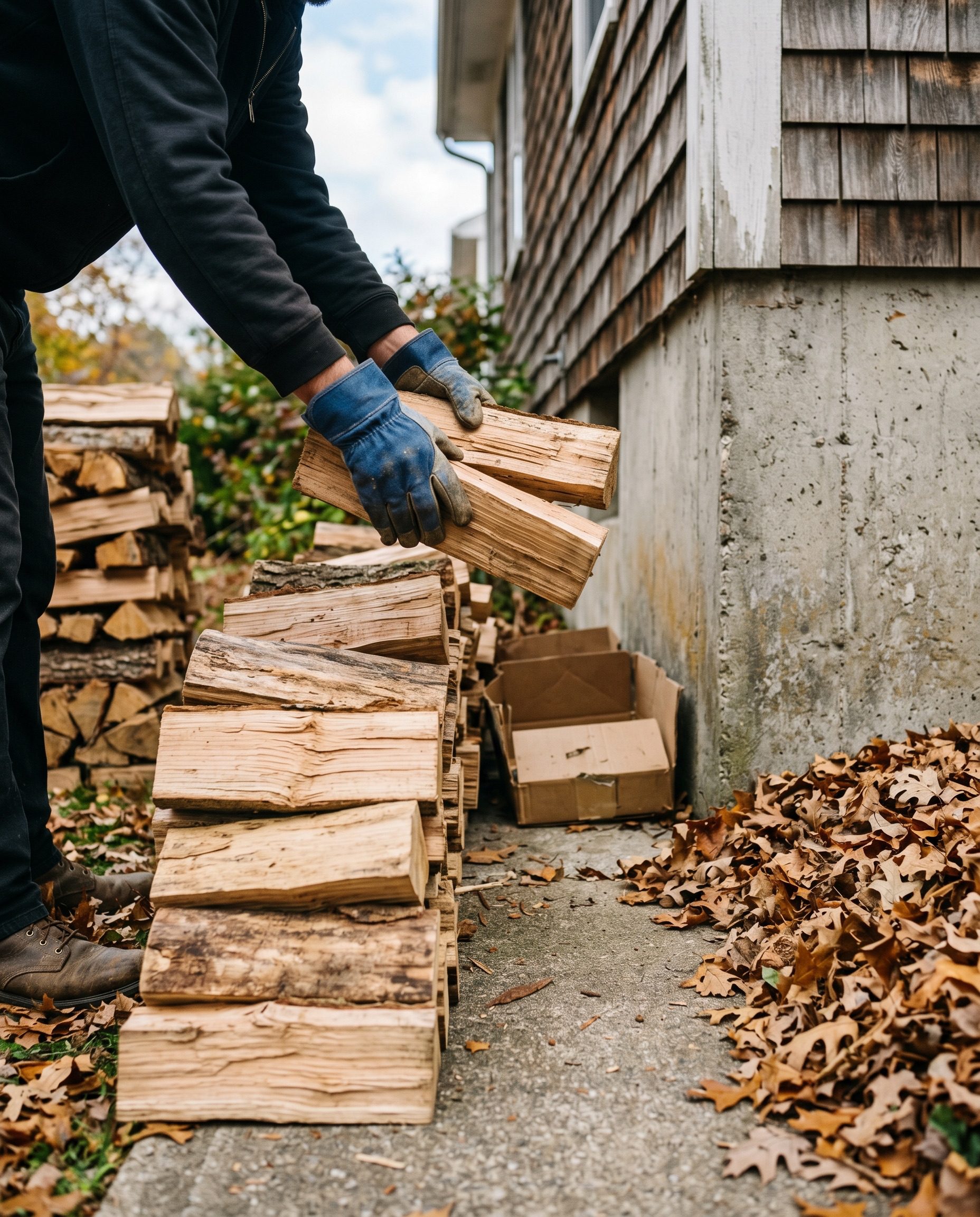
Spiders rarely arrive from nowhere. They cross over from whatever habitat is touching your house, and most homes hand them a bridge. A woodpile stacked against the siding, a thick row of shrubs brushing the foundation, ivy on the wall, leaf litter in the bed, and clutter in the garage all give spiders shelter and a hunting ground inches from your door. The closer that habitat sits to the wall, the shorter the trip indoors.
So I treat the foundation like a buffer zone. Pull woodpiles, compost, and dense plantings back from the wall by a foot or two, rake leaf litter away from the perimeter, and keep mulch shallow near the house. In the garage and basement, the same clutter rule holds: stacked cardboard and undisturbed corners are prime real estate, especially for the two spiders worth respecting. University of Kentucky’s profile of the black widow describes them favoring quiet, sheltered spots like woodpiles, sheds, and the underside of stored items, and University of Kentucky’s brown recluse guidance notes the same preference for cluttered, seldom-touched storage. Clearing those harborages is what makes a real difference, and it doubles as protecting the harmless spiders you would rather just relocate outside than crush.
Seal the gaps they walk through
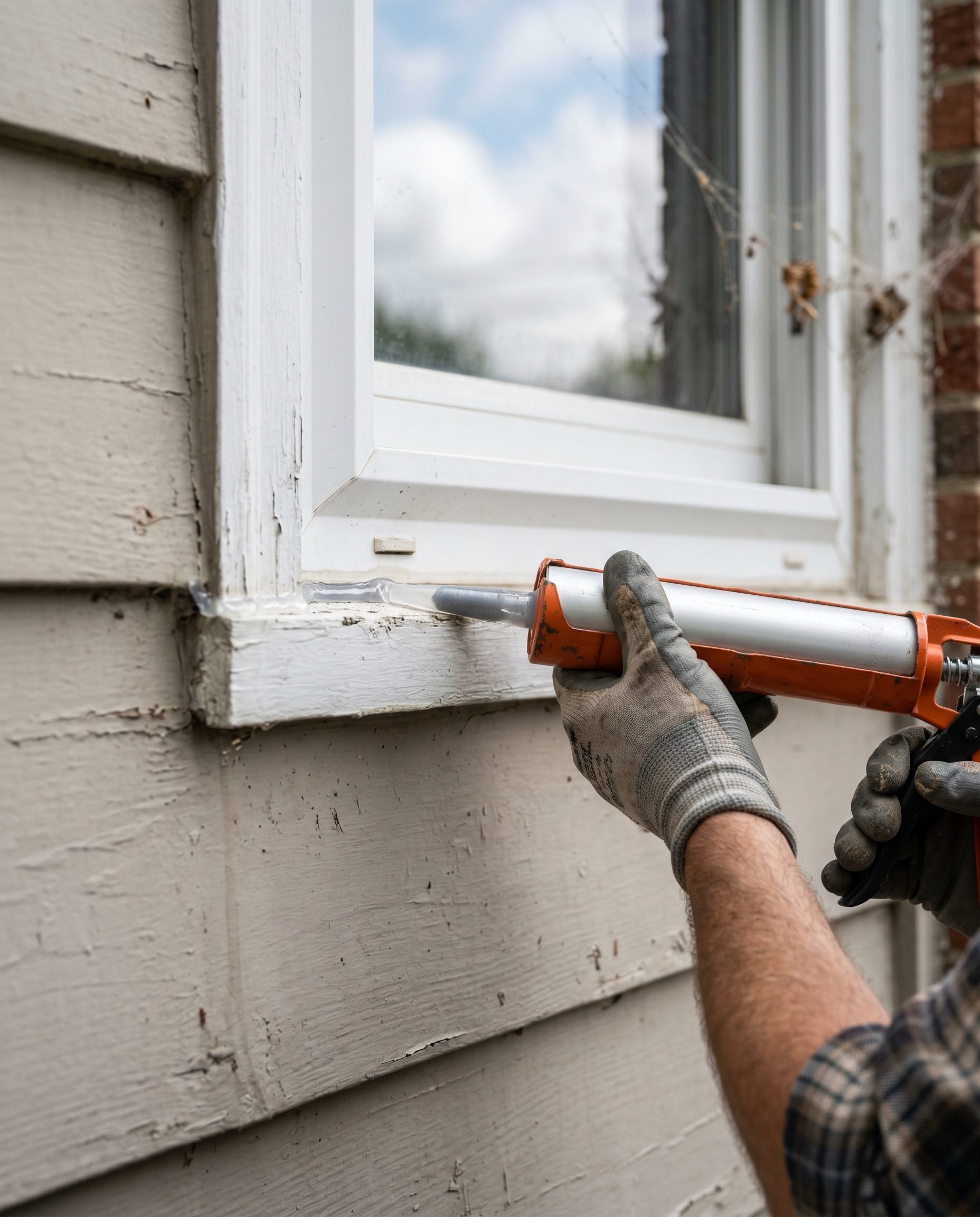
Once the food and the shelter are handled, you close the doorway. Spiders are not chewing their way in; they are walking through openings you already have. Gaps under exterior doors, torn window screens, unsealed cracks around pipes and dryer vents, and weep holes are the usual routes. This is the layer that turns “fewer spiders” into “almost none.”
Work the perimeter the way you would weatherproof for winter. Add door sweeps and tight weatherstripping, repair or replace damaged screens, and run a bead of caulk along cracks where utilities enter and where the foundation meets the siding. Below is the quick map of where to look and what each gap is really costing you.
| Entry point | The fix | Why it matters |
|---|---|---|
| Gap under exterior door | Door sweep plus weatherstripping | The most-used walk-in route |
| Torn or missing window screen | Repair or replace the screen | Open windows are an open invitation |
| Cracks around pipes and vents | Caulk or expanding foam | Closes hidden indoor highways |
Indoors: vacuum, do not fog
When spiders are already inside, your vacuum is the most useful tool you own. Run it along ceiling corners, window frames, behind furniture, and under beds to pull up spiders, webs, and egg sacs in one pass, then empty the canister outside so nothing climbs back out. Knocking down webs as you find them also tells you where the activity is, so you can trace it back to the bug supply feeding it.
What I would not do is fog the house or lean on the gadget aisle. Total-release foggers drift a thin mist across open surfaces and miss the cracks and corners where spiders actually sit, and the popular “repellents,” from horse chestnuts to peppermint plug-ins, do nothing about the insects and gaps that drew the spiders in. If you do choose a perimeter product for a recurring problem, read and follow the label, because under federal law the label is the law, keep it off surfaces children and pets touch, and treat it as a backstop to the sealing work rather than a substitute for it. Sticky monitors in corners are a gentler way to gauge whether your other steps are working. For a deeper walkthrough of clearing an active indoor problem, see our guide to getting rid of spiders in the house.
Common questions
Does a clean house keep spiders away?
Cleaning helps, but not for the reason people think. A tidy house has fewer cluttered hiding spots and fewer webs, which makes it less comfortable for spiders. But a spotless home with a bright porch light and gaps under the doors will still get spiders, because the bugs and the entry points matter more than dust. Focus on food, shelter, and gaps, not just surfaces.
What smells or scents do spiders hate?
Peppermint, vinegar, and citrus get passed around as repellents, and the evidence that they keep spiders out is thin. A scent does nothing about the insects spiders are hunting or the cracks they walk through, so any effect is short-lived at best. Your time is far better spent on lighting, clutter, and sealing, which remove the actual reasons spiders are there.
Are the spiders in my house dangerous?
Almost always no. As the UC IPM Pest Notes on spiders explain, the vast majority of house spiders are harmless and bites are uncommon. Only a couple, the black widow and the brown recluse, warrant caution, and both favor undisturbed clutter. If you are unsure what you are looking at, our house spider identification guide helps you tell friend from the few to respect.
When should I worry about a spider bite?
Most spider bites are minor and heal on their own. Get medical help if you have a severe or spreading reaction, an ulcerating wound, muscle cramps, or trouble breathing, and get emergency care right away for any sign of a serious allergic reaction. MedlinePlus on spider bites and when to seek care covers the symptoms that mean you should contact a doctor rather than wait it out.
Why do I see more spiders in fall?
Cooler weather pushes outdoor spiders to seek shelter, and males of several species wander in autumn looking for mates, so you simply notice more of them. The fix does not change with the season: cut the bugs, clear the clutter, and seal the gaps before fall, and far fewer will find a way in when the temperature drops.
Final verdict
Spiders are not drawn to your house, they are drawn to what your house offers them, so you fix the cause, not the symptom. Take away the buffet by switching to warm exterior bulbs and turning off lights that pull in insects all night. Take away the shelter by moving woodpiles and dense plantings off the foundation and clearing cluttered corners indoors and in the garage. Then close the doorway with door sweeps, intact screens, and caulk on the cracks. Vacuum up the spiders already inside and relocate the harmless ones rather than fogging the whole place, because most of them are quietly eating the pests you would rather not have. Do those three things in order and the spiders leave on their own, because there is nothing left to feed them and no easy way in.
Next steps:
– Clear an active indoor problem with our guide to getting rid of spiders in the house.
– Tell the harmless ones from the two worth respecting in our house spider identification guide.
– If a recurring problem needs a perimeter backstop, compare options in our spider killer spray breakdown.