n
n
n
If your dog has fleas, the best flea treatment is the format that fits your routine, because the one you actually use on schedule beats the strongest one you forget. The catch that sinks most people: the dog is only half the problem. The other half is in your carpet, so treat the house the same day you treat the dog or the bites just keep coming. The short answer: match the format to the situation, a monthly topical for steady control, an 8-month collar for low effort, and a fast oral to knock down a heavy active infestation in hours. In our own home we keep a monthly topical going and a fast oral chew in the drawer for the week it all goes sideways. Most lists crown one “best” product; the comparison below sorts them by the job you are actually trying to do.
nn
n
Treating the dog is only half the fix, because about 95% of a flea problem lives in your home as eggs, larvae, and pupae; treat the house the same day, then match the format to the job: a monthly topical for steady control, an 8-month collar for low effort, or a fast oral to knock down a heavy infestation.
n
- n
- Do first (free): Vacuum carpets, rugs, and pet bedding, then hot-wash the bedding the same day you treat the dog.
- Match the job: Monthly topical for steady control, an 8-month collar for set-and-forget, a fast oral for a heavy active infestation.
- Skip: Treating only the dog and skipping the house, and ever putting a dog-only product on a cat.
n
n
n
n
nn
nn
Treat the house, not just the dog
nn
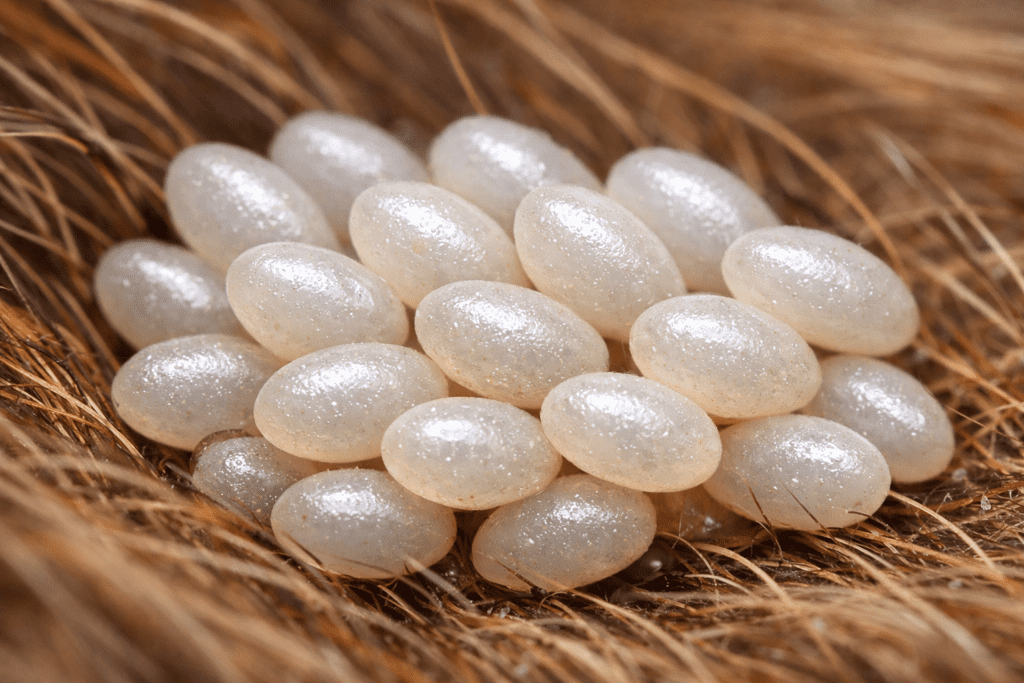
Before you decide which product to buy, do the free part, because the dog is the smallest piece of the problem. The adult fleas you see are only a fraction of what is there. According to the UC IPM Pest Notes on fleas, roughly 95% of an infestation exists as eggs, larvae, and pupae living off the host, mostly in carpet, rugs, and pet bedding. Put the strongest product on the dog and skip the house, and you lose. New fleas keep hatching out of the floor and jumping back on.
nn
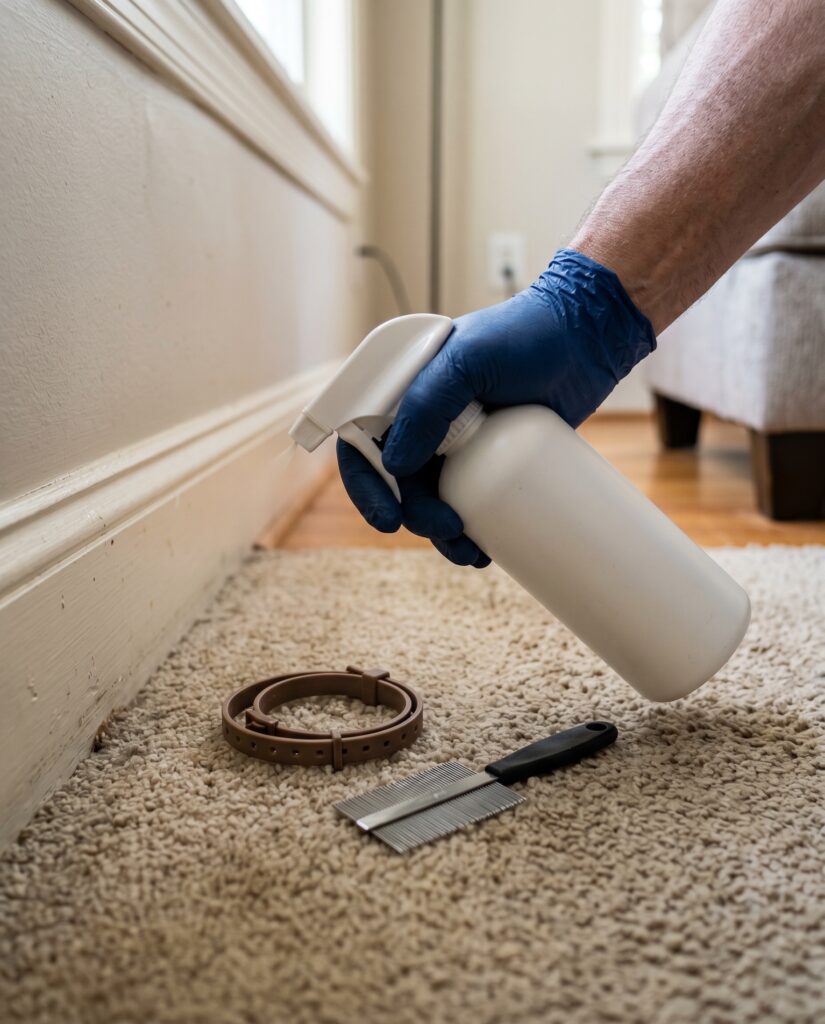
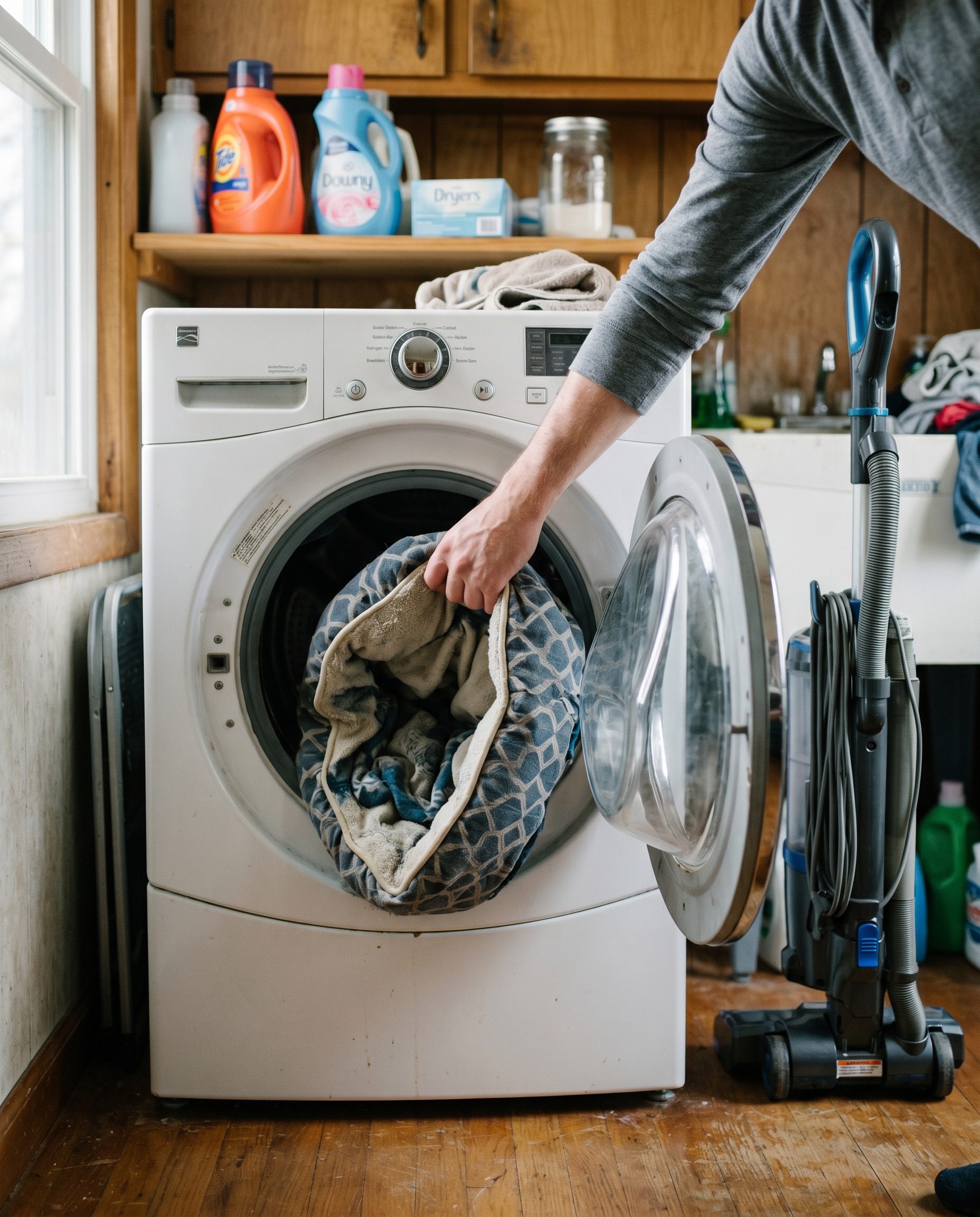
So the day you treat the dog, vacuum every carpet, rug, and the spots where your dog sleeps, then run the washable bedding through a hot wash and a hot dryer. Empty the vacuum canister outside afterward. Vacuuming is the cheapest thing in this whole fight, and it also pulls dormant pupae out of their resistant cocoons so a treatment can actually reach them. Our walkthrough on the flea life cycle and why fleas are so hard to eliminate explains why the timing matters, and the full guide on how to get rid of fleas lays out the order step by step. A product on the dog is worth buying once that groundwork is done, not as a substitute for it.
nn
Why the cheap collar and the bath both let you down
nn
Here is the part most “top pick” lists skip. Two of the most popular grabs, the bargain-bin flea collar and the flea bath, tend to disappoint for the same reason: they treat the dog and ignore the 95% in the house, and some of them barely treat the dog. An old-style cheap collar often protects a ring around the neck and leaves the back half exposed. The vet-grade, full-body collars are a different animal, but the dollar-store version is mostly theater.
nn
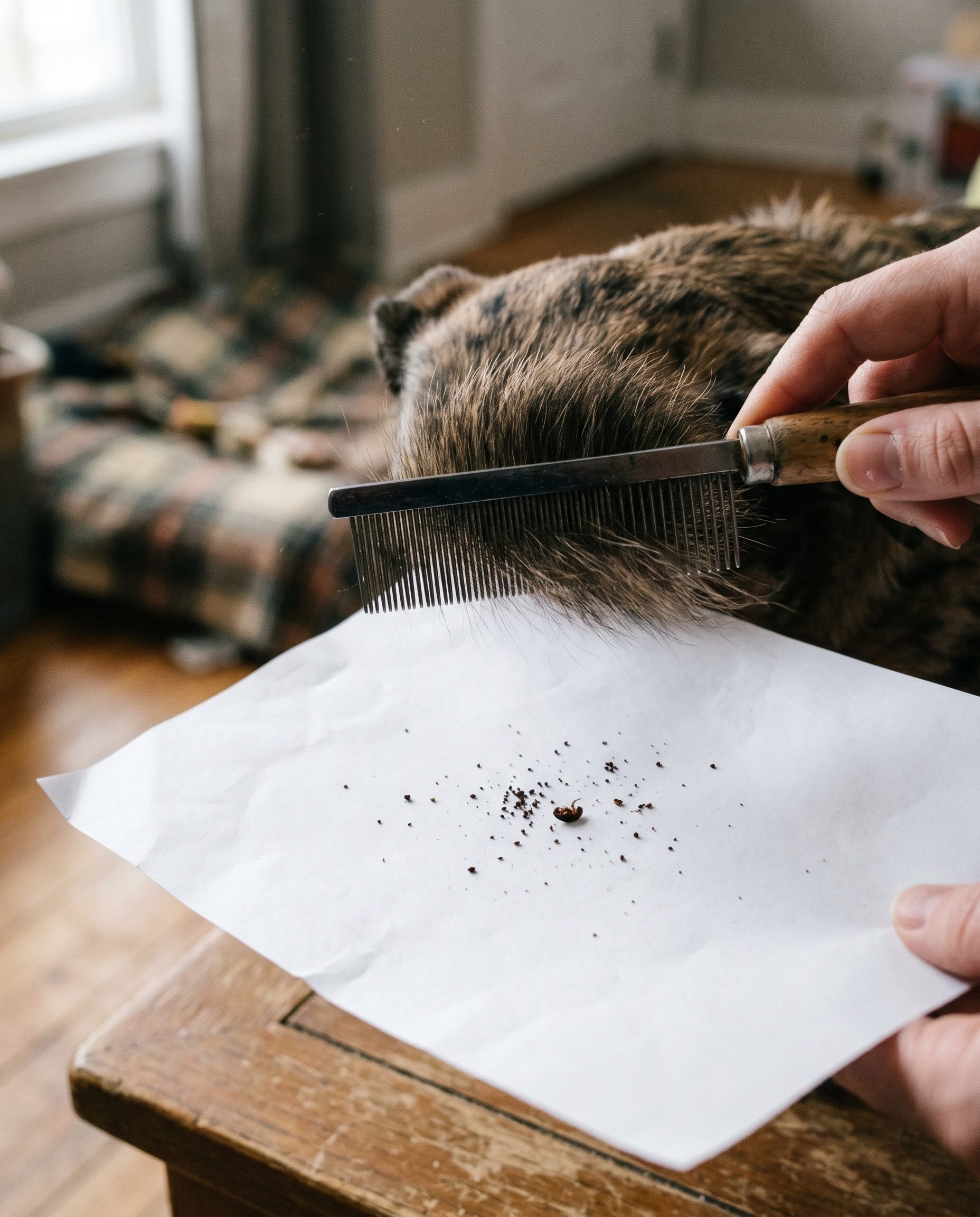
A flea bath has the same ceiling. It can drown and rinse off the adults living on your dog right now, which feels like progress, but a shampoo has little or no lasting effect, so the eggs in the carpet hatch and re-infest the freshly clean dog within days. Texas A&M’s veterinary team makes the practical point that lasting control means treating both the pet and its environment together, not picking one. A bath is a fine first knockdown before a real preventive, covered in our flea shampoo buyer’s guide, but on its own it is a wash-and-repeat treadmill. If a product is not paired with treating the house, it is buying you a clean dog and a re-infested one a week later.
nn
nn
Drops vs collars vs oral
nn
Once the house is handled, the format choice comes down to your routine and how bad the infestation is right now. A topical, a collar, and an oral all work; they just fit different lives and different emergencies. The point is to pick the form you will keep up with, not the one with the loudest box.
nn
| Format | Best for | Watch-out |
|---|---|---|
| Monthly topical (spot-on) | Steady year-round control on a dog you can dose on schedule | Apply to skin, not fur; keep dogs from licking it until dry; dog-only formula |
| 8-month collar | Low-effort, set-and-forget protection with no monthly reminder | Must fit snugly to work; remove before swimming or bathing per the label |
| Fast oral chew | Knocking down a heavy active infestation within hours | Kills adults fast but little lasting residual; not a standalone preventive |
nn
Why not just buy whichever is cheapest? Because the right one depends on the situation in front of you. A monthly topical is the workhorse for steady control, as long as you can remember the dose and keep it on the skin between the shoulder blades where the dog cannot lick it. A collar trades a small upfront cost for eight months of not thinking about it, which is the honest pick for busy households. And a fast oral chew earns its place when fleas are crawling on the dog tonight and you need them dead in hours, not over days. The AVMA’s flea-and-tick guidance is worth reading before you choose, especially the warning that products are not interchangeable between species and a veterinarian can match the right one to your dog.
nn
Apply it right and keep cats clear
nn
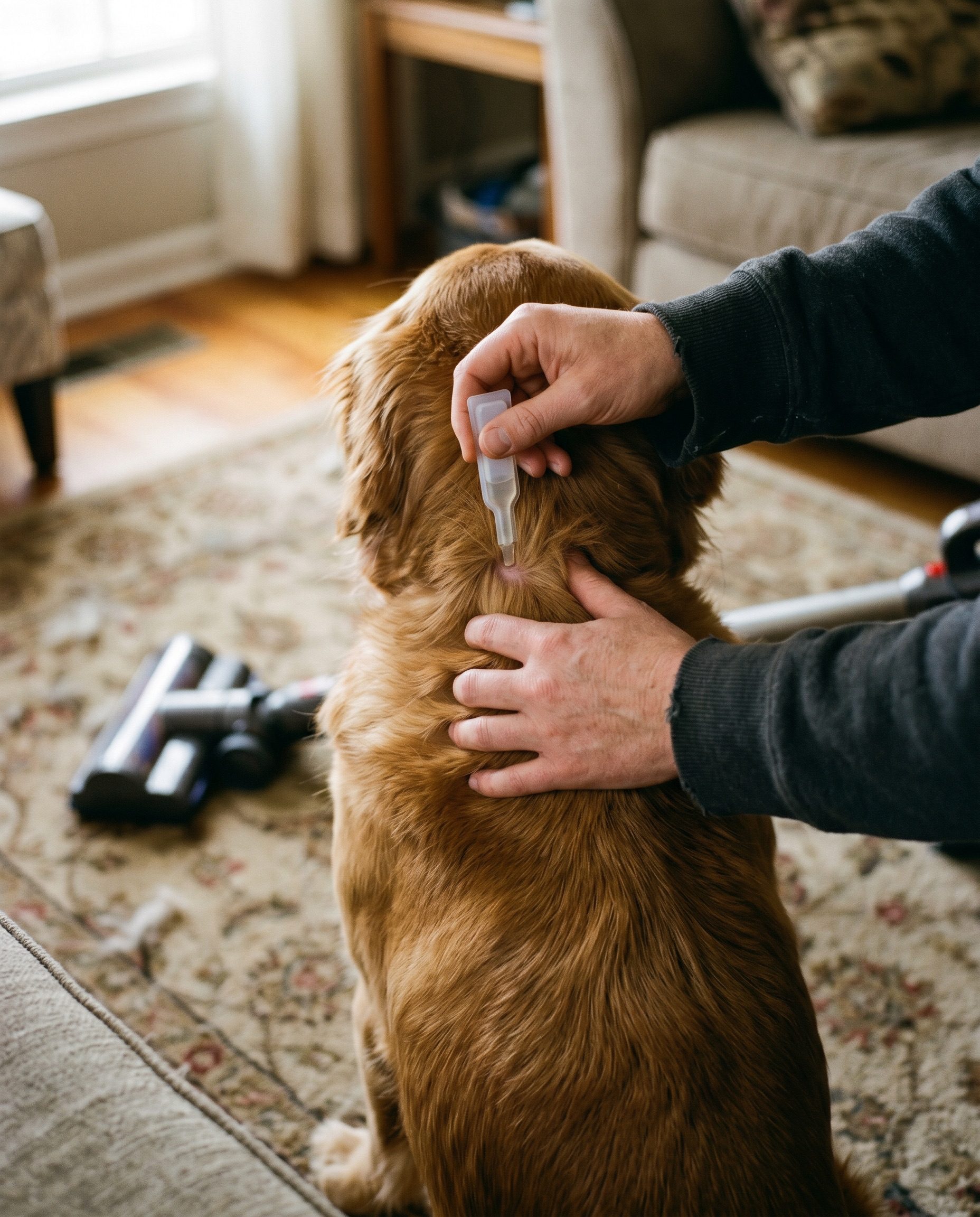
Whichever format you pick, the application details decide whether it works. For a spot-on topical, part the fur and squeeze it onto the skin at the base of the neck, not onto the coat, so the dog cannot reach it to lick. Let it dry fully before the dog swims or gets a bath, and keep dogs from grooming each other until it is dry. For a collar, get it snug, two fingers under it, and trim the excess; a loose collar does not transfer the active ingredient across the coat. For an oral chew, give it with food per the label so it absorbs.
nn
Read and follow the product label every time, because with pesticide products the label is the law, and the EPA’s pet-product safety guidance is built around that rule. Do not double up by stacking a collar and a topical and an oral all at once unless a veterinarian tells you to; that is how dogs get overdosed. Keep treated dogs away from small children’s hands until the spot is dry, do not let kids handle a fresh application, and store the products out of reach.
nn
The non-negotiable safety line is cats. Many dog flea products contain permethrin, which is highly toxic to cats, so a permethrin dog spot-on or collar can poison a cat that grooms a treated dog or wears the dog’s product by mistake. In a multi-pet home, separate the animals until the dog’s treatment is dry, never apply a dog-only product to a cat, and if a cat is exposed or shows tremors or drooling, contact your veterinarian or your local poison control center right away. The EPA’s pet pesticide guidance and the AVMA’s advice to consult a veterinarian both stress that cat-versus-dog labeling is not a formality. Fleas can also carry disease, which the CDC covers in its flea overview, so getting them off the household quickly matters beyond the itching.
nn
nn
The picks
nn
Cards come after the analysis on purpose, because the format decides which one you buy. These three cover steady control, low-effort protection, and a fast knockdown, and all are common, widely available dog flea products. None of them replaces treating your home.
nn
InsectoGuide is reader-supported. As an Amazon Associate we earn from qualifying purchases at no extra cost to you.
nn
n 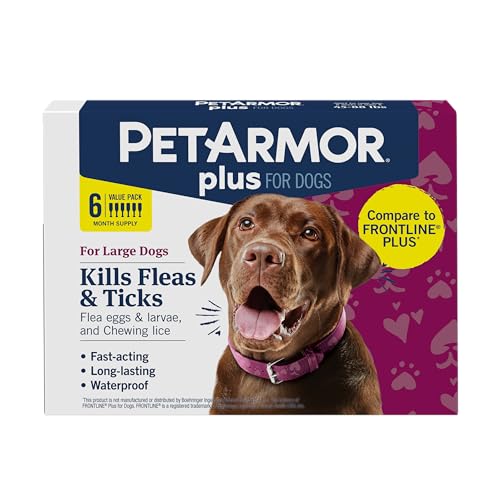 n
n
n
n
A monthly spot-on for steady control on a dog you can dose on schedule.
n
n
nn
n 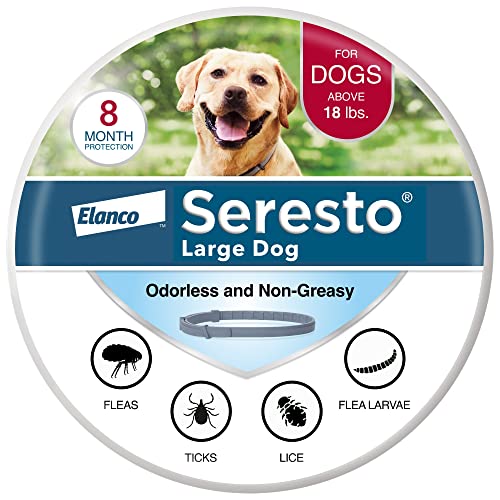 n
n
n
n
A set-and-forget collar for households that hate monthly reminders.
n
n
nn
n 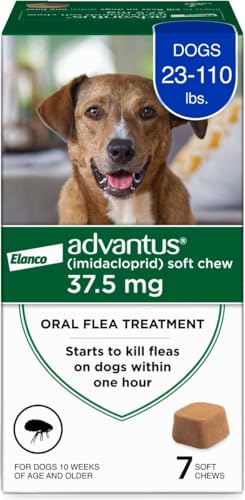 n
n
n
n
A fast chew for knocking down a heavy active infestation in hours.
n
n
nn
Common questions
nnIs a topical, a collar, or an oral best for my dog?n
None is best for everyone. A monthly topical suits steady control if you can keep a schedule, an 8-month collar suits low-effort households, and a fast oral suits a heavy active infestation you need gone today. Match the format to your routine and to how bad the fleas are right now.
nnWhy do the fleas keep coming back after I treat my dog?n
Because the dog was never the whole problem. As UC IPM explains, most of the infestation is eggs, larvae, and pupae in your carpet and bedding, and those keep hatching and jumping back on. Treat the house the same day, vacuum often, and wash the bedding hot.
nnCan I use my dog’s flea product on my cat?n
No. Many dog products contain permethrin, which is highly toxic to cats. The AVMA warns never to use dog products on cats and to consult a veterinarian, who can match a cat-safe product. Keep treated dogs separated from cats until the application is fully dry.
nnHow fast does each format work?n
A fast oral chew can start killing adult fleas within about an hour, which is why it is the pick for an emergency. Topicals and collars build protection over a day or two and then keep working for weeks or months, so they are control rather than instant rescue.
nnDo I still need to treat the house if my dog wears a collar?n
Yes. A collar protects the dog, but it does nothing for the eggs and larvae already in your floors. Treat the home alongside any on-dog product, and for the indoor flea stages, see our guide to the best flea sprays for the home.
nnWhen should I call my veterinarian?n
If the infestation is heavy and will not break despite treating both the dog and the house, if your dog has a flea allergy or skin infection, or if a puppy, a senior, or a sick dog is involved, talk to your veterinarian before choosing a product. They can match the right active ingredient to your dog safely.
nn
Final verdict
nn
There is no single best flea treatment for every dog, and any list that names one is skipping the question that matters: which job are you doing, and did you treat the house. Start free by vacuuming the carpets and bedding and hot-washing it the same day you treat the dog, because roughly 95% of the problem is hiding off the dog. Then match the format to your life: a monthly topical for steady control, an 8-month collar for low effort, and a fast oral chew when a heavy infestation needs knocking down in hours. Skip treating only the dog, and never put a dog-only product on a cat. Whatever you choose works only as one piece of treating the whole household, not as the whole answer.
For the first second after the light goes on, see the insects that only appear at night.
nn