
\
\
\
A flea shampoo is the fastest way to strip a heavy load of live fleas off a dog in one bath, but that is all it does, because it leaves almost no residual behind. Think of it as a knockdown step, not a treatment: it kills the fleas on the coat the day you wash, then the protection rinses down the drain with the suds. The short answer is to bathe to clear a bad day, then rely on a vet-recommended topical or oral plus home treatment for lasting control, and pick a shampoo with an insect growth regulator like Precor if you also want to kill the eggs riding in the coat. In our own home a flea bath is what we reach for when the dog comes in crawling, never as the only thing we do. Most buyer’s guides rank a shampoo as a standalone fix; that is the mistake the comparison below sorts out.
\
\
\
A flea shampoo only kills the fleas on the dog the day you bathe and leaves almost no residual, so use it as a fast knockdown for a heavy load, then rely on a topical or oral plus home treatment for lasting control.
\
- \
- Do first (cheap): Comb with a flea comb to confirm the load, then bathe to knock down the live fleas fast.
- Best for the common case: A shampoo with an IGR such as Precor, which also kills the eggs in the coat.
- Skip: Treating the shampoo as the whole plan; without a topical or oral and home treatment the fleas come right back.
\
\
\
\
\
\
\
\
For the questions either side of this one, see How Long Do Fleas Live Without a Host? and Sand Fleas: Identification, Bites & Prevention Guide.
What a flea bath actually does
\
\
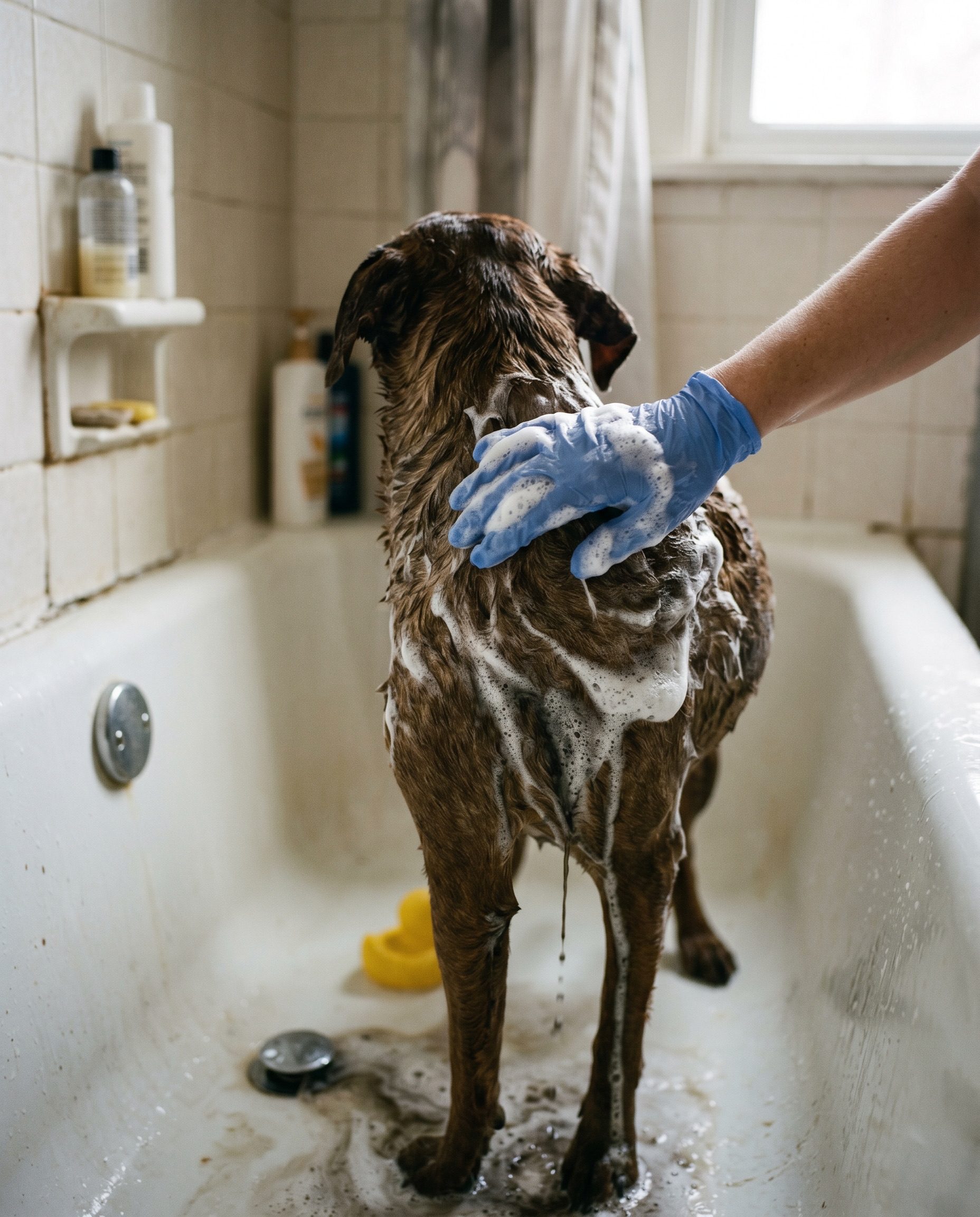
A flea shampoo wets, lathers, and kills the live fleas it contacts during the few minutes you work it into the coat, then you rinse it out and the killing stops. That is the whole job, and it is a useful one when a dog comes in covered. What it does not do is protect the dog tomorrow, because once the lather is gone there is no residual film left on the skin to catch the next flea that hops aboard. This is the single fact that reframes the whole category: the bath is a reset, not a shield.
\
\
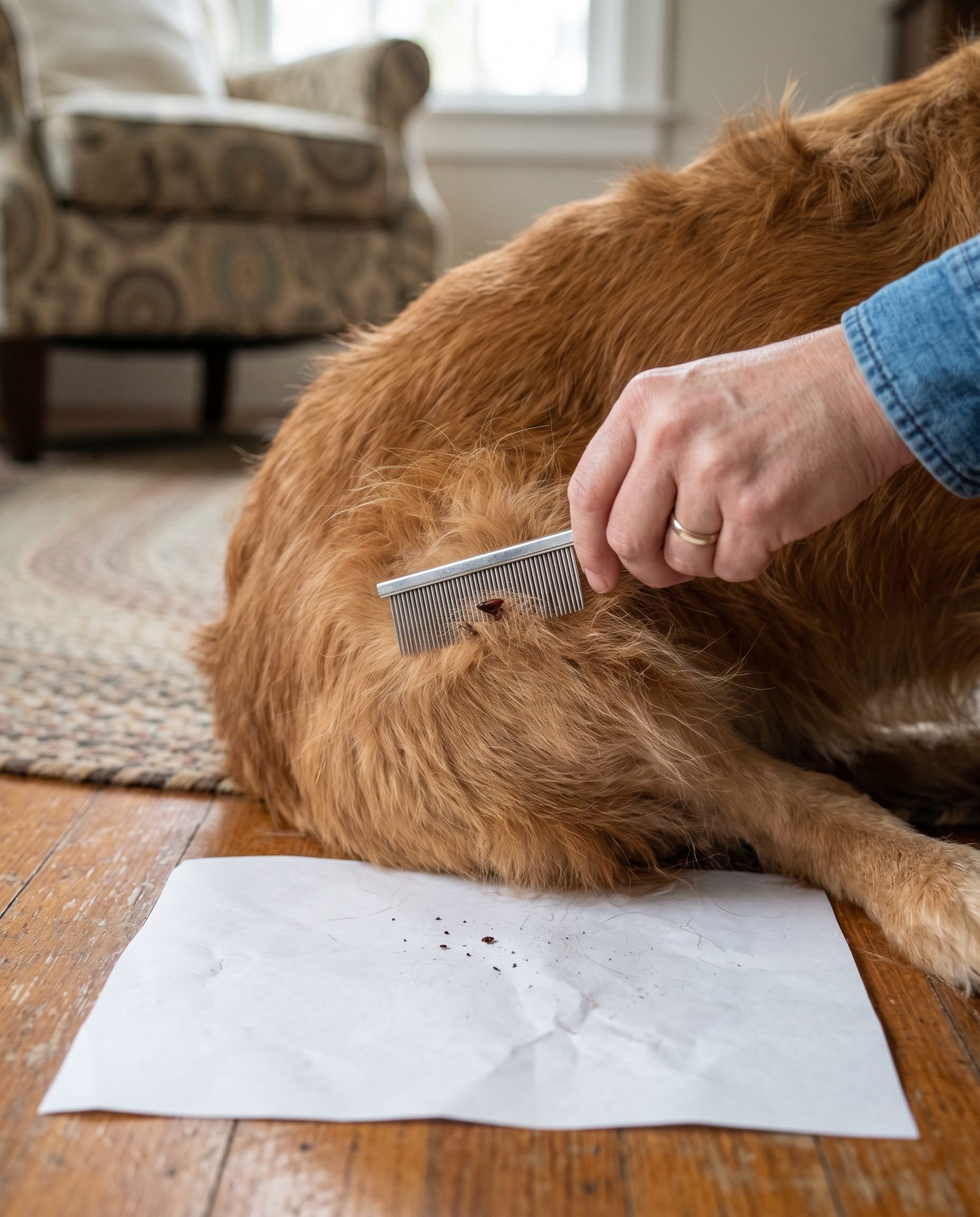
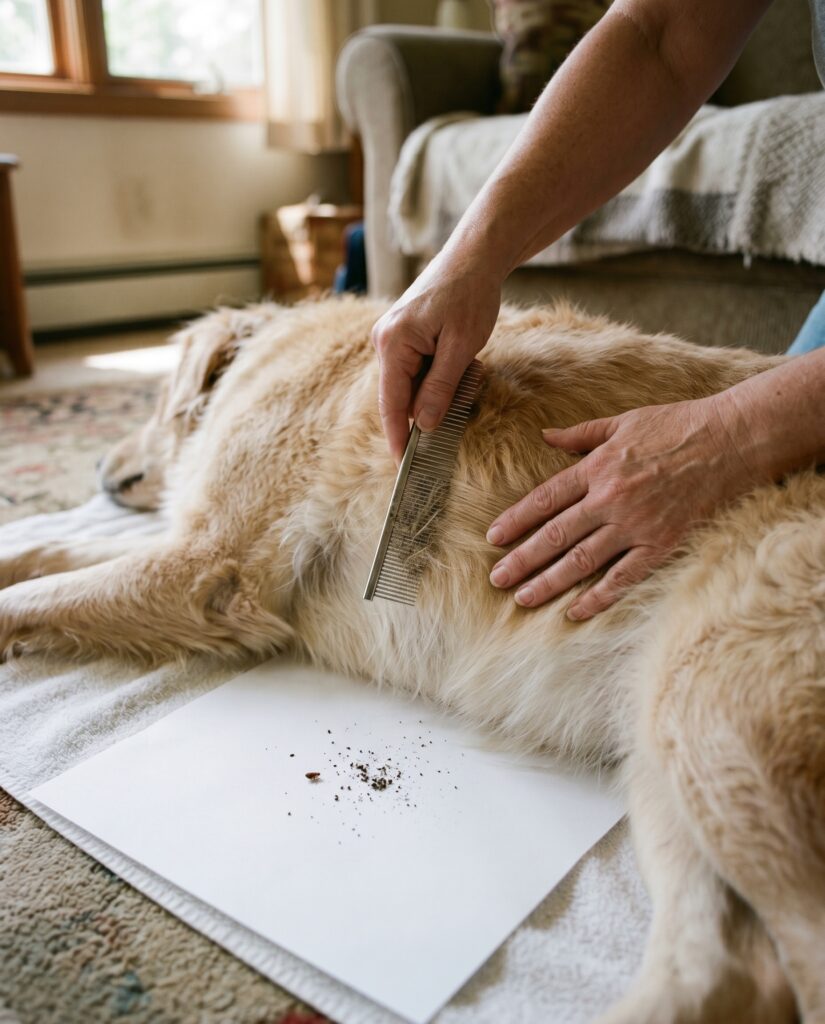
Before you fill the tub, run a flea comb through the coat over a sheet of white paper so you can see the dark flea dirt and confirm what you are dealing with. Our guide to the best flea combs for dogs and cats covers the cheap tool that does this best. The reason the bath alone never finishes the job is the math of where fleas live: according to the UC IPM Pest Notes on fleas, only a small share of an infestation is adult fleas on the pet, while the eggs, larvae, and pupae sitting in carpet and bedding make up the great majority. You can rinse every flea off the dog and still have an infested house.
\
\
Why a shampoo is a knockdown, not a cure
\
\
Here is the part most “best shampoo” lists quietly skip. Because the suds carry no lasting protection, a freshly bathed dog can pick up new fleas from the carpet within hours of drying off. The bath buys relief, not a finish line. That is why the responsible plan pairs the wash with two other moves: an ongoing product that keeps working for weeks, and treatment of the home where the immature stages are hiding.
\
\
For the ongoing piece, defer to your veterinarian on a modern topical or oral preventive, which is the part that actually keeps the dog flea-free between baths. Texas A&M veterinary medicine’s flea-control guidance frames control as a pet-plus-environment job rather than a single product, and the AVMA’s advice on fleas and ticks is clear that a vet should help you choose the right preventive for your specific dog. The shampoo handles the bad day; the preventive handles every other day. One honest call-out worth making: a flea shampoo by itself is the product people most often expect too much from, and it is the reason a flea problem seems to “come back” a week after a bath. It never left the house.
\
\
\
\
How to pick a flea shampoo
\
\
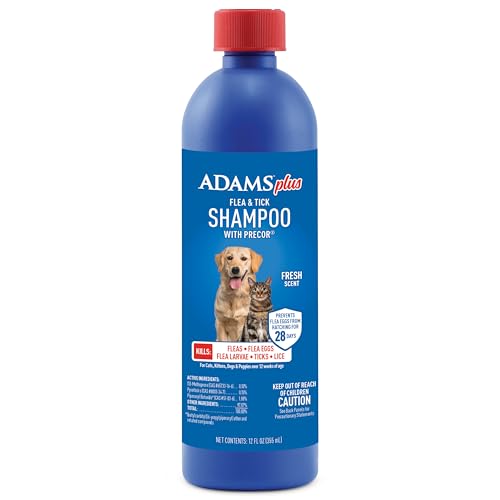
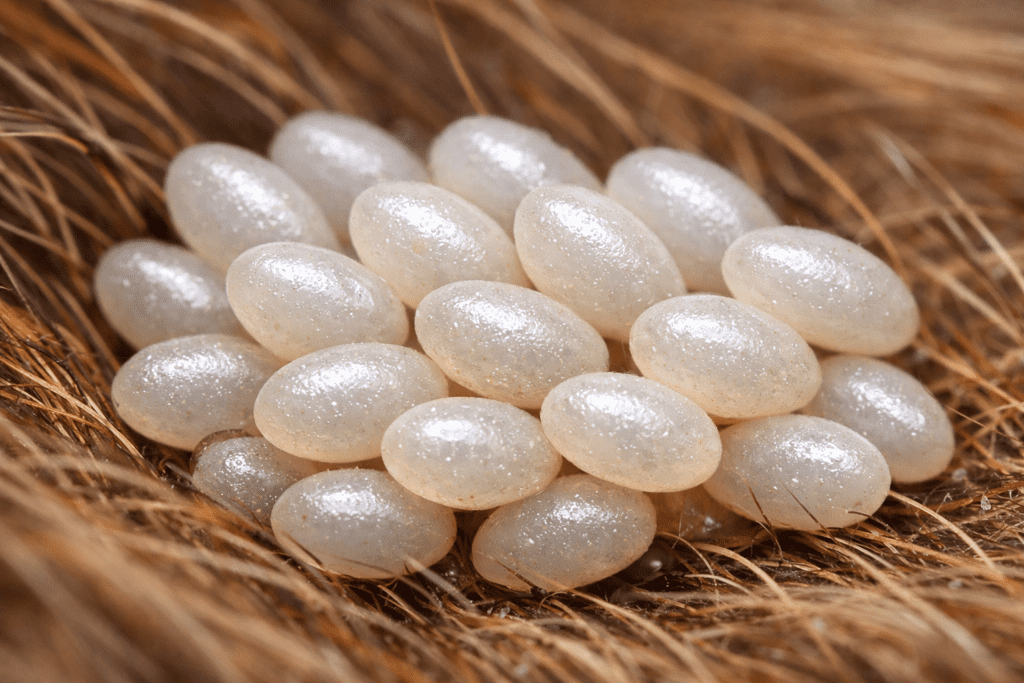
Once you accept that the bath is a knockdown step, the choice gets simple. Pick by two questions: do you want the shampoo to also kill eggs in the coat, and do you prefer a conventional pyrethrin formula or a plant-based one. A shampoo carrying an insect growth regulator such as Precor (methoprene) does more than the others, because the IGR keeps eggs in the coat from hatching instead of only dropping the adults.
\
\
| Shampoo type | Best for | Watch-out |
|---|---|---|
| Pyrethrin with IGR (Precor) | The common case; also kills eggs in the coat | Still no lasting residual; follow the label and pair with a preventive |
| Plant-based contact shampoo | Owners wanting a milder, botanical wash | Contact-kill only; reapply per the label, less egg control |
| Extra-strength pyrethrin | Heavy loads and lots of flea dirt | Strong knockdown but harsher; rinse well and follow the label |
\
\
Whatever the formula, the label is the law, so read it and follow it before you lather. The biggest safety point belongs here: a dog shampoo built on permethrin or concentrated pyrethrins can be highly toxic to cats, so never use a dog product on a cat, keep a treated dog away from cats until fully dry, and check the EPA’s guidance on pet pesticide products, which stresses reading the label and respecting species-specific cautions. Dog-only means dog-only. If you have any doubt about which active is right for your household, ask your veterinarian rather than guessing.
\
\
How to bathe and what comes next
\
\
Work the lather in from the neck back, because fleas run for the head and ears when the water rises. Lather a ring around the neck first to block that escape route, then work down the body, leave the suds on for the full contact time the label specifies, and rinse thoroughly. Comb the wet coat as you go to pull out the dead fleas and flea dirt. Keep the shampoo out of the eyes and ears, and do not improvise the timing; the label sets it for a reason.
\
\
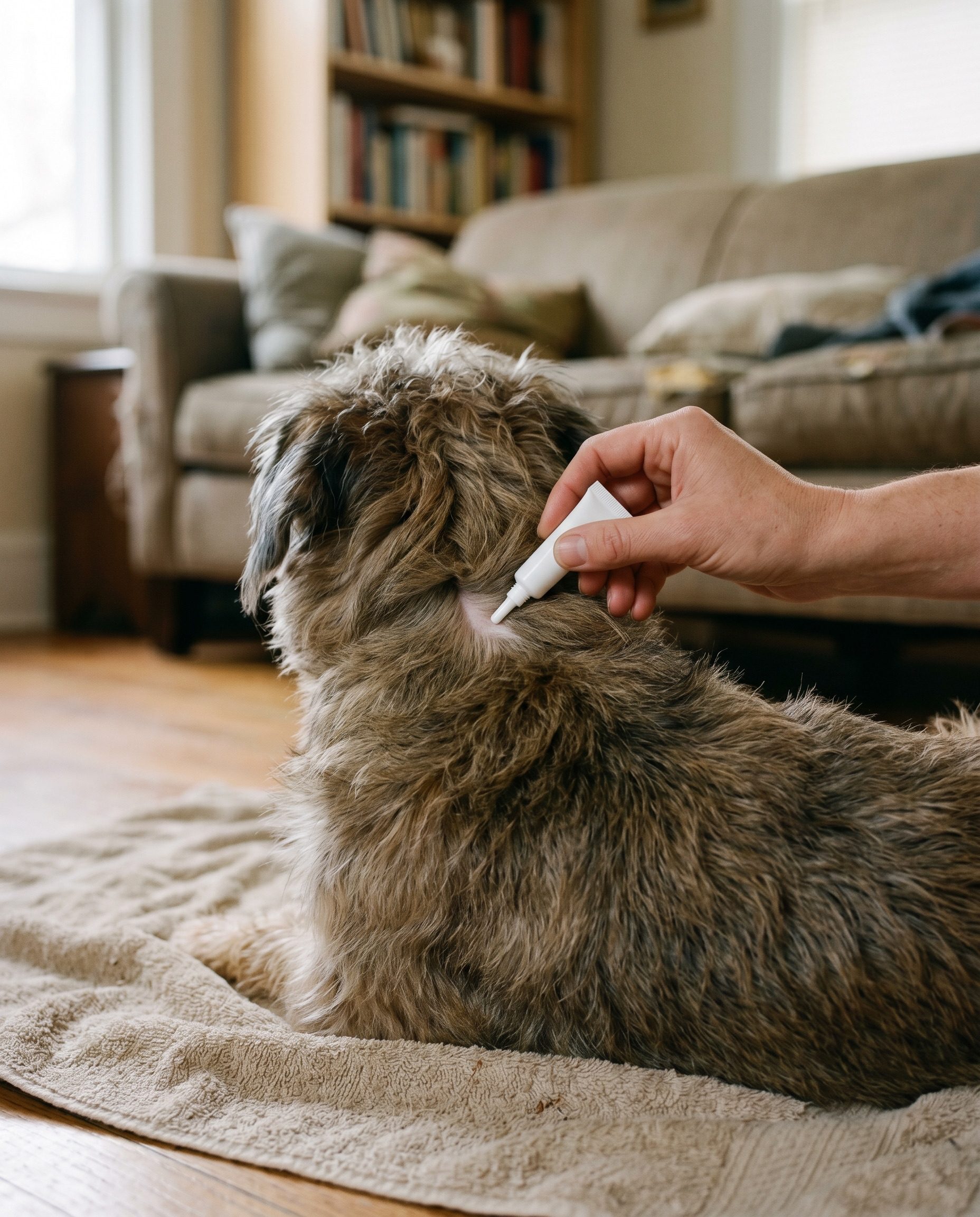
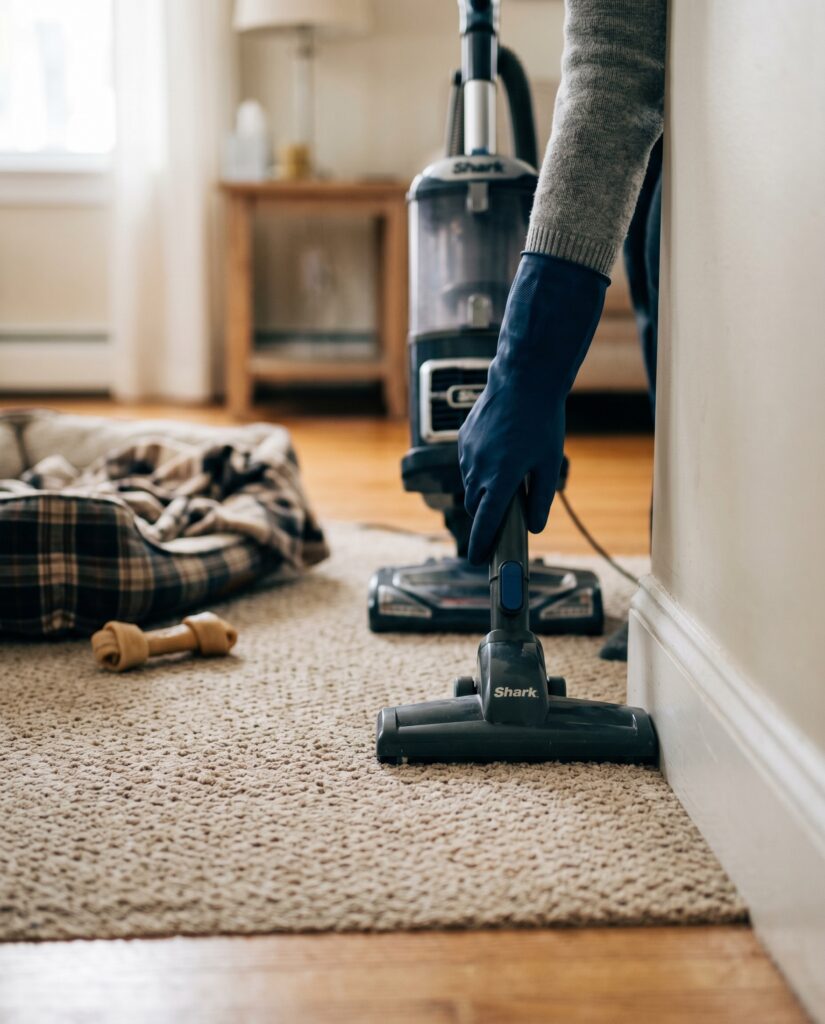
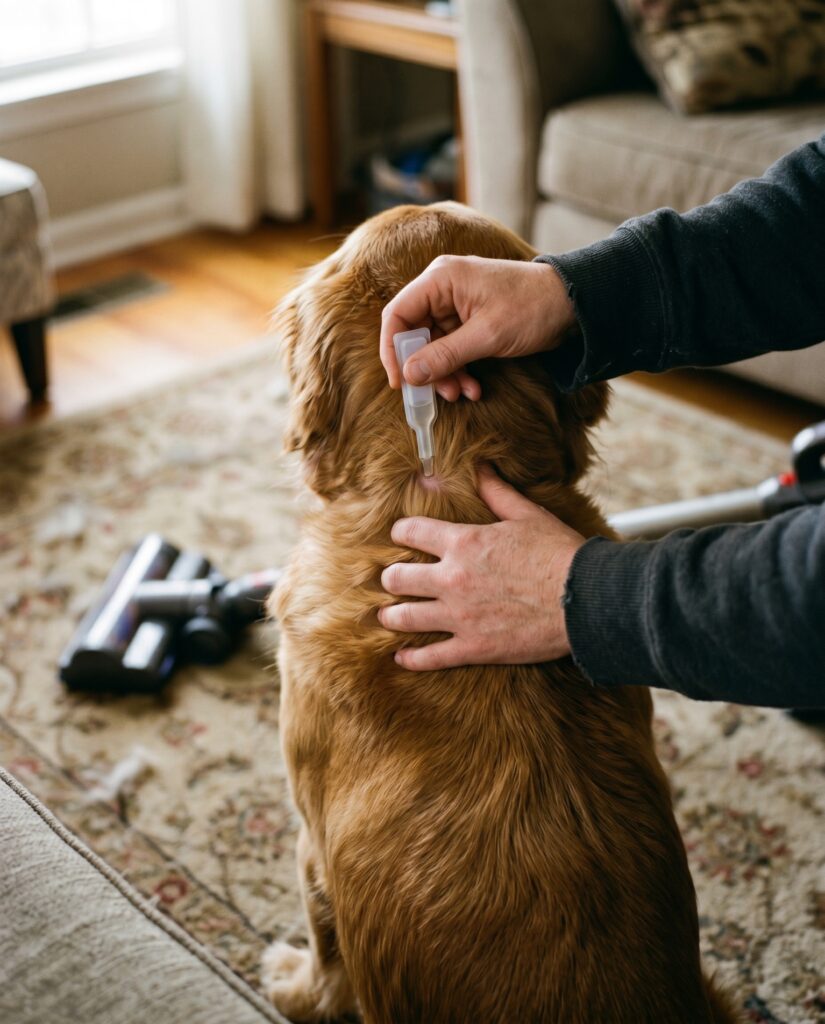
The bath is step one of three, and skipping the other two is why fleas return. Step two is the home: vacuum carpets, rugs, and along the baseboards, wash all pet bedding in hot water, and keep at it, since the CDC’s overview of flea biology explains that the life stages off the host are what reseed the infestation. Vacuuming also helps coax dormant pupae to emerge where your treatment can reach them, a point the UC IPM notes stress. Step three is the ongoing preventive your vet recommends, the topical or oral that keeps working for weeks. Our roundup of the best flea treatments for dogs, from drops to collars to oral covers that piece, and the complete guide to getting rid of fleas lays out the whole sequence in order.
\
\
\
\
The picks
\
\
These come after the analysis on purpose, because the job decides the bottle. All three are common, widely available dog flea shampoos, and each fits a different need: the one with an IGR for the common case, a plant-based option, and an extra-strength knockdown for heavy loads.
\
\
InsectoGuide is reader-supported. As an Amazon Associate we earn from qualifying purchases at no extra cost to you.
\
\
\
 \
\
\
\
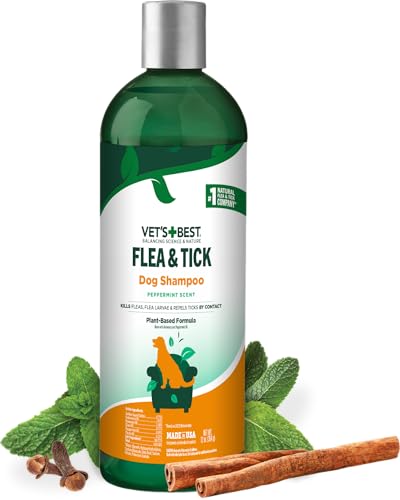
The common-case pick, because the Precor IGR also hits eggs in the coat.
\
\
\
\
\
 \
\
\
\
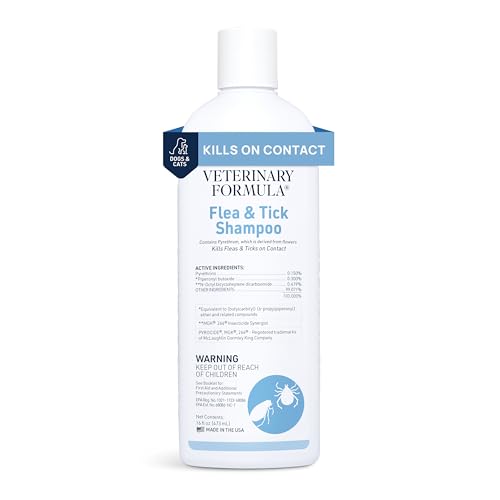
For owners who want a milder, botanical wash on dogs and puppies.
\
\
\
\
\
 \
\
\
\
For a heavy load, when you need a strong one-bath knockdown.
\
\
\
\
Common questions
\
\
Does a flea shampoo get rid of fleas for good?\
No. It kills the live fleas on the dog the day you bathe, then leaves almost no residual, so a freshly washed dog can pick up new fleas from the carpet the same day. Pair the bath with a vet-chosen preventive and home treatment, because the eggs and larvae off the host are what keep the cycle going.
\
\
How long does a flea shampoo keep working?\
Essentially only while it is on the coat. Once you rinse it out the killing stops, which is why it is a knockdown step rather than ongoing protection. For weeks of coverage you need a topical or oral preventive, not another bath.
\
\
Can I use my dog’s flea shampoo on my cat?\
No. Many dog flea products use permethrin or concentrated pyrethrins that can be highly toxic to cats, so never use a dog shampoo on a cat and keep a treated dog away from cats until dry. The AVMA advises choosing flea products with your veterinarian and never crossing species.
\
\
How often can I bathe my dog with flea shampoo?\
Only as often as the label allows, since over-bathing dries the skin and the label sets the safe interval. Because the shampoo is a knockdown and not the plan, frequent re-bathing is a sign you are leaning on the wrong tool and need an ongoing preventive plus home treatment instead.
\
\
What about the eggs in the coat?\
A shampoo with an insect growth regulator such as Precor (methoprene) targets eggs in the coat, which plain contact shampoos do not. It still will not treat the eggs and larvae waiting in your carpet, so vacuuming and washing bedding stay part of the job.
\
\
Final verdict
\
\
A flea shampoo is the right tool for one specific moment: a dog walks in carrying a heavy load and you want those live fleas off fast. Use it as a knockdown, never as the whole plan, because the suds carry no lasting residual and the dog can be reinfested the same day from the carpet. For the common case, reach for a shampoo with an IGR like Precor so the bath also kills eggs in the coat; choose a plant-based wash if you want something milder, or an extra-strength pyrethrin for a really heavy load. Then do the two things the bath cannot: ask your veterinarian for an ongoing topical or oral preventive, and treat the home by vacuuming and hot-washing bedding. The shampoo clears the bad day; the preventive and the cleanup are what actually keep the fleas gone.
\
\

Pingback: Best Flea Treatments for Dogs: Drops, Collars and Oral Compared