
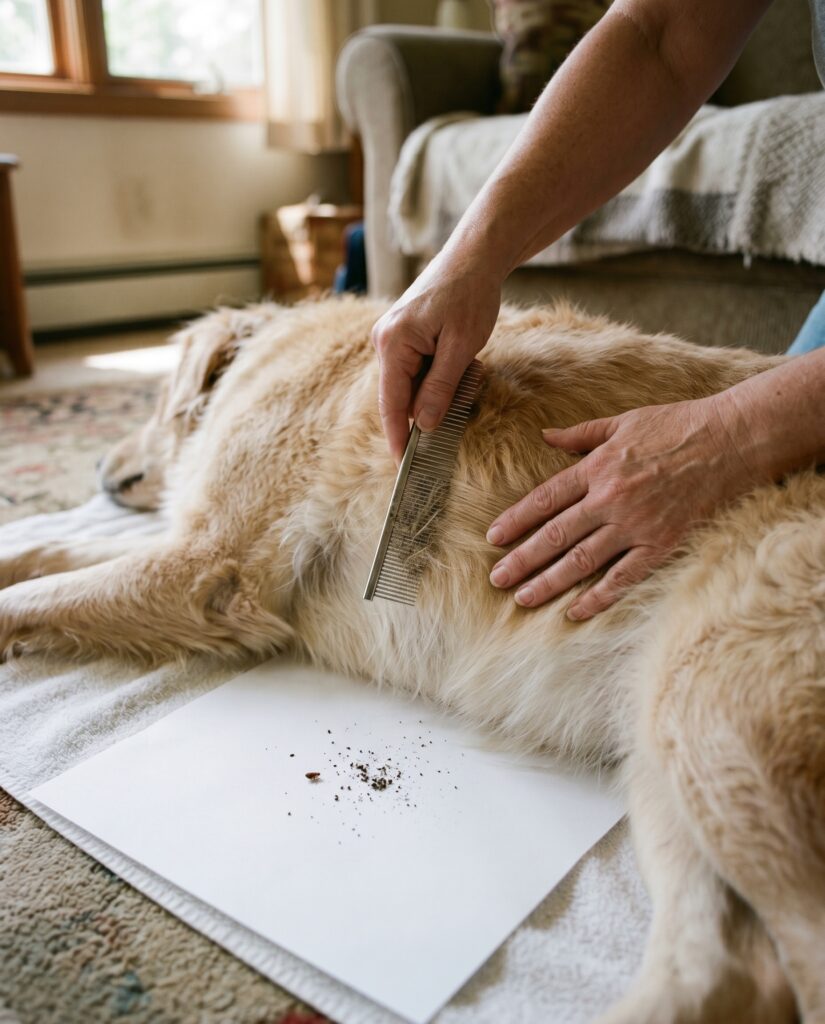
If you want a flea spray that actually ends the problem, the one feature that matters is an insect growth regulator, an IGR like methoprene, because it kills the eggs and larvae instead of just the adults you can see. The short answer: pick a spray that pairs an adulticide with an IGR, and treat the pet and the home on the same day, because the live fleas on your dog and the hidden ones in your carpet are the same fight. In our own home we keep one IGR spray for the floors and a fine flea comb for the daily check. Most lists rank a fast knockdown spray first; that is the one to be careful with, because killing adults while the carpet keeps hatching is how an “infestation” comes roaring back two weeks later.
Choose a flea spray with an insect growth regulator (an IGR like methoprene) so it kills eggs and larvae, not just adults, and treat the pet and the home the same day; an adulticide-only spray lets the hidden fleas hatch right back.
- Do first (free): Vacuum carpets, rugs, and cracks daily, and hot-wash all pet bedding before you spray anything.
- Look for an IGR: A spray combining an adulticide with an IGR breaks the life cycle; plant-based contact sprays work but need re-application.
- Skip: Adulticide-only sprays as your only weapon, and treating the house without treating the pet the same day.
Vacuum and wash first
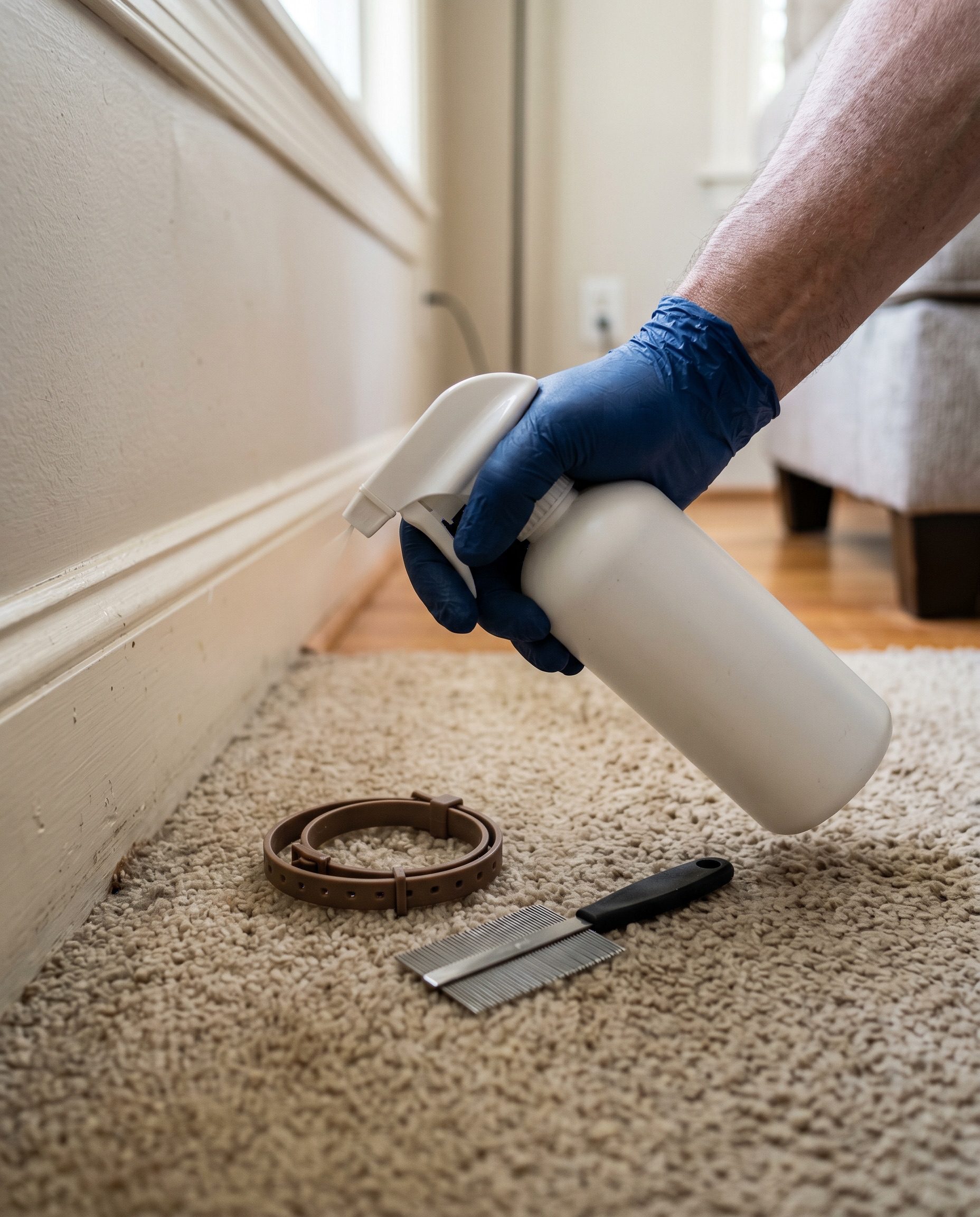
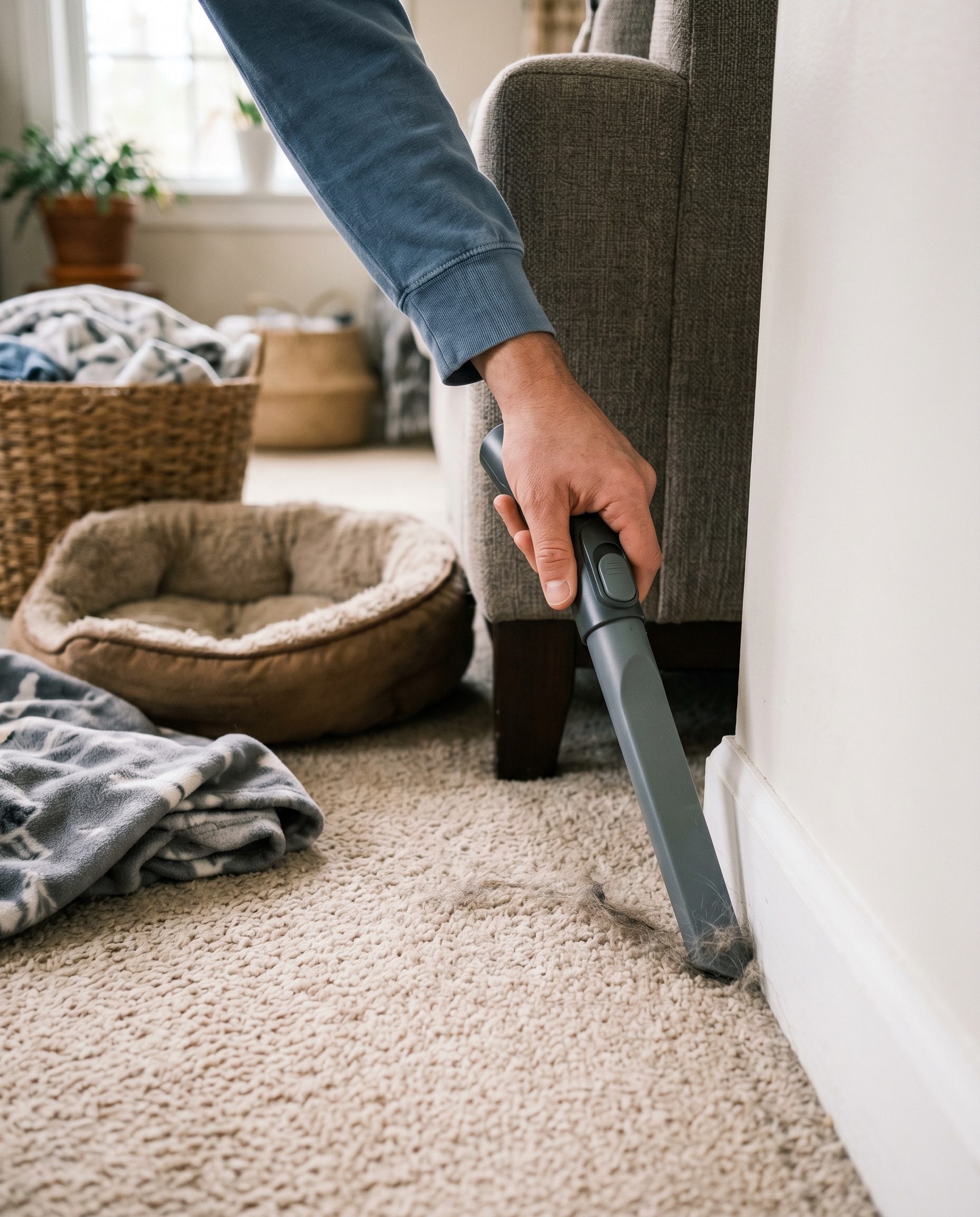
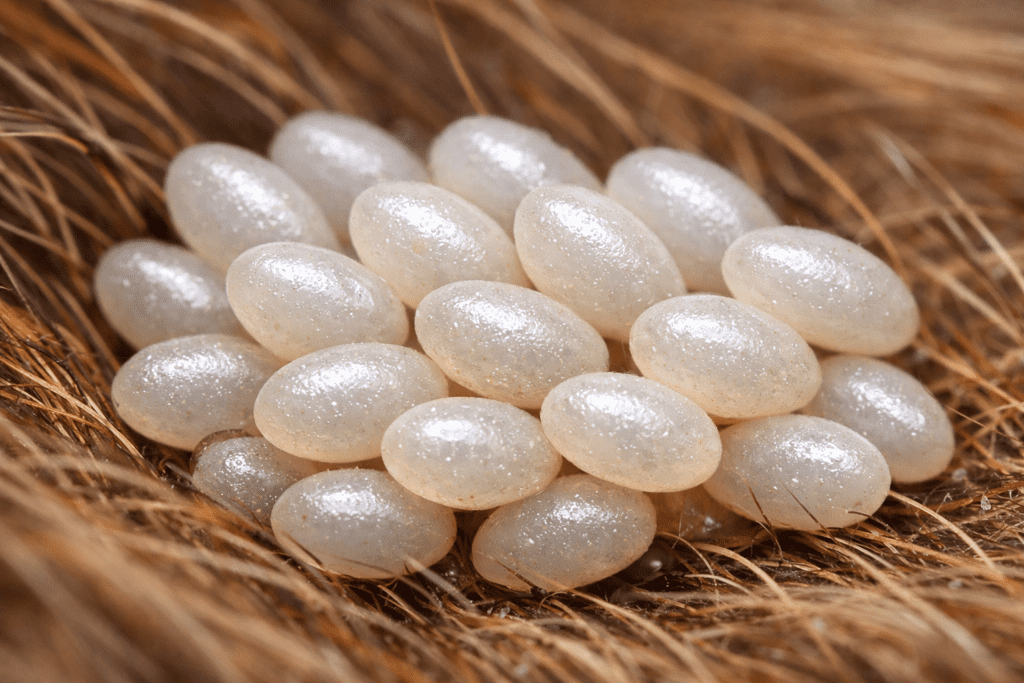
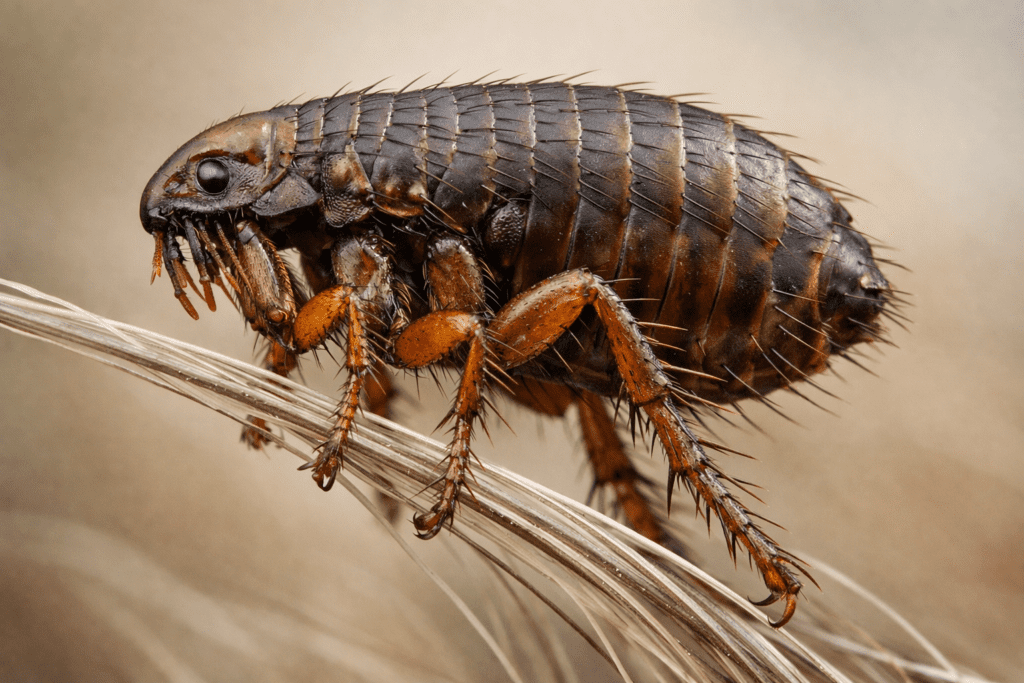
Before any spray comes off the shelf, do the free part, because most of the infestation is not where you think it is. Only the adult fleas live on your pet; the rest, the eggs, larvae, and pupae, are scattered through your carpet, rugs, and pet bedding. The UC IPM Pest Notes on fleas put it at roughly 95 percent of the population living off the host, which is exactly why an adult-killer alone never finishes the job. Vacuum every day, slowly, and get into the cracks and edges where larvae hide from light, then throw out or seal the bag. Run all pet bedding through the hottest wash the fabric allows and dry it on high heat. Our complete guide to getting rid of fleas walks the full order, and the flea life cycle explainer shows why the hidden stages are the real battle. A spray is worth buying once the vacuuming and laundering are underway, not as a way to skip them.
Why an adulticide alone fails
Here is the part most “fastest knockdown” lists gloss over. A spray that only kills adult fleas hits the 5 percent you can see and leaves the 95 percent you cannot. Within days those eggs hatch, the larvae mature, and you are bitten again, so you spray again, and the cycle never closes. An insect growth regulator breaks that loop by stopping eggs and larvae from ever becoming biting adults. The UC IPM flea guidance specifically recommends pairing an adult-killing ingredient with an IGR such as methoprene for indoor treatment, and that combination is what separates a spray that ends the problem from one that just buys you a quiet week.
The other half of the failure is treating the house but not the pet, or the reverse. Your dog or cat is the mobile reservoir; if it walks back over a treated floor still carrying live fleas, you are reseeding the carpet daily. Texas A&M’s veterinary guidance on fleas is blunt that lasting control means hitting the animal and its environment together, on the same day. Treat the pet and the home in one coordinated pass, then keep up the vacuuming, and you starve the cycle from both ends instead of chasing it.
IGR vs plant-based sprays
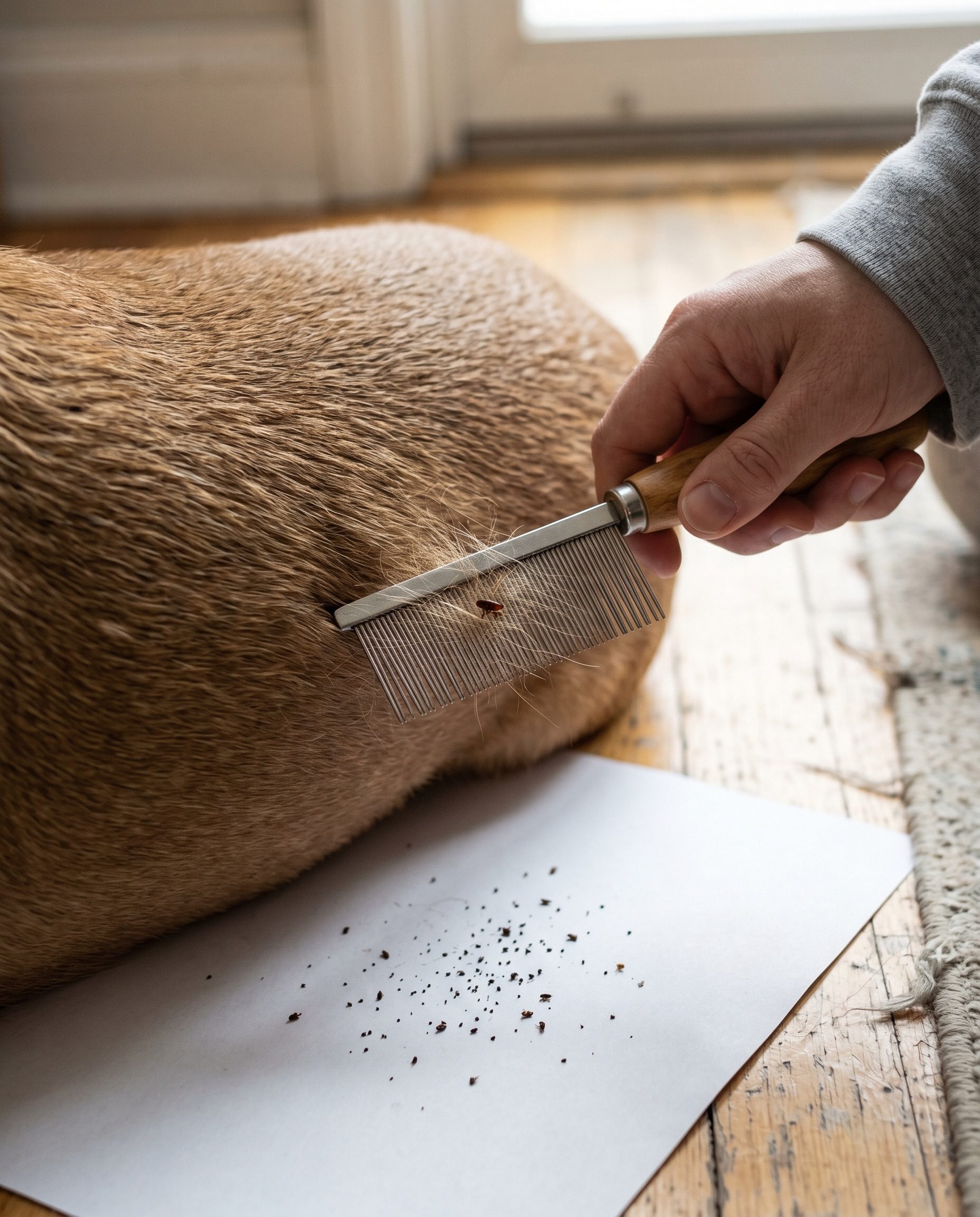
Once you know an IGR is the goal, the category choice comes down to where you are spraying and what is in the house. Decide by two questions: do you need lasting cycle-breaking control on the floors, or a quick contact treatment on surfaces you touch often. The point is to match the chemistry to the job, not to grab the strongest-sounding can.
| Spray type | Best for | Watch-out |
|---|---|---|
| Adulticide + IGR indoor spray | Ending the infestation in carpets, baseboards, and bedding | Keep kids and pets off until fully dry; follow the label |
| Plant-based contact spray | Pet-and-home use and surfaces where you want a non-pesticide option | Kills on contact with little residual; reapply as directed |
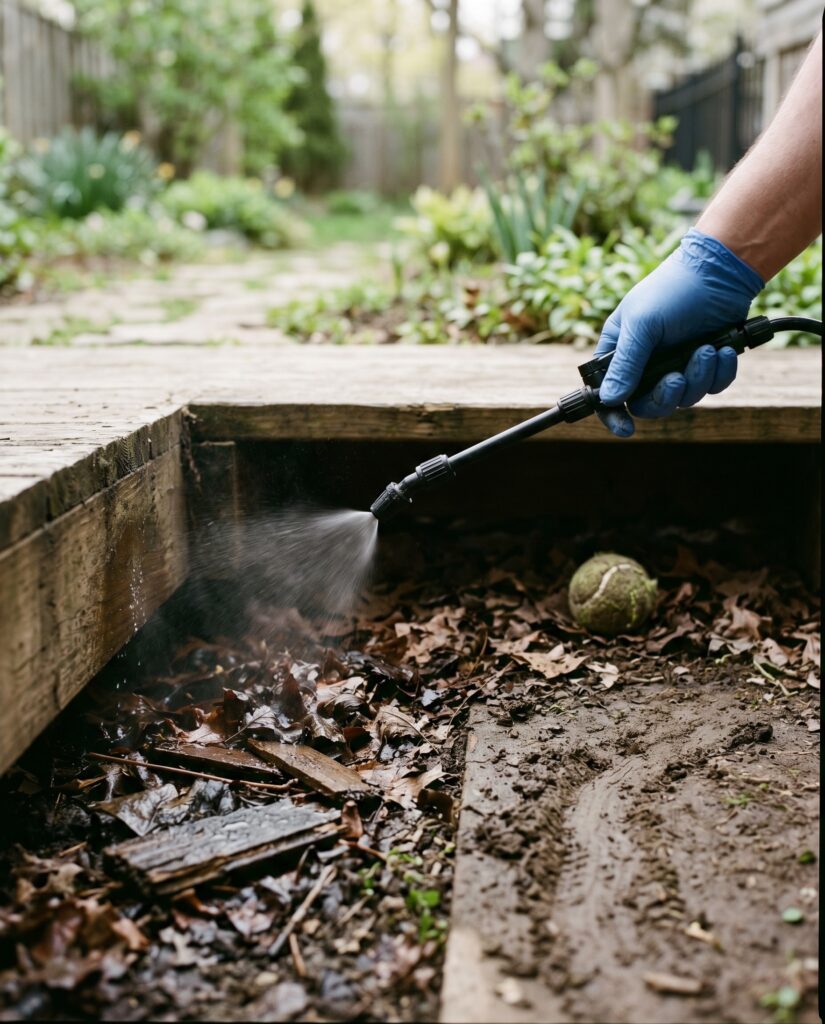
| Outdoor yard concentrate | Shaded, moist resting spots where pets lie outdoors | Skip sunny open lawn; protect pollinators, spray at dusk |
Why not just buy the strongest indoor concentrate for everything? Because the indoor IGR spray and the plant-based contact spray solve different problems. The IGR spray is what closes the cycle indoors; the plant-based spray is the right tool when you want something gentler for frequent surfaces or as a between-treatment touch-up, knowing it kills what it lands on but does not leave a lasting film. Outdoors, fleas live in the shaded, damp spots where pets rest, not the sunny open lawn, so a yard concentrate belongs only in those targeted zones. Our flea yard treatment guide covers where to aim outdoors, and the carpet powder and spray comparison covers the dry option for deep pile a wet spray cannot fully reach.
How to apply it safely
Spray the harborage, not the open air. Treat carpets, the edges where carpet meets the baseboard, cracks in the floor, under furniture, and the pet’s bedding and resting spots, getting the nozzle down into the pile and the seams. Coverage of the resting and hatching spots beats misting the whole room. For any registered product, read and follow the label, because under federal law the label is the law; do not state your own mix or apply an indoor spray outdoors. The EPA’s guidance on pet pesticide safety is the right reference here for reading the label and using a product as registered.
Treat these as the pesticides they are. Keep children and pets off treated surfaces until everything is fully dry, do not spray pet food bowls or food-prep areas, and if someone or a pet is exposed, contact a doctor or your veterinarian, or your local poison control center. One firm rule on the pet itself: never put a dog product on a cat. Permethrin and several dog-only ingredients are toxic to cats, a point the AVMA’s flea and tick guidance stresses, so use only a product labeled for that species and let your veterinarian pick the on-animal treatment and the dose. I will not give a dosage here; that is a veterinary call.
Outdoors, keep it targeted and pollinator-aware. Treat only the shaded, moist spots where pets lie, avoid open blooms and flowering plants, and apply toward dusk to spare bees. Fleas can carry disease in some regions, which the CDC’s overview of fleas covers, so do not let an outdoor population sit untreated where pets and people share the yard.
The picks
Cards come after the analysis on purpose, because the feature decides which one you buy. These three cover the cycle-breaking indoor spray, a plant-based pet-and-home option, and a plant-based value refill, and all are common, widely available flea products.
InsectoGuide is reader-supported. As an Amazon Associate we earn from qualifying purchases at no extra cost to you.
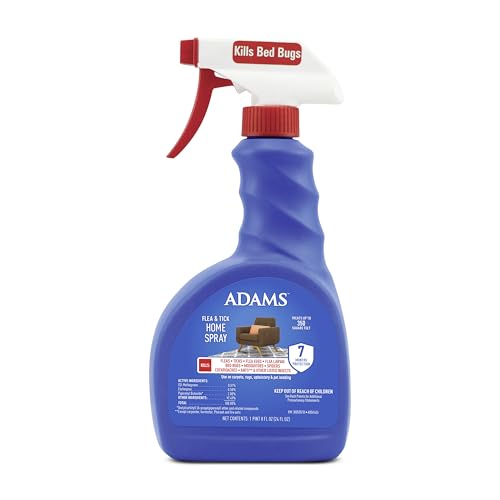
A dual-action indoor spray that kills adults and stops eggs and larvae maturing.
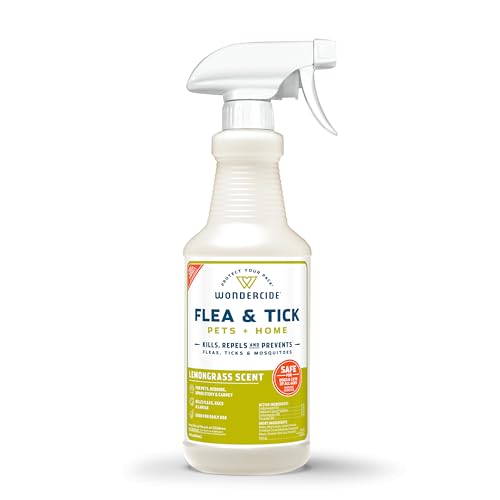
A plant-based contact spray labeled for both pets and the home.
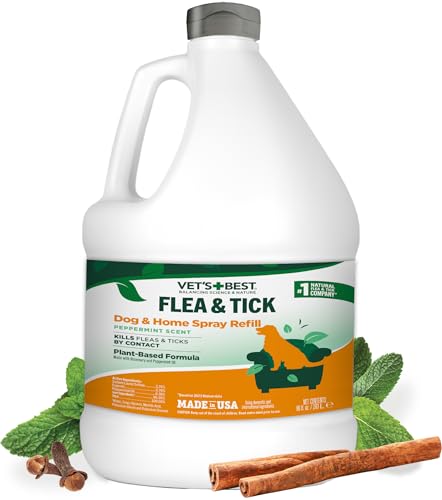
A plant-based refill jug for treating large areas at lower cost.
Common questions
Does a flea spray have to contain an IGR?
For ending an indoor infestation, it is the feature that matters most. An adulticide alone leaves the eggs and larvae that make up most of the population, and the UC IPM flea guidance recommends pairing an adult-killer with an IGR like methoprene. A plant-based contact spray can work too, but you have to reapply it as it has little residual.
Do I really have to treat the pet and the house together?
Yes, on the same day. The adults ride on the animal while the hidden stages live in the carpet, so treating one and not the other just reseeds the problem. Texas A&M’s veterinary guidance is clear that lasting control means hitting the pet and its environment at once.
Are plant-based flea sprays as effective?
They kill fleas on contact and are a reasonable non-pesticide option for surfaces and pets, but most leave little lasting film, so you re-apply more often. They are a good fit for frequent-touch areas or between treatments; for breaking the cycle in carpet, an IGR spray does more per pass.
Is it safe to spray around my cat?
Only with a product labeled for cats, and never a dog product. Permethrin and several dog-only ingredients are toxic to cats; the AVMA warns against it, and your veterinarian should choose the on-animal treatment. Keep cats off any treated surface until it is fully dry.
My flea bites are itching badly. What should I do?
Most flea bites are itchy but minor and ease with basic home care, which MedlinePlus outlines. If a bite looks infected, the reaction spreads, or you feel unwell, see a doctor; the bites themselves are a nuisance, but the real fix is clearing the fleas from the pet and the home.
Final verdict
There is no magic flea spray, but there is a feature that decides whether you win: an insect growth regulator. Start free by vacuuming daily and hot-washing all pet bedding, then reach for a spray that pairs an adulticide with an IGR so it kills the eggs and larvae hiding in your carpet, not just the adults you see. Treat the pet and the home on the same day, because they are one infestation in two places. A plant-based spray is a fine gentler option for pets and frequent surfaces as long as you re-apply it, and a refill jug stretches that across a big house. Skip the adulticide-only approach as your only weapon, keep up the vacuuming, and the cycle closes instead of restarting.

Pingback: Best Flea Carpet Powders and Sprays for Your Home