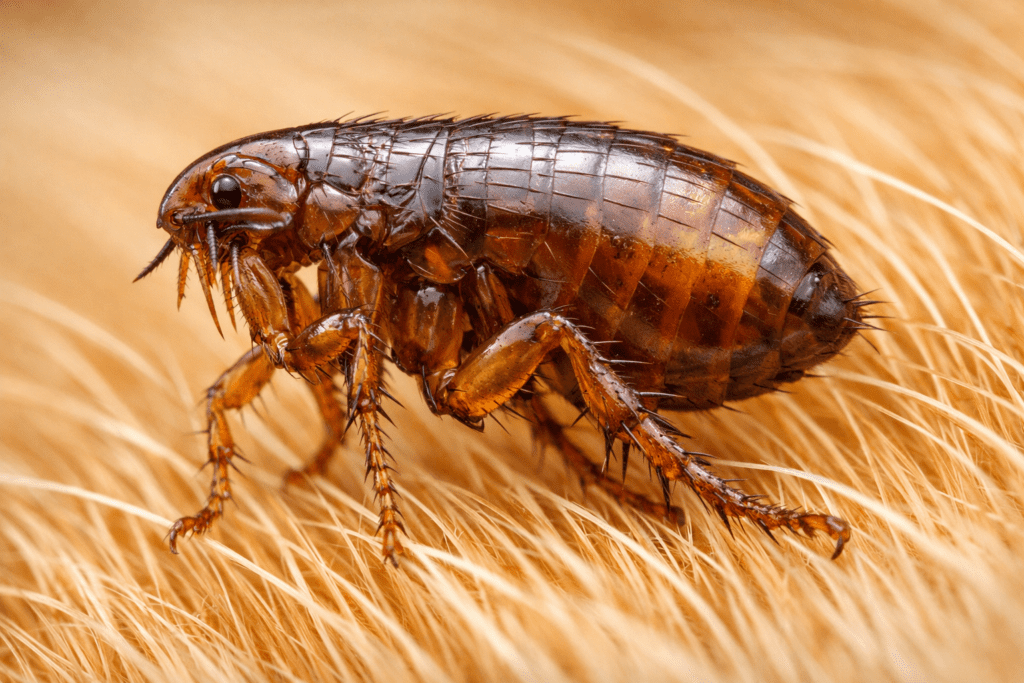
If fleas keep coming back after you treat the dog, it is because the dog was never where most of the problem lived. About 95 percent of a flea infestation is eggs, larvae, and pupae down in your carpet and floors, not on the animal, so the carpet is the side of the job that actually clears the house. The short answer: vacuum hard first, then work a flea carpet powder into the carpet base, because a borate powder lasts for months and kills larvae as they hatch, while an IGR powder stops eggs from ever maturing. In our own house we keep one borate powder for the long game and rely on the vacuum to do the free half of the work. Most lists rank a spray you mist over the surface first; that is the one to be careful with, and the comparison below shows where a powder earns its place instead.
Treat the carpet, because roughly 95% of a flea infestation lives in your floors where treating the pet never reaches; a borate powder lasts months and kills larvae as they hatch, and an IGR powder stops eggs from maturing.
- Do first (free): Vacuum carpets, rugs, and pet bedding thoroughly, then empty the canister outside, before any powder goes down.
- Best for the common case: A borate-based carpet powder worked into the carpet base for months of larvae control.
- Skip: Treating only the pet and hoping it spreads; the floors hold the eggs, larvae, and pupae a pet product never touches.
What to do first
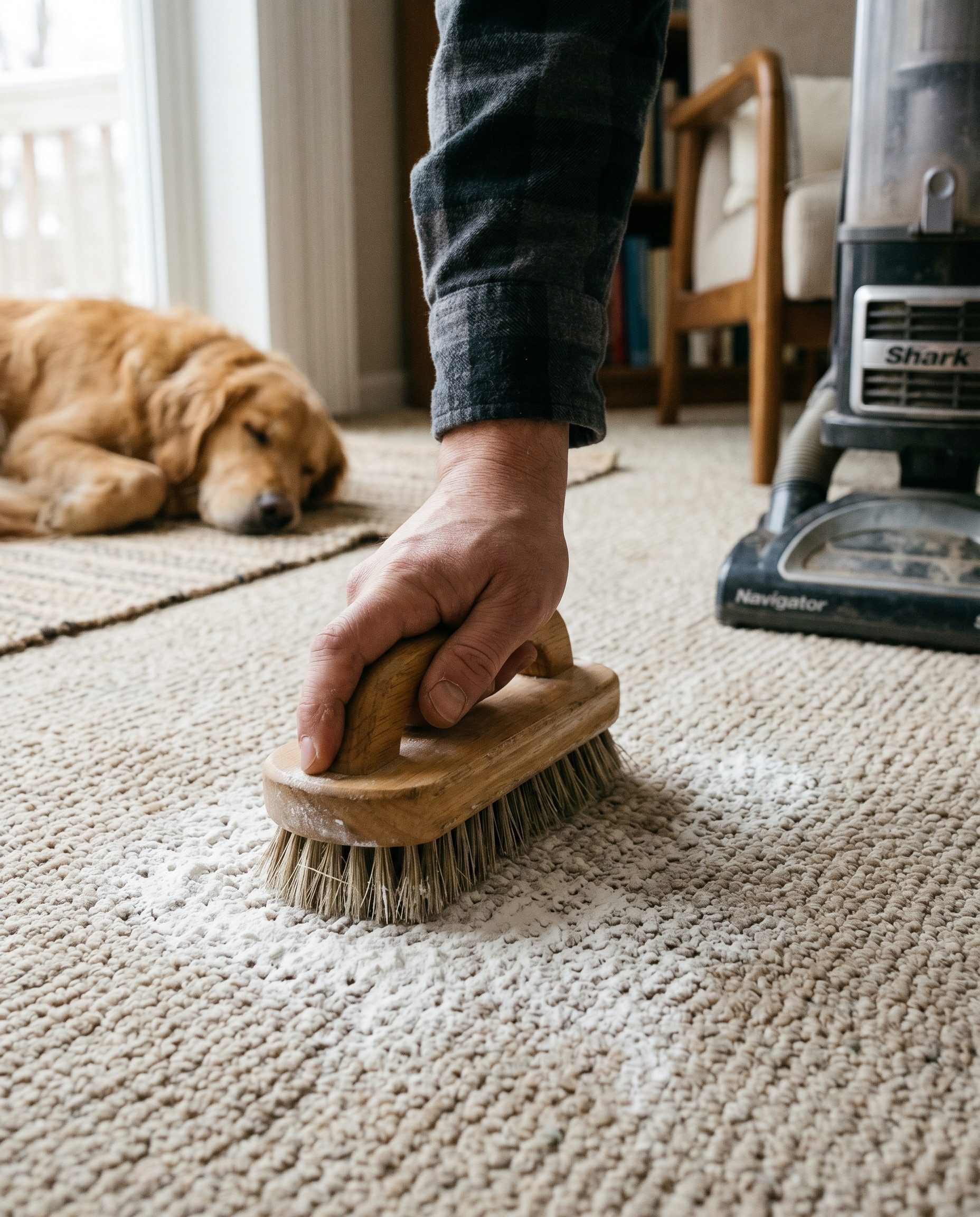
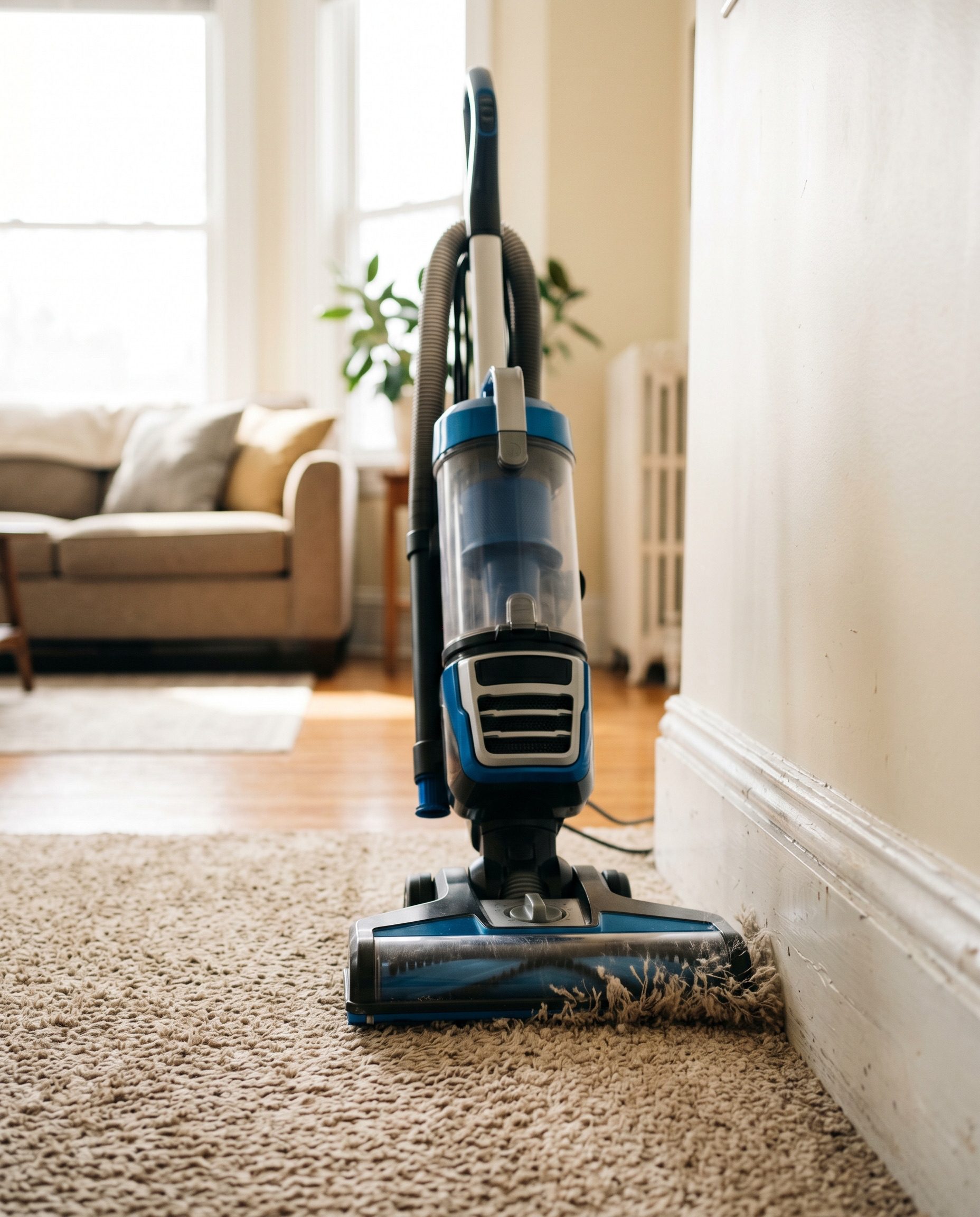
Before any product comes out, run the vacuum, because it is the cheapest and most underrated tool in the whole job. Vacuum the carpets, the rugs, the cracks along the baseboards, and especially wherever the pet sleeps, then empty the canister or bag into a sealed bag and put it outside. Vacuuming lifts the carpet fibers so the powder can reach the base, pulls up loose eggs and flea dirt, and the UC IPM Pest Notes on fleas note it even nudges dormant pupae to emerge, which is exactly when you want them exposed to a treated carpet. Wash the pet’s bedding in hot water the same day. Our complete guide to getting rid of fleas walks the full order if you want the whole sequence.
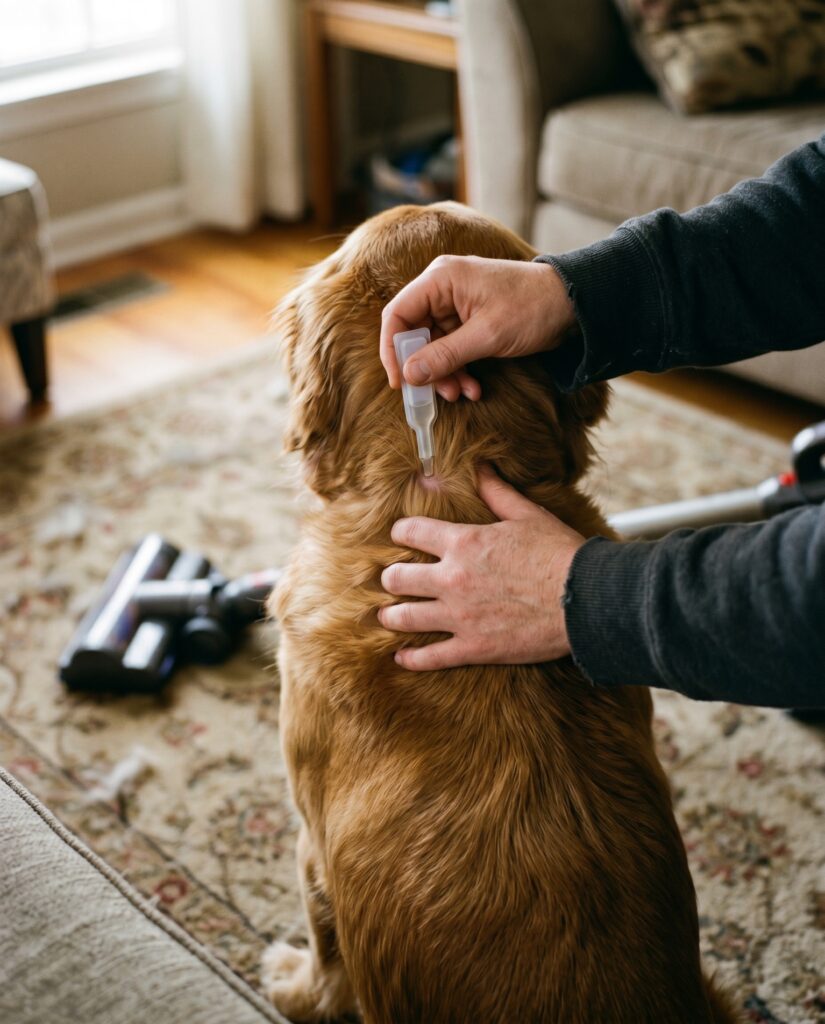
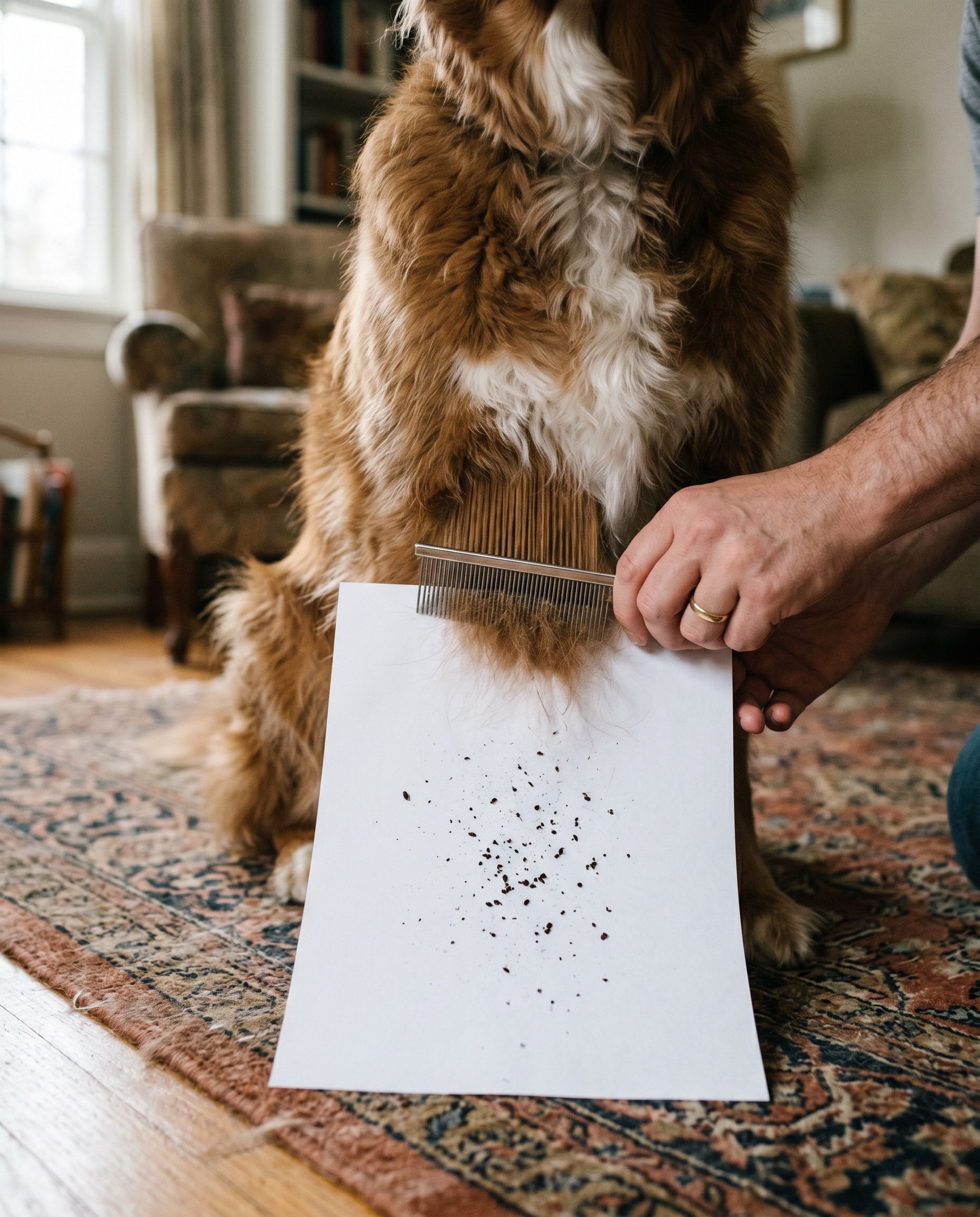
Treat the pet at the same time, but understand what that does and does not solve. A product on the animal protects the animal; it does almost nothing for the floors. The reason the cycle drags on for weeks is that the carpet keeps hatching a fresh wave, and the CDC’s overview of flea biology lays out why: the off-host stages outnumber the adults you can see by a wide margin. A carpet powder is worth buying once you have vacuumed and you understand it is the environment half of a two-front job, not a magic shaker that replaces the rest.
Why treating only the pet fails
Here is the part most “best flea product” lists skip. The adult fleas biting your dog are the small visible tip of the population. The eggs roll off the animal and scatter wherever it walks and sleeps, then hatch into larvae that burrow down into the carpet base to feed, and finally spin into pupae that can sit dormant for weeks. The UC IPM flea guidance puts the off-host share at roughly 95 percent, which is why a spot-on the dog leaves the bulk of the problem untouched. The floor is the nursery, and a pet product never sets foot in it.
This is the case for matching the treatment to where the fleas actually are. A borate-based powder binds to the carpet fibers and stays put through normal traffic, killing larvae as they hatch and feed, which gives you months of work from one application. An IGR, or insect growth regulator, takes a different angle: it does not kill on contact but disrupts the eggs and larvae so they never reach a biting adult, which is what breaks the cycle the Texas A&M veterinary flea guidance describes as needing both the pet and the environment handled together. If you only ever treat the dog, you are mowing the lawn and ignoring the roots. For the deeper biology of why the off-host stages make fleas so stubborn, see our breakdown of the flea life cycle.
Borate vs IGR vs spray
Once you know the floors are the target, the category choice comes down to how the product works and how long you want it to last. Powders sit in the carpet base where the larvae are; sprays cover the surface and some reach deeper, but most carry less residual on carpet than a bound powder does.
| Type | Best for | Watch-out |
|---|---|---|
| Borate carpet powder | Long-term larvae control in the carpet base | Work it in and leave it; keep pets and kids off until vacuumed up per the label |
| IGR powder or additive | Breaking the cycle by stopping eggs and larvae maturing | Slower; pairs best with something that also kills adults |
| Carpet or home spray | Fast knockdown on the surface and upholstery | Generally shorter residual on carpet; follow the label for surfaces and dry time |
Why not just mist a spray over everything and call it done? Because a surface spray hits what it lands on but often leaves the carpet base, where the larvae actually live, lightly touched once the carpet dries. A spray earns its place on upholstery, along edges, and for a quick adult knockdown, and our roundup of the best flea sprays for home use covers that lane. A powder does the slow, deep, months-long work; a spray does the fast, shallow, surface work. The best result usually pairs a borate or IGR powder in the carpet with whatever you choose for the pet, which is the integrated approach Extension and veterinary sources both point to rather than one product doing everything.
How to apply it
Vacuum first, every time, then apply. Sprinkle the powder lightly and evenly across the carpet, then work it down into the base with a stiff broom or a carpet brush so it reaches the fibers near the backing where larvae feed, not just the tips you can see. Pay extra attention to the spots the pet favors, under furniture, and the edges along the baseboards. Leave it to do its job for the time the label specifies before you vacuum the surface, then keep up a normal vacuuming routine over the following weeks to lift hatching pupae onto the treated fibers.
Treat these as the pesticides they are and let the label set the rules, because under federal law the label is the law. Keep children and pets off the treated carpet until you have applied it and vacuumed per the directions, do not use it on surfaces that contact food, and store it out of reach. The single most important pet-safety point is on the animal, not the floor: never put a dog flea product on a cat. Permethrin and several other dog-only actives are toxic to cats, a warning the AVMA’s flea and tick guidance and the EPA’s pet pesticide safety page both stress, so read the species line on every label and ask your veterinarian which on-pet product fits your household. If a pet seems unwell after any treatment, contact your veterinarian or your local poison control center.
The picks
Cards come after the analysis on purpose, because the way the product works decides which one fits your floors. These three cover the long-lasting borate option, the budget all-stage powder, and the IGR pick, and all are common, widely available flea carpet powders.
InsectoGuide is reader-supported. As an Amazon Associate we earn from qualifying purchases at no extra cost to you.
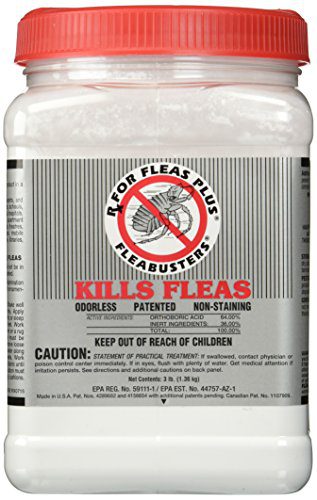
A borate powder for months of larvae control deep in the carpet base.
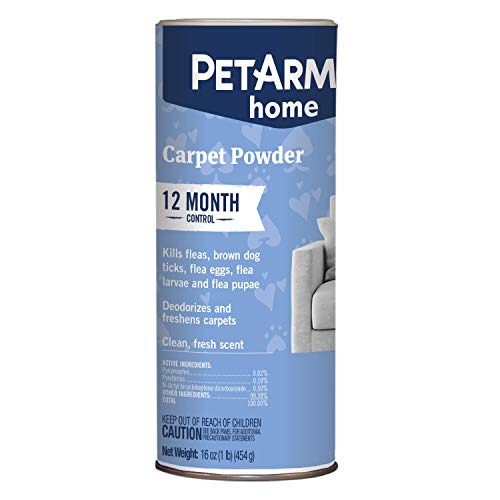
An affordable all-stage carpet powder for everyday treatment.
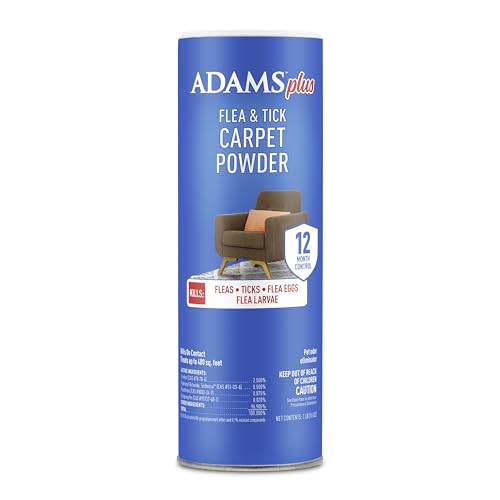
A dual-action powder for carpet and upholstery that breaks the cycle.
Common questions
Does flea carpet powder actually work?
Yes, when you treat the floors and not just the pet. Since roughly 95 percent of the infestation lives in the carpet as eggs, larvae, and pupae, a powder worked into the base reaches the stages a pet product cannot. It works best paired with vacuuming and an on-pet treatment, not on its own.
How long does a borate powder last?
A borate powder binds to the carpet fibers and can keep killing larvae for months through normal traffic, which is its main advantage over a surface spray. Reapply on the schedule the label gives, and keep vacuuming so dormant pupae emerge onto the treated carpet.
Is carpet powder safe around pets and kids?
Use it the way the label says: apply it, work it in, then keep children and pets off the carpet until you have vacuumed it up per the directions. Read the label every time, and if a pet seems unwell after any flea treatment, contact your veterinarian or your local poison control center.
Can I use the same product on my cat?
No. Carpet powders are for the floor, not the animal, and you should never put a dog flea product on a cat. Several dog-only actives are toxic to cats, so ask your veterinarian which on-pet product is right and follow that label exactly.
Do I still need to treat the dog if I powder the carpet?
Yes. The carpet holds the off-host stages and the dog carries the biting adults, so you have to hit both at once or the cycle restarts. Treat the pet with a vet-recommended product the same day you treat the floors.
Final verdict
Fleas come back because the floors, not the pet, hold most of the population, so the carpet is where the job is actually won. Start free by vacuuming the carpets, rugs, and pet bedding hard, then empty the canister outside. Work a borate powder into the carpet base for months of larvae control, reach for an IGR powder to break the egg-to-adult cycle, and use a spray for fast surface knockdown on upholstery and edges. Skip the idea that treating the dog alone will clear the house; it protects the animal while the carpet keeps hatching a fresh wave. Treat the floors and the pet together, follow every label, and let the vacuum keep doing the free half of the work.