
\
\
\
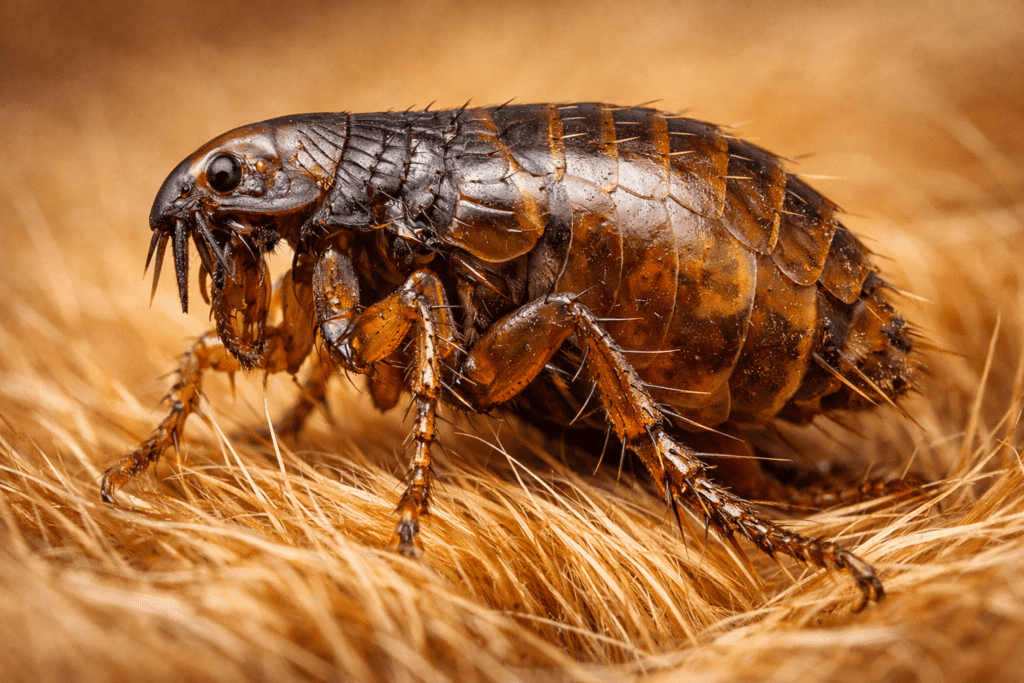
If you keep finding fleas on your pet no matter how many baths you give, here is the thing nobody tells you up front: the fleas you see are a tiny fraction of the problem. Fleas are an environment problem wearing a pet costume. Only about one in twenty lives on the animal at any moment, while the rest are eggs, larvae, and pupae buried in your carpet, the pet bed, and the yard. That is why a flea bath alone never works. You have to hit the pet and the home on the same day, then keep at it for several weeks, because the armored pupae hatch on their own schedule and re-seed the animal long after you think you won.
\
\
\
Treating the pet alone never clears fleas, because roughly 95% of them are eggs, larvae, and pupae off the animal. Treat the pet and the home on the same day, vacuum every day, and repeat on a schedule for several weeks until late-hatching pupae run out.
\
- \
- Do first (free): Vacuum carpets, rugs, and pet resting spots daily, and wash the pet bedding in hot water.
- Best for the common case: A vet-recommended flea product on the pet on the same day you start treating the home, kept up for the full cycle.
- Skip: Flea baths or a flea collar as your only move; they ignore the 95% of fleas living in the house.
\
\
\
\
\
\
\
\
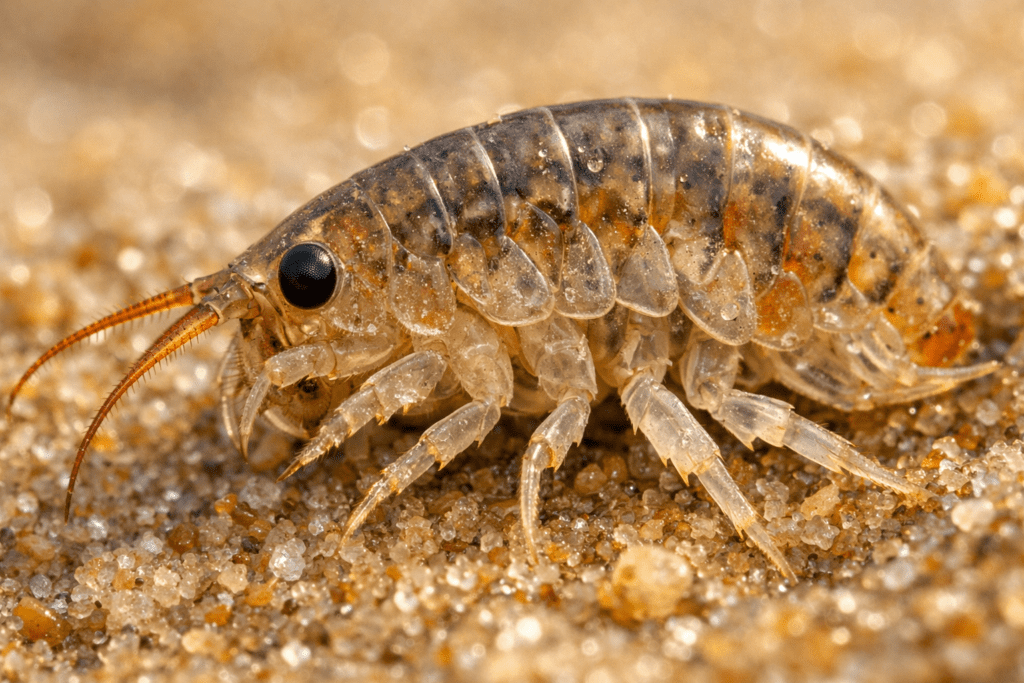
The companion pieces to this one are How Long Do Fleas Live Without a Host? and Sand Fleas: Identification, Bites & Prevention Guide.
Why the pet is only 5% of it
\
\
People treat the dog, see fleas again in a week, and assume the product failed. It usually didn’t. The reason fleas feel impossible to beat is that about 95% of a flea infestation is eggs, larvae, and pupae living off the host, scattered through the carpet fibers, the cracks in the floor, the pet bed, and the soil in shaded parts of the yard. The adults biting your pet are the visible tip of a much larger population you can’t see.
\
\
It works like a conveyor belt. An adult female lays eggs in the pet’s fur, the eggs roll off wherever the animal sleeps and walks, larvae hatch and burrow down into carpet and bedding to feed on flea dirt, and then they spin a cocoon. That cocoon is the catch. Inside it, a pupa can sit dormant for weeks, sealed against sprays and waiting for the vibration and warmth of a passing host. Understanding how the flea life cycle and host biology actually work is the whole game, because it tells you why one treatment can’t win: you are never fighting all the life stages at once.
\
\
Treat the pet and home together
\
\
This is the rule that separates people who clear fleas from people who fight them all summer: you treat the pet and the home at the same time, not one and then the other. If you treat only the pet, the carpet keeps hatching new adults onto a clean animal. If you treat only the house, the pet stays a walking flea factory. Pick a day, do both, and don’t space them out.
\
\
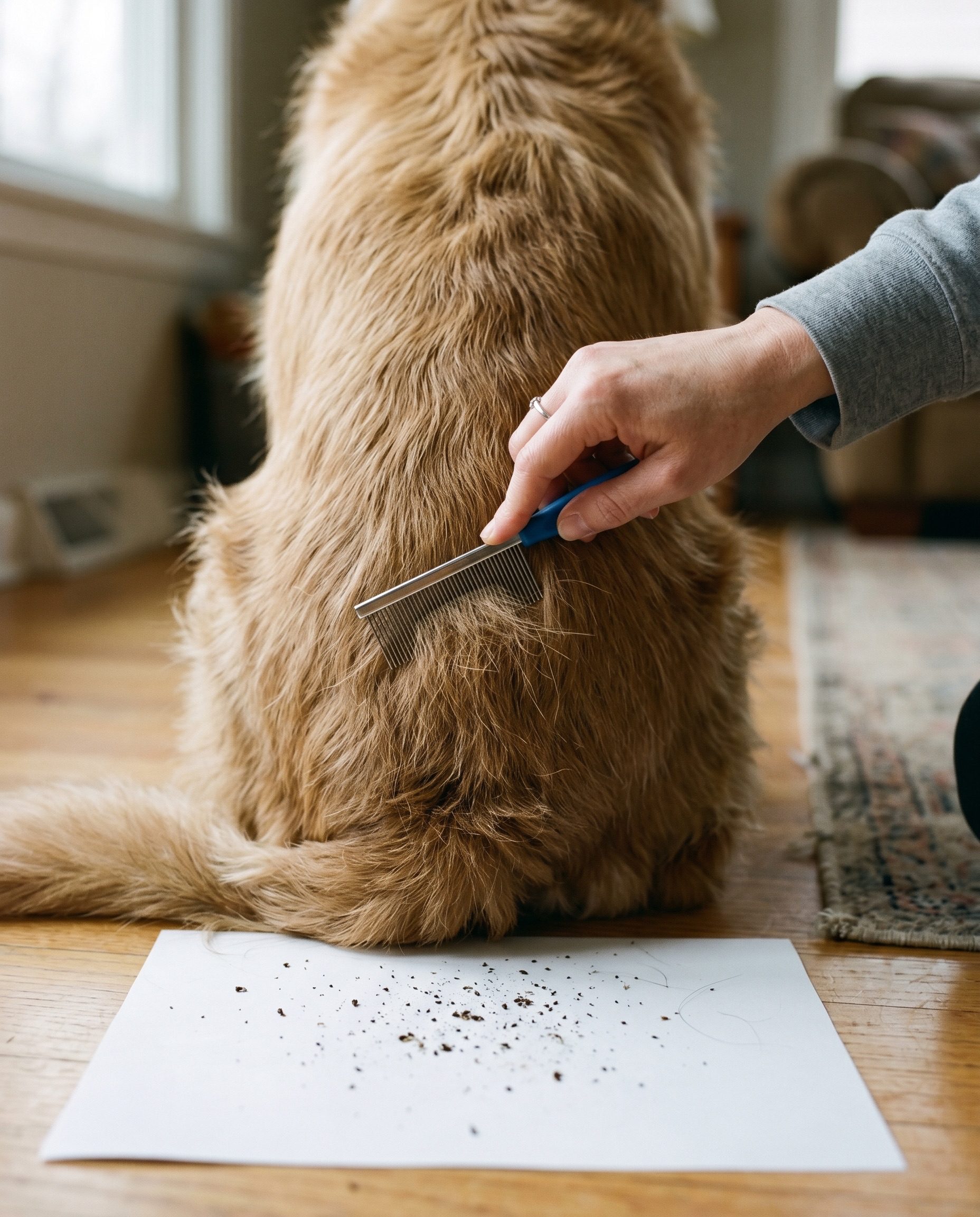
On the pet, the most reliable options are the modern vet-recommended products, not the old dip-and-pray routine. Ask your veterinarian which product fits your animal, because the right choice depends on species, weight, age, and health, and a vet can match it. Whatever you use, you read the label and use a product made for that species before anything touches the animal. One warning that matters more than any other: never put a dog flea product on a cat. Many canine spot-ons contain permethrin, which is highly toxic to cats and can be fatal, so never put a dog flea product on a cat, and ask your veterinarian first. I won’t give a dose here on purpose; dosing is the vet’s call, and our guide to flea treatments for dogs walks the drops, collars, and oral categories so you can talk to your vet from an informed place.
\
\
\
\
Vacuum daily, then wash hot
\
\
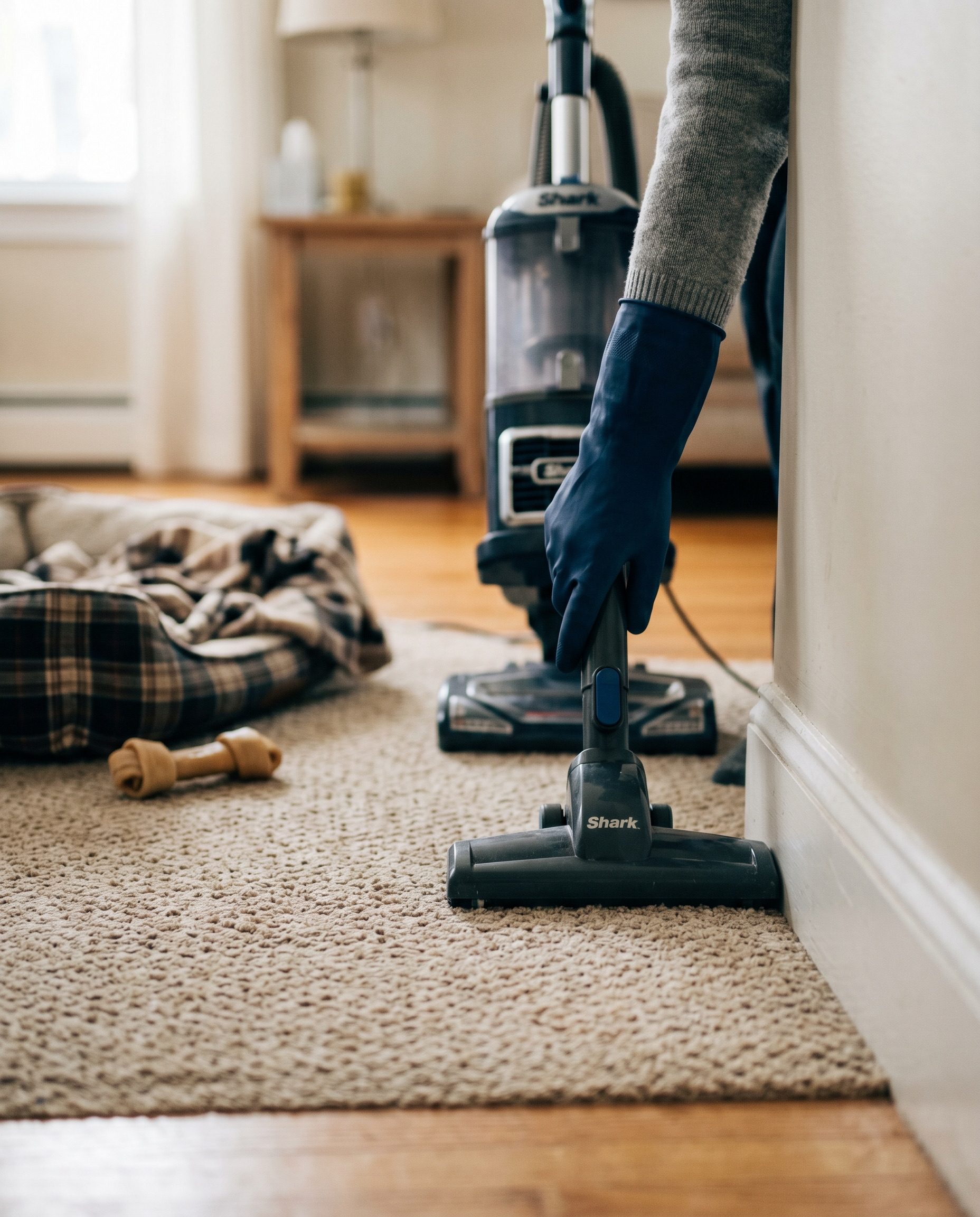
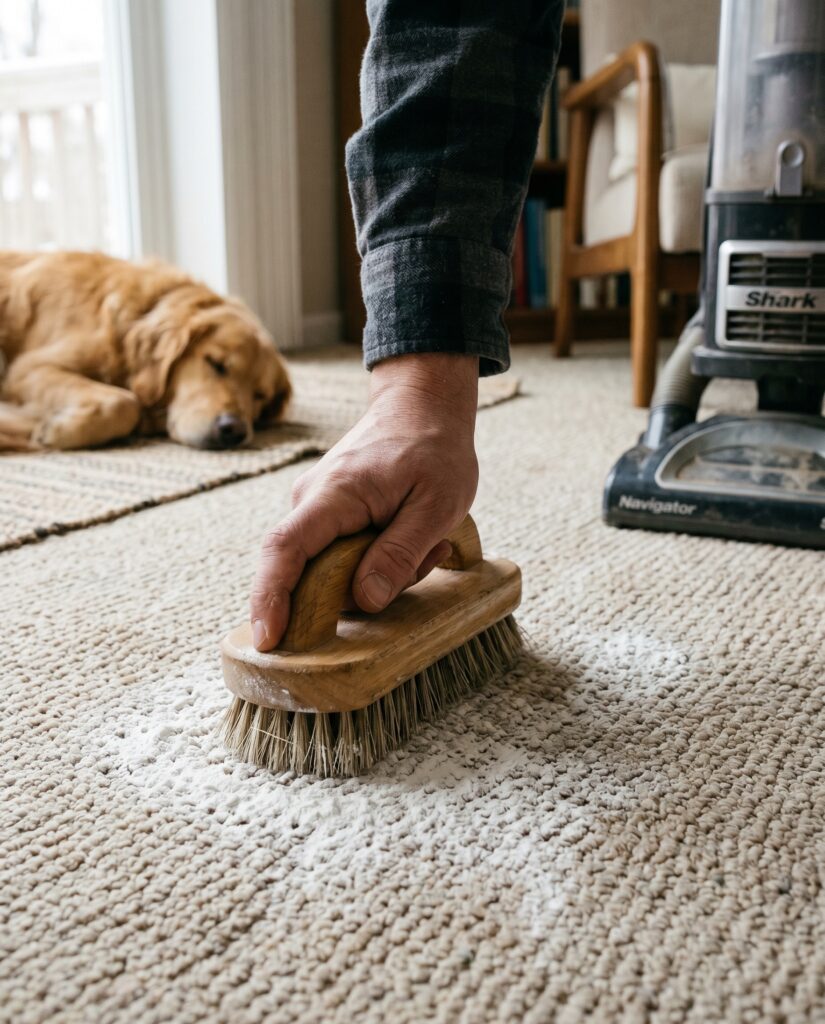
Here is the free step that does more than most people believe: vacuum every single day while you are clearing an infestation. Run it over carpets, rugs, cushions, and especially the edges where carpet meets the baseboard and the spots your pet sleeps. Vacuuming pulls up eggs and larvae, and the mechanical action even nudges some of those stubborn pupae out of their cocoons early, which is exactly what you want because it makes them vulnerable. Empty the canister or seal and toss the bag outside afterward so nothing crawls back out.
\
\
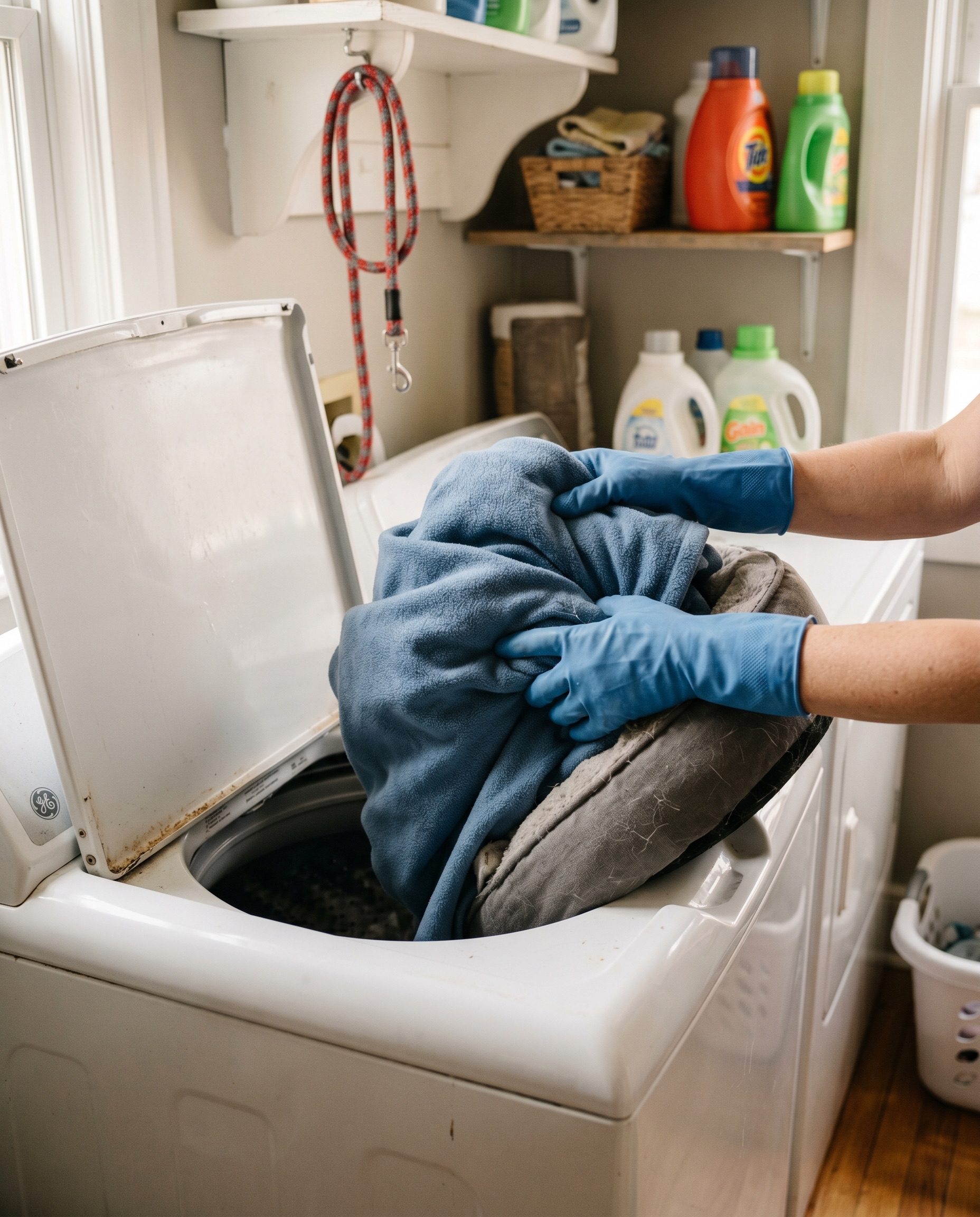
Then handle the soft stuff. Wash all pet bedding, throw rugs, and any washable cover your animal lies on in hot water, and run them through a hot dryer cycle too, since heat kills every life stage. If your pet sleeps on your bed, your sheets go in the same load. The dryer heat matters more than the wash, so don’t skip it. This laundry-and-vacuum layer costs nothing but time, and it removes a large share of the population before you spend a dollar on spray.
\
\
Where each treatment belongs
\
\
Fleas aren’t evenly spread, so the right tool changes with the zone. Treating the kitchen the way you’d treat the shaded side yard wastes product and misses hot spots. This is the quick map for a typical home with a dog or cat.
\
\
| Zone | Best approach | Watch out for |
|---|---|---|
| Carpet and pet resting spots | Daily vacuuming plus a labeled indoor product with an insect growth regulator | Keep pets and kids off until fully dry |
| Pet bedding and soft items | Hot wash and hot dryer cycle, repeated weekly | Don’t forget your own bedding if the pet sleeps there |
| The pet itself | A vet-recommended product matched to the species and weight | Never a dog product on a cat |
| Yard, shaded and damp spots | Spot-treat the shaded, protected areas where pets rest | Skip blanket-spraying the whole sunny lawn |
\
\
Two notes on that table. Indoors, the products worth using contain an insect growth regulator, which stops eggs and larvae from maturing rather than just killing the adults you can see; that is what breaks the conveyor belt. Whenever you reach for any registered product indoors, follow the label as written, keep children and pets off treated surfaces until everything is dry, and never apply it to food-prep areas or pet bowls. Our guide to flea sprays for the home sorts the indoor and outdoor categories so you can match the product to the zone instead of fogging everything.
\
\
Outdoors, fleas don’t live in open, sunny lawn; they cluster in the cool, damp, shaded places your pet rests, under the deck, along the fence line, beneath shrubs. Target those spots, not the whole yard. Our walkthrough for treating fleas in the yard covers where to focus and what to leave alone.
\
\
\
\
Why you must repeat for weeks
\
\
This is the step almost everyone quits too early. You treat, the fleas drop, and four or five days later they’re back, and it feels like nothing worked. What actually happened is that the pupae hatched late. Those armored cocoons are nearly impervious to sprays and they can lie dormant for weeks, then pop in waves when they sense a host. No single treatment can reach a stage that is sealed and waiting, so you have to outlast it.
\
\
Plan to keep going for a full cycle, usually three weeks at the very least and often two to three months for a heavy infestation. Keep vacuuming daily, keep the pet’s product current on the vet’s schedule, and re-treat the home on the timeline the label gives you. The newly hatched adults walk out of their cocoons onto treated carpet and a treated pet, which is the only way to catch them. If you want the full biological picture of why this drags on, our breakdown of the flea life cycle and why fleas are so hard to eliminate lays out each stage and its timing.
\
\
When to call a pro
\
\
Most household flea problems clear with the pet-plus-home routine done consistently. Call a licensed pest-control professional when you’ve run the full cycle correctly for two to three months and fleas keep coming back, when the infestation is heavy across a whole house, or when a rental or shared building means you can’t control every reservoir on your own. A pro brings products and coverage a homeowner can’t match, and timing the treatment to the hatch is something they do for a living. There’s no shame in it; a stubborn, building-wide flea population is a fair fight to hand off.
\
\
Common questions
\
\
What kills fleas instantly?\
A vet-recommended product can kill the adult fleas on your pet fast, and a daily vacuum removes a lot of eggs and larvae on the spot. But “instantly” only ever applies to the fleas you can reach right now. The pupae sealed in cocoons in your carpet are untouchable until they hatch, which is exactly why the lasting fix is the same routine repeated for weeks, not one quick treatment.
\
\
Does a flea bath get rid of fleas?\
A flea bath drowns and washes off the adults on your pet that day, which feels like progress, but it does nothing to the roughly 95% of the flea population living in your carpet and yard. Within days, new adults hatch and re-infest the clean pet. A bath is fine as one small part of the plan, never the whole plan.
\
\
Can I use the same flea product on my dog and my cat?\
No. Cats and dogs are not interchangeable here. Several common dog spot-ons contain permethrin, which is highly toxic to cats and can be deadly even from contact with a recently treated dog. Always use a product labeled for that exact species, and check with your veterinarian, especially in a home with both animals.
\
\
How long does it take to get rid of fleas?\
Plan on at least three weeks, and two to three months for a heavy case, because you have to outlast the pupae hatching in waves. The fleas-are-back-in-a-week phase is normal and not a sign of failure; it’s the late hatch. Consistency across the full cycle is what finally empties the cocoons and ends it.
\
\
Are flea bites dangerous to people?\
For most people flea bites are itchy, clustered welts, usually around the ankles, that clear on their own. Scratching them open can cause a skin infection, and some people react more strongly. If you want to know what flea bites look like and when to see a doctor, that’s a clinician’s call; if a bite area becomes very swollen, painful, or infected, see a healthcare provider.
\
\
Will the fleas come back?\
They come back if any one leg of the plan lapses or a new flea hitchhikes in on a pet or wildlife. Keep your pet’s preventive product current on the vet’s schedule, keep up the routine vacuuming, and stay on top of the shaded yard spots. Steady prevention is far less work than fighting a fresh infestation from zero.
\
\
Final verdict
\
\
Getting rid of fleas is about geography, not a single product. Roughly 95% of them are eggs, larvae, and pupae living off your pet, in the carpet, the bedding, and the shaded yard, so treating the animal alone just feeds a clean pet to a dirty house. Do the free work first: vacuum daily and wash the bedding hot. Treat the pet and the home on the same day, use a vet-matched product on the animal and an indoor product with a growth regulator in the house, and target the shaded spots outdoors instead of the whole lawn. Then repeat the routine for several weeks, because the pupae hatch late and that patience is the actual fix. Skip the bath-only and collar-only shortcuts; they ignore where the fleas really are.
\
\
Next steps:
\
\
– See why the timing drags on with our flea life cycle explainer.
\
– Talk to your vet from an informed place using our flea treatments for dogs guide.
\
– Match the right product to each zone with our flea sprays for the home guide.
\
\
Pingback: Best Flea Shampoos for Dogs: A Buyer's Guide
Pingback: Best Flea Treatments for Cats: Safe, Vet-Backed Options
Pingback: Bugs That Jump: How to Tell Fleas From the Others
Pingback: Best Flea Treatments for Dogs: Drops, Collars and Oral Compared
Pingback: Tiny Bugs in Carpet: How to Tell What You Have
Pingback: Tiny Bugs on Your Dog That Are Not Fleas