
n
n
n
You finally see a flea jump off the dog and you think you know the size of your problem. You do not. Here is why fleas feel impossible: only about 5% of an infestation is the adult fleas you actually see, and the other 95% are eggs, larvae, and pupae tucked into the carpet, the cracks, and the pet’s bedding. The catch is the pupa, which can sit dormant and spray-proof inside its cocoon for weeks, then hatch right after you were sure you had won. You beat fleas by beating the cycle, not the adults.
Our guide to bugs that jump is the fuller treatment of separating a flea from a springtail.
nn
n
The adult flea you can see is only about 5% of the problem; the other 95% is eggs, larvae, and dormant pupae in the carpet and bedding, and the pupa can shrug off spray for weeks, so you have to treat the whole cycle over time, not just the adults.
n
- n
- The stage that beats you: The pupa, sealed in a sticky cocoon, is resistant to insecticide and can wait weeks to hatch.
- The 95% you cannot see: Eggs, larvae, and pupae living in carpet, floor cracks, and pet bedding, not on the animal.
- What it means: Treat the pet and the home together and stay at it for several weeks; see our complete flea removal guide.
n
n
n
n
nn
nn
The four stages in plain terms
nn
A flea is a holometabolous insect, which is the entomologist’s way of saying it goes through complete metamorphosis like a butterfly: egg, larva, pupa, adult, with each stage looking nothing like the last. The cat flea (Ctenocephalides felis) is the species behind almost every household case in the United States, on dogs and cats alike, and knowing its four stages is the whole game. Most people picture only the jumping adult, which is exactly why control fails.
nn
An adult female feeds on blood, then lays tiny white eggs in the pet’s coat within a day or two. Those eggs are smooth and they do not stick, so they roll off the animal and rain down wherever it sleeps and walks. According to the CDC’s overview of flea biology and the hosts they prefer, the adults stay on the warm-blooded host to feed and breed, but the eggs are seeding your carpet the entire time. The animal is the factory; the floor is the nursery.
nn
Where the 95% actually hides
nn
Here is the number that reframes the whole problem. The University of California’s flea research shows about 95% of a flea population lives off the host as eggs, larvae, and pupae, scattered through carpet fibers, floor cracks, and bedding rather than on the animal. So when you treat only the pet, you are attacking 5% of the population and leaving the reservoir intact.
nn
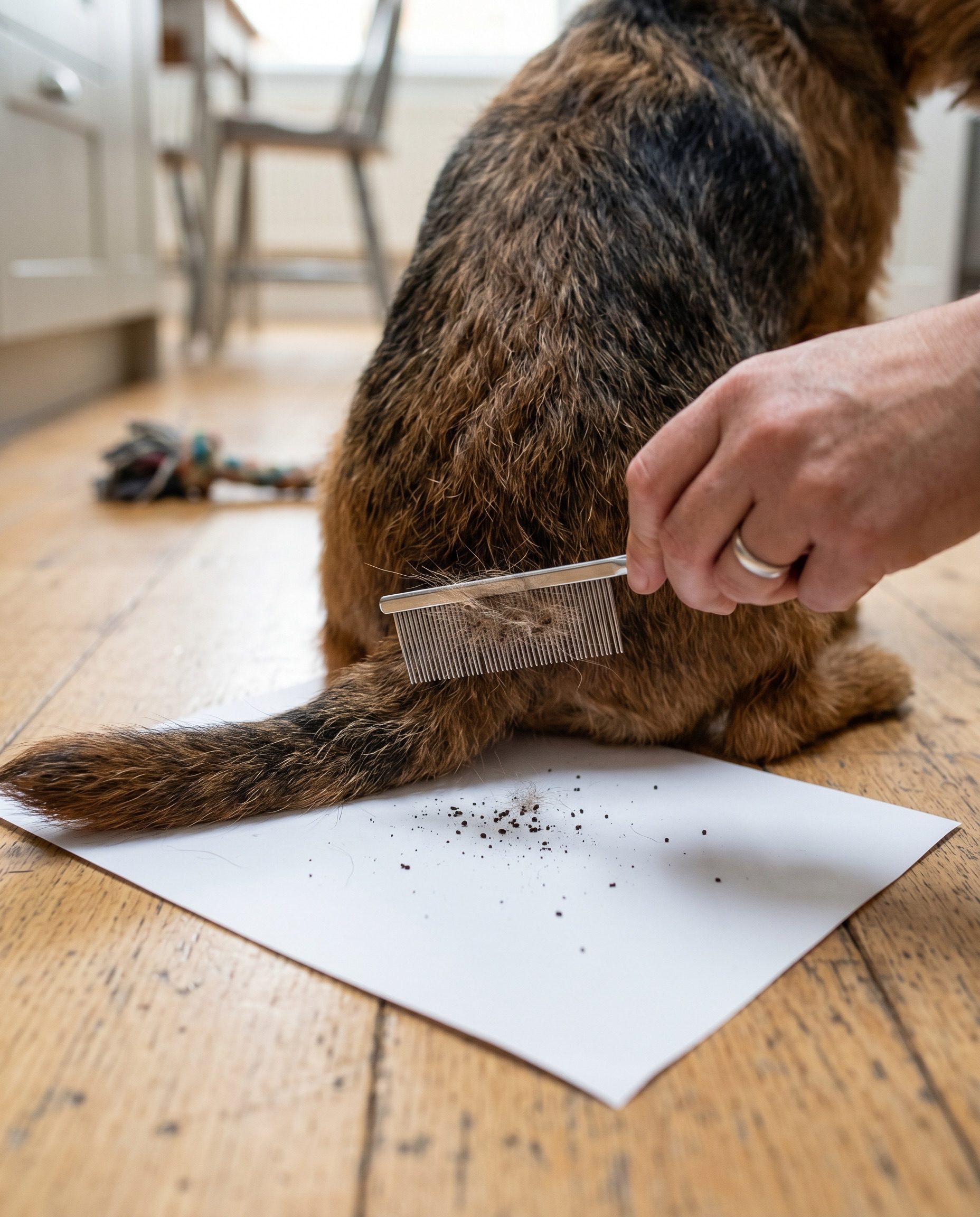
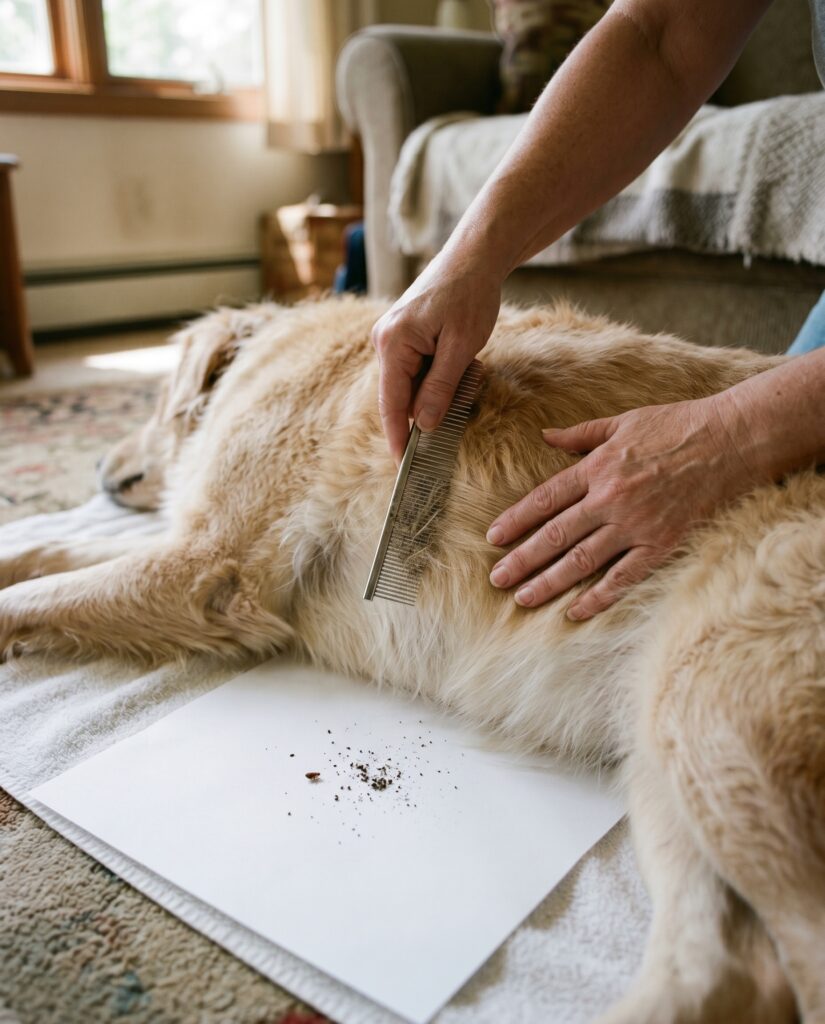
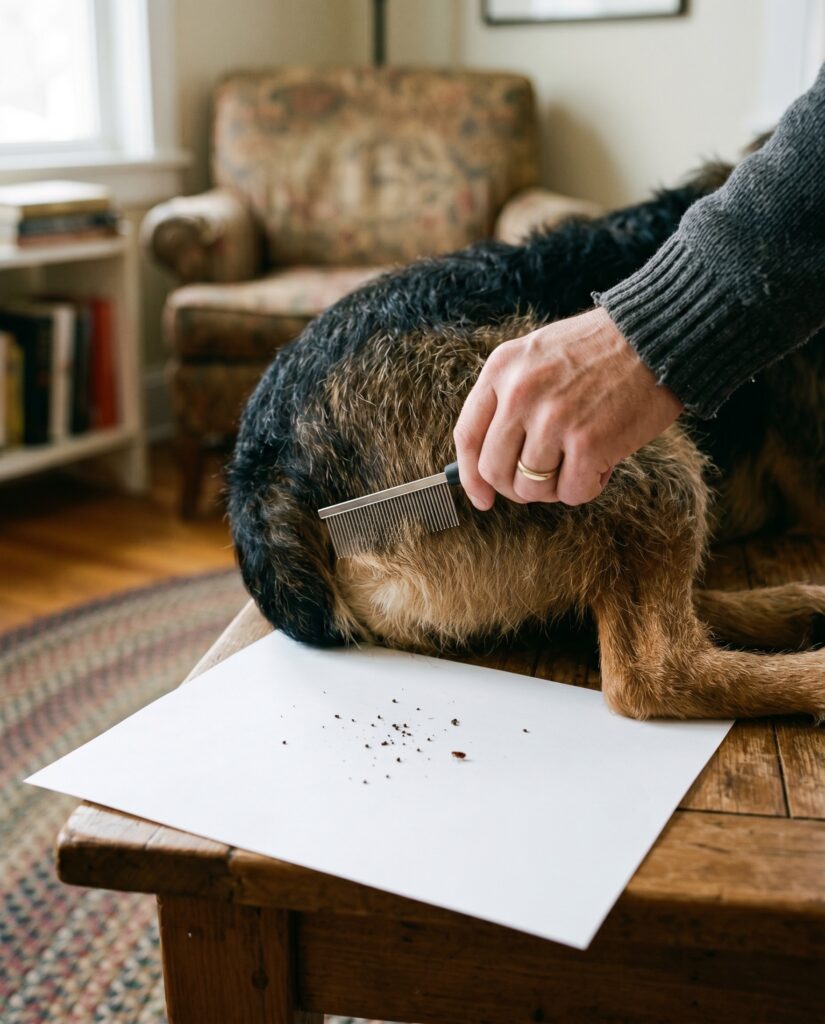
The larvae are the part nobody sees. They hatch from the eggs as tiny, pale, legless worms that are repelled by light, so they wriggle down deep into the carpet pile and under furniture where vacuums and sprays struggle to reach. They do not bite. Instead they feed on organic debris and, crucially, on the dried blood that adult fleas excrete, the dark specks you call flea dirt. That detail matters: the adults are quite literally feeding the next generation from the carpet below them.
nn
nn
The pupa is why your treatment fails
nn
If one stage deserves the blame for fleas feeling unkillable, it is the pupa. After a week or two of feeding, the larva spins a silk cocoon and pupates, and that cocoon is coated in sticky debris that camouflages it down in the carpet base. The cocoon shell is the part that defeats most sprays, because the developing flea inside is sealed away from contact insecticide that would kill an exposed adult.
nn
Then it waits. The same UC research notes that pupae can stay dormant in the cocoon for weeks before an adult emerges, holding for the right trigger: warmth, vibration, and the carbon dioxide that signals a host has walked in. This is the classic homeowner story, where the house sat empty over a vacation and the family came home to a carpet that seemed to erupt with fleas overnight. The fleas did not appear; they hatched on cue. It is also why an apartment that has been vacant can ambush new tenants the moment they move in.
nn
The practical lesson follows directly. A single treatment cannot reach a stage that is sealed and dormant, so any one-and-done approach is fighting only the adults that happen to be out at that moment while the protected pupae wait their turn. Beating fleas means staying in the fight long enough to catch each wave as it emerges.
nn
How long the whole cycle takes
nn
Speed is the other thing working against you. Under warm, humid summer conditions the full egg-to-adult cycle can run in as little as two to three weeks, which means a few survivors rebuild fast. In a cool, dry house the same cycle stretches out for months, mostly because the pupae stall in that dormant holding pattern until conditions improve.
nn
That range explains why fleas are worst in late summer and early fall across most of the country, and why a problem can smolder through winter indoors where the heating keeps things warm. Texas A&M’s veterinary team, which advises that vacuuming and treating both the pet and the home are the core of flea control, frames the timeline as the reason consistency beats intensity. The table below is the rough field map for what is happening at each stage.
nn
| Stage | Where it lives | Why it survives treatment |
|---|---|---|
| Egg | Falls off the pet into carpet and bedding | Smooth shell, hatches in days, easy to miss |
| Larva | Deep in carpet pile, away from light | Burrows below spray contact, feeds on debris |
| Pupa | Sealed cocoon in the carpet base | Spray-proof shell, dormant for weeks |
| Adult | On the pet, feeding and breeding | The only stage you see, only about 5% |
nn
Beating the cycle, not the adults
nn
Once you see fleas as a cycle, the control plan stops being mysterious. You attack the stages you can reach now, and you keep doing it long enough to catch the pupae that hatch later. None of this is treatment I am prescribing as a vet would; it is the routine the Extension and veterinary sources agree on, and the detailed version lives in our complete flea removal guide.
nn
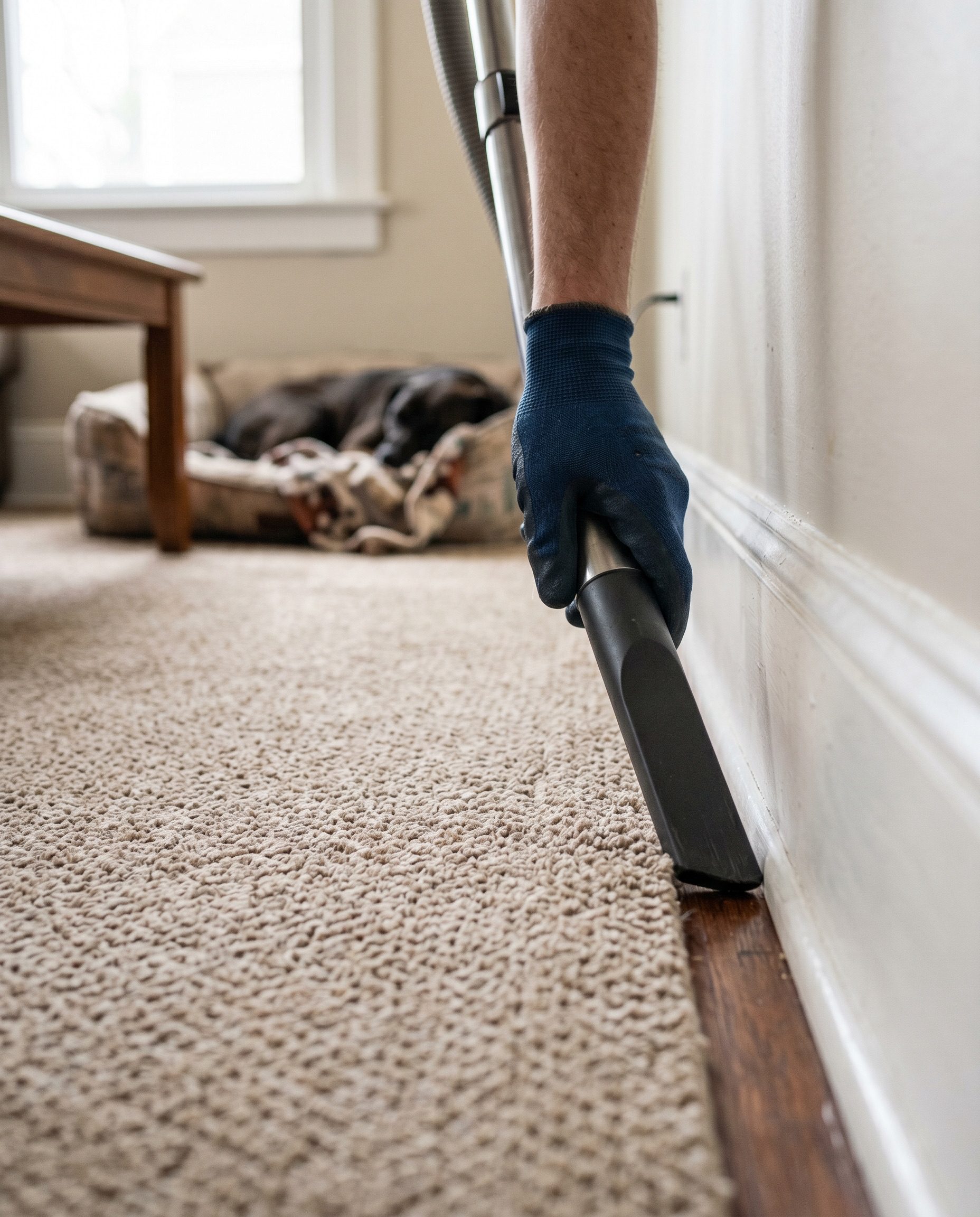
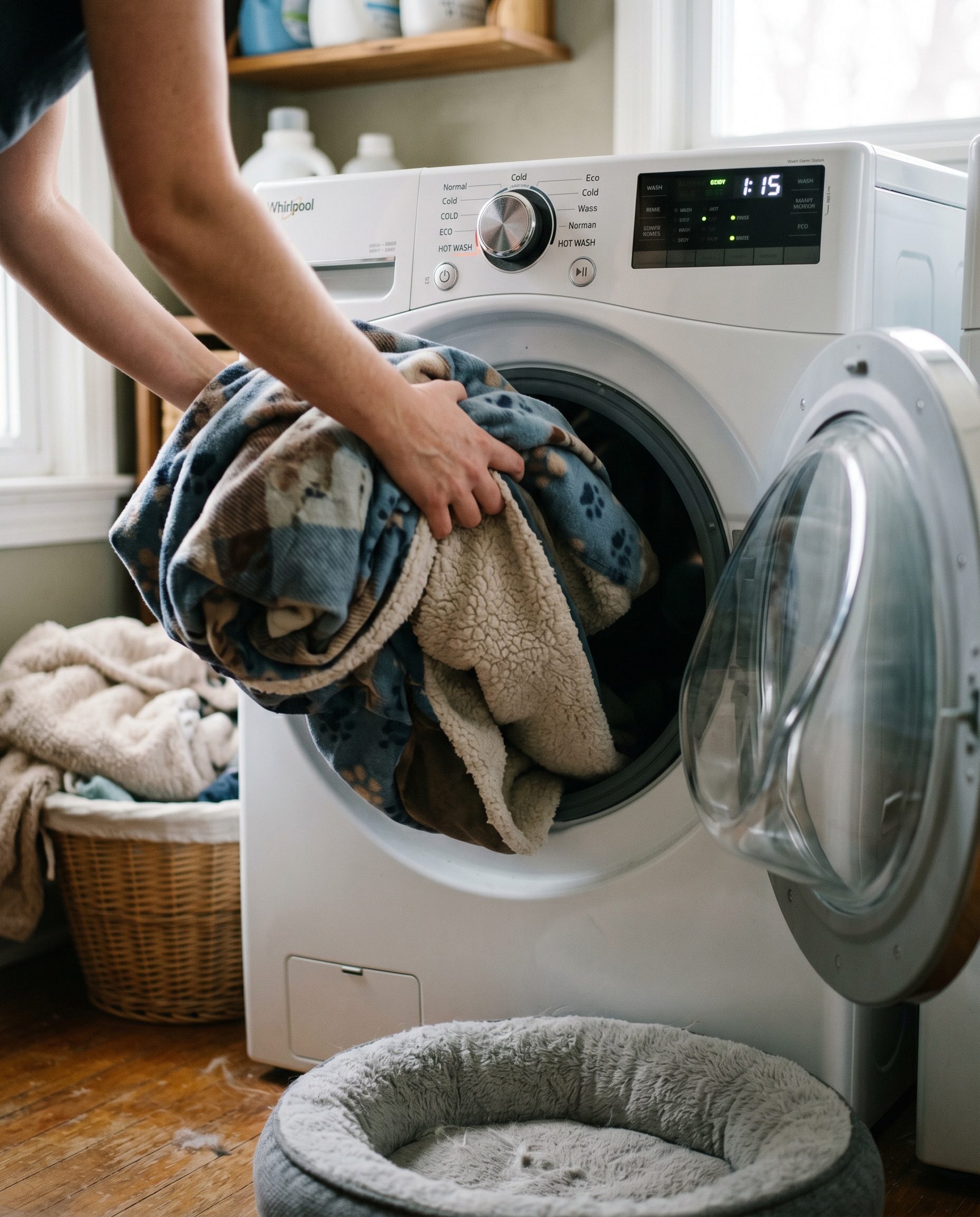
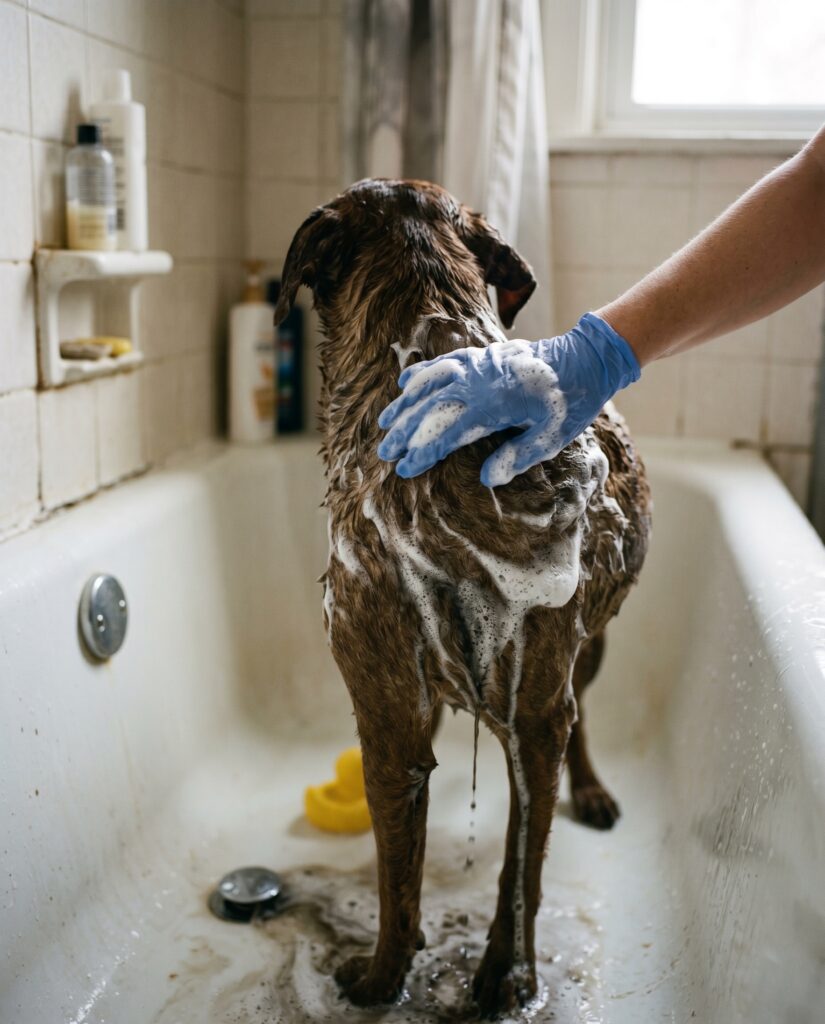
Vacuuming is the most underrated weapon you own, because the vibration actually coaxes pupae out of dormancy and into the open where they become vulnerable, while the suction lifts eggs and larvae out of the pile. Vacuum daily during an active infestation, hit the carpet edges and under the furniture, and empty the canister or bag outside each time. Wash the pet’s bedding in hot water on the same schedule, since that bedding is the single densest patch of eggs in the house. For carpet-specific products that include an insect growth regulator to stop eggs and larvae from maturing, see our breakdown of flea carpet powders and sprays.
nn
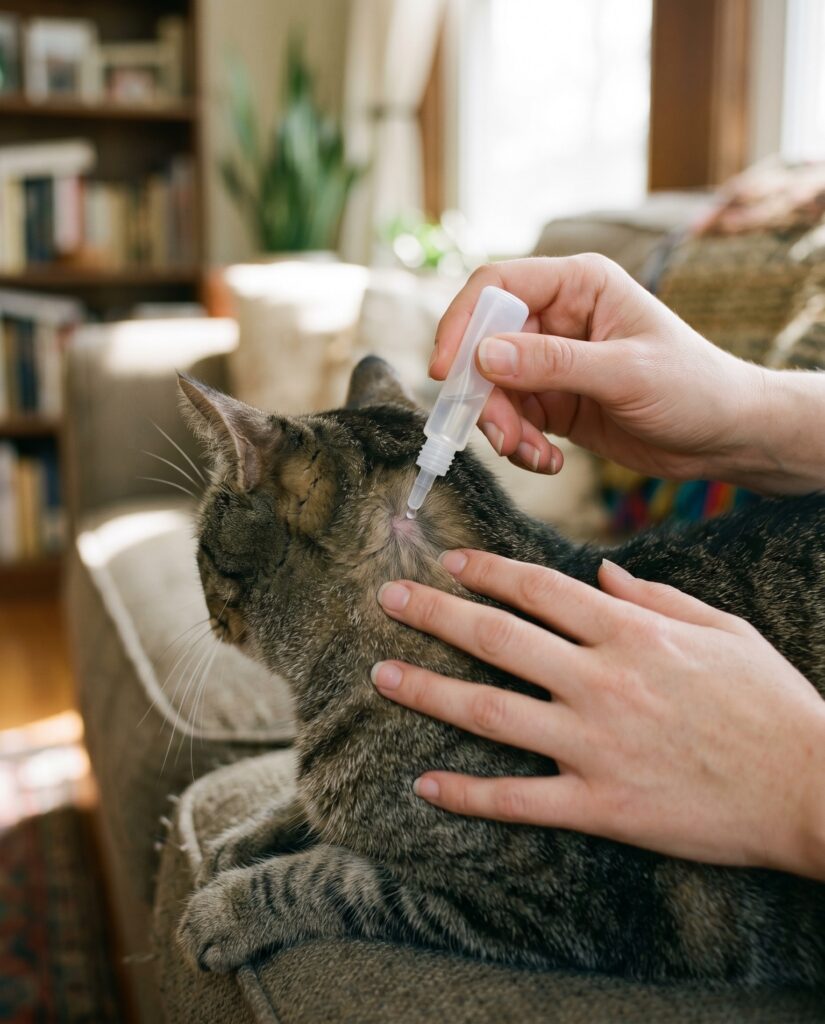
The pet side is non-negotiable and it belongs to your veterinarian. The EPA advises you to read the product label and watch the cat-versus-dog cautions before any spot-on or collar, because a product safe for a dog can poison a cat. Permethrin is the textbook example: it is common in dog products and dangerous to cats. The AVMA is blunt that you should never put a dog flea product on a cat, and ask your veterinarian first. I identify the biology; for the right product and dose for your specific animal, talk to your vet, and if a pet shows drooling, tremors, or other reactions after a treatment, contact your veterinarian or poison control right away.
nn
nn
Common questions
nnWhy do I still see fleas after I treated the house?n
Because you treated the visible adults, and the protected pupae were waiting. New fleas keep emerging from spray-proof cocoons for weeks after a treatment, so a fresh batch two weeks later does not mean you failed, it means the cycle is still turning. Keep vacuuming and stay on the plan until emergences stop.
nnDo fleas live on humans?n
Not really. Fleas will bite people, usually around the ankles, but the cat flea cannot complete its life cycle or sustain a population on human blood. They need a furry host. If you are seeing bites, the source is almost always a pet or wildlife nearby, not you; for what the bites look like, see what flea bites look like and when home care is not enough.
nnHow long until the infestation is actually over?n
Plan on several weeks, often two to three months, because you have to outlast the dormant pupae. The eggs and larvae present today will keep maturing in waves, so the count drops gradually rather than all at once. You know it is over when you go a couple of weeks with no new adults on the comb.
nnCan fleas survive winter indoors?n
Yes. Outdoors a hard freeze knocks them back, but a heated house keeps the indoor cycle running year-round, which is why fleas are not strictly a summer problem once they are established inside. The pupae are especially good at riding out cold spells in a dormant state.
nnDoes one flea mean an infestation?n
One adult flea means eggs are likely already in the carpet, because a female starts laying within a day or two of her first blood meal. Seeing a single flea is the cue to start the routine early, while the population is small, rather than waiting for the full bloom.
nn
Final verdict
nn
Fleas are hard to eliminate for one reason: the flea you see is the smallest part of the problem. Only about 5% of the population is the adult on the pet, while 95% sits in your carpet and bedding as eggs, larvae, and dormant pupae, and the pupa in its sealed cocoon can ignore spray and wait weeks to hatch. So the strategy is not a stronger product, it is persistence across the whole cycle: treat the pet under your vet’s guidance, vacuum daily to pull up the hidden stages and trigger the pupae, wash bedding hot, and keep at it for several weeks until the emergences stop. Beat the cycle, and the adults take care of themselves.
nn
Next steps:
nn
– Run the full routine with our complete flea removal guide.
n
– Hit the 95% in the carpet with the right product in our flea carpet powder and spray breakdown.
n
– If you are the one getting bitten, check flea bites on humans, identification and treatment.
nn
Pingback: Can Fleas Live on Humans? Facts and Prevention
Pingback: How Long Do Fleas Live Without a Host?