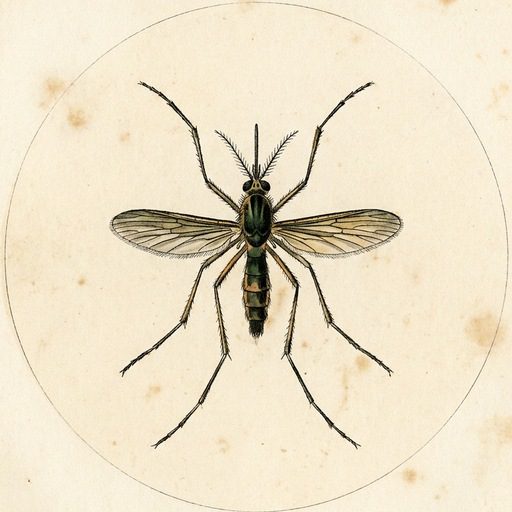
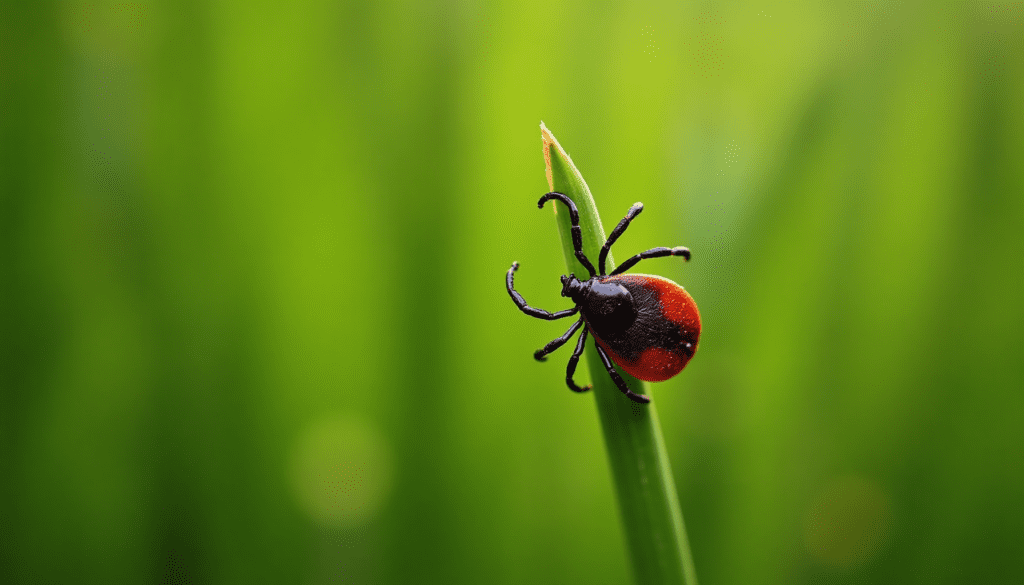
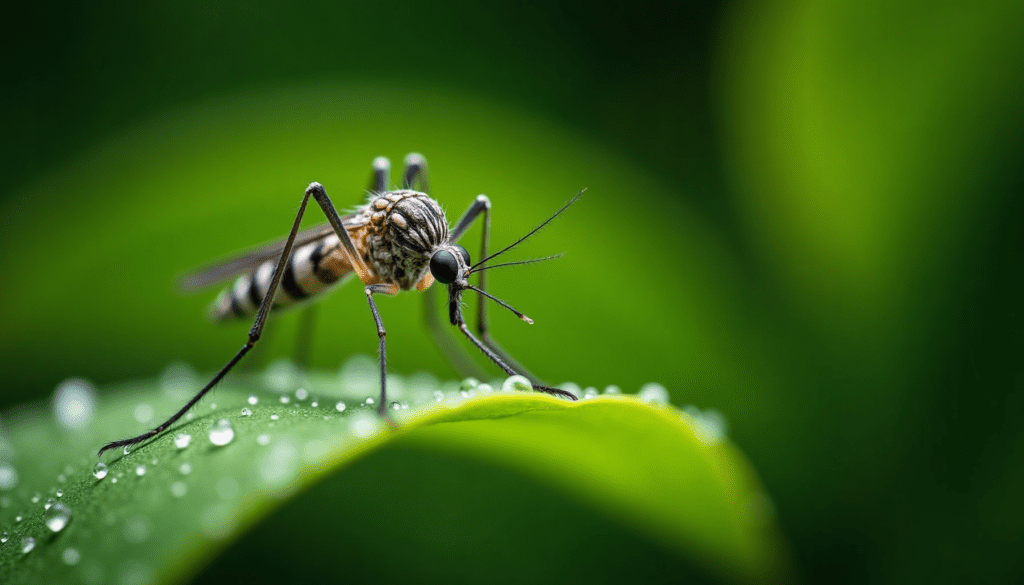
Bug bites itch because the insect leaves saliva behind, and your immune system treats those salivary proteins as invaders. Mast cells in your skin release histamine, which fires the itch nerves and raises the familiar red welt. The itch is your body’s reaction, not the bug, which is why it often peaks hours after the bite and can outlast the insect by a week or more.
- What is normal: An itchy welt that appears within hours to a day, peaks early, and fades over one to two weeks.
- The red flag: Spreading redness, warmth, pus, or fever suggests an infected scratch, so see a clinician.
- Best relief: Wash the area, apply a cool compress, then use an over-the-counter anti-itch cream or oral antihistamine exactly as the label directs.

The Bite Is a Chemical Event, Not Just a Puncture
The puncture itself is almost nothing. A mosquito’s mouthparts are finer than a hypodermic needle, and most biting insects are gone before you feel a thing. What matters is what they leave behind. To feed without interruption, biting arthropods inject saliva first, and that saliva is a working toolkit of chemistry: clinical references describe how many arthropods deliver saliva containing anticoagulants and platelet inhibitors so the tiny wound keeps flowing instead of clotting shut. Some species add mildly numbing compounds, which is part of why you rarely catch the culprit in the act.
Your immune system, however, notices everything. Those salivary proteins are foreign material parked in your skin, and the body responds as it does to any familiar invader. The bite you see the next morning is not damage the insect did. It is the inflammation your own defenses built around a droplet of spit.
That reframing matters for treatment. There is nothing to dig out or burn out of a normal bug bite; the insect took its meal and left. Everything that follows is a conversation between leftover saliva and your immune system, and calming that conversation is the entire job.
The Histamine Cascade, Step by Step
Here is the sequence, simplified but faithful to how dermatology references describe it. Sentinel immune cells called mast cells sit throughout your skin, loaded with granules of histamine. When salivary proteins from a bite bind to antibodies on those cells, they dump their histamine payload into the surrounding tissue. Histamine makes nearby blood vessels widen and leak fluid, producing the raised, pale-centered wheal with its red flare, and it directly stimulates the nerve endings that carry itch signals. Swelling, redness, and itch are one chemical event with three visible symptoms.
The timing of that event varies enormously, which is why bites so often feel mysterious. Immune responses come in an immediate wave and a delayed wave, and different people weight them differently. Chiggers are a clean example: the University of Florida’s extension guidance notes that chigger irritation is usually noticed four to eight hours after the mites have attached, long after the tiny larvae could have washed off. Bed bugs stretch the window further: the University of Kentucky’s bed bug ENTfact reports that reactions are sometimes delayed by days or even weeks, and that about 30 percent of people do not react at all, even when bitten repeatedly.
That last number deserves a pause. Two people can share a bed, receive the same bites, and wake up looking completely different. Repeated exposure sensitizes some people so each bite reacts harder, while others stop reacting altogether; in heavily sensitized skin, clinicians sometimes see papular urticaria, a crop of persistent itchy bumps from routine bites. The welt tells you about the person’s immune system at least as much as it tells you about the bug.
The Itch-Scratch Cycle: Why Scratching Backfires
Itch is not just mild pain. It travels on its own dedicated set of slow nerve fibers, and it comes with a hardwired reflex: the urge to scratch. Scratching genuinely works for a moment, and the mechanism explains the trap. Your nails create a low-grade pain signal, and pain temporarily outcompetes itch in the spinal cord’s signal traffic. For a few seconds, the itch goes quiet.
Then the bill arrives. Research in itch neuroscience suggests the brain’s response to that self-inflicted pain includes serotonin release, which can reset and even amplify the itch once the scratching stops. At the skin, your nails have disturbed inflamed tissue, prompting mast cells to release more histamine into the same spot. The itch returns slightly stronger, you scratch slightly harder, and the loop tightens. Dermatologists call it the itch-scratch cycle, and it can keep a bite angry for weeks after the saliva proteins are long gone.
The cycle has a second cost that matters more than the itch: clinical guidance identifies secondary bacterial infection from scratching as the most common serious outcome of ordinary bites. If a bite you have been working at develops spreading redness, warmth, or pus, our guide to the signs of an infected insect bite walks through when a clinician should look at it. Short nails and a real anti-itch plan are cheaper than antibiotics.

What the Itch Pattern Can Tell You, and What It Cannot
Because the itch is a reaction, its pattern carries clues, and it is fair to read them as probabilities. Different pests reach different parts of you, and the geography of the welts often says more than the welts themselves. A quick comparison:
| Likely culprit | Typical pattern | Itch timing |
|---|---|---|
| Mosquito | Scattered single welts on exposed skin, warm months, evening exposure | Fast, within minutes, fading in days |
| Flea | Small welts clustered on ankles and lower legs, often with pets in the home | Fast, intensely itchy |
| Bed bug | Welts in loose rows or clusters on skin exposed during sleep: face, neck, arms, shoulders | Often delayed a day, sometimes much longer |
| Chigger | Welts where clothing presses tight: sock line, waistband, behind knees, after grass or brush | Delayed four to eight hours, lasts up to two weeks |
If you want to run your welts against a fuller lineup, our insect bite identification chart covers the common suspects side by side, and the dedicated comparison of bed bug bites versus flea and mosquito bites digs into the three most confusable patterns.
Now the honest limit, and it is a hard one. Bites cannot be reliably identified from the welt alone. The University of Kentucky’s guidance on unexplained bites is blunt that bug bites are difficult to diagnose even by physicians, and that naming a culprit without a captured specimen amounts to a guess. Immune variation is the reason: the same insect produces different welts on different people. Patterns shift the odds; only a specimen settles the question. If bites keep appearing, inspect the bed, the pets, and the room, and capture whatever you find in a rigid container for identification.
When the Itch Is Not a Bug at All
The same Kentucky publication makes a point that surprises most people: many “mystery bites” investigated by entomologists involve no arthropod at all. Bite-like welts have a whole roster of non-insect causes, and the skin’s response to several of them looks identical.
Environmental irritants lead the list. Tiny fragments of paper, insulation, or fabric fibers can produce anything from a prickling, crawling sensation to intense itching with welts, and static electricity makes the particles cling to skin. Dry indoor air produces classic winter itch. Medical conditions including pregnancy, diabetes, and thyroid disorders can cause itching without a single bite, and stress alone can trigger real skin irritation. The Kentucky authors even note that the sensation can spread through a household by the power of suggestion.
This is why the honest framing throughout this article is patterns and probabilities, not diagnosis. If welts persist, multiply, or appear with no plausible exposure, the two useful moves are a genuine specimen hunt where you sleep and sit, and a clinician visit to rule out the non-insect causes. Chasing an insect that is not there means weeks of pointless spraying and needless pesticide exposure.
The Evidence-Based Itch Relief Ladder
Since the itch is inflammation, relief means calming inflammation, and the effective options sort neatly into a ladder from mildest to strongest. Climb only as far as you need, and treat every product label as the final word on how much and how often.
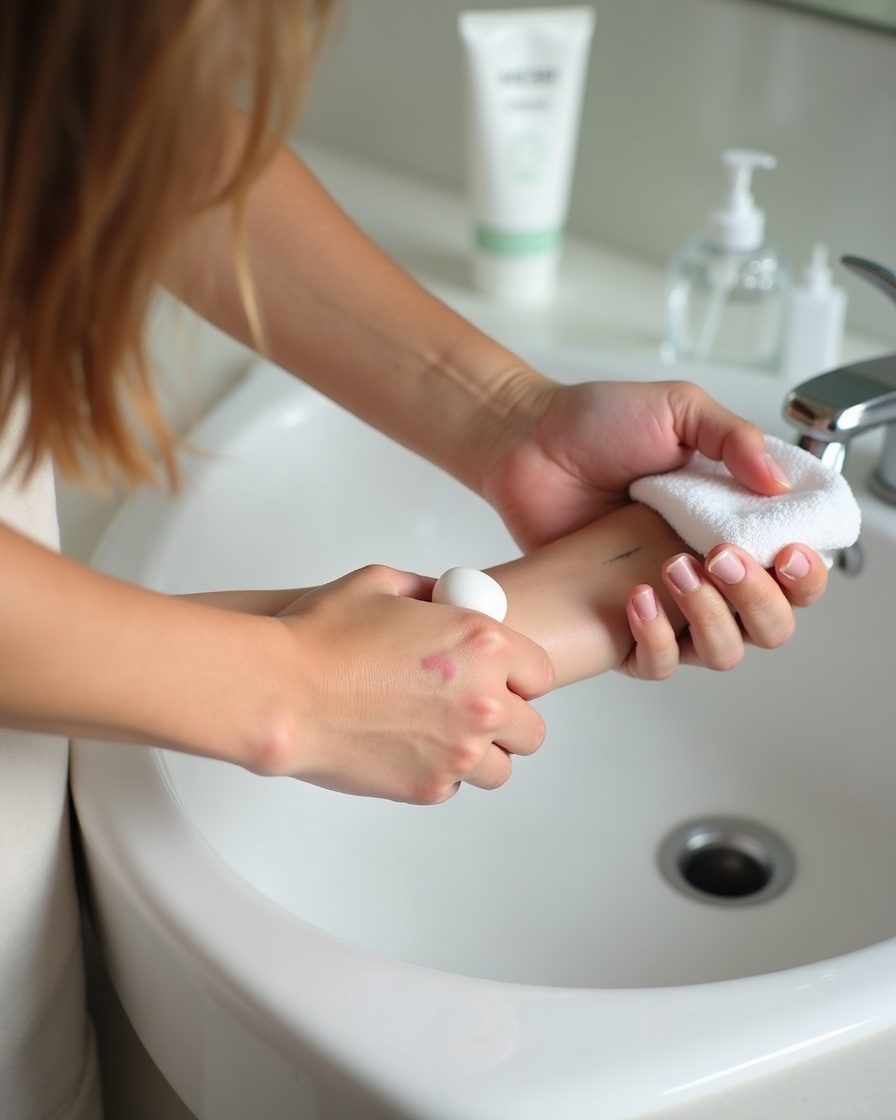
Start with soap and water, the step everyone skips, to remove remaining saliva and surface bacteria. Next comes cold: MedlinePlus first aid guidance recommends applying ice wrapped in a cloth in ten-minute intervals, on and off. Cold slows nerve conduction and constricts the leaky vessels histamine opened, which is real relief with zero side effects.
The next rung is topical. An over-the-counter hydrocortisone cream or calamine lotion applied per the label calms the inflammation directly. For itch that keeps you up at night, an oral antihistamine works from the inside by blocking the same histamine receptors the bite is stimulating; MedlinePlus lists antihistamines as a mainstay for itchy bites, the kind mosquitoes and fleas typically leave. Follow the label’s dose and timing exactly. Our insect bite and sting first aid guide covers the full sequence, and the mosquito bite treatment and relief guide applies it to the most common offender.
Folk smothering methods, nail polish, and hot-water tricks do not belong on the ladder; they treat a bug that is not there, and heat can make histamine-driven itch rebound harder. For bites with a long itch tail, the guide on how to treat chigger bites is built around that ride-it-out reality.
The best itch treatment is the bite that never happens. The EPA maintains a search tool for EPA-registered repellents evaluated for safety and effectiveness, and label-directed use of one remains the most reliable way to spend a summer evening outside without spending the next week scratching.
See a Clinician If
Most bites need patience, not appointments. These signs are the exceptions. See a clinician promptly if you notice:
- Redness that spreads outward from the bite, or red streaks moving away from it
- Increasing warmth, swelling, or pain after the first day or two, instead of gradual fading
- Pus, crusting sores, or any drainage from a scratched-open bite
- Fever or swollen lymph nodes alongside the bites
- Welts that persist beyond two weeks, keep multiplying, or have no plausible source
- Itching all over the body without visible bites, which points toward the non-insect causes above
Treat it as an emergency and seek emergency care immediately if a bite or sting is followed by trouble breathing or wheezing, swelling of the lips, tongue, face, or throat, tightness in the chest, dizziness, or widespread hives. Those are signs of a severe allergic reaction. If you carry prescribed epinephrine, use it as directed and still get emergency help right away.
Common Questions
Why do bug bites itch more at night?
Partly biology, partly attention. Cortisol, which quietly suppresses inflammation, dips at night, and skin warms under blankets, both of which turn up the itch signal. The day’s distractions also disappear, so a signal that was always there finally gets heard.
Why do bug bites itch worse the second day?
Because the delayed arm of the immune response takes time to build. The immediate histamine wheal can fade within hours, then the slower cellular response arrives over the next day or two with fresh inflammation. A bite that peaks on day two is following the normal script.
Why does my partner get bitten and not itch?
Reaction, not attraction, usually explains it. About 30 percent of people show no reaction to bed bug bites at all, and similar variation applies across biting insects. You may be getting the same bites and running very different immune responses.
Does scratching make bug bites spread?
No, since each welt needs its own dose of saliva. What scratching does is prolong and intensify the welts you have by triggering more histamine release, and it opens the skin to bacterial infection, which genuinely can spread. Keep the nails off and use the relief ladder instead.
How long should a bug bite itch?
Mosquito bites typically settle within a few days, flea and bed bug welts within a week or so, and chigger welts can itch for up to two weeks. Anything trending worse after the first days, or lasting beyond two weeks, is worth a clinician’s look.
The Bottom Line
Bug bites itch because your immune system attacks the saliva a biting insect leaves behind: mast cells release histamine, histamine fires the itch nerves and raises the welt, and the reaction routinely outlasts the insect by days. Scratching buys seconds of relief at the cost of a tighter itch-scratch cycle and a real infection risk, so the winning play is the boring one. Wash the bite, cool it, calm it with a label-directed cream or antihistamine, and let the reaction burn out on its own schedule. Read the pattern for probabilities, not verdicts, and if a bite brings spreading redness, fever, pus, or any trouble breathing, stop home-treating and get medical care.
This article is for information only and is not medical advice.