
\
Finding an unexpected blister after an insect bite can be alarming, turning a simple itch into a worrisome skin reaction. While most bug bites result in small, red, itchy bumps, some individuals experience a more pronounced response, leading to fluid-filled blisters. Understanding why these insect bites that blister occur, which insects are often responsible, and how to properly treat them is crucial for effective relief and preventing complications. This guide will walk you through the common causes, identification tips, and expert-backed treatments to help you manage blistering insect bites confidently.
\
Bottom line: Blisters after an insect bite are usually a sign of a strong local allergic reaction or direct skin irritation, rather than immediate infection. Here's what to do first:
- \
- Clean the area: Wash gently with soap and water.
- Do NOT pop the blister: The skin acts as a natural protective barrier.
- Apply a cold compress: Reduces swelling and pain.
- Consider OTC relief: Oral antihistamines and topical hydrocortisone can help with itching and inflammation.
- Monitor for infection: Watch for increasing redness, warmth, pain, pus, or fever, and seek medical attention if these develop.
\
\
\
\
\
\
Readers working through this usually open Why Some Bug Bites Swell So Large (and When to Worry) next.
Why bites blister
\
The development of blisters, also known as vesicles (small) or bullae (large), after an insect bite or sting is a complex reaction involving several factors. It's more than just an ordinary itch; it indicates a stronger response from your body. Understanding these mechanisms can help demystify why some insect bites that blister while others do not.
\
Allergic Reactions to Saliva or Venom
\
Many insects inject saliva during a bite or venom during a sting. These substances contain proteins designed to prevent blood clotting, cause pain, or trigger an immune response. Your immune system reacts to these foreign proteins, leading to:
\
- \
- Histamine release: This causes the familiar redness, swelling, and itching.
- Fluid accumulation: In more intense reactions, fluid can build up under the outermost layer of skin (the epidermis), forming a blister. This is a common mechanism for mosquito bites, where significant swelling can push fluid to the surface, as noted by Healthline.
\
\
\
Direct Skin Injury or Chemical Irritation
\
Not all blistering is due to an immune response. Some insects cause direct damage or chemical irritation:
\
- \
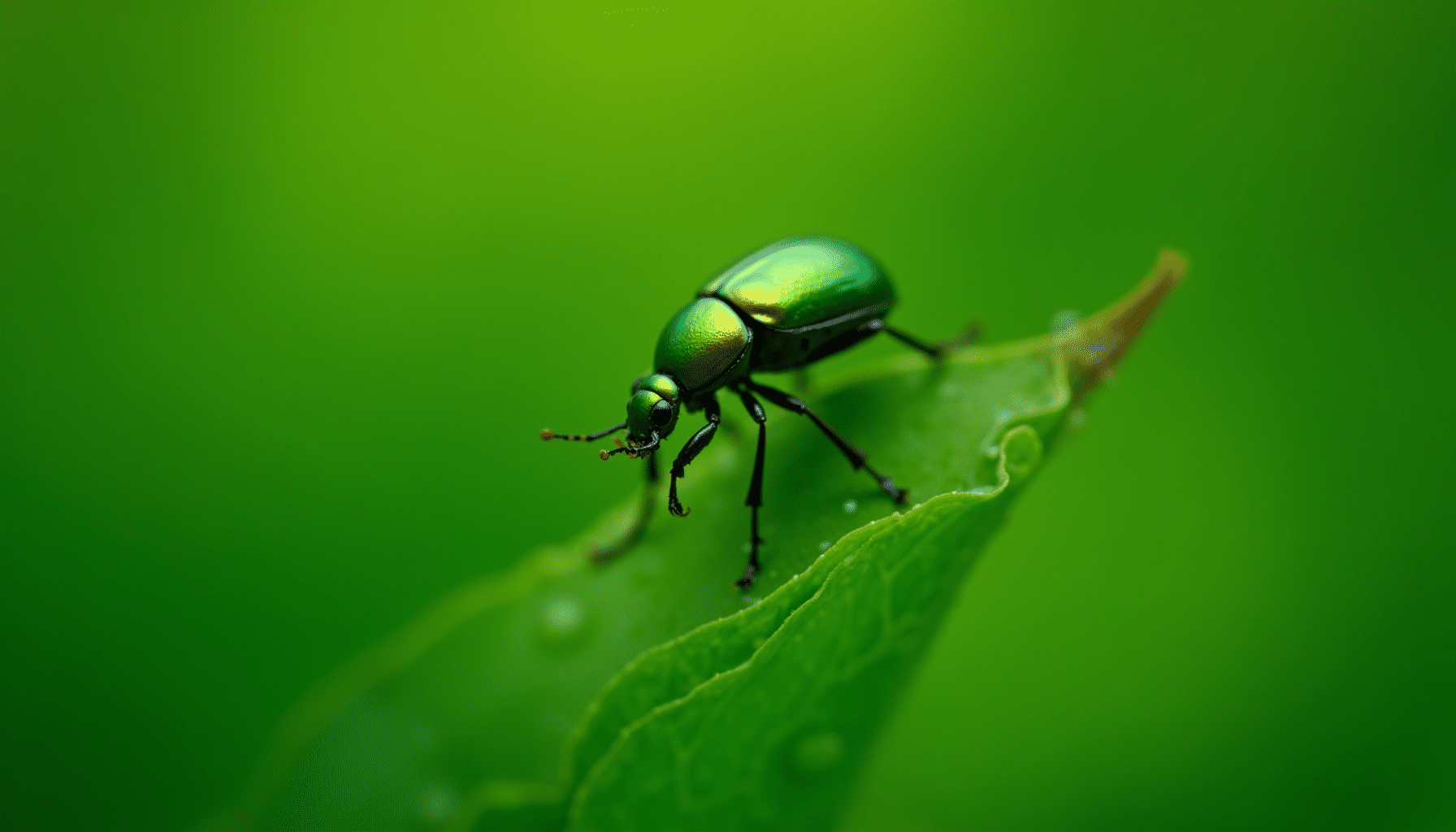
- Blister Beetles (family Meloidae): These beetles don't bite in the traditional sense. Instead, they secrete a potent chemical called cantharidin when threatened. Contact with cantharidin causes painful blisters and skin erosions, sometimes appearing within hours of contact, according to Skinsight.
- Caterpillar Hairs and Spines: Certain caterpillars and moths have barbed hairs or spines that can inject irritant proteins or toxins. These can lead to a blistering rash upon contact.
\
\
\
Delayed Hypersensitivity Reactions
\
Repeated exposure to bites, often from insects like mosquitoes, fleas, or bed bugs, can lead to a condition called papular urticaria or prurigo. This manifests as intensely itchy bumps that may develop into vesicles or crusts. A more severe form, acute bullous hemorrhagic prurigo, can occur after bites from horseflies (tabanids), presenting with hemorrhagic (blood-filled) blisters due to a delayed allergic reaction combined with local trauma.
\
Secondary Infection
\
Vigorous scratching is a common culprit for complications. It can break the skin barrier and introduce bacteria, most often Staphylococcus aureus or Streptococcus species. This can lead to:
\
- \
- Impetigo: Characterized by honey-colored crusts and sometimes small blisters.
- Cellulitis: A more serious infection causing spreading redness, warmth, swelling, and pain, potentially with pus or systemic symptoms like fever. Infection can cause bites to ooze, crust, or develop larger blisters.
\
\
\
Individual Immune Status and Skin Type
\
Some individuals are more prone to developing significant reactions, including blisters. Children, people with atopic dermatitis (eczema), and those with heightened sensitivity to bites may experience more pronounced swelling and blistering. Immunocompromised individuals might also exhibit atypical or prolonged blistering and are at higher risk for secondary infections.
\
 \
\\
Common causes
\
While many arthropods can cause a localized skin reaction, some are particularly known for triggering blistering insect bites. Knowing which ones are more likely to cause this reaction can help you understand your symptoms.
\
- \
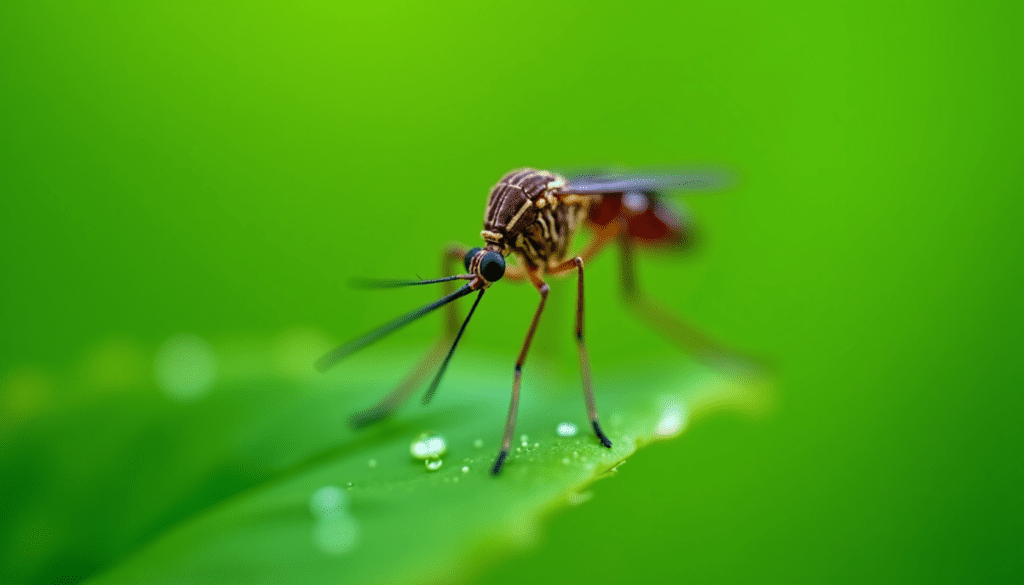
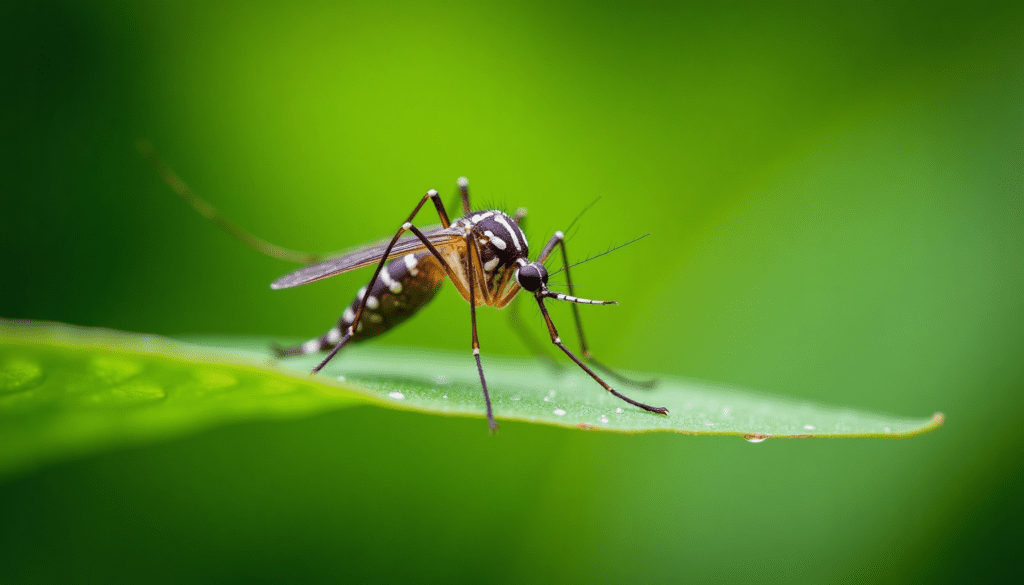
- Mosquitoes: Typically, mosquito bites result in an itchy, red bump. However, in some individuals, particularly those with a stronger local allergic response, a fluid-filled blister can form at the bite site. These usually heal within several days. For more information on severe reactions, see our guide on Mosquito Bite Reactions: Swelling, Blisters, Rash, Hives & When to Worry.
- Fleas: Flea bites often appear as clusters of small, red, raised bumps, frequently found around ankles or warm areas. In sensitized individuals, these bites can develop into small blisters. Our article on Flea Bites on Humans: Identification & Treatment Guide offers more details.
- Mites (e.g., Chiggers, Bird or Rodent Mites): Mite bites are notoriously itchy and can cause red bumps that sometimes progress to blisters or pustules. Chigger bites, for instance, can lead to flat red patches or raised bumps that may vesiculate.
- Bed Bugs: While classic bed bug lesions are itchy red papules often in lines or clusters, sensitive individuals can develop small blisters or bullae. Learn more about identifying these reactions in Bed Bug Bites: Symptoms, Treatment & Prevention Guide.
- Blister Beetles: As mentioned, contact with these beetles' cantharidin toxin causes immediate skin irritation, leading to painful blisters or welts within a few hours.
- Spiders: Many spider bites cause minor redness and swelling, and some may blister or form small necrotic areas. However, bites from species like the brown recluse spider, while rare and often over-diagnosed, can cause significant blistering and tissue breakdown in endemic regions. If you suspect a spider bite, clean the area with soap and water, apply a cold compress, and seek medical attention if systemic symptoms appear.
- Bees, Wasps, Hornets, and Ants (Stings): Stings from these insects cause intense local pain and swelling. Large local reactions can blister, especially when the swelling is extensive and fluid accumulates. Fire ant stings are particularly known for forming pustules, which can resemble blisters. For more on ant bites, visit Do Ants Bite? Which Species Are Dangerous?.
- Horseflies and Other Biting Flies (Tabanidae): These flies inflict large, painful bites. In susceptible individuals, their bites can cause significant swelling and even hemorrhagic blisters, a condition known as acute bullous hemorrhagic prurigo.
\
\
\
\
\
\
\
\
\
 \
\\
\
What to do first
\
\
When you discover a blistering insect bite, your immediate actions can significantly impact your comfort and prevent complications. The goal is to relieve symptoms, protect the blister, and prevent infection.
\
- \
-
Check for Stingers, Ticks, or Hairs:
\
- \
- Stinger (bees/wasps/hornets): If a stinger is present, scrape it off sideways with a fingernail or a credit card. Avoid squeezing it with tweezers, as this can inject more venom, as advised by the NHS.
- Tick: Use fine-tipped tweezers to grasp the tick as close to the skin as possible and pull upward steadily. Clean the area thoroughly afterward.
- Caterpillar hairs: Gently remove the caterpillar with tweezers, rinse the skin with running water, let it air dry, and use sticky tape to lift any remaining hairs.
\
\
\
\
-
Clean the Area:
\
- \
- Wash the bite thoroughly with soap and water. This simple step is vital for reducing the risk of secondary infection. For suspected spider bites, cleaning and applying a topical antibiotic ointment may be beneficial.
\
\
-
Apply Cold Therapy:
\
- \
- Use a cold pack or a cloth soaked in cold water for 10-20 minutes. This helps reduce pain, swelling, and inflammation. Repeat several times a day as needed.
\
\
-
Protect the Blister:
\
- \
- Do not pop or drain the blister. The intact skin covering the blister acts as a natural, sterile dressing, protecting the underlying skin from bacteria and aiding in healing. Breaking it increases the risk of infection and slows recovery.
- Gently clean the area again if necessary, apply petroleum jelly (like Vaseline), and cover it with a non-stick bandage to prevent accidental rupture and further irritation.
\
\
\
-
Control Itching and Pain:
\
- \
- Oral Antihistamines: Over-the-counter antihistamines, such as non-sedating loratadine (Claritin) or cetirizine (Zyrtec), or sedating diphenhydramine (Benadryl), can effectively reduce itching.
- Topical Anti-itch Lotions: Calamine lotion, pramoxine, or other anti-itch products can be applied to the skin before bandaging.
- Topical Corticosteroids: A 1% hydrocortisone cream can help reduce localized itching and swelling, according to GoHealth Urgent Care.
- Pain Relievers: Over-the-counter pain relievers like acetaminophen (Tylenol) or ibuprofen (Advil) can be used as needed for discomfort, following label instructions.
\
\
\
\
\
-
Avoid Scratching:
\
- \
- Scratching is a primary cause of secondary infection and can lead to scarring. Do your best to resist the urge, using the methods above to manage the itch.
\
\
\
\
\
\
\
\
\
When to get care
\
While most blistering insect bites resolve with home care, it's important to know when to seek professional medical help. Recognizing warning signs can prevent complications and ensure proper treatment.
\
Pharmacist / Primary Care (Non-Urgent)
\
Consult a pharmacist or your primary care provider if:
\
- \
- The skin around the bite feels hot, looks more red or swollen, or is increasingly painful.
- There is pus or fluid leaking from the bite, especially if it's yellow or green.
- Your symptoms are getting worse or not improving after a few days of home care.
- You need guidance on choosing appropriate antihistamines, steroid creams, or if you suspect a mild infection.
\
\
\
\
\
Urgent Medical Advice (Same Day / Urgent Care / Telehealth)
\
Seek urgent medical advice if:
\
- \
- You were stung near your mouth, throat, or eyes. Swelling in these areas can be dangerous.
- You experience tummy pain, vomiting, or feel dizzy/lightheaded.
- You have a fever and swollen glands.
- You were stung multiple times, especially if by bees, wasps, or hornets.
- You have a history of a serious allergic reaction to insect bites or stings.
- You suspect a tick bite and develop flu-like symptoms (fever, fatigue, headache) or a round or bullseye-like rash (erythema migrans), which is indicative of Lyme disease.
\
\
\
\
\
\
\
Emergency: Call Your Local Emergency Number Immediately
\
Call for emergency help if you or someone else shows signs of anaphylaxis or a severe allergic reaction:
\
- \
- Swelling of the lips, tongue, mouth, or throat.
- Difficulty breathing, chest tightness, wheezing, or feeling like you're choking.
- Skin, lips, or tongue turning blue, gray, or very pale.
- Sudden confusion, drowsiness, or dizziness, fainting, or collapse.
- In children, appearing limp, floppy, or not responding normally.
\
\
\
\
\
\
Individuals with a known history of anaphylaxis to stings should always carry and be prepared to use an epinephrine auto-injector, then call emergency services immediately after use.
\
 \
\\
\
Prevention
\
Preventing insect bites is the most effective way to avoid the discomfort and potential complications of blistering reactions. A proactive approach involves a combination of personal protection and home maintenance.
\
- \
- Use Insect Repellent: Apply repellents containing DEET, picaridin, IR3535, or oil of lemon eucalyptus. Always follow age and concentration guidelines, especially for children, to deter mosquitoes and ticks.
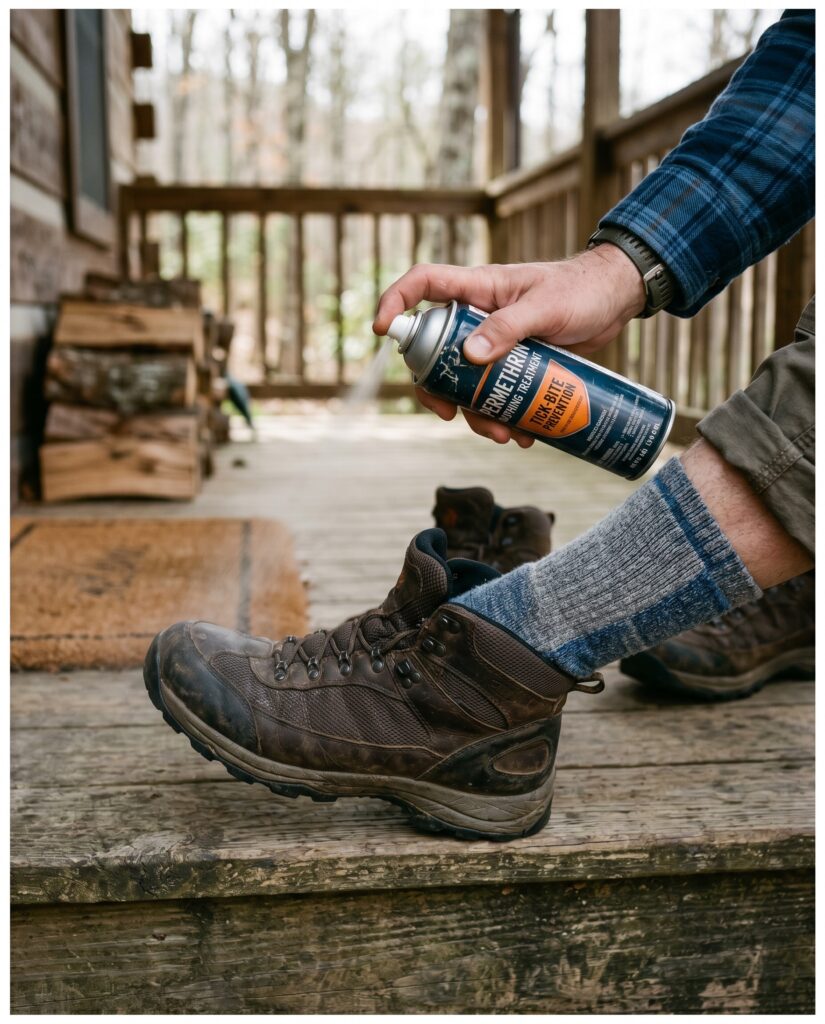
- Wear Protective Clothing: When outdoors, especially in areas with known insect activity, wear long sleeves, long pants, socks, and closed-toe shoes. Light-colored clothing can also make it easier to spot ticks.
- Avoid Peak Biting Times and Habitats:
- \
- Mosquitoes: Are most active at dusk and dawn. Avoid standing water, which serves as breeding grounds.
- Horseflies: Are common near livestock and wetlands.
- Ticks: Frequent wooded and grassy areas.
\
\
\
\
- Control Pests Around Your Home:
- \
- Fleas: Regularly treat pets for fleas and vacuum frequently.
- Bed Bugs: Use mattress encasements, inspect bedding regularly, and be vigilant when traveling.
- General Pests: Seal cracks and crevices in your home's foundation and around windows/doors. Reduce clutter that can harbor insects.
\
\
\
\
- Avoid Provoking Stinging Insects:
- \
- Stay away from visible nests or hives.
- If bees or wasps are nearby, move calmly and slowly; do not swat at them, as this can agitate them and increase the likelihood of a sting.
\
\
\
- Be Cautious Handling Outdoor Vegetation: Blister beetles and certain caterpillars can be found on plants. Wear gardening gloves when working in your yard to prevent accidental contact.
\
\
\
\
\
\
\
Common myths
\
Misinformation about insect bites can lead to unnecessary worry or ineffective treatment. Let's clarify some common misconceptions about insect bites that blister.
\
Myth 1: “Any blister after a bite means it’s infected.”
\
Reality: While infection is a possibility, many blisters are actually caused by an exaggerated allergic swelling and fluid accumulation as part of your body's immune response, not necessarily a bacterial infection. Infection is more likely if the area becomes increasingly painful, hot, and red, or if pus is present, as outlined by Grand Strand Physicians.
\
Myth 2: “You should pop the blister to let it drain.”
\
Reality: Medical guidance strongly advises against intentionally breaking bug bite blisters. Popping a blister removes its natural protective barrier, significantly increasing the risk of infection and potentially slowing the healing process. Instead, protect it with petroleum jelly and a bandage.
\
Myth 3: “All blistering spider bites are brown recluse bites.”
\
Reality: This is a widespread misconception. Many conditions, including bacterial infections, other insect bites, and various skin diseases, can mimic a "spider bite." True brown recluse bites are rare and geographically limited to specific regions of the United States. Most blistering lesions after a suspected spider sighting are benign or due to other causes. The general advice is to clean, cool, monitor, and seek care if symptoms worsen.
\
Myth 4: “If it blisters, it must be a dangerous insect.”
\
Reality: Even common insects like mosquitoes, fleas, mites, and bed bugs can cause blisters in sensitive individuals. The danger of a bite or sting is more closely related to systemic symptoms (like breathing difficulties or widespread hives) or the presence of geographically specific species known to transmit diseases (e.g., certain ticks).
\
Myth 5: “Natural home remedies are safer and just as effective.”
\
Reality: While some natural remedies might offer minor relief, major health organizations, such as the NHS, do not recommend many popular home remedies (like bicarbonate of soda paste or toothpaste) due to limited evidence of benefit and the potential for skin irritation or allergic reactions. Evidence-based first-line treatments include cold compresses, oral antihistamines, and topical hydrocortisone cream.
\
Myth 6: “Antibiotics are needed for most blistering bites.”
\
Reality: Antibiotics are only necessary if there is clear evidence of a bacterial infection. The vast majority of blistering reactions are inflammatory or allergic in nature and will resolve on their own without antibiotics. Using antibiotics unnecessarily can contribute to antibiotic resistance.
\
Final verdict
\
Discovering insect bites that blister can be unsettling, but understanding their causes and proper treatment can bring peace of mind. Most blistering reactions are a sign of a strong local allergic response or direct skin irritation, not necessarily a dangerous encounter. By following simple steps like cleaning the area, applying cold compresses, and protecting the blister, you can effectively manage symptoms at home. Remember to avoid popping blisters and to monitor for signs of infection. If you experience severe symptoms, signs of anaphylaxis, or worsening local reactions, seek medical attention promptly.
\
For more detailed information on specific insect reactions, explore our guides on Mosquito Bite Reactions: Swelling, Blisters, Rash, Hives & When to Worry and Flea Bites on Humans: Identification & Treatment Guide. Stay informed and prepared to handle any bug bite effectively.
If you are still not sure what you are looking at, our What bit me? wizard works through it in four questions.
\
Pingback: Bug Bite With Two Red Dots: What It Means