\
Ever wondered why that tiny mosquito bite can cause such an intense, maddening urge to scratch? The sensation of insect bites itch is a common experience, yet the science behind it is surprisingly complex. It's not just the initial puncture that causes discomfort; rather, your body’s sophisticated immune system is reacting to foreign substances introduced by the insect. Understanding why insect bites itch can help you find better relief and prevent those annoying red bumps from ruining your day.
\
Bottom line: Insect bites itch primarily because your body launches an immune response to the insect's saliva or other compounds injected during the bite. This reaction releases inflammatory chemicals, especially histamine, which stimulate nerve endings and cause the familiar redness, swelling, and intense itching sensation.
\
Why bites itch
\
When an insect bites, it's not just taking a meal; it's also introducing foreign substances into your skin. Mosquitoes, for example, inject saliva containing compounds that prevent blood clotting and keep blood flowing smoothly, making it easier for them to feed. Your immune system, designed to protect you from invaders, recognizes these salivary proteins as foreign. This recognition triggers a localized immune response.
\
This immune response is a cascade of events. Specialized immune cells rush to the bite site and release inflammatory mediators. The most well-known of these is histamine, a chemical that plays a central role in allergic reactions. Histamine causes the small blood vessels in the area to dilate and become more permeable, leading to the characteristic redness and swelling around the bite. More importantly, histamine also stimulates nerve endings in your skin, sending signals to your brain that register as an intense itchy bug bites sensation.
\
However, histamine isn't the only player. Recent research, including a review published in PMC, suggests that other salivary proteins can trigger what's known as "non-histaminergic itch." This helps explain why some individuals find that antihistamines don't fully alleviate their insect bites itch, and why the intensity of the itch can vary so much. The body’s reaction is a complex interplay of allergic and inflammatory pathways, all working to signal that something foreign has entered the skin.
\
 \
\\
Why mosquitoes itch
\
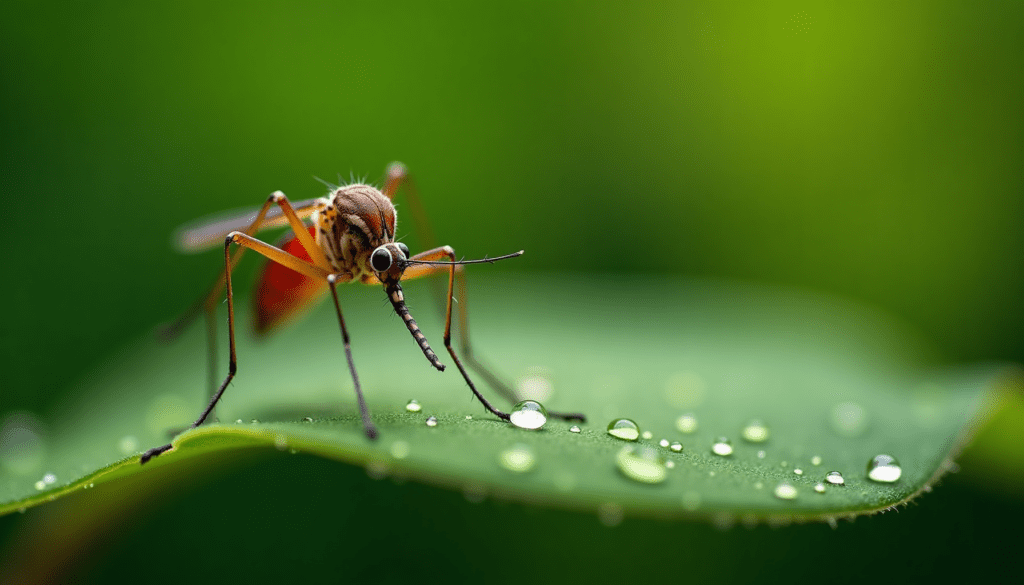
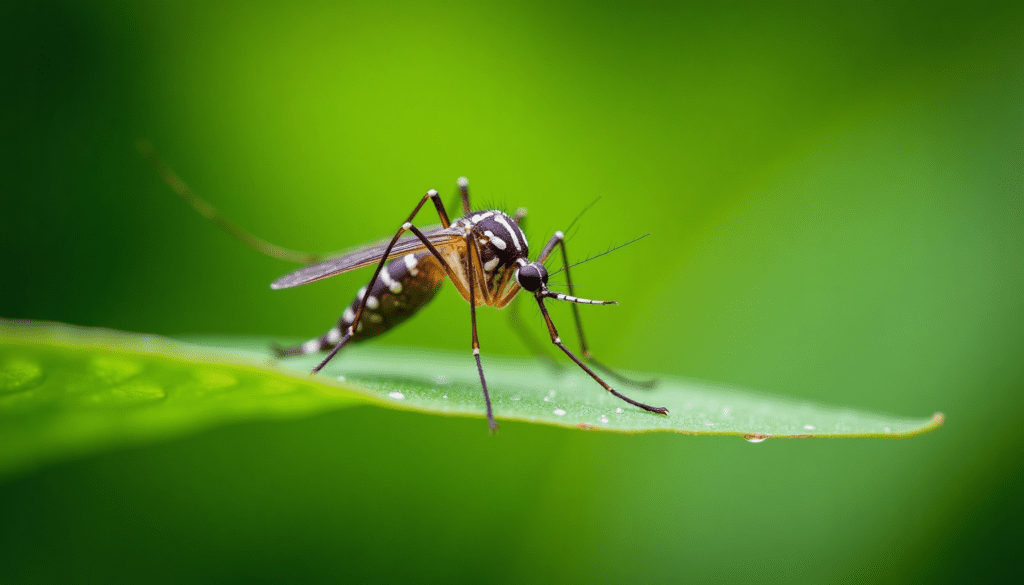
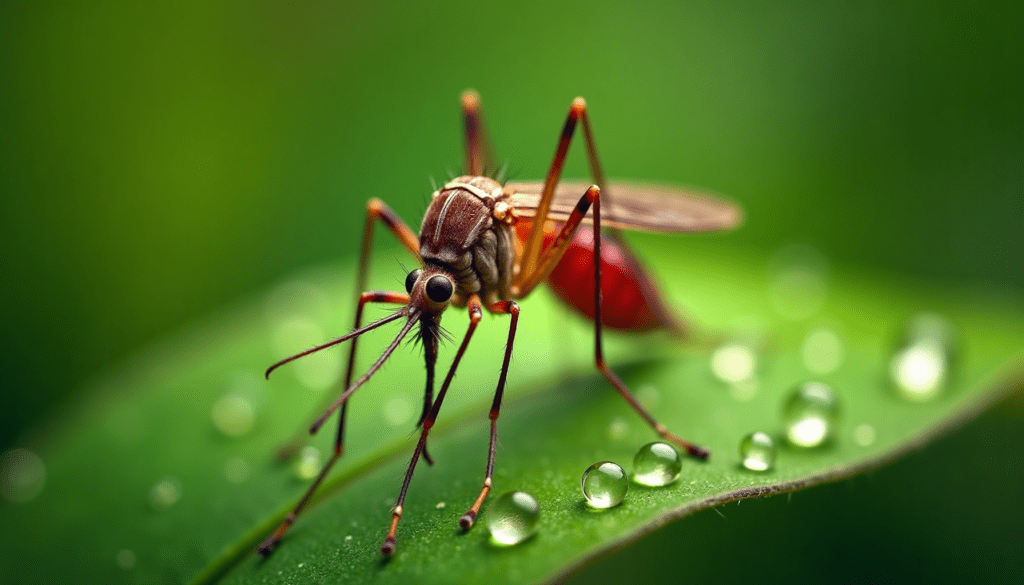
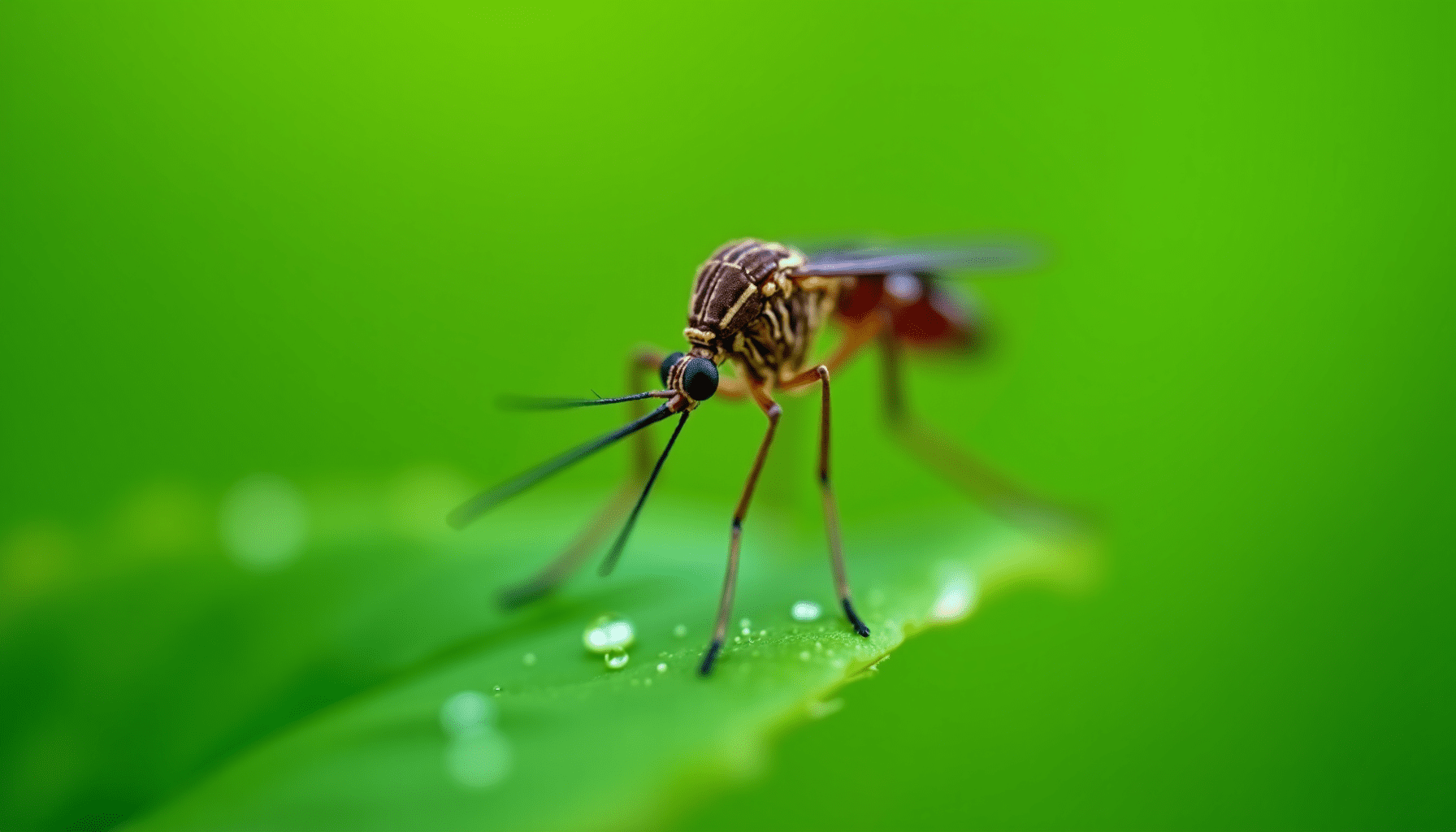
Mosquitoes are perhaps the most notorious culprits for causing intensely itchy bites. The reason lies specifically in their feeding process and the unique composition of their saliva. When a female mosquito lands on your skin, she inserts a proboscis, a specialized mouthpart, to find a blood vessel. During this process, she injects a small amount of saliva. This saliva is a complex cocktail of proteins designed to facilitate blood feeding. It contains anticoagulants to prevent blood from clotting, vasodilators to increase blood flow, and anesthetic compounds to numb the area, allowing the mosquito to feed undetected.
\
Your body's immune system quickly identifies these salivary proteins as foreign invaders. The subsequent immune response, particularly the release of histamine and other inflammatory chemicals, is what causes the intense itching, swelling, and redness that are common mosquito bite symptoms. The severity of this reaction can depend on the specific mosquito species and the individual's immune sensitivity.
\
Understanding how mosquitoes find, bite, and feed on you sheds light on why their bites are so irritating. The constant introduction of these foreign proteins, especially during peak mosquito season, keeps your immune system on high alert. This repeated exposure can sometimes lead to an even stronger reaction, making each subsequent bite feel more bothersome. The localized inflammation is a clear signal from your body that it's fighting off an intruder, even if that intruder is just a tiny amount of mosquito saliva.
\
Why reactions vary
\
Have you ever noticed that some people seem to be mosquito magnets, while others rarely get bitten or don't react as strongly? The intensity of insect bites itch is not universal; it varies significantly from person to person. Several factors contribute to these individual differences, making the "why" behind your personal reaction quite unique.
\
One primary reason for varied reactions is individual immune sensitivity. Just like some people have stronger allergic responses to pollen or certain foods, some individuals' immune systems are more reactive to the proteins in insect saliva. This hypersensitivity can lead to larger, more swollen, and intensely itchy welts, as noted by the Cleveland Clinic. Genetics can play a role, influencing how your body's immune system is primed to respond to foreign substances.
\
Prior exposure to insect bites also influences how you react. In some cases, repeated exposure to the same type of insect bite can lead to a stronger, more noticeable reaction as your immune system becomes "sensitized." However, in other instances, repeated exposure can lead to desensitization, where your body learns to tolerate the foreign proteins better, resulting in milder symptoms. This complex immune memory is part of the broader insect bite science.
\
Age can also be a factor. Young children, whose immune systems are still developing, often have more dramatic reactions to insect bites compared to adults. Conversely, older adults may experience less intense itching and swelling. The specific insect species also matters; a bed bug bite might provoke a different immune response than a flea bite or a mosquito bite, leading to different levels of discomfort.
\
 \
\\
\
Itch relief
\
\
When an itchy bug bites you, the immediate goal is usually to find relief. Fortunately, several effective strategies can help soothe the irritation and prevent further complications.
\
Immediate Relief Strategies:
\
- \
- Clean the Area: Wash the bite thoroughly with soap and water. This helps reduce irritation and lowers the risk of infection, as recommended by the CDC.
- Apply Cold: Place a cold pack or ice wrapped in a cloth on the bite for about 10 minutes. The cold temperature helps to reduce swelling, inflammation, and the sensation of itchiness.
- Over-the-Counter Creams: Topical creams can provide targeted relief. Look for:
- \
- 1% hydrocortisone cream: Reduces inflammation and itch.
- Antihistamine creams: Such as those containing diphenhydramine, can block histamine receptors to lessen the itch.
- Topical lidocaine/numbing creams: Can temporarily numb the area, offering quick relief.
\
\
\
\
- Baking Soda Paste: A paste made from baking soda and water can help reduce the itch response, according to the CDC.
- Colloidal Oatmeal: For widespread itching, an oatmeal bath or colloidal oatmeal products can be very soothing, as noted by GoodRx.
\
\
\
\
\
\
Behavioral Tips:\
One of the most important things you can do is to avoid scratching. While it might feel good in the moment, scratching intensifies inflammation, prolongs the itch, and can break the skin. Broken skin is an open invitation for bacteria, increasing the risk of secondary infections. Keeping nails short can minimize damage if you scratch unconsciously. For more guidance, see our article on whether you should pop or scratch mosquito bites.
\
Oral Antihistamines:\
If the itching is widespread or particularly persistent, an oral antihistamine like cetirizine or loratadine may help. These medications work systemically to block histamine, providing relief from the inside out. However, remember that not all itch is purely histamine-mediated, so oral antihistamines may not completely eliminate the sensation for everyone. For a deeper dive into relief strategies, explore our guide on effective mosquito bite relief strategies.
\
Common myths
\
\
The persistent nature of insect bites itch has led to several common misunderstandings. Dispelling these myths can help you better manage your reactions and understand what's truly happening.
\
- \
- Misconception: "The insect's bite itself causes the itch."
- \
- Reality: The itch is primarily due to your body’s immune response to the insect's saliva or other compounds injected into your skin, not just the physical puncture. The Arkansas Agricultural Experiment Station highlights insect saliva as the key trigger for this allergic reaction.
\
\
- Misconception: "Histamine explains all bug-bite itch."
- \
- Reality: While histamine is a major contributor, it's not the whole story. As mentioned in a PMC review, some insect-bite itch is non-histaminergic. This explains why antihistamines don't always provide complete relief for everyone.
\
\
- Misconception: "If a bite doesn’t itch much, it isn’t real or isn’t from an insect."
- \
- Reality: Reactions vary widely among individuals and insect species. Some people have minimal symptoms, while others react strongly. A mild reaction is still a real reaction.
\
\
- Misconception: "Scratching helps get rid of the bite."
- \
- Reality: Scratching actually worsens irritation, prolongs the itch, and can break the skin, introducing bacteria and increasing the risk of infection. Benadryl emphasizes the importance of avoiding scratching.
\
\
- Misconception: "Any cream will stop the itch."
- \
- Reality: Some products are more effective than others. Evidence-based options like cold compresses, hydrocortisone, and antihistamine creams are generally recommended, but no single remedy works for everyone due to the complex nature of the itch.
\
\
- Misconception: "All itchy bites are from mosquitoes."
- \
- Reality: Mosquitoes are a common cause, but many other arthropods can also cause itchy bites, including bed bugs, fleas, ticks, mites, and chiggers. Identifying the specific insect can sometimes help in treatment.
\
\
\
\
\
\
\
\
\
When to get care
\
While most itchy bug bites are a minor nuisance that can be managed at home, there are times when medical attention is necessary. Knowing when to consult a healthcare professional is crucial for preventing complications and addressing potentially serious reactions.
\
You should seek medical help if you develop any of the following signs of infection:
\
- \
- Increasing pain around the bite site
- Pus or discharge from the bite
- Spreading redness or warmth that extends beyond the initial bite area
- Fever
- Swollen lymph nodes near the bite
\
\
\
\
\
\
These symptoms suggest a secondary bacterial infection, which may require antibiotics.
\
Additionally, be alert for signs of a severe allergic reaction, which is more common with stings but can occasionally occur with bites. These symptoms constitute a medical emergency and require immediate attention:
\
- \
- Difficulty breathing or wheezing
- Swelling of the lips, face, tongue, or throat
- Dizziness or lightheadedness
- Widespread hives or rash
- Rapid pulse
- Nausea, vomiting, or diarrhea
\
\
\
\
\
\
\
For more information on recognizing severe reactions, see our guide on more severe allergic reactions to mosquito bites. If you experience severe swelling or a reaction that covers a large area of your body, even without systemic allergic symptoms, it's wise to consult a doctor. They can assess the reaction and recommend appropriate treatment, which might include stronger corticosteroids or other medications.
\
 \
\\
\
Prevention
\
The best way to avoid the discomfort of insect bites itch is to prevent bites in the first place. Implementing a few practical strategies can significantly reduce your exposure to biting insects.
\
- \
- Use EPA-Registered Insect Repellents: Products containing DEET, picaridin, IR3535, oil of lemon eucalyptus (OLE), para-menthane-diol (PMD), or 2-undecanone are effective and recommended by the EPA. Always follow label instructions for safe and effective use.
- Wear Protective Clothing: When outdoors, especially during peak insect activity, wear long-sleeved shirts, long pants, and socks. Light-colored clothing may also be less attractive to some insects.
- Avoid Peak Activity Times: Many biting insects, such as mosquitoes, are most active during dawn and dusk. Limiting outdoor activities during these hours can reduce your risk of bites.
- Eliminate Standing Water: Mosquitoes lay their eggs in standing water. Regularly empty bird baths, pet water bowls, clogged gutters, and any other containers that can collect water around your home. This simple step can significantly reduce mosquito populations in your immediate area.
- Screen Windows and Doors: Ensure that screens on windows and doors are in good repair to prevent insects from entering your home.
- Consider Permethrin-Treated Clothing: For extended outdoor activities, especially in areas with high insect populations, treating clothing and gear with permethrin can provide an additional layer of protection.
\
\
\
\
\
\
\
By taking these preventative measures, you can enjoy the outdoors with less worry about annoying and itchy insect bites.
\
Final takeaway
\
Understanding why insect bites itch reveals a fascinating aspect of our body's immune system. It's not just a minor irritation; it's a complex biological response to foreign substances introduced by insects, primarily their saliva. Histamine plays a central role in this reaction, causing the familiar redness, swelling, and intense desire to scratch. However, individual reactions vary greatly due to factors like immune sensitivity and prior exposure, and not all itch is solely histamine-driven.
\
To find relief, focus on immediate soothing actions like washing the bite and applying cold compresses or over-the-counter anti-itch creams. Crucially, avoid scratching to prevent worsening the inflammation and introducing infection. If you experience signs of infection or a severe allergic reaction, seek medical attention promptly. Ultimately, prevention through repellents, protective clothing, and habitat control remains the most effective strategy against these common, albeit annoying, encounters with the insect world. For more detailed information, explore our articles on common mosquito bite symptoms and effective mosquito bite relief strategies.