If you are searching for queen bee facts, you probably want one clear answer: what makes the queen so different from every other bee in the hive? She is the colony’s main egg-layer and a chemical “signal hub” that helps keep thousands of workers organized. But she is not a tiny monarch giving orders. The real story is more interesting – a mix of biology, nutrition, pheromones, and worker decision-making that turns one female into the colony’s reproductive engine.
Quick answer: queen bee facts at a glance
Here are the most useful queen bee facts for fast identification and understanding:
- Species (most discussed): Western honey bee (Apis mellifera)
- Role: Primary egg-layer and pheromone producer that stabilizes colony behavior
- Size: Typically 18-20 mm long (about 0.7-0.8 in), longer and wider than workers
- Look for: Long abdomen extending past wing tips, less hair, and a retinue of attendants
- Lifespan: Often 2-3 years in managed hives, sometimes longer under good conditions
- Egg-laying: Commonly 1,000-2,000 eggs/day in strong seasons (sometimes more at peak)
- Mating: Mates early in life on nuptial flights, often with 10-20 drones, then stores sperm
- Stinger: Smooth (unbarbed) – can sting multiple times, usually used against rival queens
Quick ID tip: If you see a bee surrounded by workers facing inward (feeding and grooming), you are likely looking at the queen.
What is a queen bee (and what she is not)?
People picture the queen as a ruler. In real hives, she functions more like the colony’s reproductive “hardware” plus a chemical broadcaster. Her presence and fertility shape what workers do, but workers still make many of the big day-to-day decisions as a group.
According to guidance from Penn State Extension, the queen is a fully developed reproductive female, usually the mother of most bees in a honey bee colony. Outreach groups like Best Bees also emphasize her two main jobs: laying eggs and producing pheromones that influence worker behavior.
Queen bee vs worker vs drone: a simple comparison
| Trait | Queen | Worker (female) | Drone (male) |
|---|---|---|---|
| Main job | Lay eggs + pheromones | Forage, nurse, build, guard | Mate with queens |
| Body shape | Long, tapered abdomen | Smaller, compact | Bulkier, very large eyes |
| Sting | Smooth, rarely used on humans | Barbed, used for defense | No sting |
| Typical lifespan | Years | Weeks (summer) | Weeks to months |
What the queen does not do
A few common assumptions are worth clearing up:
- She does not “command” foraging. Workers decide where to forage and how.
- She does not leave the hive routinely. After mating, she mostly stays inside.
- She does not do hive chores. Workers feed and groom her.
If you want a deeper look at how different bee species organize their colonies, see Honey Bee vs Bumble Bee: Discover the Key Differences Today. Bumble bee queens, for example, typically found annual colonies, which changes everything about their life cycle.
Queen bee facts: how to identify her in the hive
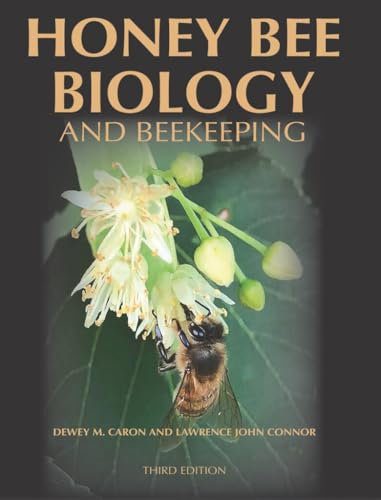
Honey Bee Biology And Beekeeping 3rd Edition
This book provides in-depth information about honey bee biology, including the queen bee’s role, making it relevant for readers wanting to learn more about the queen’s importance in the hive.
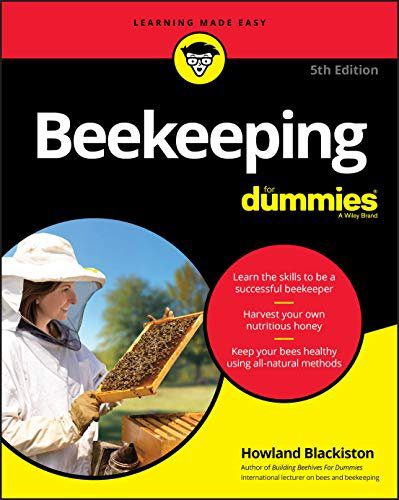
Beekeeping For Dummies
This beginner-friendly guide covers the essentials of beekeeping, including the significance of the queen bee, making it a great resource for those interested in starting their own hive.
Spotting a queen is a skill that improves fast once you know what to look for. New beekeepers often expect her to be “bigger in every way.” She is larger, but the key is shape – especially the abdomen.
Visual checklist: 6 reliable identification cues
Use this field-style checklist during inspections:
- Abdomen length: The queen’s abdomen is long and often extends past the wing tips.
- Overall silhouette: More “cigar-shaped” than workers, which look stockier.
- Hair coverage: Queens tend to look sleeker with less fuzzy hair.
- Movement: She often moves with purpose across comb, while workers mill around her.
- The retinue: Workers face her, lick and groom her, and feed her.
- Marking dot: Many managed queens have a paint mark on the thorax for visibility.
A practical “where to look” map
Queens are most often found where eggs are being laid:
- In the brood nest (frames with eggs, larvae, and capped brood)
- On frames with freshly polished cells (workers clean cells right before eggs are laid)
- Less often on honey-heavy outer frames
Why she looks different: a quick biology note
Queens and workers begin the same – both come from fertilized eggs. The difference is how the larva is raised. When workers build a queen cell and feed a larva rich brood food (commonly described as continuous royal jelly feeding), that larva develops the organs and body shape needed for reproduction.
For readers curious about colony productivity tied to queen performance, Discover How Much Honey a Beehive Can Produce Each Year connects strong brood rearing to honey yields and seasonal conditions.
How a queen bee is made: development, royal jelly, and timing
If the queen is “born,” it is really the colony that does the choosing. Workers decide when they need a queen, then they reshape a larva’s future by changing her housing and diet.
Penn State Extension describes how queen development differs from workers. A commonly cited timeline is that queens emerge in about 16 days, while workers take about 21 days. That speed matters during emergencies – the colony needs a replacement quickly.
Queen development timeline (egg to adult)
Here is a simplified timeline you can remember:
- Day 0-3: Egg stage
- Day 3-8/9: Larva stage (heavy feeding)
- Day 8/9-16: Capped pupa stage, then emergence
What “royal jelly makes a queen” gets right (and what it misses)
You will often hear: “Royal jelly turns a worker into a queen.” That is directionally true, but incomplete.
What is actually happening includes:
- Continuous high-quality larval feeding (often described as royal jelly and glandular brood food)
- A larger queen cell that changes space and posture during development
- Social context: the colony is actively raising a reproductive female, not a worker
Research discussions also point to nutrition-driven changes in gene expression (often described in epigenetic terms), which helps explain why queens develop larger ovaries and live far longer than workers.
Three ways colonies produce a new queen
Beekeepers usually see queen replacement happen in one of these scenarios:
- Supersedure (planned replacement): Workers replace an aging or weak queen.
- Swarming (colony reproduction): The old queen leaves with a swarm, and a new queen takes over the original hive.
- Emergency queen rearing: The queen dies suddenly, and workers convert young larvae into queens.
Mini visual guide: queen cell placement
- Swarm cells: often along frame bottoms and edges
- Supersedure cells: often mid-frame on the face of comb
- Emergency cells: can appear in odd places, built around existing worker cells
Bee reproduction basics: mating flights, sperm storage, and egg-laying power
A queen’s reproductive life has an early, high-stakes window. She mates during one or several nuptial flights, then usually never mates again. After that, she can lay fertilized or unfertilized eggs depending on what the colony needs.
General references like Britannica’s honey bee overview and standard beekeeping education materials describe this as a core feature of honey bee reproduction: the queen stores sperm and uses it over her lifetime.
How queen mating works (plain language)
During mating flights:
- The queen flies to drone congregation areas.
- She mates with multiple drones (often 10-20).
- She stores sperm in a specialized organ called the spermatheca.
After that, she returns to the hive and begins sustained egg-laying.
Fertilized vs unfertilized eggs: haplodiploidy in one chart
| Egg type | Fertilized? | Becomes | Chromosomes |
|---|---|---|---|
| Female egg | Yes | Worker or queen | Diploid |
| Male egg | No | Drone | Haploid |
This system is called haplodiploidy. It is one reason bee colonies can evolve such strong cooperation among sisters.
How many eggs can a queen lay?
In strong colonies during peak season, many beekeeping sources cite 1,000-2,000 eggs per day, with higher numbers sometimes reported under ideal conditions. Over a year, that can translate into hundreds of thousands of new bees in a thriving colony.
Practical takeaway for beekeepers: When egg-laying slows, it is not always “bad genetics.” It can also reflect nectar flow, poor weather, disease pressure, or limited space for brood.
If you are trying to connect colony behavior to safety around people, it also helps to know that defensive behavior is driven mostly by workers, not the queen. For sting biology and what happens after a sting, see Do Bees Die After Stinging? Uncovering Fascinating Bee Sting Facts.
The queen’s “invisible” job: pheromones that hold the hive together
The queen’s most misunderstood power is chemical, not behavioral. Her pheromones act like a continuous status update: “A fertile queen is present.” Workers respond by maintaining normal colony routines and by not attempting to reproduce themselves.
Many beekeeping education sources discuss queen pheromones, including the well-known queen mandibular pheromone (QMP). Overviews like the Field Museum’s bee education article help explain how the queen’s signals shape social organization.
What QMP does in everyday hive life
Workers pick up and spread queen scent by grooming and touching her. Effects commonly described include:
- Retinue behavior: workers cluster around and tend the queen
- Reduced worker ovary development: fewer “laying workers”
- Suppression of new queen rearing: when the queen is healthy and signaling well
- Colony cohesion: workers act like a coordinated unit rather than individuals
Why old queens get replaced
As queens age, pheromone output and egg-laying consistency can decline. Workers respond in predictable ways:
- They build queen cells (often supersedure cells).
- Brood patterns may become spotty.
- The colony may become more reactive or “restless.”
Quick brood-pattern visual (what beekeepers look for)
- Strong queen: tight, solid patches of capped brood with few empty cells
- Failing queen: scattered brood, many gaps, more drone brood in worker areas
Queen stings: yes, she can sting – but rarely for defense
Another key fact: the queen’s stinger is smooth, unlike the barbed worker stinger. That means she can sting multiple times without dying. In practice, she usually reserves stinging for queen-to-queen conflict, not humans.
If you manage bees in areas where defensive strains may occur, learn the warning signs and precautions in Understanding Africanized Honey Bees: Facts and Safety Tips.

Why queen health matters (for beekeepers, gardeners, and pollination)
It is tempting to think the queen only matters to beekeepers. In reality, queen success affects colony strength, and colony strength affects pollination in gardens, farms, and wild landscapes.
A strong queen produces a steady supply of workers. Those workers become foragers that move pollen across thousands of flowers. When queens fail, colonies shrink, and pollination drops.
Signs of a healthy queen (actionable checklist)
During inspections, look for:
- Eggs present (tiny white “grains of rice” at the bottom of cells)
- Brood in all stages (eggs, larvae, capped brood)
- Solid brood pattern (few skipped cells)
- Calm, organized behavior on frames
- Normal ratio of worker brood to drone brood
Signs the hive may be queenless (or the queen is failing)
Watch for these patterns:
- No eggs for more than a week during good weather
- Loud “roaring” sound when the hive is opened
- Multiple eggs per cell (possible laying workers)
- Emergency queen cells appearing suddenly
- Increasing drone brood where worker brood should be
What to do next (simple decision tree)
- See eggs? The hive had a queen within the last 3 days.
- No eggs, but young larvae? The colony may still raise a queen.
- No eggs and no young larvae? Requeening or combining colonies may be needed.
Swarms: why they look scary but often are not
Swarms happen when the colony reproduces at the colony level. The old queen leaves with many workers to start a new home. During this time, bees are often focused on relocation and can be relatively docile.
Still, the safest approach is simple:
- Keep distance.
- Keep kids and pets away.
- Contact a local beekeeper group or extension service for removal.
Helping queens by helping colonies
Queen health is tied to nutrition and stress. Practical steps that help:
- Plant long-blooming nectar and pollen sources (spring through fall)
- Avoid spraying blooming flowers with insecticides
- Provide clean water sources
- Support habitat and reduce pesticide exposure where possible
For a broader look at population pressures and what individuals can do, read Why Are Bees Endangered? Discover How You Can Make a Difference.
Conclusion: the queen is the hive’s engine, not its “boss”
The most useful queen bee facts are also the simplest: she is the colony’s primary egg-layer, she mates early and stores sperm for life, and her pheromones help keep worker behavior stable. Her long body, retinue of attendants, and steady brood pattern are the best real-world clues to look for.
A smart next step is to learn how colony strength connects to seasonal honey production in Discover How Much Honey a Beehive Can Produce Each Year, then compare social structure across species in Honey Bee vs Bumble Bee: Discover the Key Differences Today.
As an Amazon Associate, I earn from qualifying purchases. Product recommendations are based on real reviews and independent research.