Honey Bee vs Bumble Bee: Discover the Key Differences Today
Finding a bee on your flowers is great – until you need to know what it is. A honey bee and a bumble bee can look similar at a glance, but they behave differently, nest in different places, and carry different risks around homes. This guide breaks down the easiest ways to tell them apart in seconds, plus what to do if you find a nest. You will also learn why both matter for gardens and crops, and when it makes sense to call for help.
Quick identification: honey bee vs bumble bee (fast, reliable clues)
Honey bee vs bumble bee: body shape, fuzz, and flight patterns
Most misidentifications happen because people rely on a single trait like “fuzzy” or “striped.” A better approach is to stack 3 quick observations: silhouette, hair density, and how the insect moves between flowers.
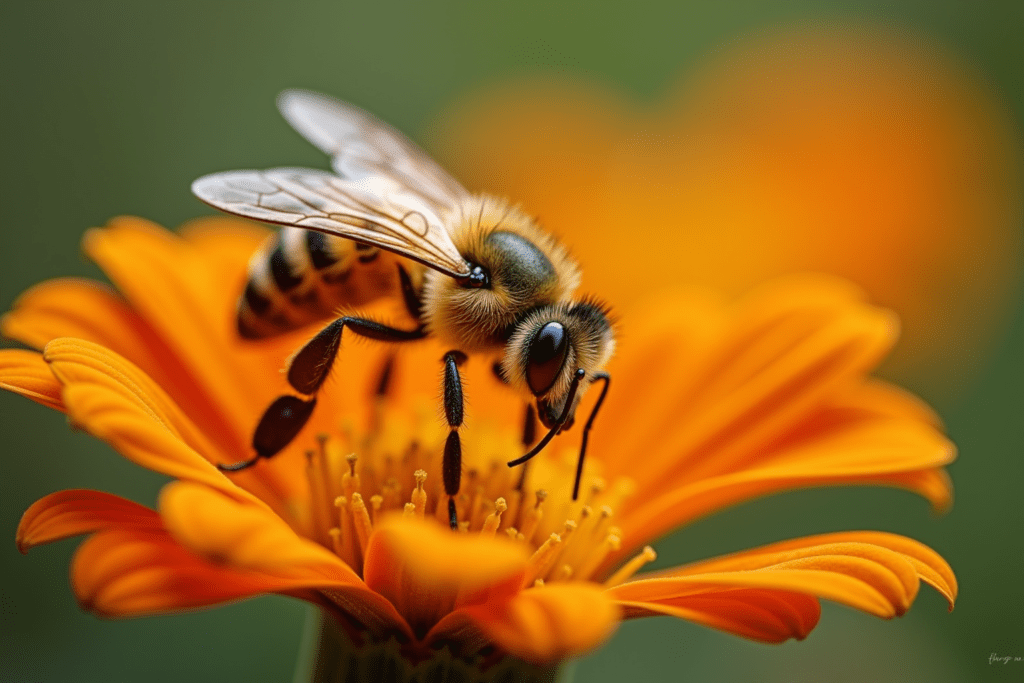
What a honey bee typically looks like up close
A honey bee has a more “wasp-like” outline than most people expect. The abdomen is usually sleeker and more tapered, and the overall body looks built for efficient commuting.
Common field marks:
Slim profile with a narrower waistline than bumble bees
Moderate fuzz on the thorax, less hair on the abdomen
Golden-brown tones with darker bands, usually not high-contrast
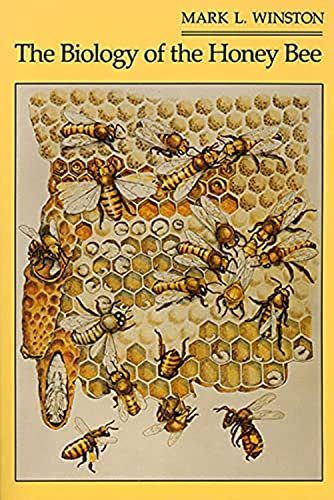
Beekeeping references consistently describe the Western honey bee (Apis mellifera) as the primary managed species used in hives worldwide, with a streamlined worker body built for long foraging flights, as detailed in standard texts like The Biology of the Honey Bee from Harvard University Press.
What a bumble bee typically looks like
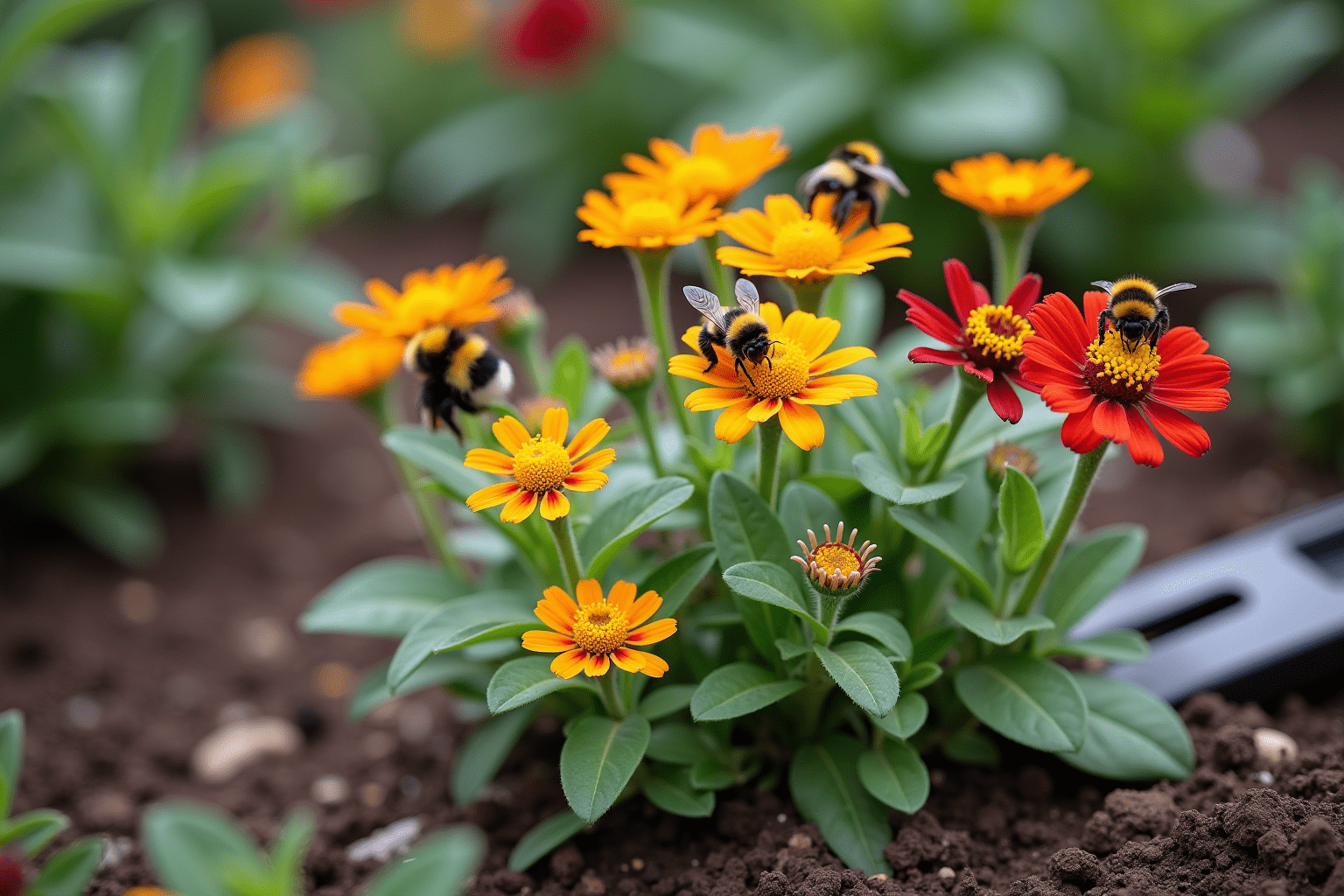
Bumble bees look like small, flying mammals compared to honey bees. They are thick through the thorax and abdomen, and their hair is longer and denser. Many species show bold color blocks that read clearly even from several feet away.
Common field marks:
Round, robust body with a “plush” look
Very fuzzy thorax and often fuzzy abdomen
High-contrast banding (yellow-black) or patches of orange, white, or red
For species diversity and pattern variation, Bumblebees of North America from Princeton University Press is a strong visual reference, and it highlights just how variable bumble bee coloration can be.
Flight style: a surprisingly helpful clue
When you watch them for 10 seconds, their “vibe” often gives them away.
Honey bee flight tends to look:
More direct and purposeful between flower patches
Like a commuter going point-to-point
Bumble bee flight often looks:
Slower, with hovering and zig-zag searching
Like a shopper browsing a shelf
Quick visual element: 10-second ID checklist
If it looks slim + amber + direct flight, lean honey bee.
If it looks round + very fuzzy + wandering flight, lean bumble bee.
If it is hairy but very large and shiny black, consider carpenter bees (a different group).
Nesting and colony life: where they live and why it matters (honey bee keyword section)
This book provides in-depth knowledge about honey bees, which is relevant for readers wanting to understand the differences between honey bees and bumble bees.
Pros: Highly comprehensive and authoritative overview of honey bee biology and social organization · Clear, engaging writing that makes complex entomology accessible to students and general readers · Extensively used as a core reference and textbook in apiculture and entomology courses
Cons: Content is somewhat dated compared with more recent research on bees and colony collapse issues · Dense, textbook-like style can be challenging for casual readers seeking a light introduction
The biggest practical difference for homeowners is not color – it is nest location and colony size. If you find a nest, those two factors determine whether you can safely coexist, whether it will “solve itself,” and whether you should call a professional.
Honey bee colonies are large and perennial
A honey bee colony is built to last through winter. Workers collect nectar and convert it into long-term stores, then the colony survives cold months as a clustered mass feeding on honey.
What that means in real life:
Colonies often reach tens of thousands of workers in summer. Beekeeping and research guides commonly cite 20,000-60,000 workers as typical, with strong colonies sometimes higher, summarized in Honey Bee Biology and Beekeeping from Wicwas Press.
Because colonies can persist for years, a nest in a wall void can become a long-term issue if not addressed.
Honey bees build vertical wax comb with hexagonal cells for brood and food storage.
Where you are likely to find them:
Tree cavities and hollow structures
Wall voids, soffits, chimneys, and other enclosed building cavities
Bumble bees run a seasonal “startup.” A single queen overwinters, starts a nest in spring, raises workers, then the colony produces new queens and males. By late summer or fall, the old queen and workers die, and only new queens survive winter.
What that means in real life:
Colonies are usually under 400 workers, often far fewer, as described in bumble bee ecology work such as Bumblebees: Behaviour, Ecology, and Conservation from Oxford University Press.
Many nests can be left alone if they are not in a high-traffic area because they naturally end each year.
Where you are likely to find them:
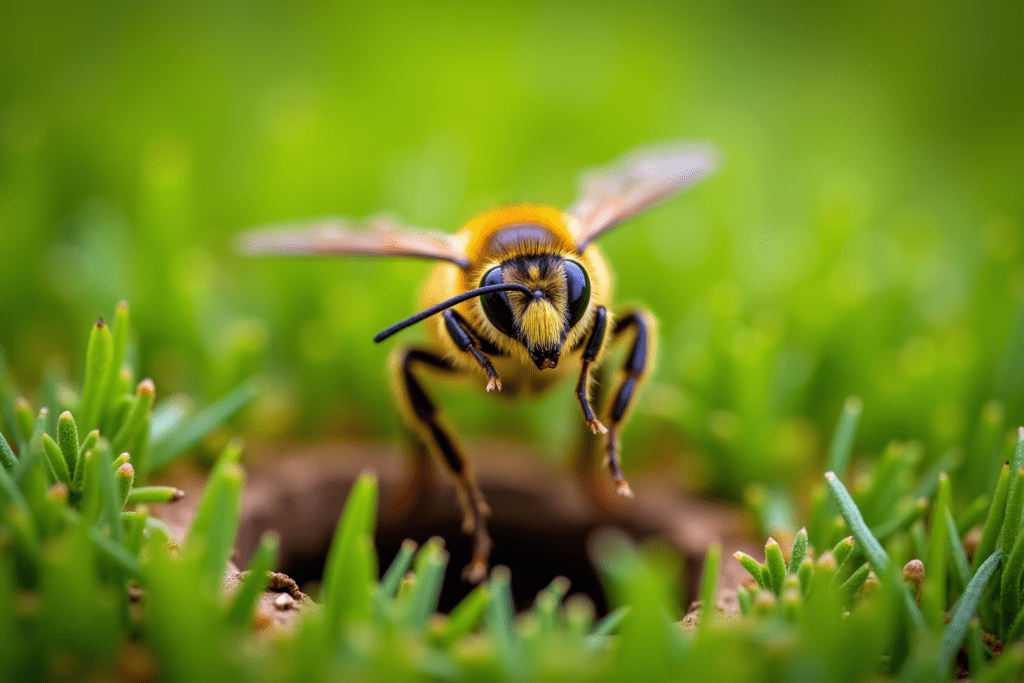
Old rodent burrows
Grass tussocks and dense thatch
Compost piles, under sheds, under debris
Occasionally bird boxes or insulation voids
Quick visual element: nest-location “tell”
Bees entering a small hole in the ground repeatedly = often bumble bees.
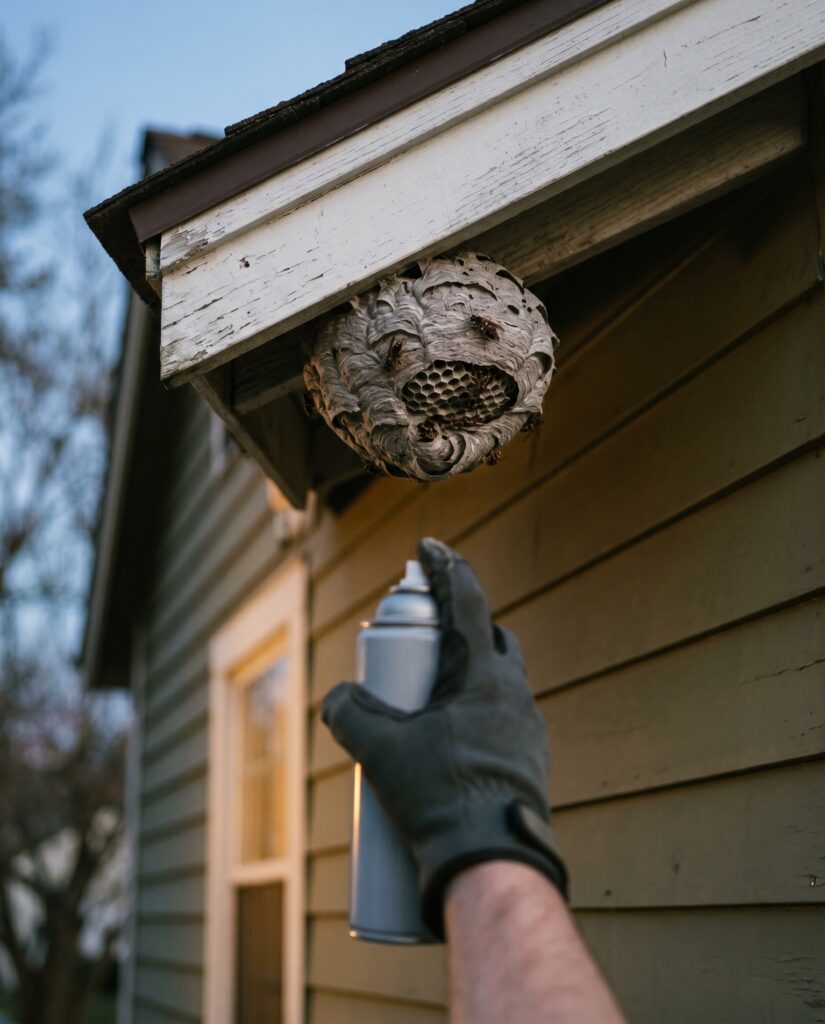
Bees entering a gap in siding or a cavity above ground = often honey bees.
Stings, defensiveness, and first aid: what to expect and what to do
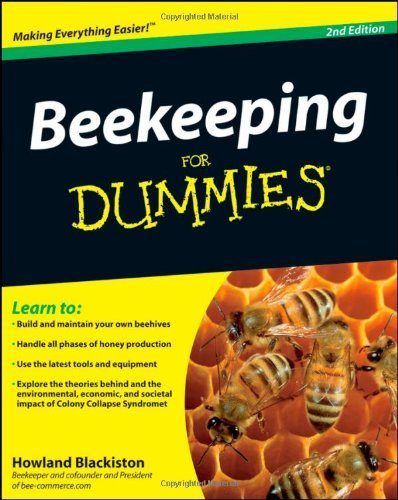
This guide is perfect for beginners interested in beekeeping and understanding honey bees better, complementing the article’s focus on bee identification.
Pros: Clear, accessible writing style that makes complex beekeeping concepts easy for beginners to understand · Comprehensive coverage of basic beekeeping tasks from starting a hive through honey production and extraction · Practical, step‑by‑step guidance on tools, equipment, and hive management that new beekeepers can directly follow
Cons: Some information and recommendations are dated compared to current best practices and newer research · Limited depth on advanced topics such as modern varroa management strategies and up‑to‑date treatments
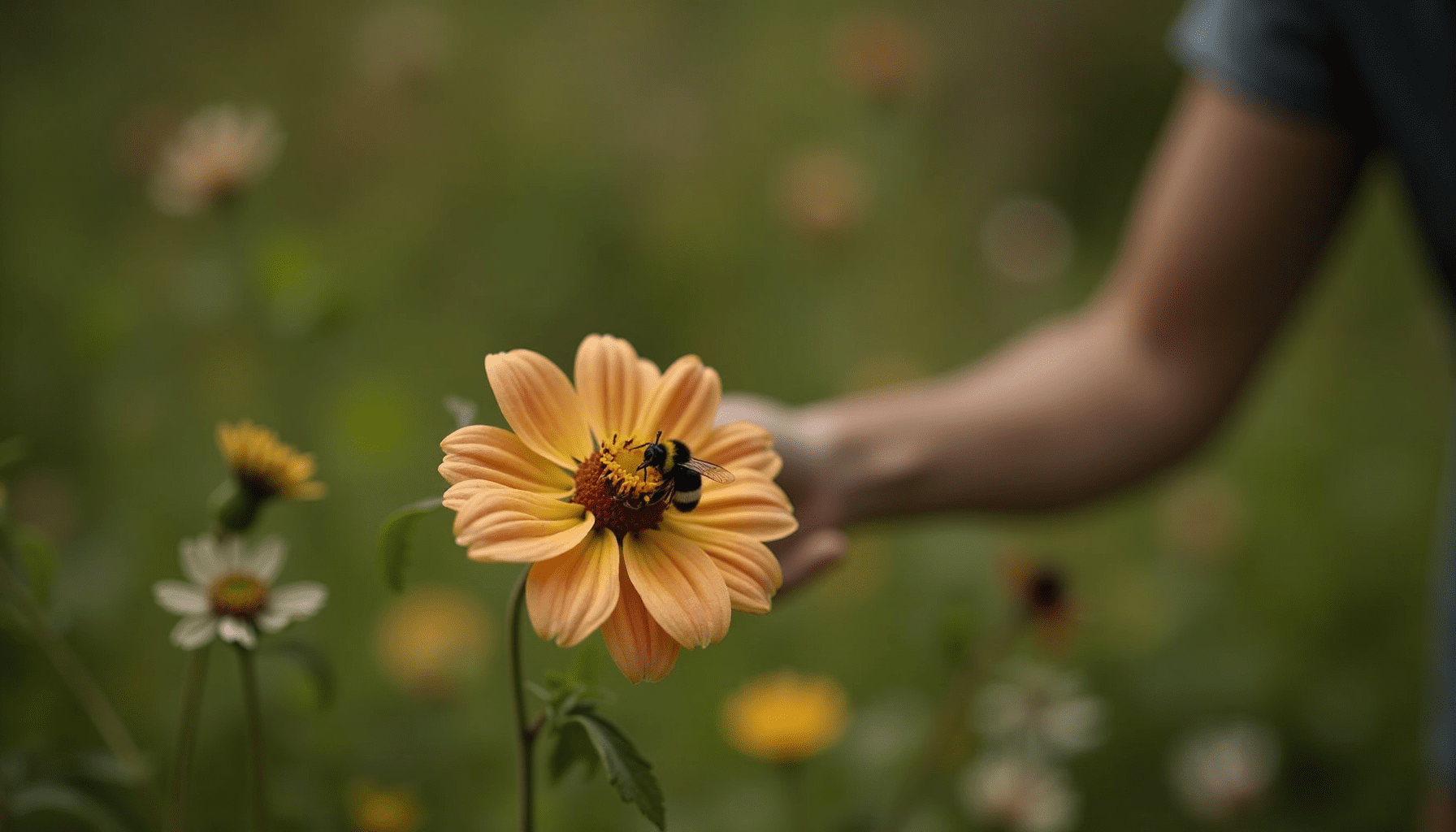
Most stings happen for one reason: someone unknowingly got too close to a nest. Foraging bees on flowers are usually focused on food, not conflict.
Honey bee sting vs bumble bee sting
Honey bee workers have barbed stingers. When they sting mammals, the stinger often lodges in skin and the bee usually dies shortly after. Bumble bees have smooth stingers, so they can sting more than once.
Key takeaway:
A single bumble bee can sting multiple times, but bumble bee colonies are smaller and often less defensive overall.
A disturbed honey bee hive can involve many more workers because the colony is large.
These differences are summarized clearly in pest and public-facing overviews like the Orkin bumble bee vs honey bee comparison, but the real-world risk still comes down to proximity to the nest and human behavior.
First aid steps that actually help
If you are stung:
Move away from the area calmly to avoid additional stings.
If it is a honey bee sting, remove the stinger fast by scraping with a fingernail or a card. Avoid pinching the venom sac.
Wash with soap and water.
Apply a cold pack for 10 minutes on, 10 minutes off.
Consider an oral antihistamine for itching and swelling if you can take it safely.
Seek urgent medical care if you notice:
Trouble breathing or wheezing
Swelling of lips, tongue, or face
Widespread hives, dizziness, or vomiting
Quick visual element: sting ID in one glance
Stinger left behind = often honey bee.
No stinger visible and repeated stings possible = could be bumble bee (or a wasp).
When to call a professional (and when not to)
Call for help if:
The nest is inside a wall, attic, chimney, or living space
People in the home have a history of severe allergic reactions
The nest is in a high-traffic area where accidental disturbance is likely
Pollination roles and “buzz pollination”: why both bees matter
It is tempting to ask, “Which bee is better?” Ecologically, that is like asking whether a screwdriver is better than a wrench. Both do important work, and they shine in different situations.
Honey bees: agricultural workhorses, not the only pollinators
Honey bees are widely managed for crop pollination, and they can be moved in large numbers to blooming fields and orchards. They also have a remarkable communication system – the waggle dance – that helps workers recruit nestmates to rich flower patches.
Two practical points for readers:
Honey bees are often introduced outside their native range. In places like North America, they are a managed species used heavily in agriculture.
They are important for many crops, but they are not a stand-in for wild pollinator diversity.
Research and conservation discussions regularly emphasize that managed honey bees support agriculture, while native bees support both wild ecosystems and crop resilience. This framing is common in pollinator guidance from agencies like the USDA pollinator resources.
Bumble bees: built for cold weather and tricky flowers
Bumble bees can forage in cooler, cloudier conditions than honey bees because their larger bodies and dense hair help with thermoregulation. That makes them especially noticeable in early spring and in northern climates.
Their signature advantage is buzz pollination (sonication). Many bumble bees vibrate their flight muscles to shake pollen loose from flowers with poricidal anthers.
Why gardeners should care:
Tomatoes, peppers, and some berries set fruit better with buzz pollination.
Bumble bees are commonly used in commercial greenhouse pollination, discussed in depth in the journal review “A century of advances in bumblebee domestication” published in Apidologie.
Tomatoes (greenhouse or garden): bumble bees often outperform due to buzz pollination.
Orchards and mass-bloom crops: honey bees are commonly used because colonies are large and movable.
Cool, windy spring days: bumble bees are often still active when honey bees stay in.
Conservation reality check
Many people have heard “bees are endangered” and assume it refers to honey bees. Managed honey bees face serious health pressures (parasites, pathogens, pesticides, nutrition issues), but they are also propagated by beekeepers. Several wild bumble bee species, however, have experienced steep declines.
What to do if you find bees at home: coexist, relocate, or control
Here is the decision most homeowners actually need to make: do you leave the bees alone, do you relocate them, or do you treat it like a pest problem? The answer depends on species, location, and risk.
Step 1: confirm what you are looking at
Before taking action, watch from a safe distance.
Use this quick checklist:
Are bees entering and exiting a specific opening repeatedly?
Is the opening in the ground or in a structure?
Do you see a steady stream of bees (more typical of honey bees) or occasional traffic (often bumble bees)?
Step 2: choose the safest, least disruptive option
In many yards, the best move is to do nothing and adjust foot traffic.
If it is likely a bumble bee nest:
If it is not near doors, play areas, or mowing paths, consider leaving it.
Mark the area so no one accidentally steps on it.
Remember: the colony typically ends by fall.
If it is likely a honey bee colony in a structure:
Avoid sealing the entrance. Trapped bees can end up inside the home.
Contact a local beekeeper or bee removal specialist for possible live removal.
Building-cavity colonies can leave behind comb and honey, which may attract other pests if not removed.
The Oklahoma State University Extension also notes that many backyard bee situations can be managed with tolerance and correct identification rather than immediate pesticide use.
Quick visual element: decision guide
Low-traffic bumble bee nest outdoors: usually coexist.
Honey bee colony in wall/attic: usually relocate with help.
High-traffic area + allergy risk: call a professional promptly.
Step 3: reduce future conflicts without harming pollinators
If you want fewer nest surprises next year:
Fill rodent burrows and reduce thick thatch in high-traffic lawn areas (bumble bee nesting sites).
Seal structural gaps in late fall or winter when bees are not active (avoid sealing when you see active traffic).
Limit insecticide use on blooming plants. If treatment is unavoidable, apply at dusk and follow the label.
Key takeaways (and the simplest way to remember the difference)
A honey bee is usually slimmer, less fuzzy, and associated with large, long-lived colonies that often nest above ground in cavities.
A bumble bee is usually rounder, fuzzier, and associated with smaller, one-season colonies that often nest in the ground.
Honey bees typically sting once and leave a stinger behind. Bumble bees can sting more than once, but many are less defensive unless the nest is disturbed.
Bumble bees excel at buzz pollination and cool-weather foraging. Honey bees excel as managed crop pollinators with large, movable colonies.
Sophia Carter covers insect diversity and ecology on InsectoGuide: what a species is, how it lives, and what it is actually doing in a garden or a house before anyone decides it is a problem. The guides start from the assumption that most insects a reader meets are harmless, and say so where that is true. Biology and control practice are anchored to university extension entomology programmes, and the source is linked in the text rather than listed at the bottom.
If you’re seeing small holes and busy little insects zipping low over your lawn, you’re probably looking at ground bees – native, ground-nesting bees that…