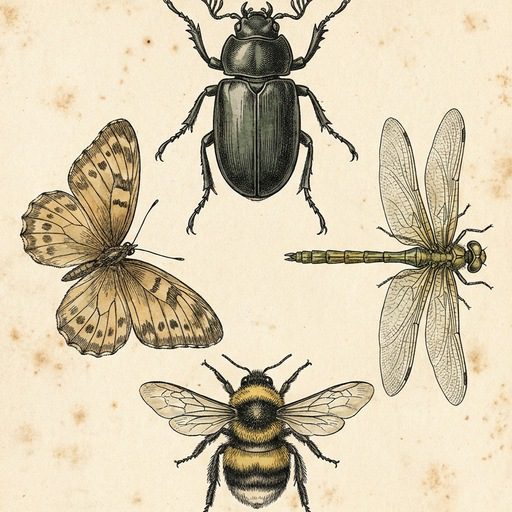
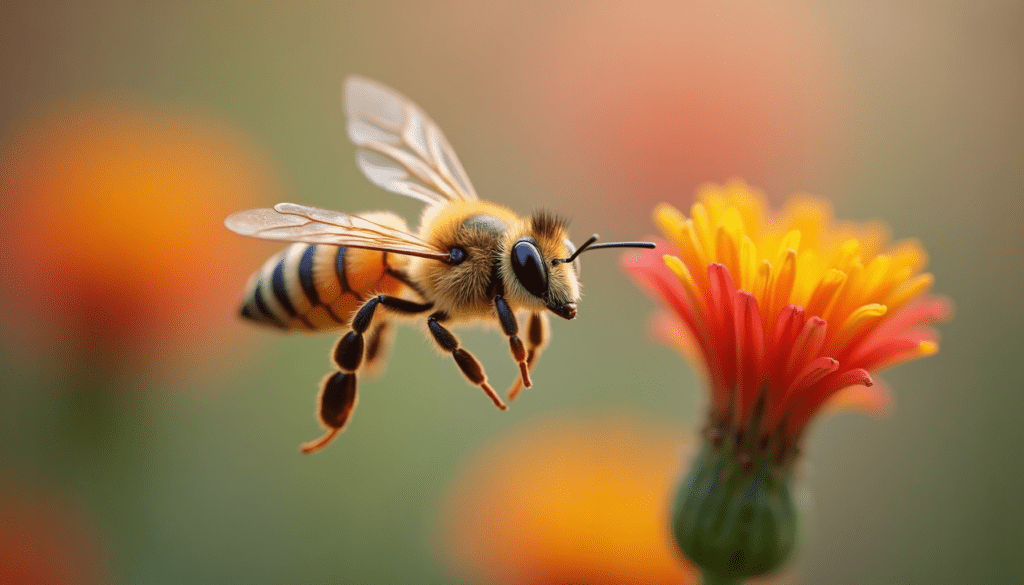
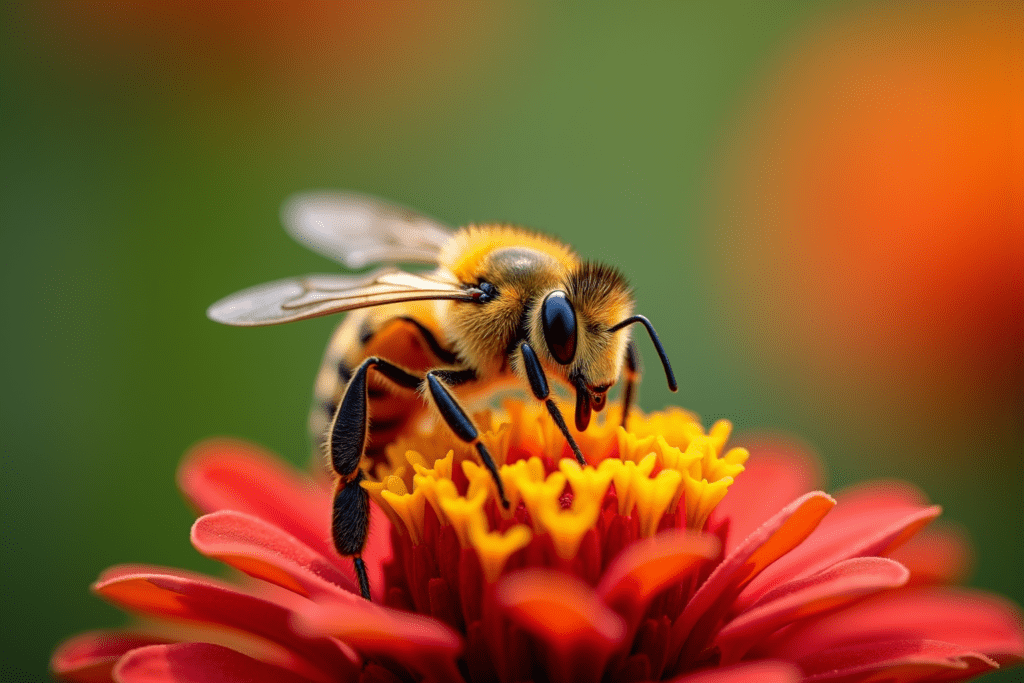
You are seeing fewer bees because many species are losing the basics they need to survive: safe places to nest, diverse flowers from spring through fall, and protection from chemicals and disease. The phrase endangered bees can be confusing because it covers very different insects – managed honey bees, wild bumblebees, and thousands of solitary native bees – and they are not all declining in the same way. This guide explains what’s driving bee population decline, why it matters in everyday life, and the most practical ways to help bees starting this week.
Quick Answer: Why are endangered bees declining?
Bee declines are happening for a simple reason: multiple stressors are piling up at once, and many wild species cannot adapt fast enough.
The biggest drivers behind endangered bees (and other at-risk pollinators) include:
- Habitat loss and fragmentation – fewer native flowers, fewer nesting sites, and “islands” of habitat that don’t connect.
- Pesticide exposure – especially broad-spectrum insecticides; herbicides also remove flowering “weeds” bees use.
- Climate change and extreme weather – bloom times shift, drought reduces nectar, storms destroy nests.
- Parasites and disease – including pathogens that can spread from managed bees to wild bees.
- Invasive species and competition – non-native plants, pests, and sometimes high densities of imported pollinators.
What helps most (in order):
- Plant native, season-long blooms in clusters
- Cut pesticide use, especially on blooming plants
- Add nesting habitat (bare soil, stems, dead wood)
- Support local habitat projects and pollinator corridors
What “endangered bees” really means (and which bees are at risk)
If you’ve ever wondered, “Are bees endangered or not?” the honest answer is: it depends on the species and the location.
Honey bees (Apis mellifera) are managed like livestock. Their health problems are real, but they are not the same conservation story as native bees. Wild bees include bumblebees (Bombus spp.) and thousands of solitary species that nest in soil, hollow stems, or wood cavities. Many of those wild species are poorly monitored, which means declines can be easy to miss until they become severe.
A quick reality check: documented declines
Evidence from conservation groups and museums shows that losses are not just anecdotal.
Here are a few examples that illustrate the pattern:
- In the UK, dozens of bee species are considered under threat, and multiple species have already been lost, according to Friends of the Earth (UK).
- In North America, at least one bumblebee species is already extinct, and several others are in decline, with broader evidence of regional declines in eastern bee groups reported by the Museum of the Earth pollinator education program.
- Some once-common bees are now listed as critically endangered and protected, highlighted by the Planet Bee Foundation.
Identification-style guide: which “bee types” need what?
Think of bee conservation like home repair. Different houses have different weak points.
| Bee group | Typical nesting | What they need most | Common vulnerability |
|---|---|---|---|
| Honey bees | Hives (managed boxes) | Good forage + disease management | Parasites (Varroa), disease, pesticide exposure |
| Bumblebees | Underground cavities, grass tussocks | Season-long flowers + undisturbed nest sites | Habitat loss, heat waves, pathogens |
| Solitary ground-nesters | Bare or lightly vegetated soil | Pesticide-free soil + nearby blooms | Soil disturbance, herbicides, development |
| Solitary cavity-nesters | Hollow stems, beetle holes, wood cavities | Stems/wood + diverse flowers | Lack of nesting sites, pesticide drift |
Actionable takeaway: When someone says “save bees,” the best default is to focus on native habitat. That supports the widest range of species, including the endangered ones. The Xerces Society’s guidance on focusing on habitat explains why this approach protects more than just honey bees.
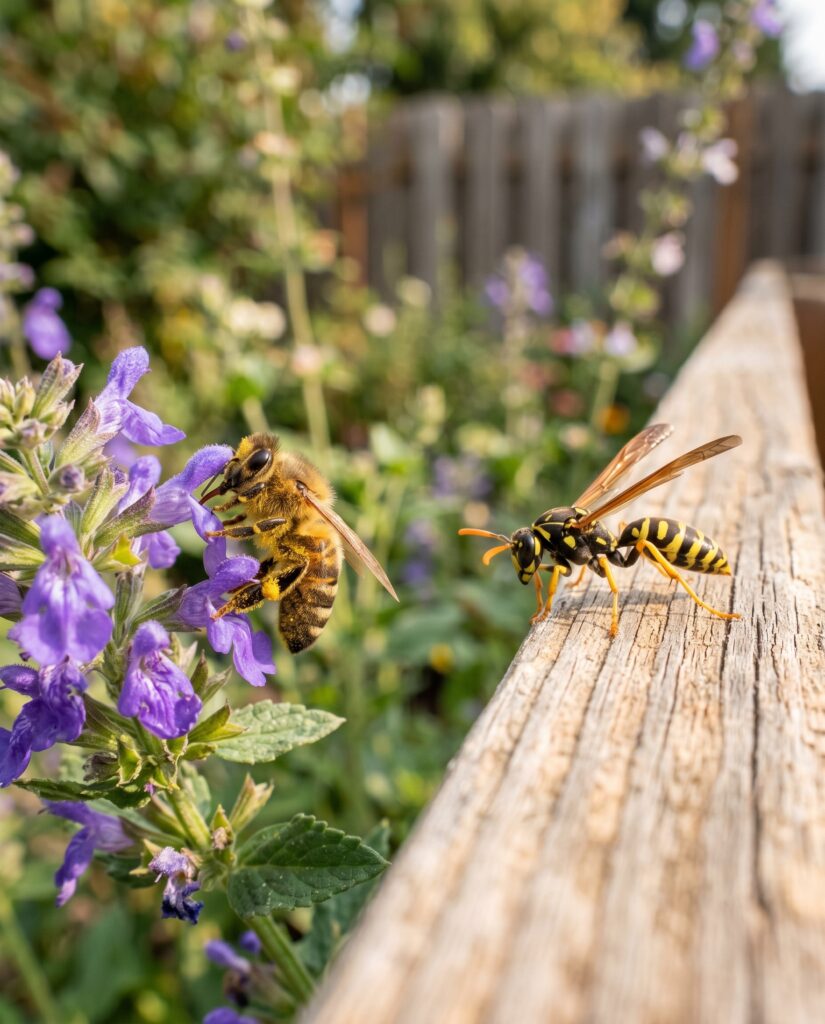
If you’re still learning the basics of what you’re seeing in your yard, the comparison in Bee vs Wasp vs Hornet: Key Differences You Need to Know can help you avoid misidentification (and unnecessary killing).
Why bees are endangered: the 5 biggest drivers (and how they interact)
National Geographic 2002 Geo Bee Challenge Game (1-6 Players, Ages 8 And Up)
This book provides insights into bee conservation and practical ways to help protect bees, aligning with the article’s focus on saving endangered bees.
Bee population decline is rarely caused by a single factor. More often, it’s a stack of problems that hit the same insect at different life stages: larvae in the nest, adults foraging, queens overwintering, and colonies rebuilding in spring.
Here’s what’s actually happening on the ground.
1) Habitat loss: fewer flowers, fewer nests, fewer connections
A bee’s world is small. Many species forage only a few hundred yards from their nest, sometimes less. When lawns replace meadows, and fields become single-crop blocks, bees lose both food and housing.
Habitat loss affects bees in three practical ways:
- Food gaps – plenty of blooms for two weeks, then nothing for a month.
- Nesting shortages – mulched beds, sealed soil, and “clean” landscapes remove nesting options.
- Fragmentation – small patches of flowers become isolated, limiting mating and gene flow.
The Museum of the Earth’s overview of bee threats emphasizes how habitat simplification reduces floral diversity and nesting opportunities, especially for wild bees that can’t relocate easily.
Mini checklist: signs your yard has a “forage gap”
- Spring bulbs bloom, then nothing until midsummer
- Only one or two flower colors/species dominate
- Most plants are double-flowered ornamentals (often low pollen)
- Everything is mulched or landscape fabric is used everywhere
2) Pesticides and herbicides: direct kills and hidden sublethal effects
Insecticides can kill bees outright, but the bigger story is often the “invisible” harm: impaired navigation, reduced foraging efficiency, and weakened immunity. Multiple conservation and education sources flag pesticides as a major threat, including Friends of the Earth (UK) and the U.S. Fish and Wildlife Service pollinator threats overview.
Herbicides matter too. When flowering weeds like clover and dandelion disappear, bees lose early-season and “in-between” nectar sources.
Safer-use rules if you must spray
- Never treat open blooms (that’s the bee dining room).
- Choose targeted products and avoid broad-spectrum insecticides when possible.
- Apply at times when bees are least active (often late evening), and follow labels exactly.
- Spot-treat instead of blanket spraying.
For gardeners trying to bring more life into their landscape without turning it into a chemistry project, Essential Tips on How to Attract Pollinators to Your Garden pairs well with a pesticide-light approach.
3) Climate change: timing mismatches and weather extremes
Bees run on a seasonal calendar. Many emerge when day length and temperature hit certain cues. Plants do something similar. When climate shifts disrupt that timing, bees can wake up to an empty pantry.
Climate pressure shows up as:
- Earlier blooms followed by late frosts that wipe out flowers
- Heat waves that stress bumblebee colonies and reduce foraging hours
- Drought that lowers nectar production and shrinks bloom periods
- Storms and flooding that destroy ground nests
A clear summary of these impacts is described in Earth.Org’s educational overview of climate and bee risks, and the U.S. Fish and Wildlife Service also lists climate-related habitat disruption among major pollinator threats.
4) Disease and parasites: stress compounds stress
Pathogens and parasites are part of nature, but problems escalate when bees are already underfed or exposed to pesticides. Some diseases can also spill over from managed bees to wild populations, especially where commercial pollinators are transported and concentrated.
This is one reason conservation groups urge people to avoid simplistic solutions like “just add more hives.” More hives can mean more competition for flowers and more opportunities for pathogens to move around, a point echoed by the Museum of the Earth and habitat-focused guidance from the Xerces Society.
5) Invasive species and competition
Invasive plants can reduce native floral diversity. Imported bees and managed hives placed in high densities can also intensify competition for nectar and pollen in sensitive habitats.
Actionable takeaway: The strongest “one move” you can make is to increase native plant diversity and reduce pesticide use. Those two steps buffer bees against almost every other stressor on this list.
How to help bees at home: the steps that actually move the needle
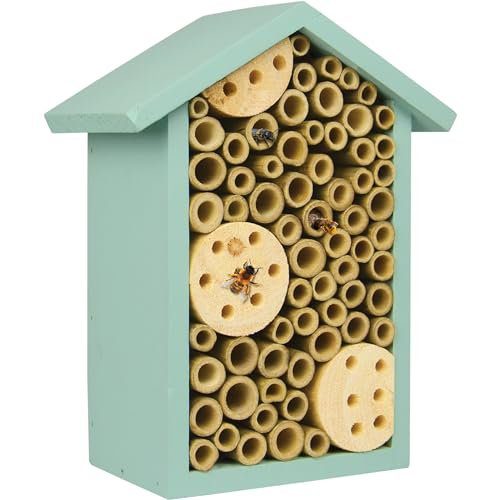
Nature’s Way Bird Products PWH1-C Teal Bee House
This bee hotel provides nesting habitats for solitary bees, directly addressing the article’s recommendation to add nesting sites for bees.
Most people want to help but get stuck on the wrong question: “What’s the perfect flower?” A better question is, “How do I provide food and shelter from March through October (or my local season)?”
Start with these actions, in this order.
Step 1: Plant native flowers with staggered bloom times
Bees need a continuous buffet, not a single big meal. A practical planting plan includes early, mid, and late-season blooms, with at least 10-15 different flowering plants if space allows.
Planting rules that make a real difference
- Plant in clusters (3-5 of the same plant together). Bees forage more efficiently.
- Mix flower shapes: tubes, daisies, spikes, and umbels attract different species.
- Aim for something blooming in every month of your growing season.
- Prefer native species whenever possible. They match local bee needs better.
Examples of generally bee-friendly plants (verify what’s native in your region):
- Early: crocus, clover, fruit tree blossoms (like apple)
- Mid-season: coneflower, bee balm, geranium, poppies
- Late: sunflowers, black-eyed Susan, butterfly weed
Ohio State research outreach highlights how gardens and managed landscapes can support pollinators when planted and maintained with bees in mind, described by The Ohio State University impact report on bee population research.
Step 2: Reduce pesticide use (and fix the “weed problem” mindset)
A lawn with zero weeds is often a lawn with zero bee food. If you can tolerate a little clover, you’ve already helped.
Low-spray yard tactics
- Hand-pull problem weeds in small areas instead of spraying.
- Use mulch strategically, not everywhere. Leave some soil accessible.
- Accept “good weeds” in non-traffic areas, especially early spring bloomers.
- If you need pest control, start with identification and thresholds, not routine spraying.
Step 3: Add nesting habitat (this is where most yards fail)
Flowers without nesting sites are like restaurants in a city with no housing. Many solitary bees nest in the ground. Others need hollow stems or beetle holes in dead wood.
Easy nesting habitat wins
- Leave a small patch of bare soil (1-2 square feet can help) in a sunny, well-drained spot.
- Don’t cut everything down in fall. Leave some hollow stems until late spring.
- Keep a small brush pile or a section of “messy corner” if your space allows.
- If you use a bee hotel, keep it cleanable and don’t treat it as a cure-all.
Bee hotel quick standards
- Use varied hole diameters (about 3-8 mm) to fit different species.
- Place it 3-6 feet high, facing morning sun.
- Replace or clean nesting tubes to reduce mites and mold.
Step 4: Think beyond your yard: corridors and community spaces
One pollinator garden helps. Ten gardens on the same block help far more. Connected habitat lets populations recover, mix genetically, and persist during bad years.
Community-scale ideas
- Ask schools and workplaces to plant native borders.
- Support green roofs and community gardens.
- Advocate for reduced mowing schedules in appropriate public areas.
The habitat-first approach is strongly supported by the Xerces Society’s pollinator conservation recommendations.
Step 5: If you keep honey bees, do it responsibly
Beekeeping can be rewarding and educational, but it is not automatically “bee conservation.” It’s animal husbandry. Done well, it can support agriculture and awareness. Done poorly, it can spread disease and increase competition for wild bees.
If you’re considering it, start with How to Start Beekeeping: Your Complete Beginner's Guide and focus on:
- local forage availability,
- responsible hive density,
- disease monitoring and management,
- and avoiding placing hives near sensitive wild bee habitat.
For existing keepers, supplemental feeding can be situationally helpful during nectar dearths, but it should not replace habitat. If you’re weighing options, see Discover the Best Bee Feeders and Pollen Supplements for Healthy Bees for practical context.
Myths vs. facts: what people get wrong about bee conservation
![200,000+ Wildflower Seeds [4oz] 16 Variety Perennial Mix - Heirloom Seeds for Pollinator Gardens | Attracts Bees/Birds/Butterflies | High Germination Rate for Indoor & Outdoor](https://insectoguide.com/wp-content/uploads/2026/05/amazon-B0FDJXJ59H.jpg)
200,000+ Wildflower Seeds [4oz] 16 Variety Perennial Mix – Heirloom Seeds for Pollinator Gardens | Attracts Bees/Birds/Butterflies | High Germination Rate for Indoor & Outdoor
This seed mix encourages planting native flowers that provide food for bees, supporting the article’s advice on planting season-long blooms.
A lot of well-meant advice spreads because it sounds simple. Bee conservation is not simple, but it is doable when you focus on the right levers.
Myth 1: “All bees are endangered.”
Fact: Some species are stable, and some managed populations are maintained by beekeepers. Many wild native bees are the ones most at risk, and many are understudied. The Museum of the Earth explains why solitary bee trends are harder to track than managed honey bees.
What to do instead: Treat “save bees” as “support native habitat.”
Myth 2: “If I buy honey, I saved bees.”
Fact: Supporting local beekeepers can help local agriculture and education, but it does not directly solve wild bee declines. Habitat loss remains the main bottleneck for many species, emphasized by the Xerces Society.
What to do instead: Buy honey if you enjoy it, but prioritize planting and pesticide reduction.
Myth 3: “Bee decline is only about pesticides.”
Fact: Pesticides matter, but so do habitat loss, climate stress, and disease. The U.S. Fish and Wildlife Service lists multiple interacting threats.
What to do instead: Combine actions: more native flowers + fewer chemicals + nesting sites.
Myth 4: “Any flower helps equally.”
Fact: Some ornamentals offer little nectar or pollen, and many native bees are adapted to native plants.
What to do instead: Mix in natives and plant for season-long bloom, not just looks.
Myth 5: “Bee hotels will fix it.”
Fact: Bee hotels can help certain cavity-nesting species, but they can also concentrate parasites if neglected.
What to do instead: Use bee hotels as a supplement, not the foundation. Build habitat first.
Quick “do this, not that” chart
| Instead of… | Do this… |
|---|---|
| One big bloom period | 3-season blooms (spring to fall) |
| Perfectly mulched beds | Leave some soil and stems accessible |
| Routine spraying | Identify pests and spot-treat only if needed |
| Adding more hives | Improve habitat and forage diversity first |
Key takeaways (and a simple 7-day plan)
Bee conservation can feel abstract until you turn it into a short checklist. Small actions scale up fast when many households do them.
Key takeaways
- “Endangered bees” usually refers to wild native species that are losing habitat and facing multiple stressors.
- Habitat loss is the foundation problem – fewer flowers, fewer nests, less connectivity.
- Pesticides and herbicides add pressure directly and by removing bee forage.
- Climate extremes and disease spillover can push already-stressed populations over the edge.
- The highest-impact home actions are native plants, fewer chemicals, and nesting habitat.
A realistic 7-day plan
- Walk your yard and note bloom gaps (what’s flowering now, and what will flower next month?).
- Choose 3 native plants that bloom in different seasons and buy enough to plant in clusters.
- Set aside a small patch of bare soil in a sunny spot for ground-nesting bees.
- Pause any insecticide use on flowering plants.
- Leave some stems standing until late spring if you usually “tidy up” in fall or early spring.
- Talk to one neighbor or your HOA about adding a pollinator strip or reducing mowing.
- Learn what you’re seeing so you protect the right insects – use Bee vs Wasp vs Hornet: Key Differences You Need to Know.
Bees do not need perfection. They need more places to live and more days with something to eat. For the next step, build a simple planting plan using Essential Tips on How to Attract Pollinators to Your Garden and, if you’re interested in managed hives, use How to Start Beekeeping: Your Complete Beginner's Guide to do it responsibly.
As an Amazon Associate, I earn from qualifying purchases. Product recommendations are based on real reviews and independent research.