\
\
\
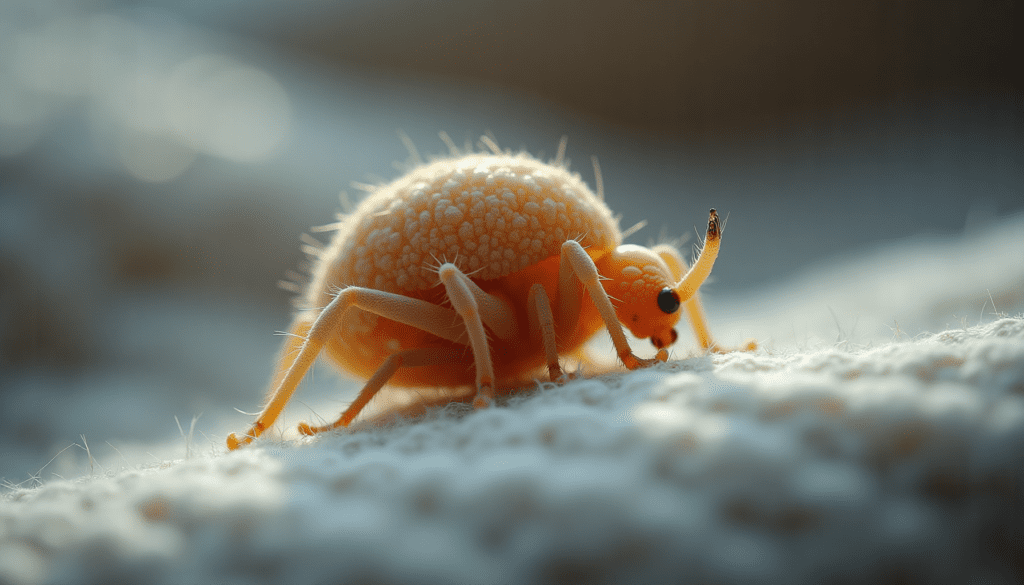
The most important thing to know about a chigger bite is what is not happening: the chigger is not burrowed in your skin, and it is not still feeding. It attaches for a few hours, feeds through a tiny tube, then drops off, usually long before you notice the first itch. So the days of intense itching that follow are your body reacting to the leftover feeding tube, not a live bug you need to dig out or smother. That is why the old nail-polish trick does nothing. To treat the bites, wash the area with soap and water, use an anti-itch product to calm the reaction, resist the urge to scratch so the skin stays intact, and see a clinician only if a bite looks infected.
\
\
\
The chigger is already gone by the time you itch, so there is nothing to suffocate; wash with soap and water, calm the itch, skip the nail polish, and watch for signs of infection.
\
- \
- Normal: Intensely itchy red bumps, often around the ankles, waist, or where clothing is snug, that fade over one to two weeks.
- See a doctor: Spreading redness, warmth, pus, red streaks, or a fever, which can signal a skin infection from scratching.
- Get emergency help: Trouble breathing, throat or tongue swelling, dizziness, or hives spreading fast, which can mean a severe allergic reaction.
\
\
\
\
\
\
\
\
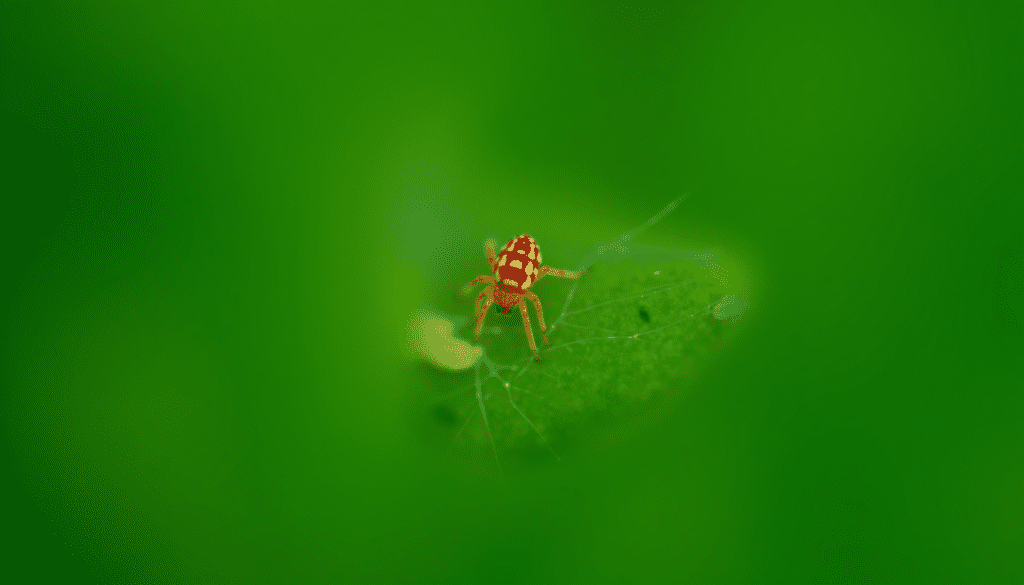
If that is the question you actually arrived with, start with How to Get Rid of Spider Mites on Indoor Plants.
The bug is already gone
\
\
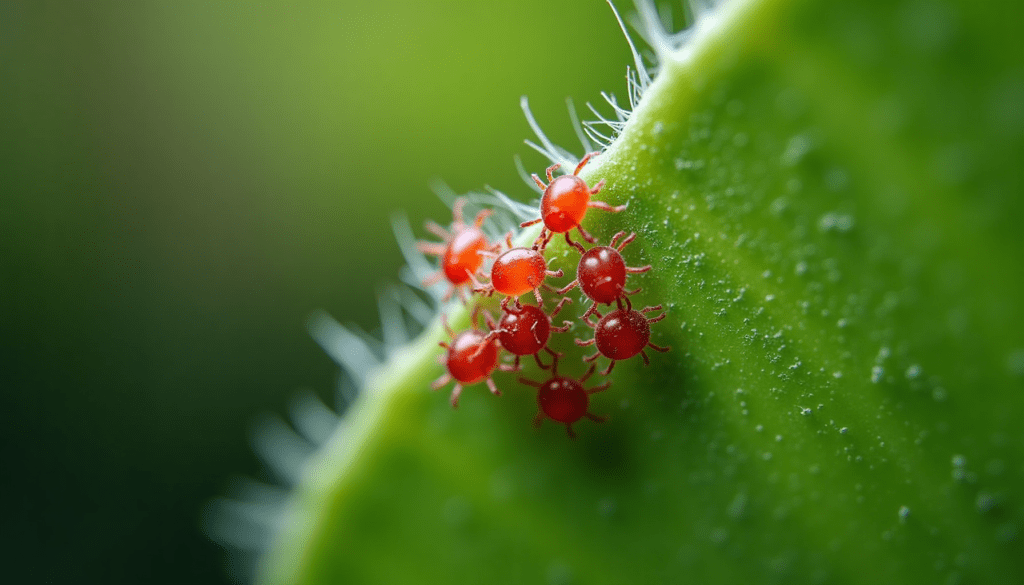
Here is the part that changes how you treat these bites: by the time they itch, the chigger has dropped off. Chiggers are the larval stage of harvest mites, and they do not live under your skin. They climb on from grass or leaf litter, latch onto thin or snug-fitting skin, and feed for a few hours. University of Florida entomologists confirm that chiggers do not burrow into the skin and drop off after feeding, which is the opposite of what most people picture.
\
\
So what is causing all that itching for days? Not a bug. When a chigger feeds, it injects saliva that hardens part of your skin into a tiny straw-like feeding tube. The itch is an allergic reaction to that leftover tube, and it keeps going even after the mite is long gone. Iowa State Extension explains plainly that the days-long itch is your body reacting to the feeding tube, not a bug still in your skin. If you want a closer look at the biology, our guide on whether chiggers burrow covers it in detail.
\
\
Skip the nail polish
\
\
The most stubborn chigger myth is that you can paint a bite with clear nail polish to suffocate the mite trapped inside. Since the chigger left hours earlier, there is nothing under the polish to smother. All it does is seal an irritant over an already irritated patch of skin and give you something sticky to pick at.
\
\
This is not a small detail, because the myth keeps people from doing the one simple thing that actually helps early. The Missouri Department of Conservation lists this among common chigger misconceptions, noting that the idea that chiggers burrow and stay under the skin is a myth. The useful early move is the opposite of sealing the skin: wash it.
\
\
Wash it first
\
\
If you have been in tall grass or brushy areas and think you picked up chiggers, the first treatment step is a shower with soap and water as soon as you can. A brisk lather can knock off any mites that are still attached and have not finished feeding, which is the only window where physically removing them does anything. Wash within a few hours of exposure rather than waiting for the itch to tell you.
\
\
Scrub the spots where chiggers tend to gather, which is usually where clothing fits tightly: ankles, the backs of the knees, the waistband, and the underarms. Launder the clothes you wore on the same trip, since mites can linger on fabric. After this point, washing is about hygiene rather than removal, because anything still itching is the reaction, not the bug.
\
\

\
\
Calm the itch at home
\
\
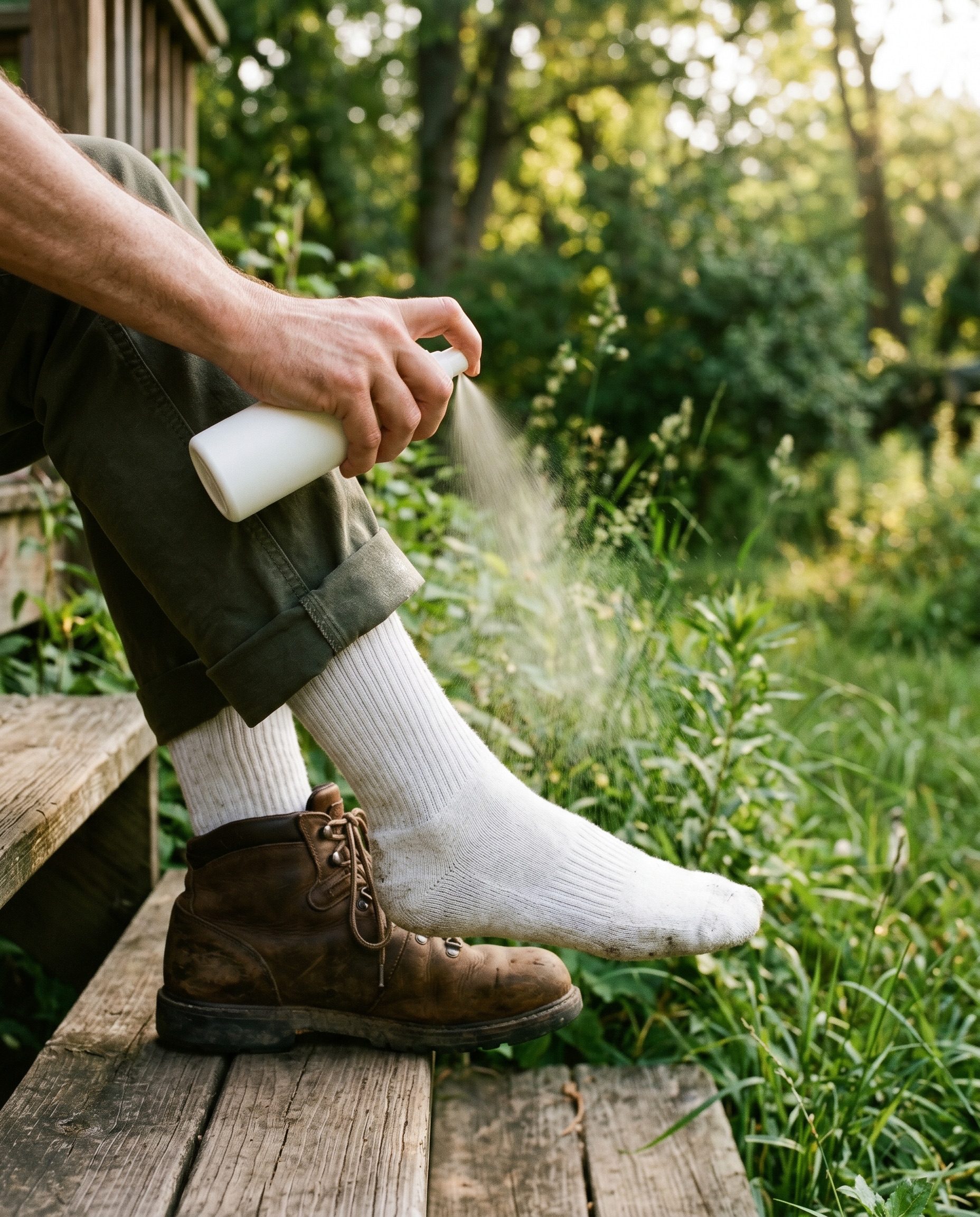
Once the bumps are itching, the job is comfort, not killing anything. The single most important rule is to resist scratching, because broken skin is how an ordinary itchy bite turns into an infection. Keeping fingernails short and covering a bite you keep going after both help.
\
\
For the itch itself, cool compresses ease the worst of it, and an over-the-counter antihistamine or hydrocortisone cream can help some people. Follow the product label, and ask your pharmacist if you are unsure or if the bites are on a child. There is no special product to chase and nothing to cure here. The welts simply need time, and your job is to keep the skin intact while the reaction settles over one to two weeks.
\
\
When to see a doctor
\
\
A normal chigger reaction stays itchy but local, and it fades on its own. The change that should move you from home care to a clinician is a bite that gets worse instead of better after a day or two. The usual cause is not the mite, it is scratching that breaks the skin and lets bacteria in.
\
\
Watch for these concrete signs and treat them as a reason to be seen, not a reason to panic:
\
\
| Sign | What it can mean | What to do |
|---|---|---|
| Redness spreading well past the bite | Possible skin infection (cellulitis) | Contact a healthcare provider |
| Warmth, increasing pain, or pus | Possible infected bite | Contact a healthcare provider |
| Red streaks running from the site | Infection spreading | Seek medical care promptly |
| Fever or feeling generally unwell | Body-wide response to infection | Seek medical care promptly |
\
\
If you see any of these, stop home care and contact a healthcare provider, because they can point to an infection rather than a normal reaction. A provider can confirm what is happening and decide whether you need treatment.
\
\
Emergency signs
\
\
A severe allergic reaction to bites is uncommon, but it is the one situation that needs immediate care, so it gets its own section. Get emergency medical help right away for signs of anaphylaxis: trouble breathing, swelling of the throat, tongue, or lips, tightness in the chest or throat, dizziness or fainting, a fast heartbeat, or hives spreading quickly over the body. These signs mean get emergency help, not wait and see. If the affected person has a known severe insect allergy and an epinephrine auto-injector such as an EpiPen has been prescribed, use it as directed and still get emergency care, because symptoms can return.
\
\
To keep this in proportion, the overwhelming majority of chigger bites never come close to this. The point is to know the signs so you can act fast in the rare case they appear.
\
\
\
\
Stop the next round of bites
\
\
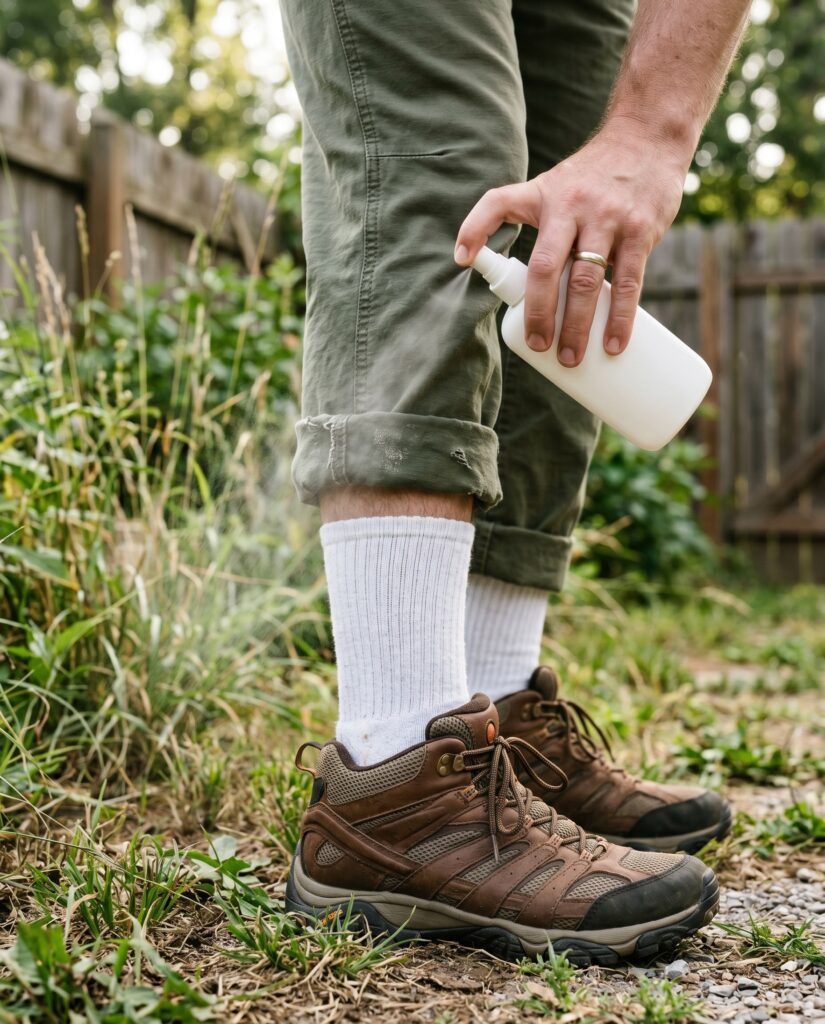
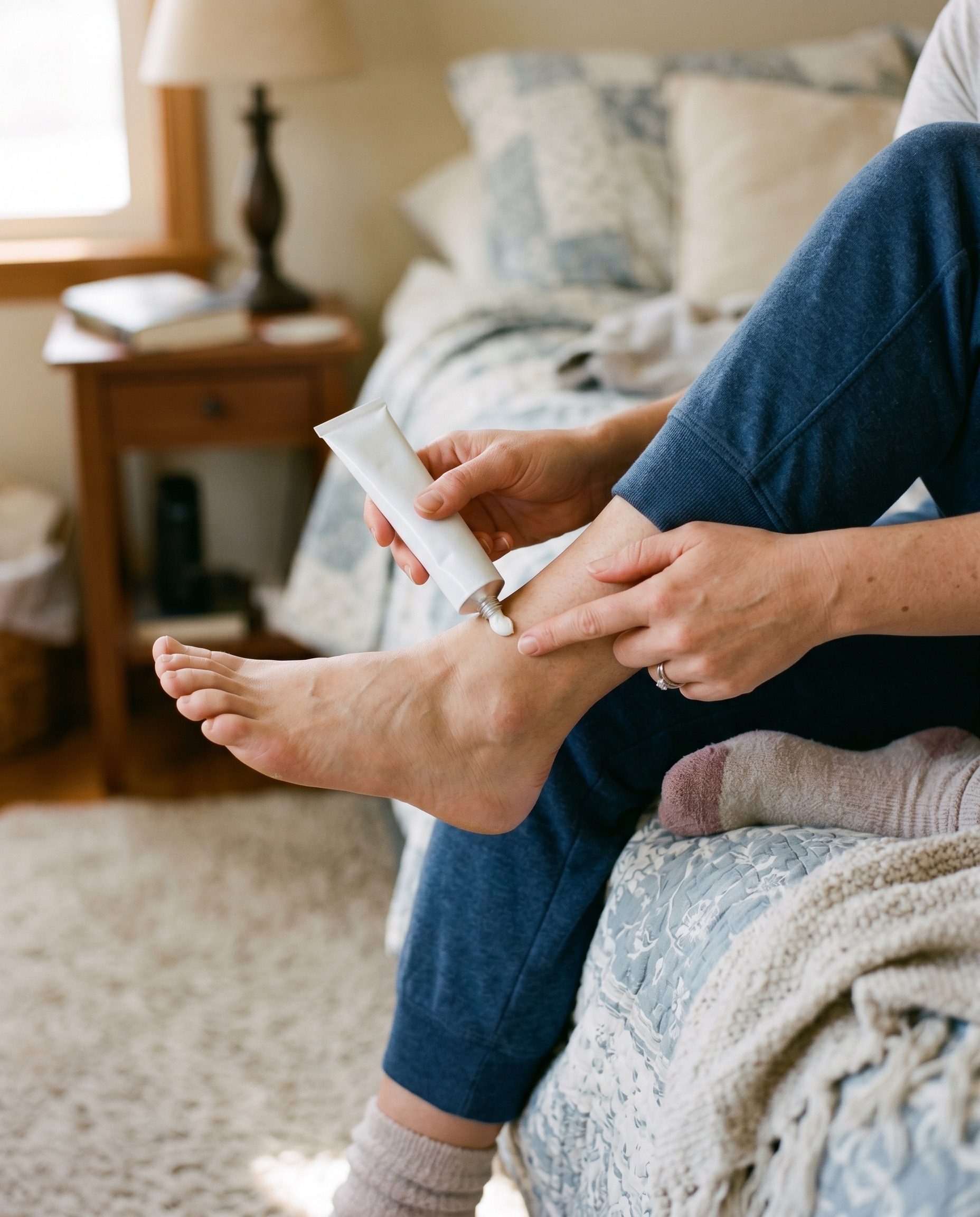
The best treatment is not getting bitten in the first place, and chiggers give you clear ways to do that. Because they climb up from the ground, prevention works in three layers. First, the skin: choose an EPA-registered repellent such as picaridin, DEET, or oil of lemon eucalyptus and apply it per the label, paying attention to the ankles and lower legs. Our roundup of the best chigger repellents walks through the options.
\
\
Second, the clothing. Chiggers crawl up from grass, so the most useful barrier is treated fabric: treat clothing with permethrin and cover up to keep bites off your skin, focusing on socks, cuffs, and the waistband. Permethrin goes on clothing only, never on skin, and it needs to dry fully before you wear the items; note that it is toxic to cats while still wet, so let treated gear dry away from pets.
\
\
Third, the yard. Chiggers thrive in tall grass, weeds, and leaf litter, so mowing regularly and clearing overgrown edges removes the damp, shady cover they need. Knowing where chiggers live and breed makes it easier to spot the trouble zones before you walk through them.
\
\
Common questions
\
\
How long do chigger bites last?\
Most fade over one to two weeks as the reaction settles. If a bite is getting redder, warmer, or more painful after a day or two instead of better, treat that as a possible infection and contact a healthcare provider.
\
\
Is the chigger still in my skin?\
No. Chiggers feed for a few hours and then drop off, usually before you notice any itch, so there is no live mite to dig out. The lingering itch is a reaction to the feeding tube it left behind, not a buried bug.
\
\
Does clear nail polish help chigger bites?\
No. The myth assumes a chigger is trapped under your skin to suffocate, but it is already gone. Painting the bite only covers irritated skin. Washing with soap and water and using an anti-itch product is the better approach.
\
\
What is the fastest way to treat chigger bites?\
There is no instant fix, since the itch is an allergic reaction that runs its course. Wash the area, use cool compresses, and try an over-the-counter anti-itch product per its label while you avoid scratching.
\
\
When should I see a doctor for chigger bites?\
Most bites need only itch relief at home. See a doctor if a bite shows spreading redness, warmth, pus, red streaks, or a fever, and get emergency help for any sign of a severe allergic reaction.
\
\
Final verdict
\
\
Treating chigger bites is mostly about letting go of the wrong mental picture. There is no mite tunneling through your skin and no tiny bug to suffocate with nail polish, because the chigger dropped off hours before the itch began. The days of itching are an allergic reaction to the feeding tube it left, and that reaction needs time and comfort, not extraction. Wash early with soap and water, calm the itch with cool compresses and a label-directed anti-itch product, keep your hands off so the skin stays intact, and watch for the signs of infection that mean it is time to be seen. Then put your real effort into prevention, where a repellent, permethrin-treated clothing, and a tidy yard stop the next round of bites before they start.
\
\
This guide is information, not medical advice. Use it to know when home care is fine and when it is not, and defer to your clinician for anything that worries you.
\
\
This article is for information only and is not medical advice.