
Those tight clusters of red, maddening welts around your ankles, waistband, and sock line did not come from a bug that crawled under your skin. The most stubborn chigger myth is that they burrow in and lay eggs, and they simply do not. A chigger is a tiny larval mite that latches onto the skin, injects enzymes that liquefy a few skin cells, feeds through a hardened tube for a few hours, then drops off. The days-long itch is your immune system reacting to that tube, not a live mite hiding inside you. That one fact changes everything about how you treat the bites and how you stop the next batch.
Chiggers do not burrow into your skin or lay eggs in you. A larval mite attaches, feeds through a tube for a few hours, then drops off, and the long itch is an allergic reaction to that tube, not a buried bug.
- What is normal: Itchy red welts clustered at the ankles, waist, and sock line that fade over one to two weeks.
- The red flag: Spreading redness, pus, warmth, or fever can mean an infected scratch, so see a clinician.
- Best prevention: An EPA-registered skin repellent plus permethrin-treated socks and pant cuffs, since chiggers climb up from the ground.

What chiggers actually are
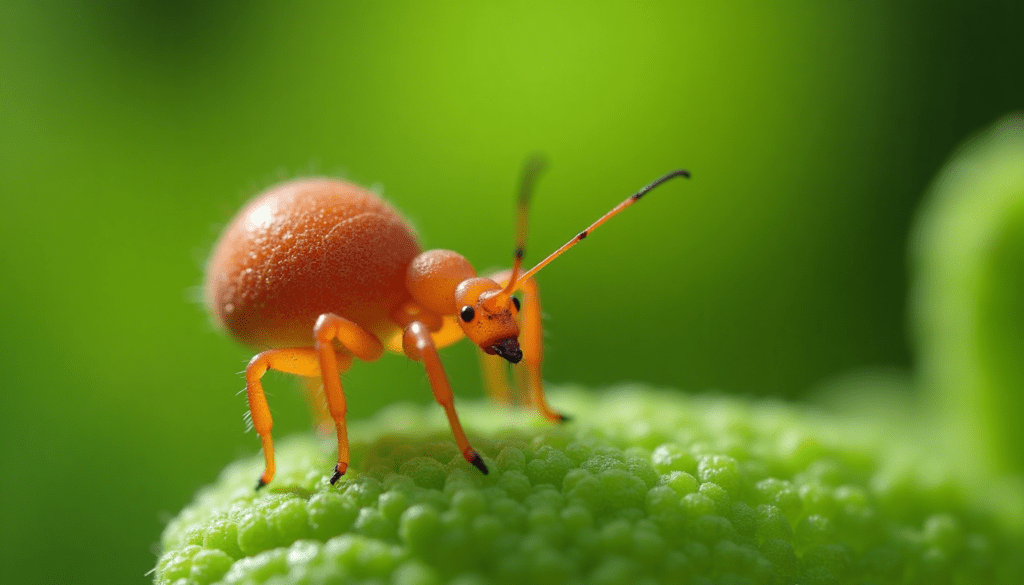
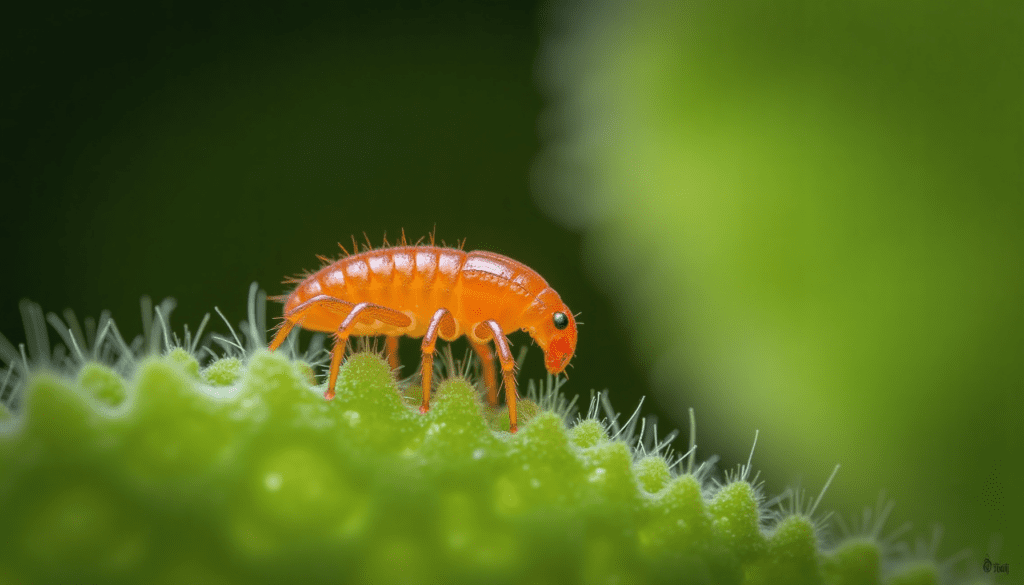
A chigger is not an insect and not a worm. It is the six-legged larval stage of a harvest mite (genus Trombicula), and it is the only stage in the mite’s life that bothers people at all. The larva is roughly 1/150 of an inch across, often a faint orange or red, and far too small to feel landing on you. Adults of the same species live in the soil and eat insect eggs; they have no interest in humans.
Because the larva is so small and the bites show up hours later, people reach for the most dramatic explanation, which is that something is living under the skin. It isn’t. The mite needs your skin only briefly, and what it leaves behind is chemistry, not a resident.
Why they do not burrow into skin
Here is the mechanism that the burrowing story gets wrong. A chigger climbs aboard, usually where clothing presses snugly against skin, and pierces the surface at a hair follicle or pore. It then injects saliva packed with digestive enzymes that dissolve skin cells into a liquid it can drink. Your skin reacts by hardening the tissue around that injection point into a straw-like channel, and the mite feeds through that channel. Entomologists call the channel a stylostome, and the University of Florida’s account of how chiggers feed through a hardened tube called a stylostome describes it as the structure the mite drinks through, not a tunnel it digs.
The mite sits on the surface the whole time, feeding for a few hours up to a couple of days if undisturbed, then drops off to continue its life cycle in the soil. Most of the time you have already scratched or showered it off long before that. Missouri’s conservation department is blunt that the idea that chiggers burrow under the skin is a myth; nothing stays embedded. If you want the full life cycle and where these mites live, our explainer on what chiggers are and where they live walks through it.
Why the itch lasts for days
This is the part that fools everyone. The bite barely registers while it is happening, and the fierce itching often peaks a day or two later, which feels exactly like something is still in there working. It isn’t. The itch is your allergic response to the leftover feeding tube, a bit of foreign protein your immune system keeps reacting to after the mite is long gone. Iowa State Extension makes the same point, that the itch is a reaction to that feeding tube, not a buried bug.
That distinction matters because it kills the old folk remedies. Painting a bite with nail polish, dabbing on bleach, or holding a hot match to it are all attempts to suffocate a mite that is no longer present, so they do nothing but irritate already-inflamed skin. The honest first move is simpler: wash with soap and water soon after you have been in a likely spot, which knocks off any mites still wandering before they ever settle in. After that, treatment is about calming the reaction, not evicting a bug.
Where you get them and how to read the pattern
The bite pattern is itself a clue. Chiggers wait on grass tips, weeds, and low brush, then climb upward until tight clothing stops them, which is why bites cluster at the sock line, the ankles, behind the knees, the waistband, and anywhere elastic presses in. A scattered handful around those bands is a classic chigger signature, very different from the random single bites of a mosquito.
You pick them up in tall grass, weedy field edges, brushy wood lines, and overgrown lawns, mostly in warm, humid months. Knowing the terrain is your best defense, because a mowed, cleared yard offers chiggers far less cover. Where the lawn meets unmanaged brush is the high-risk zone, so mowing regularly and clearing weeds and leaf litter genuinely lowers your odds.

How to actually prevent the bites
Prevention does more here than any after-the-fact cream, and it comes in two layers that work together. On skin, the EPA’s guidance is to choose an EPA-registered repellent such as picaridin, DEET, or oil of lemon eucalyptus and apply it per the label, paying attention to the lower legs and ankles where chiggers board. Repellent on exposed skin is the first layer.
The second layer is your clothing, and it is the one most people skip. Because chiggers climb up from the ground, permethrin-treated socks, cuffs, and waistband fabric stop them before they reach skin. The key safety rule is that permethrin is a clothing-and-gear treatment only: the CDC’s prevention guidance is to treat clothing with permethrin and apply repellent to skin, never the reverse. Spray garments outdoors, let them dry fully before wearing, and keep treated items away from cats while still wet, since wet permethrin is toxic to them. If you want product-level detail, our roundup of the best chigger repellents sorts the skin and clothing options.
| Layer | What to use | The rule that matters |
|—|—|—|
| Skin | EPA-registered repellent (picaridin, DEET, OLE) | Follow the label; cover the lower legs |
| Clothing | Permethrin on socks, cuffs, waistband | Clothing only, dry before wearing, keep wet product from cats |
| Yard | Mow, clear weeds and leaf litter | Cuts the cover where chiggers wait |
Treating the bites without making them worse
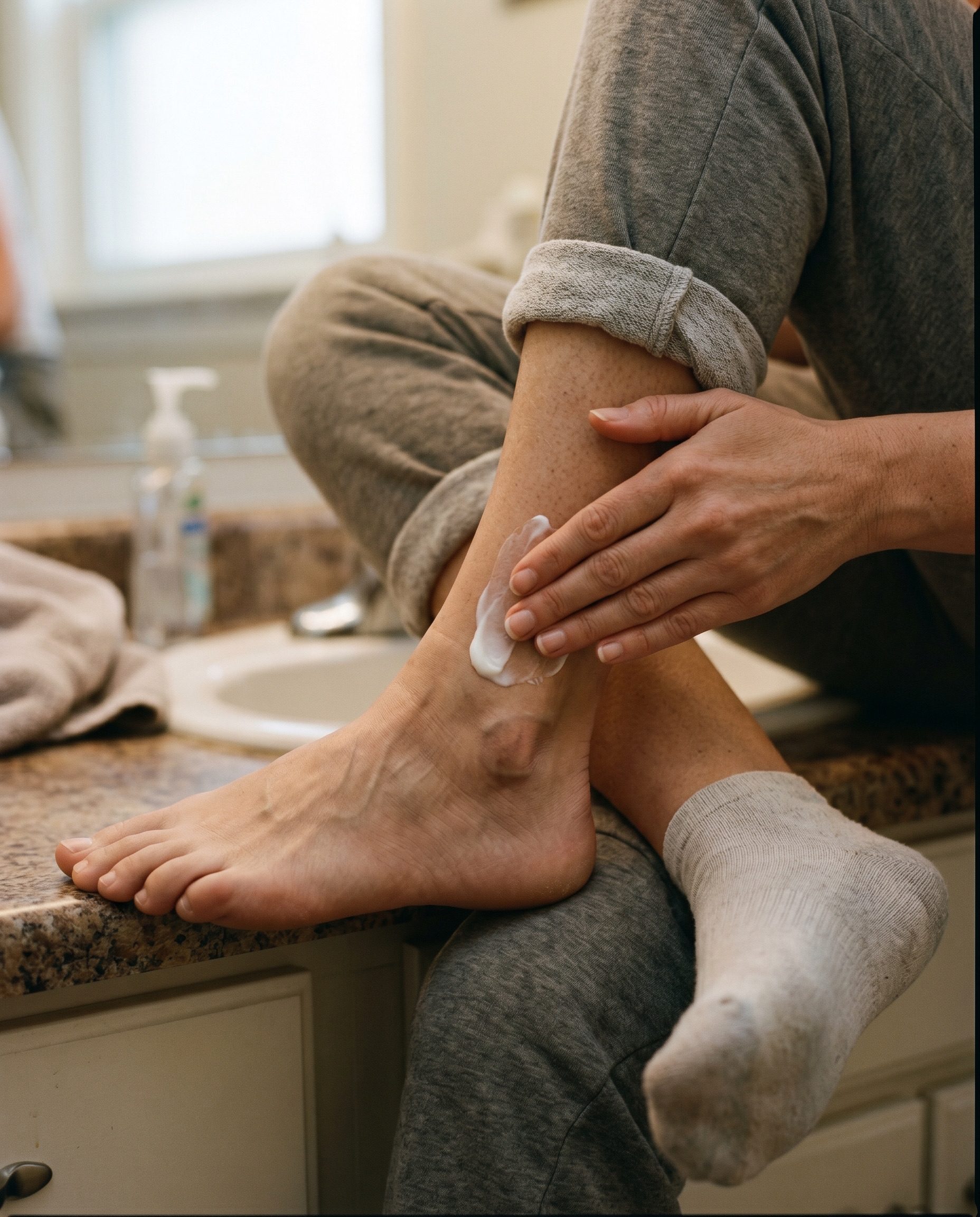
Most chigger bites are normal and fade on their own over one to two weeks; the goal is to ride out the itch without tearing the skin open. General symptomatic relief is the whole job here. Wash the area with soap and water, then use a cool compress, an over-the-counter anti-itch cream like hydrocortisone or calamine, and an oral antihistamine if the itching keeps you up, always following the product label rather than any dose you read online. Our guide on how to treat chigger bites goes step by step.
The real risk is not the mite, it is scratching. Broken skin from scratching is what gets infected, so keep your nails short and your hands off the welts as much as you can. This is information, not medical advice, so use it to know when home care is fine and when it isn’t. See a clinician if a bite shows spreading redness, warmth, pus, or red streaks, or if you run a fever, since those can signal a skin infection rather than a normal reaction. For any severe allergic reaction with trouble breathing or widespread swelling, treat it as an emergency, use prescribed epinephrine if you have it, and get emergency medical help right away.
Common questions
Do chiggers lay eggs in your skin?
No. Female harvest mites lay their eggs in soil, not in people. The larva that bites you is feeding, not nesting, and it never deposits anything inside you. The welt is an allergic reaction to its leftover feeding tube, which your body clears on its own.
How long do chiggers stay attached?
Usually only a few hours, and at most a day or two if completely undisturbed. In practice, scratching, bathing, or rubbing against clothing dislodges them well before that. By the time the itch peaks, the mite is almost always already gone.
Will nail polish or bleach kill a chigger under the skin?
There is nothing under the skin to kill, so these tricks do not help and can irritate the bite. The mite feeds on the surface and drops off. Washing with soap and water soon after exposure is the only worthwhile on-the-spot step.
Why do my chigger bites itch so much more the next day?
Because the itch is an allergic response that builds over a day or two, not a sign the mite is still active. Your immune system is reacting to the feeding tube it left behind. The delay is normal and fades as the reaction settles.
When should I see a doctor for chigger bites?
See a clinician if a bite develops spreading redness, warmth, pus, red streaks, or you get a fever, which point to an infected scratch rather than a normal reaction. Seek emergency care for any signs of a severe allergic reaction such as trouble breathing or widespread swelling.
Final verdict
Chiggers do not burrow into your skin and they do not lay eggs in you. They are tiny larval mites that attach, feed through a hardened tube for a few hours, then drop off, and the long, fierce itch is an allergic reaction to that tube rather than a bug living underneath. That is why digging at the bites and trying to smother a mite with nail polish accomplish nothing. Wash with soap and water soon after exposure, calm the itch with simple over-the-counter relief, and watch for the signs of an infected scratch. Best of all, prevent the next round with an EPA-registered repellent on your skin, permethrin on your socks and cuffs, and a mowed, cleared yard that gives these mites nowhere to wait.
This article is for information only and is not medical advice.

Pingback: How to Treat Chigger Bites
Pingback: Tiny Bugs on Skin You Cannot See: Real Causes