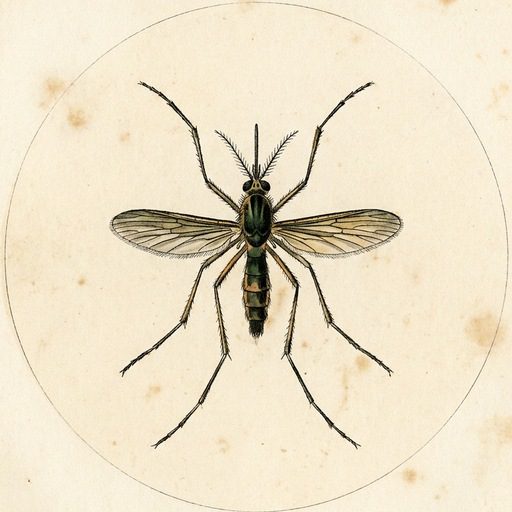
You never see the bug that got you, but you feel it for days. No-see-ums are tiny biting midges, and even though the insect is nearly invisible, the bite often swells into a firm, intensely itchy welt that can outlast a mosquito bite, because many people mount a strong allergic reaction to the saliva. There is no special antidote, so treating a no-see-um bite is really about calming that reaction: clean the bite, cool it down, use an anti-itch cream, take an oral antihistamine if the itching is widespread, and leave it alone. The single most useful thing you can do is not scratch, because scratching is what turns an itchy welt into an open sore. This guide covers the home care that helps, the red flags that mean see a clinician, and how to avoid the next round of bites.
There is no antidote for a no-see-um bite, so treatment means calming the allergic reaction: clean it, cool it, use an anti-itch cream, take an oral antihistamine if itching is widespread, and do not scratch.
- Normal: A small, firm, very itchy red welt that can last several days to a couple of weeks and fades on its own.
- See a clinician: Spreading redness, warmth, pus, red streaks, or a fever, which can signal a skin infection from scratching.
- Get emergency help: Trouble breathing, throat or tongue swelling, dizziness, or hives spreading fast, which can mean a severe allergic reaction.
Why the itch lasts so long
A no-see-um bite feels out of proportion to the bug, and that is the whole story of treating it. The midge is barely a speck, but when it feeds it leaves a bit of saliva behind, and the welt and the itch are your immune system reacting to that saliva, not the bite wound itself. People who react strongly get larger, firmer bumps that can linger for a week or two, well past how long a mosquito bite usually sticks around.
That matters for how you treat it. Because the problem is an allergic reaction rather than venom or an infection you can flush out, there is nothing to neutralize and no cream that “cures” the bite. Everything that helps works by easing the reaction and protecting the skin while your body clears it. The flip side is reassuring: a routine no-see-um bite is a nuisance, not a danger, and most fade without any treatment at all.
First aid for a fresh bite
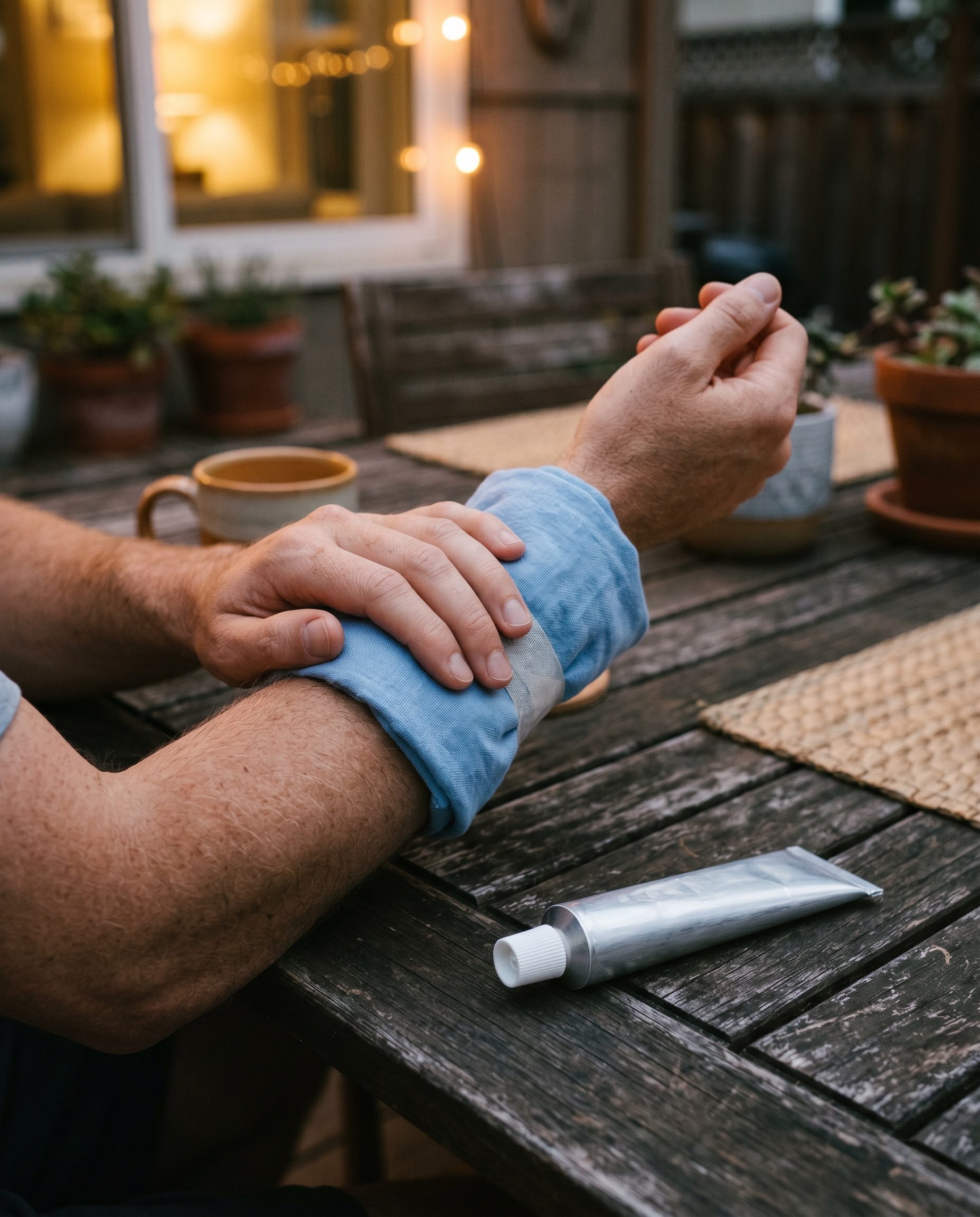
For an ordinary itchy bite, the steps are simple, and the goal is to take the edge off while the skin stays intact. Start by washing the area with soap and water to keep it clean. Then put a cool compress on it for several minutes to bring down swelling and dull the itch. A cold compress is the most underrated step because it calms the reaction without anything you have to buy.
For the itch itself, an over-the-counter anti-itch cream such as hydrocortisone, or a calamine-type lotion, can help some people; follow the product label, and ask your pharmacist if you are unsure or if the bites are on a child. If the itching is widespread or keeping you up, an oral antihistamine can help calm the whole-body reaction. Again, follow the label rather than chasing a dose, and check with your pharmacist for kids. There is no prize for toughing out the itch, but there is also nothing exotic to reach for.
The one rule that does the most work is the hardest one: do not scratch. Keeping your nails short and covering a bite you keep going after both help. Scratching feels good for a second and then breaks the skin, which is exactly how a simple welt becomes an infected sore.
When to see a clinician
A normal bite stays small and gets better day by day. The change that should move you from home care to a clinician is a bite that worsens instead of fading over a day or two. The usual cause is not the midge, it is scratching, which can let bacteria into broken skin and turn an itchy welt into a skin infection.
Watch for these concrete signs and treat them as a reason to be seen, not a reason to panic:
| Sign | What it can mean | What to do |
|---|---|---|
| Redness spreading well past the bite | Possible skin infection (cellulitis) | Contact a clinician |
| Warmth, increasing pain, or pus | Possible infected bite | Contact a clinician |
| Red streaks running from the site | Infection spreading | Seek medical care promptly |
| Fever or feeling generally unwell | Body-wide response to infection | Seek medical care promptly |
If you see any of these, stop home care and contact a clinician, because they can point to an infection rather than a normal reaction. A healthcare provider can confirm what is happening and decide whether you need treatment such as an antibiotic. The bites themselves are not a disease risk in the US, so the thing to watch for is what scratching does to the skin, not the bite.
Emergency signs
A severe allergic reaction to insect bites is uncommon, but it is the one situation that needs immediate care, so it gets its own section. Get emergency medical help right away for signs of anaphylaxis: trouble breathing, swelling of the throat, tongue, or lips, tightness in the chest or throat, dizziness or fainting, a fast heartbeat, or hives spreading quickly over the body. These signs mean get emergency care, not wait and see. If the affected person has a known severe insect allergy and an epinephrine auto-injector such as an EpiPen has been prescribed, use it as directed and still seek emergency care, because symptoms can return.
To keep this in proportion, the overwhelming majority of no-see-um bites never come close to this. The point is simply to know the signs so you can act fast in the rare case they appear.
Stop the next round of bites
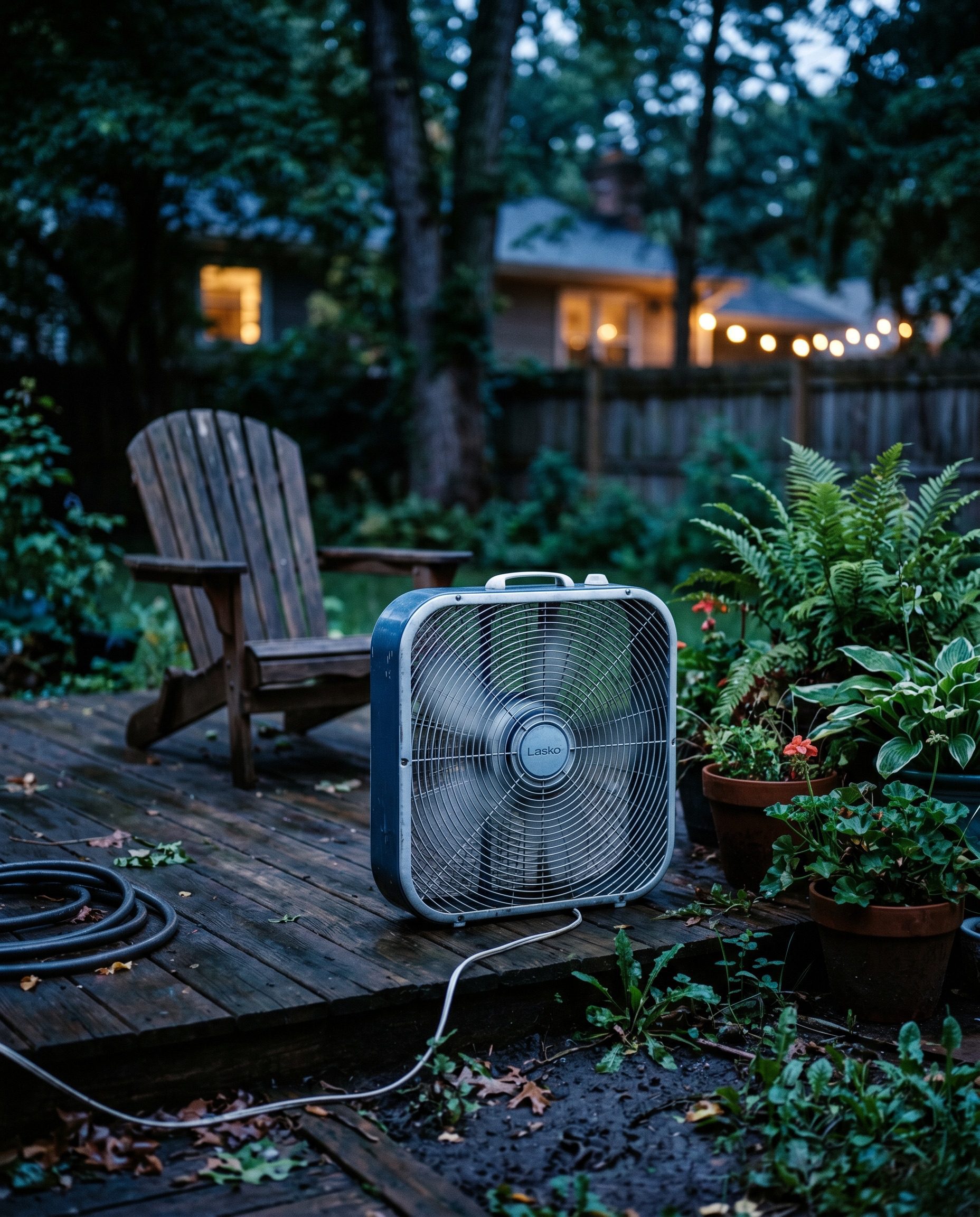
The best treatment is fewer bites, and no-see-ums have predictable habits you can use against them. They bite most at dawn and dusk, near damp ground and standing water, and they are weak fliers. A simple box fan on a porch or patio is enough to keep them off you, because they cannot push through the moving air. Time outdoor plans away from the dusk peak when you can.
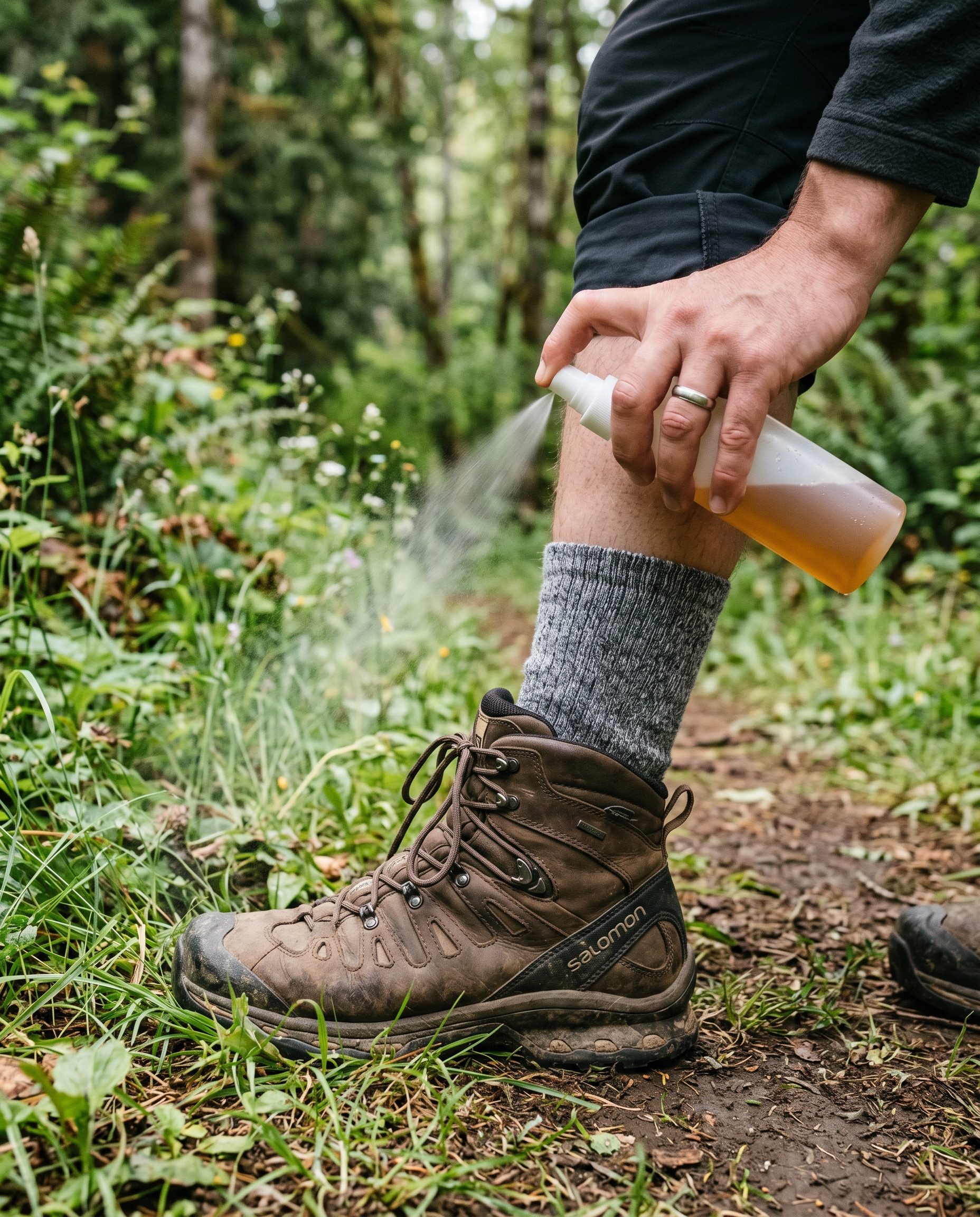
For skin, the CDC advises that you cover up at dusk and use an EPA-registered repellent the way the CDC advises for biting insects. Reach for an EPA-registered repellent with DEET, picaridin, or oil of lemon eucalyptus and apply it per the label. For clothing, the CDC suggests treating clothing with permethrin rather than putting it on your skin; let treated clothing dry fully before wearing, and keep it away from cats while it is still wet, since it is toxic to them until dry. Our roundup of the best no-see-um repellents walks through the options.
Around the house, two fixes matter. Standard window screens are too coarse to stop midges, so a finer mesh keeps them out of porches and windows. And because they breed in moist muck, reducing the damp, mucky habitat where midges breed near your home, such as soggy low spots and standing water, lowers the local population over time. For the full plan, see our guide to getting rid of no-see-ums.
Common questions
How long do no-see-um bites last?
A normal bite can itch for several days and the welt may linger a week or two because of the allergic reaction, longer than a typical mosquito bite. If a bite is getting redder, warmer, or more painful after a day or two instead of better, treat that as a possible infection and contact a clinician.
What is the fastest way to stop the itch?
A cool compress plus an over-the-counter anti-itch cream is the quickest at-home relief, and an oral antihistamine can help if the itching is widespread. Follow the product label, and ask your pharmacist if you are unsure or treating a child. The itch fades faster if you do not scratch.
Are no-see-um bites worse than mosquito bites?
They are often itchier and longer-lasting for the size of the bug, because many people react strongly to the saliva. They are not more dangerous, though, and how you tell them apart is covered in our guide to no-see-um, mosquito, and gnat bites.
Do no-see-um bites spread disease in the US?
No-see-um bites are not a notable disease risk in the United States, so the main medical concerns are a skin infection from scratching and, rarely, a severe allergic reaction. Those are the signs to watch rather than the bite itself.
Should I pop or drain a no-see-um bite blister?
No. Leave any blister intact, since opening it breaks the skin barrier and invites infection. Keep it clean, cool the itch, and let it heal; see a clinician if it becomes warm, painful, or starts to drain.
Final verdict
There is no antidote for a no-see-um bite, and you do not need one. The welt and the itch are an allergic reaction to a near-invisible midge, so treatment is about calming that reaction and protecting the skin: clean the bite, cool it with a compress, use an anti-itch cream, take an oral antihistamine if the itching is widespread, and resist the urge to scratch. Keep your attention on the two things that genuinely matter, which are not scratching a welt into a skin infection and knowing the rare emergency signs of a severe allergic reaction. Then cut down the next round with a fan, a repellent, treated clothing, and a finer screen.
This guide is information, not medical advice. Use it to know when home care is fine and when it is not, and defer to your clinician for anything that worries you.
This article is for information only and is not medical advice.