If you are getting eaten alive by bugs you can barely see, you are dealing with no-see-ums, and the fix is mostly about water and barriers, not a spray you blast around the yard. No-see-ums breed in damp, mucky places like moist soil, wet leaf litter, and the margins of ponds, marshes, and clogged gutters, so getting rid of them outdoors starts with drying up the breeding sites you actually control. They slip right through ordinary window screens, so you need a finer mesh to keep them out, and because they are weak fliers, a fan on the porch is one of the most reliable defenses there is. Reduce standing moisture, upgrade the screens, run a fan, and use repellent at dawn and dusk.
You cannot fog away no-see-ums, so dry up the damp breeding sites you control, swap ordinary window screens for finer no-see-um mesh, run a fan on the porch, and put repellent on at dawn and dusk.
- Do first (free): Drain standing water, clear clogged gutters, rake wet leaf litter, and run a box fan wherever you sit outside.
- Best for the common case: Finer no-see-um mesh on windows and doors, plus an EPA-registered repellent at dawn and dusk.
- Skip: Yard foggers and bug zappers; they barely dent a population that breeds in wet muck just outside your reach.
What you are actually fighting
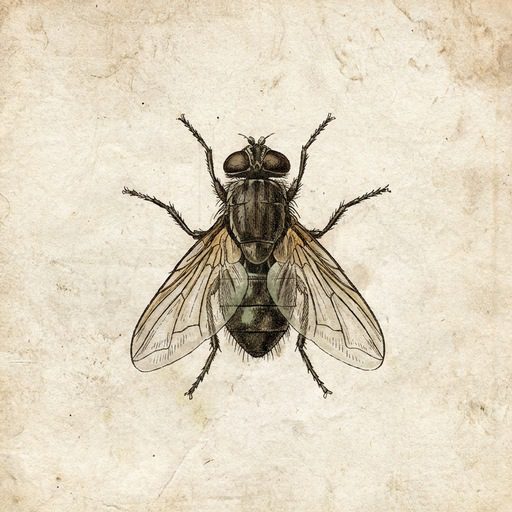
No-see-ums are tiny biting midges, often no bigger than the head of a pin, which is exactly why you feel the bite long before you spot the bug. They are not gnats and they are not baby mosquitoes; they are their own insect, and the females are the ones that bite because they need a blood meal to lay eggs. The bite stings out of proportion to the size, and if you want to be sure what is biting you before you commit to a plan, our breakdown of no-see-um versus mosquito versus gnat bites lines the marks up side by side.
What matters most for control is where they come from. No-see-ums breed in wet muck, not in your house, so the adults biting you on the deck hatched out of moist soil, soggy leaf litter, or the saturated edge of a pond, marsh, ditch, or even a chronically clogged gutter. They are also poor fliers and they bite hardest at dawn and dusk when the air is still. Every one of those traits is a weakness you can use, and drying up breeding habitat is the first move in integrated pest management for any insect that comes off damp ground.
Dry up the breeding sites you control
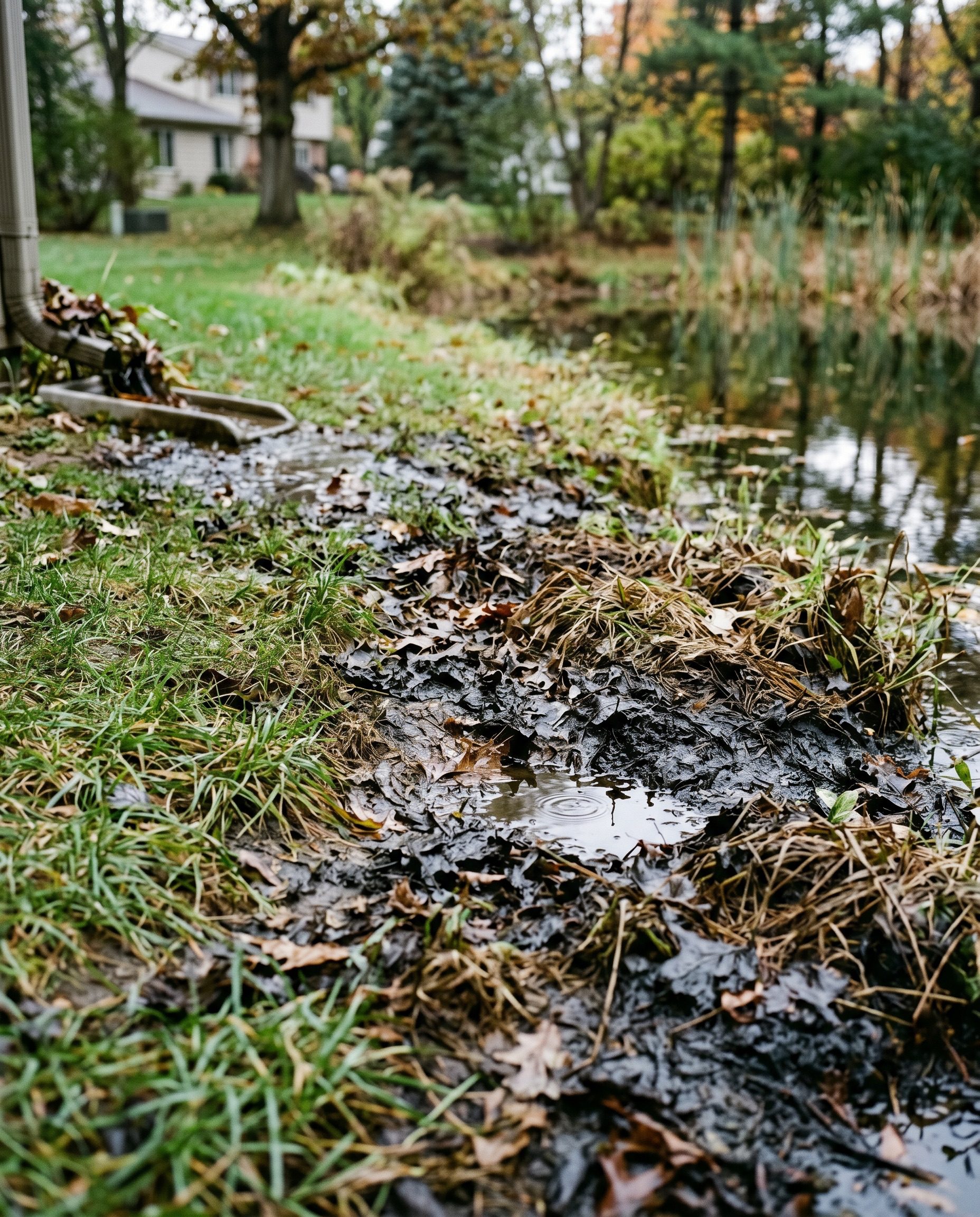
You will never drain the marsh down the road, but the wet spots in your own yard are fair game, and they are where most of your local midges are coming from. Standing water and saturated muck are the nursery, so walk the property after a rain and find every spot that stays soggy: the low corner that never drains, the clogged gutter overflowing onto the foundation, the saucer under a planter, the kiddie pool, the birdbath, the leaky spigot keeping a patch of ground wet.
Fix what holds water. Clear the gutters so they run instead of pooling, regrade or fill the low spot that puddles, dump and refresh anything that collects water, and fix the drip that keeps one patch of soil wet. Rake out and remove wet leaf litter and matted grass clippings along beds and fence lines, because that damp organic layer is prime breeding ground. None of this costs much, and it is the single highest-leverage thing you can do, because you are cutting the next generation off at the source instead of swatting the current one.
Screen them out and run a fan
Here is the detail that catches everyone: no-see-ums fit through standard window screen. Ordinary 18-by-16 mesh is woven for mosquitoes and houseflies, and these midges are small enough to walk right through it, which is why people swear their screened porch is broken when it is doing exactly what it was built to do. The fix is finer no-see-um mesh, typically around 20-by-20 or tighter, on the windows and doors where they get in. When you re-screen the porch or a sleeping window, that tighter weave is the upgrade that matters, and our guide to the best no-see-um repellents and barriers covers the mesh sizes worth buying.
Then there is the cheapest trick that actually works: a fan. No-see-ums are weak fliers, so even a moderate breeze grounds them. Point a box fan at wherever you sit on the porch or patio, and you will knock the bites down dramatically without spraying anything. The fan does double duty by scattering the carbon dioxide plume that draws them to you in the first place.
Where each move belongs
The right tool depends on where you are and what you are protecting. This is the quick map for the common situations around a home.
| Where | Best move | Watch out for |
|---|---|---|
| Your own yard | Drain water, clear gutters, rake wet leaf litter | You cannot fix a neighboring marsh or pond |
| Porch or patio | Finer no-see-um mesh plus a box fan on you | Standard screen lets them through |
| On your skin | EPA-registered repellent at dawn and dusk | Reapply per the label; cover bare ankles |
| Hikes and yard work | Permethrin-treated clothing, long sleeves | Permethrin goes on clothing only, never skin |

Cover up and put repellent on right
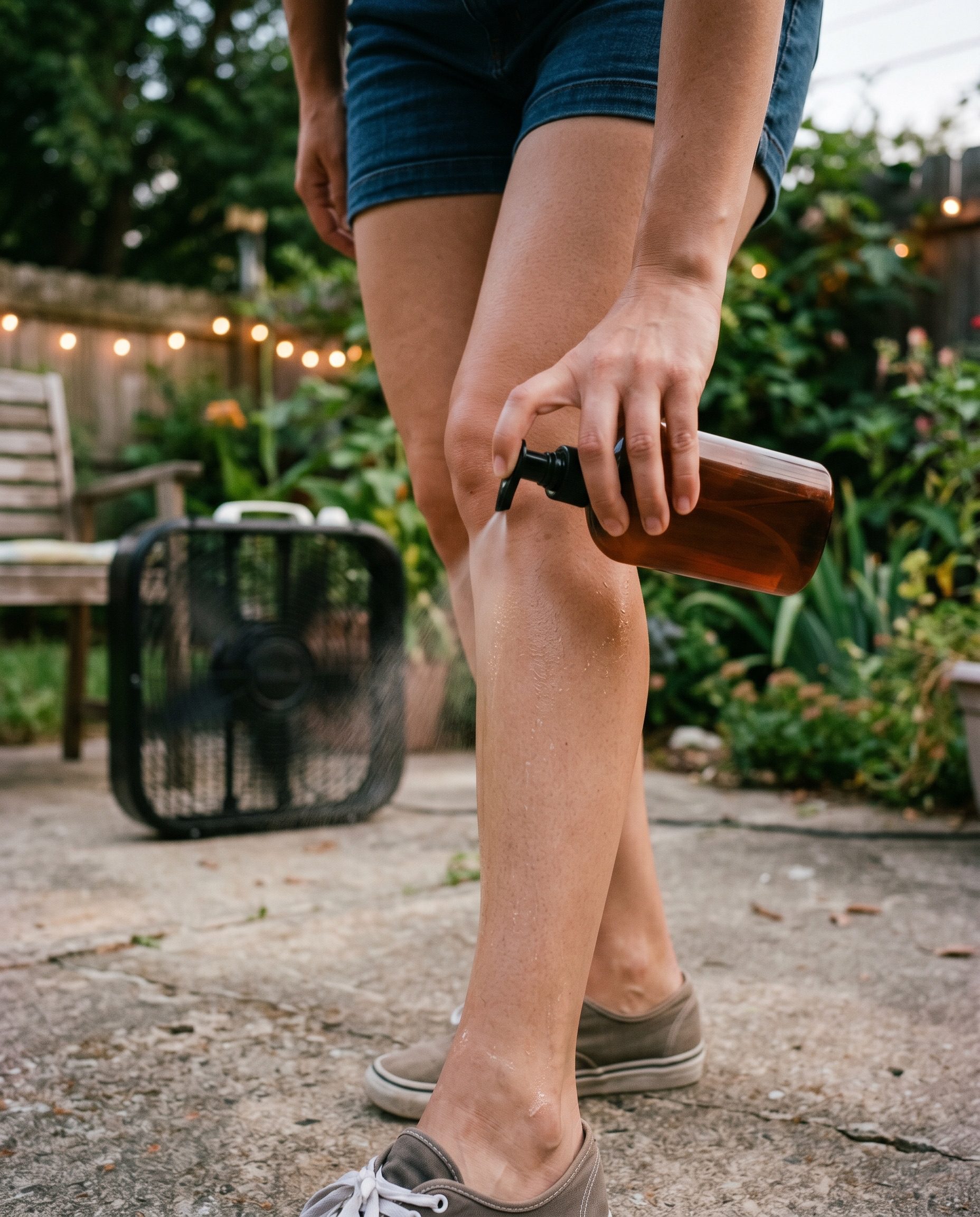
When you cannot dry up the source or screen the space, the answer is on your body, and it works. Reach for an EPA-registered repellent with picaridin, DEET, or oil of lemon eucalyptus and put it on the way the label tells you to, with extra attention to ankles, wrists, and the back of the neck where midges love to land. Dawn and dusk are the high-bite windows, so that is when to have it on, and you should cover up and use a repellent the way the CDC advises for biting flies when you know you will be out in it.
For longer exposure, treat your clothes, not your skin. Permethrin is a clothing treatment, and it holds up through several washes once it dries. The hard rule from the CDC is that permethrin treats clothing and gear, never skin; spray the garment, let it dry fully before you wear it, and keep cats away from it while it is still wet because it is toxic to them until dry. Long, light-colored sleeves and pants add a simple physical barrier on top. If a few bites still get through and start to itch, our notes on how to treat no-see-um bites cover calming the welt without the old myths.
Common questions
What kills no-see-ums instantly?
Direct contact with most insect sprays will drop the few midges right in front of you, but “instantly” only ever means the ones you hit, and they breed in damp ground just out of reach. The lasting fix is drying up breeding sites, finer screens, a fan, and repellent, not a quick knockdown spray.
Do bug zappers or yard foggers work on no-see-ums?
Not well. Zappers mostly kill harmless insects and barely touch biting midges, and a yard fog drifts off and breaks down fast while new midges keep hatching from wet muck nearby. Your money does more on no-see-um mesh and a fan.
Will citronella candles or torches stop them?
They help a little in still air and not much in a breeze, so treat them as a minor add-on. A box fan aimed at your seating area beats a candle, because no-see-ums are weak fliers that a steady breeze grounds.
How long until they are gone?
The biting adults live only a few weeks, so once you cut off the wet breeding sites you control, the local pressure eases over a few weeks. If a marsh or pond next door keeps feeding new ones, the barriers and repellent are your steady defense rather than a one-time clearout.
Are no-see-ums dangerous?
For most people they are an itchy nuisance rather than a health threat, though the bites can swell and itch for days. If a bite reaction looks unusually severe or spreads, see a clinician; that side of things sits with our bite guides, not this control plan.
Final verdict
Getting rid of no-see-ums is about water and barriers, not a magic spray. Start with the free wins: drain standing water, clear clogged gutters, rake out wet leaf litter, and dry up the soggy spots in your own yard where the next generation is hatching. Then put barriers between you and the midges drifting in from wet ground you cannot fix: swap ordinary window screen for finer no-see-um mesh, run a box fan wherever you sit, and put on an EPA-registered repellent at dawn and dusk, with permethrin on your clothing for longer stretches outside. Skip the foggers and zappers; they barely dent a population breeding in muck just past your property line. Be steady about the screens, the fan, and the repellent, because consistency is what actually keeps the bites off.
Next steps:
– Pin down what is biting you with our no-see-um versus mosquito versus gnat bites comparison.
– Pick the right mesh and repellent in the best no-see-um repellents and barriers guide.
– Calm the welts the right way with how to treat no-see-um bites.