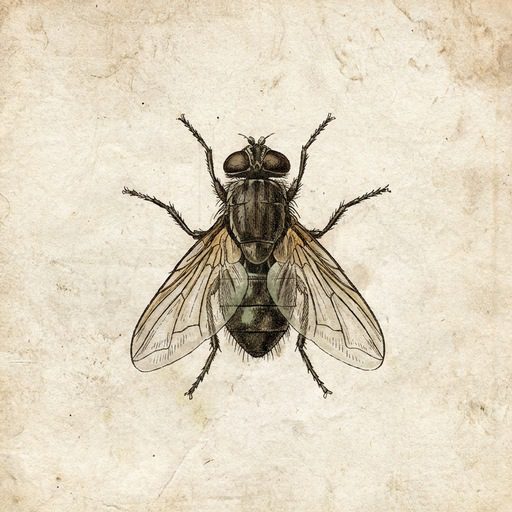
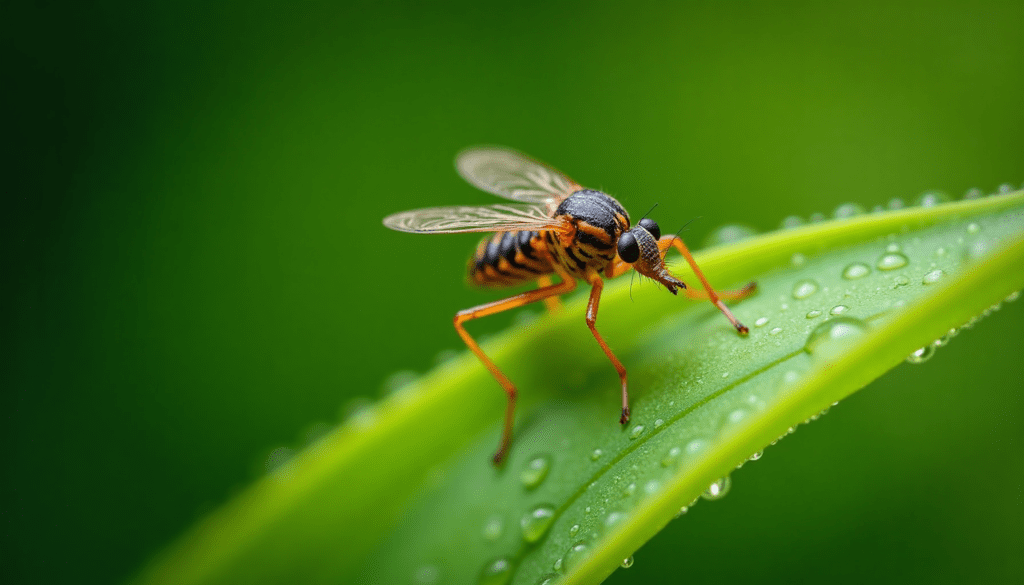
If no-see-ums are eating you alive at the lake or on the porch, the fix is an EPA-registered repellent on every patch of exposed skin, because these tiny biting midges find the smallest gap a lotion misses. The short answer: pick by active ingredient, either picaridin, DEET, or oil of lemon eucalyptus, cover skin completely, and reapply on the schedule the label gives you. They bite hardest at dawn and dusk near water, so timing your evening outside and running a fan matter as much as the spray, and a head net or fine clothing closes the gaps a spray cannot. For our own dock evenings we keep one picaridin pump and a cheap head net by the door, nothing more. Most lists rank a plug-in or a citronella candle near the top; that is the one to skip, and the comparison below shows why.
No-see-ums shrug off weak bug spray, so use an EPA-registered active (picaridin, DEET, or oil of lemon eucalyptus) on every patch of exposed skin, reapply on schedule, and let a fan and a head net close the gaps a spray misses.
- Do first (free): Move outdoor time off dawn and dusk near water, and run a fan, because these midges are weak fliers.
- Best for the common case: A picaridin or DEET spray covering all exposed skin, backed by a head net for the worst hatches.
- Skip: Citronella candles and ultrasonic plug-ins; they do not reliably keep midges off your skin.
What to do first
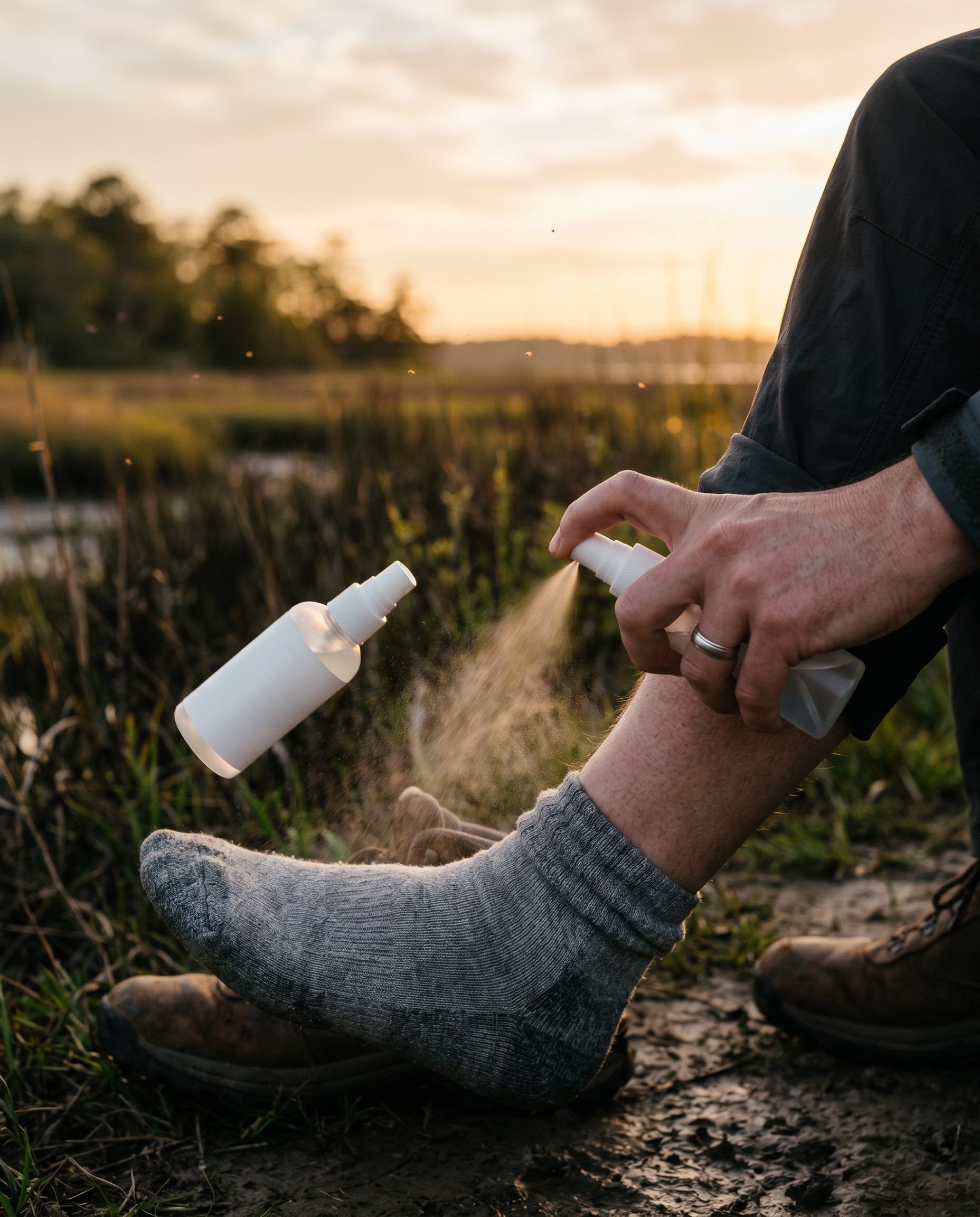
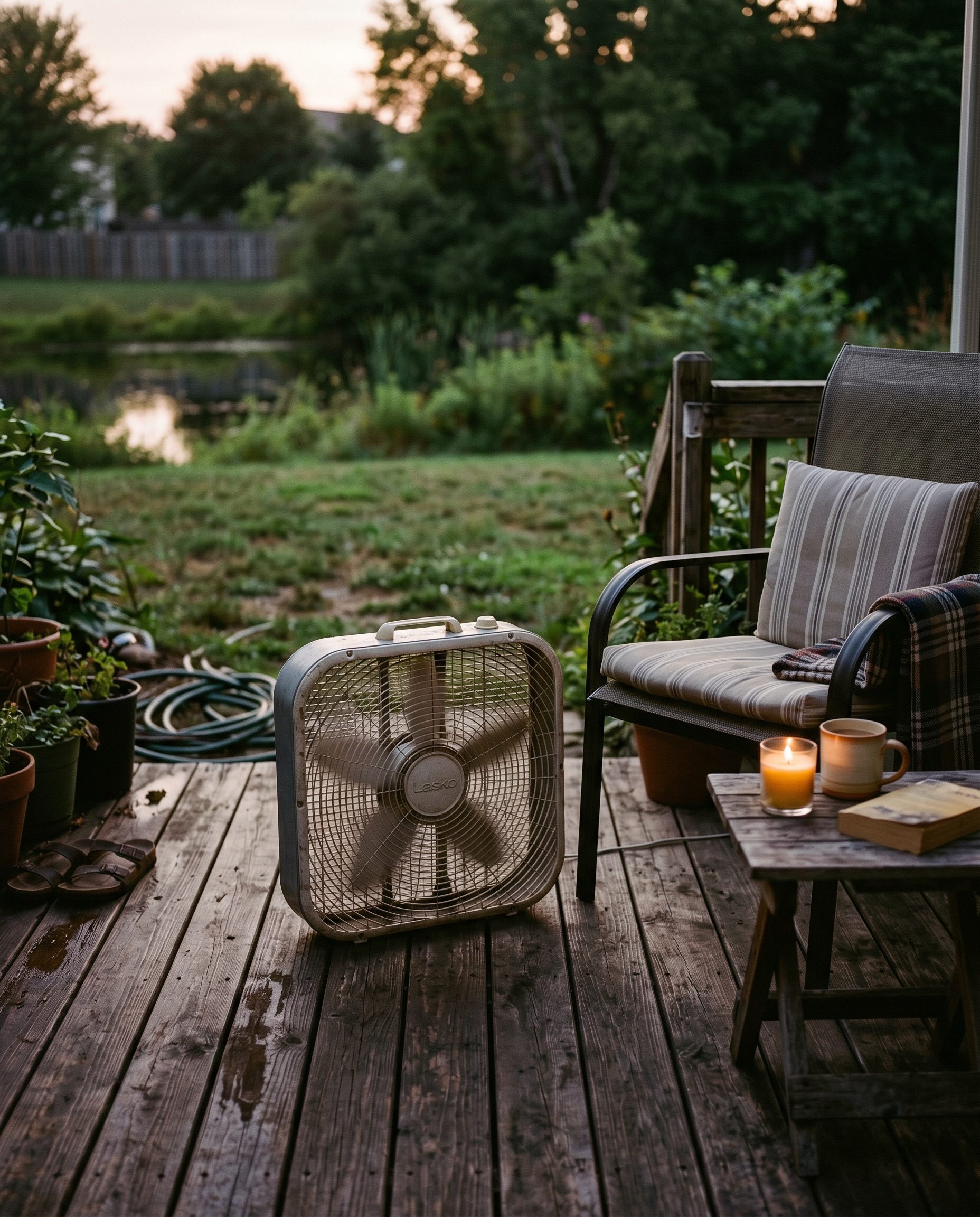
Before you reach for any spray, stack the odds in your favor for free, because no-see-ums are easier to dodge than to fight. These are tiny biting midges that feed hardest at dawn and dusk near damp ground and water, so simply shifting a backyard dinner or a dock evening out of those windows cuts your exposure a lot. They are also weak fliers, which is the homeowner’s best trick: a box fan on a porch or patio blows them off course and keeps them off your skin without any chemical at all. The CDC’s guidance on preventing bites leans on the same layered idea, covering up and reducing exposure before and alongside any repellent.
Then close the gaps around the house, since these midges breed in moist muck and pass straight through ordinary window screens. Cut standing water and damp organic debris near the patio, and if bugs are getting indoors, the screens are usually the reason. Our walkthrough on how to get rid of no-see-ums covers the habitat and screening side in full. A repellent earns its place once you have done the timing, the fan, and the screens, not as a substitute for any of them.
Why most repellents underperform
Here is the part the “top pick” lists skip. No-see-ums are small enough to land in the one spot you missed, so the repellent that fails is almost never the wrong brand, it is the right product applied to incomplete skin. A bare strip at the ankle, the wrist, or the hairline is all a midge needs. The cans that truly underperform are the ones with no EPA-registered active at all, the citronella candle on the table and the ultrasonic plug-in by the chair, which do not put anything on your skin where the biting happens.
This is the case for choosing by active ingredient instead of by marketing. The EPA’s insect repellent guidance points to the registered actives that have data behind them, picaridin, DEET, and oil of lemon eucalyptus, used per the label. Pick one, then apply it to every patch of exposed skin, not a quick spritz on the forearms. If the hatch is heavy, a spray alone will not be enough, and that is the honest limit of any lotion: the smart move is to pair it with a fine-mesh head net or tight clothing rather than buy a stronger bottle. Note that permethrin is a different category entirely, a clothing and gear treatment, never a skin repellent, which the next section keeps straight.
Pick by active ingredient
Once you decide to spray, the choice is short and comes down to the active and how long you need it to last. Decide by two questions: how long will you be out, and does anyone in the group prefer a plant-based option. The point is to match the active to the outing, not to grab the loudest label.
| Active | Best for | Watch-out |
|---|---|---|
| Picaridin | All-day wear, low odor, kid-friendly feel | Reapply per the label; cover every patch of skin |
| DEET | Heavy hatches and long exposure near water | Greasier feel; follow the label, especially on children |
| Oil of lemon eucalyptus | Plant-based preference, shorter outings | Shorter protection window; not for kids under three |
Why not just buy the strongest DEET and be done? Because all three registered actives work on midges when you apply them fully, and the right pick is the one you will actually reapply on time. Picaridin is the easy default for most evenings, low odor and comfortable enough that people keep it on. DEET earns its place for the worst hatches and the longest exposure, and oil of lemon eucalyptus is the plant-based option for shorter outings, though it protects for less time per the EPA’s repellent guidance. One firm rule on clothing: the CDC notes permethrin treats clothing and gear, never skin, so treat socks, cuffs, and a head net with it and leave a skin repellent for the skin.
How to apply it right
Apply it like you mean to cover everything, because partial coverage is what gets you bitten. Spray or rub the product onto all exposed skin, then close the gaps a lotion misses at the ankles, wrists, neck, and hairline, and pull on a fine-mesh head net for a heavy dusk hatch. Reapply on the schedule the label sets, since under federal law the label is the law and it tells you how often a given concentration lasts. Lean on the EPA’s safe pest control principles, which pair targeted repellent use with habitat work near water rather than letting one tactic do everything.
Treat repellents and clothing treatments as the products they are. Follow the label for use on children, keep spray off cut or irritated skin, and if a reaction looks severe, wash it off and contact a clinician. For permethrin, the rules are stricter: it goes on clothing and gear only, must dry fully before you wear it, and is toxic to cats while still wet, so treat garments away from pets and let them air out. If the bites still land despite all this, our notes on how to treat no-see-um bites and on telling no-see-um, mosquito, and gnat bites apart cover the aftercare and the ID.
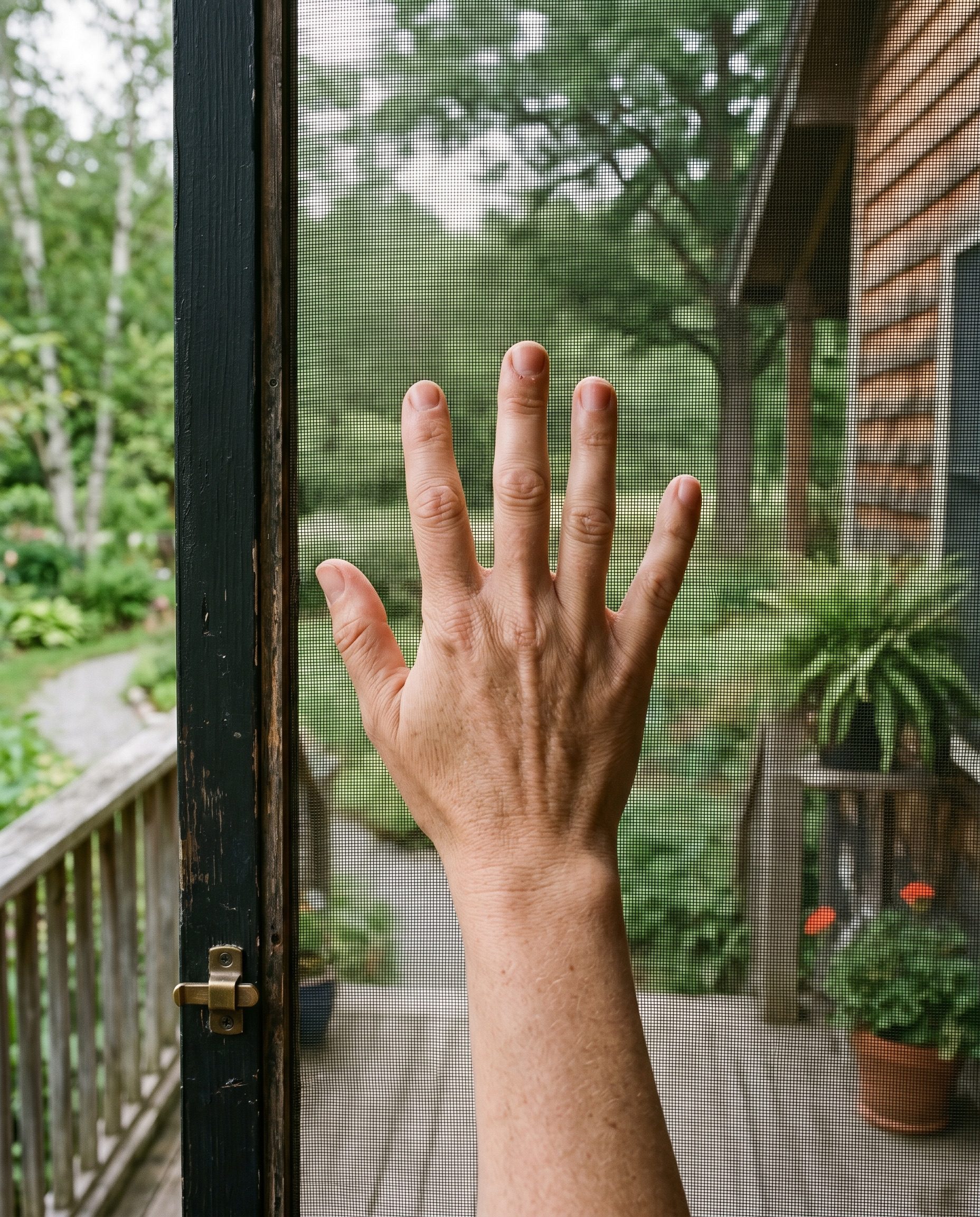
Beyond Repellents: No-See-Um Screens & Barriers
While repellents are crucial for personal protection, physical barriers are often the most effective long-term solution for keeping no-see-ums out of your home and outdoor living spaces. These tiny insects can easily bypass standard defenses, requiring specialized screening.

The Importance of Fine-Mesh Screens
Standard mosquito screens, typically 18×16 mesh (18 strands per inch in one direction, 16 in the other), are effective against most mosquitoes and larger flies. However, no-see-ums are simply too small and can readily pass through these openings. This is a common source of frustration for homeowners who believe their screens are providing adequate protection.
To effectively exclude no-see-ums, you need "no-see-um screens" with a much finer mesh count. These typically feature 20×20, 24×24, or even finer mesh. The material can vary, including fiberglass, polyester, aluminum, or stainless steel, with the latter two offering greater durability in harsh coastal climates. The critical factor is the smaller opening size, which physically blocks midges, gnats, and other tiny biting flies.
There is a trade-off: finer mesh can slightly reduce airflow and light compared to standard screens. To compensate, consider good ventilation design, such as larger screened areas or the use of ceiling fans, to maintain comfort.
Strategic Screen Placement and Design
- Windows and Doors: Install no-see-um mesh in key areas like bedrooms, screened porches, and any room where windows are frequently open. Regularly inspect screens for any gaps around frames, tears, or poorly sealed corners. No-see-ums can exploit even the smallest openings.
- Screened Porches and Patios: For outdoor living areas, use full-height no-see-um screen panels and ensure all bottom and top gaps are securely sealed. This creates a protected zone where you can relax without constant harassment.
- Tents and Camping Nets: If you enjoy camping in coastal or swampy areas, invest in a tent specifically designed with no-see-um mesh. Alternatively, you can add a separate ultra-fine mesh inner tent or sleeping net. For hammocks, confirm that the integrated bug net uses a fine no-see-um mesh, not just a standard mosquito mesh. For more options, see our guide on fine-mesh mosquito nets.
Protective Clothing and Head Nets
Beyond fixed screens, personal clothing and nets provide an essential layer of defense.
- Head Nets: A head net made of no-see-um mesh, worn over a wide-brimmed hat, is invaluable for activities like angling, hiking, or gardening in heavily infested areas.
- Clothing: Opt for lightweight, tightly woven clothing that covers as much skin as possible. Loose-fitting garments are often more effective than tight ones, as they create a physical barrier that midges cannot bite through. Tightly knit socks and cuffs can help prevent bites around ankles and wrists. Consider clothing treated with permethrin for an added layer of protection; our article on Best Permethrin Clothing Sprays offers more insights.
The picks
Cards come after the analysis on purpose, because the active ingredient and the outing decide which one you buy. These three cover a no-see-um-specific spray, a long-wear picaridin, and a plant-based option, and all are common, widely available repellents.
InsectoGuide is reader-supported. As an Amazon Associate we earn from qualifying purchases at no extra cost to you.
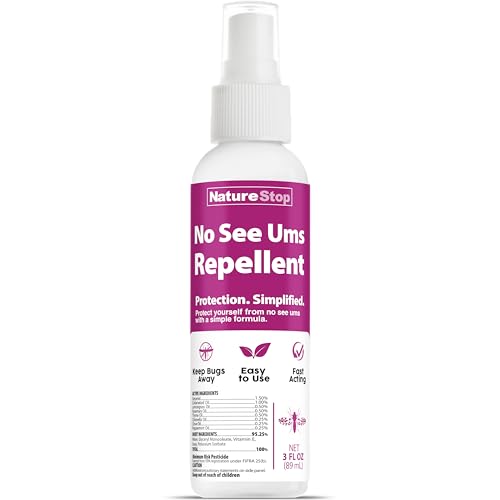
A pocket-size DEET-free spray aimed at midges for the beach or boat.
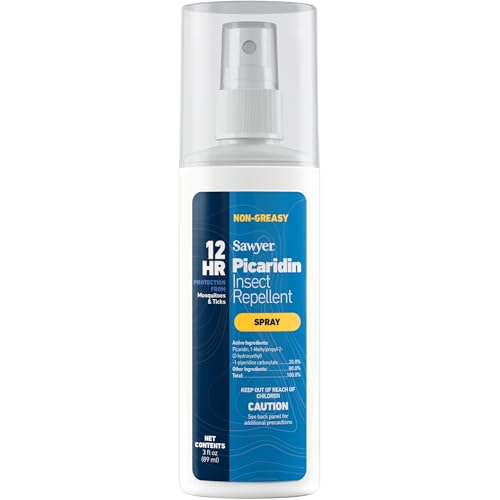
A clear, low-odor picaridin spray for all-day cover on exposed skin.
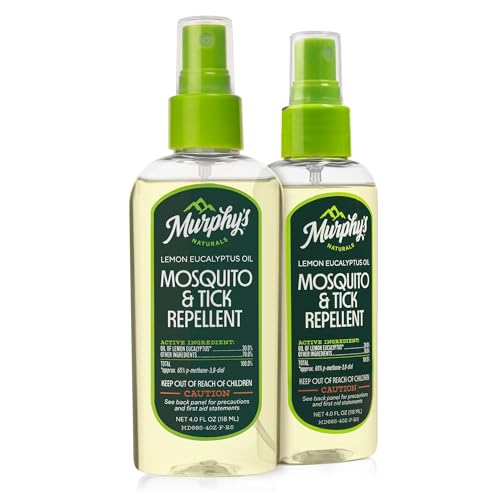
A plant-based oil of lemon eucalyptus spray for sensitive users on shorter outings.
Common questions
Do citronella candles or ultrasonic plug-ins repel no-see-ums?
Not reliably. They put nothing on your skin where the biting happens, so a midge simply lands on the nearest bare patch. Skin protection comes from an EPA-registered active applied fully, with a fan and a head net as backup.
Which active ingredient works best on no-see-ums?
Any of the registered actives works when you cover all exposed skin: picaridin, DEET, or oil of lemon eucalyptus. The EPA’s repellent guidance treats them all as effective per the label, so pick the one you will reapply on time.
Can I use permethrin on my skin to stop midge bites?
No. Permethrin is a clothing and gear treatment only. The CDC is clear that permethrin goes on clothing, not skin, must dry fully before wearing, and is toxic to cats while wet, so treat socks, cuffs, and a head net and keep a skin repellent for skin.
Will a regular window screen keep no-see-ums out?
Usually not. These midges are tiny enough to pass through standard screen mesh, which is why bugs still get in. You need a fine no-see-um mesh on doors and windows, and cutting damp breeding muck nearby helps too.
How often do I reapply?
On the schedule the product label gives for its concentration; oil of lemon eucalyptus protects for a shorter window than picaridin or DEET. Reapply sooner if you sweat heavily or swim, and always follow the label, especially on children.
Final verdict
There is no magic bottle for no-see-ums, only an EPA-registered active applied to every patch of exposed skin and backed by good timing. Start free by moving outdoor time off dawn and dusk near water and running a fan, since these midges are weak fliers, then pick your repellent by active ingredient. Reach for picaridin for an easy all-day default, DEET for the heaviest hatches and the longest exposure, and oil of lemon eucalyptus for a plant-based option on shorter outings. Skip the citronella candles and ultrasonic plug-ins, and close the gaps a spray misses with a fine-mesh head net or tight clothing treated with permethrin. Cover all skin, reapply on the label’s schedule, and let the fan and the net carry the rest, because no single spray finishes the job alone.