The persistent itch from an insect bite can quickly turn a pleasant outdoor experience into an irritating ordeal. Whether it's a tiny mosquito bite or a more significant reaction to a spider or ant, finding fast, effective relief is often the top priority. Understanding which anti-itch creams for insect bites are most effective, and why, can make all the difference in managing discomfort and preventing secondary issues like infection. This guide, drawing on expert recommendations and scientific understanding, will help you navigate the best options available to soothe your skin and get back to enjoying nature.
Bottom line: For most itchy insect bites, start with washing and a cold compress, then choose hydrocortisone, calamine, pramoxine, or an antihistamine cream based on the symptom.
- Hydrocortisone fits red, inflamed itch.
- Calamine helps weepy or irritated spots feel drier.
- Do not use topical diphenhydramine on large areas or broken skin.

Bottom line:
For most insect bites, the most effective anti-itch creams for insect bites are those containing 1% hydrocortisone. Calamine lotion offers gentle soothing for milder irritation, while topical diphenhydramine can provide short-term relief for intense itching. Always clean the bite area first and avoid scratching to prevent infection.
Why bites itch
When an insect bites, it injects saliva into the skin. This saliva contains proteins that our immune system identifies as foreign. In response, the body releases histamine and other inflammatory chemicals, leading to the classic symptoms of an insect bite: redness, swelling, and intense itching. This reaction is essentially a localized allergic response, which is why the severity can vary greatly from person to person and even between different bites on the same individual.
Most common insect bites, such as those from mosquitoes (Culicidae family), are self-limited, meaning they typically resolve on their own within a few days. However, the itching can be intense, and persistent scratching can prolong irritation, damage the skin, and increase the risk of secondary bacterial infection. The Mayo Clinic notes that swelling and itching are direct results of the body’s allergic-type reaction to proteins in mosquito saliva [Mayo Clinic].
In some cases, individuals may experience a more significant hypersensitivity reaction, sometimes referred to as "skeeter syndrome," which can result in large local swelling and intense itch that might be mistaken for a bacterial infection [Mayo Clinic]. Recognizing the underlying cause of the itch helps in choosing the most appropriate treatment.
Best cream types
When it comes to finding effective relief, several over-the-counter anti-itch creams for insect bites are widely recommended by dermatologists and medical professionals. These products work by targeting the inflammatory response or by providing a soothing, protective barrier.
Hydrocortisone Cream (1%)
Often considered the gold standard for inflammatory itch, low-potency topical corticosteroids like hydrocortisone 1% cream are highly effective. Hydrocortisone works by reducing inflammation and suppressing the immune response at the bite site. This directly addresses the swelling and redness, which in turn significantly reduces the sensation of itch.
- Best for: Itchy, inflamed bites, especially those with noticeable swelling or redness.
- How to use: Apply a thin layer to the affected area 1-2 times daily.
- Important note: GoodRx advises against using hydrocortisone for longer than a week without consulting a healthcare professional [GoodRx]. It should not be applied to broken skin unless specifically directed by a doctor.
Calamine Lotion
A time-tested remedy, calamine lotion is a popular choice for its soothing and drying properties. While it doesn't directly target inflammation in the same way hydrocortisone does, its active ingredients (zinc oxide and ferric oxide) help to calm irritated skin and dry up any minor oozing.
- Best for: Mild itch, minor skin irritations, and bites that may be slightly weepy or blistered.
- How to use: Shake well and apply a generous layer to the bite area as needed.
- Benefit: It provides a cooling sensation upon application, which can offer immediate, temporary relief.
Topical Diphenhydramine Products
Products containing topical diphenhydramine, an antihistamine, are designed to block histamine receptors in the skin, thereby reducing the itching sensation. An example is Benadryl Extra Strength Itch Relief Stick, which combines 2% diphenhydramine HCl with 0.1% zinc acetate [Benadryl].
- Best for: Short-term, localized itch relief, particularly for intense itching.
- How to use: Apply sparingly to the bite area as directed on the product label.
- Caution: While effective for immediate relief, some clinicians advise judicious use of topical antihistamines due to the potential for skin irritation or sensitization, especially with repeated or prolonged application.

Other relief options
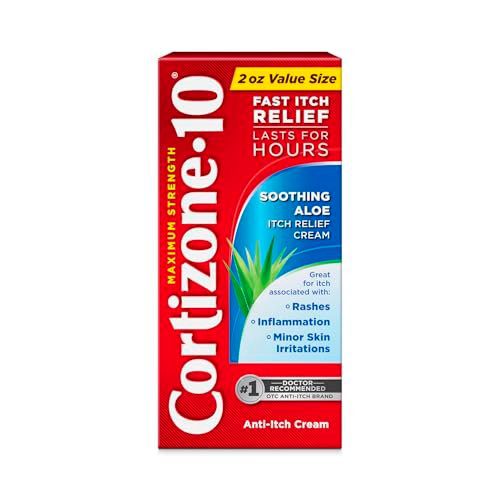
A familiar 1% hydrocortisone cream for red, inflamed itch from ordinary insect bites when used as directed.
- Fast-acting itch relief, often described as working quickly
- Effective for relieving itching from bug bites, rashes, eczema, poison ivy, and similar skin irritations
- Convenient 2 oz tube with a soothing aloe formula that many find easy to apply
- Can feel greasy or leave a residue on skin
- Some users report the scent or texture is unpleasant or that relief is temporary and needs reapplication
While creams are a primary solution, several other strategies can complement their use or provide relief when creams aren't readily available. These methods are often recommended as first steps in managing insect bites.
- Cold Compresses or Ice: Applying a cold compress or an ice pack (wrapped in cloth) to the bite area for 5-10 minutes can significantly reduce swelling and numb the nerves, providing immediate relief from itching and pain. The Mayo Clinic suggests rubbing with an ice cube for 30 seconds [Mayo Clinic].
- Oral Antihistamines: For more widespread reactions or numerous bites, an oral antihistamine can be more practical than applying topical treatments to every spot. Non-sedating options like cetirizine (Zyrtec) or loratadine (Claritin) are often recommended by the Mayo Clinic for stronger reactions [Mayo Clinic]. These work systemically to reduce the body's histamine response.
- Baking Soda Paste: A simple home remedy, a paste made from baking soda and water can help neutralize the pH of the skin and soothe irritation. GoodRx mentions baking soda paste as a potential option for quick relief [GoodRx].
- Hydrocolloid Bite Patches: These small, adhesive patches are excellent for protecting bites from scratching. While they don't contain medication, they create a barrier that prevents further irritation and can aid in healing, making them particularly useful for children or individuals prone to scratching. You can find specific types of mosquito bite creams and patches designed for this purpose at many pharmacies.
Treatment steps
Effective treatment begins with proper first aid and continues with consistent application of chosen remedies. Following these steps can help minimize discomfort and prevent complications.
- Clean the Area: Gently wash the bite area with mild soap and water. This removes any lingering insect saliva, dirt, or bacteria that could lead to infection.
- Apply Cold: Place a cold compress or ice pack on the bite for 5-10 minutes. This helps reduce swelling and numb the itch.
- Choose Your Topical Treatment:
- For inflamed, itchy bites, apply a thin layer of 1% hydrocortisone cream.
- For milder itch or general soothing, use calamine lotion.
- For intense, localized itching, a topical diphenhydramine product can be applied sparingly.
- Avoid Scratching: This is perhaps the most crucial step. Scratching breaks the skin, introduces bacteria, and can turn a simple bite into a prolonged irritation or infection. If you find yourself unable to stop, consider covering the bite with a bandage or a hydrocolloid patch. You can learn more about whether you should pop or scratch mosquito bites in our detailed guide.
- Reapply as Directed: Follow the instructions on your chosen product for reapplication. Most creams can be applied 1-3 times daily.
- Consider Oral Relief: If you have multiple bites or a widespread reaction, an oral antihistamine like cetirizine or loratadine can provide systemic relief.
Taking a comprehensive approach to comprehensive mosquito bite relief strategies can significantly improve your comfort.

When to get help
While most insect bites are minor nuisances, some situations warrant medical attention. Knowing the red flags can help you determine when a professional opinion is necessary.
Seek medical attention if you experience:
- Signs of Infection: Increasing redness, warmth, swelling, pus, or worsening pain around the bite.
- Spreading Redness: Red streaks or a spreading rash beyond the immediate bite area.
- Systemic Symptoms: Fever, chills, headache, body aches, or persistent fatigue.
- Severe Allergic Reaction (Anaphylaxis): This is an emergency. Symptoms include trouble breathing, wheezing, swelling of the lips, face, or tongue, dizziness, rapid pulse, or a sudden drop in blood pressure. If these occur, seek immediate emergency care.
- Large Local Reactions: While sometimes just an intense allergic response (skeeter syndrome), very large, tender, or rapidly expanding swelling should be evaluated to rule out infection or other issues. You can identify signs of an allergic reaction to a mosquito bite to understand when to be concerned.
- Bites from Potentially Dangerous Insects: If you suspect a bite from a venomous spider, tick, or if you're unsure of the insect, it's always best to consult a doctor. Our guide on how to identify different types of insect bites can help you differentiate.
Riverchase Dermatology emphasizes the importance of watching for these signs and seeking professional advice when in doubt [Riverchase Dermatology].
Common myths
Many myths surround insect bite treatment. Separating fact from fiction can prevent ineffective or even harmful practices.
- Myth 1: "The best way to treat a bite is to scratch it."
- Reality: Scratching is detrimental. It breaks the skin, potentially introducing bacteria and leading to secondary infections. The Mayo Clinic specifically warns against hard scratching for this reason [Mayo Clinic].
- Myth 2: "Any anti-itch cream works the same."
- Reality: Products differ significantly in their active ingredients and mechanisms. Hydrocortisone reduces inflammation, calamine soothes and dries, and diphenhydramine targets itch signaling. Choosing the right product for your specific symptoms is key.
- Myth 3: "Vinegar is a proven fix for all bites."
- Reality: While some people swear by home remedies like vinegar, there isn't strong scientific evidence to support its effectiveness for bug bites. GoodRx notes that it may even irritate the skin [GoodRx]. Stick to evidence-backed treatments for reliable relief.
- Myth 4: "If the bite is large, it must be infected."
- Reality: Large local swelling can be an intense allergic reaction, such as skeeter syndrome, rather than an infection. While it warrants monitoring, it's not automatically a sign of bacterial infection [Mayo Clinic].
- Myth 5: "More cream means faster relief."
- Reality: Overapplying topical medications doesn't necessarily improve relief and can sometimes increase the risk of skin irritation or side effects. Always follow the package instructions for proper dosage and application.
Final take
Dealing with itchy insect bites is a common annoyance, but with the right knowledge and tools, you can find quick and effective relief. Anti-itch creams for insect bites like hydrocortisone 1% are often your best first line of defense, tackling the underlying inflammation. Calamine lotion provides gentle soothing, while topical antihistamines can offer targeted relief for intense itching. Remember to always clean the bite area, apply cold compresses, and, most importantly, avoid scratching to prevent complications.
By understanding the science behind the itch and choosing appropriate treatments, you can minimize discomfort and ensure your skin heals properly. If you notice any signs of infection or experience a severe allergic reaction, do not hesitate to seek medical attention. For more information on managing common insect encounters, explore our guides on comprehensive mosquito bite relief strategies and how to identify different types of insect bites.
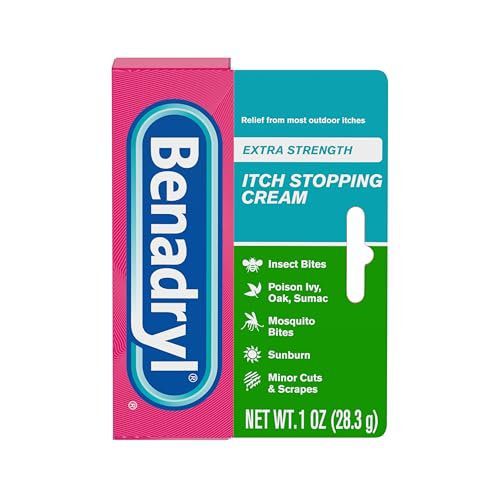
A topical diphenhydramine cream for short-term itch relief on small areas. Avoid overuse and do not apply to broken skin.
- Provides fast, effective relief from itching and pain caused by insect bites, poison ivy/oak/sumac, and minor skin irritations
- Extra strength 2% diphenhydramine formula is noticeably more effective than lower‑strength or generic anti‑itch creams for many users
- Non‑greasy cream that absorbs well and is convenient to keep on hand for outdoor activities, travel, and first‑aid kits
- Some users experience limited duration of relief and need to reapply multiple times per day
- Contains parabens and other preservatives that a subset of customers try to avoid or report mild skin sensitivity to
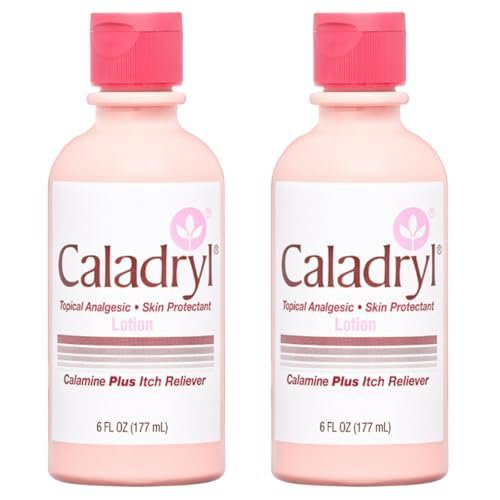
A calamine-style lotion for irritated bites where a cooling, drying skin protectant feels better than a greasy cream.
- Effectively relieves itching and pain from insect bites, poison ivy/oak/sumac, sunburn, and other minor skin irritations
- Provides a soothing, cooling sensation and forms a protective barrier that can help rashes dry and heal
- Lightweight, easy-to-apply lotion that many users keep on hand as a reliable household staple
- Relief can be temporary, requiring frequent reapplication throughout the day
- Can be messy or leave a residue/gritty texture on the skin, especially in skin folds or larger application areas
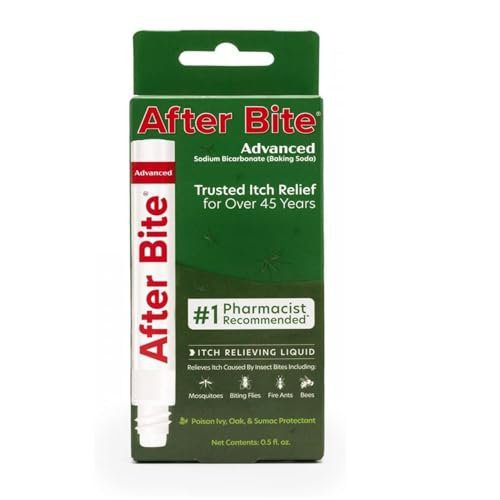
A compact pen-style option for mild itch when you want something small enough for a bag, tackle box, or travel kit.
- Provides fast, often near-instant relief from itching and discomfort caused by mosquito and other insect bites
- Compact, pen-style applicator that is easy to carry in bags, pockets, or camping kits and simple to apply precisely
- Widely described as effective and reliable, with many repeat buyers who keep it on hand for outdoor activities
- Strong, unpleasant odor (often described as ammonia-like) that some users dislike
- Can cause stinging or irritation on sensitive or broken skin for some people
As an Amazon Associate, I earn from qualifying purchases. Product recommendations are based on real reviews and independent research.